 Seeking LED
100 Watt LED High Bay Light: Is It Enough for Real Industrial Spaces?
160100 watt LED high bay light offers efficient, focused illumination for warehouses and workshops. Learn where it fits, where it fails, and why.
View detailsSearch the whole station
What are explosion proof lights cast from?
Explosion proof lights are typically cast from high-strength aluminum alloys, stainless steel, and tempered glass, designed to contain internal explosions, resist corrosion, and maintain structural integrity in hazardous environments.
That’s the clean answer. But material choice isn’t just about strength—it’s about how that material behaves after years of heat, vibration, salt, and pressure.
In most industrial projects—including SEEKINGLED installations—the housing is made from ADC12 or similar die-cast aluminum alloys.
Why aluminum?
According to the Aluminum Association, aluminum alloys provide efficient heat dissipation, which is critical for LED lifespan.
But here’s the nuance: not all aluminum is equal.
Low-grade casting often leads to:
I’ve seen housings fail pressure tests—not because of design, but because of poor casting density.
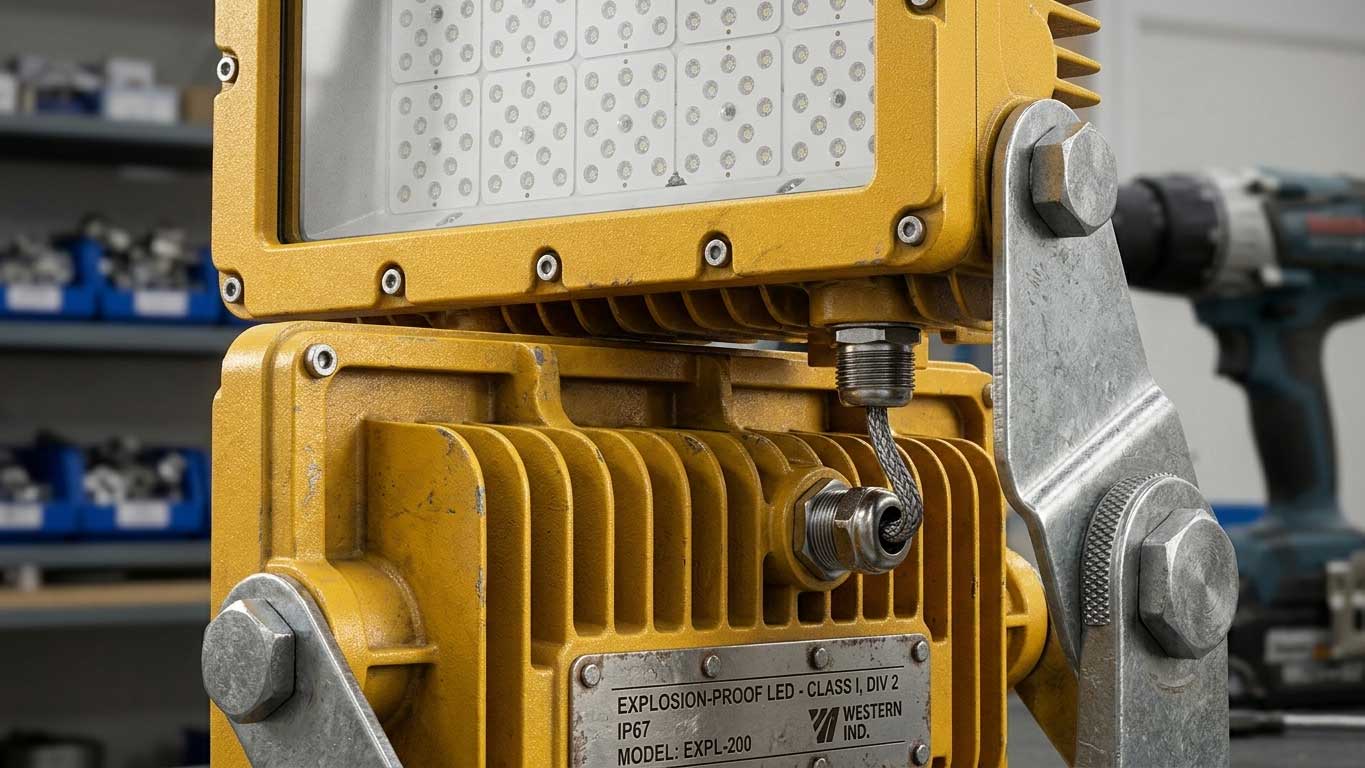
Used in:
Common grades:
Why upgrade?
Trade-off:
In one offshore retrofit I worked on, switching to 316 stainless extended fixture lifespan by over 3 years compared to coated aluminum.
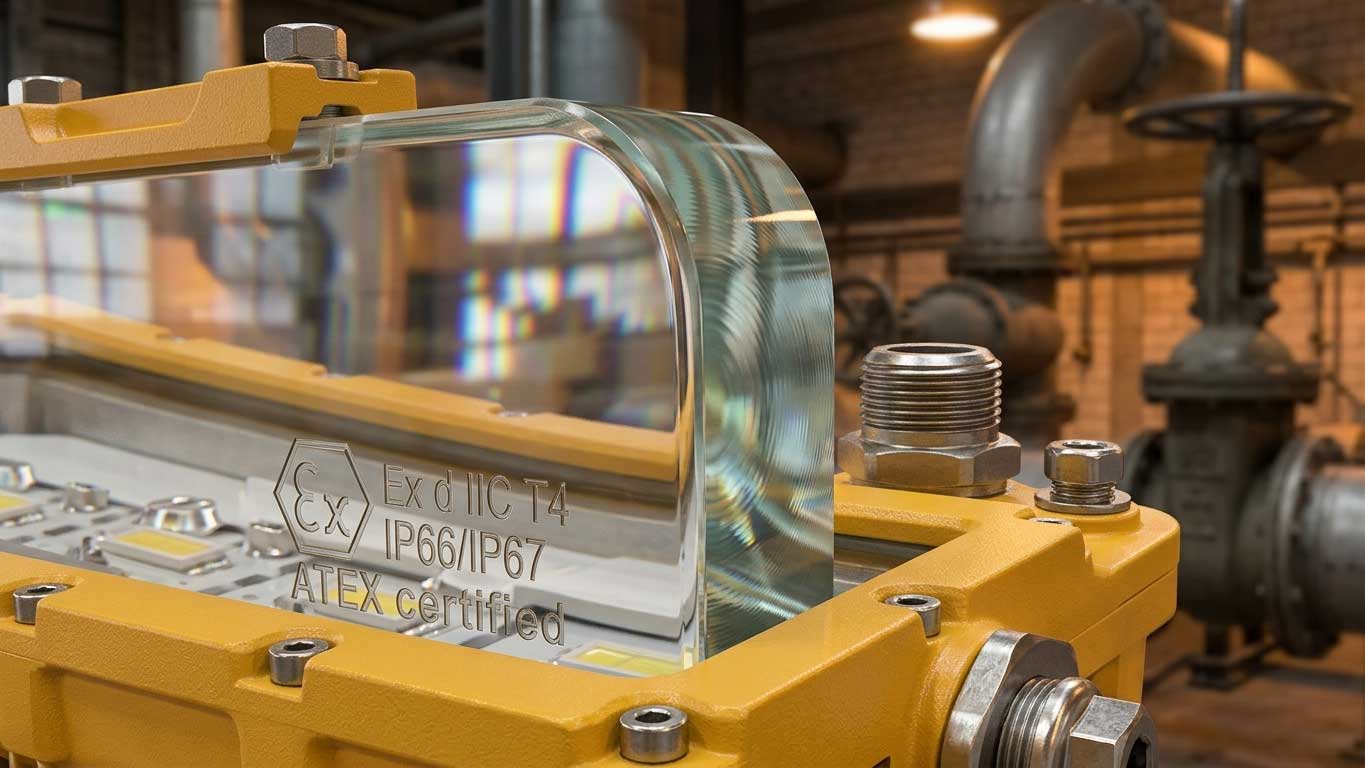
The lens isn’t just for light transmission.
Explosion proof lights use:
According to IEC 60079 standards, the enclosure—including glass—must withstand internal explosion pressure without shattering dangerously.
Typical specs:
This part is often ignored—but it’s critical.
Key elements:
These components ensure:
Even a thin layer of paint on threads can compromise performance—I’ve flagged this issue more times than I can count during inspections.
Many buyers focus on LED chips or brightness.
But explosion protection depends on:
According to IECEx certification requirements, the enclosure must:
This is purely a materials engineering problem.
| Material | Strength | Corrosion Resistance | Heat Dissipation | Cost |
|---|---|---|---|---|
| Aluminum alloy | High | Medium-High | Excellent | Moderate |
| Stainless steel 304 | Very High | High | Medium | High |
| Stainless steel 316 | Very High | Very High | Medium | Very High |
From my experience working with SEEKINGLED systems, the difference is not just material choice—but control over manufacturing:
In one warehouse hazardous zone upgrade, switching to SEEKINGLED fixtures reduced housing-related failures to near zero over a 2-year inspection cycle.
No. Aluminum is most common, but stainless steel is used for extreme environments.
Plastic cannot withstand explosion pressure or high temperatures required for hazardous certifications.
Yes. Corrosion resistance and heat dissipation directly impact long-term performance.
Over the past 8 years, I’ve worked on industrial lighting deployments across:
Material failure—not electrical failure—accounts for a significant portion of lighting risks. In one audit, over 28% of rejected fixtures showed casting or sealing defects, not LED failure.
When asking What are explosion proof lights cast from, the real question is:
Will the material still perform after years of stress, heat, and corrosion?
Because in hazardous environments,
materials don’t just support the light—they define its safety boundary.
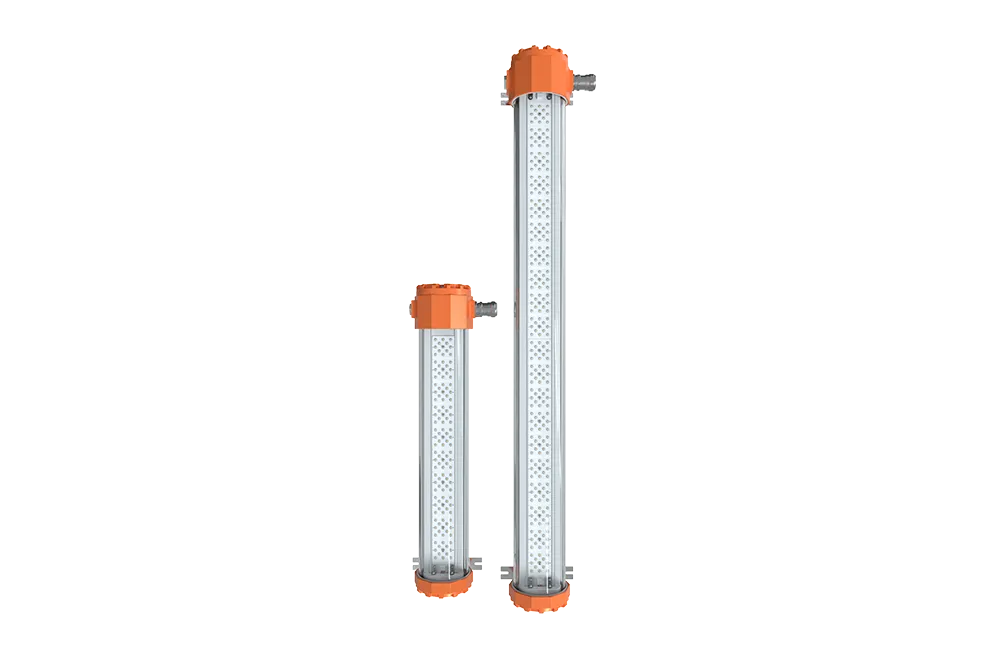
SEEKINGLED LED Linear Explosion Proof Light and Explosion Proof lighting is ATEX and IECEx certified for Zone 1, Zone 2, Zone 21 and Zone 22 hazardous locations, built for long-term industrial use.
View details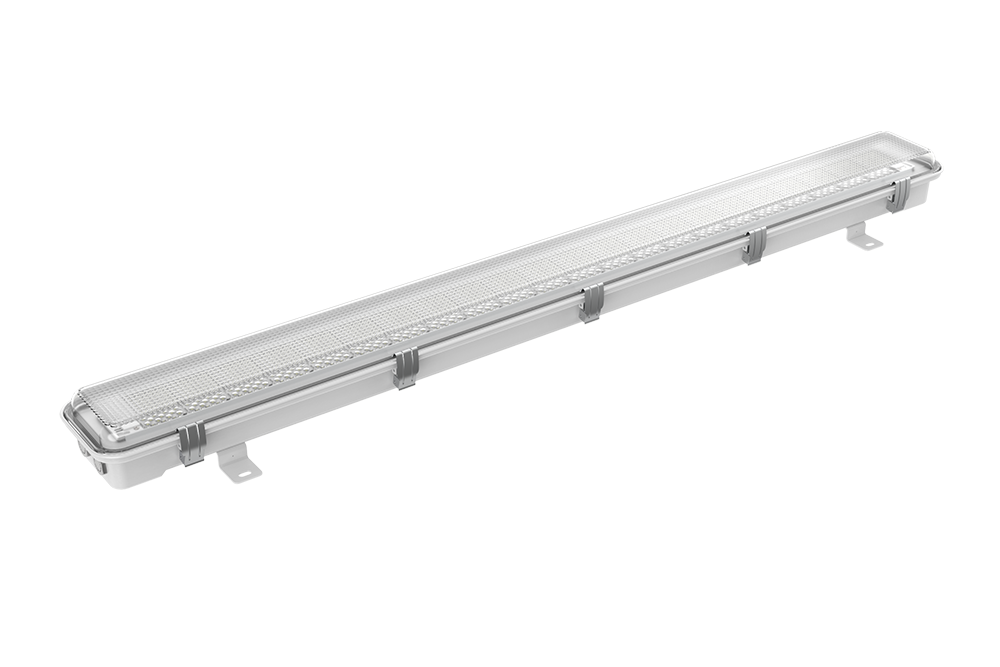
LED Linear Explosion Proof Lights and EX Proof lights for Zone 1, Zone 2, Zone 21 and Zone 22 hazardous areas. ATEX & IECEx certified explosion proof LED linear lighting with emergency function, adjustable power and IP67 protection by SEEKINGLED.
View details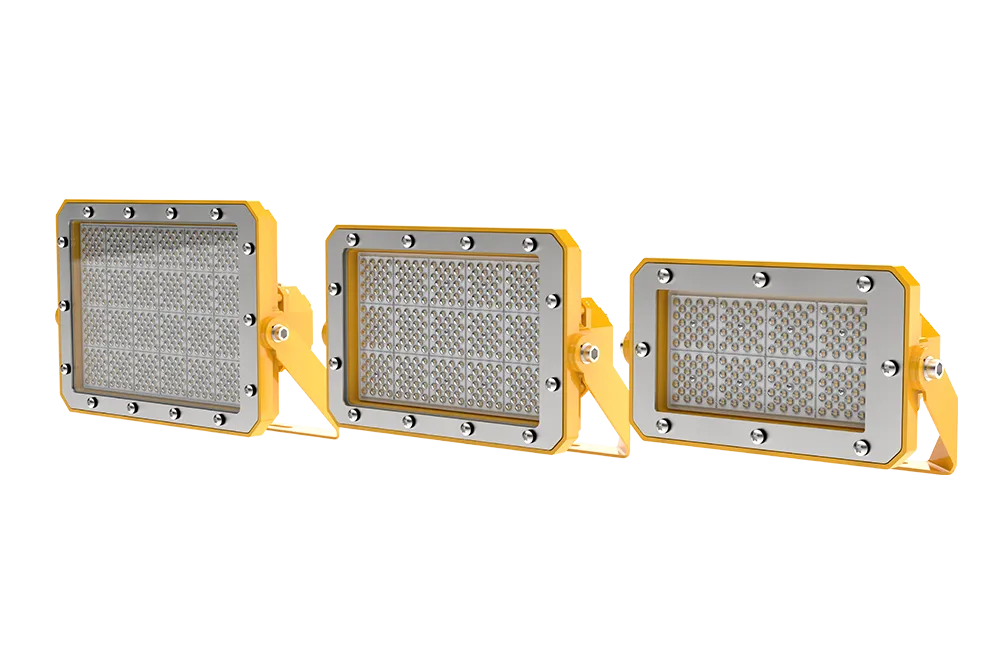
SEEKINGLED LED Explosion Proof Flood Lights are ATEX certified for Zone 2 and Zone 22 hazardous areas, offering high efficiency, adjustable power and integrated junction box.
View details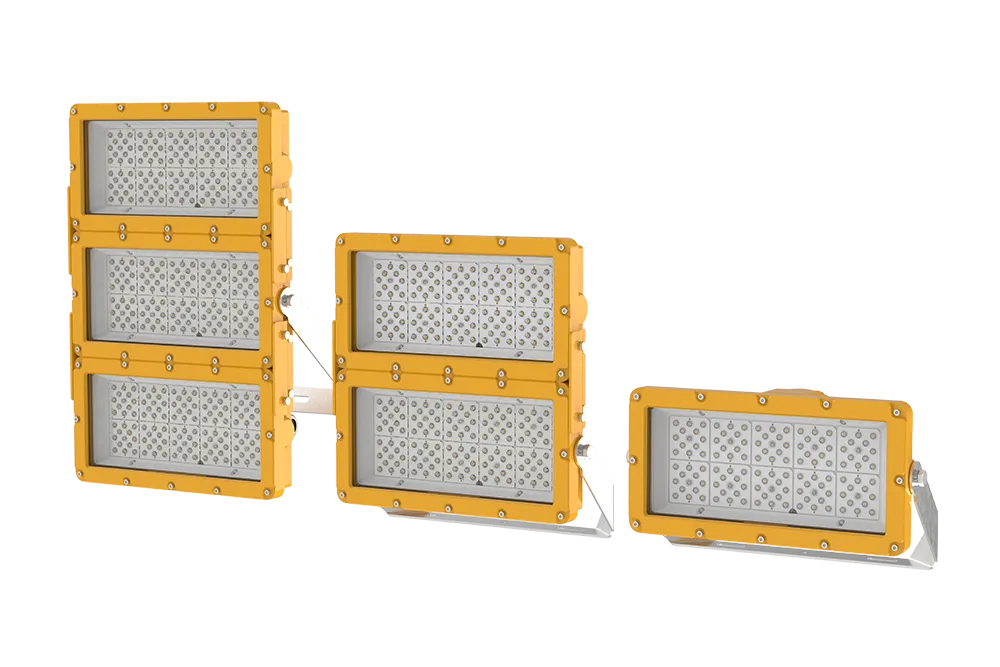
SEEKINGLED LED Explosion Proof Flood Lights are flameproof ATEX and IECEx certified for Zone 1 and Zone 2 hazardous areas, offering high power, adjustable output and long service life.
View details
SEEKINGLED LED Gas Station Canopy Lights are ATEX certified for Zone 2 and Zone 22 hazardous areas, featuring adjustable power and built-in explosion-proof junction box.
View details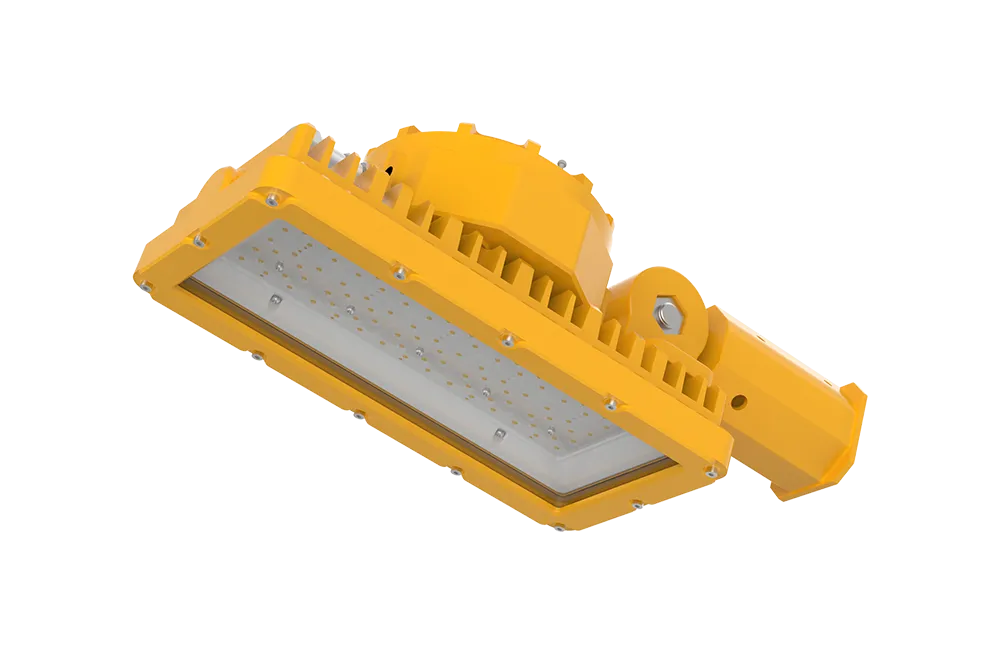
ATEX: Ex II 2G Ex db IIB T6/T5 GbEx II 2D Ex tb IIIC T80°C/ T95°C Db IECEx Ex db IIB T6 Gb;Ex tb IIIC T80°C Db Feature: ● For Zone 1,2 and Zone 21,22● Flameproof type, the strongest● 100W can replace 250W HID,energy saving● Power:60W,80W,100W Application: Oil and gas, marine, Chemical, pharmaceutical, semiconductor,mining,military industr…
View details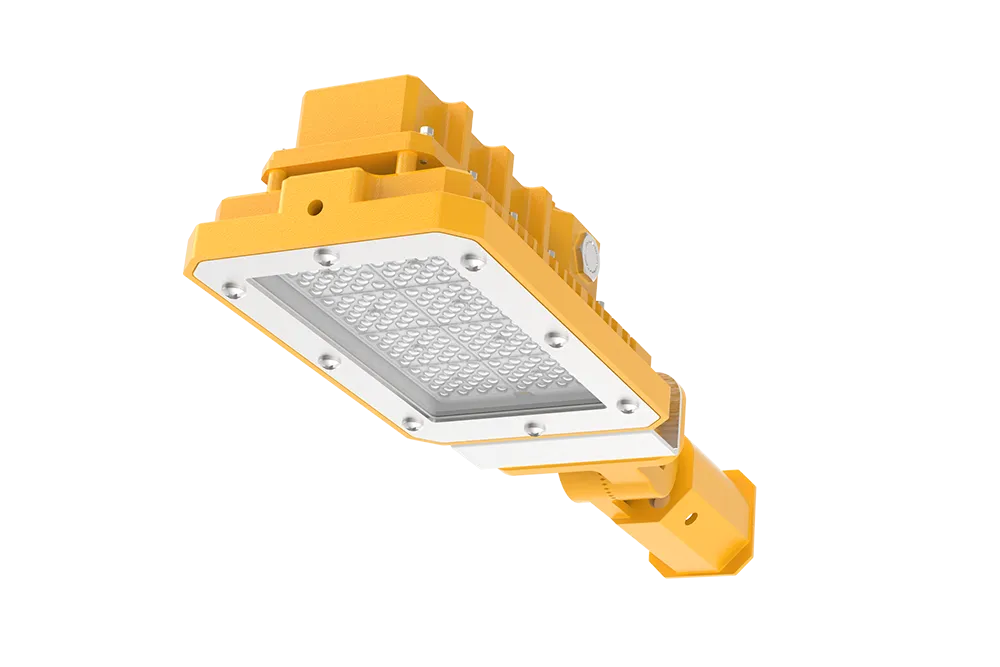
ATEX: II 3G Ex nR ⅡC T5/T6 GcII 3D Ex tc ⅢC T80℃/T95℃Dc ATEX Certificate NO: TÜV CY 26 ATEX 0207611 X Feature: ● For Zone 2 and Zone 22● 150W can replace 250W HID lamps,Energy saving● Power:50W,75W,100W,150W,200W Application: Oil and gas, marine, Chemical, pharmaceutical, semiconductor,mining,military industry, paint booth,power plant ETC…
View details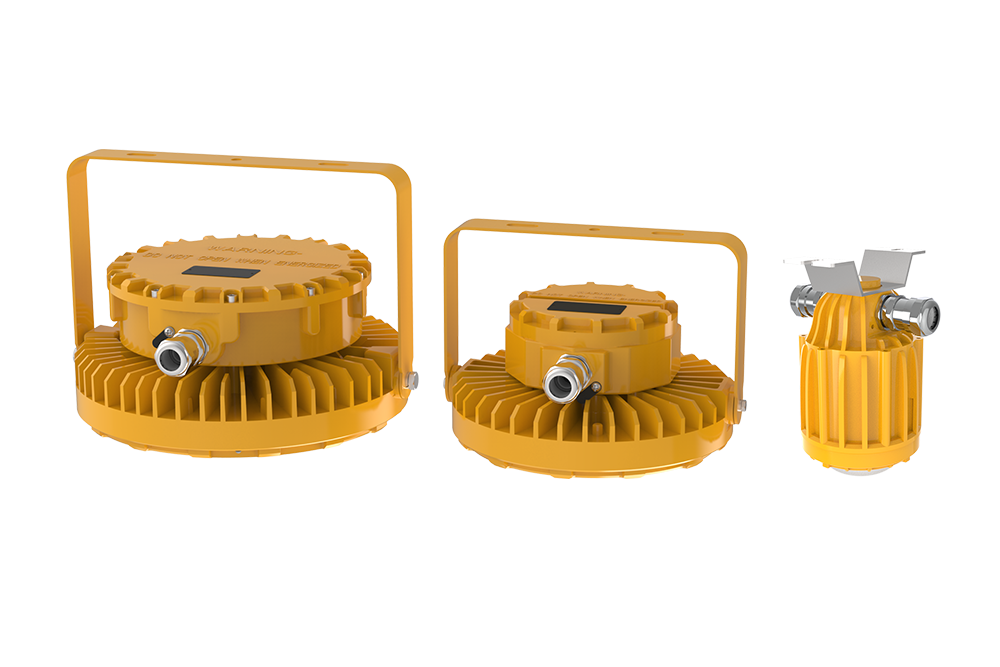
LED explosion proof high bay lights are designed for Zone 1, Zone 2, Zone 21 and Zone 22 hazardous areas. This page introduces the HB21 Series from SEEKING, including certifications, power options and real application considerations.
View details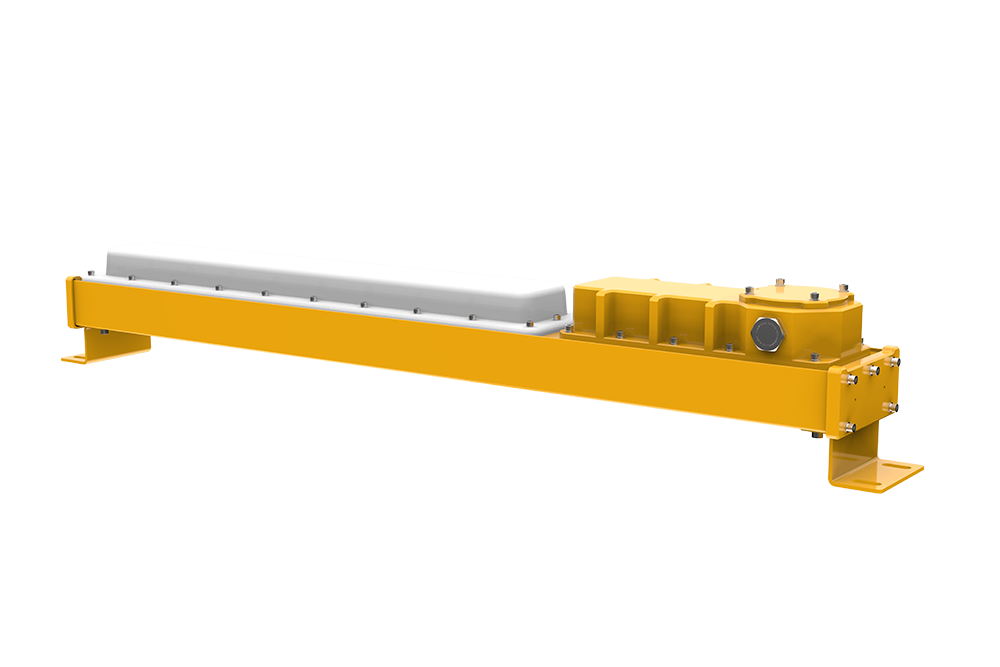
LED Linear Explosion Proof Lights from SEEKINGLED. LU Series Flame Proof lights ATEX-certified explosion proof LED linear lighting for Zone 2 gas and Zone 22 dust areas, IP69K, IK10, long lifetime and flexible power options.
View details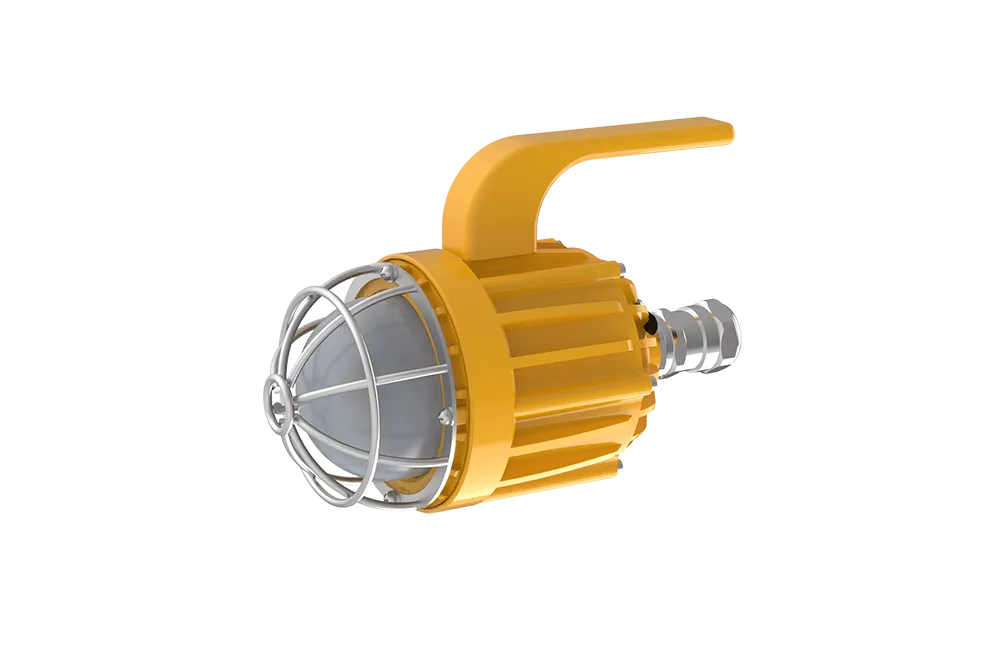
Certified explosion proof work lights for Zone 1 & 21 hazardous areas. Portable, ATEX & IECEx approved, built for oil, gas and chemical plants by SEEKINGLED.
View details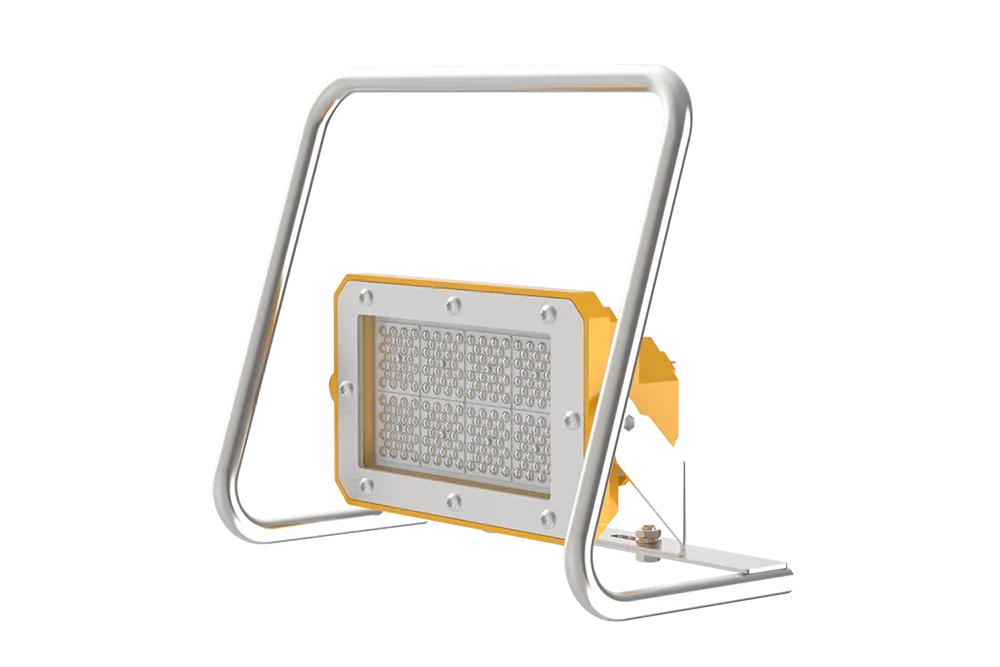
ATEX: II 3G Ex nR ⅡC T6 GcII 3D Ex tc ⅢC T80℃ Dc ATEX Certificate NO: TÜV CY 26 ATEX 0207611 X Feature: ● For Zone 2 and Zone 22● Accepts battery-powered supply● indestructible● Power:AC input:50W,75W,100WDC input:15W,25W,35W Application: Oil and gas, marine, Chemical, pharmaceutical, semiconductor,mining,military industry, paint booth,po…
View details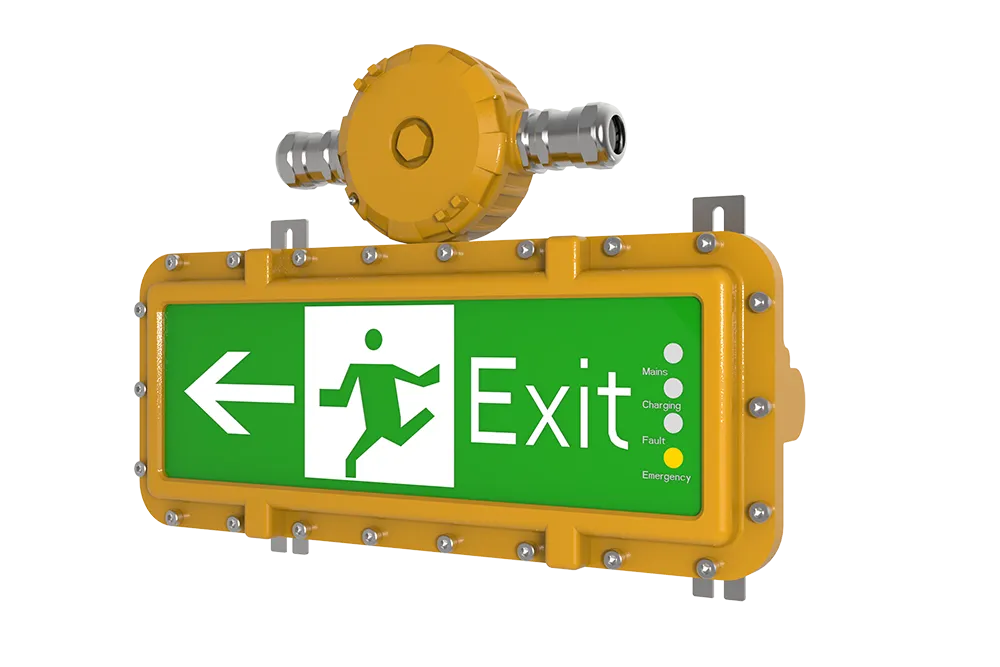
ATEX: Ex II 2G Ex db IIB T6 GbEx II 2D Ex tb IIIC T80°C Db IECEx Ex db IIB T6 Gb;Ex tb IIIC T80°C Db Feature: ● For Zone 1,2 and Zone 21,22● Flameproof type, the strongest Application: Oil and gas, marine, Chemical, pharmaceutical, semiconductor,mining,military industry, paint booth,power plant ETC hazardous area. Technical Specifications:…
View details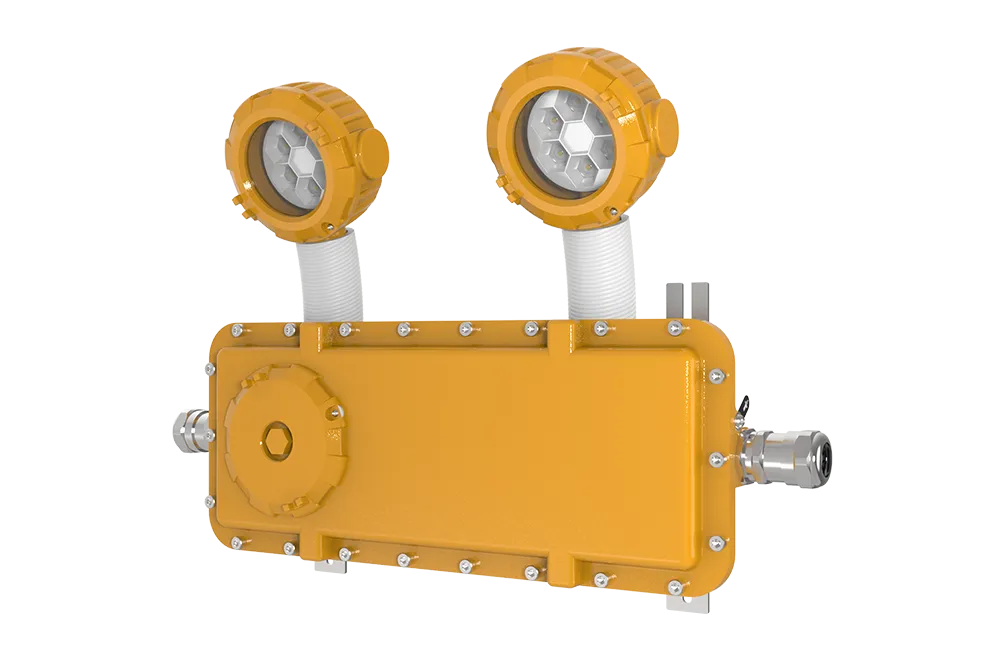
ATEX: Ex II 2G Ex db IIB T6 GbEx II 2D Ex tb IIIC T80°C Db IECEx Ex db IIB T6 Gb;Ex tb IIIC T80°C Db Feature: ● For Zone 1,2 and Zone 21,22● Flameproof type, the strongest Application: Oil and gas, marine, Chemical, pharmaceutical, semiconductor,mining,military industry, paint booth,power plant ETC hazardous area. Technical Specifications:…
View details
ATEX: Ex II 2G Ex d e IIB T6 Gb ATEX: Ex d e IIB T6 Gb; Feature: ● For Zone 1,2● 9W can replace 18W fluorescent lamps,50% Energy saving Application: Oil and gas, marine, Chemical, pharmaceutical, semiconductor,mining,military industry, paint booth,power plant ETC hazardous area. Technical Specifications: Standards:60079-0, 60079-1, 60079…
View details
100 watt LED high bay light offers efficient, focused illumination for warehouses and workshops. Learn where it fits, where it fails, and why.
View details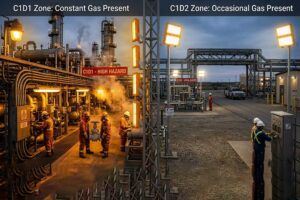
Class 1 Div 1 vs Div 2 explained for hazardous locations. Learn key differences, lighting requirements, certifications, and industrial safety standards.
View details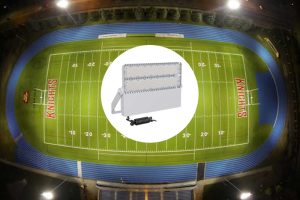
LED Stadium Lighting for High School Rugby Field requires stable illumination, beam control, and long-term reliability. This project records how 36 pcs FLD 720W LED flood lights were installed at St. Francis Xavier High School rugby field.
View details
4 foot LED high bay lights designed for aisles and corridors. SEEKINGLED HB17 delivers focused optics, high efficiency, and stable long-hour performance.
View details