The first time you walk into a large processing hall at an oil or gas site, one thing becomes obvious almost immediately — lighting behaves differently there.
It is not just about brightness. The environment itself changes the rules.
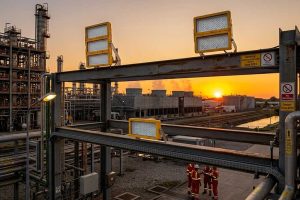
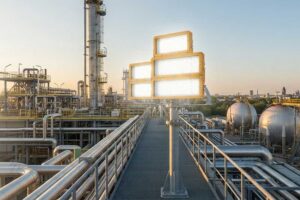
In one natural-gas compression building I visited during a lighting assessment, the roof structure was nearly fifteen meters high. Pipes ran across the ceiling, compressors vibrated constantly, and the air classification required every electrical device to meet hazardous-area standards.
That includes the lighting.
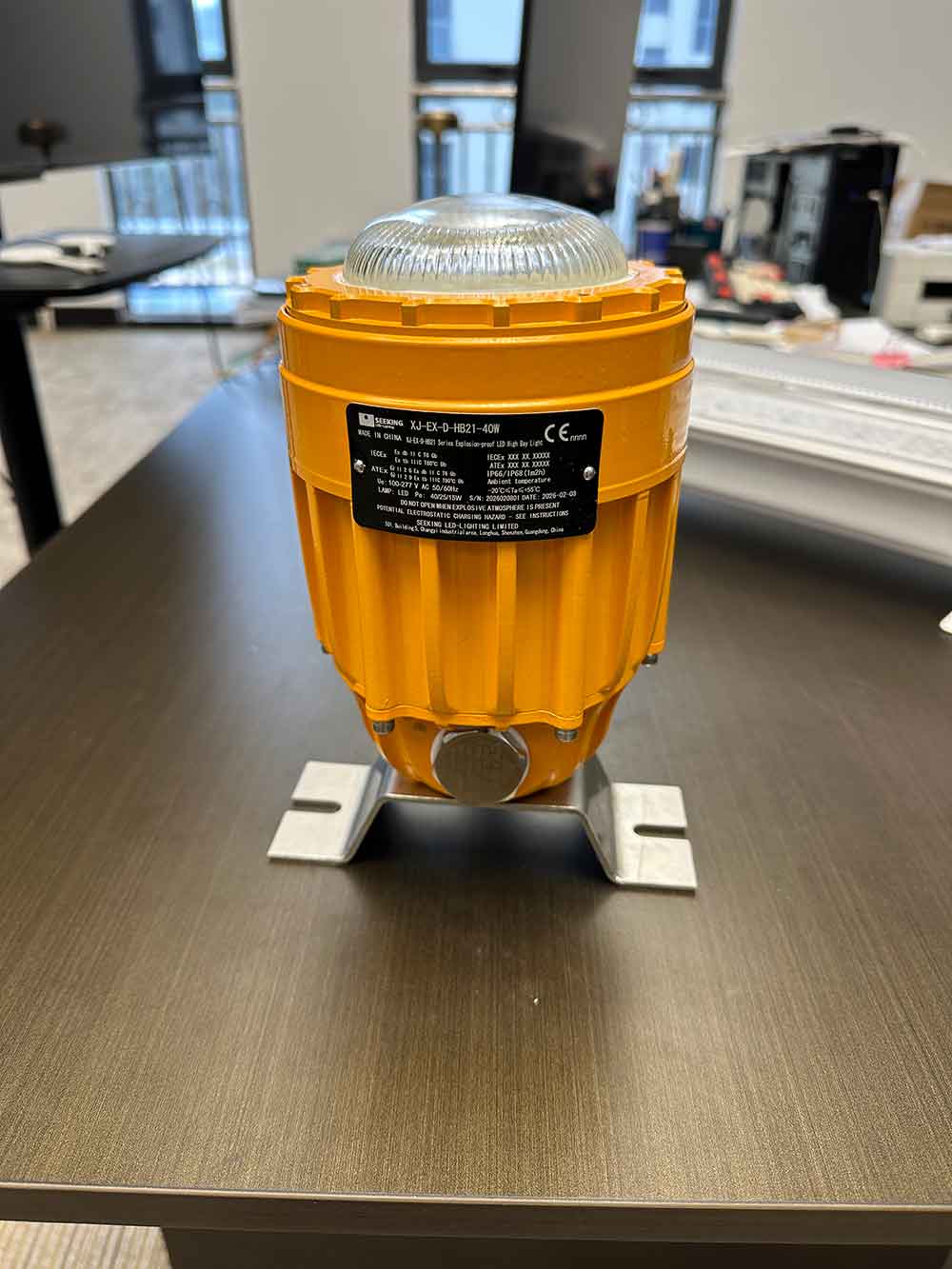
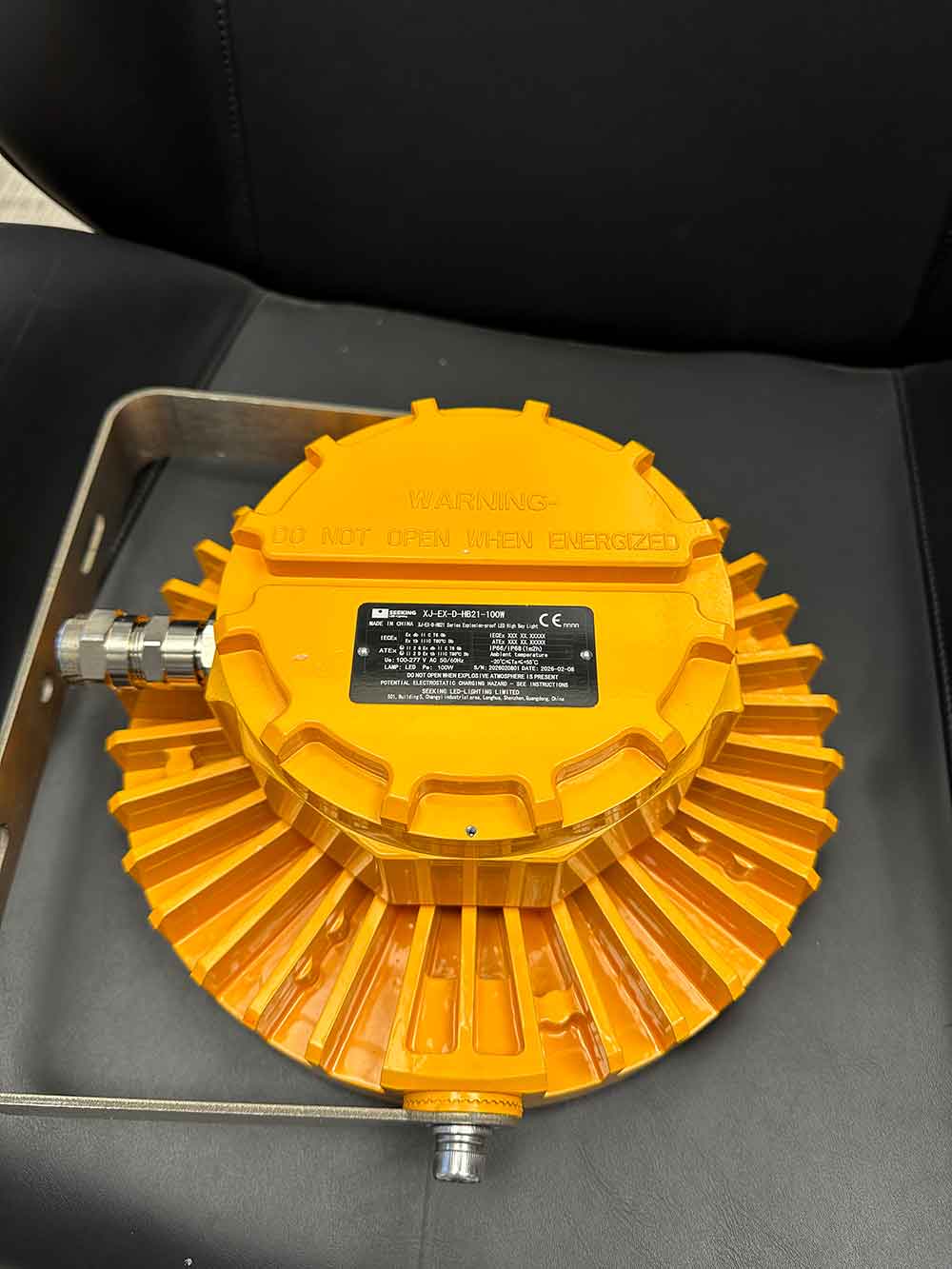
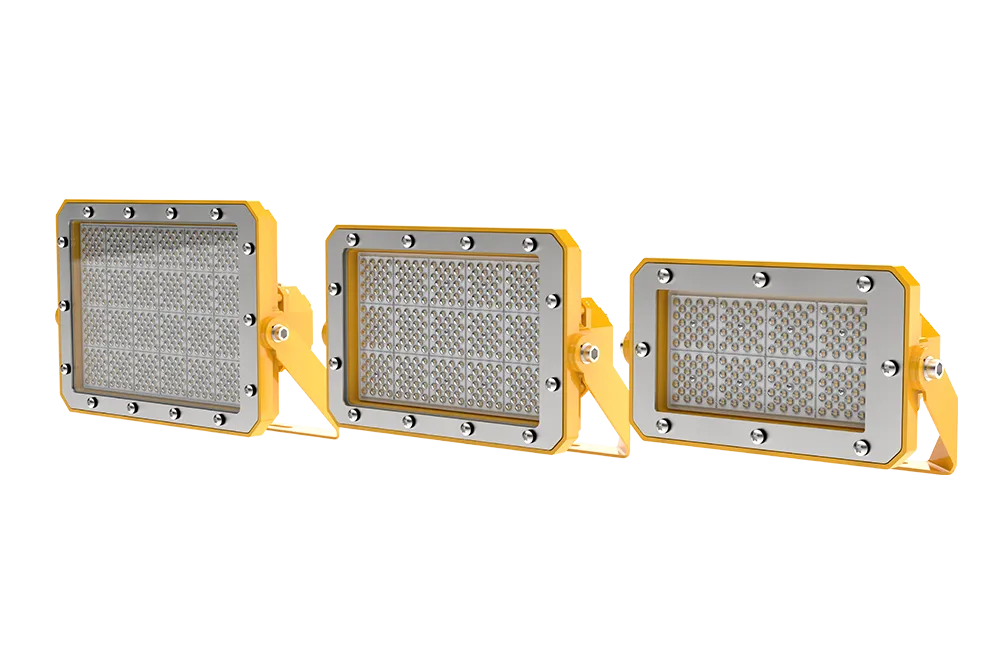
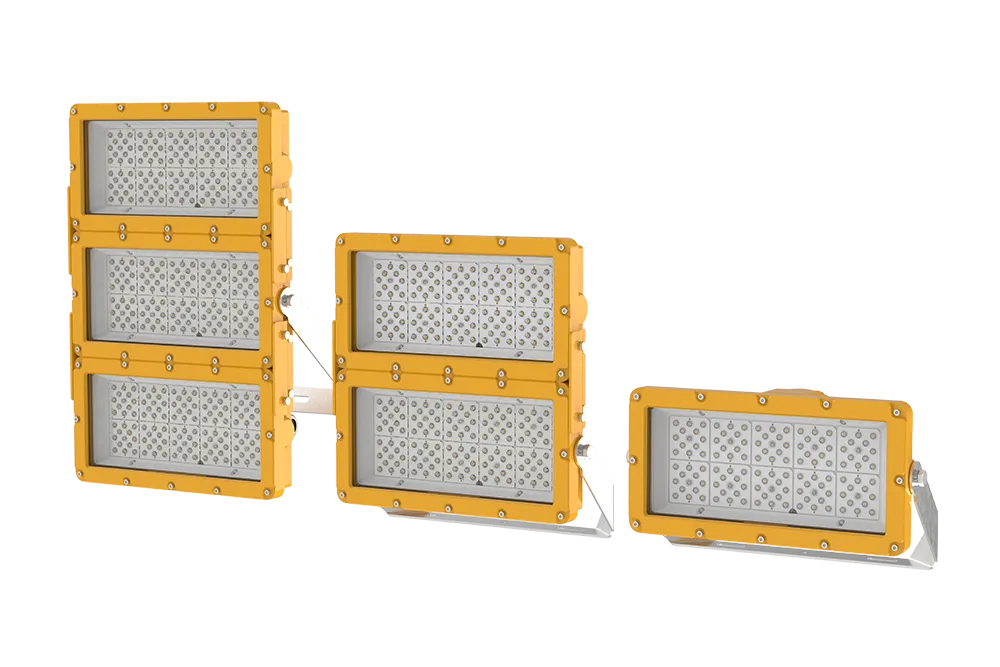
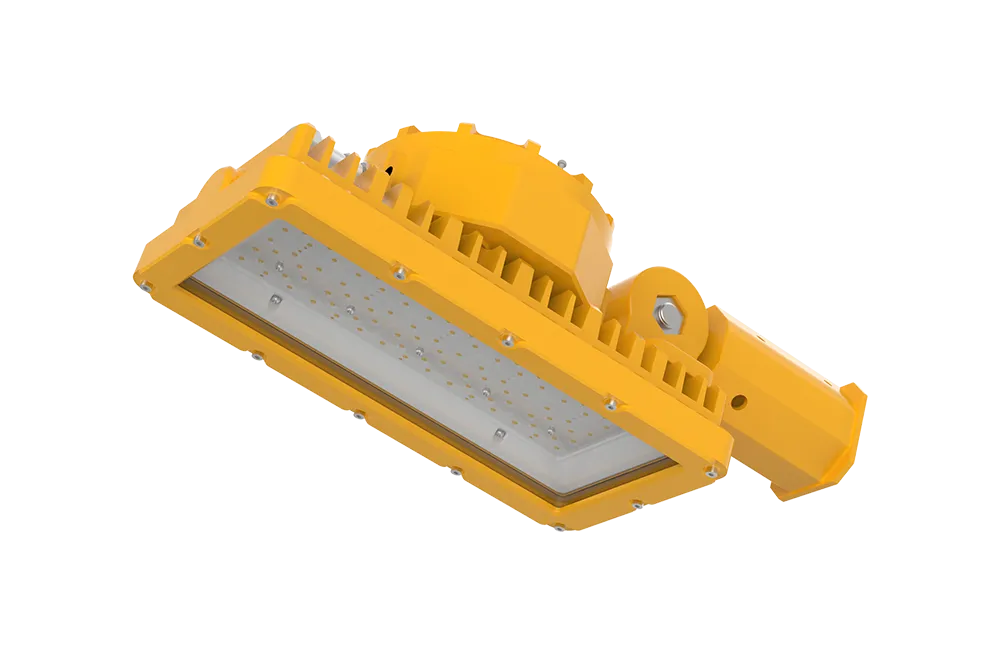
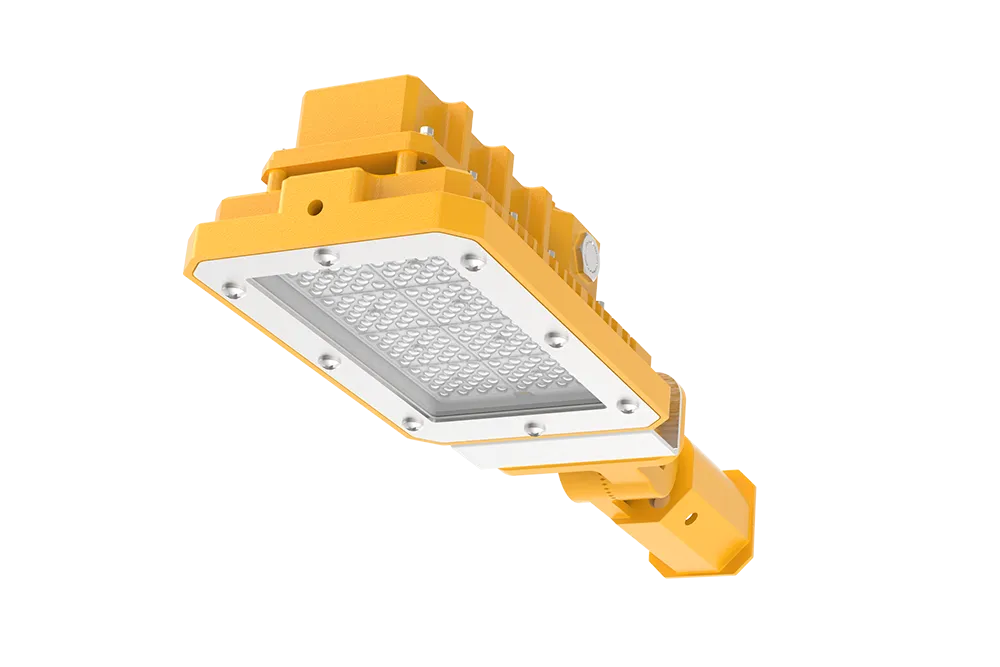
A conventional industrial fixture simply cannot be used in such conditions. The facility instead required Explosion-Proof led High Bay lights, engineered specifically for explosive atmospheres where gas leaks or combustible dust may occasionally be present.
The difference between those fixtures and ordinary high bays is not minor engineering. It is fundamental safety design.
Hazardous Areas Change How Lighting Is Designed
In many industrial buildings, lighting design is mostly about coverage and efficiency. Hazardous locations introduce another priority: ignition control.
Electrical equipment can produce small sparks or internal arcs. Under normal circumstances this is harmless. Inside a flammable atmosphere, however, that same spark could become an ignition source.
Because of this risk, international standards such as IEC 60079-0 and IEC 60079-1 define strict construction rules for electrical equipment installed in explosive environments.
The most widely used protection concept for industrial lighting is Ex d flameproof construction.
Instead of attempting to eliminate internal ignition completely, flameproof equipment assumes ignition could occur inside the enclosure. The housing is built strong enough to contain the explosion and prevent flame propagation to the surrounding atmosphere.
This principle is the foundation behind modern Explosion-Proof led High Bay lights.
Illumination Requirements Inside Large Industrial Structures
Safety certification alone is not enough. Industrial facilities with high ceilings demand powerful lighting output.
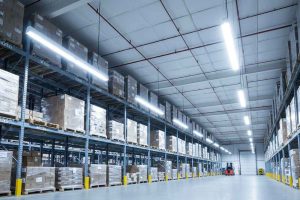
Pump halls, turbine buildings and underground mining tunnels often have mounting heights ranging from 8 to 20 meters. Fixtures installed at those heights must deliver substantial luminous flux in order to provide usable illumination at ground level.
The Explosion-Proof led High Bay lights produced by SEEKINGLED cover power levels from 15 W up to 300 W, allowing engineers to select the appropriate output depending on mounting height and spacing.
At higher power levels, individual fixtures can reach approximately 40,000 lumens.
That level of output allows fewer luminaires to illuminate large working areas.
Efficiency also plays a major role. Modern LED systems used in these fixtures achieve luminous efficacy levels approaching 150 lumens per watt.
According to data published by the U.S. Department of Energy, LED lighting systems can reduce energy consumption by 50–75 percent compared with traditional halogen or metal-halide lighting technologies in many industrial environments.
For facilities operating continuously, the difference becomes significant over time.
Real Conditions Are Rarely Gentle
Industrial lighting is often discussed in specifications and diagrams. The actual working environment tells a slightly different story.
On offshore platforms, equipment vibrates day and night. In mining operations, dust accumulates on every exposed surface. Chemical processing plants introduce corrosion, temperature fluctuations, and occasional mechanical impact.
Fixtures used in these environments must survive all of it.
Because Explosion-Proof led High Bay lights use thick flameproof housings, they tend to be physically stronger than ordinary industrial luminaires. The aluminum enclosures must withstand internal explosion pressure, which means the overall structure is inherently robust.
During field inspections it is not unusual to find lighting fixtures exposed to forklift contact, cable strain, or continuous vibration. Equipment designed for hazardous areas generally handles these conditions better.
Not by accident.
By design.
Installation Flexibility Matters More Than Expected
Another detail that becomes clear during real projects is that industrial facilities rarely follow neat lighting layouts.
Pipe bridges block light paths. Structural beams create shadows. Ventilation ducts occupy ceiling space.
Rigid lighting systems struggle in such environments.
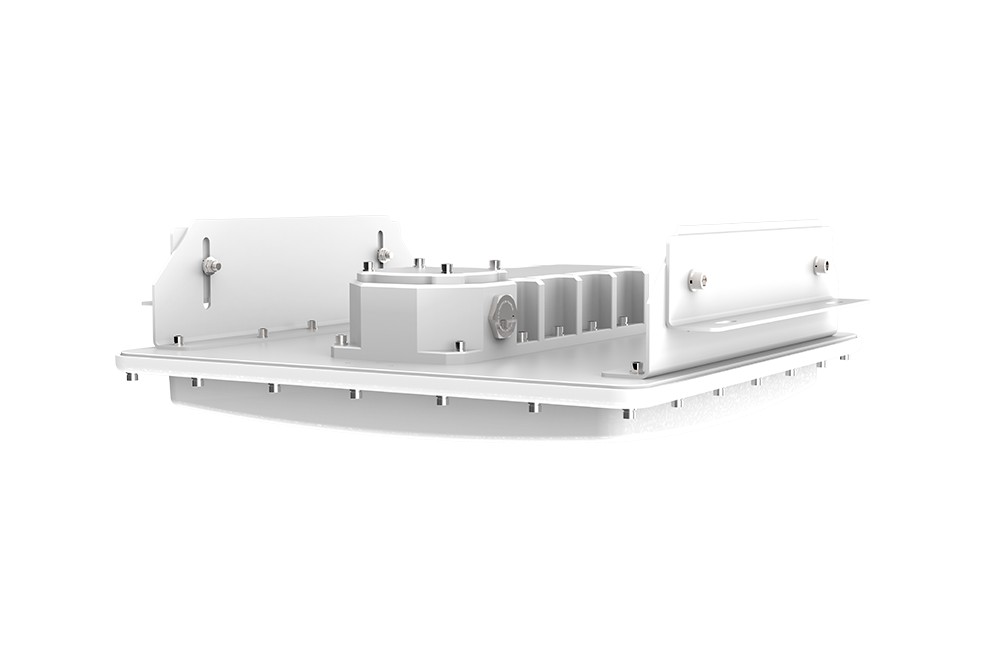
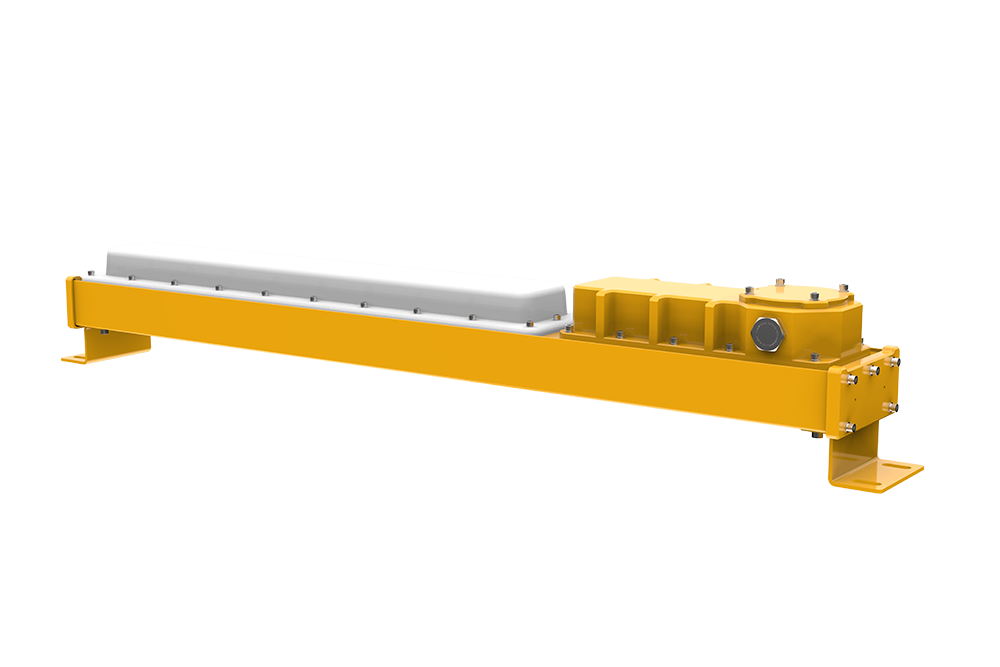
The Explosion-Proof led High Bay lights from SEEKINGLED support several installation approaches, including ceiling mounting, adjustable brackets for directional lighting, and daisy-chain configurations when continuous rows of illumination are required.
That flexibility allows engineers to adapt lighting systems to the structure of the facility rather than forcing the structure to adapt to the lighting.
In practice, that makes installation significantly easier.
Long Operating Life Reduces Maintenance Risk
Maintenance inside hazardous areas is never routine.
Before replacing a fixture, technicians may need safety permits, gas detection monitoring, and sometimes temporary shutdown procedures depending on the location classification.
Every intervention carries operational cost and risk.
LED technology helps reduce how often those interventions occur.
High-quality LED systems used in modern Explosion-Proof led High Bay lights can reach operational lifetimes close to 100,000 hours. For continuously operating facilities, that represents more than a decade of service.
Less maintenance. Fewer disruptions.
That is exactly what operators want from lighting equipment installed high above complex industrial processes.
Typical Applications
Because of their safety certification and high output capability, Explosion-Proof led High Bay lights are widely used across several industries:
offshore oil and gas production platforms
natural gas processing plants
underground mining operations
petrochemical facilities
industrial tunnels and infrastructure projects
These locations require lighting systems capable of combining safety compliance, durability, and strong illumination levels.
Engineering Experience Behind SEEKINGLED Lighting
Lighting products used in hazardous areas rarely evolve in isolation. Many design improvements come from field observations during real installations.
At SEEKINGLED, development teams frequently gather feedback from engineers working in oil, gas and mining projects. Small details — mounting geometry, heat dissipation fins, cable gland sealing — are adjusted after observing how fixtures behave under real conditions.
Those details do not always appear prominently in specification sheets.
Yet they determine whether lighting continues working reliably five or ten years later.
And in hazardous environments, reliability is exactly what Explosion-Proof led High Bay lights are expected to deliver.
high bay explosion proof lighting recommended
SEEKINGLED LED Linear Explosion Proof Light and Explosion Proof lighting is ATEX and IECEx certified for Zone 1, Zone 2, Zone 21 and Zone 22 hazardous locations, built for long-term industrial use.
LED Linear Explosion Proof Lights and EX Proof lights for Zone 1, Zone 2, Zone 21 and Zone 22 hazardous areas. ATEX & IECEx certified explosion proof LED linear lighting with emergency function, adjustable power and IP67 protection by SEEKINGLED.
SEEKINGLED LED Explosion Proof Flood Lights are ATEX certified for Zone 2 and Zone 22 hazardous areas, offering high efficiency, adjustable power and integrated junction box.
SEEKINGLED LED Explosion Proof Flood Lights are flameproof ATEX and IECEx certified for Zone 1 and Zone 2 hazardous areas, offering high power, adjustable output and long service life.
SEEKINGLED LED Gas Station Canopy Lights are ATEX certified for Zone 2 and Zone 22 hazardous areas, featuring adjustable power and built-in explosion-proof junction box.
ATEX: Ex II 2G Ex db IIB T6/T5 GbEx II 2D Ex tb IIIC T80°C/ T95°C Db IECEx Ex db IIB T6 Gb;Ex tb IIIC T80°C Db Feature: ● For Zone 1,2 and Zone 21,22● Flameproof type, the strongest● 100W can replace 250W HID,energy saving● Power:60W,80W,10…
ATEX: II 3G Ex nR ⅡC T5/T6 GcII 3D Ex tc ⅢC T80℃/T95℃Dc ATEX Certificate NO: TÜV CY 26 ATEX 0207611 X Feature: ● For Zone 2 and Zone 22● 150W can replace 250W HID lamps,Energy saving● Power:50W,75W,100W,150W,200W Application: Oil and gas, m…
LED explosion proof high bay lights are designed for Zone 1, Zone 2, Zone 21 and Zone 22 hazardous areas. This page introduces the HB21 Series from SEEKING, including certifications, power options and real application considerations.
LED Linear Explosion Proof Lights from SEEKINGLED. LU Series Flame Proof lights ATEX-certified explosion proof LED linear lighting for Zone 2 gas and Zone 22 dust areas, IP69K, IK10, long lifetime and flexible power options.
Certified explosion proof work lights for Zone 1 & 21 hazardous areas. Portable, ATEX & IECEx approved, built for oil, gas and chemical plants by SEEKINGLED.
ATEX: II 3G Ex nR ⅡC T6 GcII 3D Ex tc ⅢC T80℃ Dc ATEX Certificate NO: TÜV CY 26 ATEX 0207611 X Feature: ● For Zone 2 and Zone 22● Accepts battery-powered supply● indestructible● Power:AC input:50W,75W,100WDC input:15W,25W,35W Application: O…
ATEX: Ex II 2G Ex db IIB T6 GbEx II 2D Ex tb IIIC T80°C Db IECEx Ex db IIB T6 Gb;Ex tb IIIC T80°C Db Feature: ● For Zone 1,2 and Zone 21,22● Flameproof type, the strongest Application: Oil and gas, marine, Chemical, pharmaceutical, semicondu…
ATEX: Ex II 2G Ex db IIB T6 GbEx II 2D Ex tb IIIC T80°C Db IECEx Ex db IIB T6 Gb;Ex tb IIIC T80°C Db Feature: ● For Zone 1,2 and Zone 21,22● Flameproof type, the strongest Application: Oil and gas, marine, Chemical, pharmaceutical, semicondu…
ATEX: Ex II 2G Ex d e IIB T6 Gb ATEX: Ex d e IIB T6 Gb; Feature: ● For Zone 1,2● 9W can replace 18W fluorescent lamps,50% Energy saving Application: Oil and gas, marine, Chemical, pharmaceutical, semiconductor,mining,military industry, pain…
loading…
This is the last post!
 Seeking LED