 Seeking LED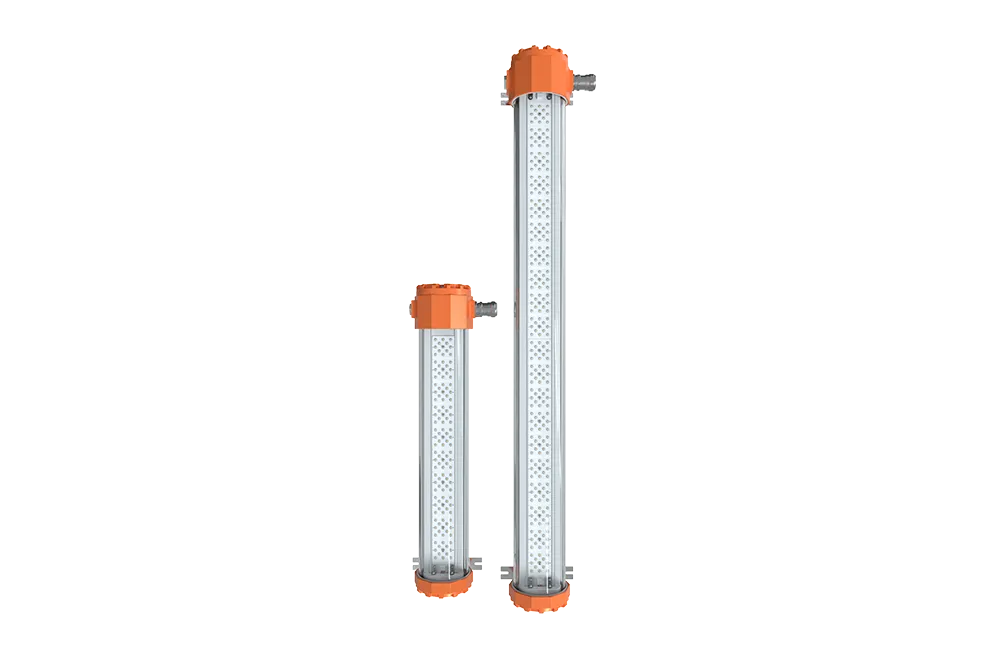
What Are the Different Types of LED High Bay Lights?
294What are the different types of LED high bay lights? Learn the main high bay LED light types, their applications, and how to choose the right one for your space.
View detailsSearch the whole station
In the oil and gas sector, lighting is not decorative infrastructure. It is operational safety equipment. Over the past 12 years working in industrial LED engineering and hazardous area retrofits, I have learned that explosion proof lighting led is judged less by its brightness and more by its reliability under stress.
At SEEKINGLED, I have been directly involved in enclosure design validation, thermal simulation, and on-site commissioning in petrochemical and offshore environments. This article reflects those practical observations rather than catalog descriptions.
When discussing explosion protection, terminology must be precise. Global standards are primarily defined by the International Electrotechnical Commission under the IEC 60079 series. In Europe, these standards are aligned with the ATEX Directive 2014/34/EU. In North America, hazardous locations fall under NEC classifications managed by the National Fire Protection Association.
An explosion proof lighting led system must meet strict criteria:
In one refinery upgrade project, we discovered that legacy metal halide fixtures had undocumented temperature ratings. Replacing them with properly certified explosion proof lighting led units significantly simplified compliance documentation during inspection audits.
Certification paperwork matters as much as lumen output.
Before LED technology matured, high-pressure sodium and metal halide dominated hazardous sites. These luminaires ran hot, degraded quickly, and required regular lamp replacement.
According to the U.S. Department of Energy, LED lighting in industrial applications can reduce energy consumption by 50–70% compared to traditional HID systems. In hazardous areas, that efficiency gain provides two critical benefits:
However, LED in a sealed flameproof housing presents thermal challenges. The driver and LED junction must remain within safe operating limits even when ambient temperature reaches +55°C or higher. We routinely conduct high-temperature endurance tests in controlled chambers to simulate desert and offshore conditions.
Explosion proof lighting led is safe only when thermal management is engineered, not assumed.
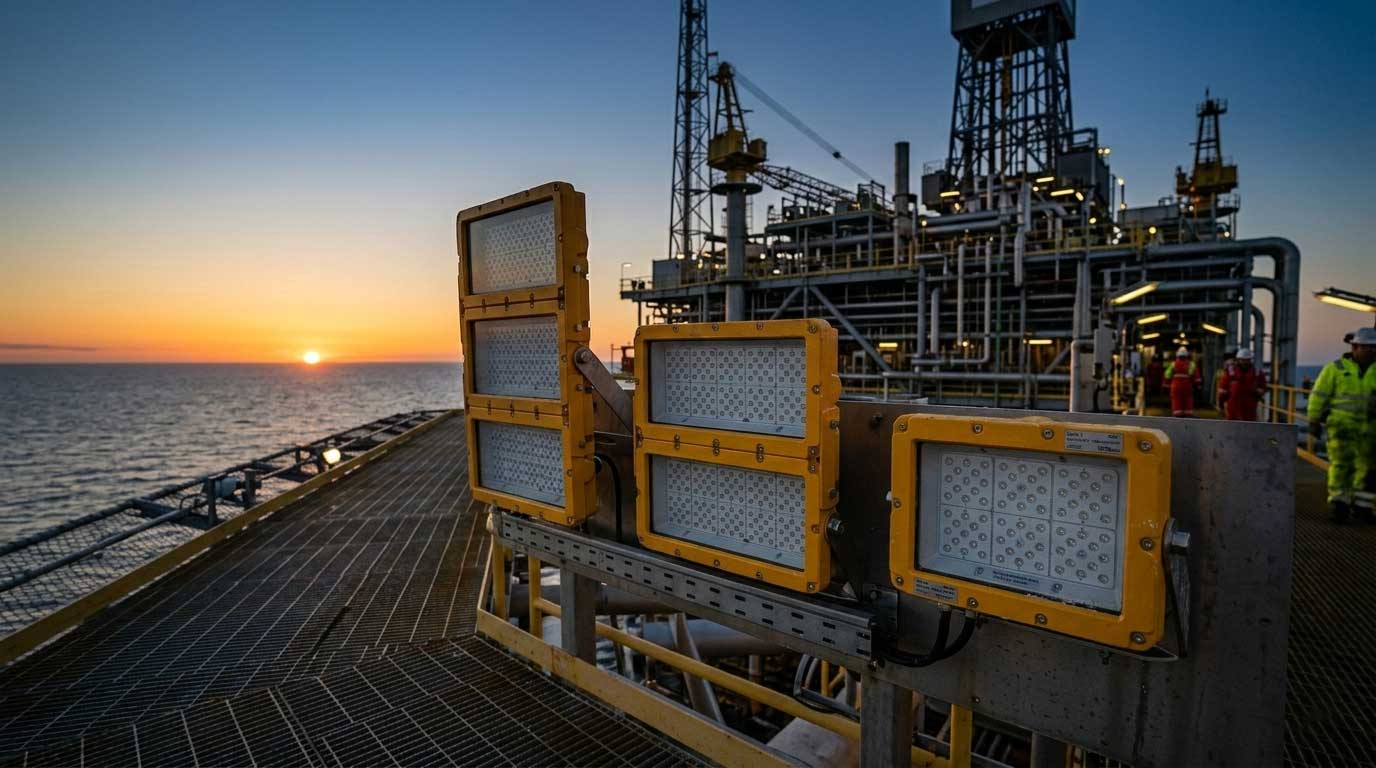
One common mistake in product selection is focusing only on wattage. In chemical plants and refineries, corrosion and vibration destroy poorly designed housings long before LEDs fail.
The International Energy Agency has repeatedly emphasized that system durability is a decisive factor in industrial energy efficiency performance.
From field experience, explosion proof lighting led must incorporate:
During an offshore retrofit, we replaced several fixtures where gasket compression had degraded after five years due to salt exposure. Since then, we redesigned our sealing geometry to maintain compression under temperature cycling.
It is rarely the diode that fails first — it is usually the interface.
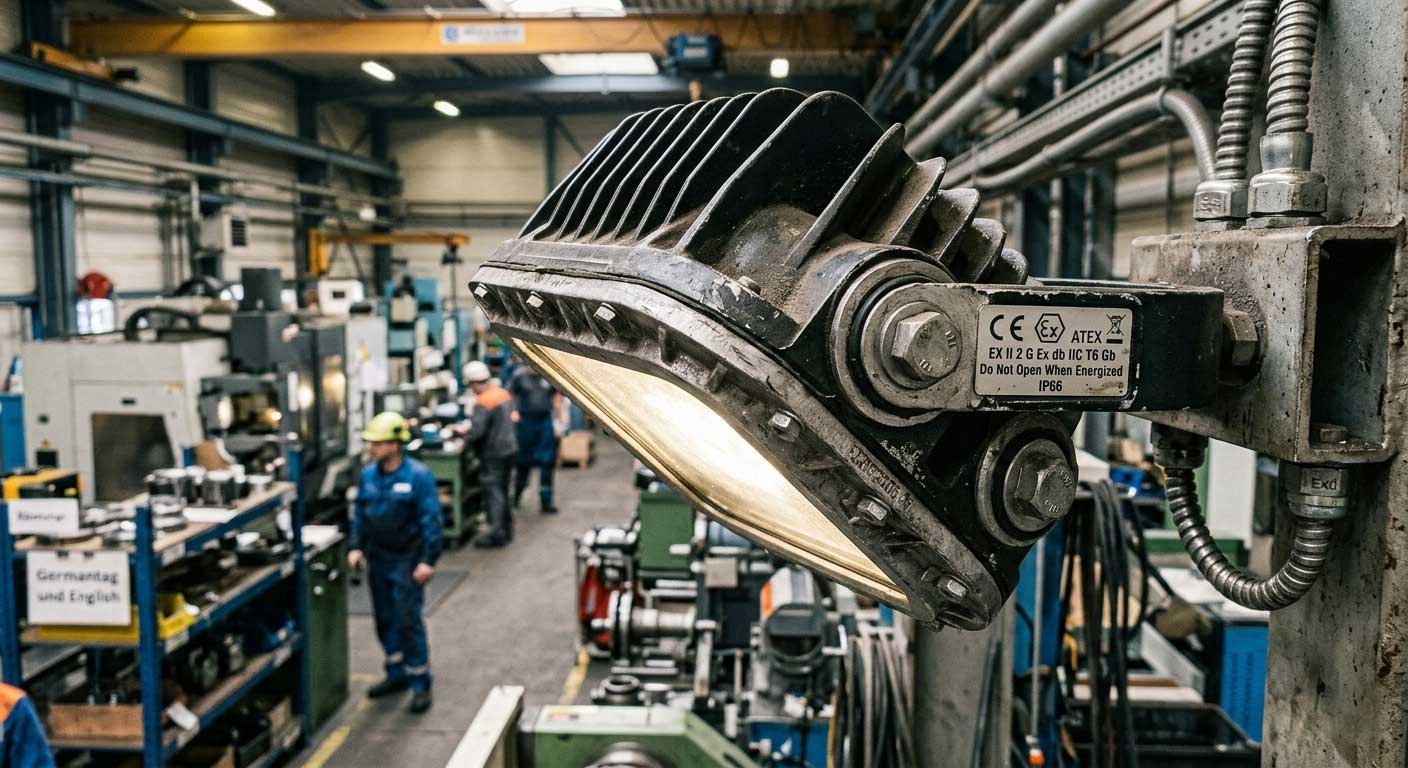
Energy savings are measurable, but installation efficiency is often overlooked. In one petrochemical expansion, switching to integrated terminal chamber designs reduced wiring time by nearly 20% compared with external junction box configurations.
Explosion proof lighting led should not complicate maintenance access. Technicians working at height or in classified zones need straightforward access to terminals and mounting hardware.
Overengineering can increase weight and installation labor. Balanced structural design improves both safety and project economics.
Every explosion proof lighting led unit should clearly display:
Traceability between product label and certification report avoids delays during inspection. At SEEKINGLED, we maintain detailed production records tied to certification batches to ensure consistency.
Auditors do not evaluate marketing claims — they evaluate documentation and markings.
After years of hands-on involvement in hazardous lighting engineering, I view explosion proof lighting led as a safety-critical system rather than a lighting upgrade. It must balance energy efficiency, thermal stability, corrosion resistance and regulatory compliance.
When properly engineered, explosion proof lighting led reduces operational risk, lowers maintenance cycles and supports long-term industrial reliability. That responsibility drives how we design and test every unit at SEEKINGLED.
Ultimately, explosion proof lighting led is not just about illumination — it is about disciplined engineering in environments where mistakes are unacceptable.
SEEKINGLED LED Linear Explosion Proof Light and Explosion Proof lighting is ATEX and IECEx certified for Zone 1, Zone 2, Zone 21 and Zone 22 hazardous locations, built for long-term industrial use.
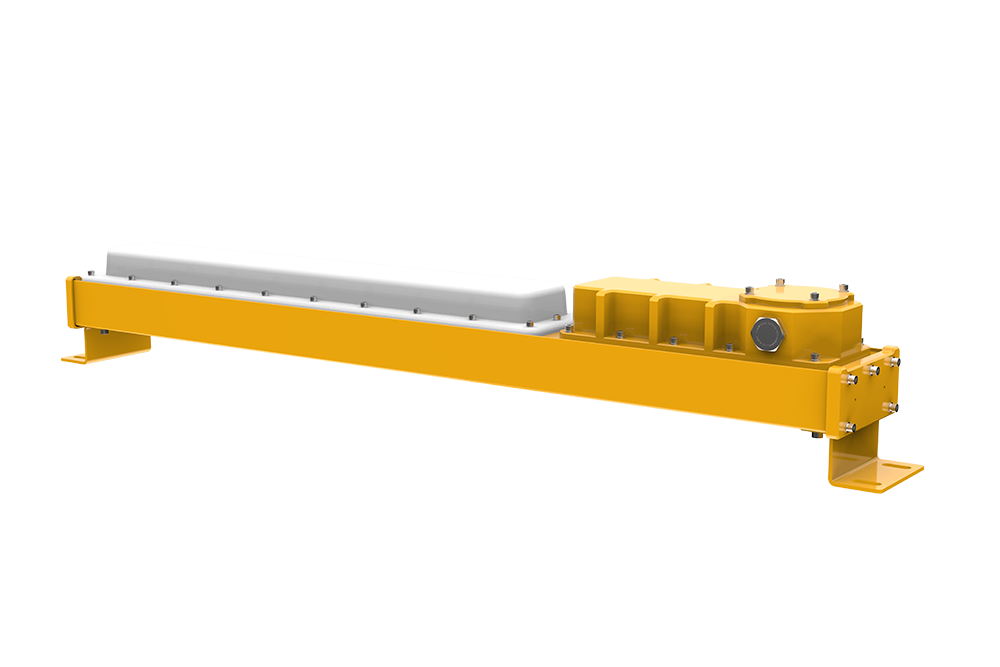
LED Linear Explosion Proof Lights and EX Proof lights for Zone 1, Zone 2, Zone 21 and Zone 22 hazardous areas. ATEX & IECEx certified explosion proof LED linear lighting with emergency function, adjustable power and IP67 protection by SEEKINGLED.
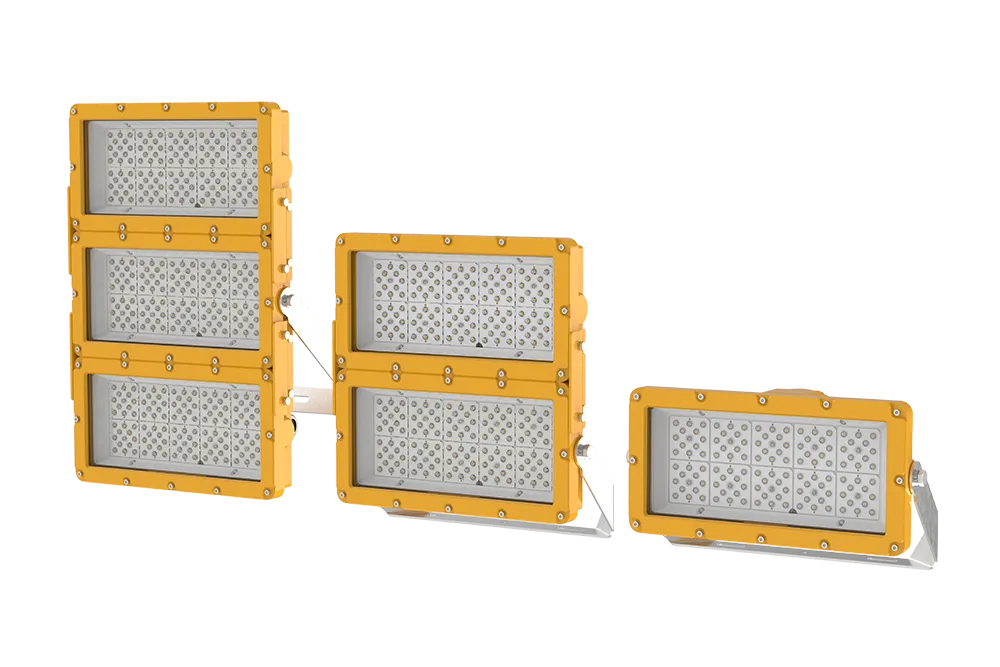
SEEKINGLED LED Explosion Proof Flood Lights are ATEX certified for Zone 2 and Zone 22 hazardous areas, offering high efficiency, adjustable power and integrated junction box.
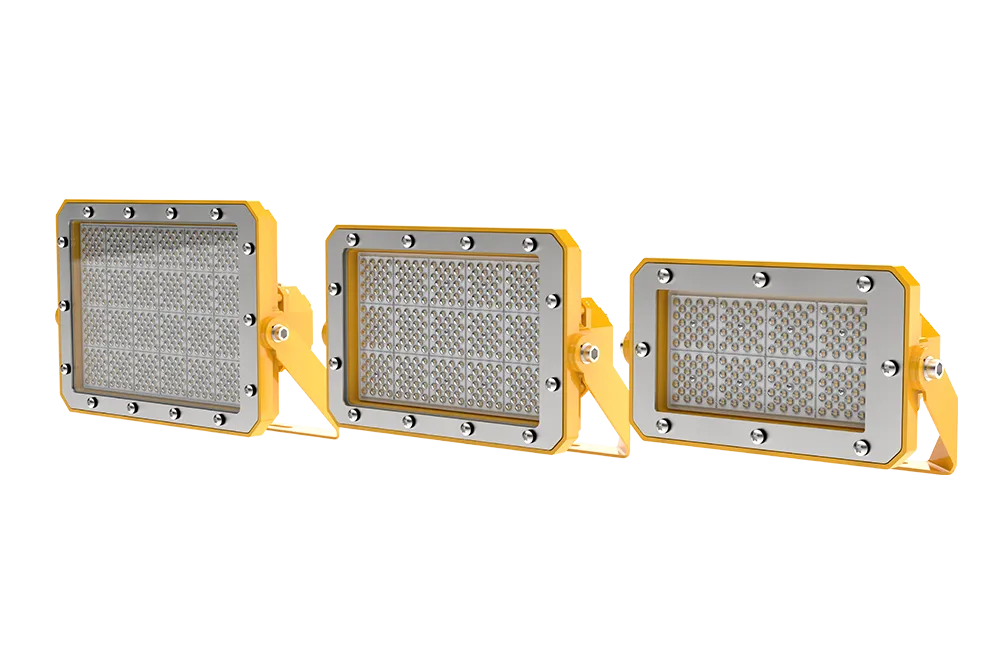
SEEKINGLED LED Explosion Proof Flood Lights are flameproof ATEX and IECEx certified for Zone 1 and Zone 2 hazardous areas, offering high power, adjustable output and long service life.
SEEKINGLED LED Gas Station Canopy Lights are ATEX certified for Zone 2 and Zone 22 hazardous areas, featuring adjustable power and built-in explosion-proof junction box.
ATEX: Ex II 2G Ex db IIB T6/T5 GbEx II 2D Ex tb IIIC T80°C/ T95°C Db IECEx Ex db IIB T6 Gb;Ex tb IIIC T80°C Db Feature: ● For Zone 1,2 and Zone 21,22● Flameproof type, the strongest● 100W can replace 250W HID,energy saving● Power:60W,80W,10…
ATEX: II 3G Ex nR ⅡC T5/T6 GcII 3D Ex tc ⅢC T80℃/T95℃Dc ATEX Certificate NO: TÜV CY 26 ATEX 0207611 X Feature: ● For Zone 2 and Zone 22● 150W can replace 250W HID lamps,Energy saving● Power:50W,75W,100W,150W,200W Application: Oil and gas, m…
LED explosion proof high bay lights are designed for Zone 1, Zone 2, Zone 21 and Zone 22 hazardous areas. This page introduces the HB21 Series from SEEKING, including certifications, power options and real application considerations.
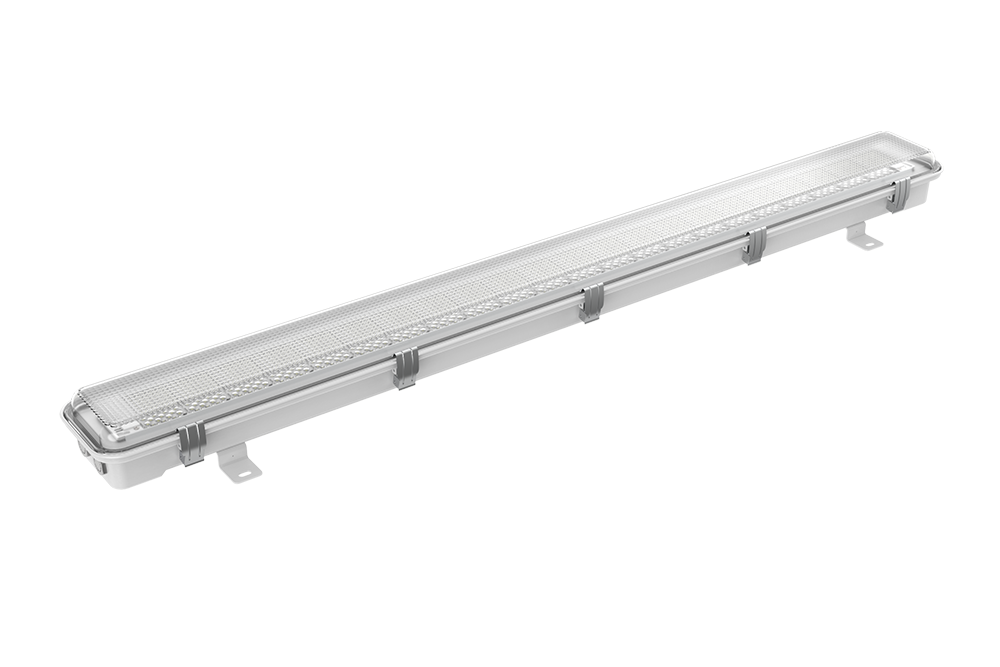
LED Linear Explosion Proof Lights from SEEKINGLED. LU Series Flame Proof lights ATEX-certified explosion proof LED linear lighting for Zone 2 gas and Zone 22 dust areas, IP69K, IK10, long lifetime and flexible power options.
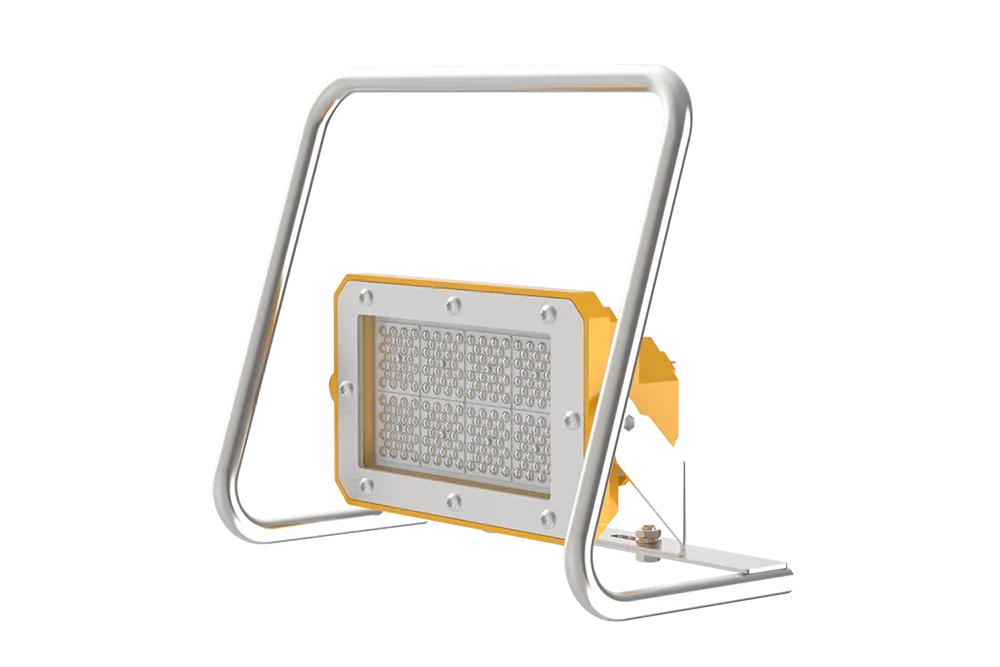
Certified explosion proof work lights for Zone 1 & 21 hazardous areas. Portable, ATEX & IECEx approved, built for oil, gas and chemical plants by SEEKINGLED.
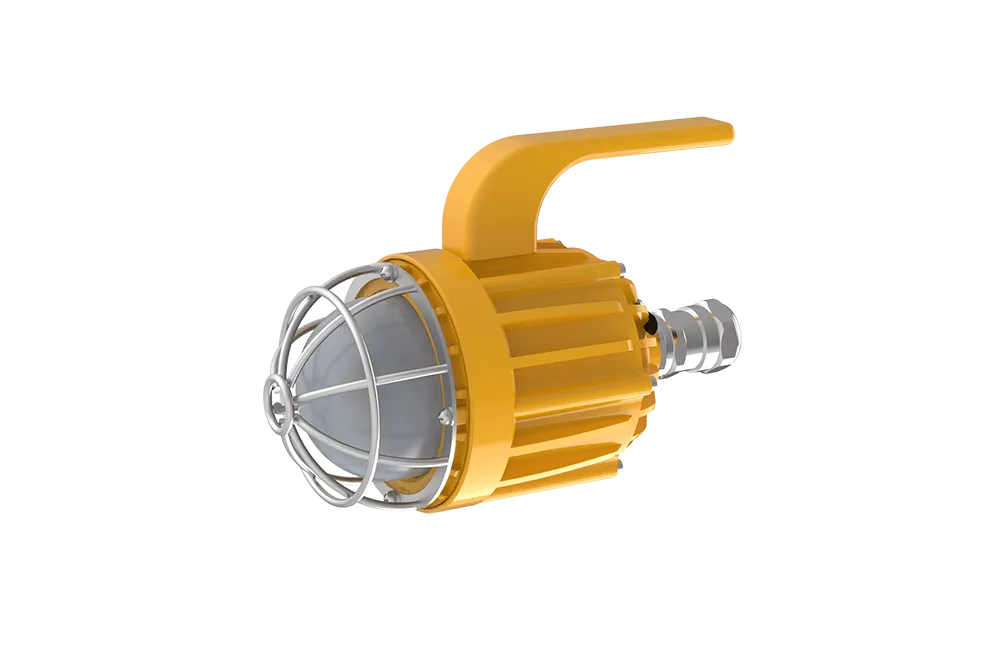
ATEX: II 3G Ex nR ⅡC T6 GcII 3D Ex tc ⅢC T80℃ Dc ATEX Certificate NO: TÜV CY 26 ATEX 0207611 X Feature: ● For Zone 2 and Zone 22● Accepts battery-powered supply● indestructible● Power:AC input:50W,75W,100WDC input:15W,25W,35W Application: O…
ATEX: Ex II 2G Ex db IIB T6 GbEx II 2D Ex tb IIIC T80°C Db IECEx Ex db IIB T6 Gb;Ex tb IIIC T80°C Db Feature: ● For Zone 1,2 and Zone 21,22● Flameproof type, the strongest Application: Oil and gas, marine, Chemical, pharmaceutical, semicondu…
ATEX: Ex II 2G Ex db IIB T6 GbEx II 2D Ex tb IIIC T80°C Db IECEx Ex db IIB T6 Gb;Ex tb IIIC T80°C Db Feature: ● For Zone 1,2 and Zone 21,22● Flameproof type, the strongest Application: Oil and gas, marine, Chemical, pharmaceutical, semicondu…
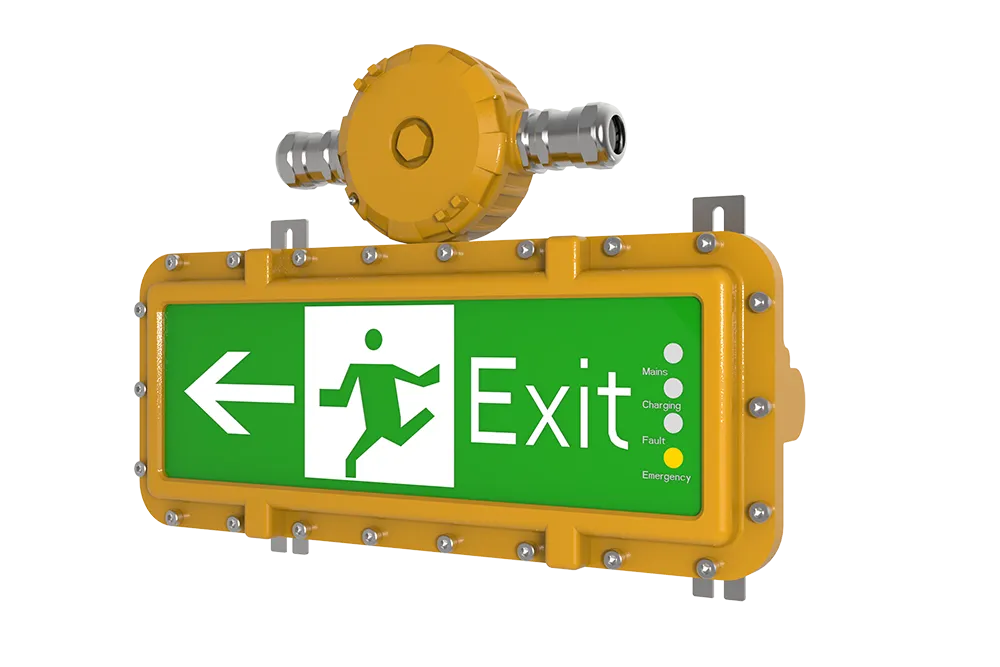
ATEX: Ex II 2G Ex d e IIB T6 Gb ATEX: Ex d e IIB T6 Gb; Feature: ● For Zone 1,2● 9W can replace 18W fluorescent lamps,50% Energy saving Application: Oil and gas, marine, Chemical, pharmaceutical, semiconductor,mining,military industry, pain…
loading…
This is the last post!
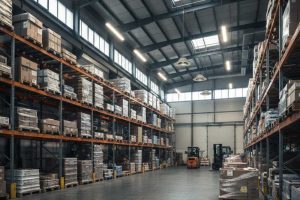
What are the different types of LED high bay lights? Learn the main high bay LED light types, their applications, and how to choose the right one for your space.
View details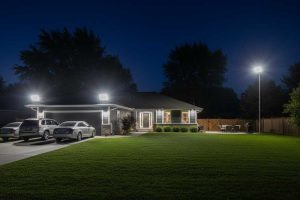
What are the best LED outdoor flood lights for yards, driveways, or commercial spaces? Discover brightness, durability, and beam angle tips from SEEKINGLED experts.
View details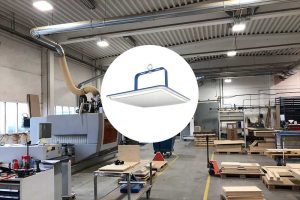
LED Canopy Lighting for Furniture Factory focuses on reducing maintenance pressure and improving working-area visibility. This case documents how GSL Series 100W LED canopy lights replaced 250W HPS lamps in a European furniture factory.
View details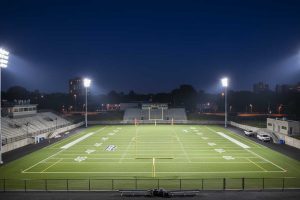
Can you replace LED flood light bulb in outdoor fixtures? Learn when replacement is possible, when it is not, and why integrated outdoor LED flood lights like SEEKINGLED are designed differently.
View details