 Seeking LED
What Is the Lifespan of LED Flood Lights?
92What is the lifespan of LED flood lights in real outdoor use? Discover lifespan factors, maintenance tips, and durability insights from SEEKINGLED lighting experts.
View detailsSearch the whole station
Paint booths need explosion proof lighting because paint solvents, overspray, and flammable vapors can create ignition hazards. Proper hazardous-area fixtures reduce ignition risks, improve visibility, and help facilities comply with safety regulations while maintaining production quality.
Most people assume paint booth lighting is mainly about brightness.
That assumption usually lasts until they walk into an operating spray booth.
Several years ago, during a lighting evaluation project at an industrial equipment manufacturer, I remember watching a painter stop midway through a coating application. He wasn’t complaining about airflow. He wasn’t complaining about the spray equipment either.
His complaint was surprisingly simple.
“I can’t tell if I’m looking at orange peel or a shadow.”
The booth technically met illumination requirements.
The fixtures worked.
The light levels looked acceptable on paper.
Yet the actual working environment told a different story.
That experience taught me something that specification sheets rarely communicate:
Paint booth lighting isn’t just about seeing. It’s about seeing accurately while working inside an environment where a spark can become a major problem.
For facilities handling solvent-based coatings, automotive finishes, industrial paints, marine coatings, or chemical-resistant finishes, explosion proof lighting becomes part of the safety system itself.
Not an accessory.
Not a convenience.
Part of the safety system.
Access the product catalog:Explosion Proof Lighting
Walk into a spray booth during active production and you’ll notice something immediately.
The air doesn’t look completely clear.
Even in well-designed facilities.
Tiny droplets remain suspended.
Solvent vapors move through airflow patterns.
Fans pull contaminants toward filtration systems.
The atmosphere changes constantly.
This is exactly why regulatory agencies classify many spray finishing operations as hazardous locations.
According to OSHA’s Spray Finishing Standard (29 CFR 1910.107), spray application processes involving flammable and combustible materials require specific safety controls because vapors and residues can present fire and explosion hazards.
Source:
Occupational Safety and Health Administration (OSHA)
The hazard isn’t always obvious.
Most dangerous atmospheres are invisible.
Operators often become comfortable because they never actually see the vapor concentrations around them.
Unfortunately, ignition sources don’t require visibility.
They only require the right conditions.
Many purchasing managers hear the term “explosion proof” and imagine a fixture that survives an explosion.
That description isn’t entirely wrong.
But it misses the important part.
Explosion proof lighting is designed so that if an internal electrical fault creates ignition, the housing contains that event and prevents surrounding hazardous gases from igniting.
The distinction matters.
A properly designed fixture prevents the ignition from escaping into the environment.
That’s what makes hazardous-area lighting different from conventional industrial lighting.
Explosion proof paint booth lighting is designed to:
Simple list.
Complicated engineering.
I’ve unfortunately seen this happen.
Not frequently.
But enough times.
Usually the decision starts with cost savings.
Someone notices that standard industrial LED fixtures cost significantly less than hazardous-area luminaires.
The comparison looks attractive.
For about six months.
Then reality arrives.
Paint residue accumulates.
Solvents circulate.
Maintenance inspections become more frequent.
Questions start appearing.
Was the fixture rated correctly?
Is the wiring compliant?
Will the next safety audit identify deficiencies?
At that point, replacing fixtures becomes much more expensive than specifying the correct products from the beginning.
According to the National Fire Protection Association (NFPA), spray finishing operations require equipment suitable for hazardous locations where flammable vapors may be present.
Source:
National Fire Protection Association (NFPA)
A lighting upgrade is inexpensive.
A production shutdown rarely is.
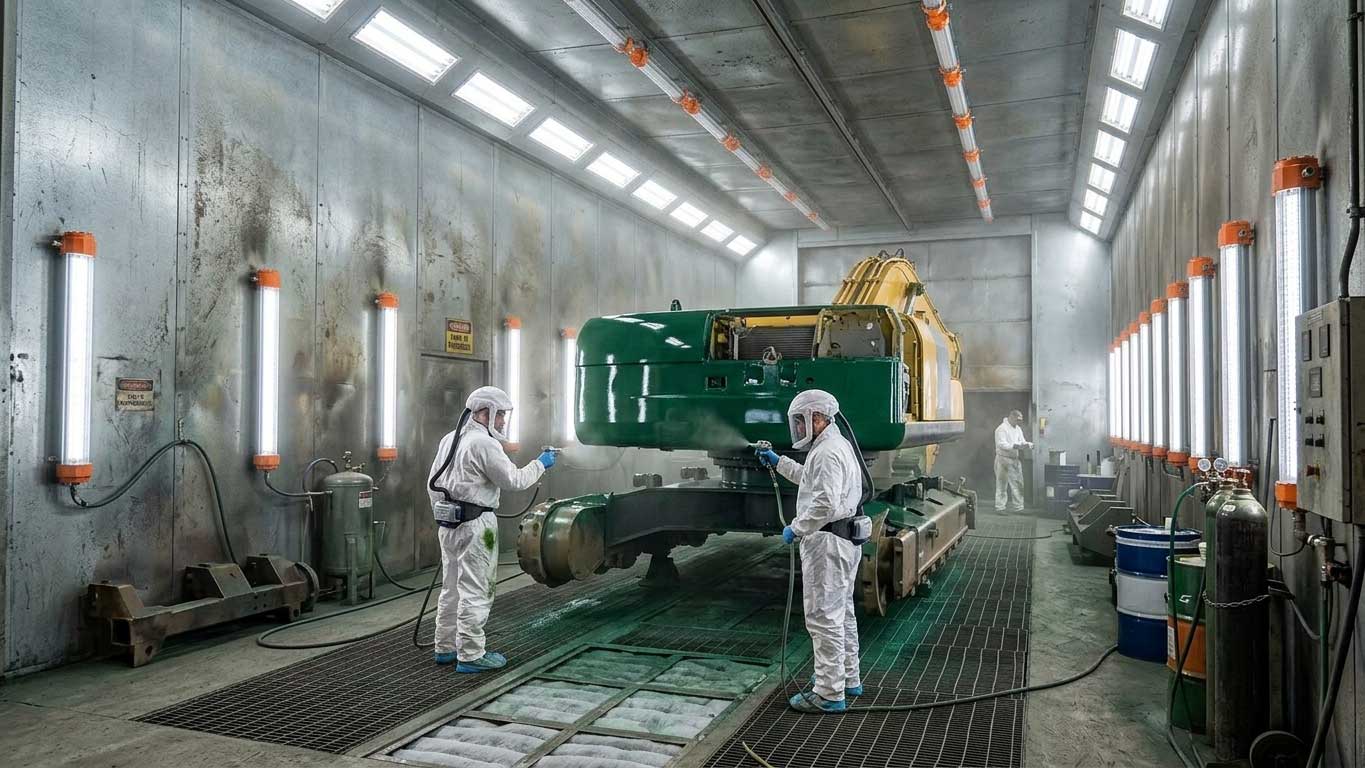
This part gets overlooked surprisingly often.
Safety departments focus on compliance.
Maintenance departments focus on reliability.
Production managers focus on throughput.
Meanwhile, painters care about something else entirely.
Surface appearance.
If lighting creates shadows, several coating defects become harder to identify:
One painter described it perfectly.
“Bad lighting hides mistakes until the customer finds them.”
That sentence stayed with me.
Because it’s true.
A fixture that improves visibility may also reduce rework rates.
And rework is expensive.
Especially in aerospace, automotive, marine, and industrial manufacturing sectors.
This is where many online articles become overly simplistic.
There isn’t one universal classification.
The classification depends on:
Typical classifications may include:
| Area Type | Common Classification |
|---|---|
| Spray Zone | Class I Division 1 |
| Adjacent Areas | Class I Division 2 |
| ATEX Facilities | Zone 1 or Zone 2 |
| IECEx Facilities | Zone 1 or Zone 2 |
The final determination should always come from qualified engineers and local authorities.
No serious lighting supplier should assign classifications without reviewing actual site conditions.
Twenty years ago, paint booth lighting looked very different.
Many facilities relied on fluorescent systems.
Some still do.
The problem wasn’t necessarily light quality.
The problem was maintenance.
Lamp replacements.
Ballast failures.
Reduced output over time.
Difficult access.
Then LEDs matured.
According to the U.S. Department of Energy, LED systems can significantly reduce maintenance requirements and energy consumption compared with traditional lighting technologies.
Source:
U.S. Department of Energy
The biggest benefit I see in paint booths isn’t actually energy savings.
It’s consistency.
Good LED systems provide stable illumination throughout long production cycles.
Painters notice that.
Quality inspectors notice it too.
Paint booth environments are surprisingly aggressive.
Not offshore aggressive.
Different aggressive.
Coatings contain chemicals.
Cleaning agents are used regularly.
Humidity fluctuates.
Overspray accumulates.
I’ve inspected fixtures that looked perfectly healthy from a distance.
Then maintenance crews opened them.
The interior told a different story.
Seals had degraded.
Residue had accumulated.
Corrosion had started around vulnerable points.
This is why reputable explosion proof lighting products emphasize:
The fixture may spend years exposed to conditions most warehouses never experience.
That sounds backwards.
It isn’t.
A proper paint booth lighting specification usually begins with three questions:
Answer those correctly, and the lighting shortlist becomes much smaller.
Ignore them, and hundreds of products suddenly appear suitable.
Most of them aren’t.
The challenge isn’t finding a light.
The challenge is finding the right light.
And in hazardous environments, those are very different things.
One of the quickest ways to overspend—or worse, fail an inspection—is choosing fixtures based only on wattage.
I have seen facilities replace perfectly functional lighting systems because the original design ignored vapor classification requirements. The lights were bright. They were expensive. They were also installed in the wrong hazardous location category.
A fixture labeled IP66 or IP67 is not automatically explosion proof.
This confusion appears frequently during retrofit projects.
IP ratings only indicate protection against water and dust ingress. They do not certify the fixture for operation in hazardous atmospheres containing flammable vapors.
According to OSHA Hazardous Location guidance:
Source:
OSHA Hazardous Locations
https://www.osha.gov
Not all paint booths use identical coatings.
Different facilities work with:
Each process may generate different flammable gases or vapors.
The gas group classification matters.
| Gas Group | Typical Materials |
|---|---|
| IIA | Propane |
| IIB | Ethylene |
| IIC | Hydrogen, Acetylene |
A fixture certified for one gas group may not satisfy requirements for another.
Paint booth lighting rarely fails because of LEDs.
The enclosure usually fails first.
Years of exposure to:
can degrade coatings and hardware.
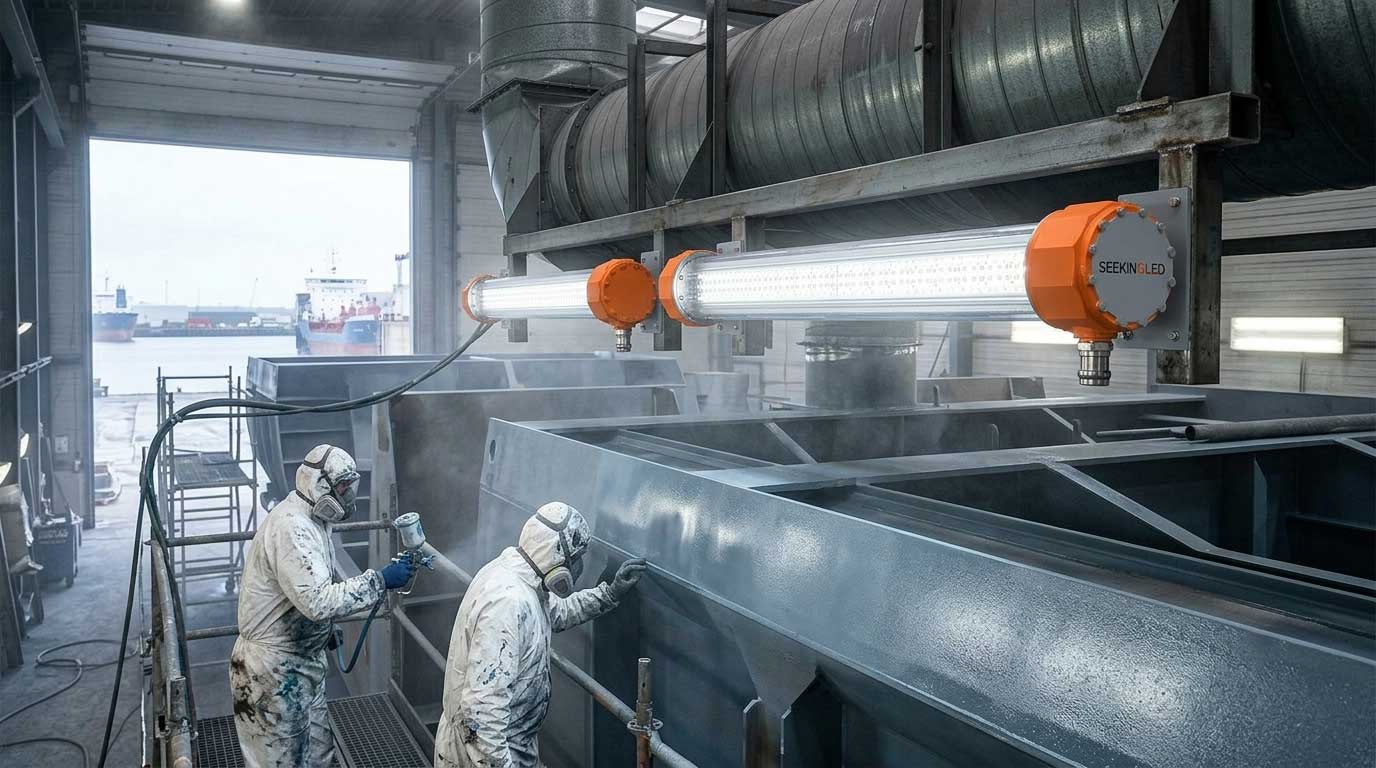
This is why offshore paint facilities and shipyard coating workshops increasingly specify:
Ten years ago, many paint booths still relied on:
Today the situation is dramatically different.
| Technology | Typical Efficiency |
|---|---|
| Metal Halide | 65–115 lm/W |
| High Pressure Sodium | 80–150 lm/W |
| Modern LED Hazardous Fixtures | 130–200 lm/W |
Source:
U.S. Department of Energy (DOE) Solid-State Lighting Program
https://www.energy.gov
For a medium-sized automotive paint facility operating 16 hours daily, the difference can represent thousands of dollars annually.
Brightness alone is not enough.
Painters need accurate color perception.
Poor lighting causes:
Many modern explosion proof LED fixtures provide:
These characteristics improve coating inspection quality significantly.
A question I frequently hear from maintenance engineers:
“How many fixtures do we actually need?”
The answer depends on:
NFPA and industrial coating recommendations commonly target illumination levels between approximately 750 and 1,000 lux in detailed coating operations.
Source:
NFPA Industrial Safety Guidance
https://www.nfpa.org
Paint booth size:
Area:
20 × 8 = 160 m²
Target illumination:
1,000 lux
Required lumens:
160 × 1,000 = 160,000 lumens
If one explosion proof LED floodlight produces:
20,000 lumens
Then:
160,000 ÷ 20,000 = 8 fixtures
Actual layouts should always include photometric calculations and beam angle analysis.
Paint booths appear in more industries than many people realize.
Applications include:
Aircraft coating facilities require:
Shipyard paint halls often combine:
making hazardous location lighting essential.
Coating operations for:
frequently occur in classified environments.
Not always. Classification depends on ventilation design, solvent concentration and local regulations. Many solvent-based paint booths, however, require hazardous location equipment.
In classified areas, no. Only certified hazardous location or explosion proof fixtures should be installed.
Depending on market requirements:
Quality fixtures commonly achieve:
depending on thermal management and operating conditions.
Yes. High-CRI explosion proof LEDs provide improved visibility for detecting coating defects and ensuring color consistency.
The phrase explosion proof lighting paint booths sounds straightforward until you stand inside an operating facility.
You notice the solvent odor near the mixing room. You hear extraction fans running continuously. You watch inspectors examine painted surfaces under bright white light. Suddenly the lighting system stops being just another electrical component.
It becomes part of the facility’s safety strategy.
From automotive plants to offshore fabrication yards, properly certified explosion proof lighting protects workers while improving visibility, reducing maintenance, and supporting regulatory compliance. That combination explains why modern paint booth projects increasingly specify high-efficiency LED hazardous location fixtures such as those developed by SEEKINGLED.
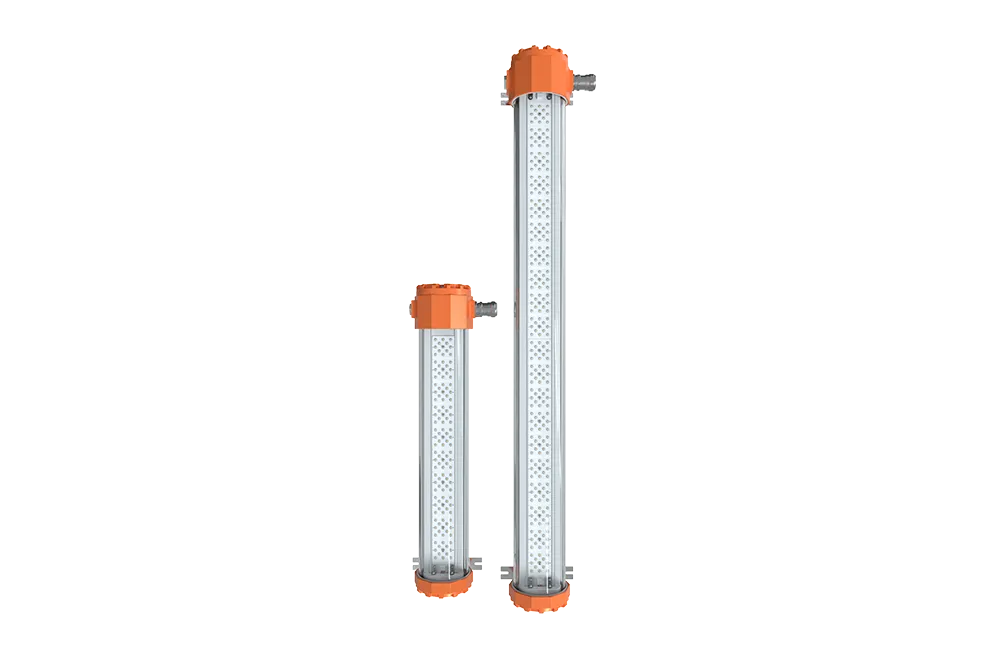
SEEKINGLED LED Linear Explosion Proof Light and Explosion Proof lighting is ATEX and IECEx certified for Zone 1, Zone 2, Zone 21 and Zone 22 hazardous locations, built for long-term industrial use.
View details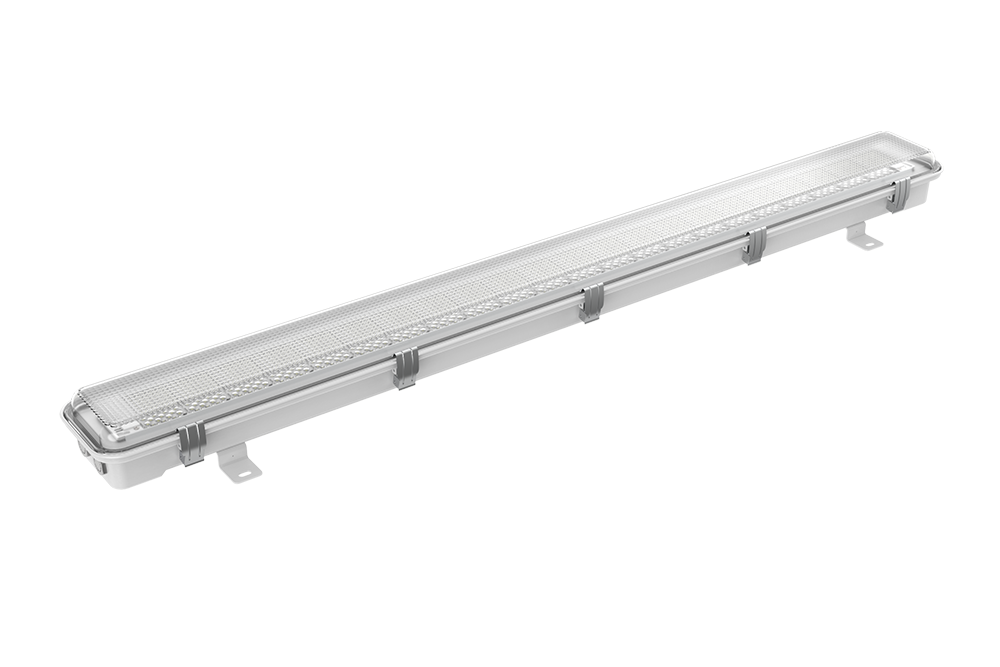
LED Linear Explosion Proof Lights and EX Proof lights for Zone 1, Zone 2, Zone 21 and Zone 22 hazardous areas. ATEX & IECEx certified explosion proof LED linear lighting with emergency function, adjustable power and IP67 protection by SEEKINGLED.
View details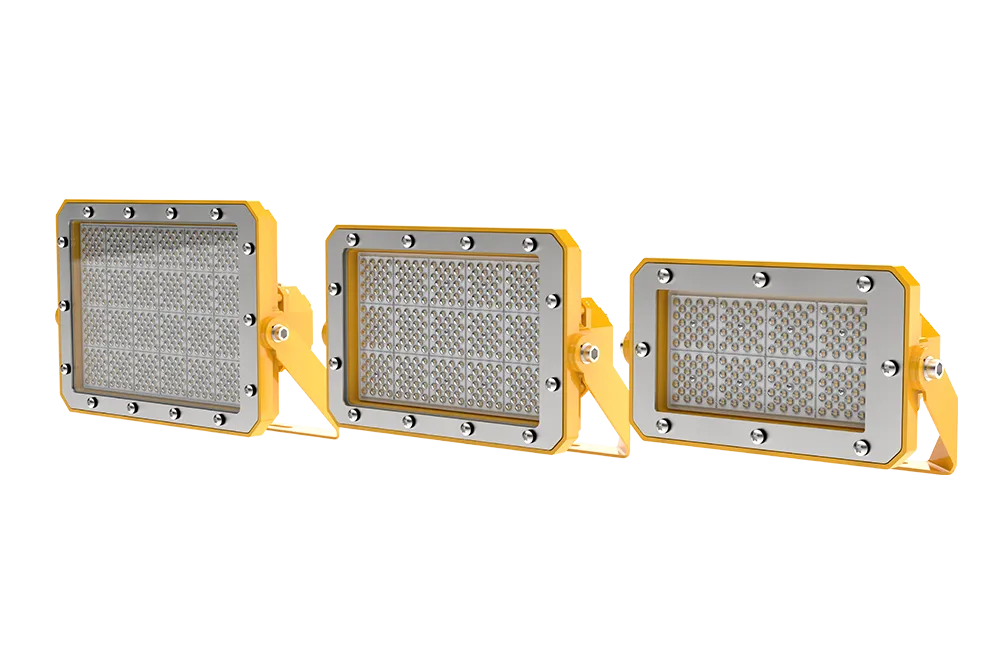
SEEKINGLED LED Explosion Proof Flood Lights are ATEX certified for Zone 2 and Zone 22 hazardous areas, offering high efficiency, adjustable power and integrated junction box.
View details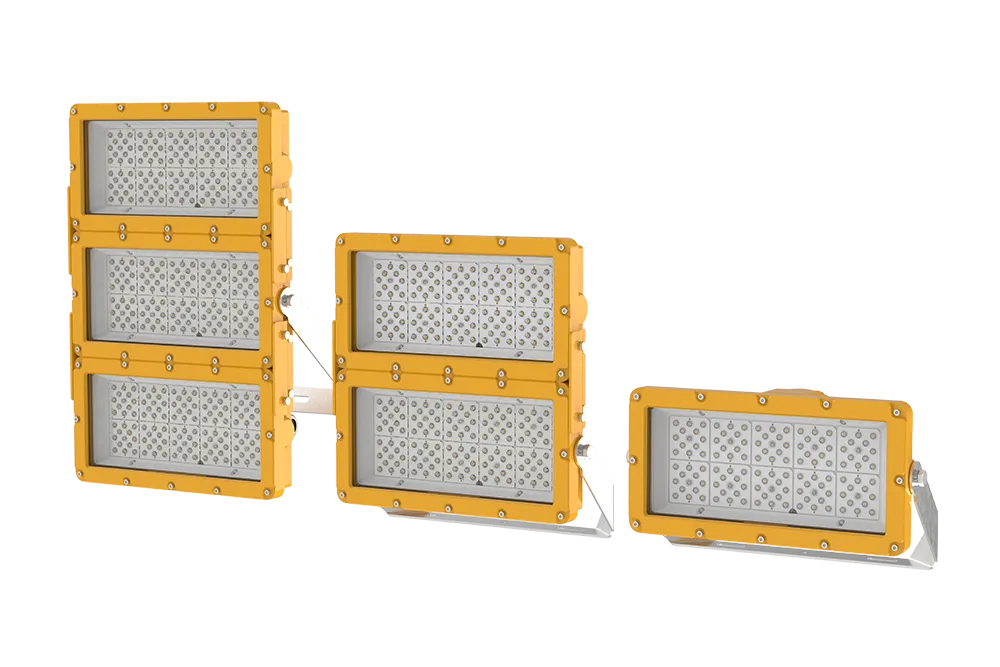
SEEKINGLED LED Explosion Proof Flood Lights are flameproof ATEX and IECEx certified for Zone 1 and Zone 2 hazardous areas, offering high power, adjustable output and long service life.
View details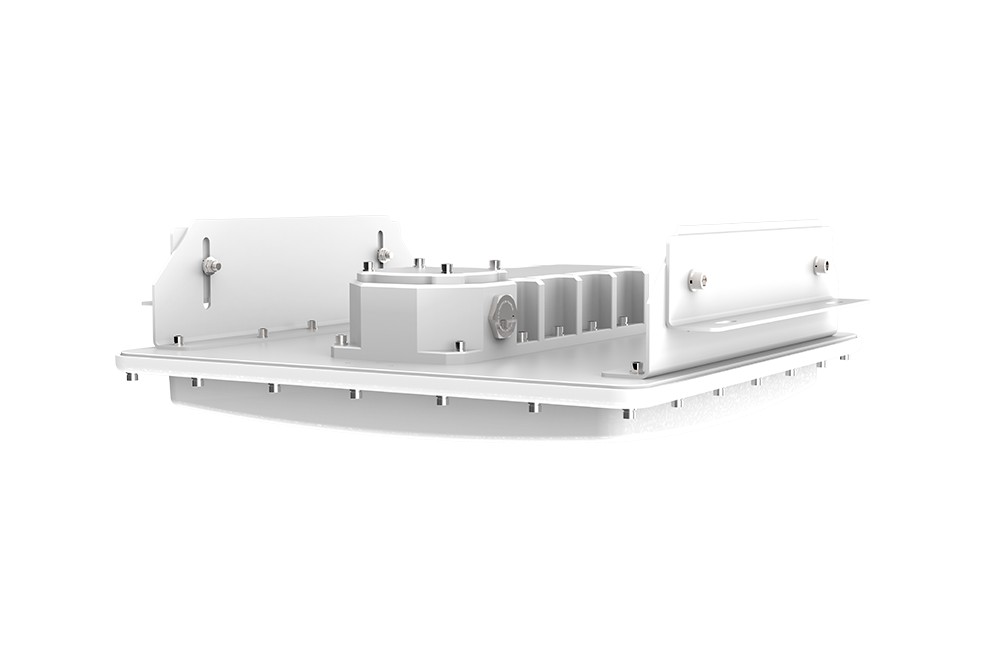
SEEKINGLED LED Gas Station Canopy Lights are ATEX certified for Zone 2 and Zone 22 hazardous areas, featuring adjustable power and built-in explosion-proof junction box.
View details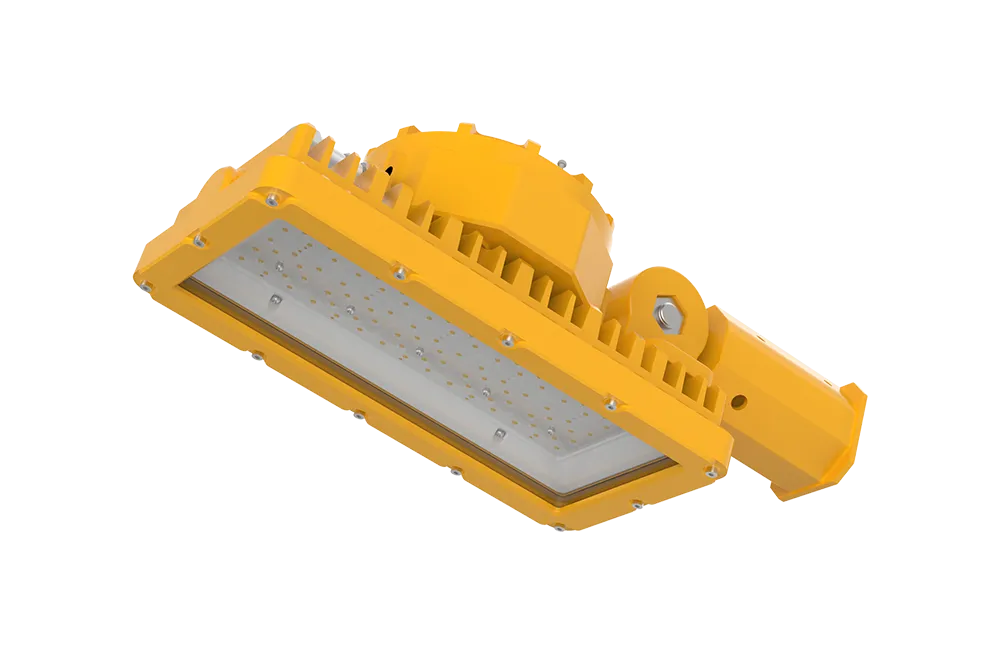
ATEX: Ex II 2G Ex db IIB T6/T5 GbEx II 2D Ex tb IIIC T80°C/ T95°C Db IECEx Ex db IIB T6 Gb;Ex tb IIIC T80°C Db Feature: ● For Zone 1,2 and Zone 21,22● Flameproof type, the strongest● 100W can replace 250W HID,energy saving● Power:60W,80W,100W Application: Oil and gas, marine, Chemical, pharmaceutical, semiconductor,mining,military industr…
View details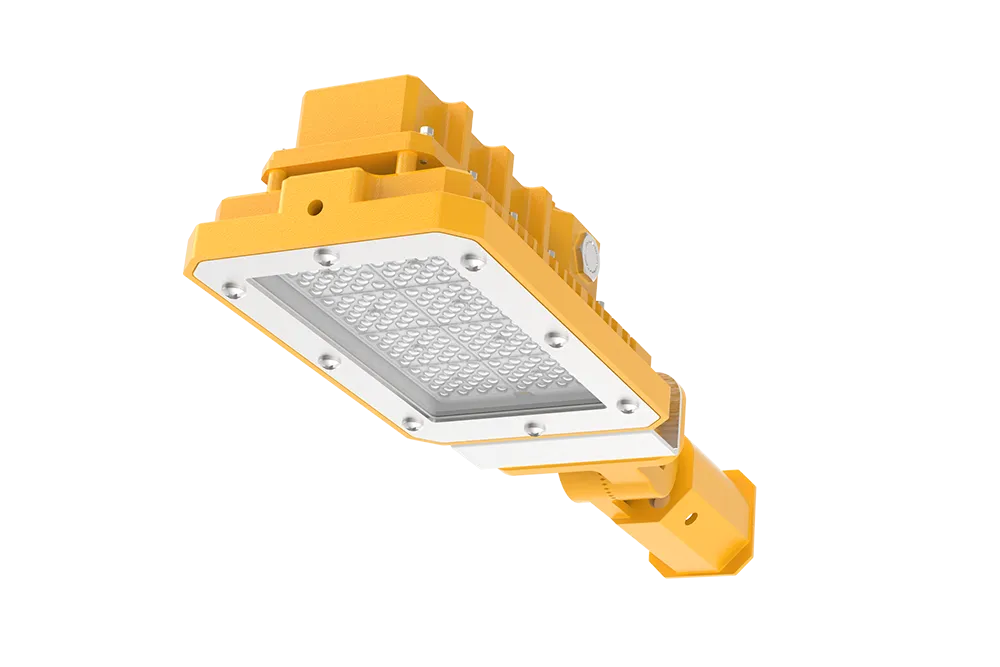
ATEX: II 3G Ex nR ⅡC T5/T6 GcII 3D Ex tc ⅢC T80℃/T95℃Dc ATEX Certificate NO: TÜV CY 26 ATEX 0207611 X Feature: ● For Zone 2 and Zone 22● 150W can replace 250W HID lamps,Energy saving● Power:50W,75W,100W,150W,200W Application: Oil and gas, marine, Chemical, pharmaceutical, semiconductor,mining,military industry, paint booth,power plant ETC…
View details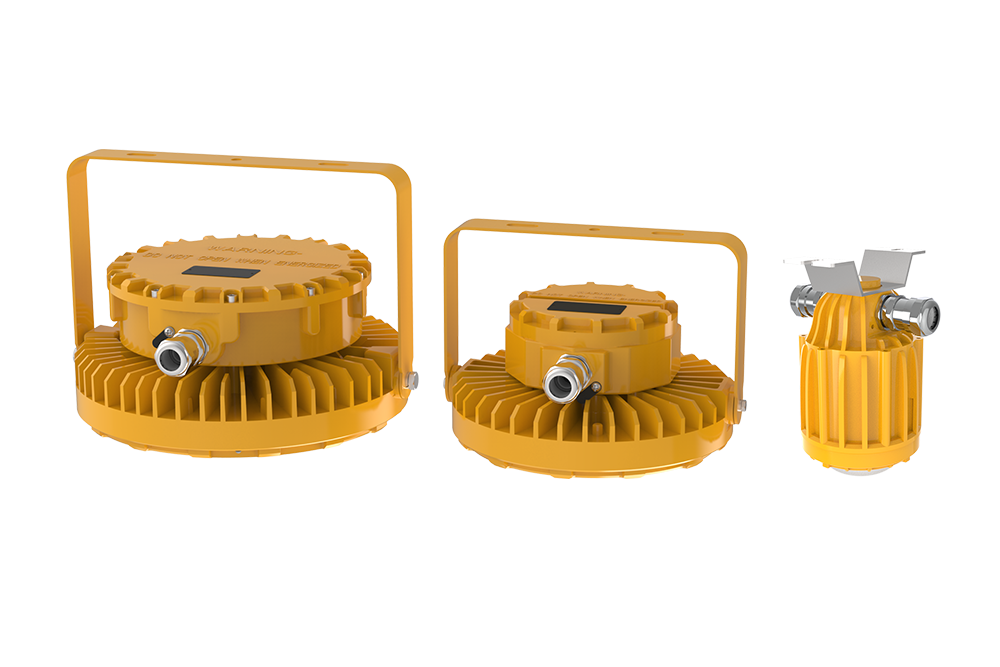
LED explosion proof high bay lights are designed for Zone 1, Zone 2, Zone 21 and Zone 22 hazardous areas. This page introduces the HB21 Series from SEEKING, including certifications, power options and real application considerations.
View details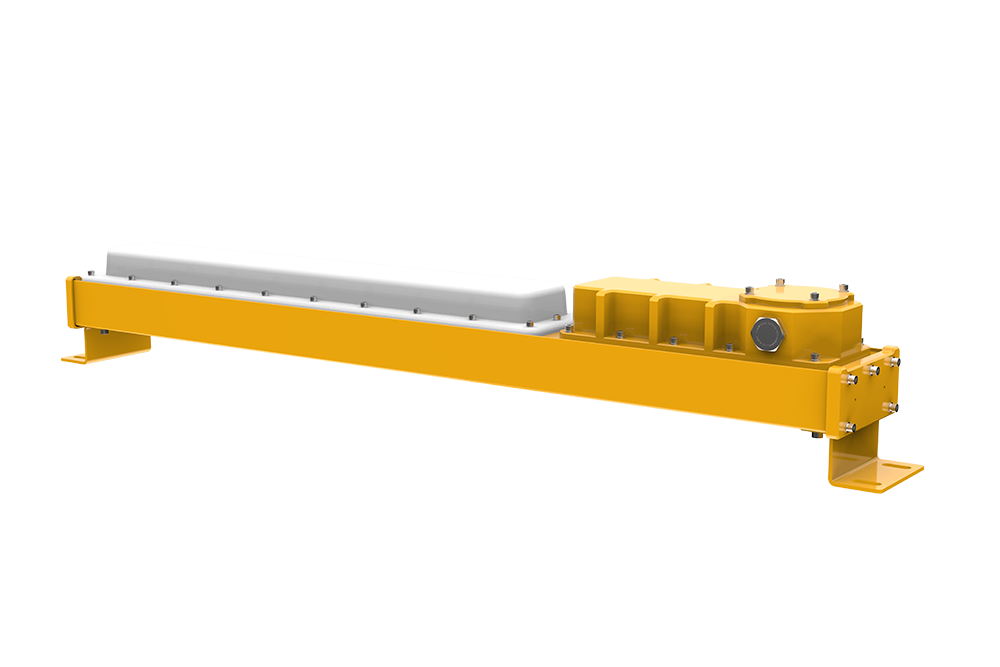
LED Linear Explosion Proof Lights from SEEKINGLED. LU Series Flame Proof lights ATEX-certified explosion proof LED linear lighting for Zone 2 gas and Zone 22 dust areas, IP69K, IK10, long lifetime and flexible power options.
View details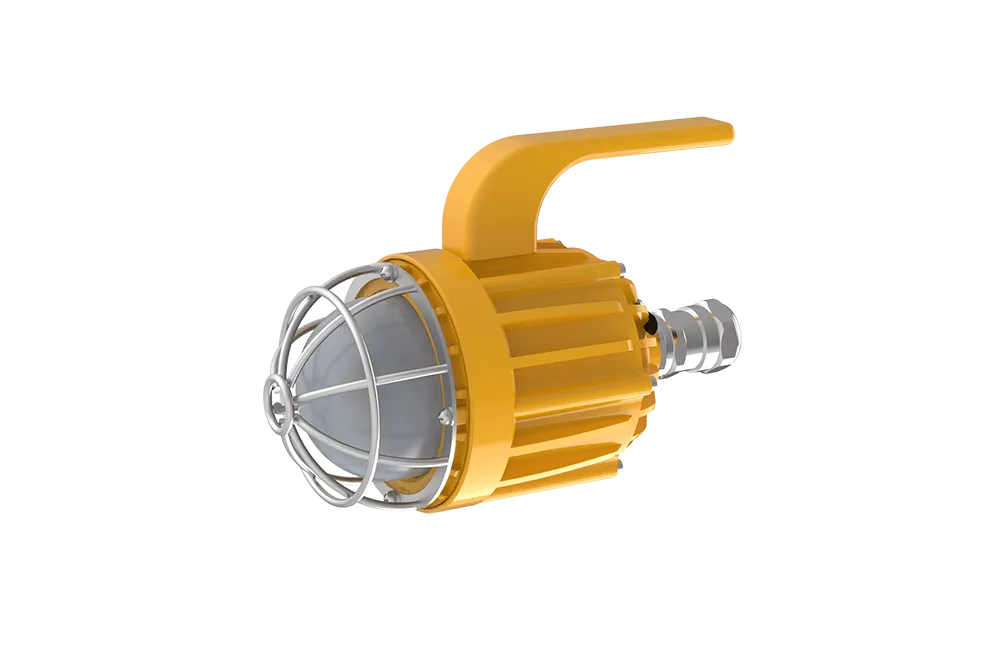
Certified explosion proof work lights for Zone 1 & 21 hazardous areas. Portable, ATEX & IECEx approved, built for oil, gas and chemical plants by SEEKINGLED.
View details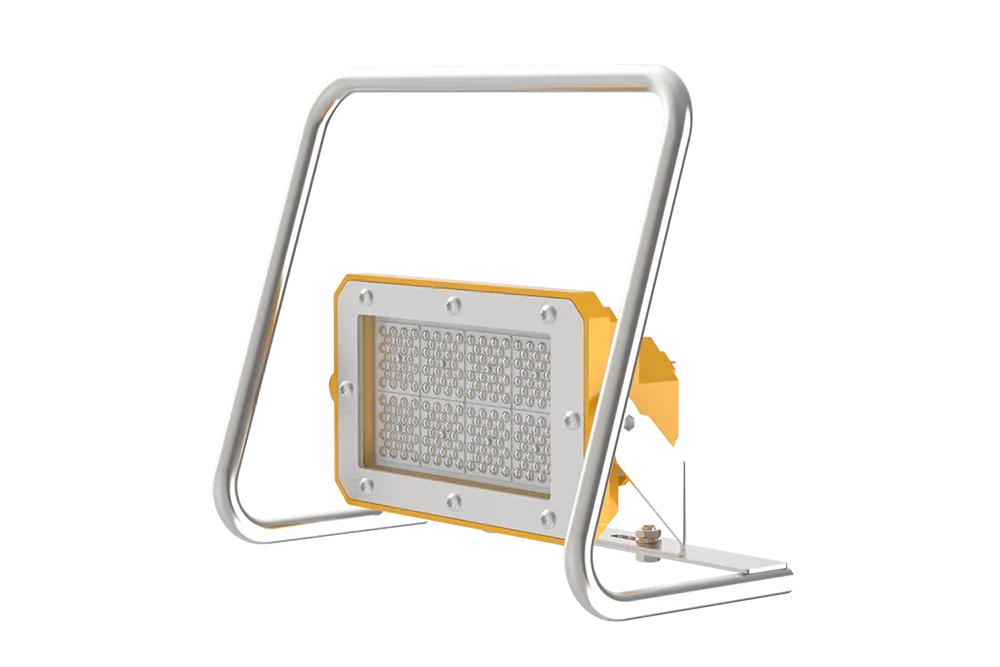
ATEX: II 3G Ex nR ⅡC T6 GcII 3D Ex tc ⅢC T80℃ Dc ATEX Certificate NO: TÜV CY 26 ATEX 0207611 X Feature: ● For Zone 2 and Zone 22● Accepts battery-powered supply● indestructible● Power:AC input:50W,75W,100WDC input:15W,25W,35W Application: Oil and gas, marine, Chemical, pharmaceutical, semiconductor,mining,military industry, paint booth,po…
View details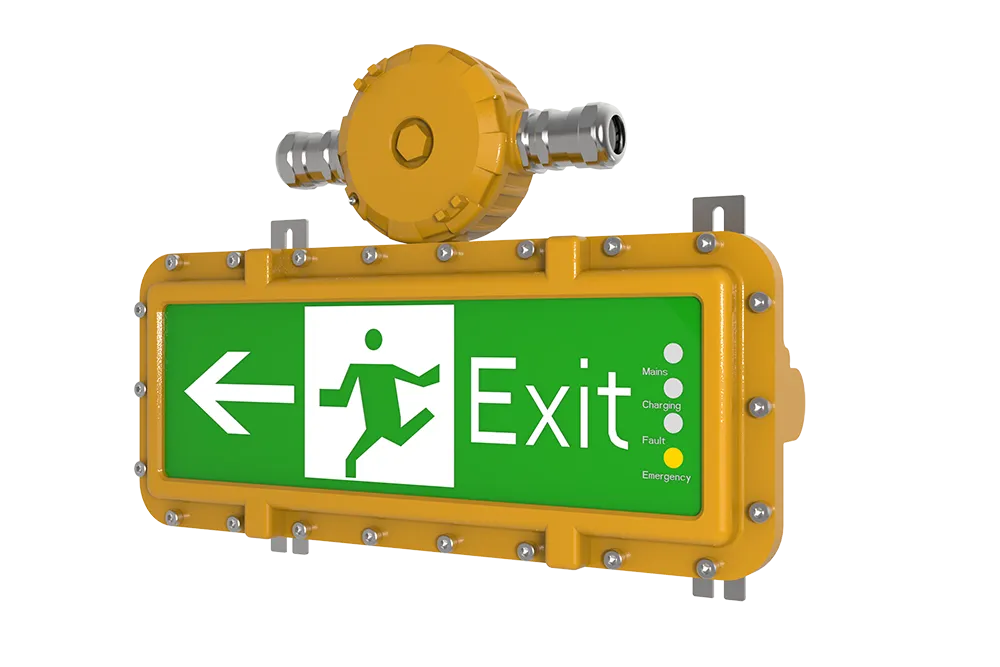
ATEX: Ex II 2G Ex db IIB T6 GbEx II 2D Ex tb IIIC T80°C Db IECEx Ex db IIB T6 Gb;Ex tb IIIC T80°C Db Feature: ● For Zone 1,2 and Zone 21,22● Flameproof type, the strongest Application: Oil and gas, marine, Chemical, pharmaceutical, semiconductor,mining,military industry, paint booth,power plant ETC hazardous area. Technical Specifications:…
View details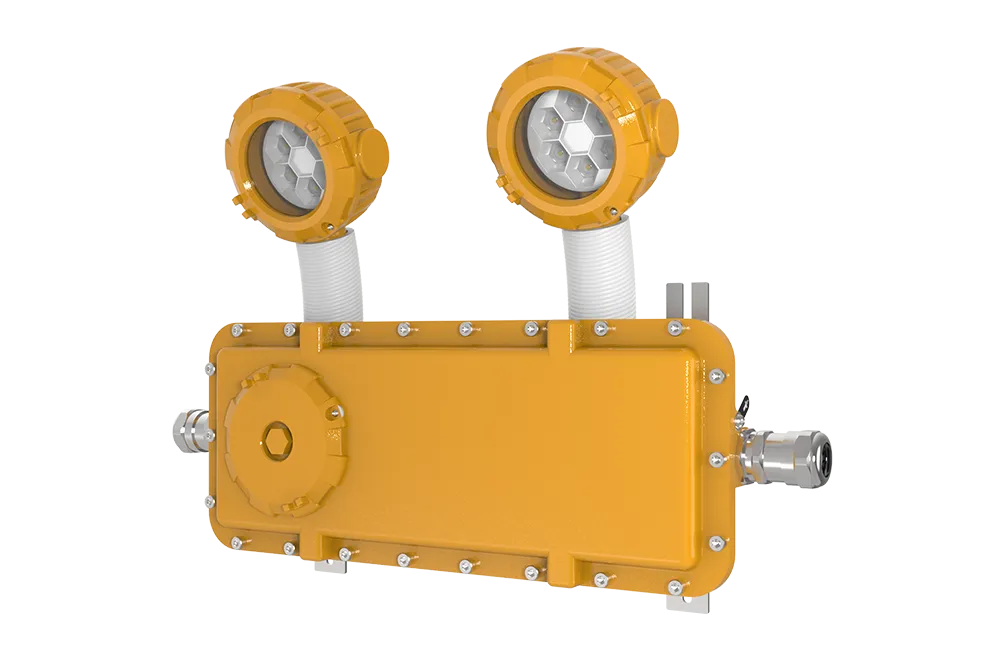
ATEX: Ex II 2G Ex db IIB T6 GbEx II 2D Ex tb IIIC T80°C Db IECEx Ex db IIB T6 Gb;Ex tb IIIC T80°C Db Feature: ● For Zone 1,2 and Zone 21,22● Flameproof type, the strongest Application: Oil and gas, marine, Chemical, pharmaceutical, semiconductor,mining,military industry, paint booth,power plant ETC hazardous area. Technical Specifications:…
View details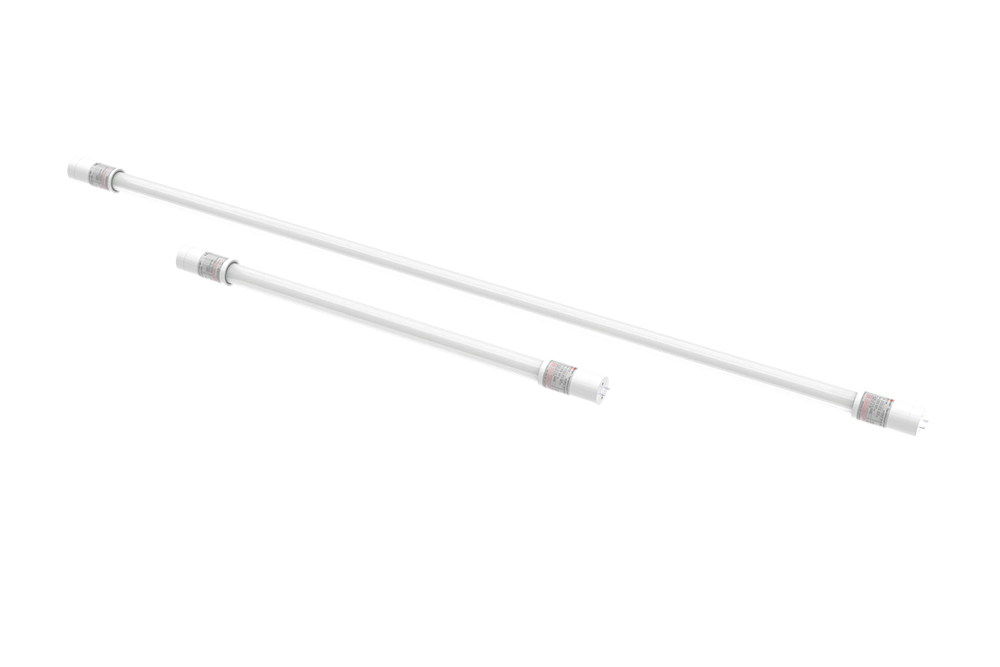
ATEX: Ex II 2G Ex d e IIB T6 Gb ATEX: Ex d e IIB T6 Gb; Feature: ● For Zone 1,2● 9W can replace 18W fluorescent lamps,50% Energy saving Application: Oil and gas, marine, Chemical, pharmaceutical, semiconductor,mining,military industry, paint booth,power plant ETC hazardous area. Technical Specifications: Standards:60079-0, 60079-1, 60079…
View details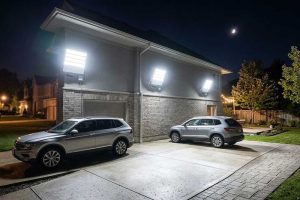
What is the lifespan of LED flood lights in real outdoor use? Discover lifespan factors, maintenance tips, and durability insights from SEEKINGLED lighting experts.
View details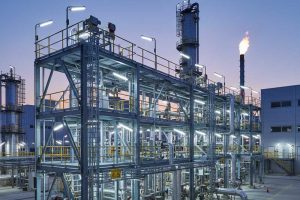
How to make explosion proof light safely for hazardous areas? This guide explains enclosure design, ATEX compliance, materials, testing, and real engineering practices used by SEEKINGLED explosion proof lighting.
View details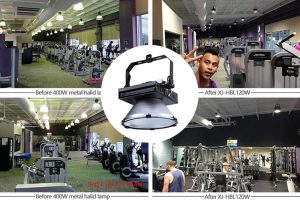
LED High Bay Replacement for Gym Lighting was required after 400W metal halide lamps degraded in an Australian gym. This record documents how XJ-HBL120W was selected after on-site lux testing and adjustment.
View details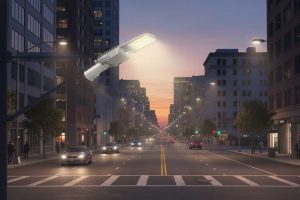
Are LED light bars street legal for public roads? Learn how regulations work, when they are allowed, and how proper LED street lights like SEEKINGLED STA Series stay compliant.
View details