 Seeking LED
What is Class 1 Div 2 LED lighting?
0What is Class 1 Div 2 LED lighting? Learn how Class 1 Division 2 hazardous location LED fixtures improve safety in oil, gas, chemical, and industrial facilities.
View detailsSearch the whole station
What Are Explosion Proof LED Light Fixtures?
Explosion proof LED light fixtures are specially engineered lighting systems designed for hazardous locations where flammable gases, vapors, dust, or fibers may be present. Their housings contain internal sparks or heat, preventing the surrounding atmosphere from igniting while providing efficient, long-lasting illumination.
Most people imagine explosion proof fixtures as lights that somehow stop explosions from happening.
That is not actually how they work.
I remember walking through a petroleum storage terminal during a lighting audit several years ago. The maintenance manager pointed toward a row of weathered luminaires mounted above a loading rack.
“They’re just lights,” he said.
Not quite.
Inside hazardous environments, lighting becomes part of the safety system itself.
A single electrical arc from an unsuitable fixture can become an ignition source when flammable vapors are present. That’s why explosion proof LED light fixtures exist.
They are not simply brighter industrial lights. They are engineered safety equipment.
The answer begins with industrial accidents.
Facilities handling fuels, solvents, chemicals, grain dust, paint vapors, or combustible particles have always faced ignition risks.
According to the U.S. Occupational Safety and Health Administration (OSHA), hazardous locations contain concentrations of flammable gases, vapors, dusts, or fibers that can create fire or explosion hazards.
Source: OSHA Hazardous Locations Classification
Website: Occupational Safety and Health Administration (OSHA)
URL: https://www.osha.gov
Before hazardous-area standards became widespread, ordinary electrical equipment sometimes acted as ignition sources.
That led manufacturers and regulators to develop specialized electrical enclosures, motors, switches, and eventually explosion proof LED light fixtures.
The first thing most people notice is weight.
A conventional warehouse LED fixture may feel relatively light.
An explosion proof LED fixture often feels surprisingly heavy.
That extra mass serves a purpose.
The housing is designed to contain an internal fault without allowing flames to escape into the surrounding atmosphere.
One feature that rarely appears in product brochures is the flame path.
If an electrical fault creates ignition inside the fixture:
This principle forms the foundation of explosion-proof protection concepts used worldwide.
Heat matters.
Many industrial vapors ignite without an open flame.
According to the U.S. National Fire Protection Association (NFPA), ignition can occur when a surface exceeds the autoignition temperature of surrounding materials.
Source: National Fire Protection Association
Website: NFPA
URL: https://www.nfpa.org
That is why hazardous-area fixtures receive temperature classifications.
| Temperature Class | Maximum Surface Temperature |
|---|---|
| T1 | 450°C |
| T2 | 300°C |
| T3 | 200°C |
| T4 | 135°C |
| T5 | 100°C |
| T6 | 85°C |
Choosing the correct temperature class is often more important than selecting wattage.
Some industries immediately come to mind.
Others surprise people.
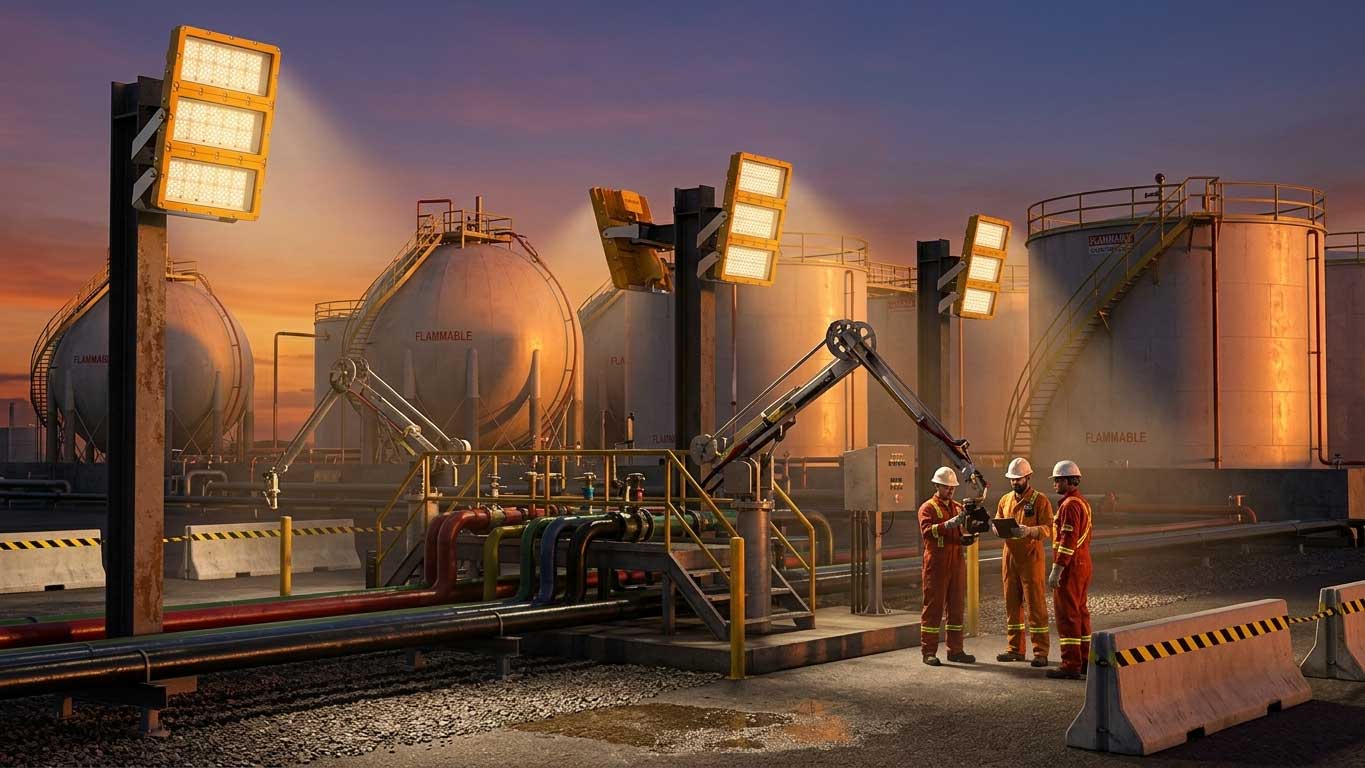
Typical applications include:
Hydrocarbon vapors make lighting certification essential.
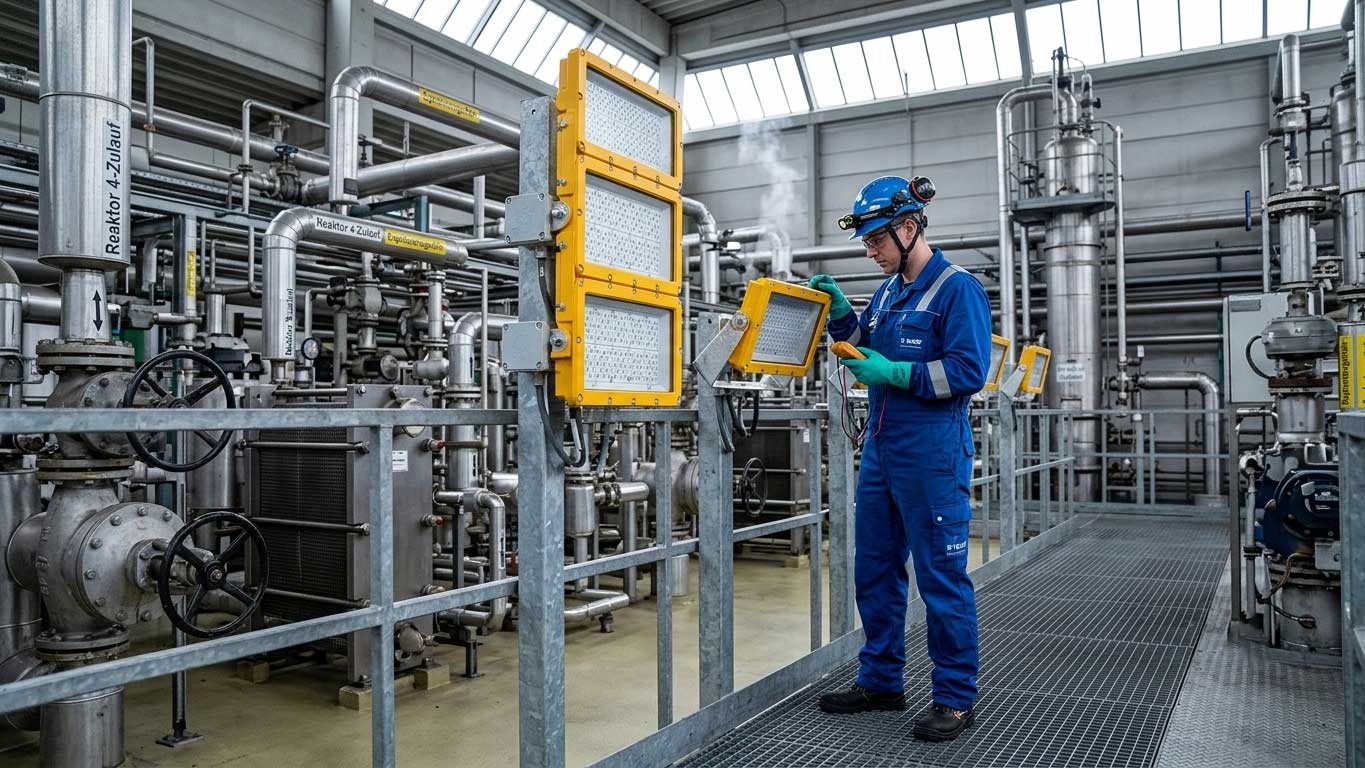
Chemical manufacturers frequently use hazardous-location lighting around:
Paint vapors create one of the most common hazardous lighting applications.
Automotive finishing centers, aerospace coating facilities, and industrial paint lines often require certified fixtures.
Combustible dust presents another danger.
The U.S. Chemical Safety Board (CSB) has documented numerous combustible dust explosions across manufacturing industries.
Source: U.S. Chemical Safety and Hazard Investigation Board
Website: CSB
URL: https://www.csb.gov
For decades, hazardous facilities relied heavily on:
Today, LEDs dominate new installations.
The reason isn’t fashion.
It’s economics.
According to the U.S. Department of Energy, LED systems can significantly reduce energy consumption compared with traditional lighting technologies while providing longer operating life.
Source: U.S. Department of Energy
Website: Energy.gov
URL: https://www.energy.gov
| Feature | Traditional HID | LED |
|---|---|---|
| Start-up Time | Several minutes | Instant |
| Maintenance Frequency | Higher | Lower |
| Energy Consumption | Higher | Lower |
| Color Rendering | Moderate | High |
| Vibration Resistance | Moderate | Excellent |
From my experience, maintenance reduction alone often drives purchasing decisions.
One offshore client estimated that every lighting replacement required:
Reducing fixture failures produced savings that exceeded energy benefits.
This area confuses many buyers.
Not every hazardous location is identical.
Common classifications include:
| Classification | Description |
|---|---|
| Class I Division 1 | Flammable gases present during normal operation |
| Class I Division 2 | Flammable gases present abnormally |
| Class II Division 1 | Combustible dust present normally |
| Class II Division 2 | Dust present occasionally |
International projects often use:
The fixture certification must match the hazard classification.
That requirement is non-negotiable.
False.
Explosion proof fixtures are robust, but they can still be damaged by:
Also false.
Industrial-grade and explosion-proof are not the same thing.
Certification matters.
Anyone who has worked through a refinery audit knows otherwise.
Inspectors check:
Documentation becomes critical.
Most certified fixtures provide IP66 or IP67 protection against water and dust ingress, although exact ratings vary by model.
Quality fixtures commonly achieve L70 lifetimes of 50,000 to 100,000 hours depending on operating temperatures and driver design.
Yes. Many are specifically designed for outdoor applications such as oil terminals, offshore platforms, chemical plants, and marine facilities.
They generally require less maintenance than traditional HID systems but should still undergo periodic
inspections according to facility safety procedures.
Visit the product page:Explosion Proof Lighting
When someone asks, “What Are Explosion Proof LED Light Fixtures?”, the simplest answer is that they are lighting systems specifically engineered to operate safely where ordinary fixtures could create ignition risks.
But that explanation barely scratches the surface.
After years of working around refineries, chemical plants, paint facilities, and offshore projects, I’ve learned that these fixtures are less about illumination and more about risk management. The light output matters. Efficiency matters. Longevity matters.
Safety comes first.
That is why properly certified SEEKINGLED explosion proof LED light fixtures continue to play a critical role in hazardous industrial environments worldwide.
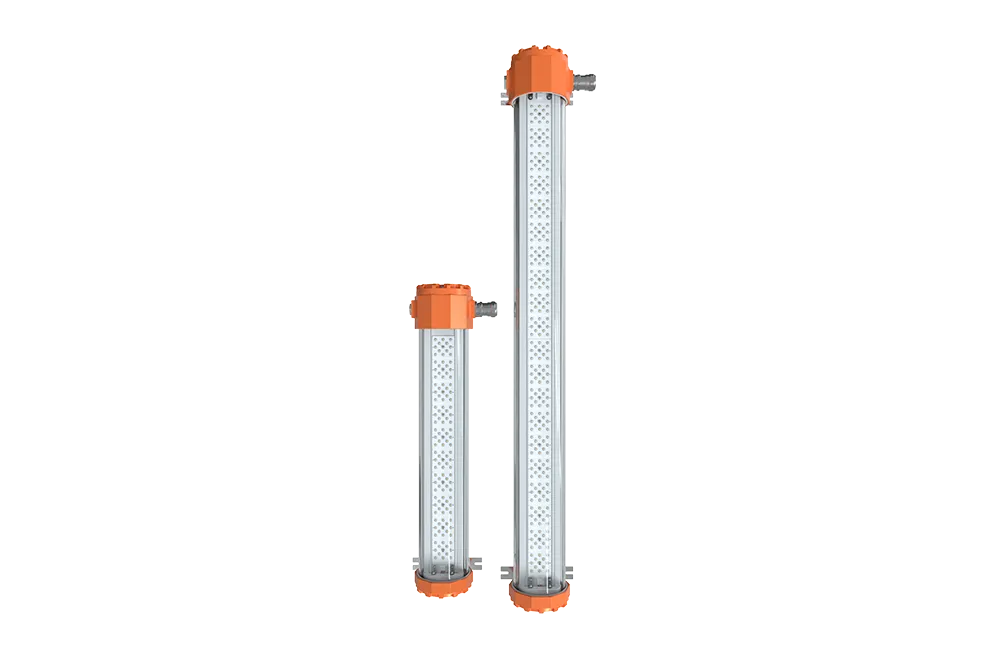
SEEKINGLED LED Linear Explosion Proof Light and Explosion Proof lighting is ATEX and IECEx certified for Zone 1, Zone 2, Zone 21 and Zone 22 hazardous locations, built for long-term industrial use.
View details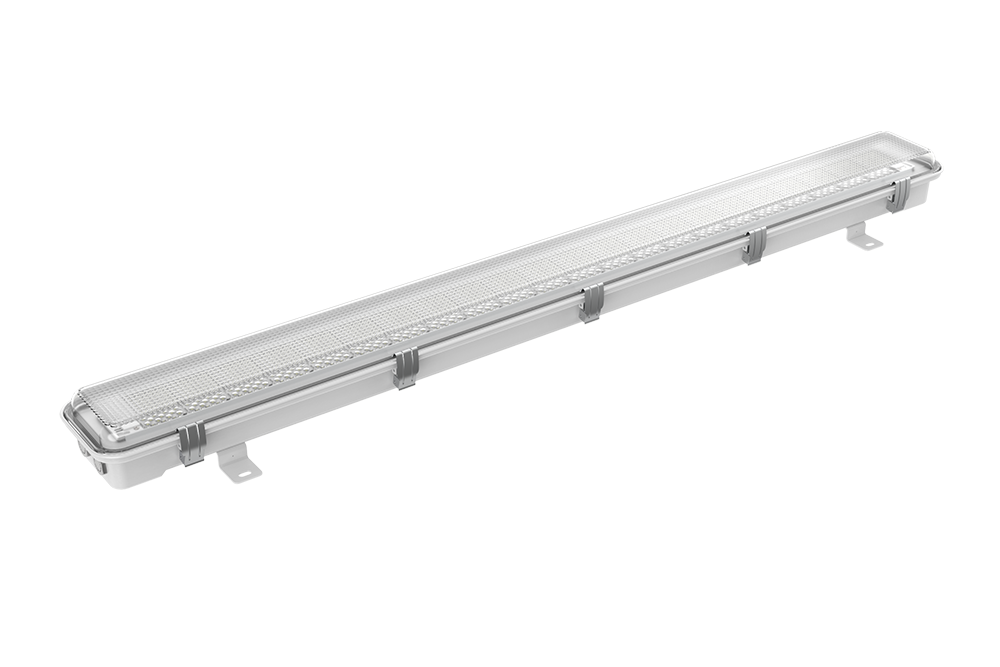
LED Linear Explosion Proof Lights and EX Proof lights for Zone 1, Zone 2, Zone 21 and Zone 22 hazardous areas. ATEX & IECEx certified explosion proof LED linear lighting with emergency function, adjustable power and IP67 protection by SEEKINGLED.
View details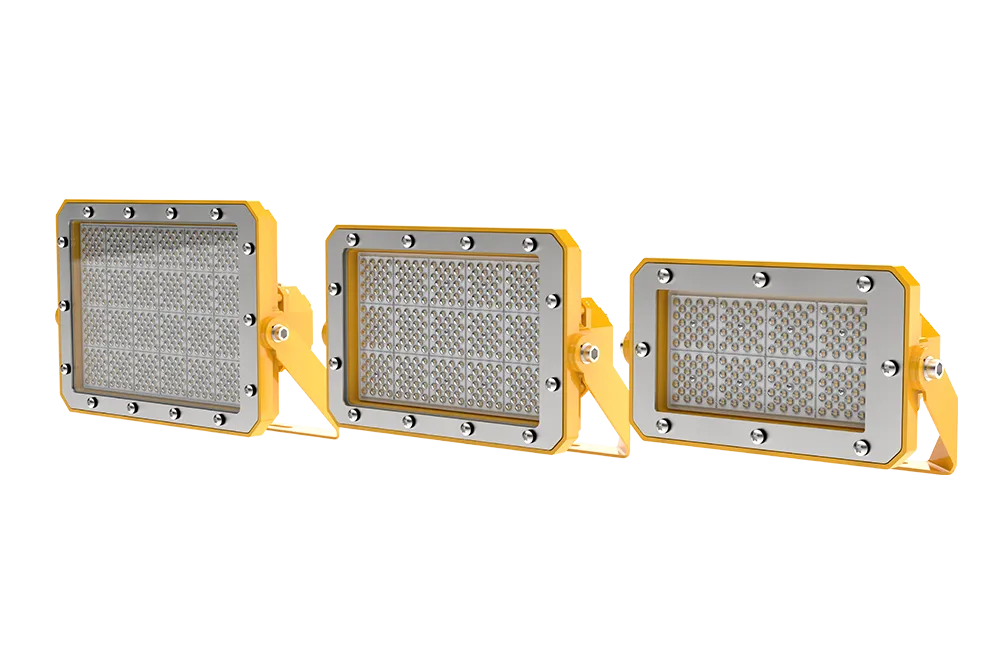
SEEKINGLED LED Explosion Proof Flood Lights are ATEX certified for Zone 2 and Zone 22 hazardous areas, offering high efficiency, adjustable power and integrated junction box.
View details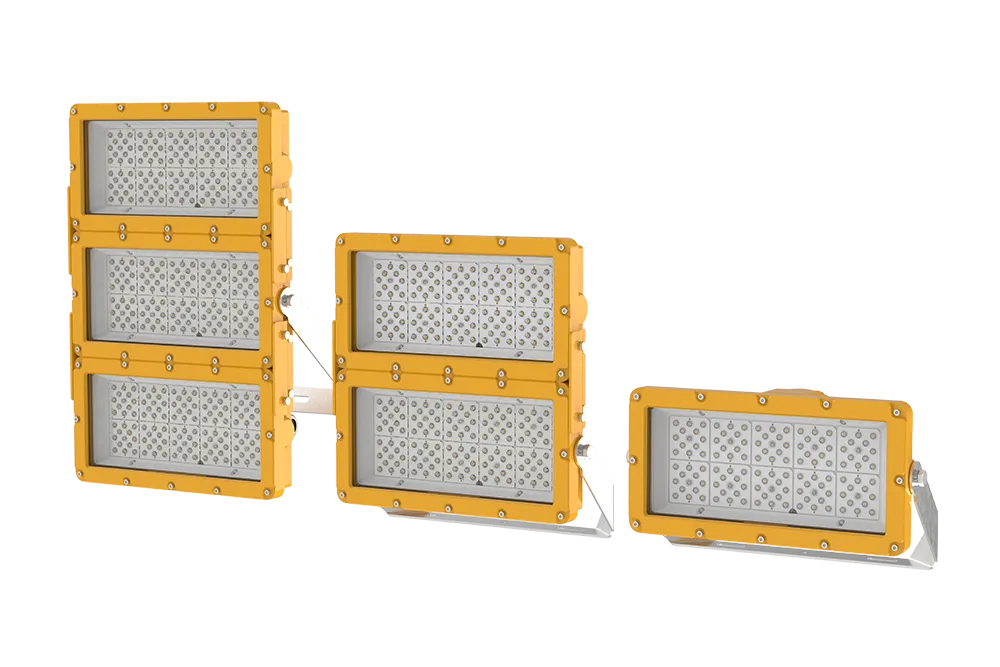
SEEKINGLED LED Explosion Proof Flood Lights are flameproof ATEX and IECEx certified for Zone 1 and Zone 2 hazardous areas, offering high power, adjustable output and long service life.
View details
SEEKINGLED LED Gas Station Canopy Lights are ATEX certified for Zone 2 and Zone 22 hazardous areas, featuring adjustable power and built-in explosion-proof junction box.
View details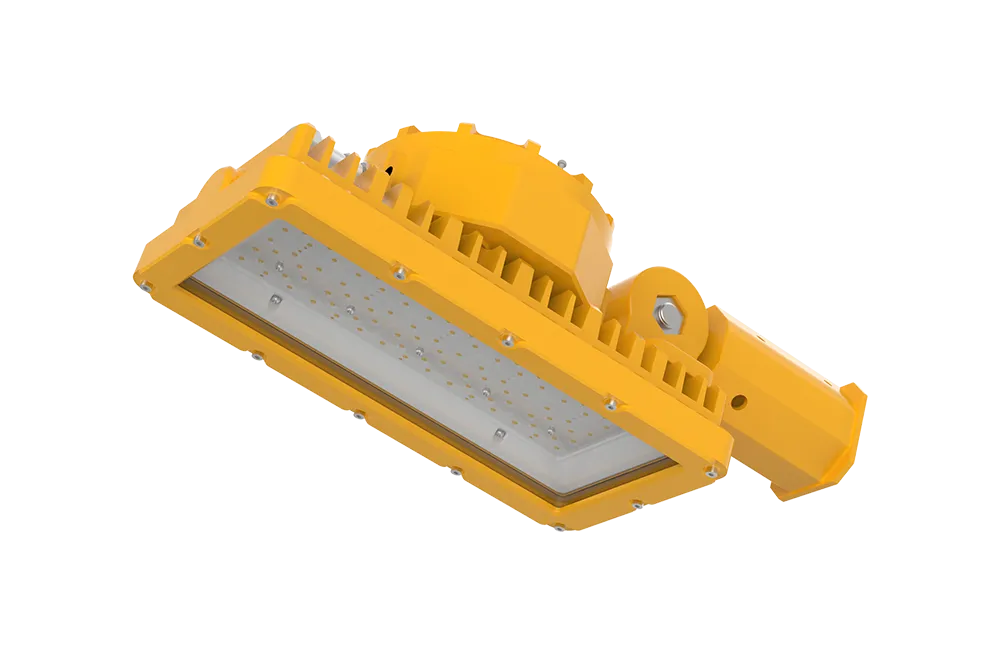
ATEX: Ex II 2G Ex db IIB T6/T5 GbEx II 2D Ex tb IIIC T80°C/ T95°C Db IECEx Ex db IIB T6 Gb;Ex tb IIIC T80°C Db Feature: ● For Zone 1,2 and Zone 21,22● Flameproof type, the strongest● 100W can replace 250W HID,energy saving● Power:60W,80W,100W Application: Oil and gas, marine, Chemical, pharmaceutical, semiconductor,mining,military industr…
View details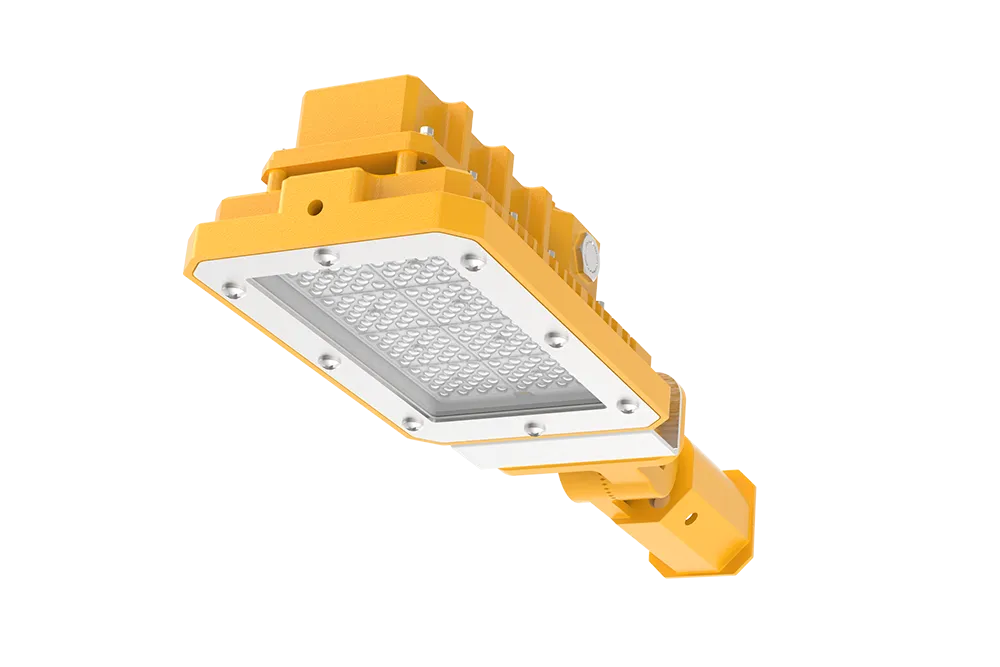
ATEX: II 3G Ex nR ⅡC T5/T6 GcII 3D Ex tc ⅢC T80℃/T95℃Dc ATEX Certificate NO: TÜV CY 26 ATEX 0207611 X Feature: ● For Zone 2 and Zone 22● 150W can replace 250W HID lamps,Energy saving● Power:50W,75W,100W,150W,200W Application: Oil and gas, marine, Chemical, pharmaceutical, semiconductor,mining,military industry, paint booth,power plant ETC…
View details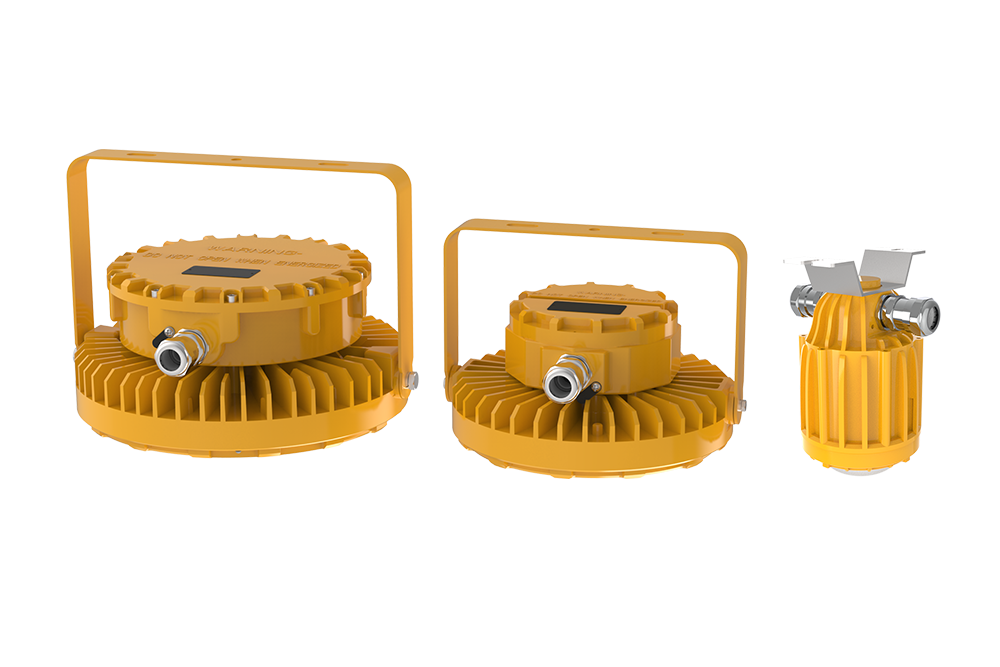
LED explosion proof high bay lights are designed for Zone 1, Zone 2, Zone 21 and Zone 22 hazardous areas. This page introduces the HB21 Series from SEEKING, including certifications, power options and real application considerations.
View details
LED Linear Explosion Proof Lights from SEEKINGLED. LU Series Flame Proof lights ATEX-certified explosion proof LED linear lighting for Zone 2 gas and Zone 22 dust areas, IP69K, IK10, long lifetime and flexible power options.
View details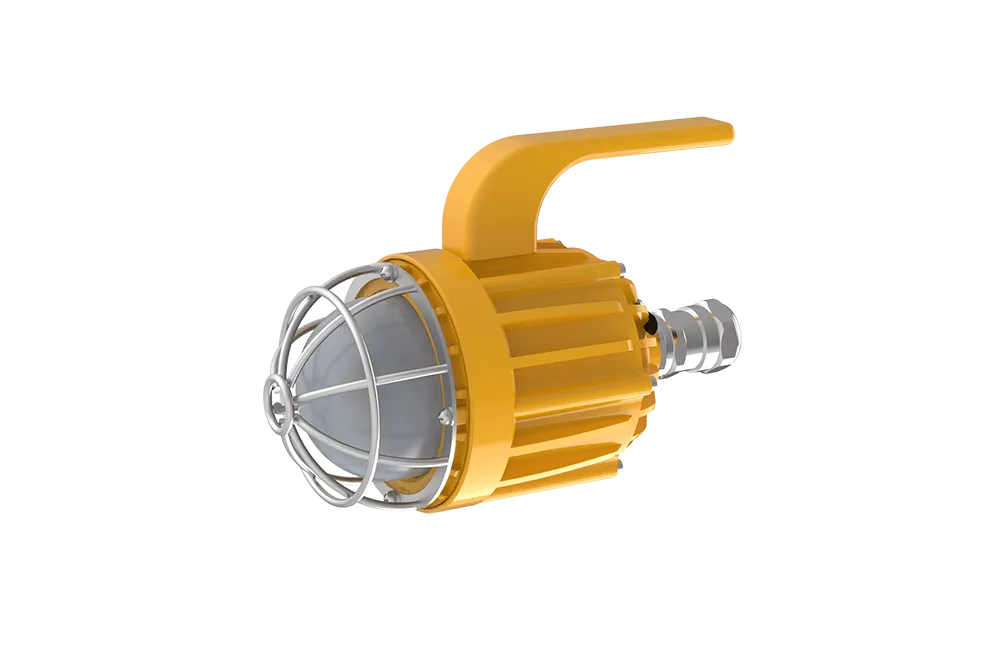
Certified explosion proof work lights for Zone 1 & 21 hazardous areas. Portable, ATEX & IECEx approved, built for oil, gas and chemical plants by SEEKINGLED.
View details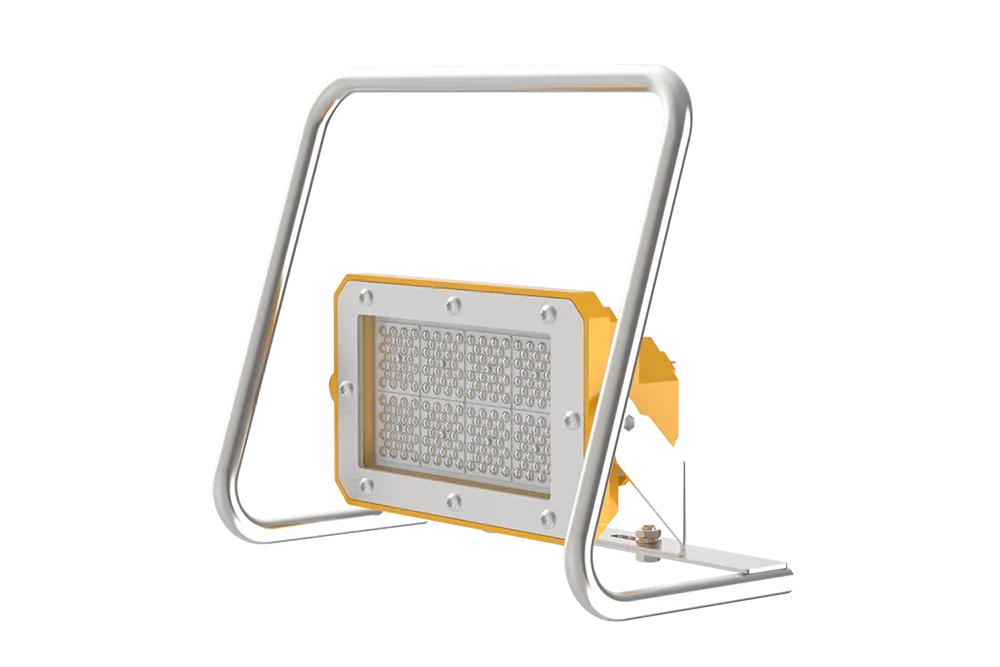
ATEX: II 3G Ex nR ⅡC T6 GcII 3D Ex tc ⅢC T80℃ Dc ATEX Certificate NO: TÜV CY 26 ATEX 0207611 X Feature: ● For Zone 2 and Zone 22● Accepts battery-powered supply● indestructible● Power:AC input:50W,75W,100WDC input:15W,25W,35W Application: Oil and gas, marine, Chemical, pharmaceutical, semiconductor,mining,military industry, paint booth,po…
View details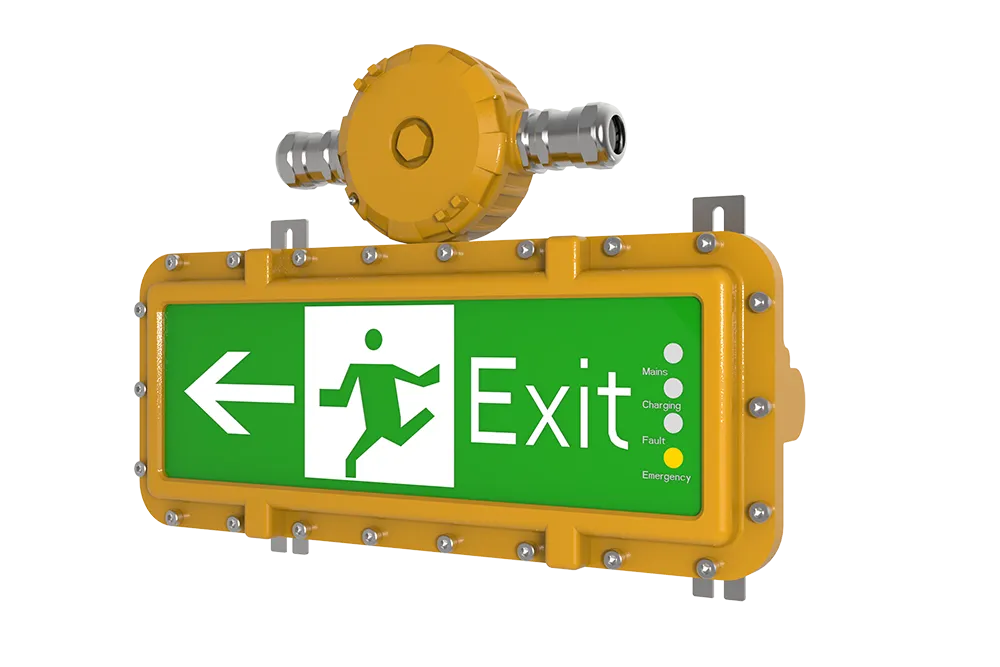
ATEX: Ex II 2G Ex db IIB T6 GbEx II 2D Ex tb IIIC T80°C Db IECEx Ex db IIB T6 Gb;Ex tb IIIC T80°C Db Feature: ● For Zone 1,2 and Zone 21,22● Flameproof type, the strongest Application: Oil and gas, marine, Chemical, pharmaceutical, semiconductor,mining,military industry, paint booth,power plant ETC hazardous area. Technical Specifications:…
View details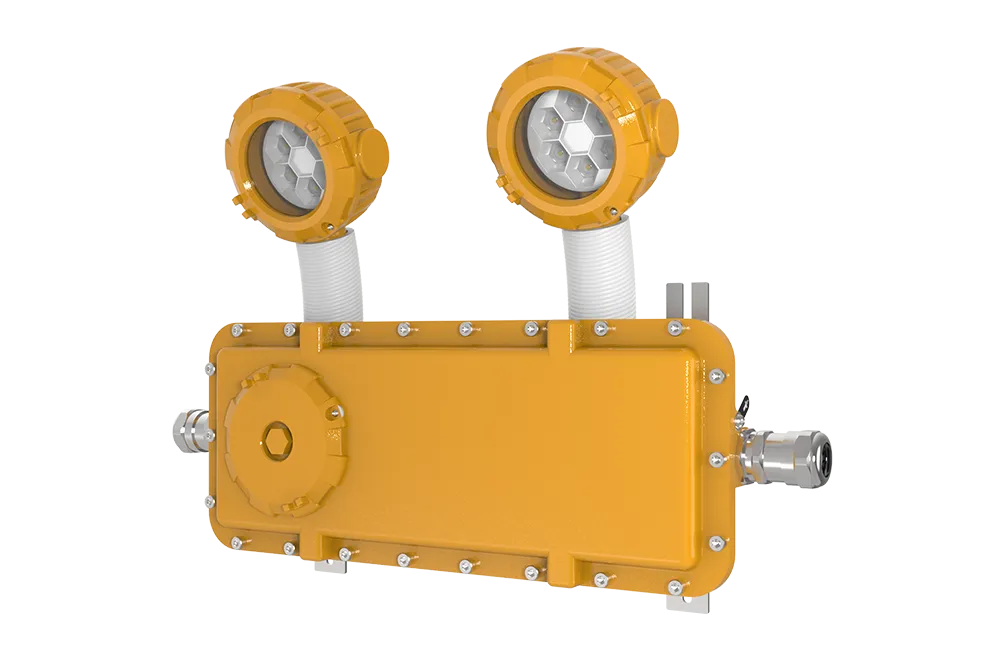
ATEX: Ex II 2G Ex db IIB T6 GbEx II 2D Ex tb IIIC T80°C Db IECEx Ex db IIB T6 Gb;Ex tb IIIC T80°C Db Feature: ● For Zone 1,2 and Zone 21,22● Flameproof type, the strongest Application: Oil and gas, marine, Chemical, pharmaceutical, semiconductor,mining,military industry, paint booth,power plant ETC hazardous area. Technical Specifications:…
View details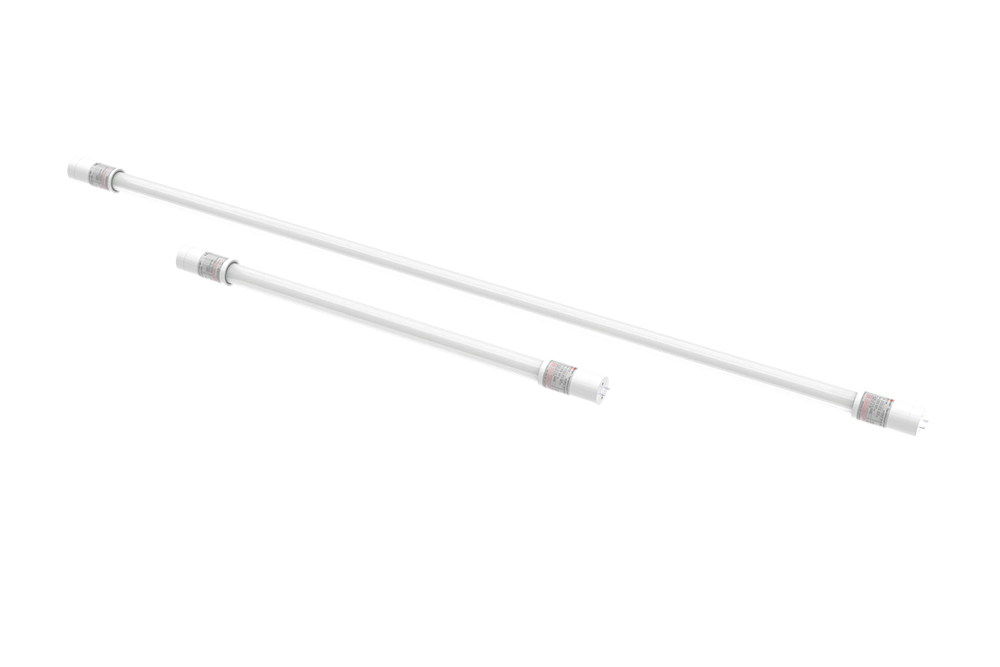
ATEX: Ex II 2G Ex d e IIB T6 Gb ATEX: Ex d e IIB T6 Gb; Feature: ● For Zone 1,2● 9W can replace 18W fluorescent lamps,50% Energy saving Application: Oil and gas, marine, Chemical, pharmaceutical, semiconductor,mining,military industry, paint booth,power plant ETC hazardous area. Technical Specifications: Standards:60079-0, 60079-1, 60079…
View details
What is Class 1 Div 2 LED lighting? Learn how Class 1 Division 2 hazardous location LED fixtures improve safety in oil, gas, chemical, and industrial facilities.
View details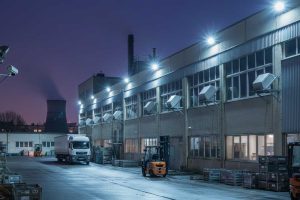
What wattage for outdoor LED flood lights is actually needed? A practical guide based on outdoor use, not lab numbers.
View details
What is high CRI LED high bay lighting? Learn what CRI means, when high CRI matters in industrial spaces, and how to choose the right LED high bay.
View details
Upgrade outdoor roads with a 150W LED street light delivering 170 lm/W efficiency, long lifespan, and stable performance. Trusted by SEEKINGLED projects.
View details