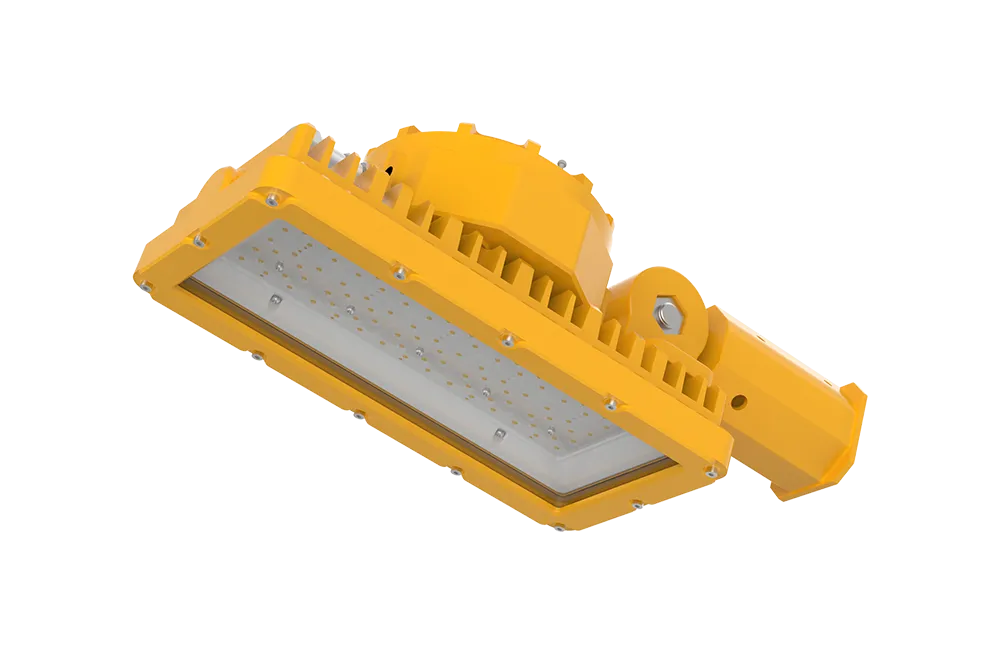
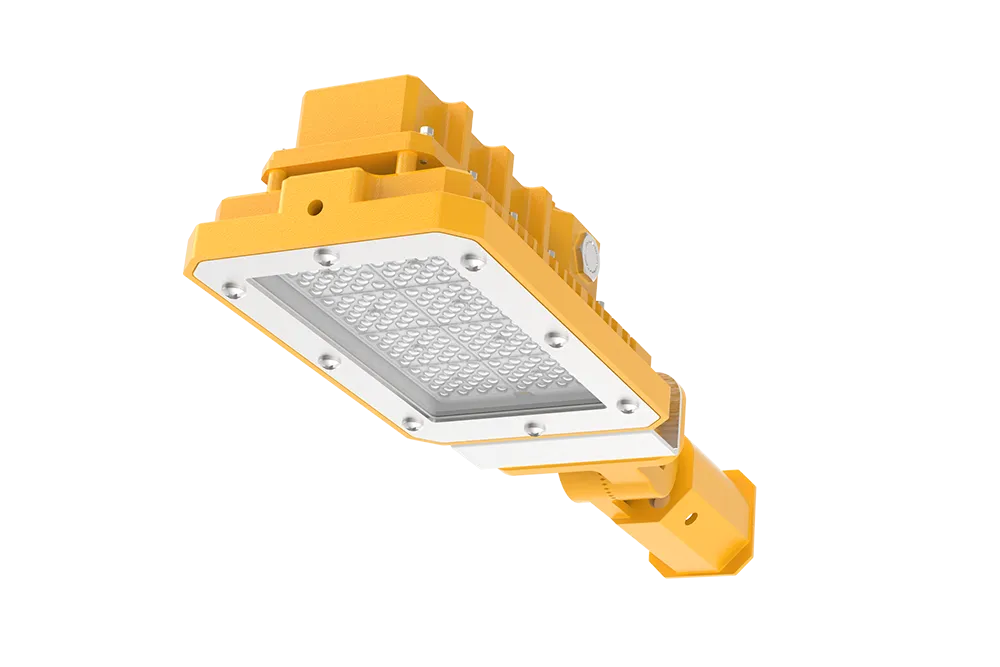
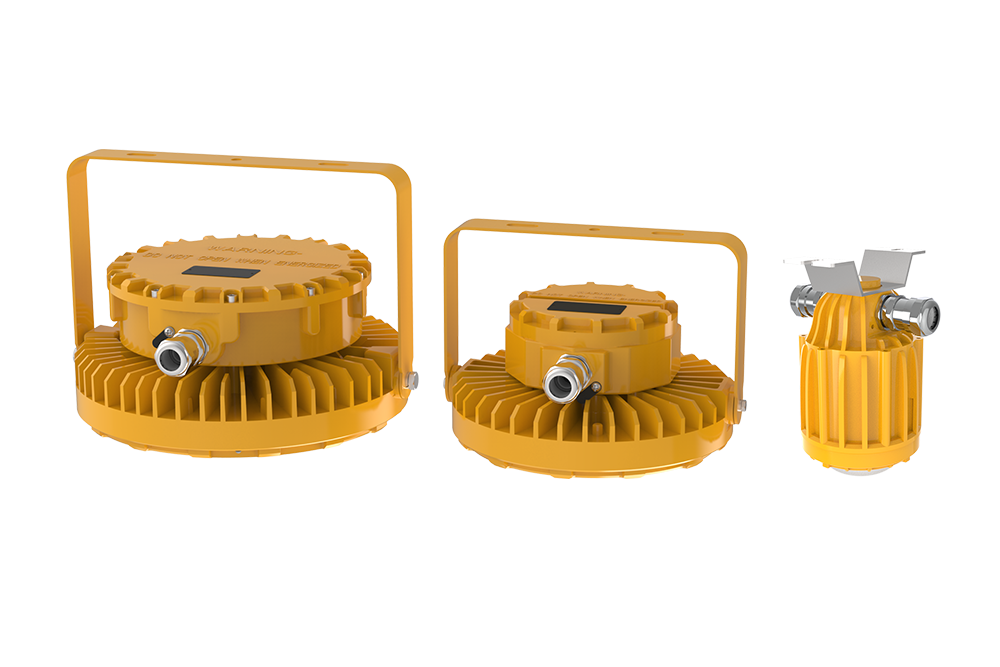
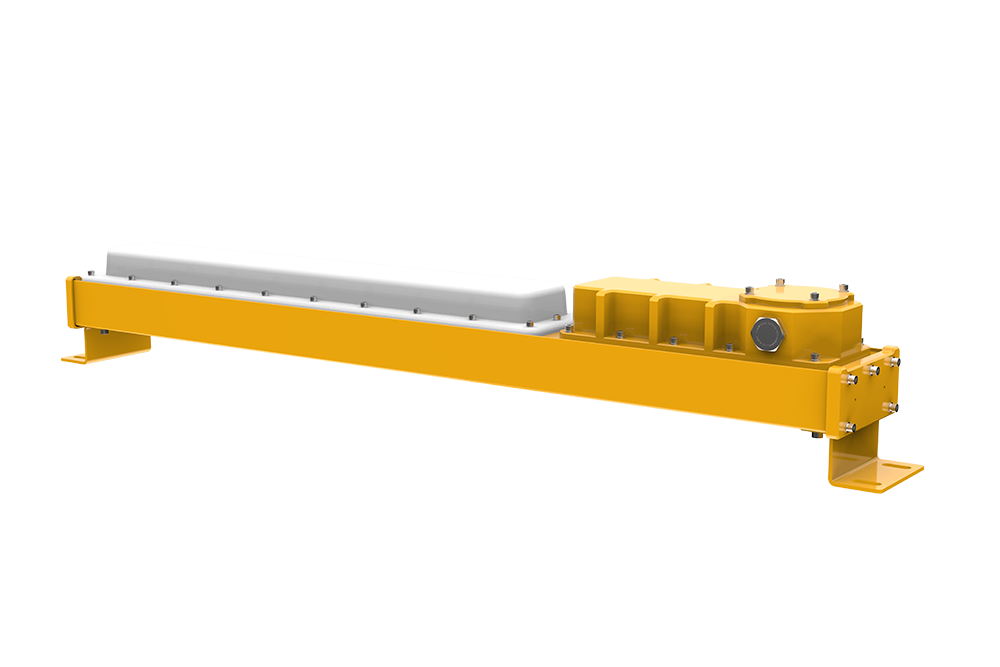
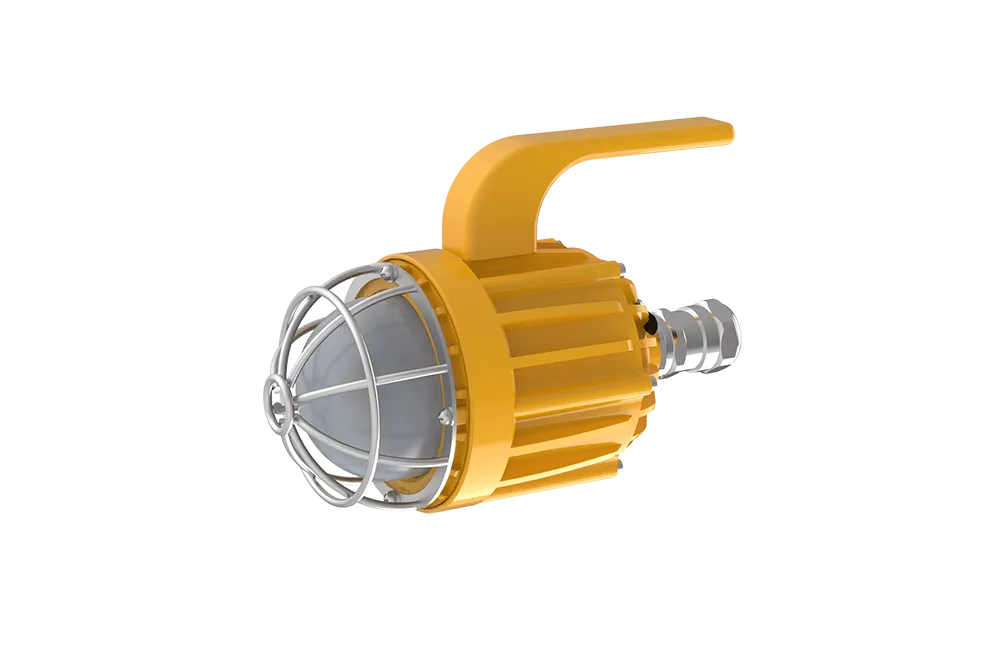
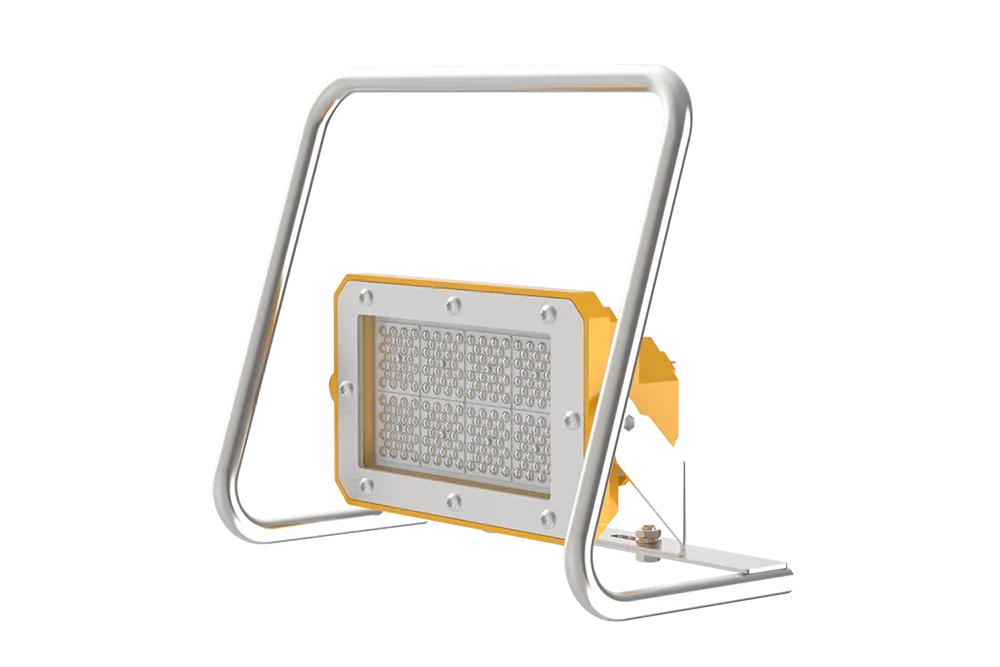
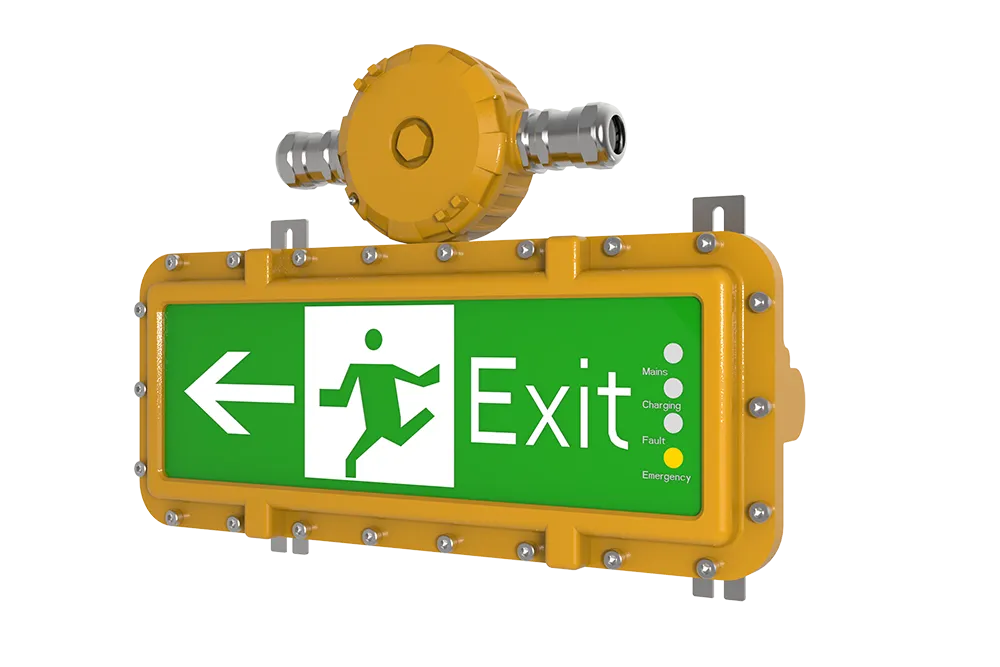
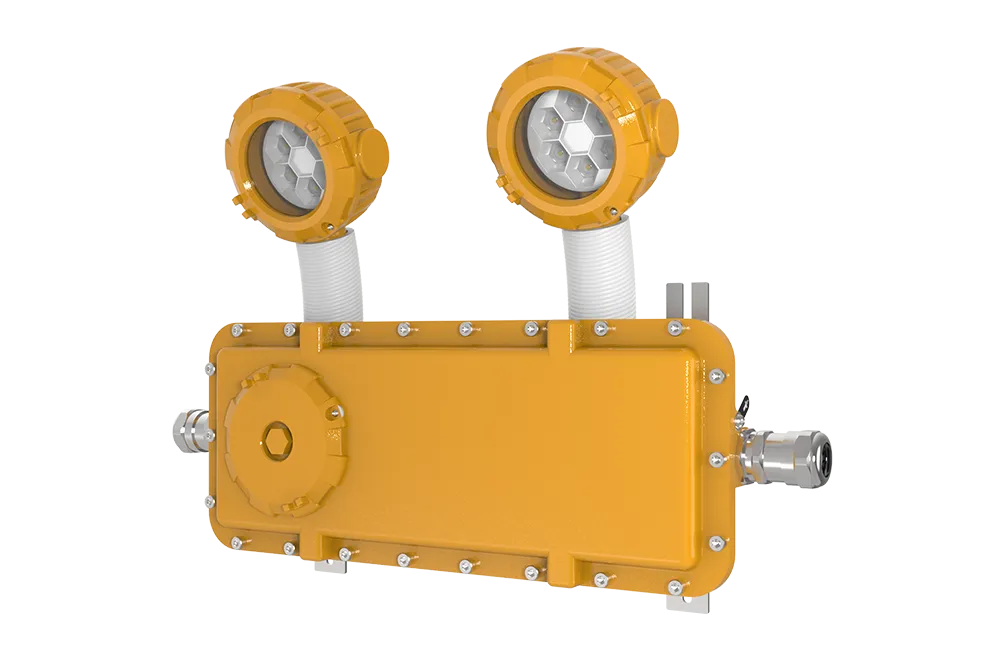
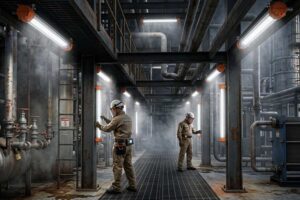
An explosion proof lights factory designs and produces sealed lighting fixtures that prevent internal sparks or heat from igniting hazardous gases or dust, while maintaining stable high-lumen output for industrial environments.
That’s the straightforward explanation.
But it’s incomplete.
Because the real difference between factories isn’t what they claim—it’s what actually happens on the production floor.
I’ve spent years inside lighting factories, not just in meeting rooms but on assembly lines, thermal test benches, and certification audits. You start noticing patterns. Some factories chase specs. Others chase consistency.
Only one of those survives in hazardous industries.
explosion proof lights factory: What Actually Defines a Real Factory
A factory isn’t defined by how many units it produces.
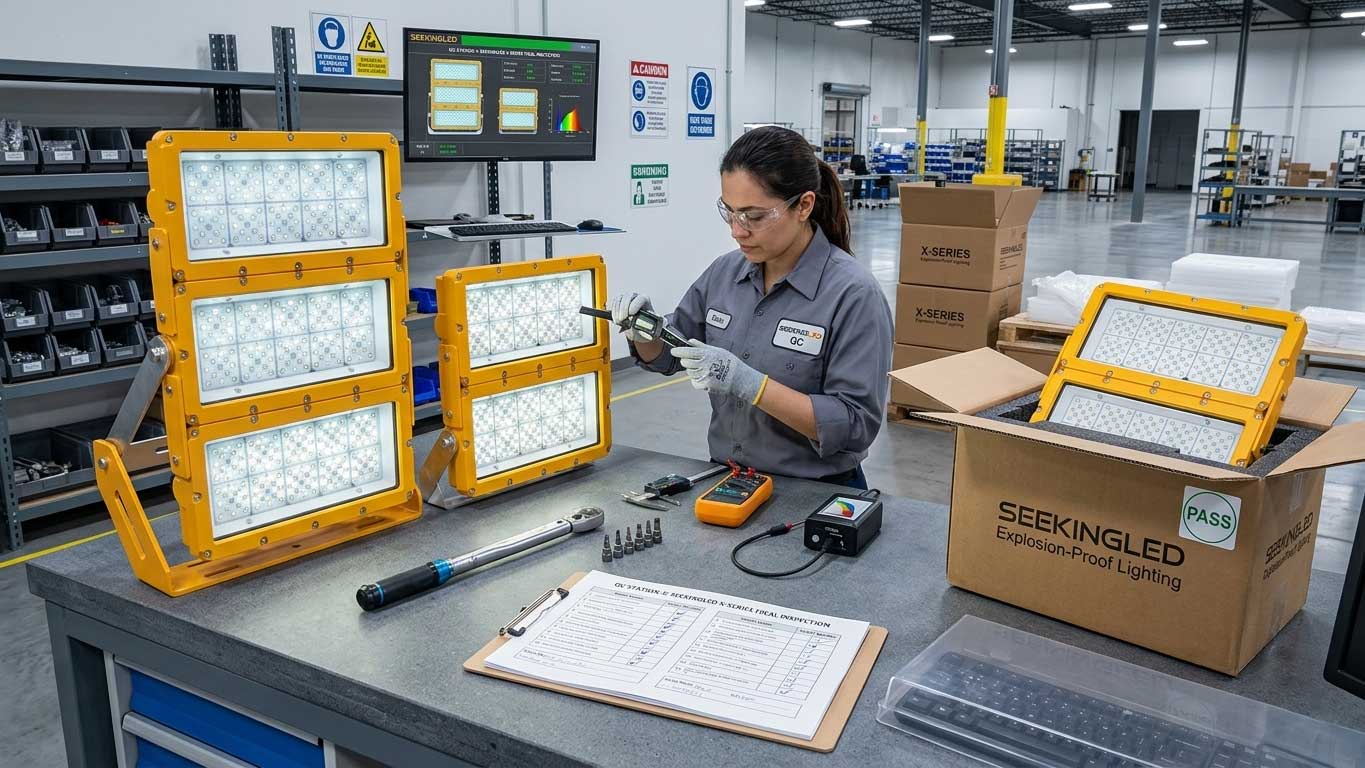
It’s defined by what it refuses to ship.
Explosion proof lighting is governed by strict standards such as IECEx and ATEX, which require that fixtures:
contain internal ignition
prevent flame propagation
maintain controlled surface temperatures
According to IECEx certification requirements, equipment must ensure that any ignition inside the enclosure cannot ignite the surrounding atmosphere. Source: https://www.iecex.com
That requirement changes everything about production.
What Happens on a Real Production Line
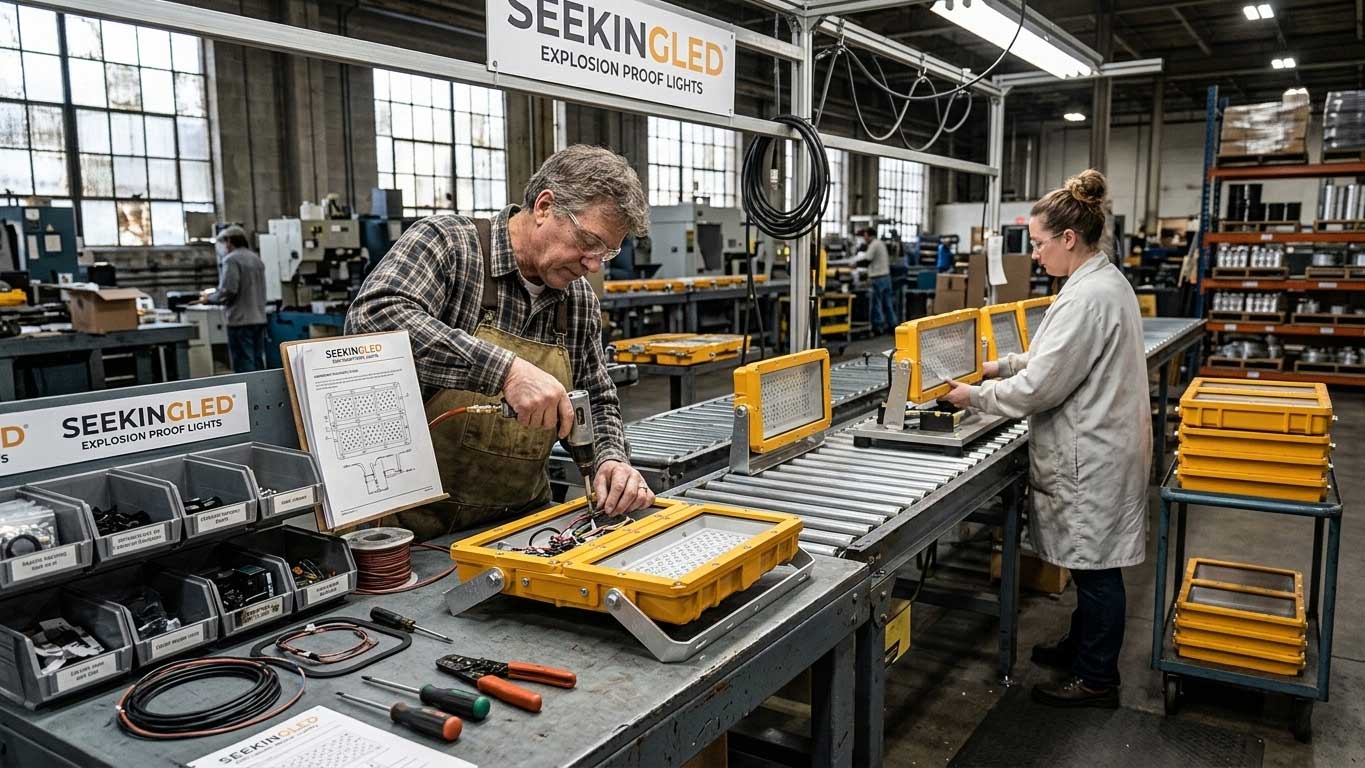
In a serious explosion proof lights factory, the process isn’t linear.
It loops.
machining → inspection
assembly → pressure testing
wiring → re-check
sealing → leak verification
I’ve stood next to a pressure test chamber where housings are subjected to internal stress conditions. Not every unit passes the first time.
And that’s normal.
What matters is that failures are caught before shipment—not after installation.
explosion proof lighting manufacturer: Materials and Engineering Choices
This is where many suppliers diverge.
Two fixtures can look identical externally.
Internally, they’re not even close.
Core Components That Matter
Component
What to Look For
Why It Matters
Housing
die-cast aluminum
pressure resistance
Lens
tempered glass
impact & heat tolerance
Gasket
silicone sealing
gas-tight enclosure
Driver
high-temp rated
stability under load
Cable gland
certified sealing
prevents leakage
The U.S. Department of Energy notes that LED systems can achieve efficiencies above 150 lumens per watt, but performance depends heavily on thermal and electrical design. Source: https://www.energy.gov/energysaver/led-lighting
From experience, I can tell you:
The weakest component determines the safety level—not the strongest one.
Thermal Testing: Where Good Products Fail
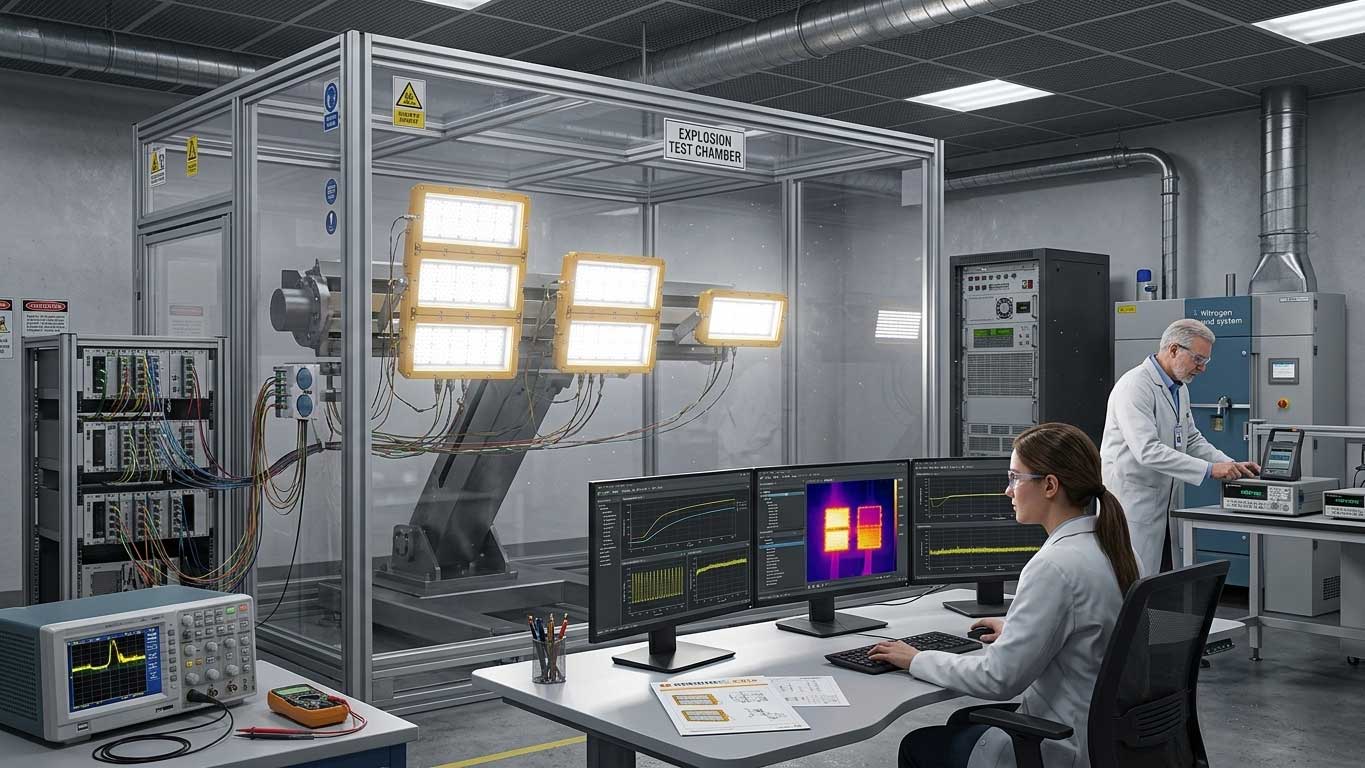
Thermal testing is where theoretical design meets reality.
Fixtures are run under:
full electrical load
elevated ambient temperatures
extended operating hours
In one test cycle I observed, a batch of drivers exceeded safe temperature limits after 6 hours—not immediately, but gradually.
That batch was scrapped.
No negotiation.
hazardous location lighting factory: Certification and Compliance
Certification is not paperwork.
It’s verification.
Key standards:
ATEX (Europe)
IECEx (global)
UL844 (North America)
Class I Division 1 / 2
According to OSHA, improper or uncertified electrical equipment remains a major cause of hazardous location incidents. Source: https://www.osha.gov
What a Buyer Should Verify
certificate authenticity
issuing body credibility
traceable certification number
temperature classification (T-rating)
IP and IK ratings
I’ve personally seen factories provide “certificates” that couldn’t be verified through any official body.
Those products never make it into serious projects.
industrial explosion proof lighting production: Real Challenges
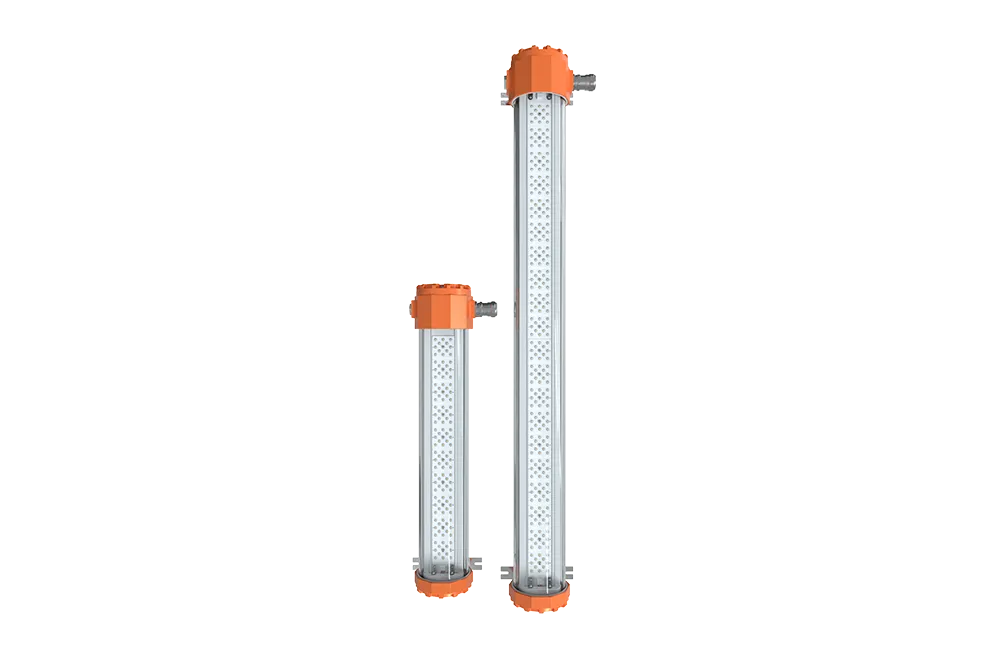
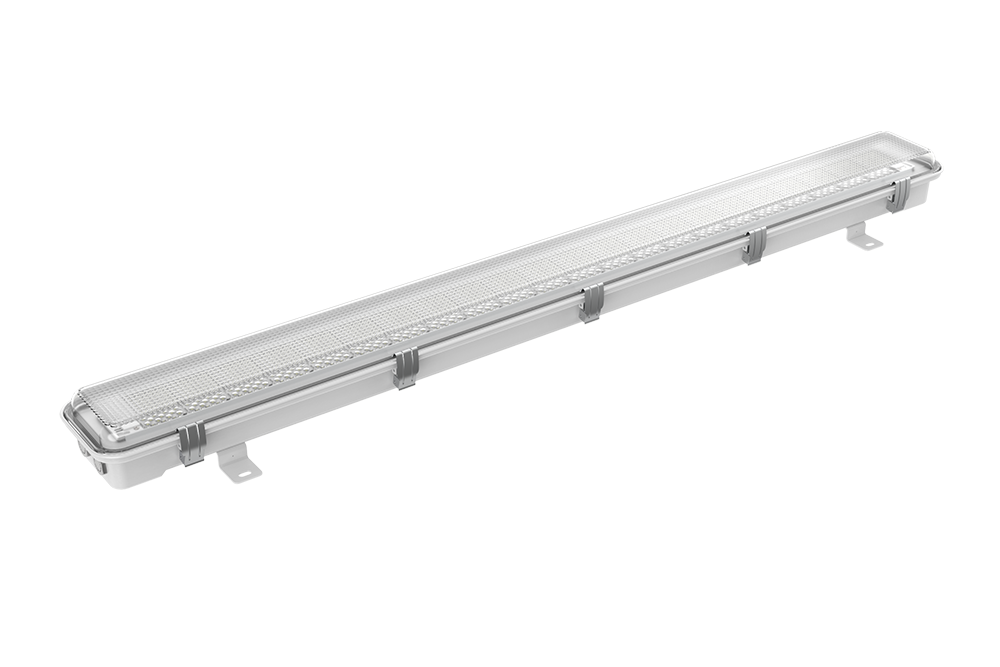
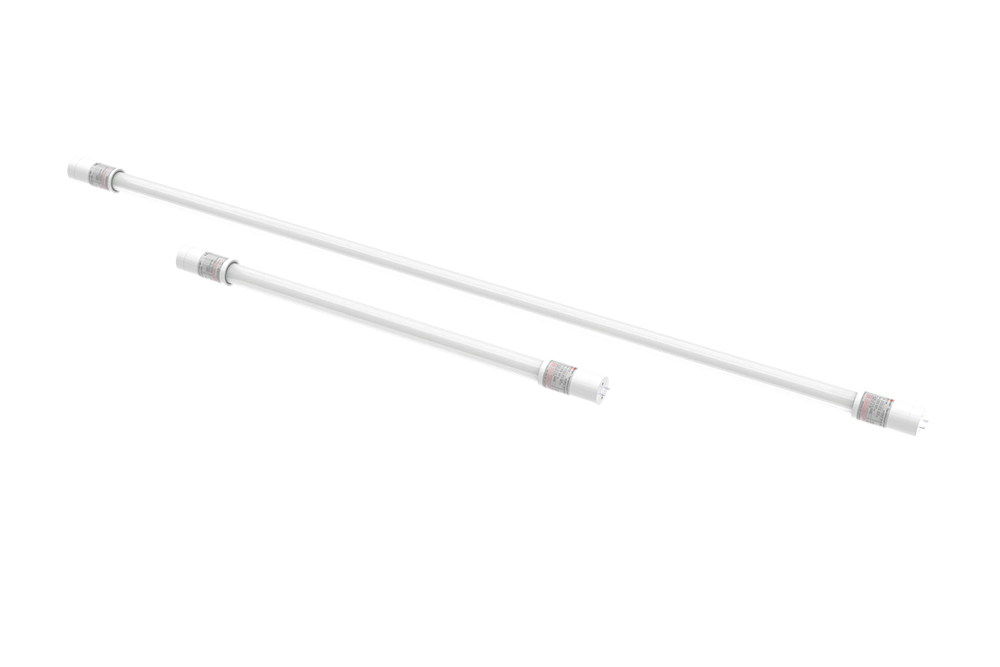
SEEKINGLED LED Linear Explosion Proof Light and Explosion Proof lighting is ATEX and IECEx certified for Zone 1, Zone 2, Zone 21 and Zone 22 hazardous locations, built for long-term industrial use.
LED Linear Explosion Proof Lights and EX Proof lights for Zone 1, Zone 2, Zone 21 and Zone 22 hazardous areas. ATEX & IECEx certified explosion proof LED linear lighting with emergency function, adjustable power and IP67 protection by SEEKINGLED.
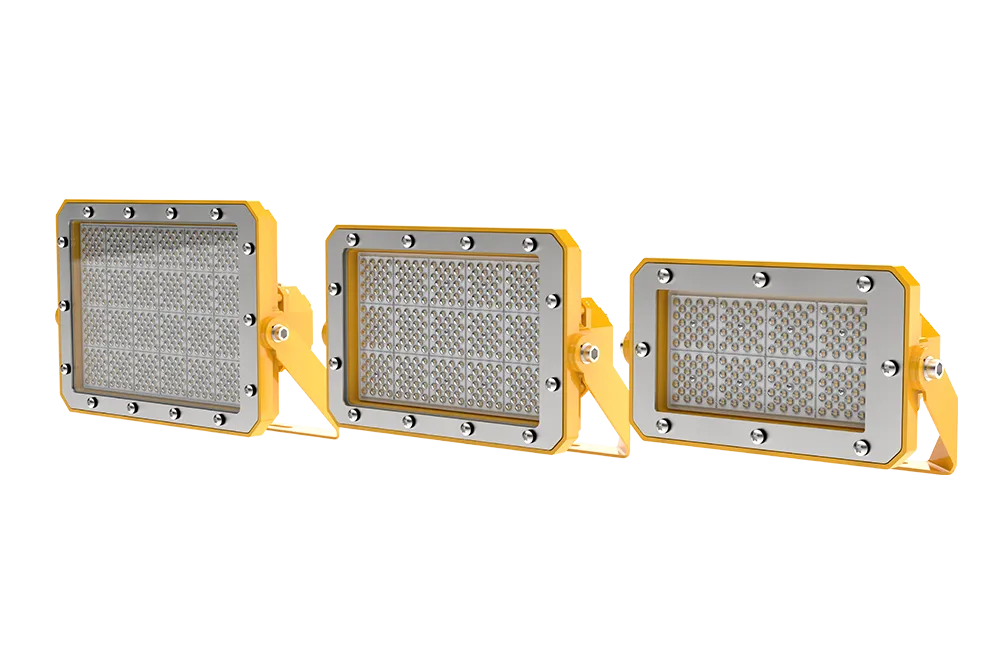
SEEKINGLED LED Explosion Proof Flood Lights are ATEX certified for Zone 2 and Zone 22 hazardous areas, offering high efficiency, adjustable power and integrated junction box.
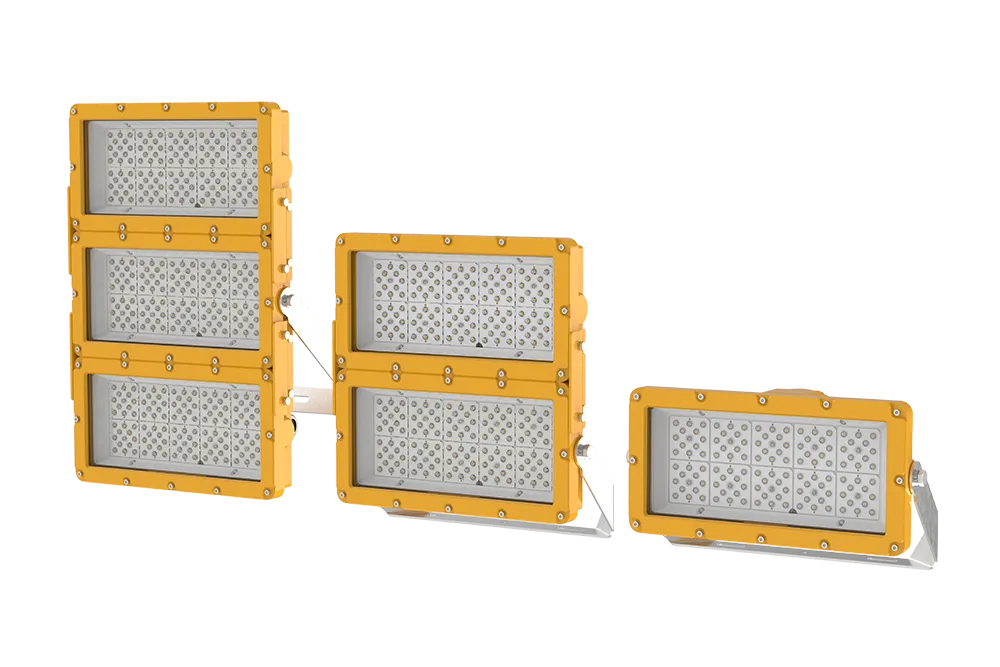
SEEKINGLED LED Explosion Proof Flood Lights are flameproof ATEX and IECEx certified for Zone 1 and Zone 2 hazardous areas, offering high power, adjustable output and long service life.
SEEKINGLED LED Gas Station Canopy Lights are ATEX certified for Zone 2 and Zone 22 hazardous areas, featuring adjustable power and built-in explosion-proof junction box.
ATEX: Ex II 2G Ex db IIB T6/T5 GbEx II 2D Ex tb IIIC T80°C/ T95°C Db IECEx Ex db IIB T6 Gb;Ex tb IIIC T80°C Db Feature: ● For Zone 1,2 and Zone 21,22● Flameproof type, the strongest● 100W can replace 250W HID,energy saving● Power:60W,80W,100W Application: Oil and gas, marine, Chemical, pharmaceutical, semiconductor,mining,military industr…
ATEX: II 3G Ex nR ⅡC T5/T6 GcII 3D Ex tc ⅢC T80℃/T95℃Dc ATEX Certificate NO: TÜV CY 26 ATEX 0207611 X Feature: ● For Zone 2 and Zone 22● 150W can replace 250W HID lamps,Energy saving● Power:50W,75W,100W,150W,200W Application: Oil and gas, marine, Chemical, pharmaceutical, semiconductor,mining,military industry, paint booth,power plant ETC…
LED explosion proof high bay lights are designed for Zone 1, Zone 2, Zone 21 and Zone 22 hazardous areas. This page introduces the HB21 Series from SEEKING, including certifications, power options and real application considerations.
LED Linear Explosion Proof Lights from SEEKINGLED. LU Series Flame Proof lights ATEX-certified explosion proof LED linear lighting for Zone 2 gas and Zone 22 dust areas, IP69K, IK10, long lifetime and flexible power options.
Certified explosion proof work lights for Zone 1 & 21 hazardous areas. Portable, ATEX & IECEx approved, built for oil, gas and chemical plants by SEEKINGLED.
ATEX: II 3G Ex nR ⅡC T6 GcII 3D Ex tc ⅢC T80℃ Dc ATEX Certificate NO: TÜV CY 26 ATEX 0207611 X Feature: ● For Zone 2 and Zone 22● Accepts battery-powered supply● indestructible● Power:AC input:50W,75W,100WDC input:15W,25W,35W Application: Oil and gas, marine, Chemical, pharmaceutical, semiconductor,mining,military industry, paint booth,po…
ATEX: Ex II 2G Ex db IIB T6 GbEx II 2D Ex tb IIIC T80°C Db IECEx Ex db IIB T6 Gb;Ex tb IIIC T80°C Db Feature: ● For Zone 1,2 and Zone 21,22● Flameproof type, the strongest Application: Oil and gas, marine, Chemical, pharmaceutical, semiconductor,mining,military industry, paint booth,power plant ETC hazardous area. Technical Specifications:…
ATEX: Ex II 2G Ex db IIB T6 GbEx II 2D Ex tb IIIC T80°C Db IECEx Ex db IIB T6 Gb;Ex tb IIIC T80°C Db Feature: ● For Zone 1,2 and Zone 21,22● Flameproof type, the strongest Application: Oil and gas, marine, Chemical, pharmaceutical, semiconductor,mining,military industry, paint booth,power plant ETC hazardous area. Technical Specifications:…
ATEX: Ex II 2G Ex d e IIB T6 Gb ATEX: Ex d e IIB T6 Gb; Feature: ● For Zone 1,2● 9W can replace 18W fluorescent lamps,50% Energy saving Application: Oil and gas, marine, Chemical, pharmaceutical, semiconductor,mining,military industry, paint booth,power plant ETC hazardous area. Technical Specifications: Standards:60079-0, 60079-1, 60079…
This article explores LED lighting applications beyond stadiums, based on real engineering experience with LED Flood Light, LED Street Light, and Sports Stadium LED Lighting solutions from SEEKINGLED.
Flood lights are called “flood lights” because they spread directed light across a relatively large target area rather than concentrating it into a small spot.
LED flood light installation guide from field engineers. Learn safe mounting, wiring, aiming angles, and compliance tips for long‑lasting outdoor lighting.
Explosion proof linear light designed for Zone 1 and Zone 2 hazardous locations. High-efficiency LED protection for oil, gas, marine, and chemical plants.
 Seeking LED