 Seeking LED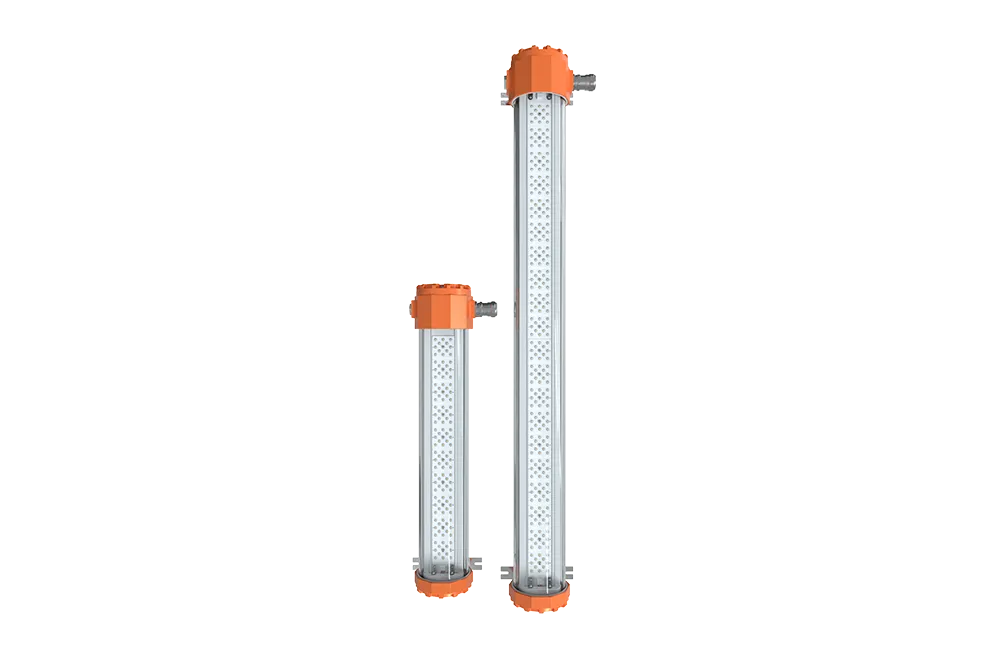
Are ATEX Explosion Proof Lights Waterproof?
0Are ATEX explosion proof lights waterproof? Discover real IP ratings, offshore use cases, and how waterproof ATEX lighting performs in hazardous outdoor environments.
View detailsSearch the whole station
The demand for atex approved led lighting supply has grown quickly over the past decade. That shift didn’t happen because LEDs are trendy. It happened because industrial facilities finally started looking at lighting as a safety component, not just a utility.
I still remember walking through a chemical blending facility in northern Europe a few years ago. The lighting system above the process line was a mix of aging fluorescent housings and a few retrofitted fixtures that clearly weren’t designed for explosive atmospheres. Maintenance staff had improvised protective covers. Some cable glands were sealed with tape.
It worked—until inspection day.
Once the safety auditor arrived, the problem became obvious: the fixtures themselves weren’t certified for the hazardous zone. That moment is when many operators start searching for a reliable atex approved led lighting supply partner.
Industrial sites that handle flammable gases or combustible dust must follow strict regulations. In Europe, these rules are defined by the ATEX Directive 2014/34/EU, which governs equipment used in explosive atmospheres.
Lighting systems installed in such environments must meet the certification requirements for specific zones:
According to the European Agency for Safety and Health at Work (EU-OSHA), explosive atmospheres remain one of the most serious hazards in chemical and fuel processing facilities. Even a small ignition source—something as minor as a spark inside a light fixture—can trigger an accident.
That’s why certified luminaires are essential.
A decade ago, explosion-proof lighting mostly relied on fluorescent or high-pressure sodium lamps. They worked, but maintenance teams didn’t love them.
LED technology changed that equation.
The International Energy Agency (IEA) reports that LED lighting can reduce electricity consumption by 50–70% compared with conventional lighting systems in industrial environments. For facilities running 24-hour operations, that difference is significant.
But energy savings alone don’t drive adoption.
In hazardous locations, reliability matters more.
LED fixtures produce stable light output, start instantly after power interruption, and eliminate fragile lamp components. In offshore platforms or petrochemical plants—where replacing a fixture may require special permits—longer service life becomes a major advantage.
On paper, most explosion-proof lights look similar.
In practice, the differences become clear once you install them.
During one refinery upgrade project I visited, the maintenance supervisor pointed out a problem they had encountered with earlier lighting systems: excessive heat accumulation inside sealed housings. The fixtures met certification requirements, but thermal design wasn’t optimized for the site’s high ambient temperatures.
After two summers, driver failures started appearing.
Modern atex approved led lighting supply systems focus heavily on thermal management—heat sinks, airflow pathways, and materials that maintain performance even in high-temperature environments.
Those details rarely appear in brochures. Yet they determine whether a fixture lasts two years or ten.
Explosion-proof LED lighting now appears across a wide range of industries.
Common environments include:
In these settings, lighting must function reliably while preventing any ignition source from reaching the surrounding atmosphere.
A certified atex approved led lighting supply solution ensures that both requirements are met.
At SEEKINGLED, hazardous-area lighting is treated as an engineering task rather than a simple product sale.
Instead of offering generic fixtures, our team typically begins with project analysis: zone classification, mounting height, ambient temperature, and required illumination levels. Those details determine which optical distribution and enclosure design will work best.
Because explosion-proof environments rarely follow standard layouts.
A narrow pipe corridor in a refinery, for example, requires completely different lighting distribution compared with an open loading bay.
The goal isn’t just compliance. It’s long-term operational stability.
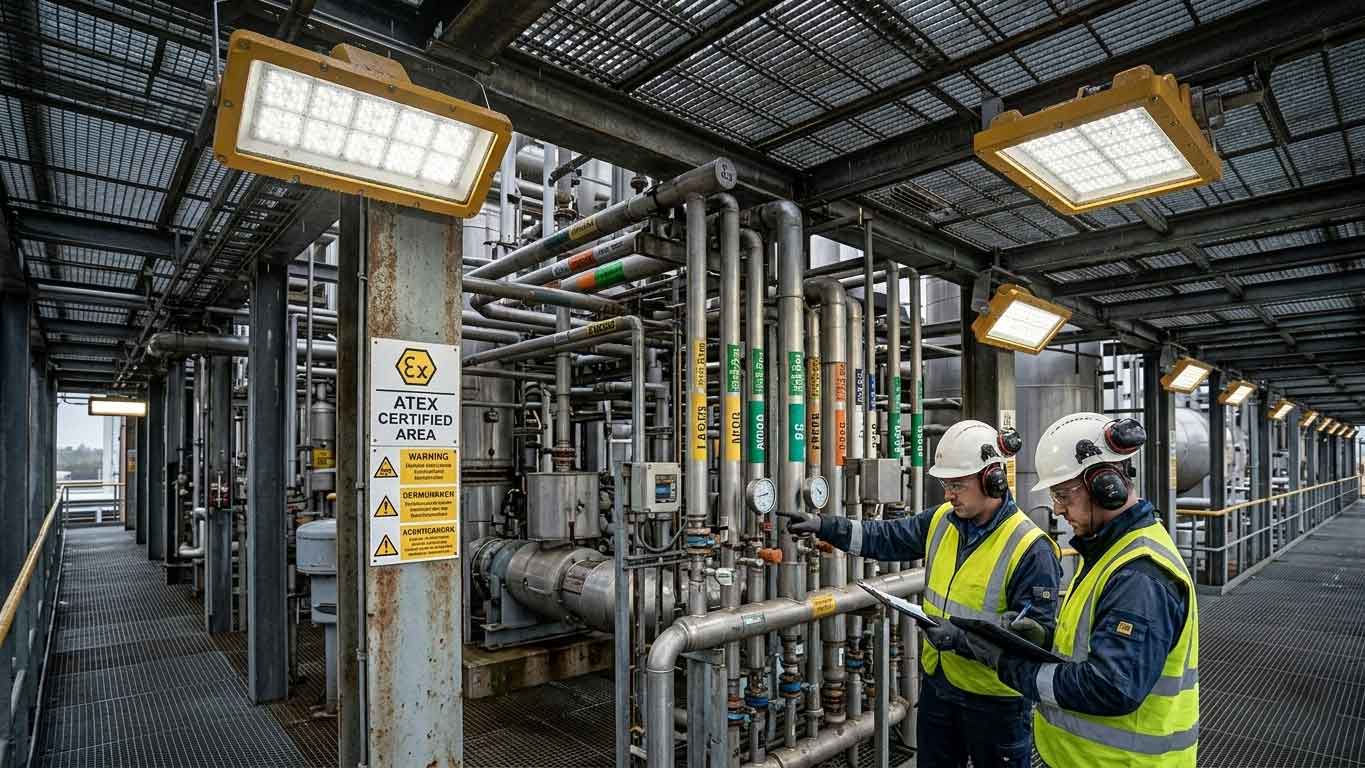
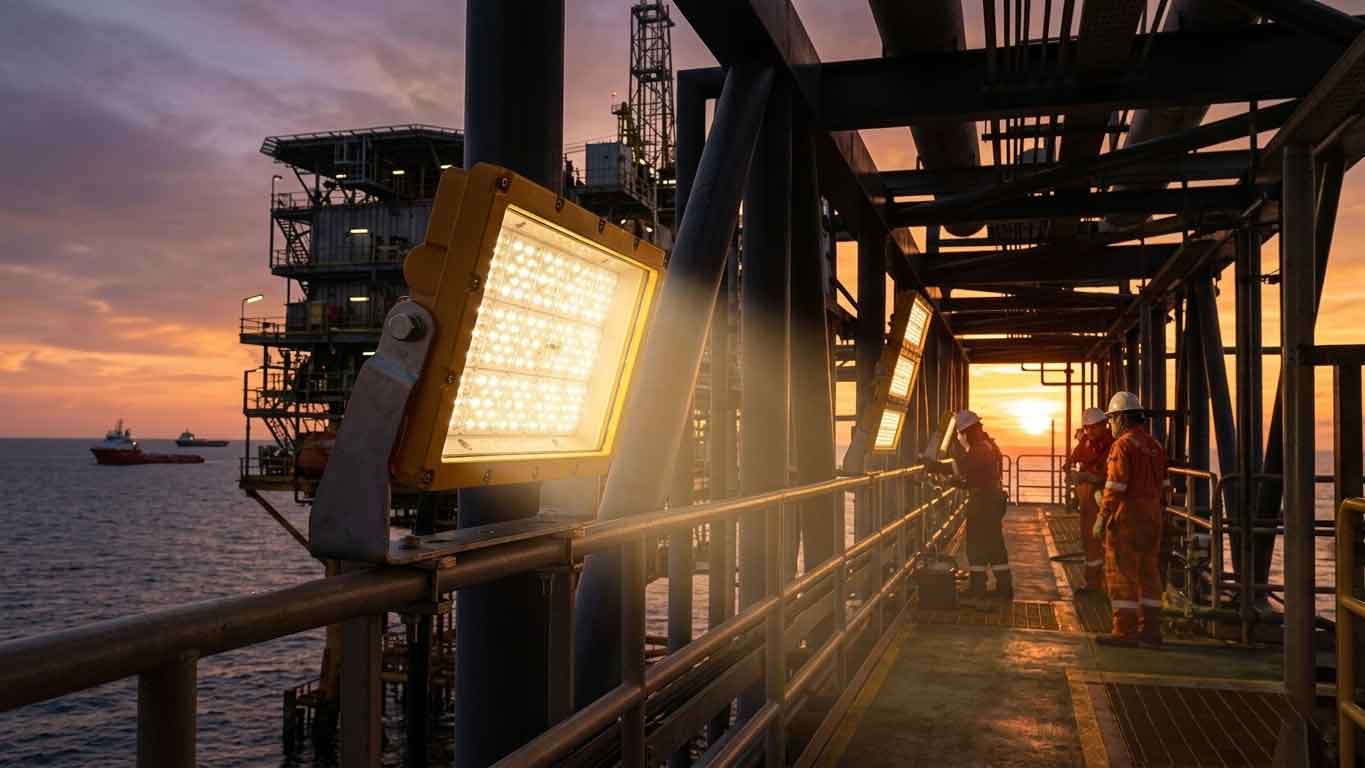
The real value of a dependable atex approved led lighting supply system becomes visible only after years of operation. When a hazardous facility runs through multiple inspection cycles without lighting failures, when maintenance teams rarely need to climb structures to replace fixtures—that’s when the engineering behind the product proves itself.
At SEEKINGLED, the goal is simple: provide hazardous-area lighting solutions that perform quietly in the background for years. Because in explosive environments, lighting should never be the part of the system that draws attention.
Related products
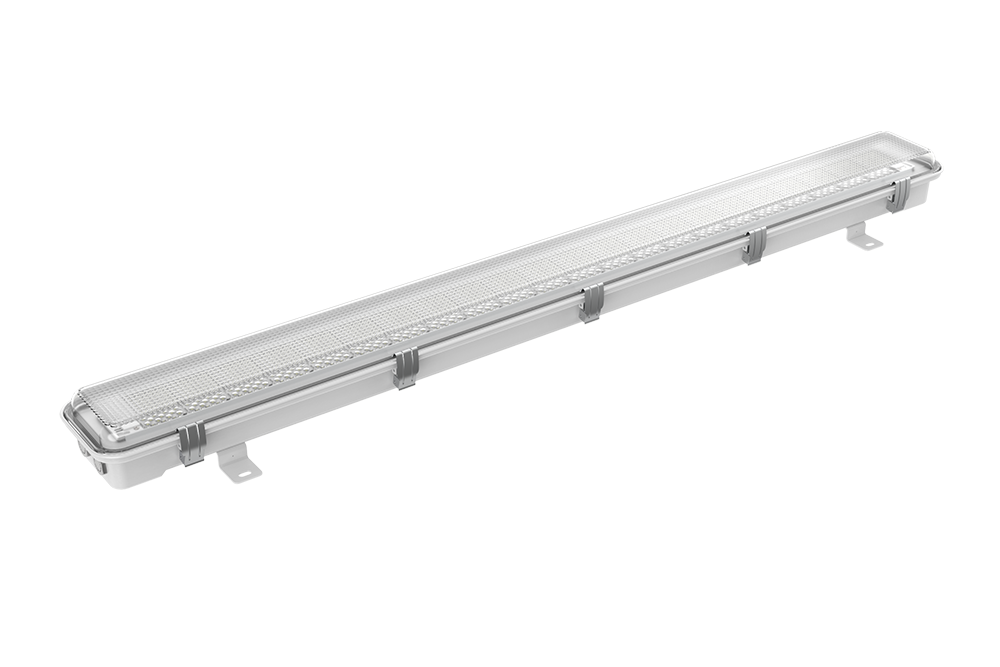
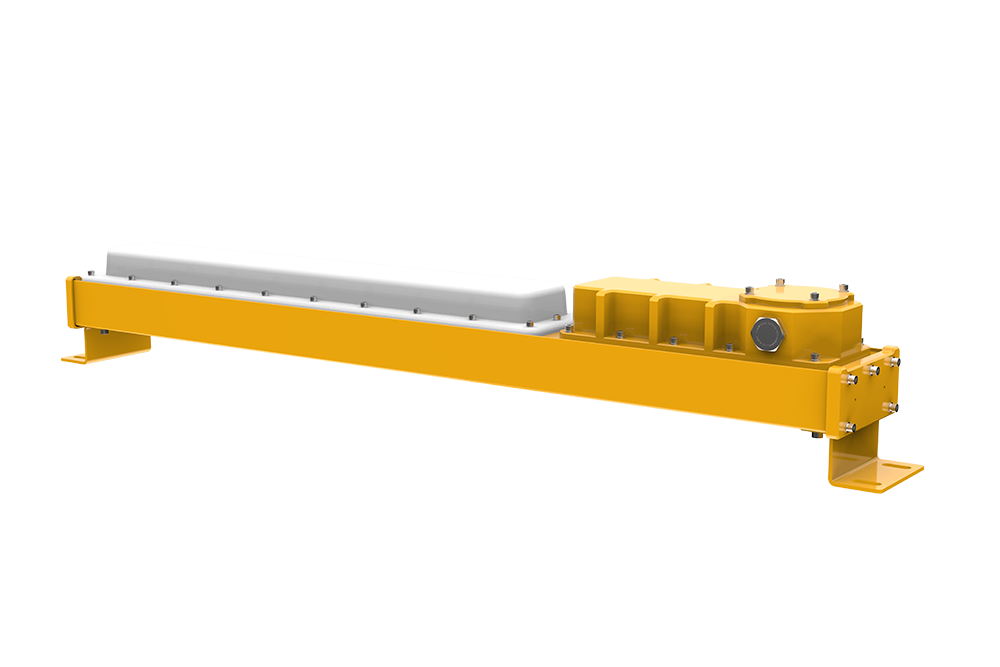
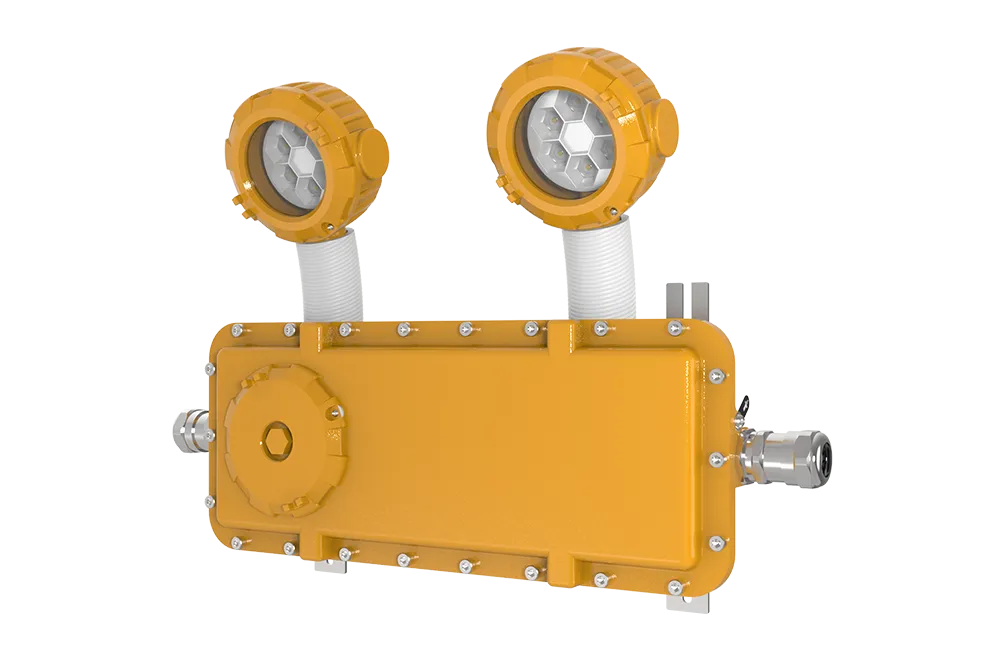
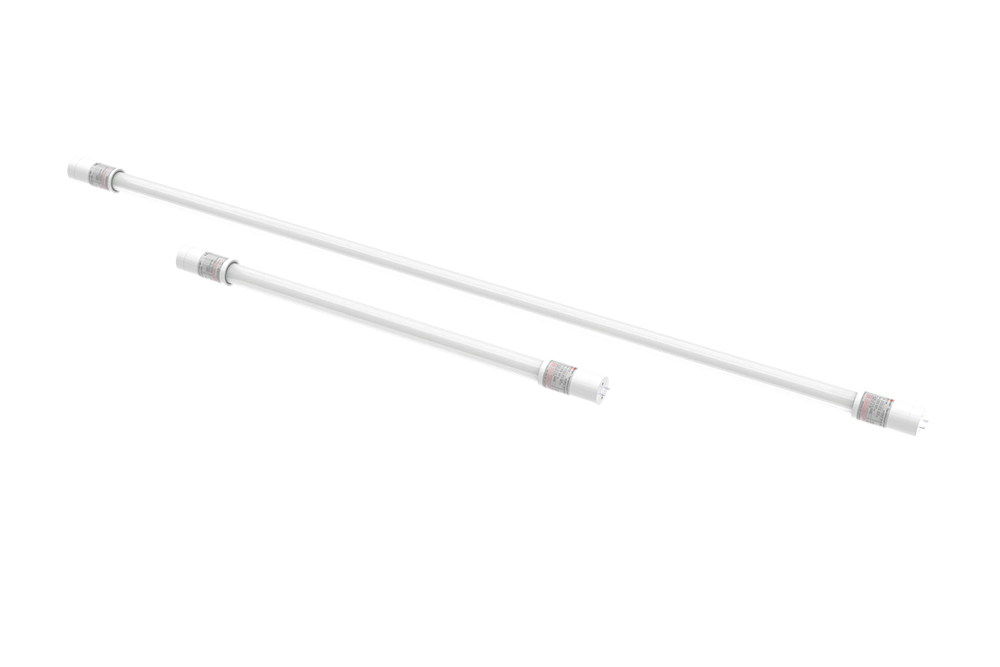
SEEKINGLED LED Linear Explosion Proof Light and Explosion Proof lighting is ATEX and IECEx certified for Zone 1, Zone 2, Zone 21 and Zone 22 hazardous locations, built for long-term industrial use.
LED Linear Explosion Proof Lights and EX Proof lights for Zone 1, Zone 2, Zone 21 and Zone 22 hazardous areas. ATEX & IECEx certified explosion proof LED linear lighting with emergency function, adjustable power and IP67 protection by SEEKINGLED.
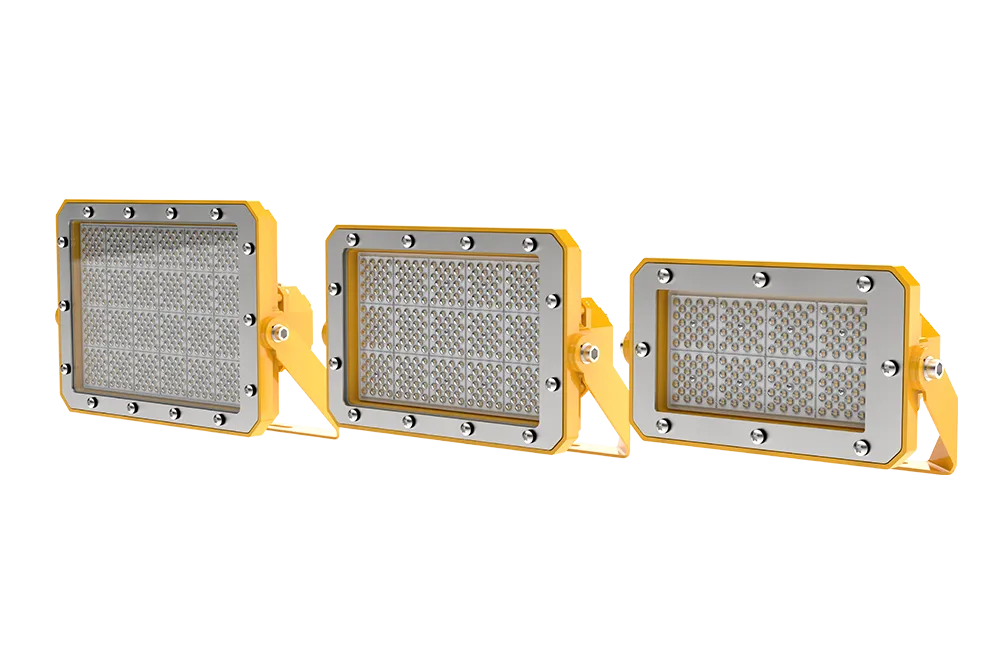
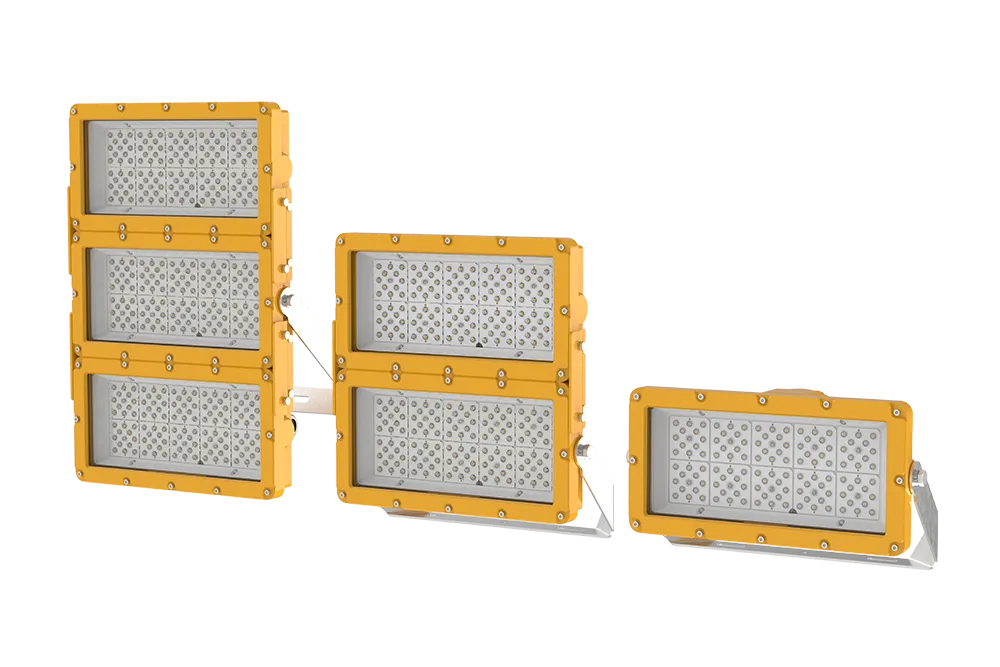
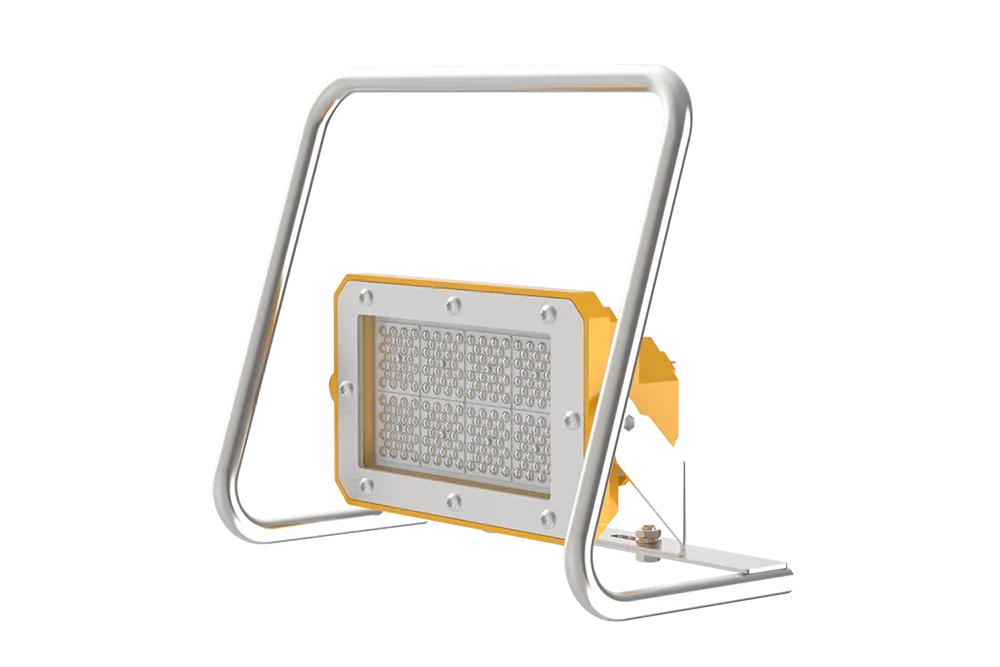
SEEKINGLED LED Explosion Proof Flood Lights are ATEX certified for Zone 2 and Zone 22 hazardous areas, offering high efficiency, adjustable power and integrated junction box.
SEEKINGLED LED Explosion Proof Flood Lights are flameproof ATEX and IECEx certified for Zone 1 and Zone 2 hazardous areas, offering high power, adjustable output and long service life.
SEEKINGLED LED Gas Station Canopy Lights are ATEX certified for Zone 2 and Zone 22 hazardous areas, featuring adjustable power and built-in explosion-proof junction box.
ATEX: Ex II 2G Ex db IIB T6/T5 GbEx II 2D Ex tb IIIC T80°C/ T95°C Db IECEx Ex db IIB T6 Gb;Ex tb IIIC T80°C Db Feature: ● For Zone 1,2 and Zone 21,22● Flameproof type, the strongest● 100W can replace 250W HID,energy saving● Power:60W,80W,10…
ATEX: II 3G Ex nR ⅡC T5/T6 GcII 3D Ex tc ⅢC T80℃/T95℃Dc ATEX Certificate NO: TÜV CY 26 ATEX 0207611 X Feature: ● For Zone 2 and Zone 22● 150W can replace 250W HID lamps,Energy saving● Power:50W,75W,100W,150W,200W Application: Oil and gas, m…
LED explosion proof high bay lights are designed for Zone 1, Zone 2, Zone 21 and Zone 22 hazardous areas. This page introduces the HB21 Series from SEEKING, including certifications, power options and real application considerations.
LED Linear Explosion Proof Lights from SEEKINGLED. LU Series Flame Proof lights ATEX-certified explosion proof LED linear lighting for Zone 2 gas and Zone 22 dust areas, IP69K, IK10, long lifetime and flexible power options.
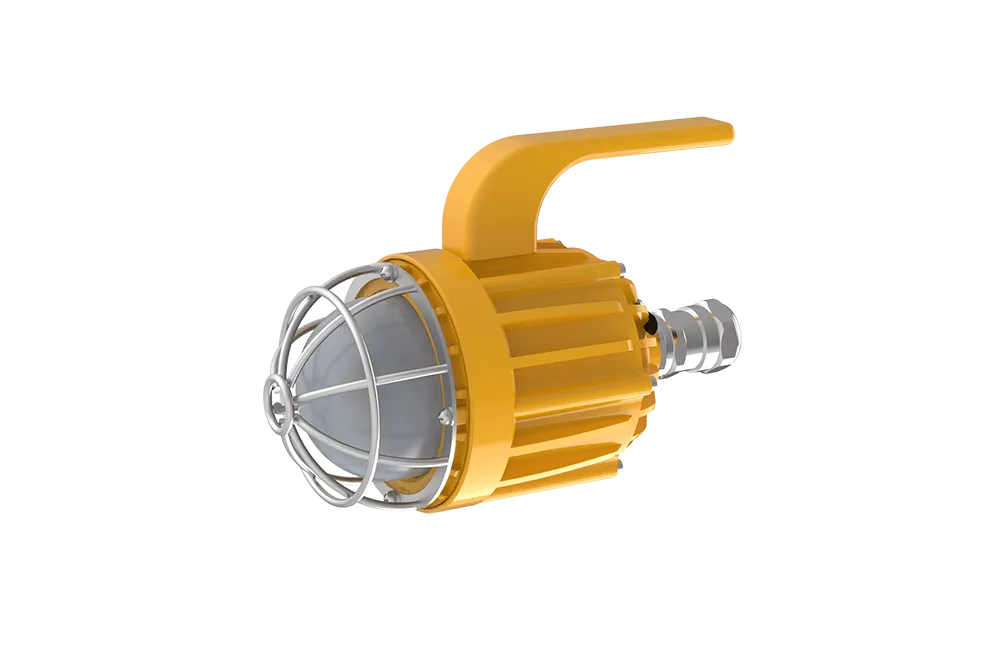
Certified explosion proof work lights for Zone 1 & 21 hazardous areas. Portable, ATEX & IECEx approved, built for oil, gas and chemical plants by SEEKINGLED.
ATEX: II 3G Ex nR ⅡC T6 GcII 3D Ex tc ⅢC T80℃ Dc ATEX Certificate NO: TÜV CY 26 ATEX 0207611 X Feature: ● For Zone 2 and Zone 22● Accepts battery-powered supply● indestructible● Power:AC input:50W,75W,100WDC input:15W,25W,35W Application: O…
ATEX: Ex II 2G Ex db IIB T6 GbEx II 2D Ex tb IIIC T80°C Db IECEx Ex db IIB T6 Gb;Ex tb IIIC T80°C Db Feature: ● For Zone 1,2 and Zone 21,22● Flameproof type, the strongest Application: Oil and gas, marine, Chemical, pharmaceutical, semicondu…
ATEX: Ex II 2G Ex db IIB T6 GbEx II 2D Ex tb IIIC T80°C Db IECEx Ex db IIB T6 Gb;Ex tb IIIC T80°C Db Feature: ● For Zone 1,2 and Zone 21,22● Flameproof type, the strongest Application: Oil and gas, marine, Chemical, pharmaceutical, semicondu…
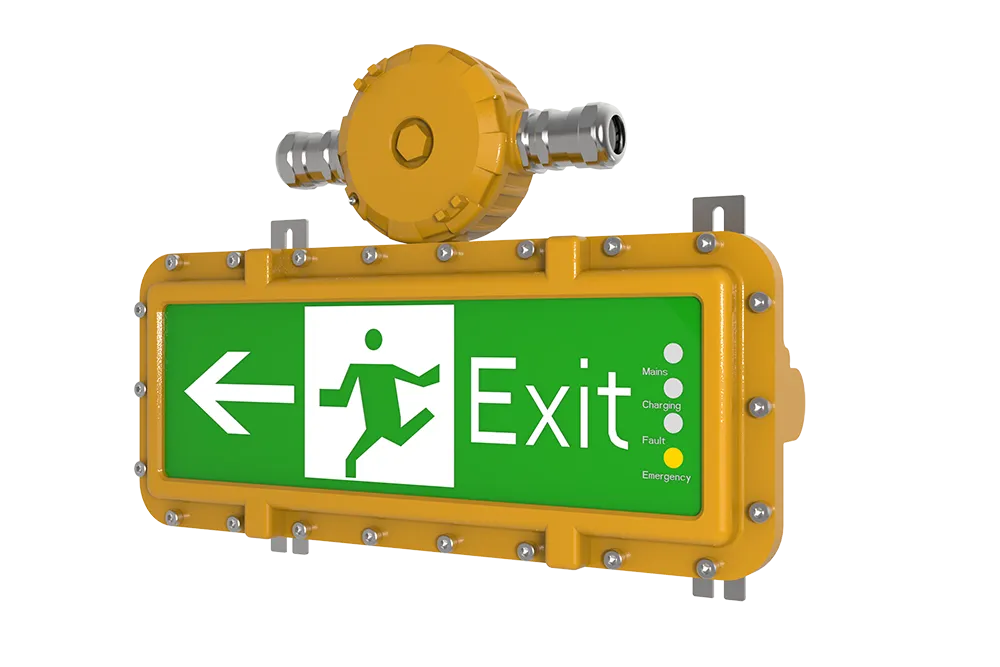
ATEX: Ex II 2G Ex d e IIB T6 Gb ATEX: Ex d e IIB T6 Gb; Feature: ● For Zone 1,2● 9W can replace 18W fluorescent lamps,50% Energy saving Application: Oil and gas, marine, Chemical, pharmaceutical, semiconductor,mining,military industry, pain…
loading…
This is the last post!
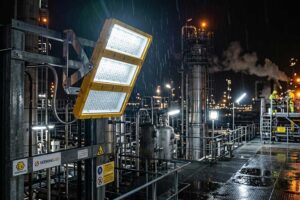
Are ATEX explosion proof lights waterproof? Discover real IP ratings, offshore use cases, and how waterproof ATEX lighting performs in hazardous outdoor environments.
View details
Upgrade your city roads with led light street light solutions. Discover how to choose wattage, brightness, and smart controls for reliable outdoor lighting.
View details
Learn how to choose beam angle for high bay lights based on mounting height, floor layout, fixture spacing, and lighting goals for warehouses and industrial spaces.
View details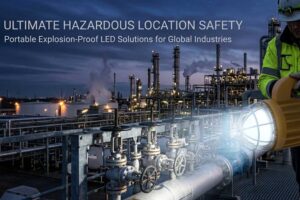
Discover what portable explosion proof lighting is, where it is used, and why certified hazardous-area work lights are critical for safety and compliance.
View details