 Seeking LED
How to Stop My High Bay LED Lights?
292Learn how to stop my high bay LED lights from unwanted behavior such as flickering, ghosting, or not shutting off. Practical guidance from SEEKINGLED.
View detailsSearch the whole station
ATEX hazardous lighting is specially certified lighting equipment designed for areas where explosive gases, vapors, or combustible dust may exist. These luminaires prevent ignition sources while providing reliable illumination in hazardous industrial environments.
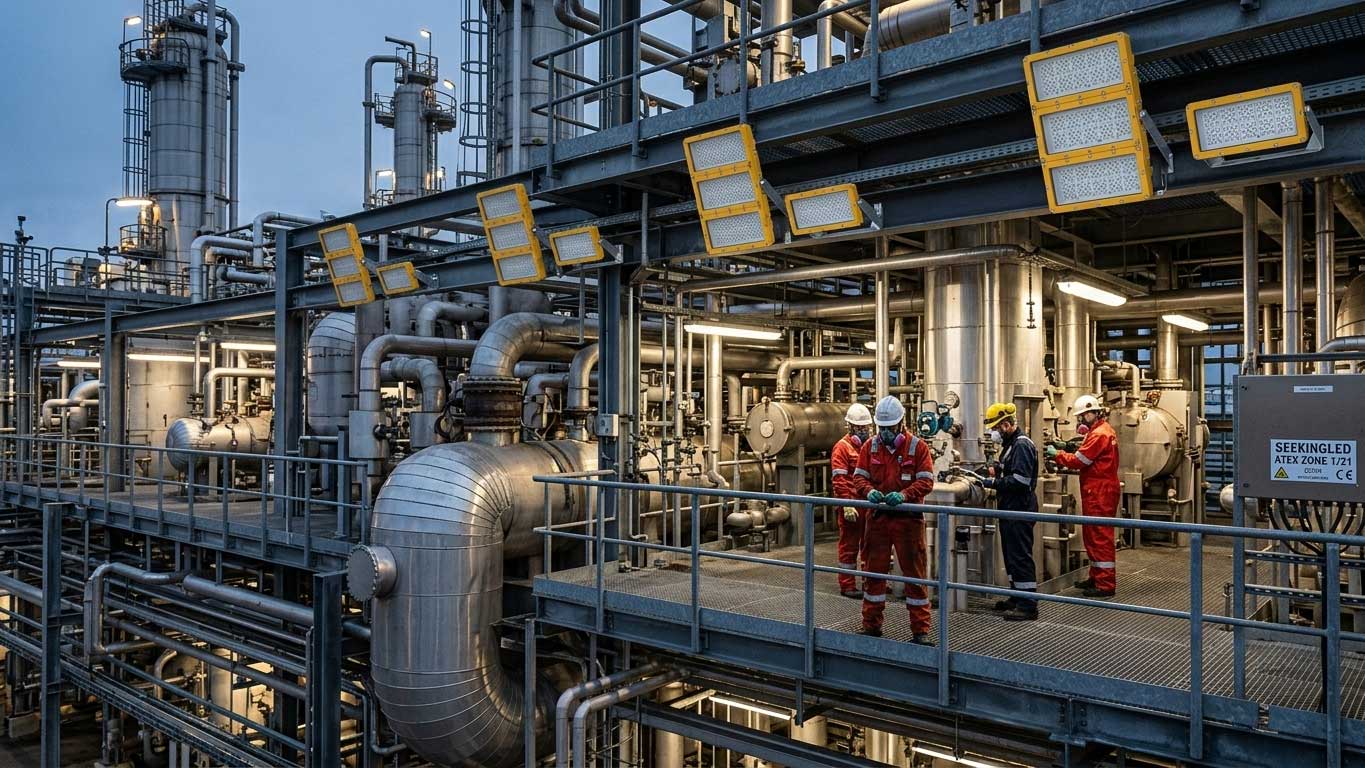
The first time I entered an operating refinery during a nighttime inspection, the lighting itself immediately felt different.
The fixtures appeared heavier.
The housings looked thicker.
Bolts seemed oversized.
Nothing resembled the industrial high bays commonly installed inside factories.
The maintenance engineer walking beside me pointed upward and said:
“Those lights cost much more than normal fixtures. But they cost far less than an accident.”
That sentence still summarizes ATEX hazardous lighting better than most technical manuals.
Because these luminaires are not simply designed to illuminate dangerous places.
They are designed to survive them.
ATEX hazardous lighting refers to lighting equipment certified under the European ATEX Directive for use in potentially explosive atmospheres.
ATEX originates from the French phrase:
ATmosphères EXplosibles
The certification applies to environments containing:
Typical applications include:
Without appropriate protection, electrical equipment may become an ignition source.
ATEX hazardous lighting is specifically engineered to prevent that risk.
According to the European Commission, Directive 2014/34/EU establishes requirements for equipment intended for explosive atmospheres.
Source:
European Commission
https://single-market-economy.ec.europa.eu
Explosions require three conditions.
Industrial facilities often cannot eliminate fuel.
Hydrocarbons remain present.
Solvents remain present.
Gas remains present.
The practical solution is controlling ignition sources.
Lighting equipment can potentially generate:
ATEX hazardous lighting minimizes these risks.
That is its entire purpose.
People often associate ATEX lighting exclusively with oil refineries.
The reality is considerably broader.
Dangerous atmospheres frequently appear in industries that many people never consider hazardous.
Before selecting a luminaire, engineers classify the hazardous area.
This determines everything.
| Zone | Description |
|---|---|
| Zone 0 | Explosive atmosphere continuously present |
| Zone 1 | Explosive atmosphere likely during operation |
| Zone 2 | Explosive atmosphere unlikely and temporary |
Most lighting projects involve:
Zone classification directly influences:
A mistake here affects the entire project.
Typical examples include:
Gas release may occur during normal operation.
Protection requirements are therefore stricter.
Examples include:
Risk remains present.
Probability decreases.
The lighting requirements change accordingly.
ATEX equipment categories indicate the level of protection.
| Category | Protection Level | Application |
|---|---|---|
| Category 1 | Very high | Zone 0 |
| Category 2 | High | Zone 1 |
| Category 3 | Normal | Zone 2 |
Many industrial lighting projects involve Category 2 and Category 3 products.
Understanding these categories helps avoid specification errors.
A luminaire approved for Zone 2 may not be acceptable in Zone 1.
The difference may appear minor on paper.
It becomes extremely important during inspection.
Many ATEX hazardous lighting fixtures display markings similar to:
Ex db IIC T6 Gb
At first glance, this looks complicated.
Engineers read these markings every day.
| Marking | Meaning |
|---|---|
| Ex | Explosion protected equipment |
| db | Flameproof protection |
| IIC | Gas group |
| T6 | Maximum surface temperature |
| Gb | Equipment protection level |
Each part of the marking provides essential information.
Ignoring one section can result in incorrect equipment selection.
Not all gases behave the same way.
ATEX divides gases into groups.
| Gas Group | Examples |
|---|---|
| IIA | Propane |
| IIB | Ethylene |
| IIC | Hydrogen, acetylene |
IIC represents the most demanding category.
Many operators prefer IIC-certified lighting because it offers broader application flexibility.
Surface temperature can ignite certain gases.
ATEX therefore limits maximum surface temperatures.
| Temperature Class | Maximum Surface Temperature |
|---|---|
| T1 | 450°C |
| T2 | 300°C |
| T3 | 200°C |
| T4 | 135°C |
| T5 | 100°C |
| T6 | 85°C |
Oil and gas facilities commonly require:
Several years ago, I reviewed a project where every luminaire carried valid certification.
The problem?
The temperature class was incorrect.
The fixtures passed certification.
They failed the application.
Twenty years ago, hazardous areas commonly used:
Today, LED technology dominates.
According to the International Energy Agency, LEDs remain the world’s most efficient mainstream lighting technology.
Source:
International Energy Agency
https://www.iea.org
Modern ATEX LED lighting provides:
Maintenance reduction is particularly valuable in hazardous areas.
Every maintenance visit may require:
Reducing maintenance often reduces risk.
Hazardous environments are rarely gentle.
Fixtures may experience:
One offshore operator told me:
“The sea destroys everything eventually. Good lighting simply survives longer.”
That statement reflects reality.
Corrosion often ends a fixture’s life before the LEDs fail.
This is why engineers carefully examine:
These details rarely appear in large advertising headlines.
Maintenance teams care deeply about them.
Interestingly, lumen output is often not the first discussion.
Experienced engineers usually evaluate:
Brightness matters.
Reliability matters more.
A fixture surviving ten years offshore frequently delivers more value than a brighter fixture requiring replacement after three years.
Many buyers assume every ATEX luminaire uses the same safety principle.
That is not true.
Two fixtures may look nearly identical from the outside while using entirely different protection concepts internally.
The protection method determines where the equipment can be installed.
| Protection Type | Description | Typical Application |
|---|---|---|
| Ex d | Flameproof enclosure | Zone 1 and Zone 2 |
| Ex e | Increased safety | Terminal boxes and luminaires |
| Ex m | Encapsulation | Electronic components |
| Ex n | Non-sparking | Zone 2 areas |
| Ex p | Pressurization | Control rooms and cabinets |
The protection concept often matters more than the housing itself.
Ex d, sometimes written as Ex db, remains one of the most common protection methods for ATEX hazardous lighting.
The enclosure is designed to contain an internal explosion.
If ignition occurs inside the luminaire:
This protection method is widely used in:
Ex d fixtures generally feature:
Their weight often surprises first-time buyers.
Ex e equipment reduces the likelihood of ignition during normal operation.
The design focuses on:
Rather than containing an explosion, Ex e equipment attempts to prevent one.
ATEX certification protects against explosive atmospheres.
IP ratings protect against environmental conditions.
Industrial lighting often faces:
The most common ratings include:
| IP Rating | Protection Level |
|---|---|
| IP65 | Water jets |
| IP66 | Powerful water jets |
| IP67 | Temporary immersion |
| IP68 | Continuous immersion |
Most modern ATEX hazardous lighting products specify:
These ratings are particularly important in offshore and marine environments.
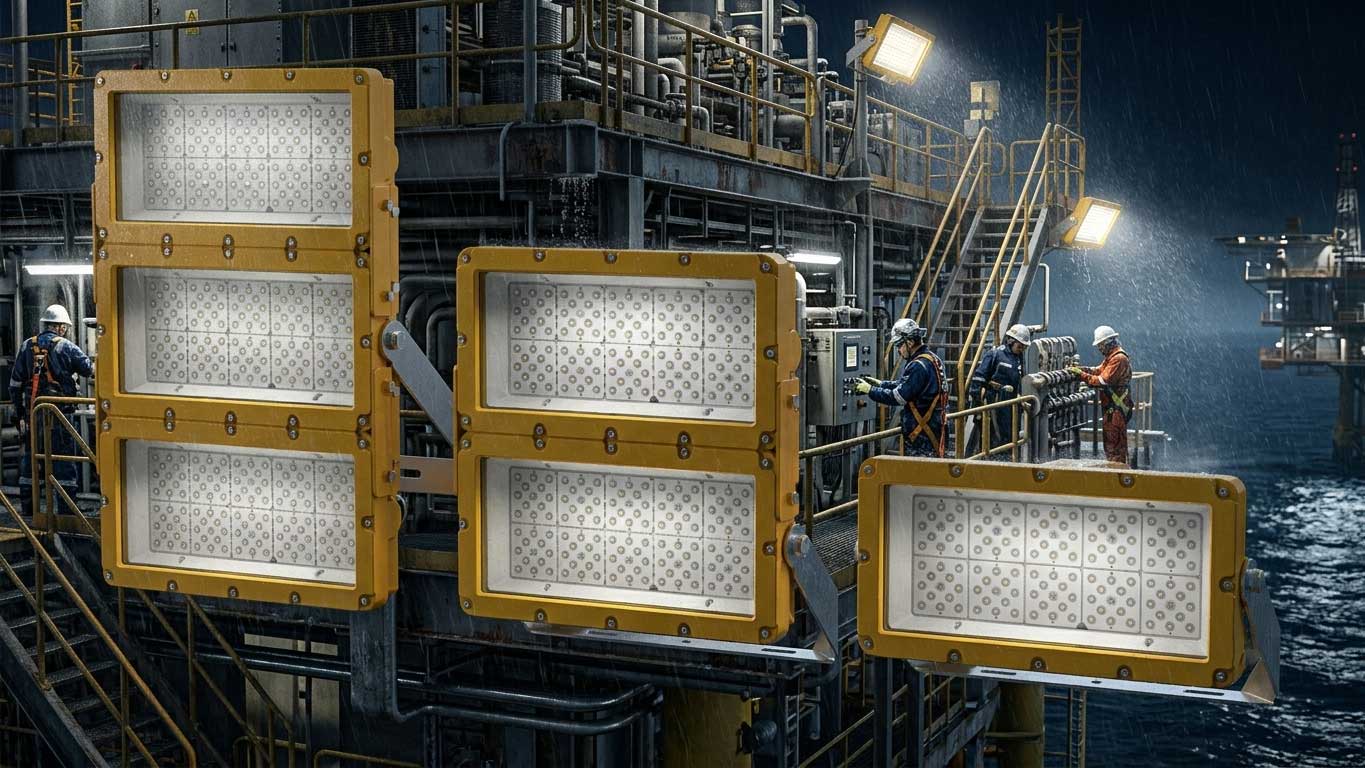
Several years ago, during an inspection at a coastal fuel terminal, I expected to find failed LED modules.
Instead, I found something else.
The LEDs still worked.
The drivers still functioned.
The mounting hardware had deteriorated.
Corrosion had become the problem.
Many hazardous locations combine:
The result is harsh.
Engineers therefore pay close attention to:
One maintenance supervisor told me:
“The electronics survive. The environment doesn’t let the fixture survive.”
He was largely correct.
LED technology dramatically changed hazardous area lighting.
Traditional technologies included:
Modern LED systems offer:
According to the International Energy Agency, LED technology remains the world’s most energy-efficient mainstream lighting source.
Source:
International Energy Agency
https://www.iea.org
In hazardous facilities, maintenance reduction often provides greater value than energy savings.
Every maintenance activity may require:
Fewer maintenance interventions often mean lower operational risks.
Modern ATEX LED luminaires commonly provide:
Actual service life depends on:
Offshore facilities frequently prioritize reliability over brightness.
Replacing a fixture offshore is rarely simple.
Several mistakes appear repeatedly.
The least expensive fixture often becomes the most expensive after installation.
Certification alone is insufficient.
T4 and T6 requirements matter.
More lumens do not automatically produce better lighting.
Optical design matters.
Coastal environments quickly expose weaknesses.
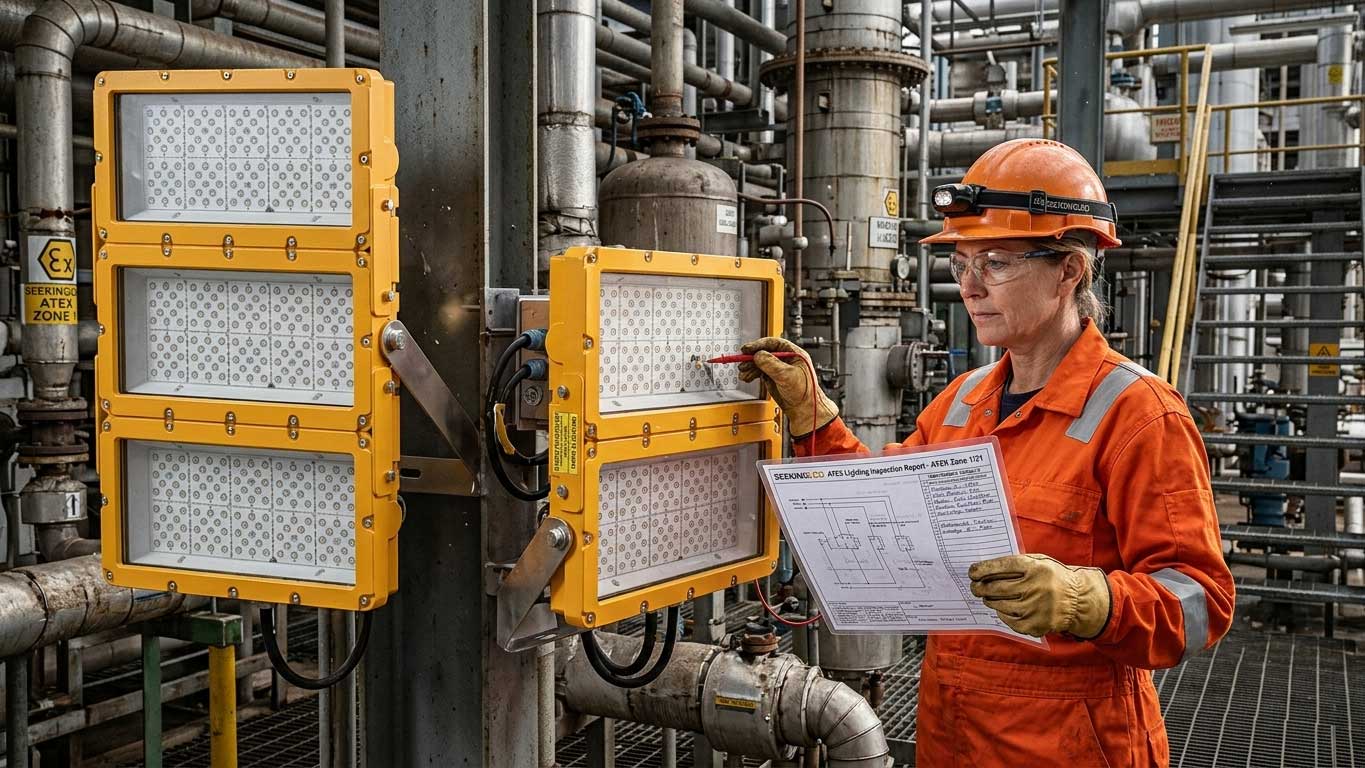
Always request:
Inspectors frequently ask for documents before inspecting the luminaire.
ATEX hazardous lighting refers to lighting equipment certified for use in potentially explosive atmospheres under the ATEX Directive.
Common applications include:
Not exactly.
ATEX is a certification framework, while explosion-proof protection is one of several protection methods.
Ex indicates equipment intended for explosive atmospheres.
T6 limits the maximum surface temperature to 85°C, reducing ignition risks.
No.
Ordinary luminaires generally lack the necessary certifications and safety protections.
Visit the product page:ATEX Hazardous Explosion Proof Lighting
At SEEKINGLED, hazardous area projects are approached as safety-critical systems rather than ordinary lighting installations.
Our engineering teams evaluate:
Over the years, one observation remains consistent.
The most successful ATEX lighting projects rarely receive attention after installation.
The fixtures simply continue operating.
Inspections pass.
Maintenance remains minimal.
Operations continue.
That reliability is often the true measure of industrial lighting.
ATEX hazardous lighting exists because ordinary industrial lighting cannot safely operate in explosive atmospheres. Through certification, controlled temperatures, specialized protection methods, and durable construction, these luminaires protect personnel, facilities, and industrial operations.
Whether installed in a refinery, offshore platform, chemical plant, or LNG terminal, properly specified ATEX hazardous lighting provides far more than illumination. It delivers safety, compliance, and long-term reliability.
For hazardous industries where equipment failure is not acceptable, SEEKINGLED continues developing ATEX hazardous lighting solutions designed for demanding environments and real industrial conditions.
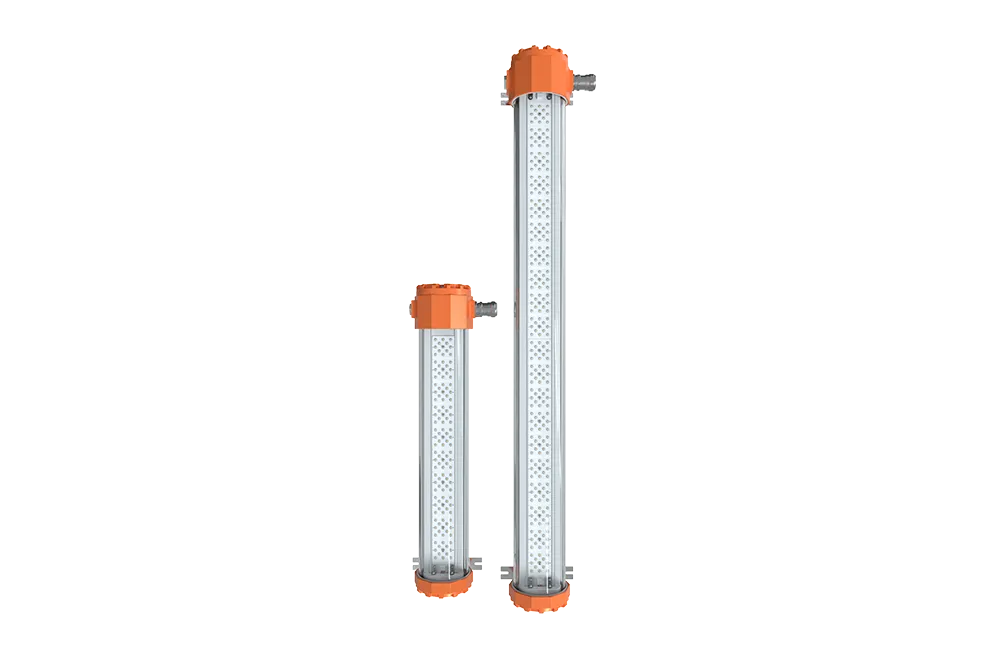
SEEKINGLED LED Linear Explosion Proof Light and Explosion Proof lighting is ATEX and IECEx certified for Zone 1, Zone 2, Zone 21 and Zone 22 hazardous locations, built for long-term industrial use.
View details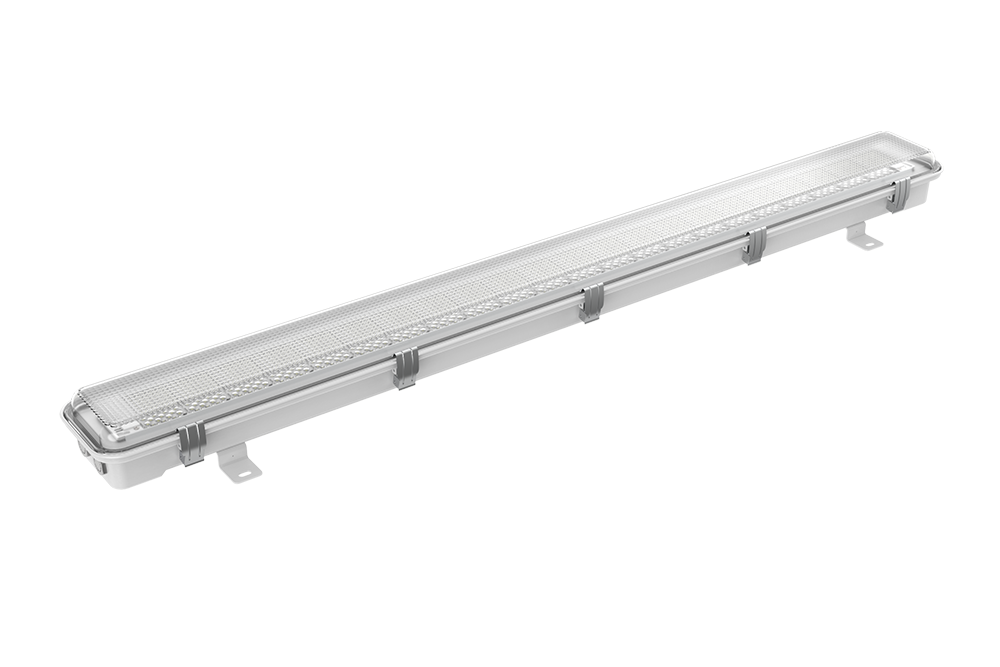
LED Linear Explosion Proof Lights and EX Proof lights for Zone 1, Zone 2, Zone 21 and Zone 22 hazardous areas. ATEX & IECEx certified explosion proof LED linear lighting with emergency function, adjustable power and IP67 protection by SEEKINGLED.
View details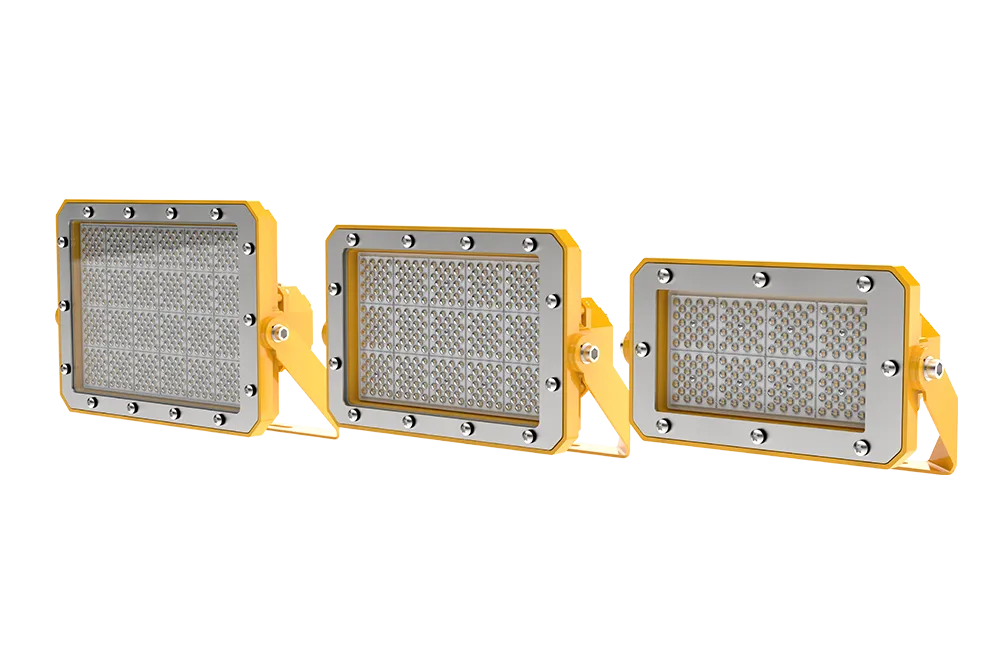
SEEKINGLED LED Explosion Proof Flood Lights are ATEX certified for Zone 2 and Zone 22 hazardous areas, offering high efficiency, adjustable power and integrated junction box.
View details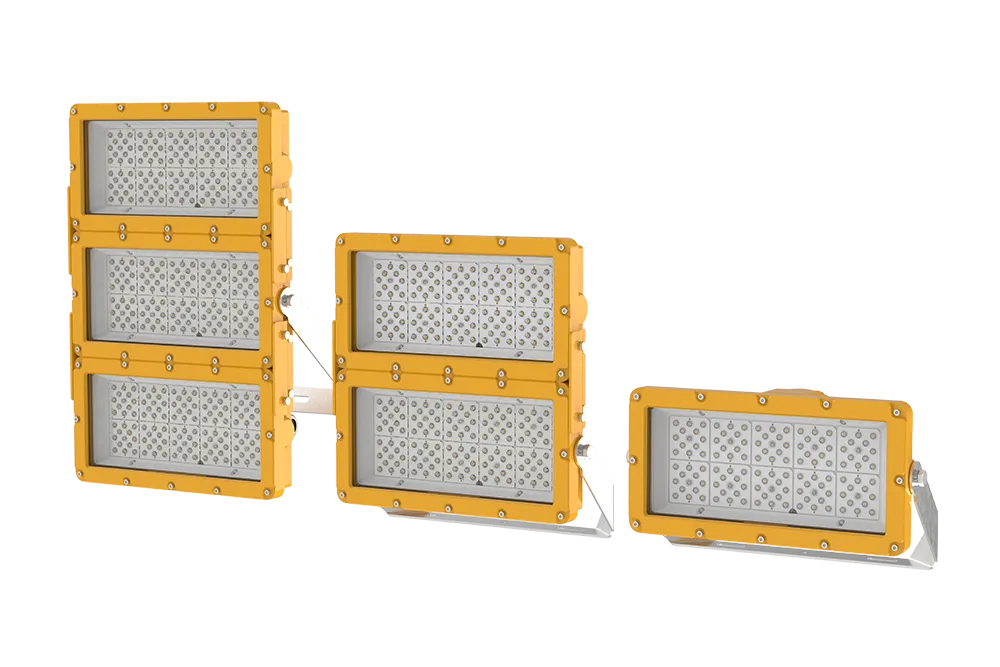
SEEKINGLED LED Explosion Proof Flood Lights are flameproof ATEX and IECEx certified for Zone 1 and Zone 2 hazardous areas, offering high power, adjustable output and long service life.
View details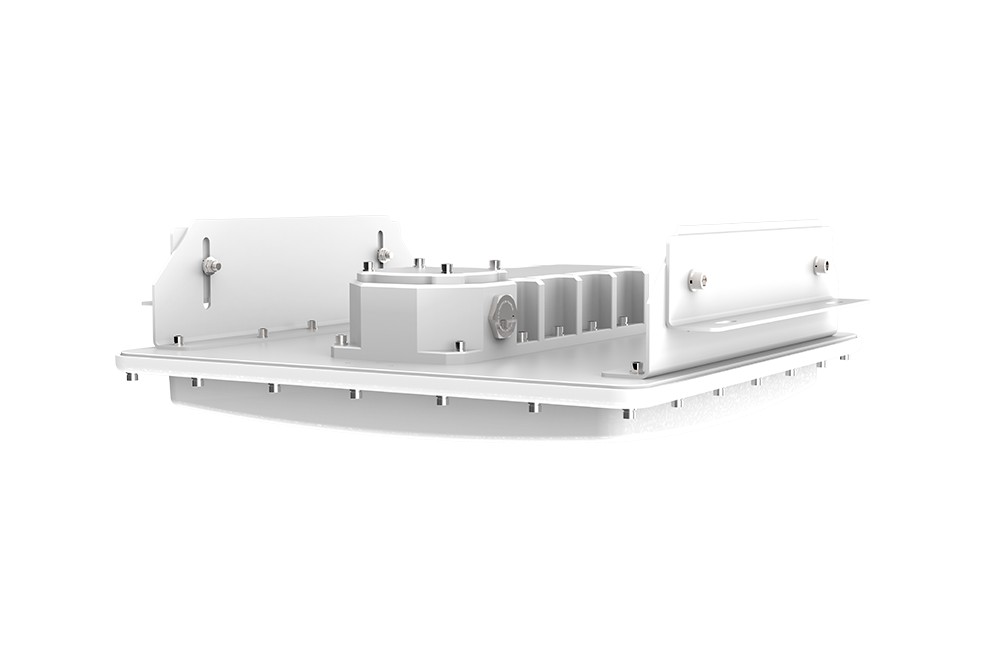
SEEKINGLED LED Gas Station Canopy Lights are ATEX certified for Zone 2 and Zone 22 hazardous areas, featuring adjustable power and built-in explosion-proof junction box.
View details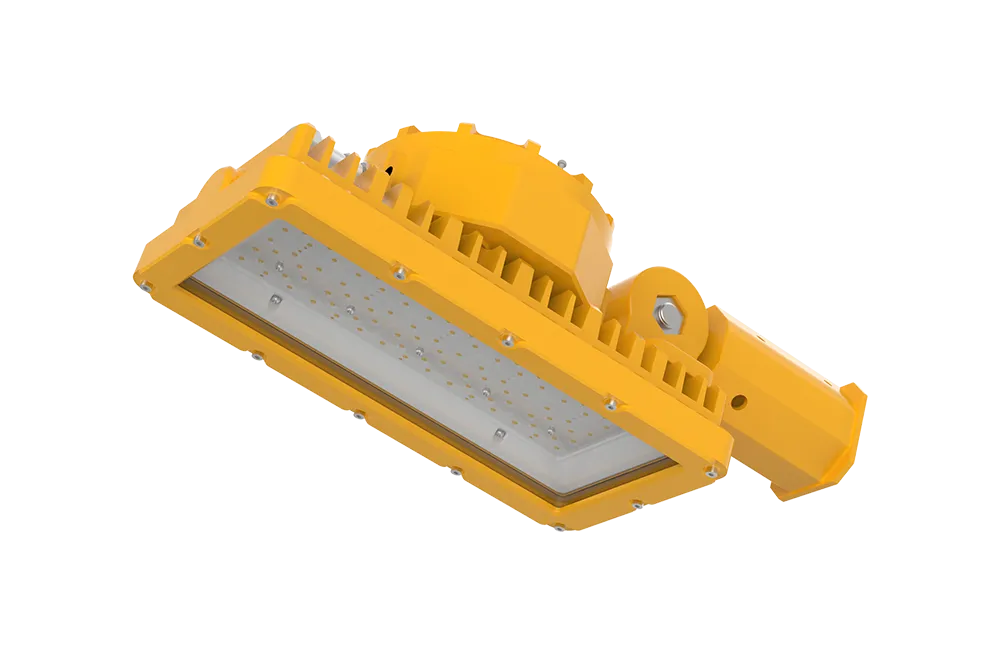
ATEX: Ex II 2G Ex db IIB T6/T5 GbEx II 2D Ex tb IIIC T80°C/ T95°C Db IECEx Ex db IIB T6 Gb;Ex tb IIIC T80°C Db Feature: ● For Zone 1,2 and Zone 21,22● Flameproof type, the strongest● 100W can replace 250W HID,energy saving● Power:60W,80W,100W Application: Oil and gas, marine, Chemical, pharmaceutical, semiconductor,mining,military industr…
View details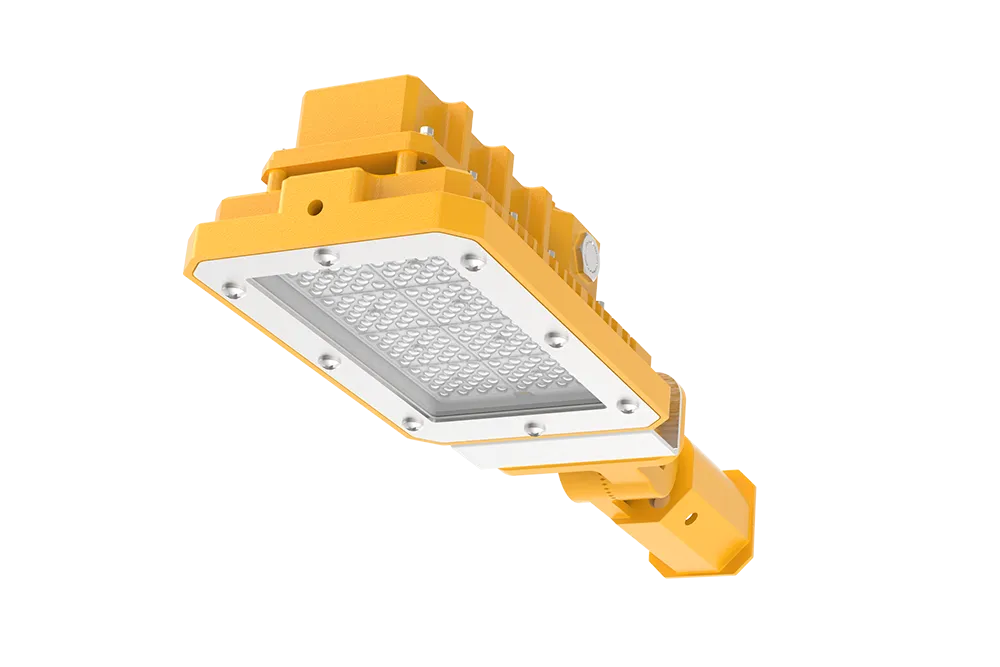
ATEX: II 3G Ex nR ⅡC T5/T6 GcII 3D Ex tc ⅢC T80℃/T95℃Dc ATEX Certificate NO: TÜV CY 26 ATEX 0207611 X Feature: ● For Zone 2 and Zone 22● 150W can replace 250W HID lamps,Energy saving● Power:50W,75W,100W,150W,200W Application: Oil and gas, marine, Chemical, pharmaceutical, semiconductor,mining,military industry, paint booth,power plant ETC…
View details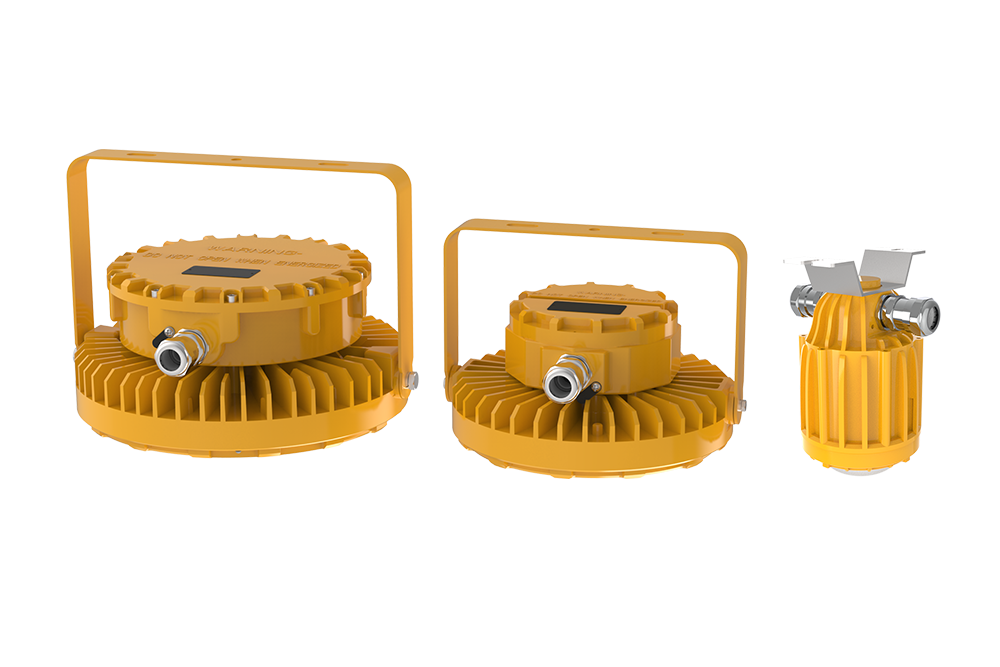
LED explosion proof high bay lights are designed for Zone 1, Zone 2, Zone 21 and Zone 22 hazardous areas. This page introduces the HB21 Series from SEEKING, including certifications, power options and real application considerations.
View details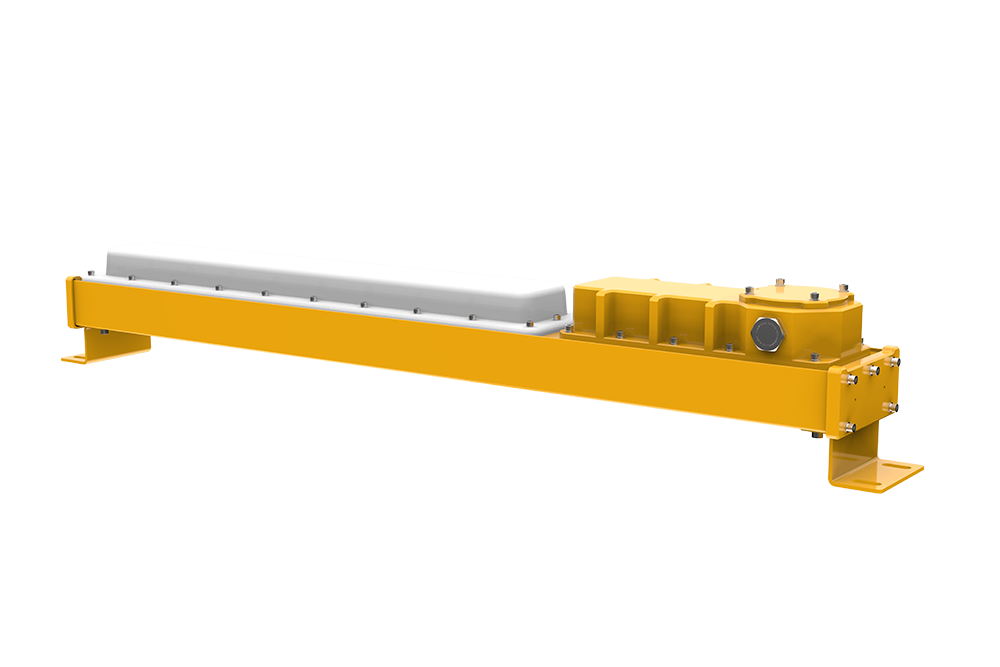
LED Linear Explosion Proof Lights from SEEKINGLED. LU Series Flame Proof lights ATEX-certified explosion proof LED linear lighting for Zone 2 gas and Zone 22 dust areas, IP69K, IK10, long lifetime and flexible power options.
View details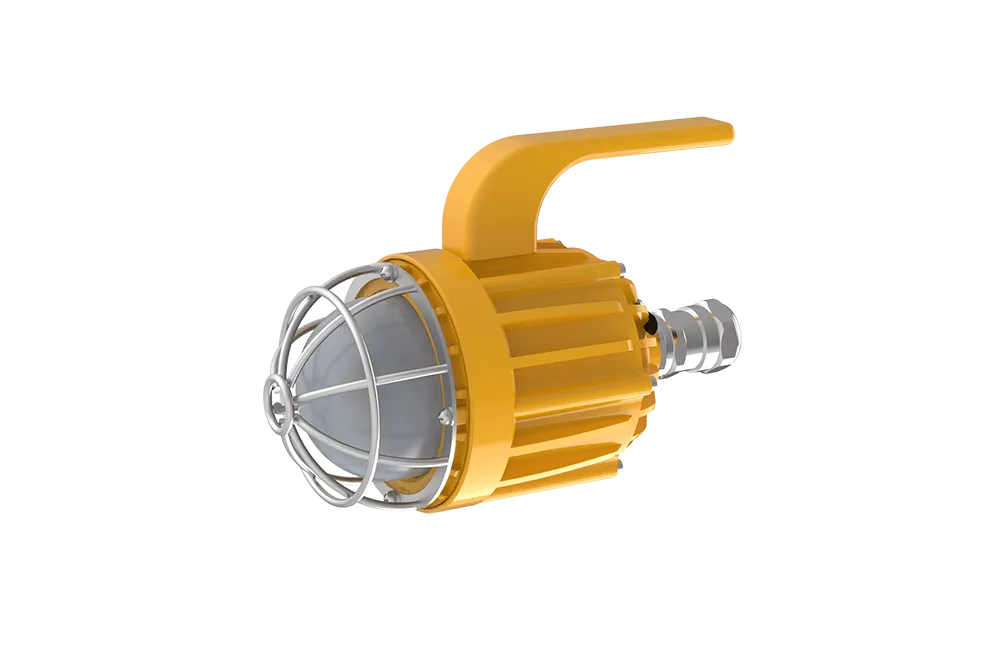
Certified explosion proof work lights for Zone 1 & 21 hazardous areas. Portable, ATEX & IECEx approved, built for oil, gas and chemical plants by SEEKINGLED.
View details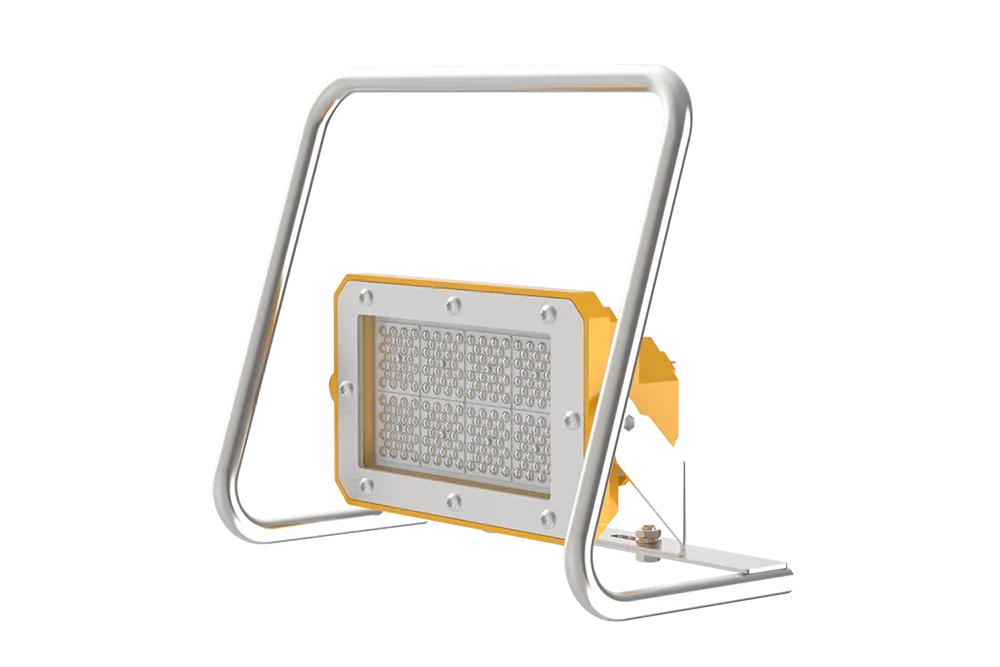
ATEX: II 3G Ex nR ⅡC T6 GcII 3D Ex tc ⅢC T80℃ Dc ATEX Certificate NO: TÜV CY 26 ATEX 0207611 X Feature: ● For Zone 2 and Zone 22● Accepts battery-powered supply● indestructible● Power:AC input:50W,75W,100WDC input:15W,25W,35W Application: Oil and gas, marine, Chemical, pharmaceutical, semiconductor,mining,military industry, paint booth,po…
View details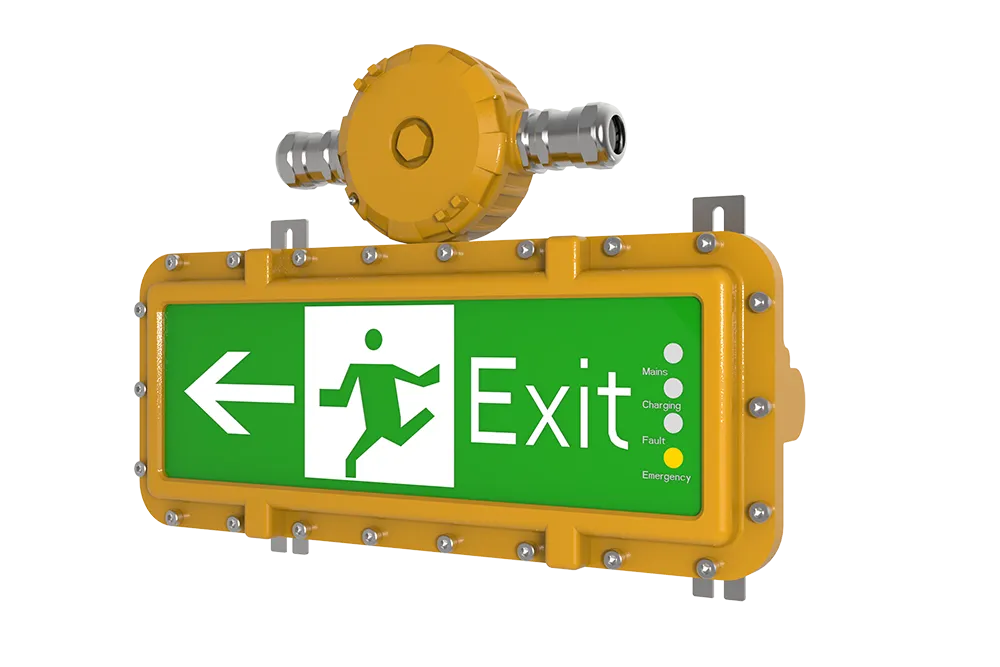
ATEX: Ex II 2G Ex db IIB T6 GbEx II 2D Ex tb IIIC T80°C Db IECEx Ex db IIB T6 Gb;Ex tb IIIC T80°C Db Feature: ● For Zone 1,2 and Zone 21,22● Flameproof type, the strongest Application: Oil and gas, marine, Chemical, pharmaceutical, semiconductor,mining,military industry, paint booth,power plant ETC hazardous area. Technical Specifications:…
View details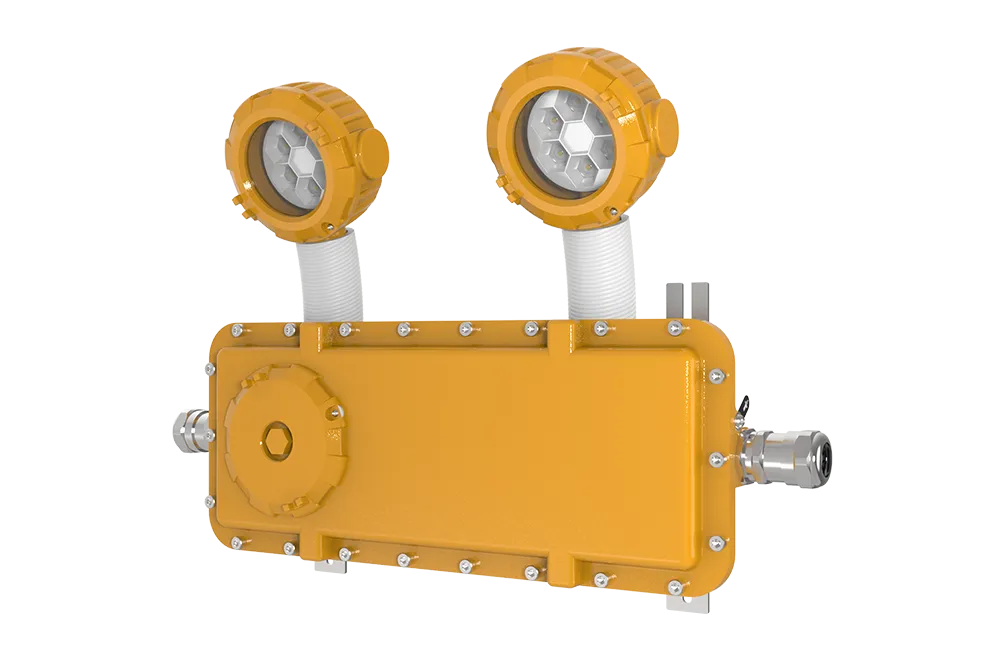
ATEX: Ex II 2G Ex db IIB T6 GbEx II 2D Ex tb IIIC T80°C Db IECEx Ex db IIB T6 Gb;Ex tb IIIC T80°C Db Feature: ● For Zone 1,2 and Zone 21,22● Flameproof type, the strongest Application: Oil and gas, marine, Chemical, pharmaceutical, semiconductor,mining,military industry, paint booth,power plant ETC hazardous area. Technical Specifications:…
View details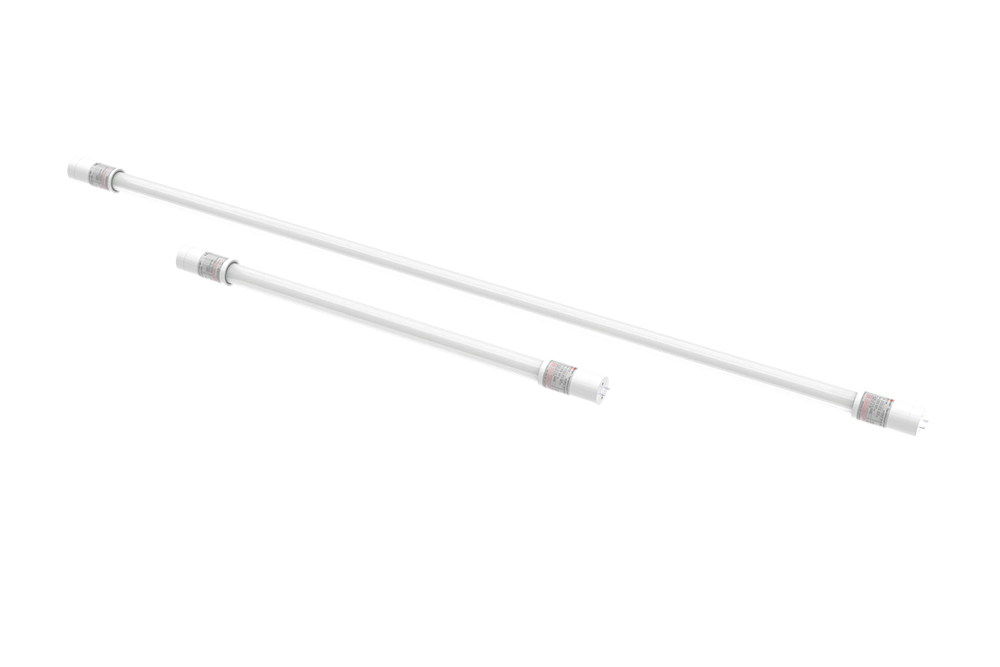
ATEX: Ex II 2G Ex d e IIB T6 Gb ATEX: Ex d e IIB T6 Gb; Feature: ● For Zone 1,2● 9W can replace 18W fluorescent lamps,50% Energy saving Application: Oil and gas, marine, Chemical, pharmaceutical, semiconductor,mining,military industry, paint booth,power plant ETC hazardous area. Technical Specifications: Standards:60079-0, 60079-1, 60079…
View details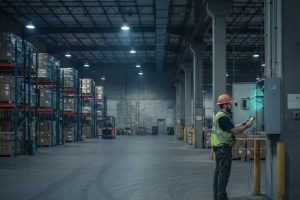
Learn how to stop my high bay LED lights from unwanted behavior such as flickering, ghosting, or not shutting off. Practical guidance from SEEKINGLED.
View details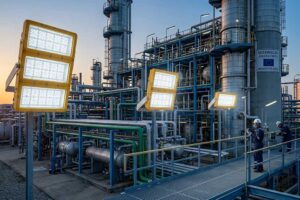
What Is ATEX Hazardous Lighting? Learn how ATEX-certified lighting protects hazardous areas, Zone 1 and Zone 2 locations, and industrial facilities worldwide.
View details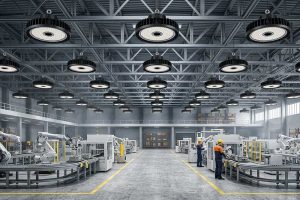
Upgrade your facility with led high bay shop lights delivering up to 175 lm/W and 80,000 lm. Real industrial insights, data-backed performance by SEEKINGLED.
View details
Anti explosion light explained with real certifications, safety design, and field insights. Discover how SEEKINGLED ensures safe lighting in hazardous environments.
View details