 Seeking LED
Explosion Proof Lighting LED: Field Experience from Hazardous Area Projects
91explosion proof lighting led engineered for Zone 1 & 2 hazardous areas. ATEX & IECEx certified, energy-efficient and built for oil, gas and chemical safety.
View detailsSearch the whole station
A lamp explosion proof is a sealed lighting fixture engineered to contain internal sparks or heat, preventing ignition of surrounding flammable gases or dust while delivering reliable illumination in hazardous environments.
That’s the clean definition.
But if you’ve ever walked through a live tank farm at night—pipes ticking from temperature shifts, a faint hydrocarbon smell in the air—you realize quickly:
this isn’t just lighting. It’s risk management, built into hardware.
I’ve spent years around installations where lighting decisions were tied directly to safety audits. And in those environments, no one asks how “bright” a lamp is first.
They ask:
“Will it ever become the ignition source?”
The phrase sounds dramatic. It’s also widely misunderstood.
An explosion proof lamp does not mean it survives an external explosion.
It means:
Any internal ignition is fully contained and cannot ignite the surrounding atmosphere.
That distinction matters.
According to the IECEx certification system, explosion-protected equipment must prevent flame transmission outside the enclosure under defined test conditions.
Source: https://www.iecex.com
So the design isn’t about strength alone. It’s about controlled containment:
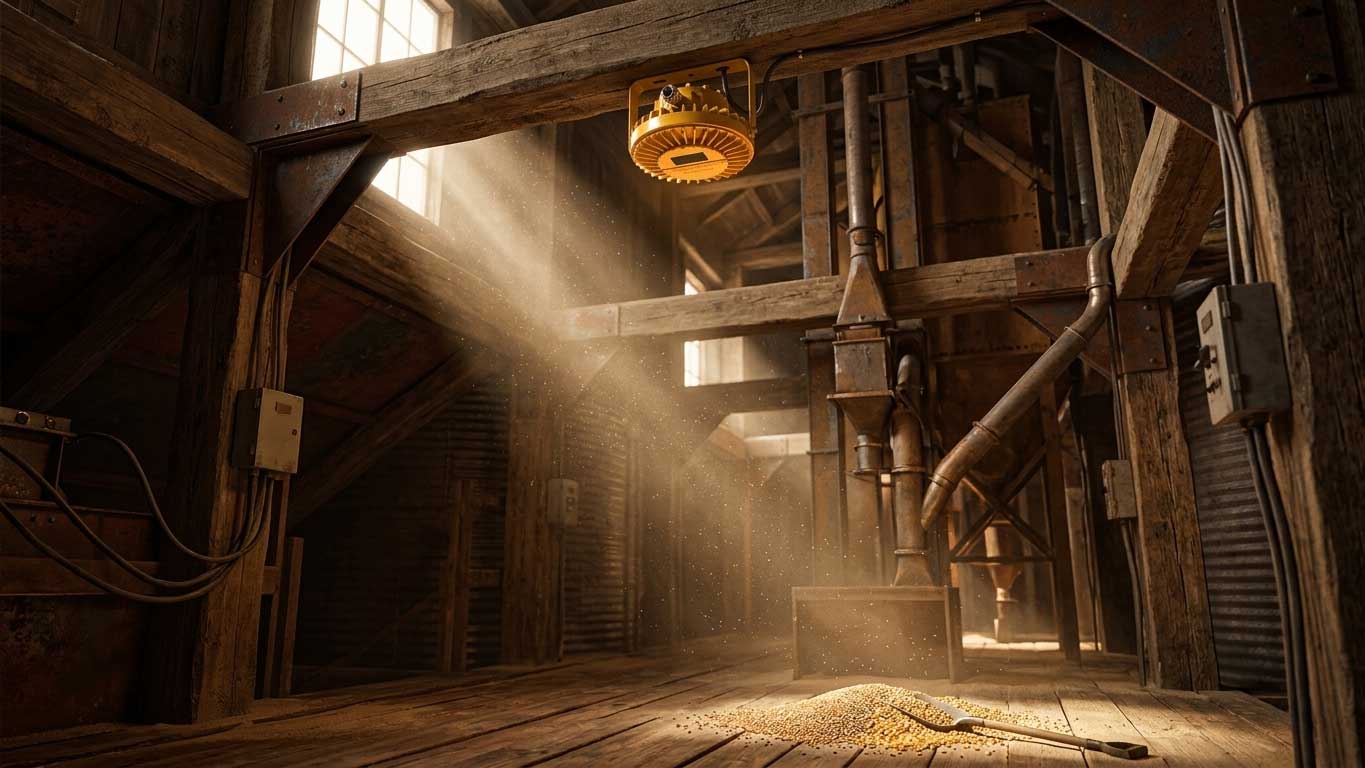
These lamps are used where air can turn combustible:
Dust explosions can occur at surprisingly low concentrations—often starting around 50 g/m³, depending on material type.
I’ve seen facilities underestimate this. It rarely ends well.
Let’s talk output.
| Power | Lumens | Application |
|---|---|---|
| 50W | 6,000–8,000 lm | small hazardous zones |
| 100W | 12,000–15,000 lm | workshops |
| 150W | 18,000–22,000 lm | industrial floors |
| 200W | 25,000–30,000 lm | large facilities |
The U.S. Department of Energy reports that LEDs can reduce energy use by up to 75% compared to traditional lighting systems.
Source: https://www.energy.gov/energysaver/led-lighting
But brightness alone doesn’t define performance in hazardous areas.
There’s another variable that matters more than most buyers expect:
heat.
An explosion proof lamp must operate below ignition temperatures of surrounding gases.
That means:
In practice, this often leads to slightly lower peak output compared to standard fixtures.
And that’s intentional.
I’ve seen projects where switching to a lower-wattage but better-controlled fixture improved long-term reliability—and passed safety inspections without issue.
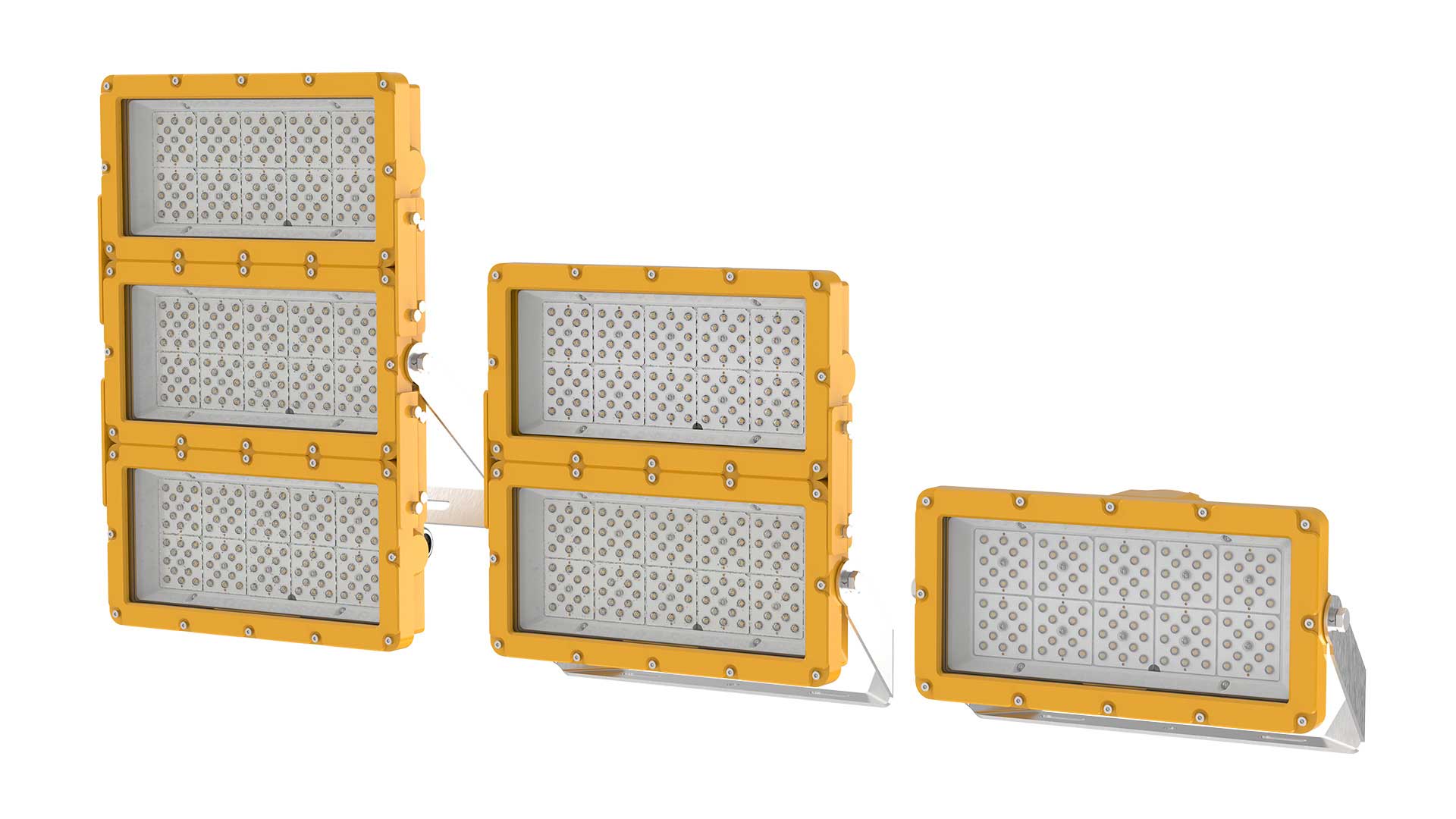
Certification is where theory meets compliance.
If a lamp isn’t certified, it doesn’t belong in a hazardous zone.
Key standards include:
According to OSHA, improper electrical equipment remains a significant contributor to industrial accidents in hazardous locations.
Source: https://www.osha.gov
I’ve personally reviewed installations where “certified” products had no traceable documentation.
Those fixtures didn’t pass inspection—and had to be replaced entirely.
This is where problems tend to show up.
Not in the lab. On-site.
In one refinery project, moisture entered fixtures—not because of design flaws, but due to incorrect gland installation.
That led to internal condensation.
And eventually, failure.
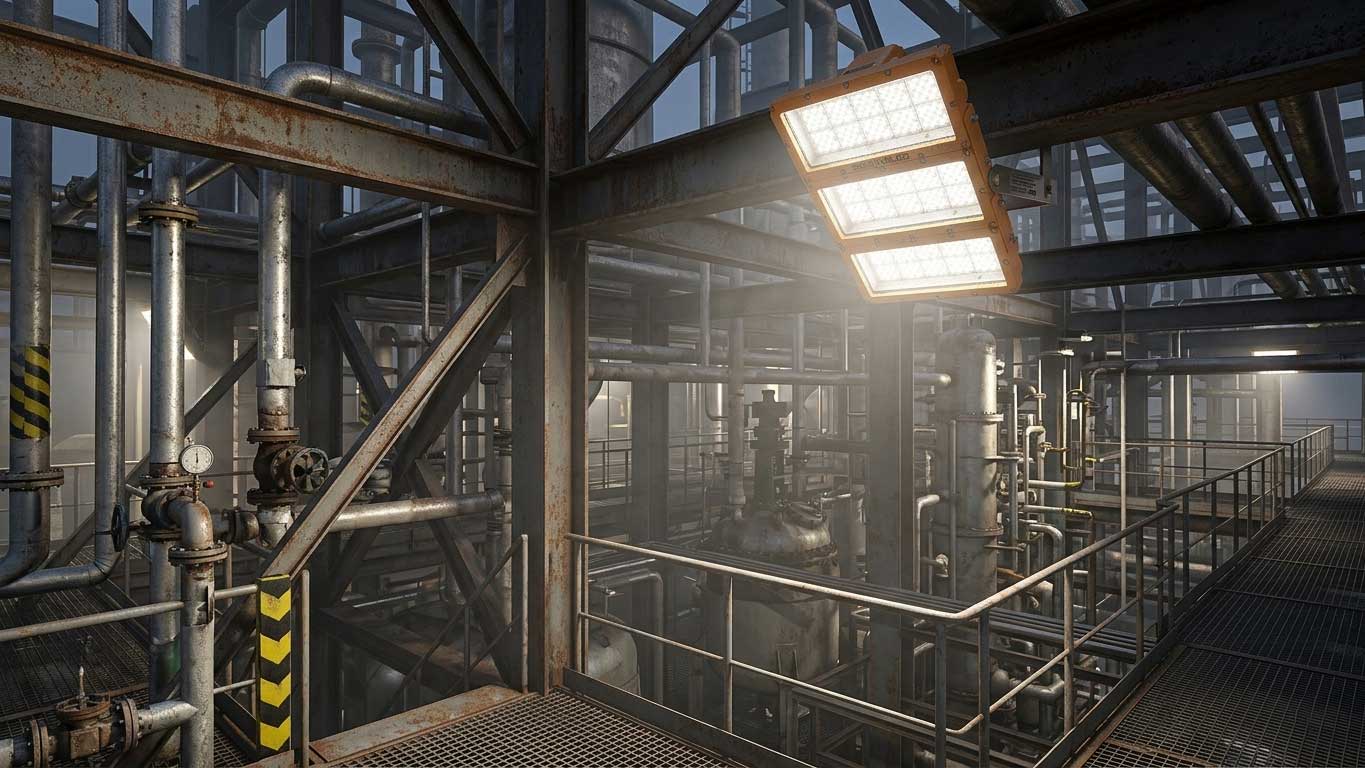
From a manufacturing standpoint, it’s easy to list features.
From a field standpoint, things look different.
What actually matters:
Lighting in hazardous environments is part of a broader safety system.
Not just infrastructure.
Typically 50,000–100,000 hours depending on driver quality and thermal management.
Yes, but they are usually over-engineered for standard environments.
Div 1: hazardous substances present during normal operation
Div 2: present only under abnormal conditions
Not necessarily. Proper heat control and certification are more important.
Final Insight
A lamp explosion proof fixture isn’t just about illumination.
It’s about ensuring that light never becomes the source of ignition.
And in hazardous environments, that’s not a feature—it’s a requirement.
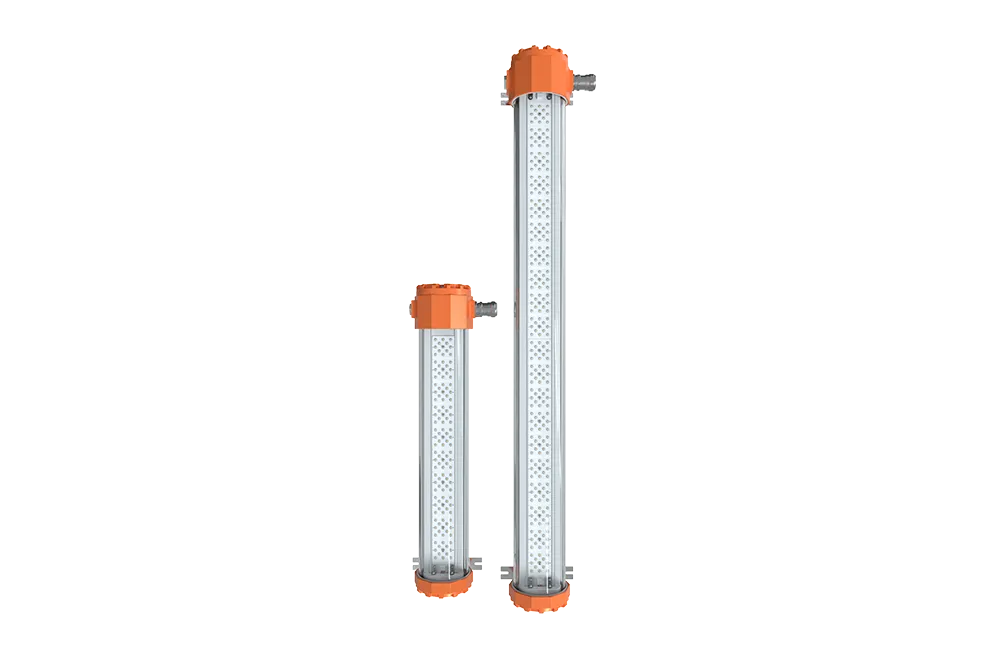
SEEKINGLED LED Linear Explosion Proof Light and Explosion Proof lighting is ATEX and IECEx certified for Zone 1, Zone 2, Zone 21 and Zone 22 hazardous locations, built for long-term industrial use.
View details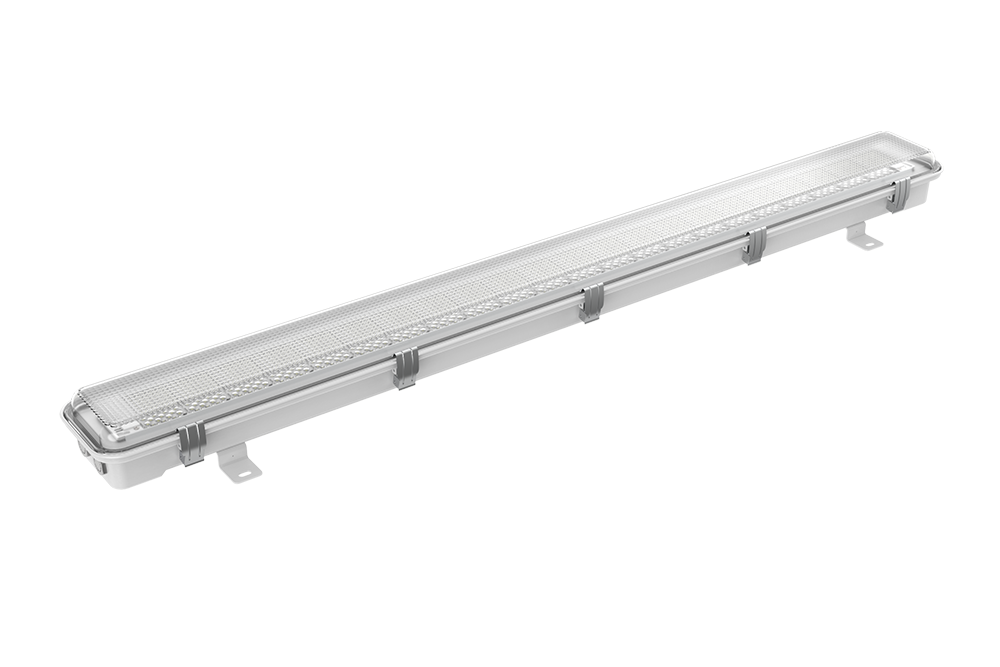
LED Linear Explosion Proof Lights and EX Proof lights for Zone 1, Zone 2, Zone 21 and Zone 22 hazardous areas. ATEX & IECEx certified explosion proof LED linear lighting with emergency function, adjustable power and IP67 protection by SEEKINGLED.
View details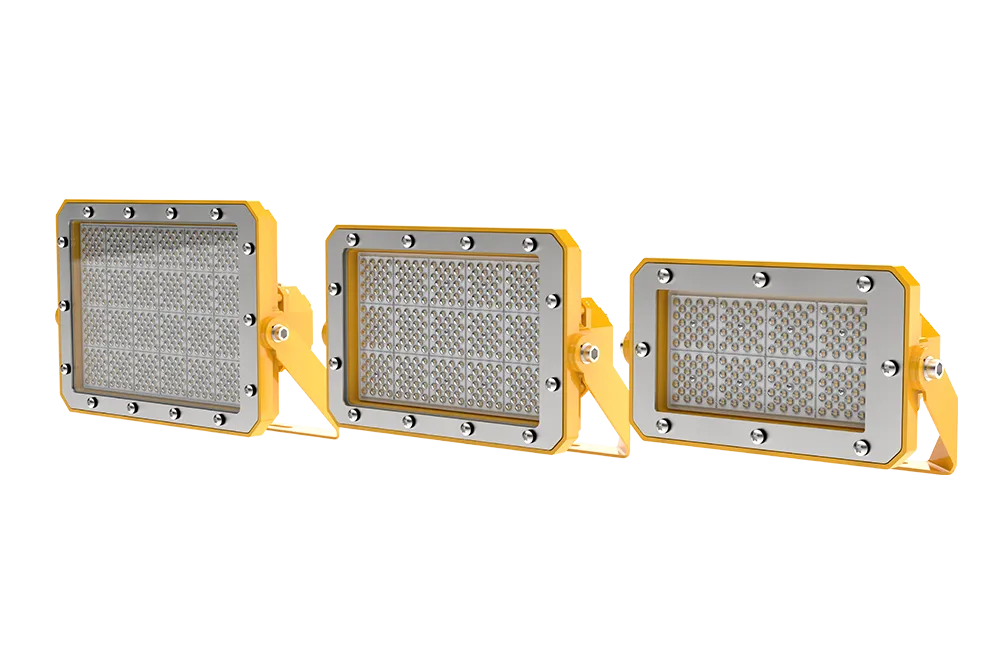
SEEKINGLED LED Explosion Proof Flood Lights are ATEX certified for Zone 2 and Zone 22 hazardous areas, offering high efficiency, adjustable power and integrated junction box.
View details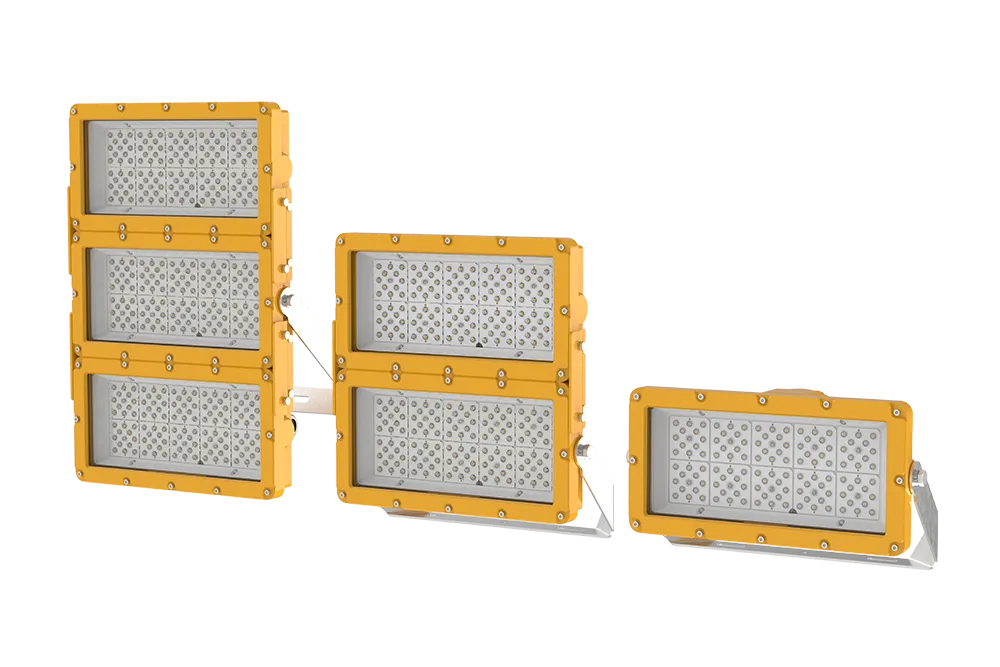
SEEKINGLED LED Explosion Proof Flood Lights are flameproof ATEX and IECEx certified for Zone 1 and Zone 2 hazardous areas, offering high power, adjustable output and long service life.
View details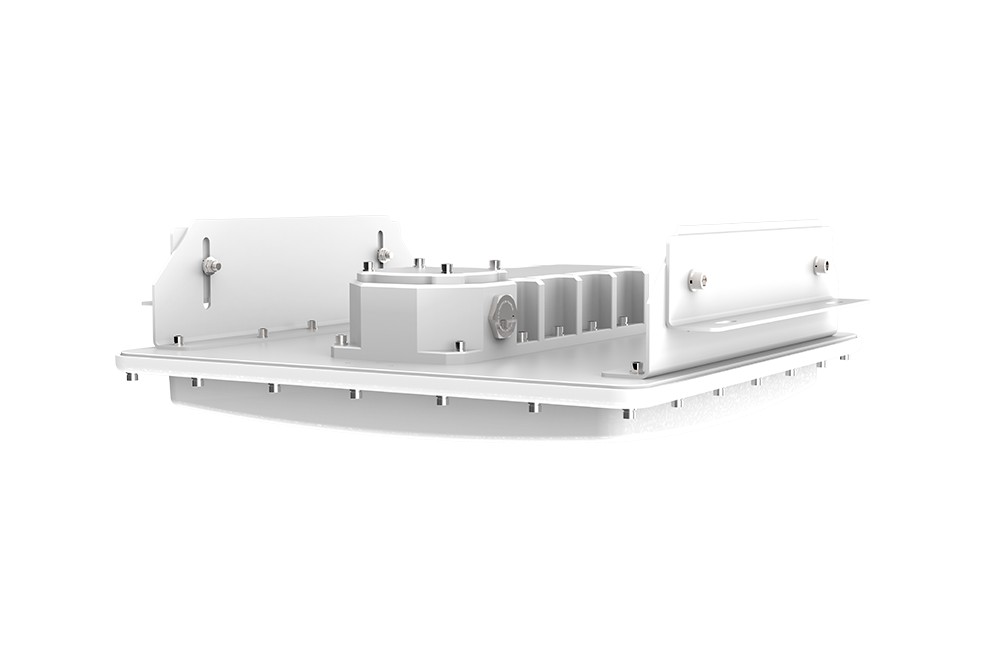
SEEKINGLED LED Gas Station Canopy Lights are ATEX certified for Zone 2 and Zone 22 hazardous areas, featuring adjustable power and built-in explosion-proof junction box.
View details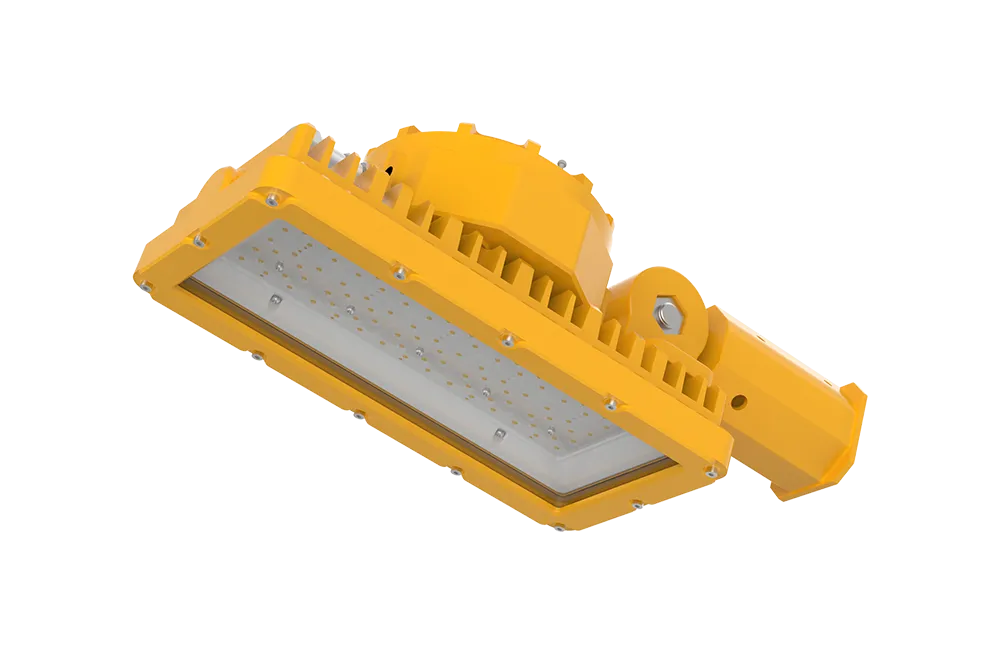
ATEX: Ex II 2G Ex db IIB T6/T5 GbEx II 2D Ex tb IIIC T80°C/ T95°C Db IECEx Ex db IIB T6 Gb;Ex tb IIIC T80°C Db Feature: ● For Zone 1,2 and Zone 21,22● Flameproof type, the strongest● 100W can replace 250W HID,energy saving● Power:60W,80W,100W Application: Oil and gas, marine, Chemical, pharmaceutical, semiconductor,mining,military industr…
View details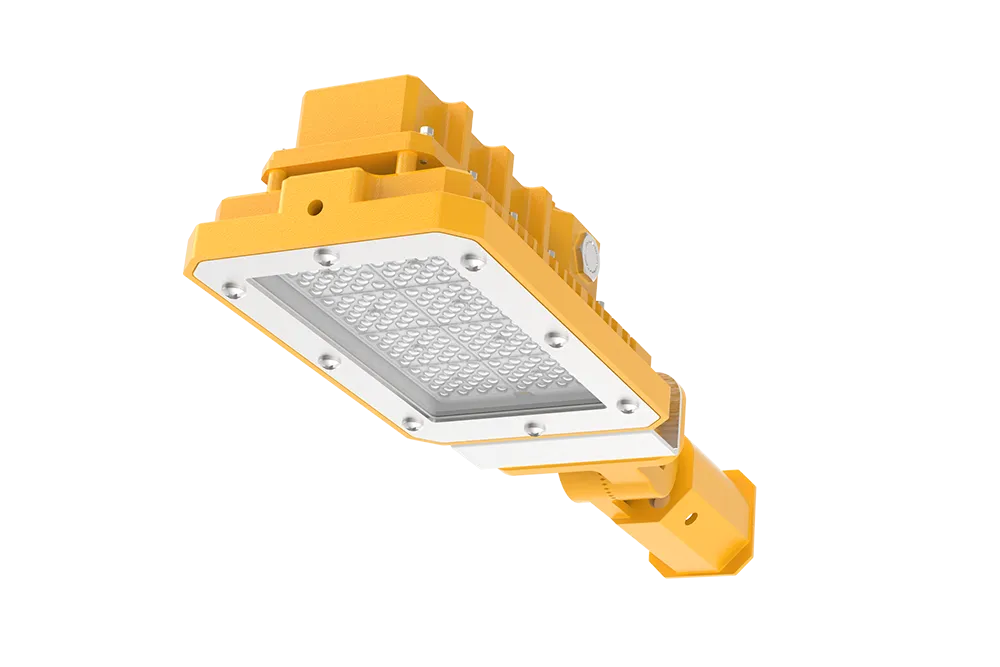
ATEX: II 3G Ex nR ⅡC T5/T6 GcII 3D Ex tc ⅢC T80℃/T95℃Dc ATEX Certificate NO: TÜV CY 26 ATEX 0207611 X Feature: ● For Zone 2 and Zone 22● 150W can replace 250W HID lamps,Energy saving● Power:50W,75W,100W,150W,200W Application: Oil and gas, marine, Chemical, pharmaceutical, semiconductor,mining,military industry, paint booth,power plant ETC…
View details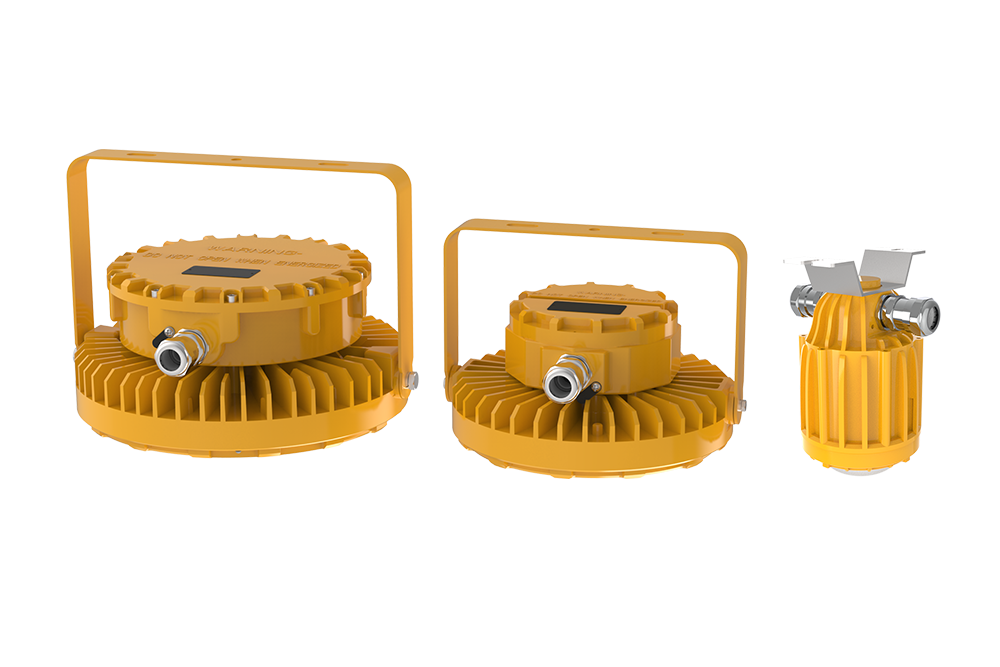
LED explosion proof high bay lights are designed for Zone 1, Zone 2, Zone 21 and Zone 22 hazardous areas. This page introduces the HB21 Series from SEEKING, including certifications, power options and real application considerations.
View details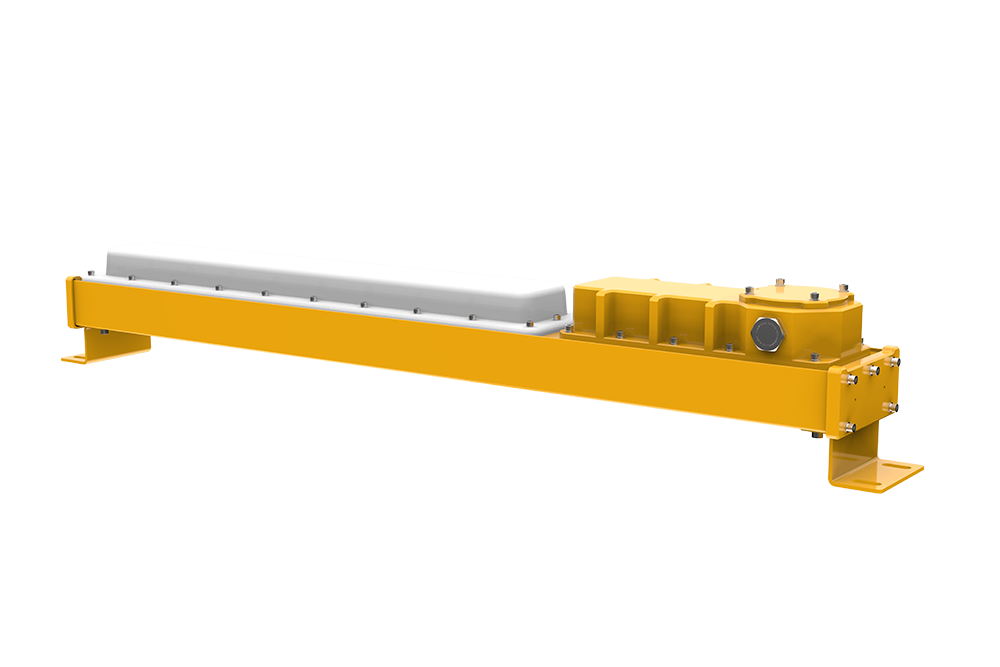
LED Linear Explosion Proof Lights from SEEKINGLED. LU Series Flame Proof lights ATEX-certified explosion proof LED linear lighting for Zone 2 gas and Zone 22 dust areas, IP69K, IK10, long lifetime and flexible power options.
View details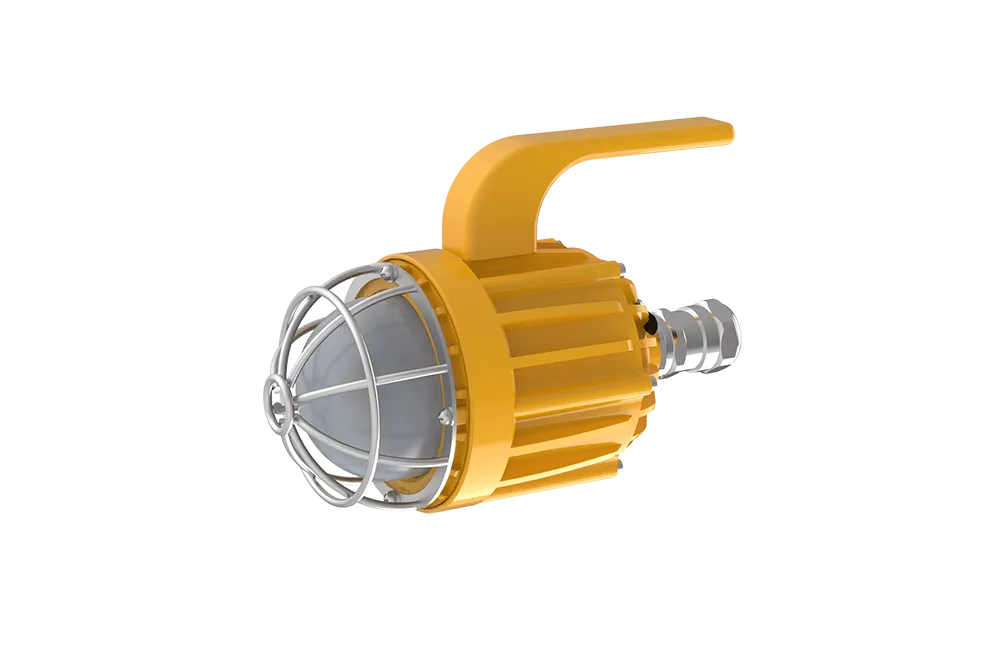
Certified explosion proof work lights for Zone 1 & 21 hazardous areas. Portable, ATEX & IECEx approved, built for oil, gas and chemical plants by SEEKINGLED.
View details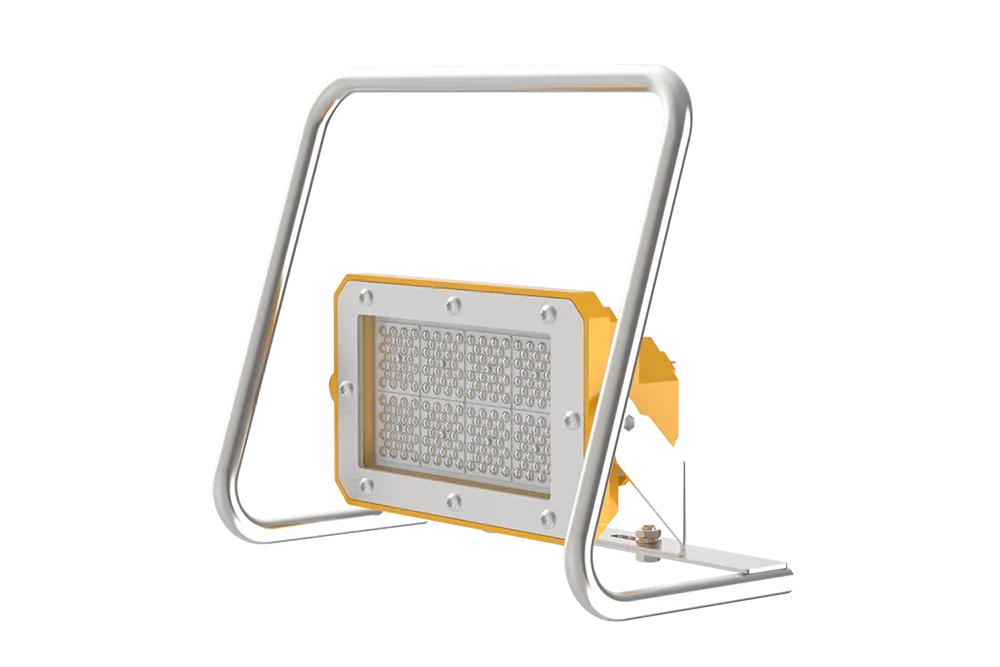
ATEX: II 3G Ex nR ⅡC T6 GcII 3D Ex tc ⅢC T80℃ Dc ATEX Certificate NO: TÜV CY 26 ATEX 0207611 X Feature: ● For Zone 2 and Zone 22● Accepts battery-powered supply● indestructible● Power:AC input:50W,75W,100WDC input:15W,25W,35W Application: Oil and gas, marine, Chemical, pharmaceutical, semiconductor,mining,military industry, paint booth,po…
View details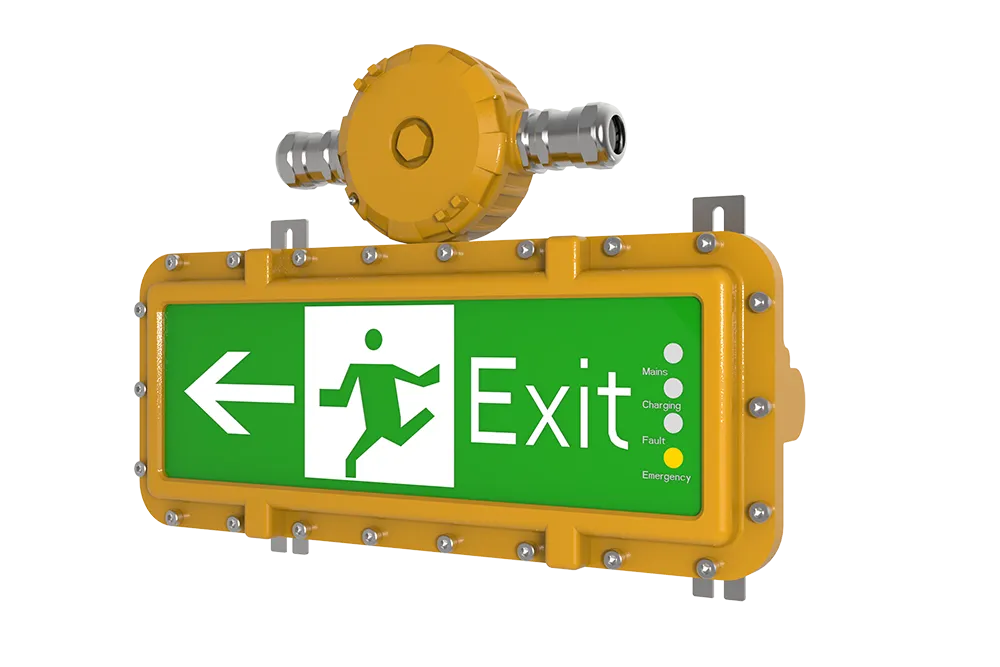
ATEX: Ex II 2G Ex db IIB T6 GbEx II 2D Ex tb IIIC T80°C Db IECEx Ex db IIB T6 Gb;Ex tb IIIC T80°C Db Feature: ● For Zone 1,2 and Zone 21,22● Flameproof type, the strongest Application: Oil and gas, marine, Chemical, pharmaceutical, semiconductor,mining,military industry, paint booth,power plant ETC hazardous area. Technical Specifications:…
View details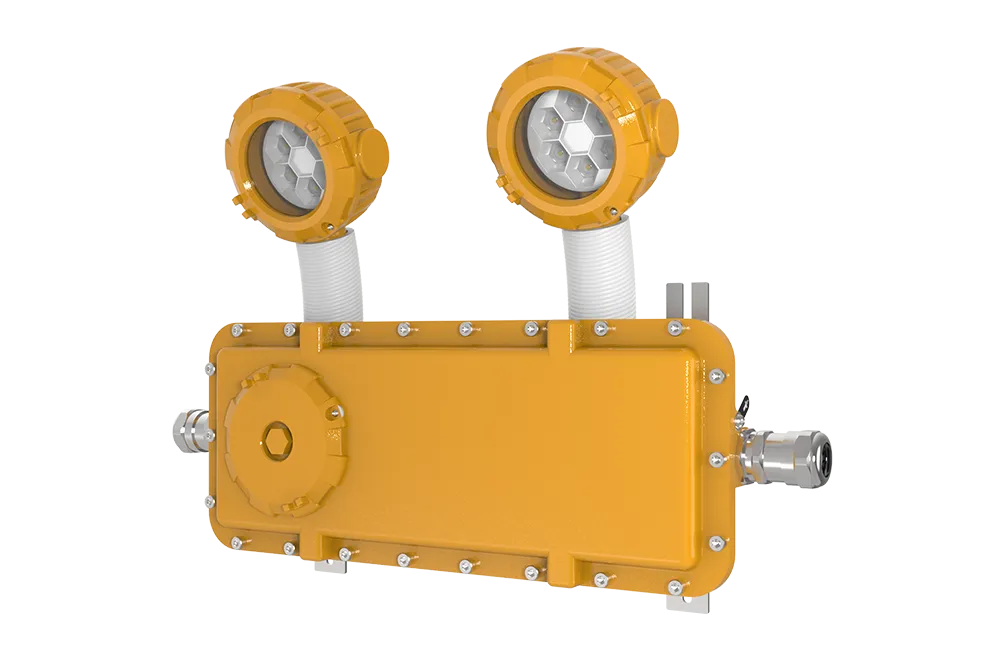
ATEX: Ex II 2G Ex db IIB T6 GbEx II 2D Ex tb IIIC T80°C Db IECEx Ex db IIB T6 Gb;Ex tb IIIC T80°C Db Feature: ● For Zone 1,2 and Zone 21,22● Flameproof type, the strongest Application: Oil and gas, marine, Chemical, pharmaceutical, semiconductor,mining,military industry, paint booth,power plant ETC hazardous area. Technical Specifications:…
View details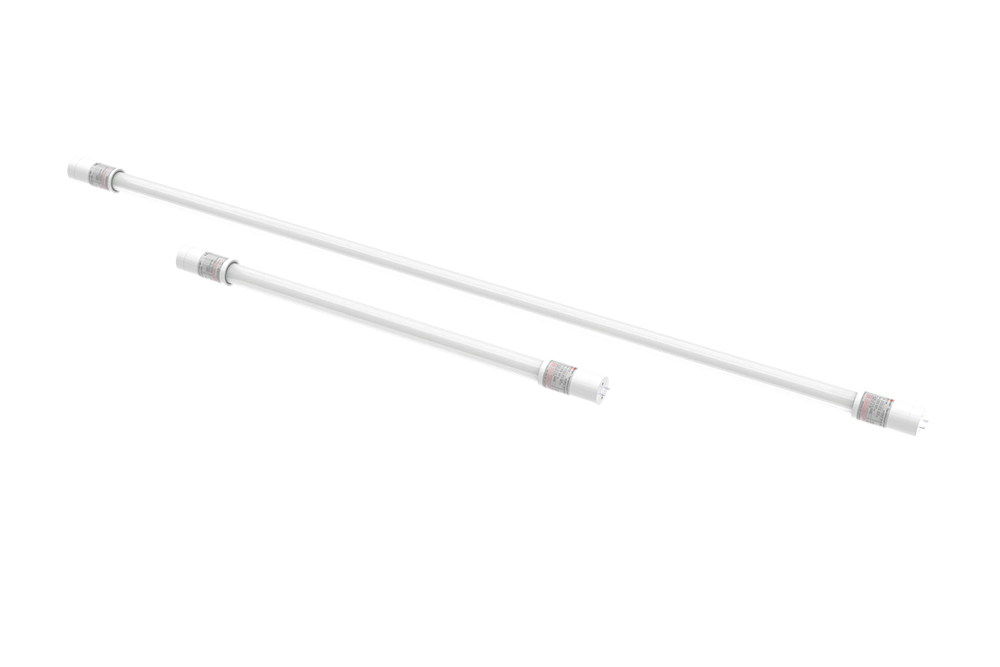
ATEX: Ex II 2G Ex d e IIB T6 Gb ATEX: Ex d e IIB T6 Gb; Feature: ● For Zone 1,2● 9W can replace 18W fluorescent lamps,50% Energy saving Application: Oil and gas, marine, Chemical, pharmaceutical, semiconductor,mining,military industry, paint booth,power plant ETC hazardous area. Technical Specifications: Standards:60079-0, 60079-1, 60079…
View details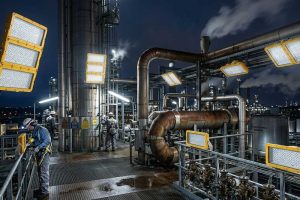
explosion proof lighting led engineered for Zone 1 & 2 hazardous areas. ATEX & IECEx certified, energy-efficient and built for oil, gas and chemical safety.
View details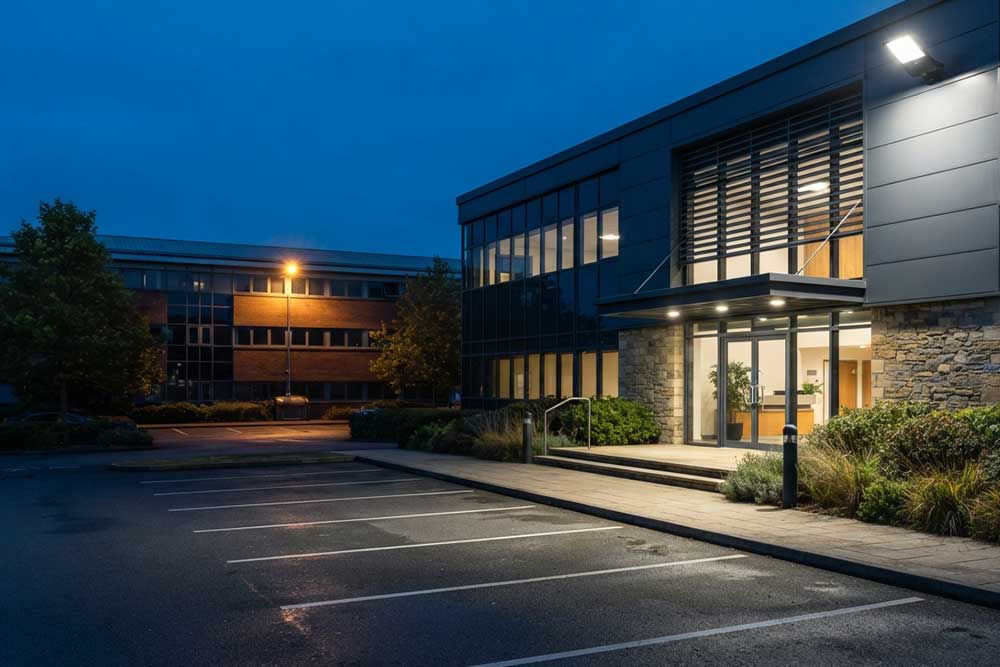
Yes. Properly specified LED flood lights can match or exceed halogen brightness while using less electrical power. Brightness depends on lumens, optics, beam...
View details
Discover how high bay LED lights 200W from SEEKINGLED solve glare, energy waste, and maintenance issues in sports halls, warehouses, and large commercial interiors. UGR
View details
High lumen and CRI LED flood lights are widely used in outdoor, industrial, and stadium lighting. This engineer-written news article explains how lumen output and CRI affect real lighting performance using SEEKINGLED solutions.
View details