 Seeking LED
What Is the Cut Line on LED Lights and Why Does It Matter?
202What is the cut line on LED lights? Learn how cut lines control glare, improve safety, and why beam precision matters in industrial and outdoor LED lighting.
View detailsSearch the whole station
Hazardous area light fittings are specially certified luminaires designed for environments containing flammable gases, vapors, or combustible dust. They prevent ignition sources, improve industrial safety, and provide reliable illumination in hazardous locations such as oil refineries, chemical plants, and offshore facilities.
Several years ago, during a refinery maintenance shutdown, I watched a senior electrical supervisor reject an entire shipment of luminaires before a single box had even been opened.
He looked only at the nameplate.
Not the housing.
Not the LED module.
Not the driver.
The certification marking was incorrect.
That moment explained hazardous area light fittings better than any technical handbook.
Hazardous area light fittings are lighting fixtures engineered specifically for locations where explosive atmospheres may occur.
These atmospheres may contain:
Unlike ordinary industrial lighting, hazardous area light fittings are designed to prevent:
Typical applications include:
Lighting becomes part of the safety system.
Not simply the illumination system.
A standard industrial fixture may appear similar.
It may even deliver the same lumen output.
That does not make it safe.
Ordinary luminaires can create ignition sources through:
In a hazardous location, one small ignition source may become catastrophic.
This is why hazardous area light fittings must comply with strict international standards.
Different environments present different risks.
The probability of explosive atmospheres determines the zone classification.
| Zone | Description |
|---|---|
| Zone 0 | Gas continuously present |
| Zone 1 | Gas likely during operation |
| Zone 2 | Gas unlikely and temporary |
| Zone 21 | Dust frequently present |
| Zone 22 | Dust occasionally present |
A pump station may be classified as Zone 1.
A nearby maintenance corridor may be Zone 2.
The lighting requirements immediately change.
Several engineering projects encounter delays because zone classifications change after risk assessments.
The fixtures then have to change as well.
The two most recognized hazardous area certification systems include:
ATEX applies throughout Europe.
IECEx provides international recognition.
According to IECEx, certified equipment must undergo testing for operation in explosive atmospheres.
Reference:
The European Commission regulates ATEX equipment under Directive 2014/34/EU.
Reference:
https://single-market-economy.ec.europa.eu
Testing includes:
Certification is not optional.
It is fundamental.
Many hazardous light fittings carry markings such as:
Ex db eb IIC T5 Gb
At first glance these letters appear complicated.
For inspectors, they are essential.
| Marking | Meaning |
| Ex | Explosion protection |
| db | Flameproof enclosure |
| eb | Increased safety |
| IIC | Gas group |
| T5 | Temperature class |
| Gb | Equipment protection |
The certification label determines where the fitting may safely operate.
A 150-watt fixture with the wrong certification remains unusable.
A 60-watt fixture with the correct certification may pass inspection.
Older hazardous installations relied on:
These technologies required:
LED technology changed the industry.
According to the International Energy Agency, LED lighting remains the most energy-efficient lighting technology available.
Reference:
Modern hazardous LED fittings provide:
The maintenance savings often exceed the energy savings.
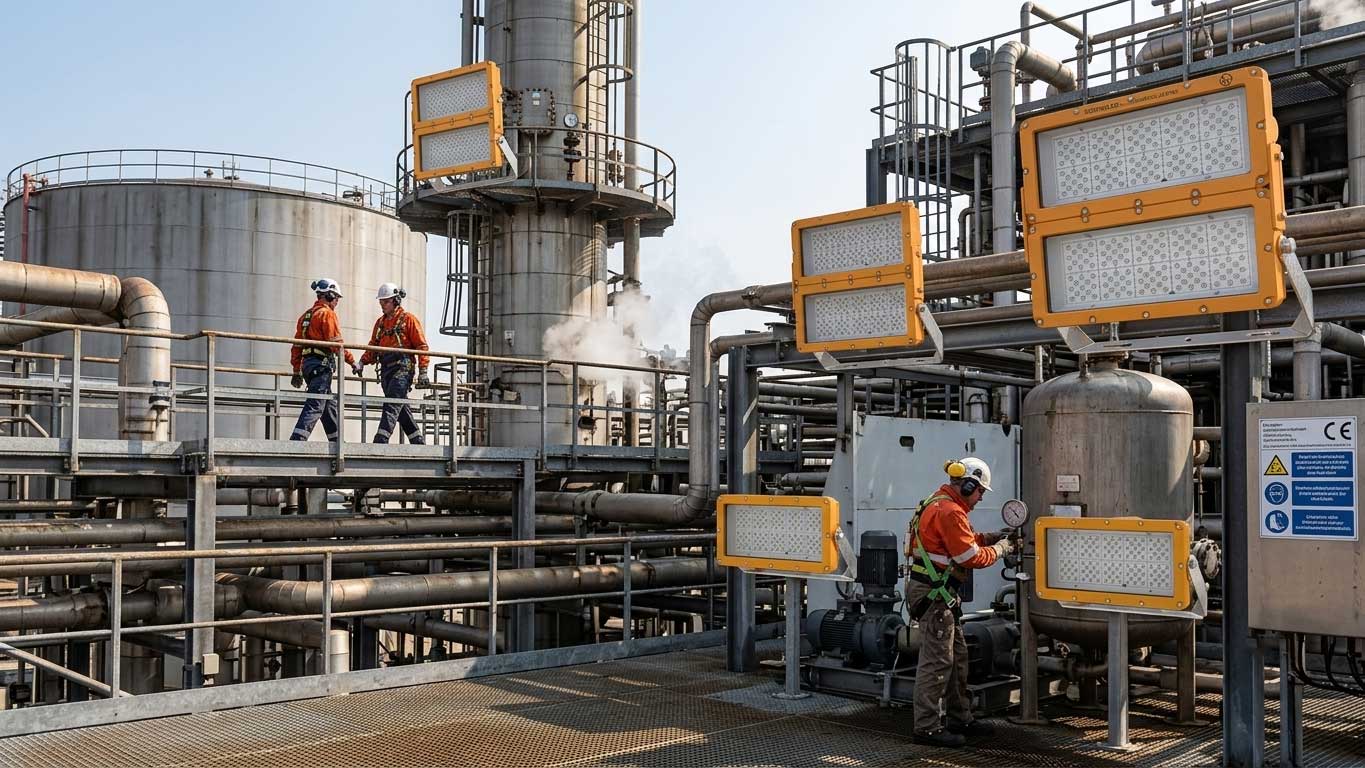
Many buyers ask:
“How many lumens?”
Engineers often ask:
“What is the T-rating?”
Temperature classes limit the maximum external surface temperature.
| Temperature Class | Maximum Temperature |
| T1 | 450°C |
| T2 | 300°C |
| T3 | 200°C |
| T4 | 135°C |
| T5 | 100°C |
| T6 | 85°C |
Certain gases ignite at relatively low temperatures.
Selecting the wrong temperature class may prevent approval during inspection.
I once saw a project delayed because T4 fixtures arrived when T5 approval had been specified.
Nothing was physically wrong.
The paperwork was.
Explosion protection alone is not enough.
Industrial environments introduce:
Most hazardous area light fittings provide:
| IP Rating | Protection |
| IP65 | Water jets |
| IP66 | Powerful water jets |
| IP67 | Temporary immersion |
Poor sealing remains one of the most common causes of fixture failure.
Good sealing extends service life significantly.
Explosions are rare.
Corrosion is daily.
Offshore facilities and coastal terminals experience:
Many maintenance teams discover that:
Therefore many premium fittings use:
This often determines service life more than the LED chip itself.
Different facilities require different fixture designs.
Common products include:
Each serves a different purpose.
A refinery pipe rack and a grain silo rarely use identical lighting.
Selection depends upon:
Purchasing teams often compare:
Experienced engineers typically compare:
Brightness frequently appears near the bottom of the list.
Reliability comes first.
At SEEKINGLED, hazardous lighting discussions rarely begin with the product.
The first questions usually include:
Only after understanding these conditions does product selection begin.
The most successful projects share something interesting.
Nobody talks about the fittings after installation.
They simply continue operating.
And that quiet reliability often represents the true value of hazardous area light fittings.
Not every hazardous site looks dramatic. Some of the most demanding environments appear surprisingly ordinary.
A grain terminal in northern Europe may look cleaner than a warehouse, yet airborne dust creates a genuine ignition risk. A wastewater pumping station may contain methane accumulation inside enclosed chambers. A pharmaceutical solvent room can appear spotless while containing flammable vapor concentrations.
That is exactly why hazardous area light fittings exist.
Common installation points include:
Zone classification often changes from one section of the plant to another.
| Area | Typical Zone | Lighting Requirement |
|---|---|---|
| Process area | Zone 1 | Explosion protected |
| Tank roof | Zone 1 | High corrosion resistance |
| Pipe rack | Zone 2 | Wide beam coverage |
| Loading bay | Zone 2 | High vibration resistance |
| Control room exterior | Zone 2 | Energy efficient LED |
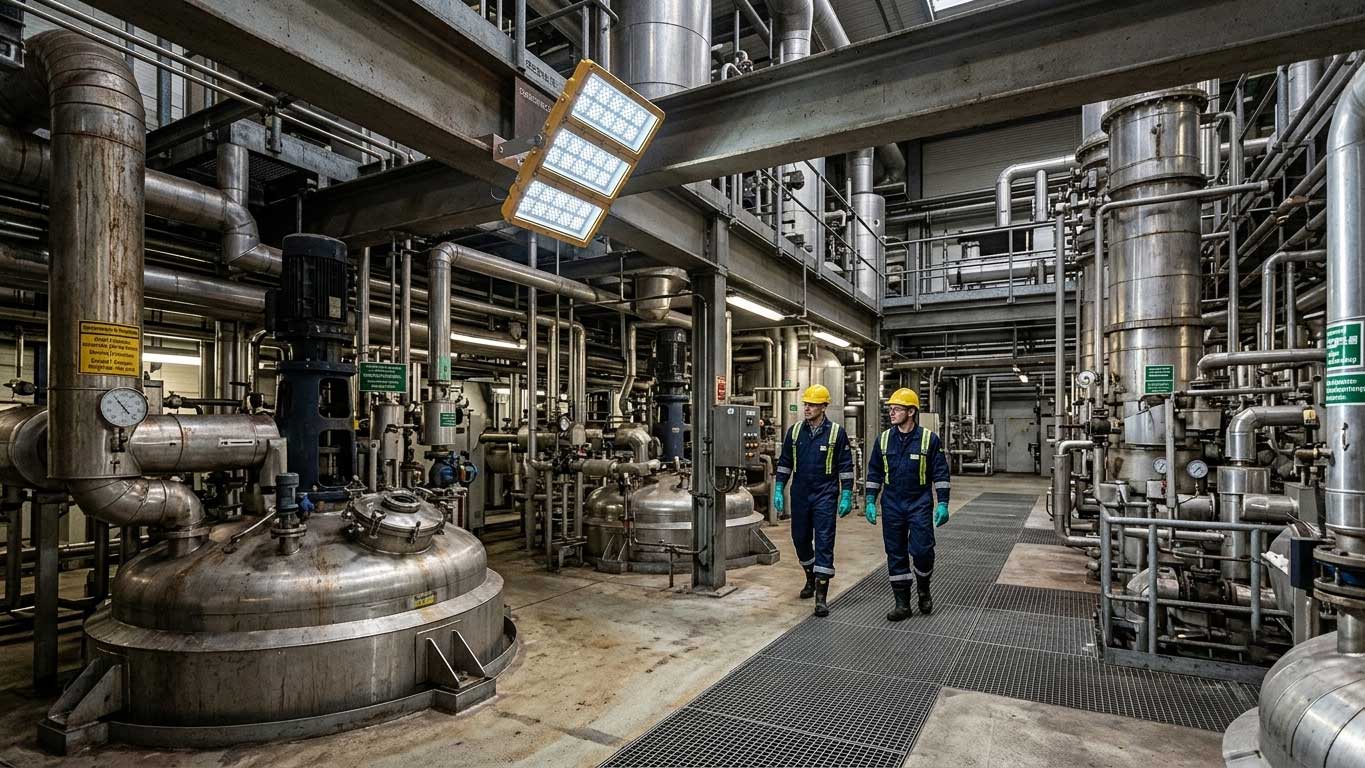
Chemical factories create unique lighting challenges:
Many installations require:
Dust explosions remain one of the least discussed industrial hazards.
According to OSHA, combustible dust incidents have caused hundreds of injuries and fatalities across multiple industries including food processing, agriculture, wood products, and grain handling.
Applications include:
Reference:
Engineers often begin with wattage.
That is usually the wrong starting point.
Questions include:
Without this information, fixture selection becomes guesswork.
Look for:
The certification label must match the actual hazardous location.
Factors:
A refinery near the sea may destroy unsuitable fixtures in only a few years.
According to industrial lighting recommendations:
Reference:
After nearly fifteen years in industrial lighting projects, several patterns repeat.
A 100W fixture from one manufacturer may produce:
Another may produce:
The difference is enormous.
Gas ignition temperatures matter.
If fixture surface temperatures exceed safe limits, risks increase.
Standard waterproof luminaires cannot replace certified hazardous fittings.
IP66 does not mean explosion protection.
This misunderstanding appears surprisingly often.
Older HID systems require:
LED hazardous area light fittings reduce these costs dramatically.
| Feature | LED | Metal Halide |
|---|---|---|
| Efficiency | 140–180 lm/W | 60–90 lm/W |
| Start Time | Instant | Several minutes |
| Maintenance | Very low | High |
| Lifetime | 50,000–100,000 hours | 10,000–20,000 hours |
| Heat Generation | Lower | Higher |
| Energy Cost | Lower | Higher |
According to the U.S. Department of Energy, LED systems can reduce energy consumption substantially compared with legacy lighting technologies.
Reference:
https://www.energy.gov/eere/ssl
Even robust hazardous area fittings require inspections.
Recommended intervals:
The industry is changing rapidly.
Emerging technologies include:
Some facilities now monitor fixture temperature remotely.
Others track operating hours automatically.
The light fitting is becoming part of the industrial network.
Most certified fixtures offer IP66 or IP67 protection, making them suitable for rain, dust, and washdown environments.
No. Zone 1 areas generally require higher protection levels.
Modern LED fittings typically achieve 50,000 to 100,000 operating hours depending on thermal management and operating conditions.
ATEX and IECEx are common internationally, while UL844 is widely used in North America.
Hazardous area light fittings are not simply industrial luminaires with stronger housings. They are engineered safety devices designed to operate where flammable gases, vapors, or combustible dust may be present.
In actual facilities, lighting decisions influence maintenance schedules, worker safety, inspection efficiency, and operating costs for years afterward. The best projects rarely begin with wattage or price. They begin with understanding the hazard itself.
For industrial buyers evaluating new installations, replacement programs, or international projects, properly specified hazardous area light fittings continue to provide one of the highest long-term returns in hazardous location infrastructure.
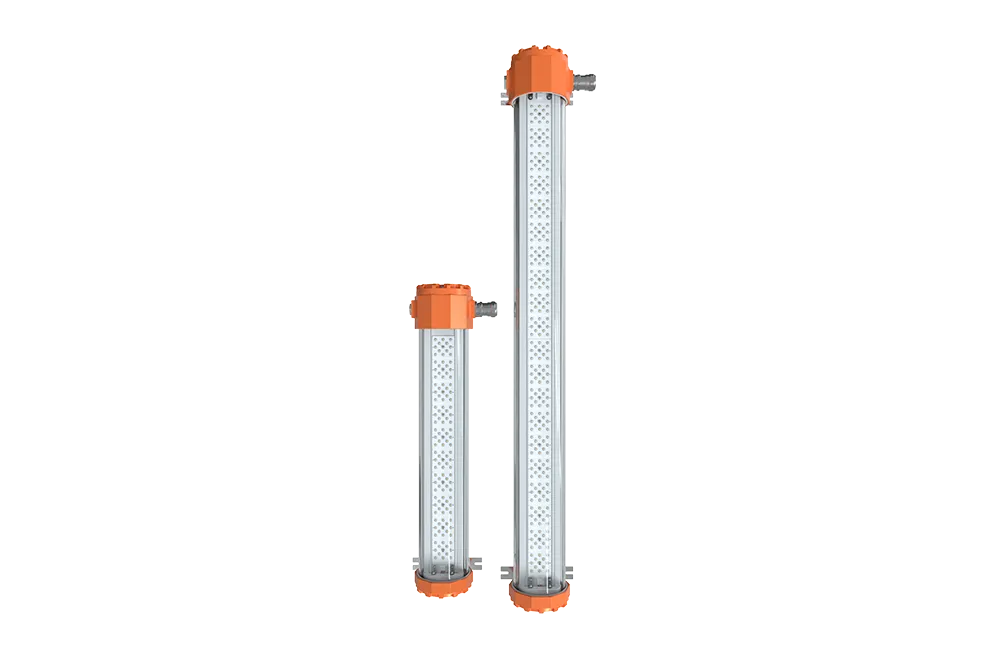
SEEKINGLED LED Linear Explosion Proof Light and Explosion Proof lighting is ATEX and IECEx certified for Zone 1, Zone 2, Zone 21 and Zone 22 hazardous locations, built for long-term industrial use.
View details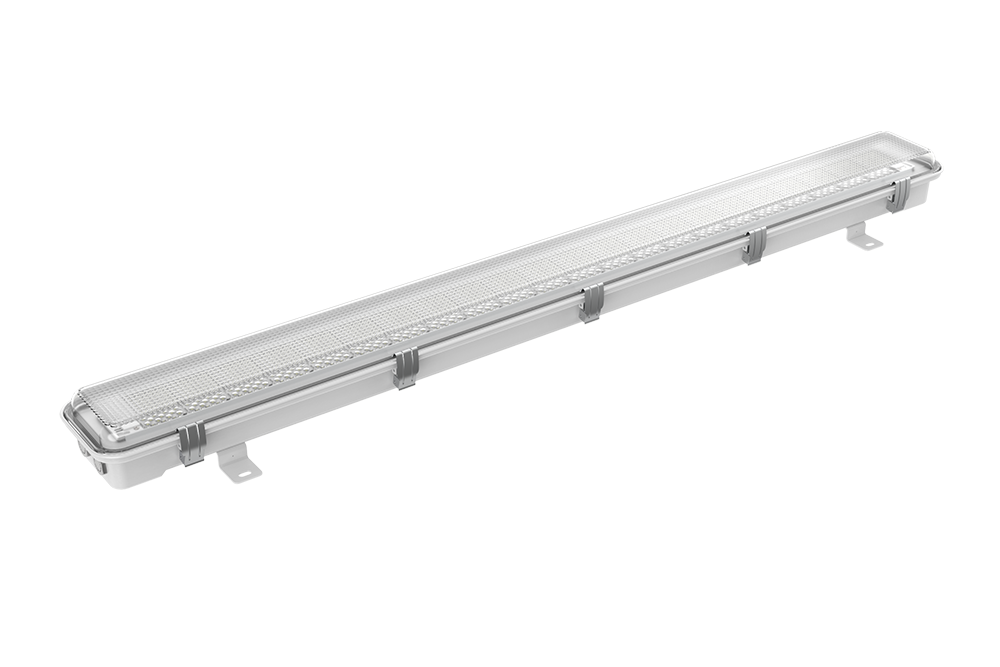
LED Linear Explosion Proof Lights and EX Proof lights for Zone 1, Zone 2, Zone 21 and Zone 22 hazardous areas. ATEX & IECEx certified explosion proof LED linear lighting with emergency function, adjustable power and IP67 protection by SEEKINGLED.
View details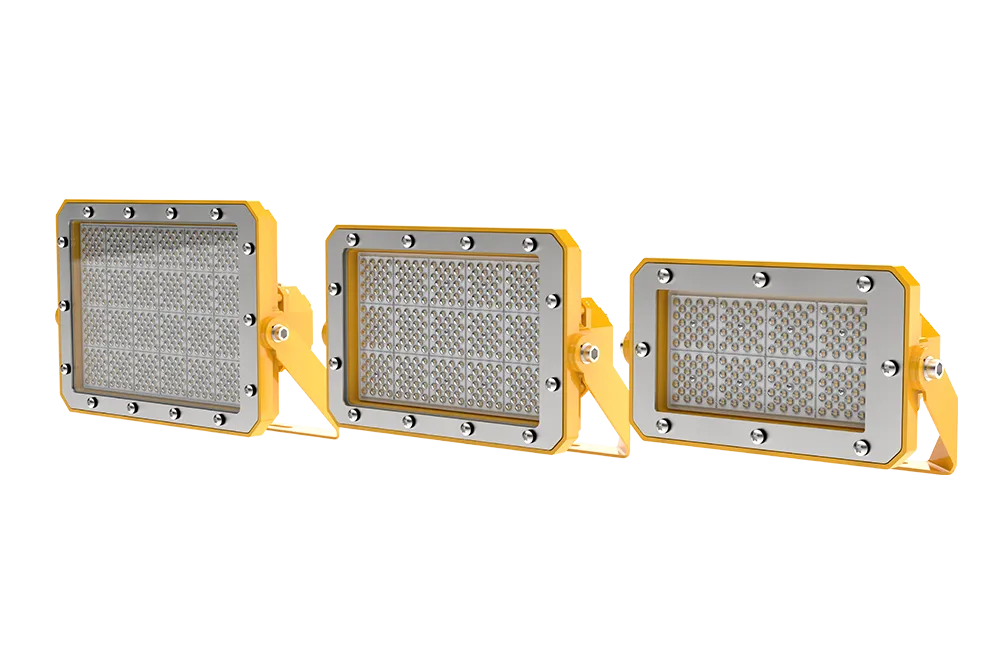
SEEKINGLED LED Explosion Proof Flood Lights are ATEX certified for Zone 2 and Zone 22 hazardous areas, offering high efficiency, adjustable power and integrated junction box.
View details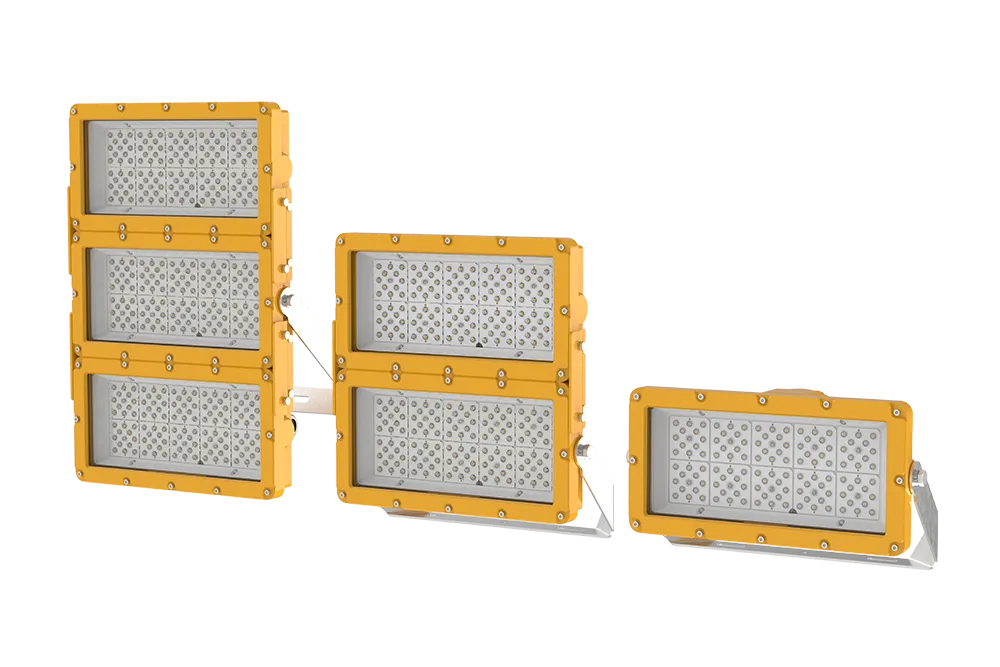
SEEKINGLED LED Explosion Proof Flood Lights are flameproof ATEX and IECEx certified for Zone 1 and Zone 2 hazardous areas, offering high power, adjustable output and long service life.
View details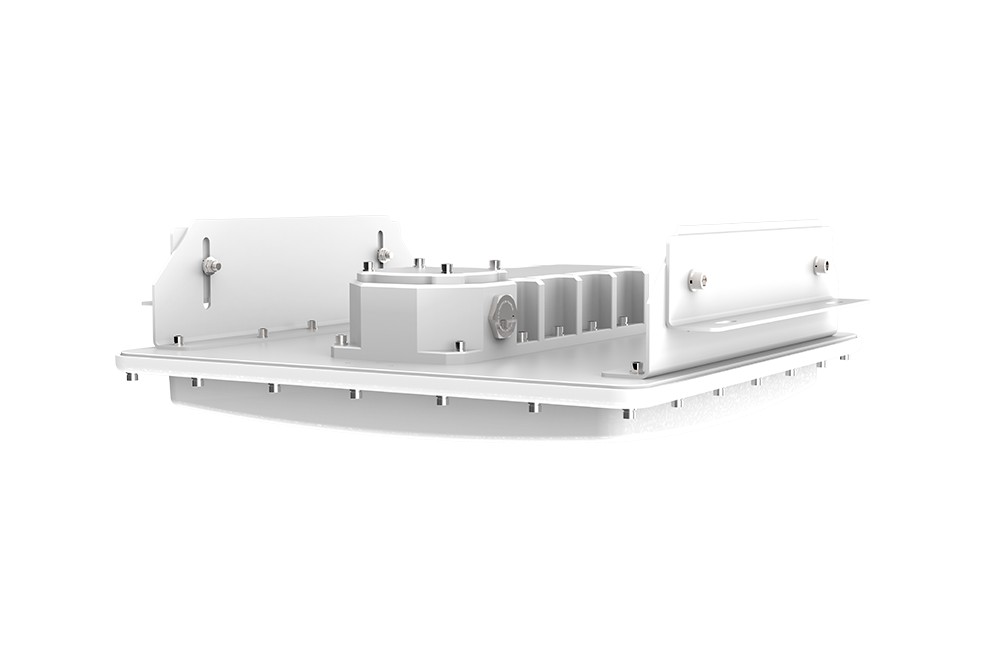
SEEKINGLED LED Gas Station Canopy Lights are ATEX certified for Zone 2 and Zone 22 hazardous areas, featuring adjustable power and built-in explosion-proof junction box.
View details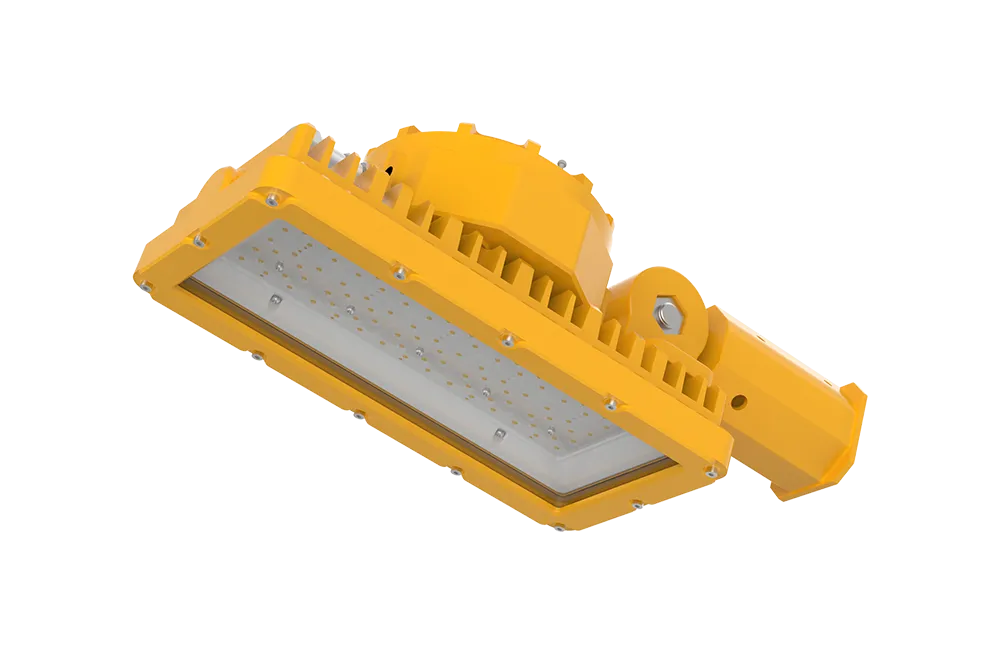
ATEX: Ex II 2G Ex db IIB T6/T5 GbEx II 2D Ex tb IIIC T80°C/ T95°C Db IECEx Ex db IIB T6 Gb;Ex tb IIIC T80°C Db Feature: ● For Zone 1,2 and Zone 21,22● Flameproof type, the strongest● 100W can replace 250W HID,energy saving● Power:60W,80W,100W Application: Oil and gas, marine, Chemical, pharmaceutical, semiconductor,mining,military industr…
View details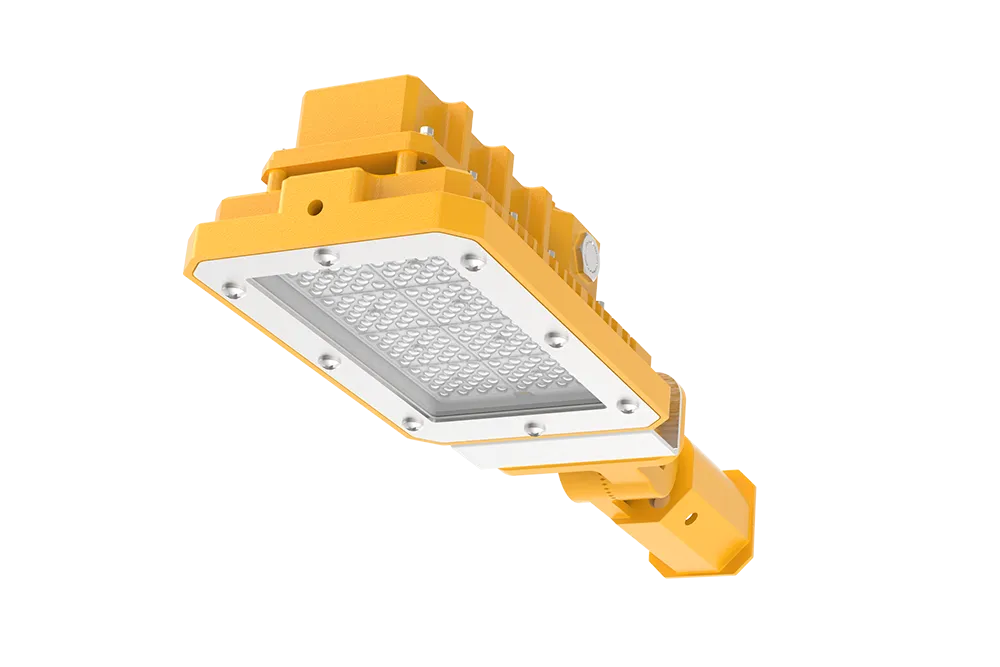
ATEX: II 3G Ex nR ⅡC T5/T6 GcII 3D Ex tc ⅢC T80℃/T95℃Dc ATEX Certificate NO: TÜV CY 26 ATEX 0207611 X Feature: ● For Zone 2 and Zone 22● 150W can replace 250W HID lamps,Energy saving● Power:50W,75W,100W,150W,200W Application: Oil and gas, marine, Chemical, pharmaceutical, semiconductor,mining,military industry, paint booth,power plant ETC…
View details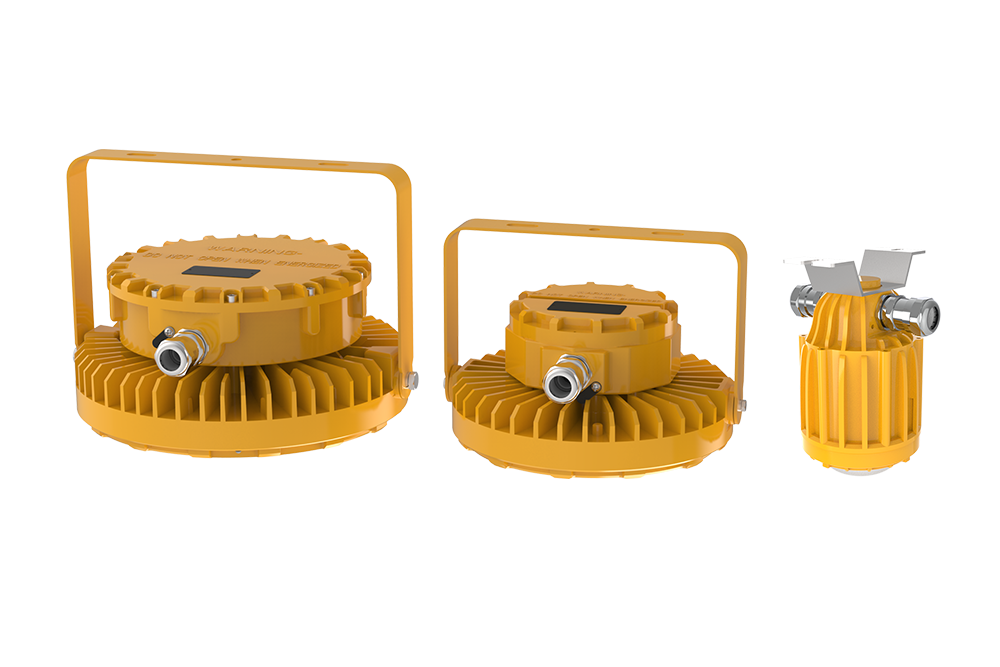
LED explosion proof high bay lights are designed for Zone 1, Zone 2, Zone 21 and Zone 22 hazardous areas. This page introduces the HB21 Series from SEEKING, including certifications, power options and real application considerations.
View details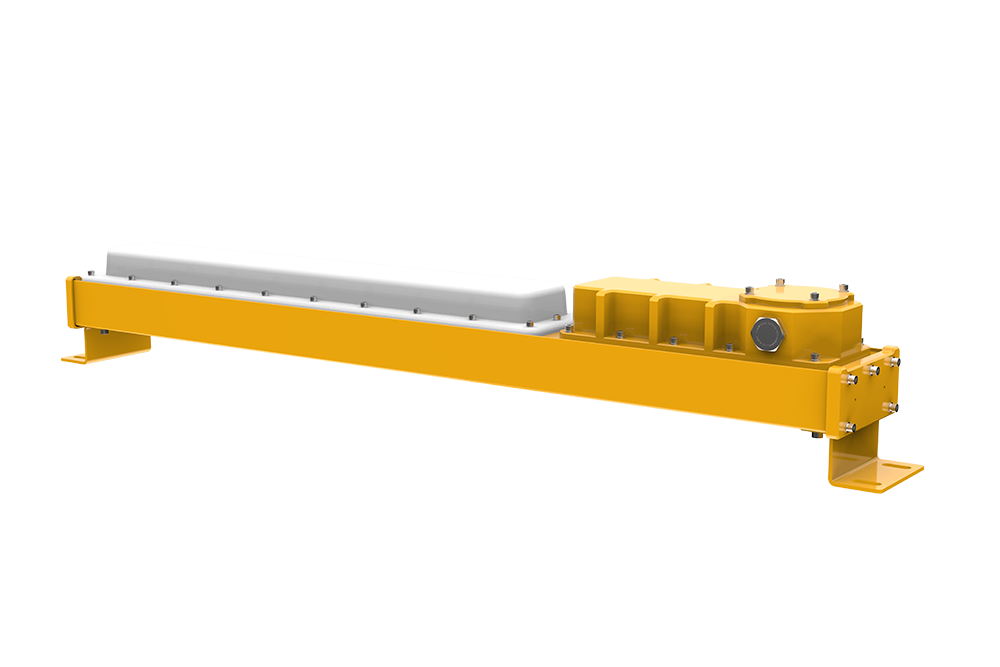
LED Linear Explosion Proof Lights from SEEKINGLED. LU Series Flame Proof lights ATEX-certified explosion proof LED linear lighting for Zone 2 gas and Zone 22 dust areas, IP69K, IK10, long lifetime and flexible power options.
View details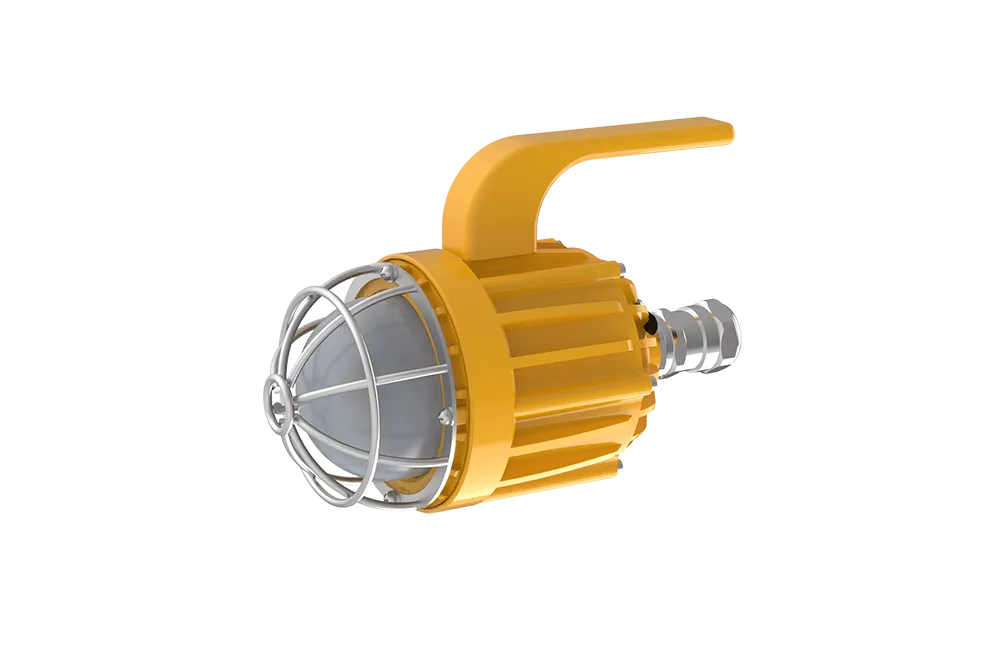
Certified explosion proof work lights for Zone 1 & 21 hazardous areas. Portable, ATEX & IECEx approved, built for oil, gas and chemical plants by SEEKINGLED.
View details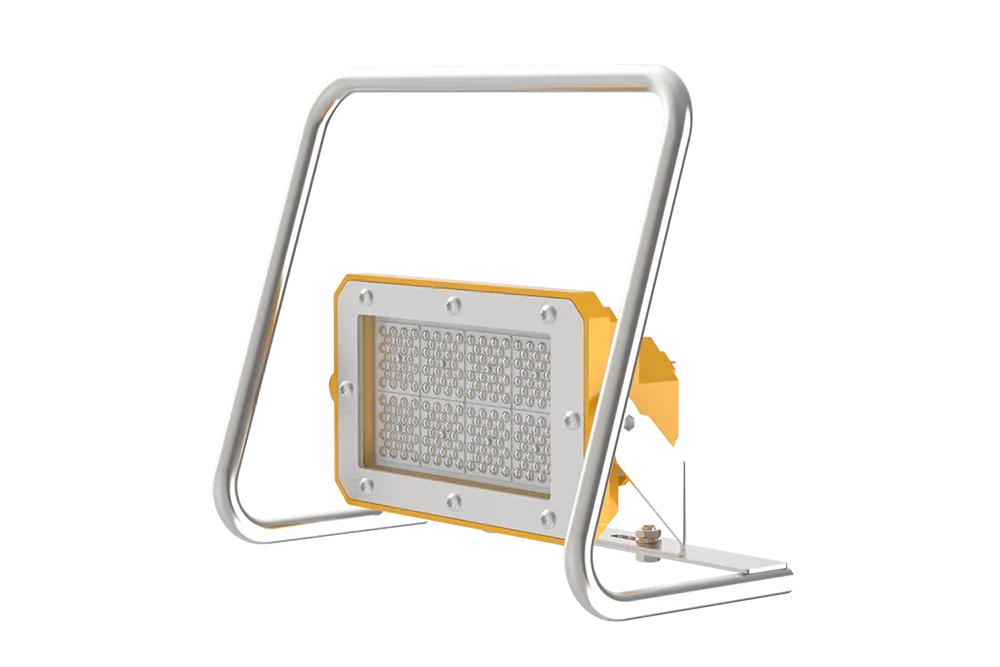
ATEX: II 3G Ex nR ⅡC T6 GcII 3D Ex tc ⅢC T80℃ Dc ATEX Certificate NO: TÜV CY 26 ATEX 0207611 X Feature: ● For Zone 2 and Zone 22● Accepts battery-powered supply● indestructible● Power:AC input:50W,75W,100WDC input:15W,25W,35W Application: Oil and gas, marine, Chemical, pharmaceutical, semiconductor,mining,military industry, paint booth,po…
View details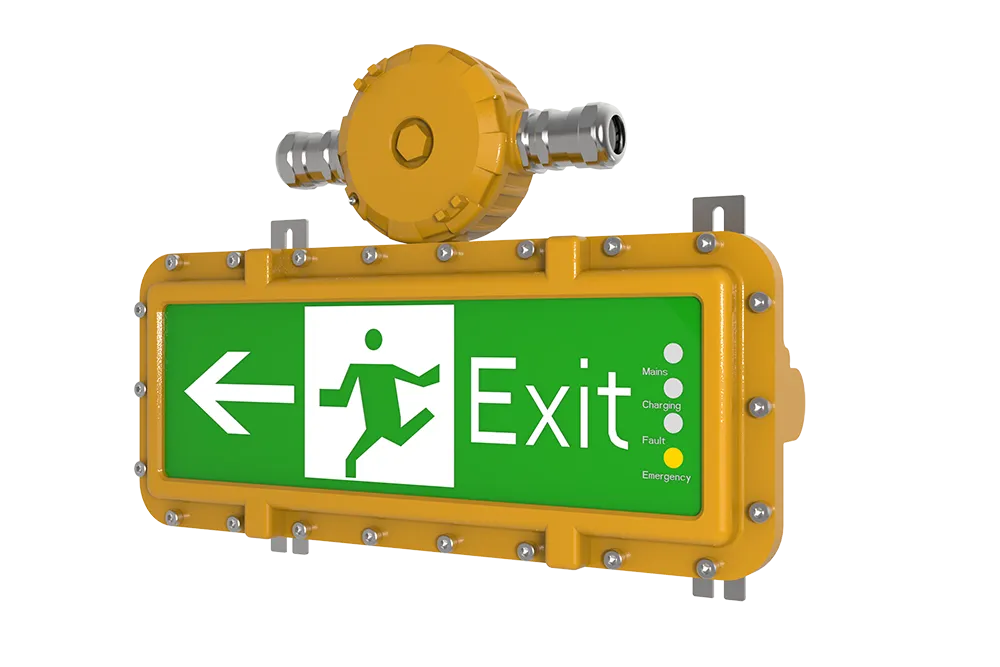
ATEX: Ex II 2G Ex db IIB T6 GbEx II 2D Ex tb IIIC T80°C Db IECEx Ex db IIB T6 Gb;Ex tb IIIC T80°C Db Feature: ● For Zone 1,2 and Zone 21,22● Flameproof type, the strongest Application: Oil and gas, marine, Chemical, pharmaceutical, semiconductor,mining,military industry, paint booth,power plant ETC hazardous area. Technical Specifications:…
View details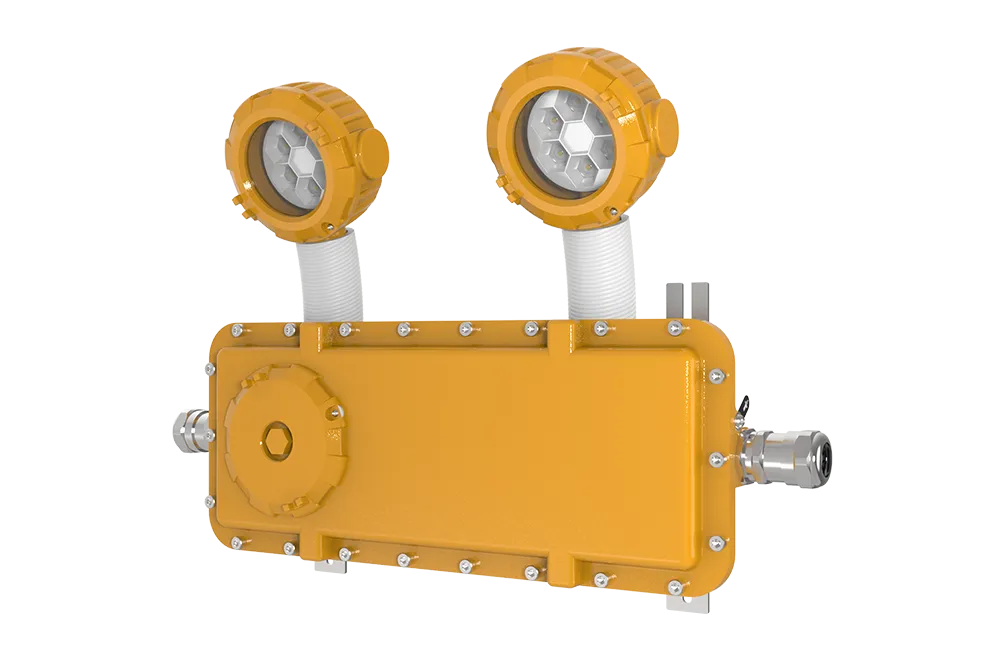
ATEX: Ex II 2G Ex db IIB T6 GbEx II 2D Ex tb IIIC T80°C Db IECEx Ex db IIB T6 Gb;Ex tb IIIC T80°C Db Feature: ● For Zone 1,2 and Zone 21,22● Flameproof type, the strongest Application: Oil and gas, marine, Chemical, pharmaceutical, semiconductor,mining,military industry, paint booth,power plant ETC hazardous area. Technical Specifications:…
View details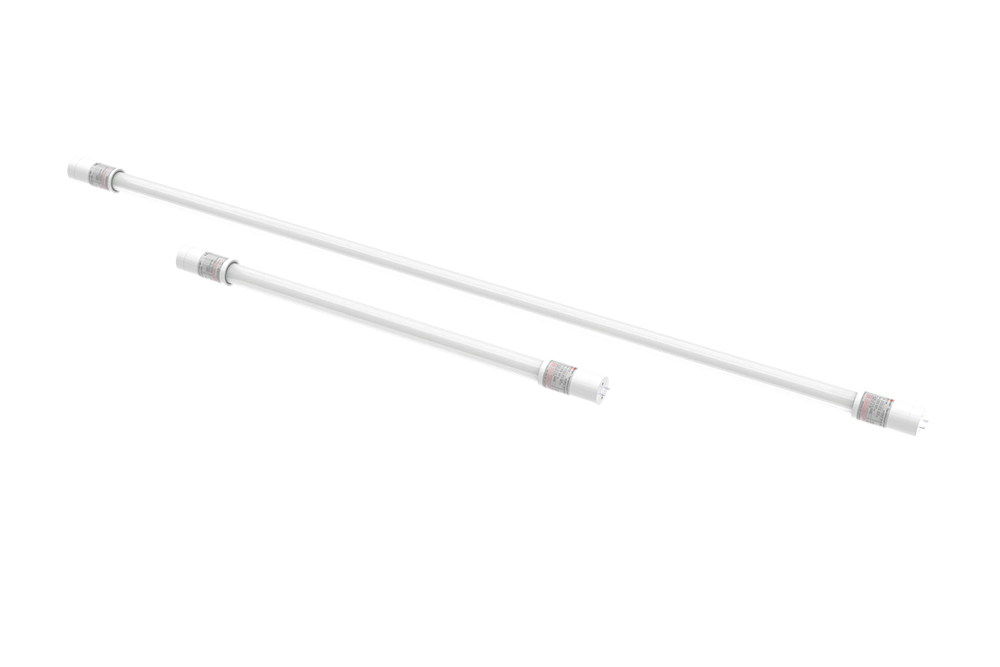
ATEX: Ex II 2G Ex d e IIB T6 Gb ATEX: Ex d e IIB T6 Gb; Feature: ● For Zone 1,2● 9W can replace 18W fluorescent lamps,50% Energy saving Application: Oil and gas, marine, Chemical, pharmaceutical, semiconductor,mining,military industry, paint booth,power plant ETC hazardous area. Technical Specifications: Standards:60079-0, 60079-1, 60079…
View details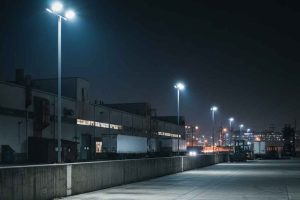
What is the cut line on LED lights? Learn how cut lines control glare, improve safety, and why beam precision matters in industrial and outdoor LED lighting.
View details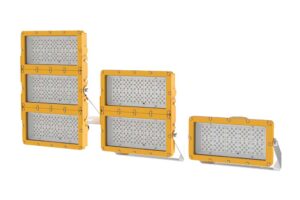
LED explosion proof flood lights for high-risk outdoor oil & gas sites. SEEKINGLED FL7 Series offers Zone 1 ATEX/IECEx certification, IP66, IK10, and up to 52,000 lumens.
View details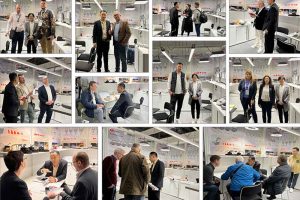
3th-8th-March-2024 Booth NO.:10.2 A61F At Light+Building Frankfurt 2024, we unveiled our new H-Line series product. The H-Line series LED linear trunking system offers a versatile solution for various applications includin...
View details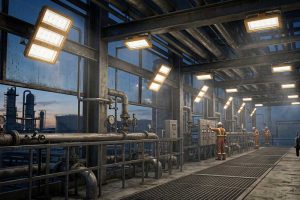
Ex proof LED lighting explained: real safety design, certifications, and industrial performance insights. Learn how SEEKINGLED ensures safe hazardous lighting.
View details