 Seeking LED
How to Change LED Flood Light Bulb?
446How to change LED flood light bulb correctly? This guide explains when replacement is possible, safety steps, and modern LED flood light design used by SEEKINGLED.
View detailsSearch the whole station
When specifying explosion proof lamp ex proof lighting for oil, gas, chemical, or dust-hazard facilities, performance numbers alone are not enough. Certification, enclosure design, thermal class, and long-term reliability matter far more than lumen output on paper. Based on over a decade of working with hazardous-area lighting projects across petrochemical and marine industries, this article explains what truly defines compliant ex proof lighting and why SEEKINGLED solutions are engineered the way they are.
In real procurement scenarios, terms like ex proof lamp, ex lighting, and ex rated lighting are often used interchangeably—but they should not be.
From an engineering standpoint, the difference is not semantic. It defines whether a product is legally installable.
On one offshore audit I participated in, a contractor installed what they believed were industrial flame proof lighting fixtures. The housing looked compliant. The marking did not.
The result?
Full replacement. Delayed commissioning. Financial loss.
That’s the cost of misunderstanding explosion proof lamp ex proof lighting.
The term explosion proof is often misunderstood. It does not mean the fixture prevents explosions. It means the enclosure is designed to contain an internal ignition and prevent flame propagation to the surrounding atmosphere.
Internationally, this design principle is governed by IEC 60079 standards:
Zone classifications follow IEC definitions:
In the EU, these requirements are enforced under ATEX Directive 2014/34/EU. Any serious explosion proof lamp ex proof lighting product must align with these frameworks.
Over the years, I’ve reviewed installation sites where non-certified fixtures were installed in hazardous areas simply because they “looked” heavy duty. That is a serious compliance risk. Certification markings such as:
II 2G Ex db IIC T6 Gb
II 2D Ex tb IIIC T80°C Db
are not decorative stamps. Inspectors verify them during commissioning.
In practice:
| Term | Meaning | Risk if Misused |
|---|---|---|
| Ex lighting | General hazardous area compliant lighting | Low (if certified) |
| Flame proof lighting | Specific “Ex d” containment design | Medium |
| Ex proof lamp | Broad market term (often misused) | High |
| Ex rated lights | Certified with proper marking | Safe |
The key takeaway:
If it doesn’t have verifiable certification, it’s not ex lighting fixtures—it’s just industrial lighting.
SEEKINGLED develops explosion proof lamp solutions with flameproof aluminum housings, reinforced glass, and controlled thermal paths. Thermal management is critical because temperature class (T6, T5, etc.) limits maximum surface temperature.
For example:
In gas group IIC environments (hydrogen, acetylene), margin is essential. Surface overheating can become an ignition source.
Most modern LED hazardous luminaires deliver around 130–160 lm/W. SEEKINGLED units reach up to 150 lm/W with CRI >80. According to U.S. DOE Solid-State Lighting reports, LED systems can reduce energy consumption by 50% or more compared to legacy metal halide installations. That energy reduction is not theoretical — in refinery upgrades I’ve participated in, electrical load dropped substantially while improving uniformity.
Long service life also matters. L80B20 >100,000 hours, tested under LM-80 methodology, means lumen maintenance remains at 80% for extended periods. In hazardous zones where lift access requires work permits and shutdown planning, reducing relamping cycles has measurable financial impact.
From failure analysis I’ve been involved in, most issues are not structural—they’re thermal and electrical:
In one marine dock project, over 18% of ex rated lights failed within two years—not due to explosion risk, but corrosion + driver instability.
That’s why industrial explosion proof lighting must be designed as a system, not a component.
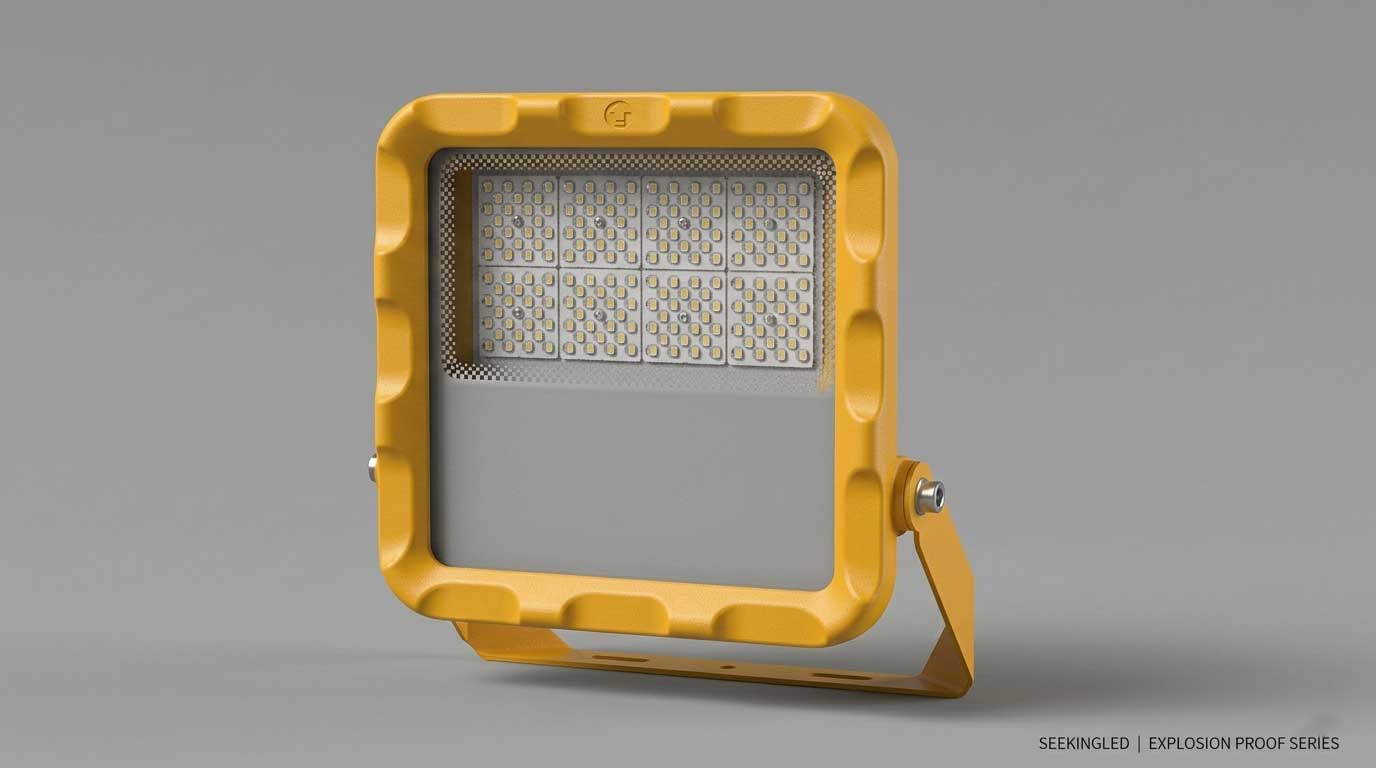
Hazardous area lighting must also survive dust, water, and impact.
IP66 means:
IK10 impact rating corresponds to 20 joules of impact energy resistance under IEC 62262 testing. In marine docks or heavy processing plants, accidental mechanical contact is not rare.
Operating temperature range from –20°C to +55°C ensures stable use in both cold storage facilities and tropical refineries.
Electrical stability is equally important:
In industrial grids with high motor loads, poor power quality can cause nuisance tripping or harmonics. Stable drivers prevent that.
Even certified flame proof lighting can fail if:
A refinery site I audited had correct ex proof lamp models—but installed near acid vapor zones without proper coating.
Result: housing degradation within 14 months.
Certification ≠ durability.
Environment always wins.
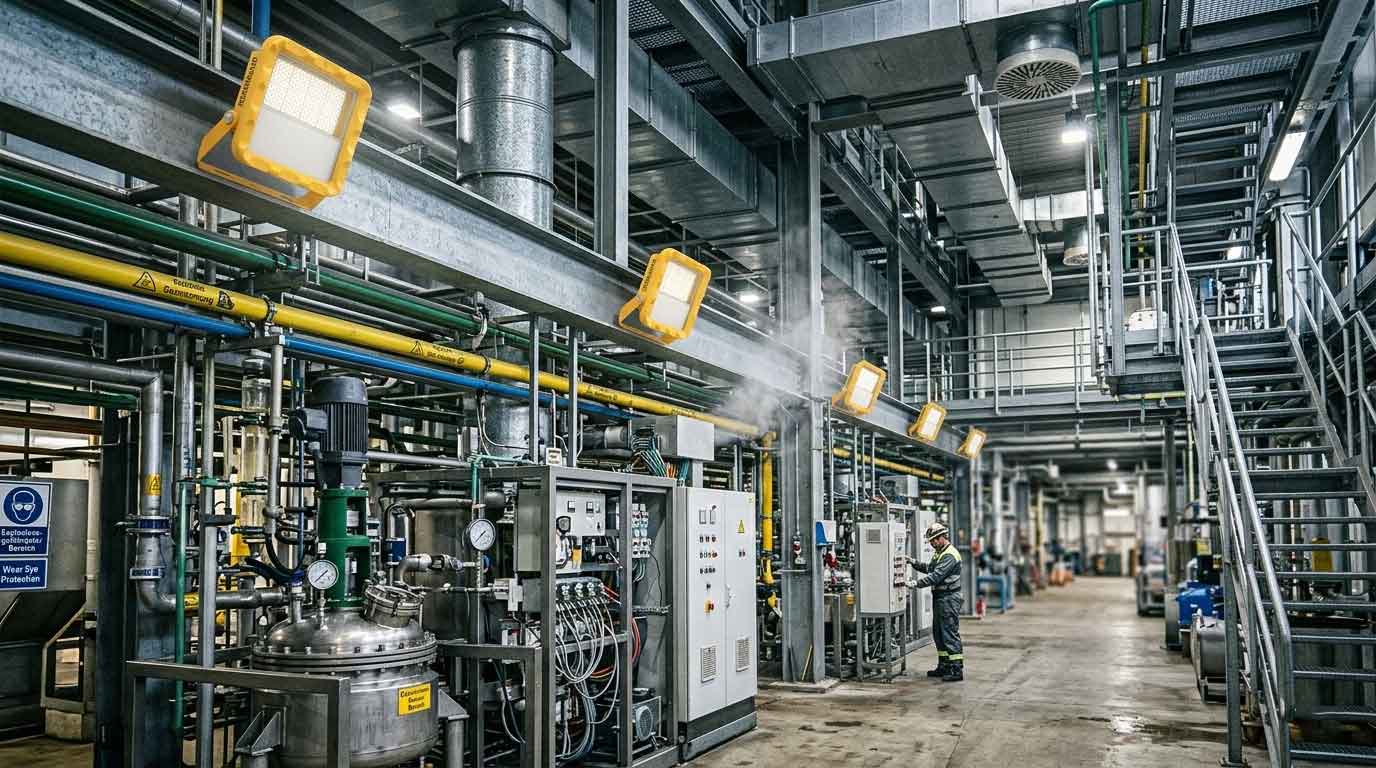
In a mid-scale refinery modernization project I advised on, older 400W metal halide fixtures were replaced with certified LED explosion proof high bays.
Measured outcomes after one year:
Metal halide systems typically require lamp replacement within 12–18 months depending on operation cycles. LED flameproof units extended expected maintenance intervals dramatically.
The difference was not marketing — it was documented through maintenance logs and energy monitoring.
From actual project logs:
That’s where ex led lighting proves its value—not in brochures, but in operational data.
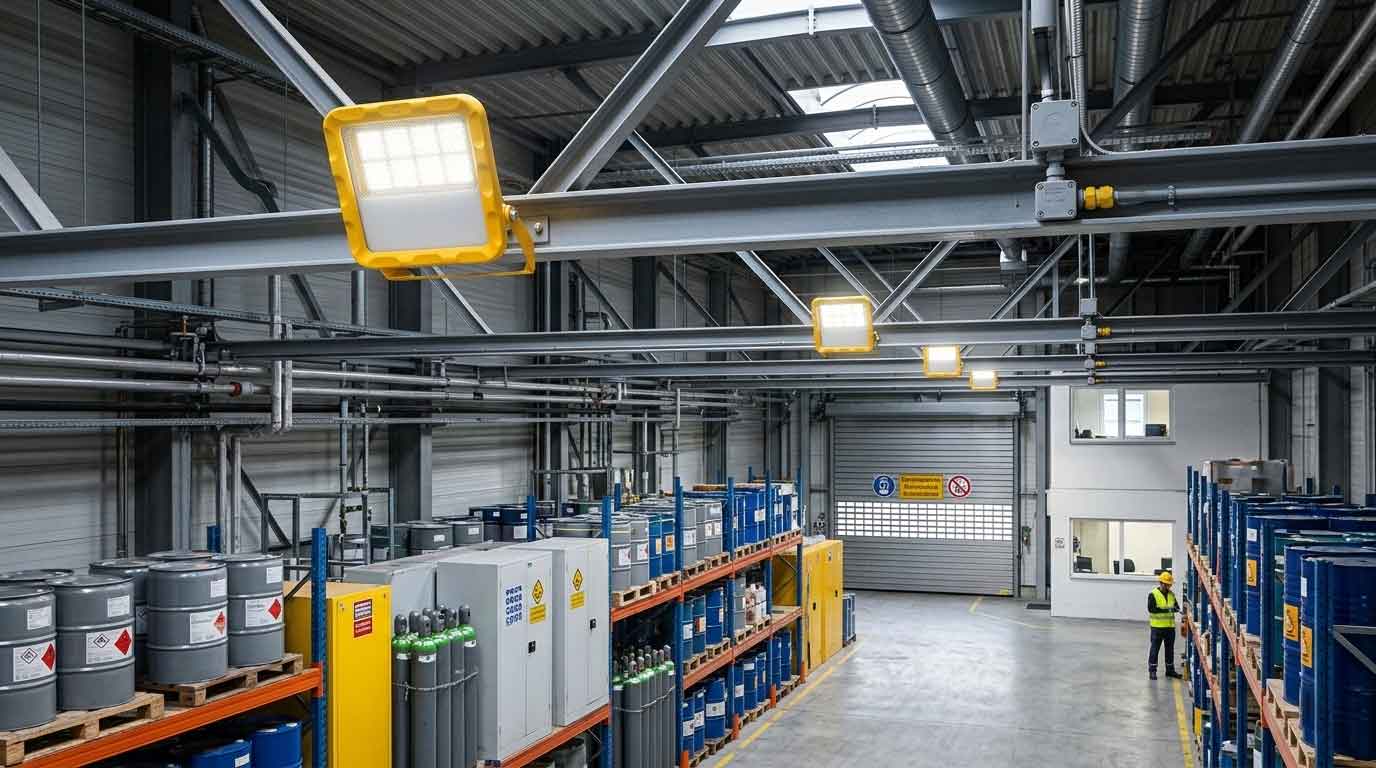
This article is written from the perspective of a lighting engineer involved in hazardous area specification and project evaluation across petrochemical, marine, and industrial facilities for over 10 years. Field audits, certification reviews, and commissioning inspections have shaped the approach described here.
Additional context:
Most failures were preventable.
Almost all were specification mistakes.
Explosion proof lamp is a general term. Ex lighting refers to certified equipment compliant with IEC/ATEX standards.
No. Only fixtures specifically certified for Zone 1 can be used. Zone 2 products are not interchangeable.
Because surface temperature must stay below ignition temperature of surrounding gases. This is defined by T-ratings.
Yes. According to U.S. DOE, LED systems can reduce energy use by over 50% compared to HID lighting.
Choosing the right explosion proof lamp ex proof lighting is not about aesthetics or catalog specifications alone. It is about certified flameproof construction, verified compliance with IEC 60079, thermal control, ingress protection, and long-term operational stability.
SEEKINGLED designs its explosion proof solutions with these priorities in mind — balancing safety, efficiency, and durability for real hazardous environments.
In facilities where flammable gas or combustible dust may be present, properly engineered explosion proof lamp ex proof lighting is not optional. It is fundamental to safe operation.
One final point—often overlooked:
In hazardous environments,
lighting is not installed once.
It is inspected, audited, questioned, and verified repeatedly.
If your ex proof lamp passes all of those—
then it’s doing its job.
If not,
you’ll find out very quickly.
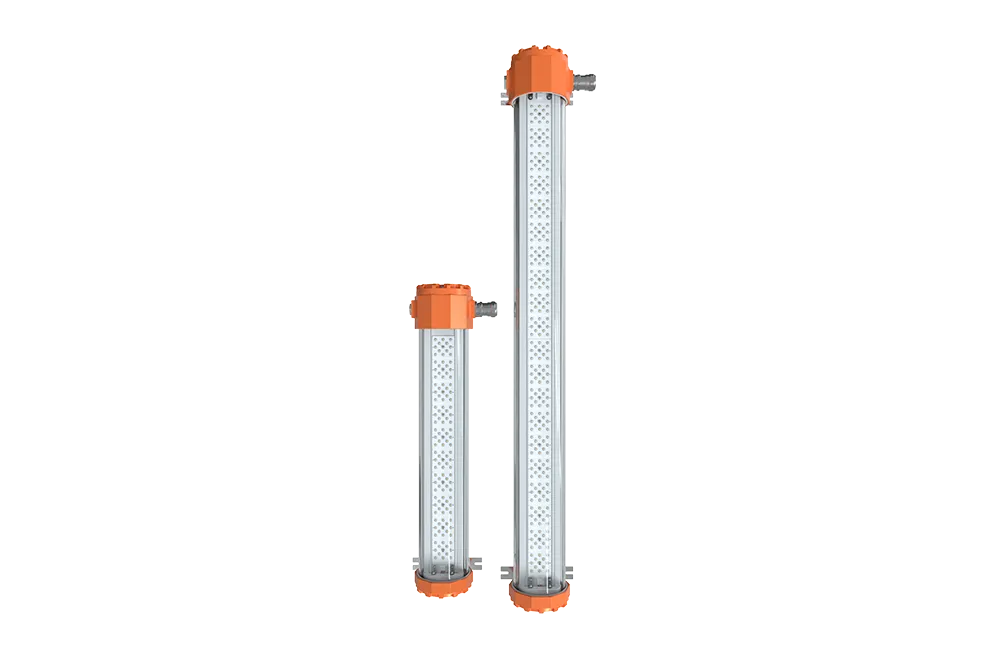
SEEKINGLED LED Linear Explosion Proof Light and Explosion Proof lighting is ATEX and IECEx certified for Zone 1, Zone 2, Zone 21 and Zone 22 hazardous locations, built for long-term industrial use.
View details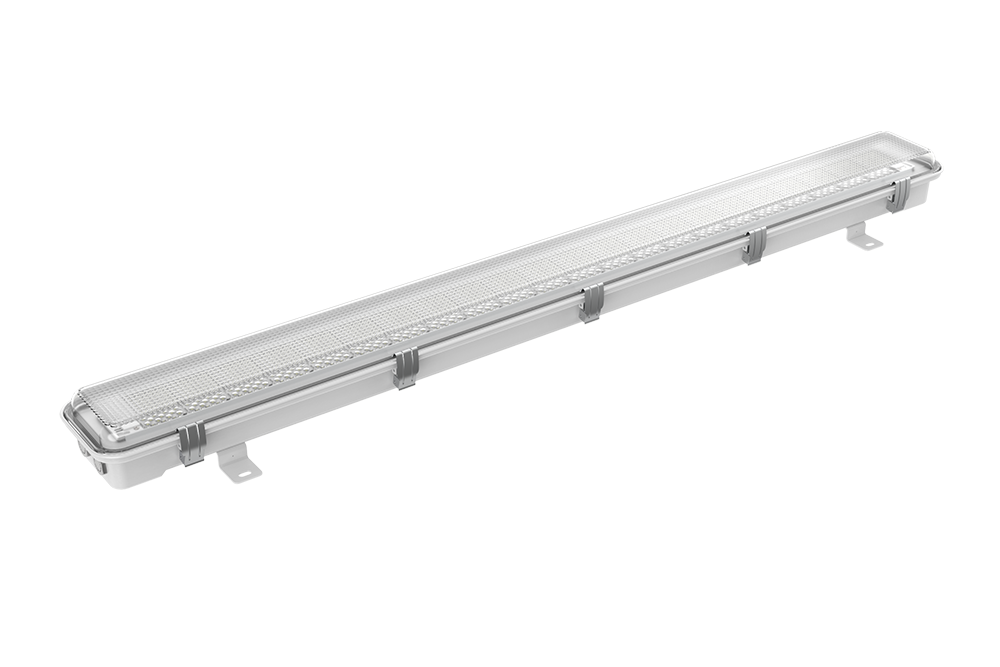
LED Linear Explosion Proof Lights and EX Proof lights for Zone 1, Zone 2, Zone 21 and Zone 22 hazardous areas. ATEX & IECEx certified explosion proof LED linear lighting with emergency function, adjustable power and IP67 protection by SEEKINGLED.
View details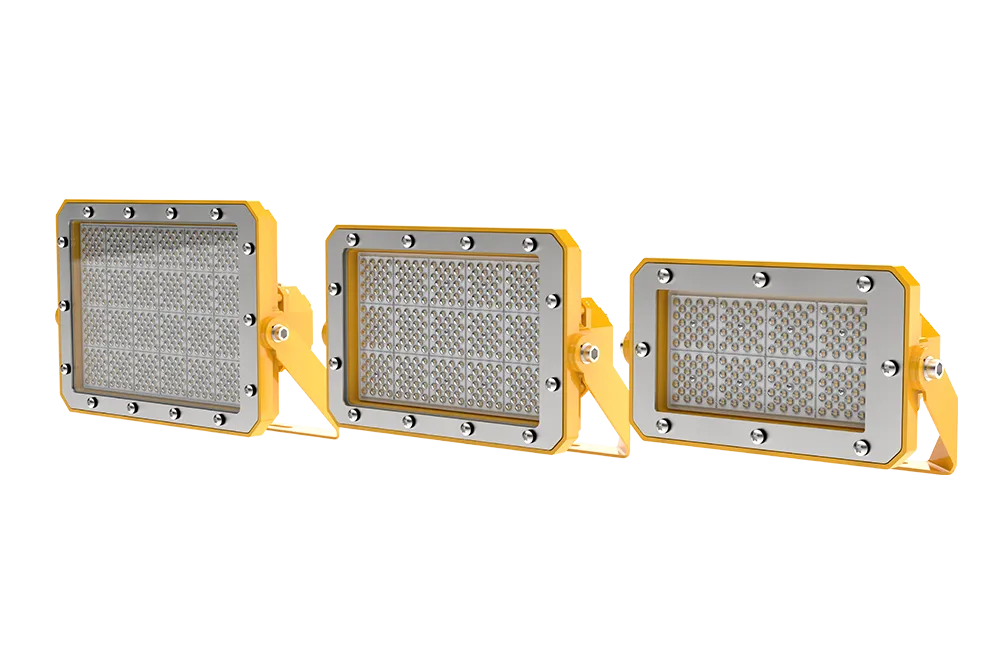
SEEKINGLED LED Explosion Proof Flood Lights are ATEX certified for Zone 2 and Zone 22 hazardous areas, offering high efficiency, adjustable power and integrated junction box.
View details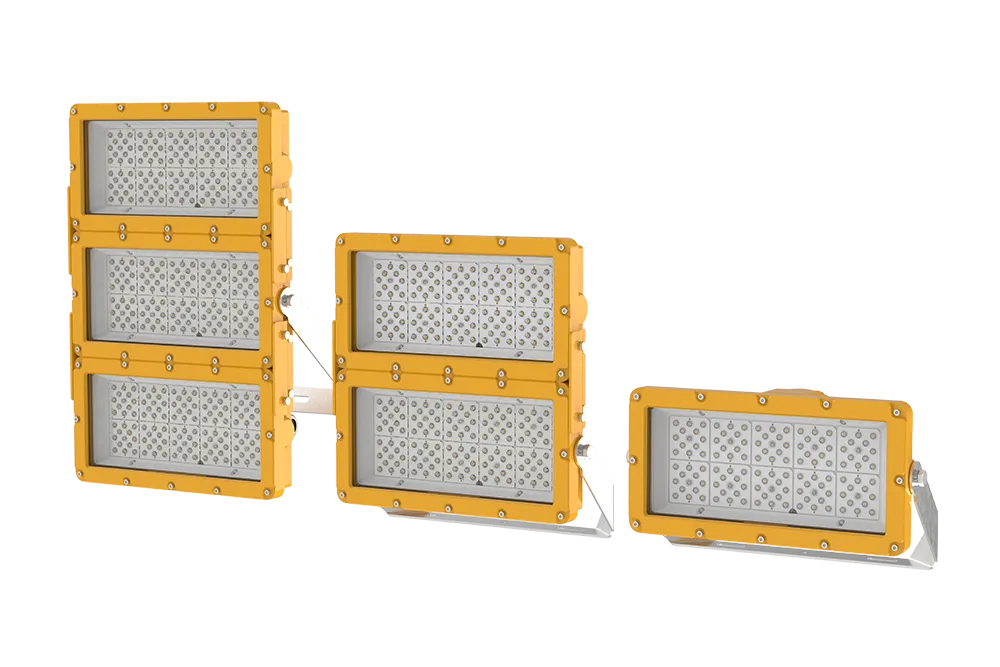
SEEKINGLED LED Explosion Proof Flood Lights are flameproof ATEX and IECEx certified for Zone 1 and Zone 2 hazardous areas, offering high power, adjustable output and long service life.
View details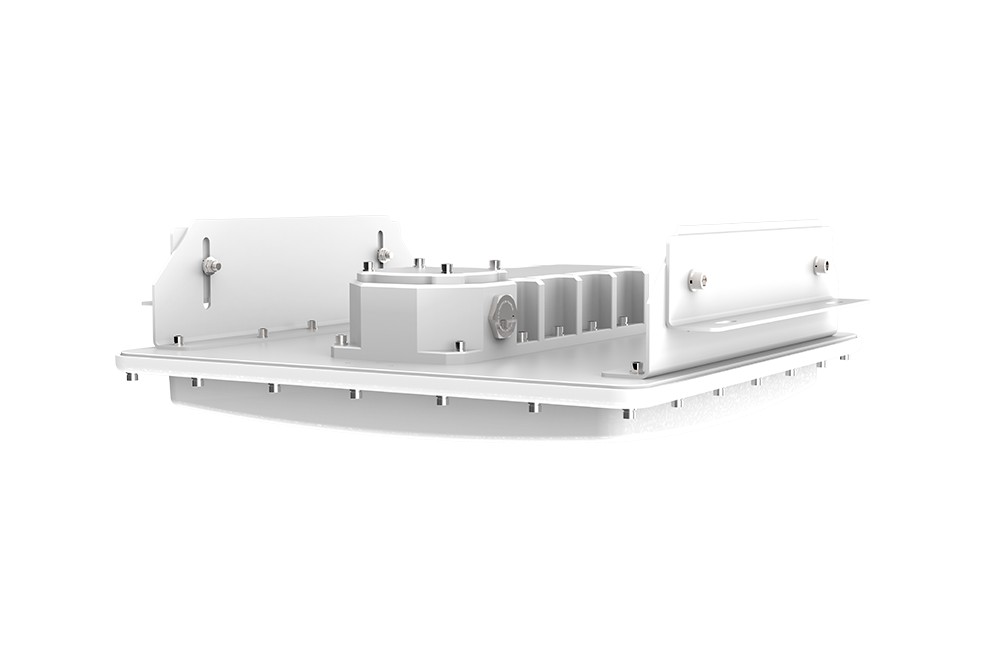
SEEKINGLED LED Gas Station Canopy Lights are ATEX certified for Zone 2 and Zone 22 hazardous areas, featuring adjustable power and built-in explosion-proof junction box.
View details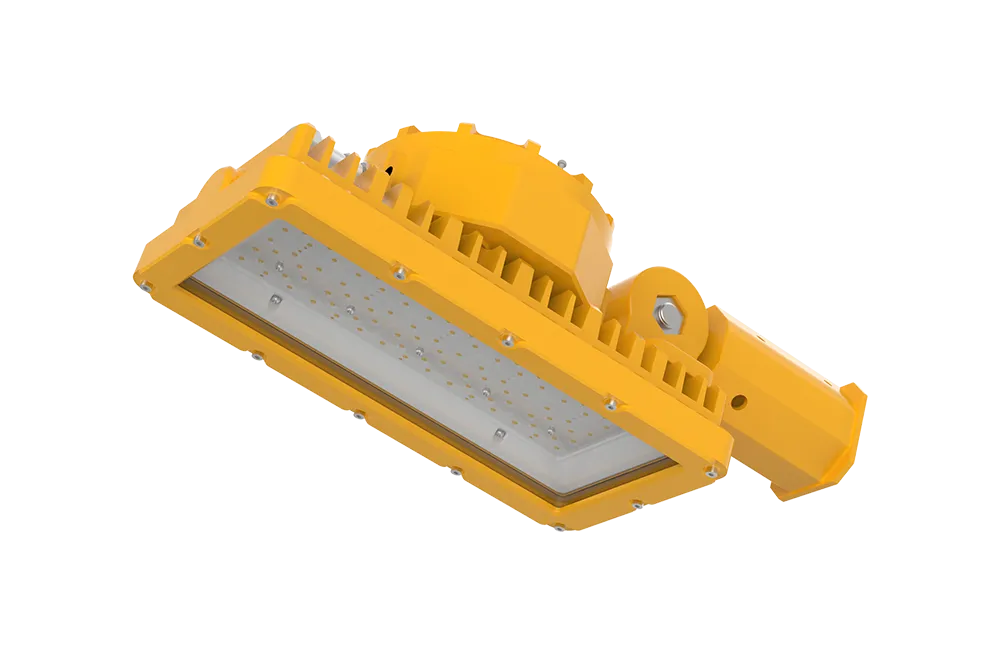
ATEX: Ex II 2G Ex db IIB T6/T5 GbEx II 2D Ex tb IIIC T80°C/ T95°C Db IECEx Ex db IIB T6 Gb;Ex tb IIIC T80°C Db Feature: ● For Zone 1,2 and Zone 21,22● Flameproof type, the strongest● 100W can replace 250W HID,energy saving● Power:60W,80W,100W Application: Oil and gas, marine, Chemical, pharmaceutical, semiconductor,mining,military industr…
View details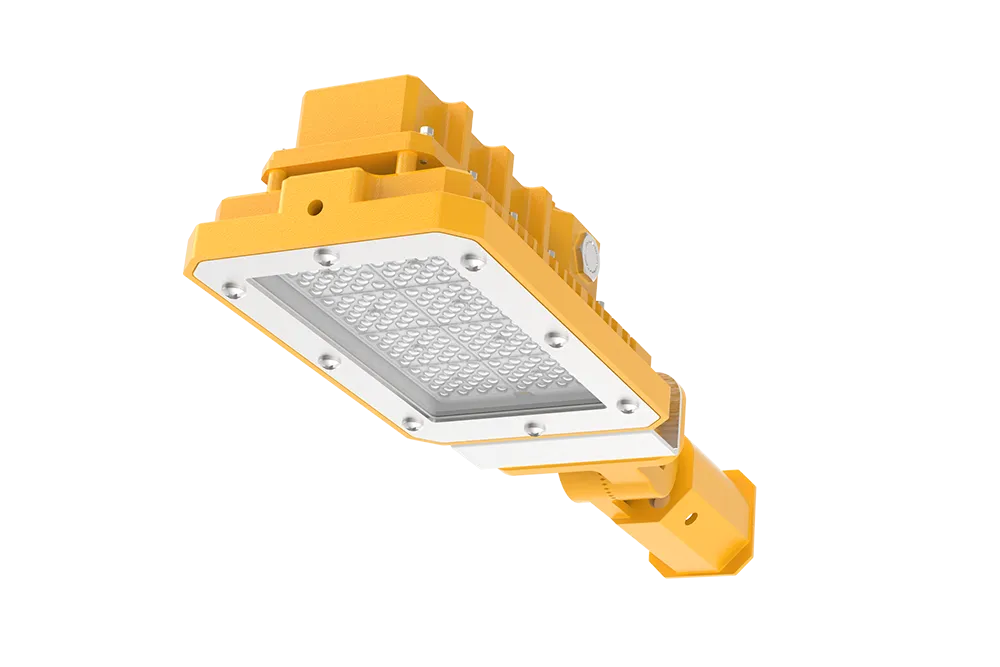
ATEX: II 3G Ex nR ⅡC T5/T6 GcII 3D Ex tc ⅢC T80℃/T95℃Dc ATEX Certificate NO: TÜV CY 26 ATEX 0207611 X Feature: ● For Zone 2 and Zone 22● 150W can replace 250W HID lamps,Energy saving● Power:50W,75W,100W,150W,200W Application: Oil and gas, marine, Chemical, pharmaceutical, semiconductor,mining,military industry, paint booth,power plant ETC…
View details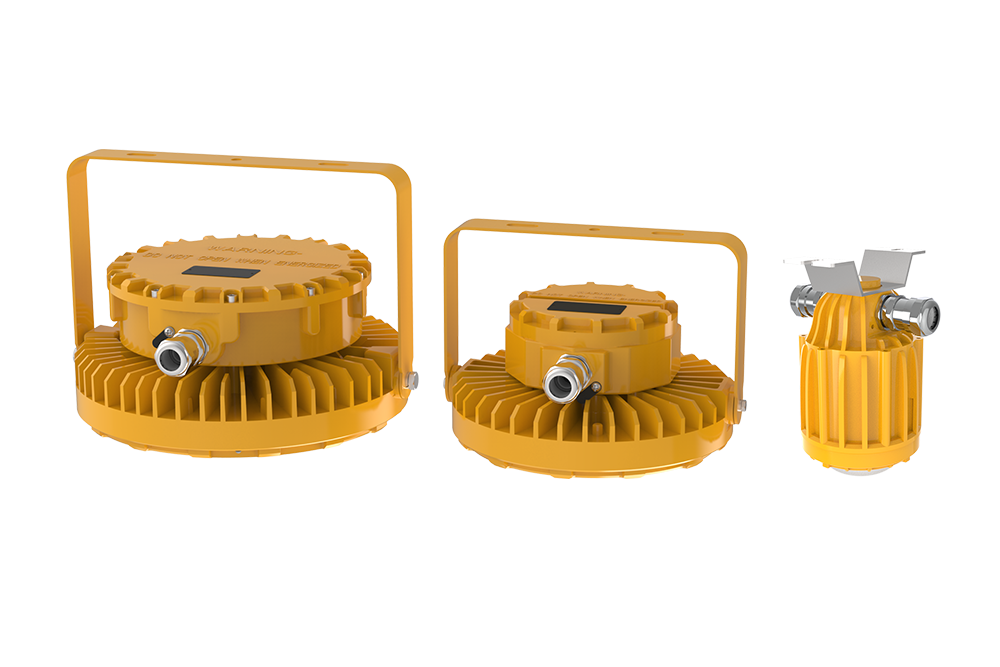
LED explosion proof high bay lights are designed for Zone 1, Zone 2, Zone 21 and Zone 22 hazardous areas. This page introduces the HB21 Series from SEEKING, including certifications, power options and real application considerations.
View details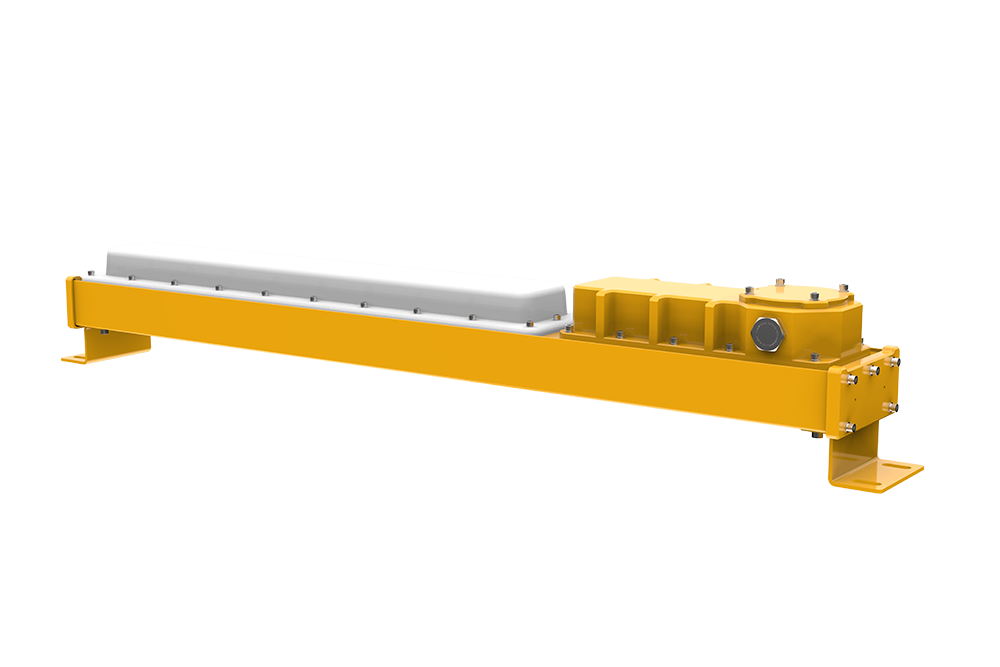
LED Linear Explosion Proof Lights from SEEKINGLED. LU Series Flame Proof lights ATEX-certified explosion proof LED linear lighting for Zone 2 gas and Zone 22 dust areas, IP69K, IK10, long lifetime and flexible power options.
View details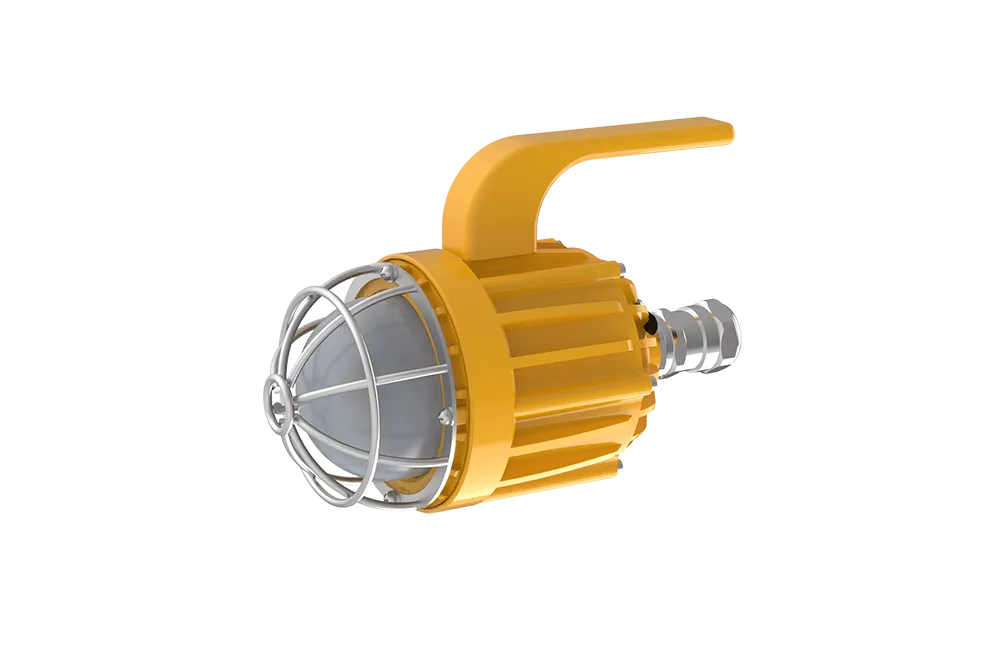
Certified explosion proof work lights for Zone 1 & 21 hazardous areas. Portable, ATEX & IECEx approved, built for oil, gas and chemical plants by SEEKINGLED.
View details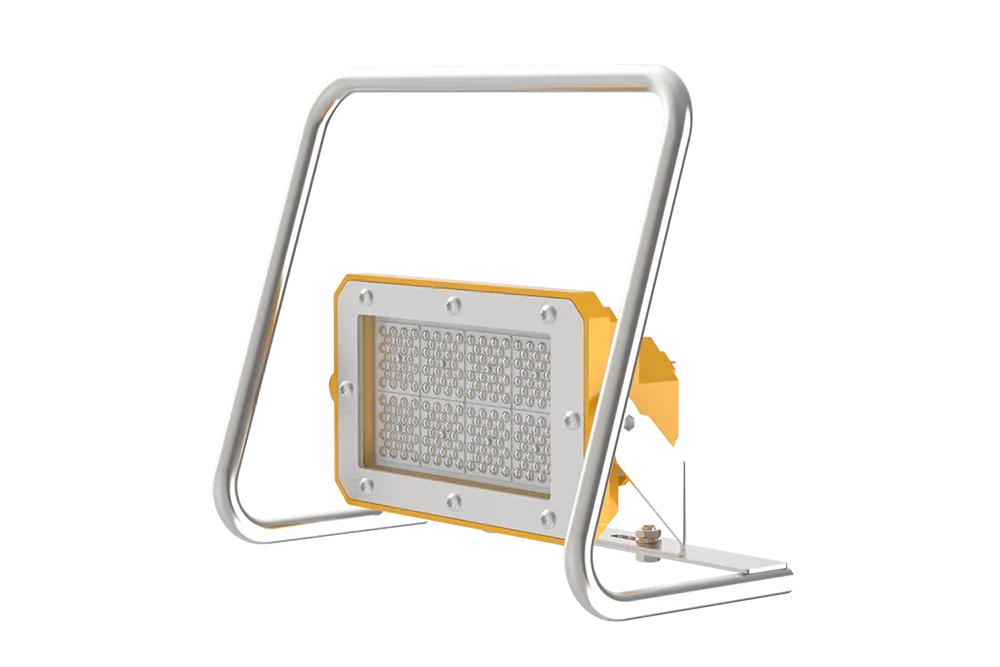
ATEX: II 3G Ex nR ⅡC T6 GcII 3D Ex tc ⅢC T80℃ Dc ATEX Certificate NO: TÜV CY 26 ATEX 0207611 X Feature: ● For Zone 2 and Zone 22● Accepts battery-powered supply● indestructible● Power:AC input:50W,75W,100WDC input:15W,25W,35W Application: Oil and gas, marine, Chemical, pharmaceutical, semiconductor,mining,military industry, paint booth,po…
View details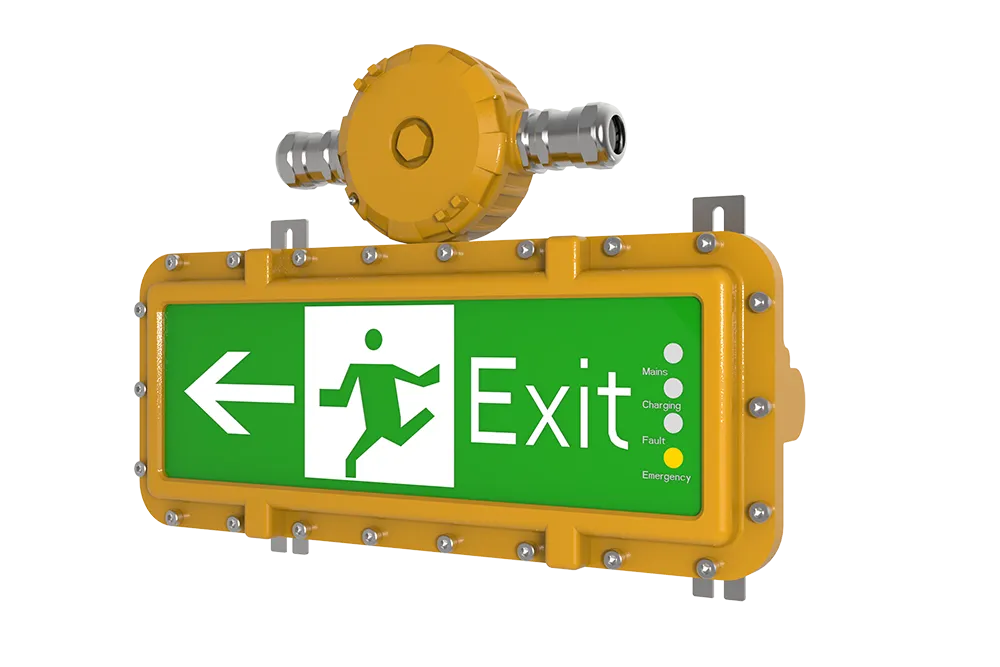
ATEX: Ex II 2G Ex db IIB T6 GbEx II 2D Ex tb IIIC T80°C Db IECEx Ex db IIB T6 Gb;Ex tb IIIC T80°C Db Feature: ● For Zone 1,2 and Zone 21,22● Flameproof type, the strongest Application: Oil and gas, marine, Chemical, pharmaceutical, semiconductor,mining,military industry, paint booth,power plant ETC hazardous area. Technical Specifications:…
View details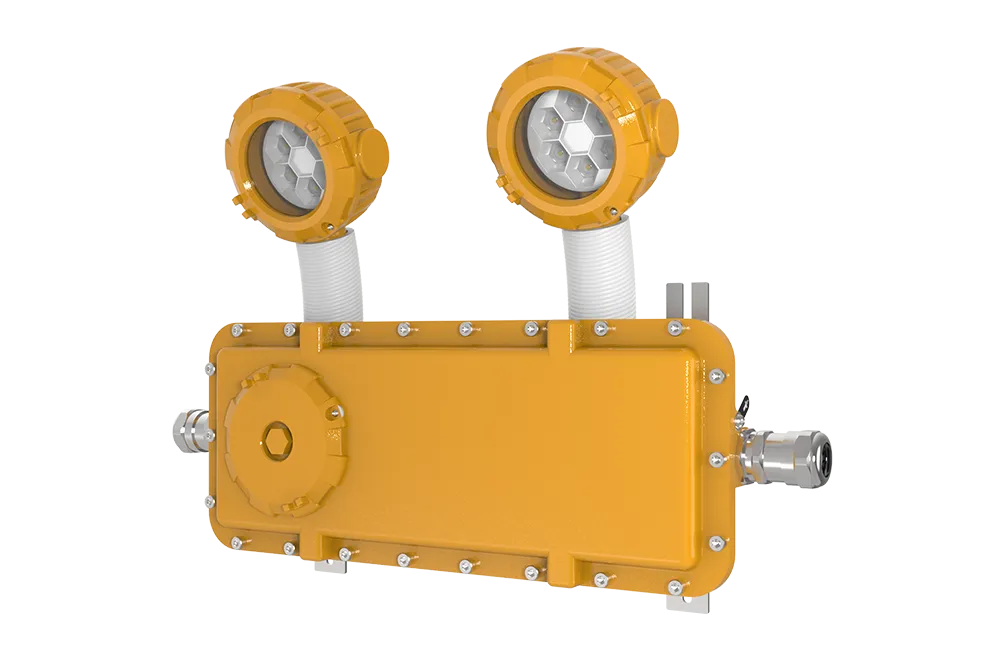
ATEX: Ex II 2G Ex db IIB T6 GbEx II 2D Ex tb IIIC T80°C Db IECEx Ex db IIB T6 Gb;Ex tb IIIC T80°C Db Feature: ● For Zone 1,2 and Zone 21,22● Flameproof type, the strongest Application: Oil and gas, marine, Chemical, pharmaceutical, semiconductor,mining,military industry, paint booth,power plant ETC hazardous area. Technical Specifications:…
View details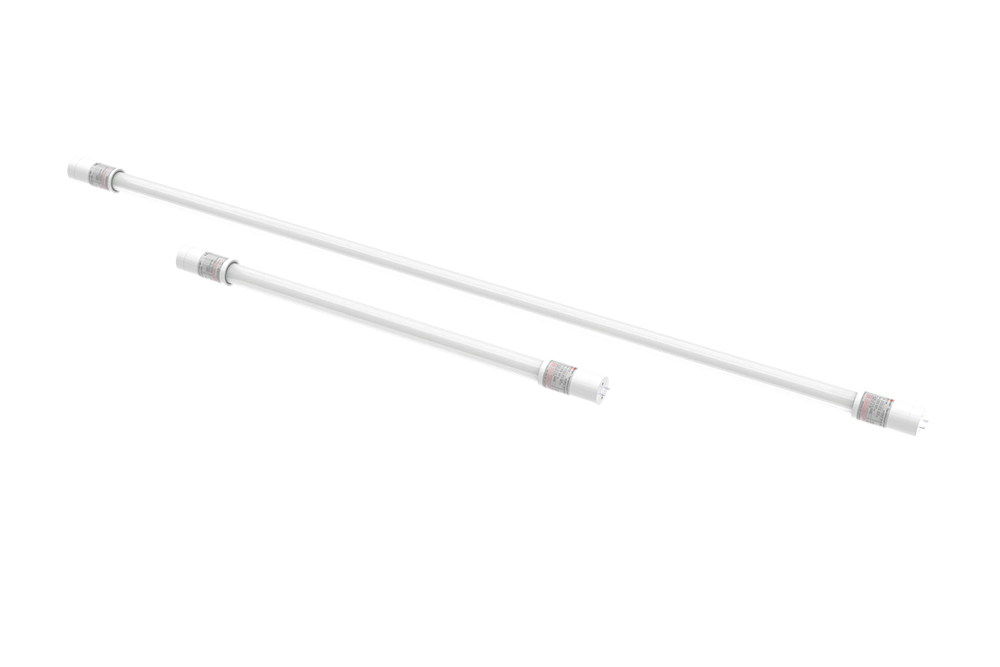
ATEX: Ex II 2G Ex d e IIB T6 Gb ATEX: Ex d e IIB T6 Gb; Feature: ● For Zone 1,2● 9W can replace 18W fluorescent lamps,50% Energy saving Application: Oil and gas, marine, Chemical, pharmaceutical, semiconductor,mining,military industry, paint booth,power plant ETC hazardous area. Technical Specifications: Standards:60079-0, 60079-1, 60079…
View details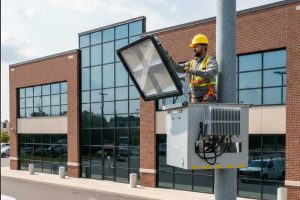
How to change LED flood light bulb correctly? This guide explains when replacement is possible, safety steps, and modern LED flood light design used by SEEKINGLED.
View details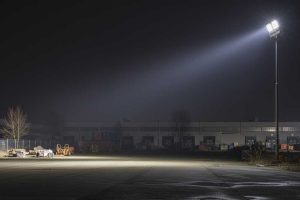
500W LED flood explained for large outdoor projects. Learn where it works, where it fails, and how SEEKINGLED applies it in real installations.
View details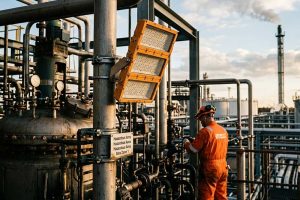
how does explosion proof lighting work in hazardous areas? Learn the real engineering logic behind flameproof housings, ATEX compliance and industrial safety from SEEKINGLED.
View details
What is the most powerful LED flood light? Learn what power really means in outdoor flood lighting, beyond wattage numbers.
View details