 Seeking LED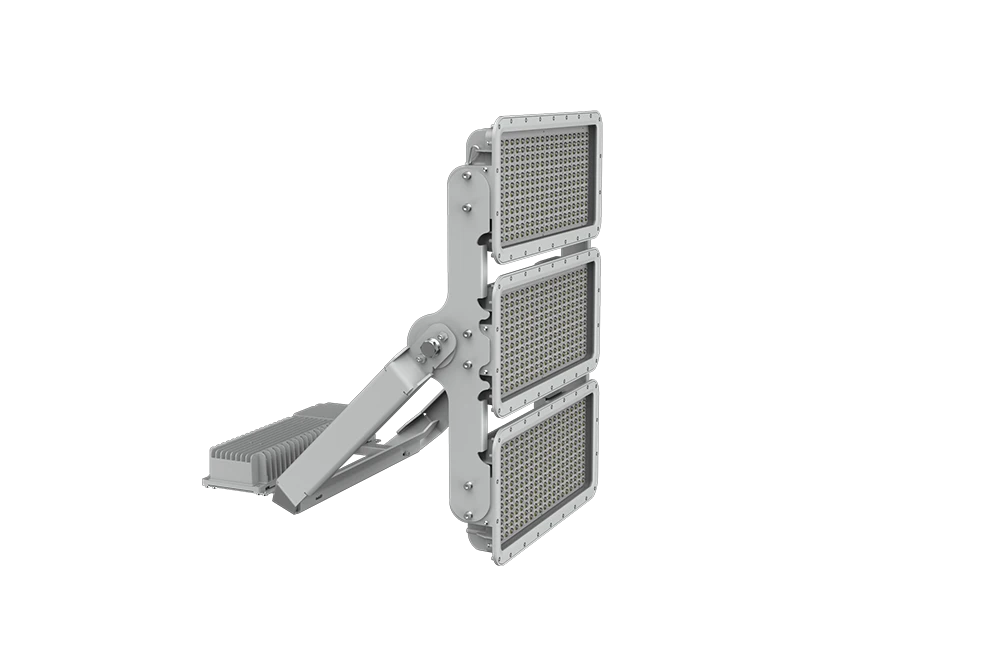
Explosion Proof Light Fixture Guide & Standards
0Explosion proof light fixture ensures safe operation in hazardous areas. Learn design, certifications, materials, and real-world selection tips from SEEKINGLED.
View detailsSearch the whole station
The question “what wattage led flood light do i need” usually appears right before someone buys outdoor lighting. And honestly, wattage is where many people get stuck.
I’ve watched customers spend an hour comparing 50W, 100W, 200W flood lights, assuming the higher number automatically means better lighting. It doesn’t always work that way.
Sometimes a smaller wattage light placed correctly performs better than a larger one installed badly.
So instead of chasing wattage alone, it helps to understand how flood lights actually behave in real environments.
Years ago, lighting decisions were simple. Higher wattage meant more light. That was true for halogen or metal halide fixtures.
LED lighting changed that.
Two different LED flood lights with the same wattage can produce very different brightness levels depending on efficiency.
A modern LED fixture might produce 130–160 lumens per watt, while older designs deliver far less.
According to research referenced by the U.S. Department of Energy, high-efficiency LED systems dramatically outperform traditional lighting in lumen output and energy use.
So when someone asks what wattage led flood light do i need, the better question is actually:
How much area do you want to illuminate?
Over the years working around lighting installations, certain wattage ranges show up again and again.
They aren’t strict rules. But they’re reliable starting points.
Backyards and small gardens
30W – 50W usually works well.
Enough light to see clearly, without turning the yard into a stadium.
Driveways and house exteriors
50W – 100W tends to be the sweet spot.
At this level the beam reaches further, which helps security cameras and motion detection.
Parking areas or large courtyards
100W – 200W flood lights are commonly used.
Now the goal isn’t just visibility. It’s coverage.
Industrial yards or sports areas
200W – 500W fixtures appear more often in these environments.
Large outdoor projects typically use multiple high-power lights spaced across the area.
When we work with SEEKINGLED industrial flood lights, wattage selection often begins with these ranges before adjusting based on mounting height and beam angle.
Here’s something people rarely think about: the height of the installation.
If a flood light sits three meters above ground, a 50W unit might illuminate the entire area comfortably.
Raise that same light to eight meters, and suddenly it feels weak.
Light spreads outward as it travels. The higher the fixture, the wider the beam—and the lower the intensity on the ground.
That’s why stadium lighting uses extremely powerful flood lights. They’re mounted very high.
So when calculating what wattage led flood light do i need, height is often more important than wattage itself.
Another factor that changes everything is beam angle.
A 30° narrow beam concentrates light in a tight area. It looks very bright.
A 120° wide beam spreads the same light across a larger space.
Both fixtures might be 100W. But the visual result is completely different.
This is why professional lighting plans often focus on beam distribution before wattage.
A well-placed narrow beam can outperform a stronger wide beam in certain situations.
Security lighting is one situation where people intentionally choose higher wattage.
Why?
Because cameras perform better with strong illumination.
For example:
Many commercial properties using SEEKINGLED outdoor systems combine several mid-power flood lights rather than relying on a single extremely powerful fixture.
That approach reduces dark zones and shadows.
It happens all the time.
Someone asks what wattage led flood light do i need, then buys the biggest one available just to be safe.
Then they install it over the front door… and the result is blinding.
Too much light creates glare. It can even reduce visibility because the human eye struggles to adjust.
Good outdoor lighting is balanced. Enough brightness to illuminate the area, but not so much that it overwhelms the surroundings.
In residential environments, moderate wattage often works better.
Wattage alone doesn’t determine performance.
High-quality LED flood lights usually include:
These details affect both brightness and lifespan.
In poorly designed fixtures, the LEDs may dim quickly or lose output over time.
That’s why experienced installers often prioritize reliability over raw wattage numbers.
Brands such as SEEKINGLED focus heavily on thermal management and driver stability because outdoor lights operate for thousands of hours every year.
So, what wattage led flood light do i need?
The honest answer depends on three things:
A small backyard might only need 30–50W.
A driveway might benefit from 80–100W.
Large commercial spaces often require 150W or more.
The goal isn’t simply choosing the biggest number.
The goal is choosing the right light for the space.
When wattage, beam angle, and placement come together correctly, even a modest flood light can transform an outdoor area.
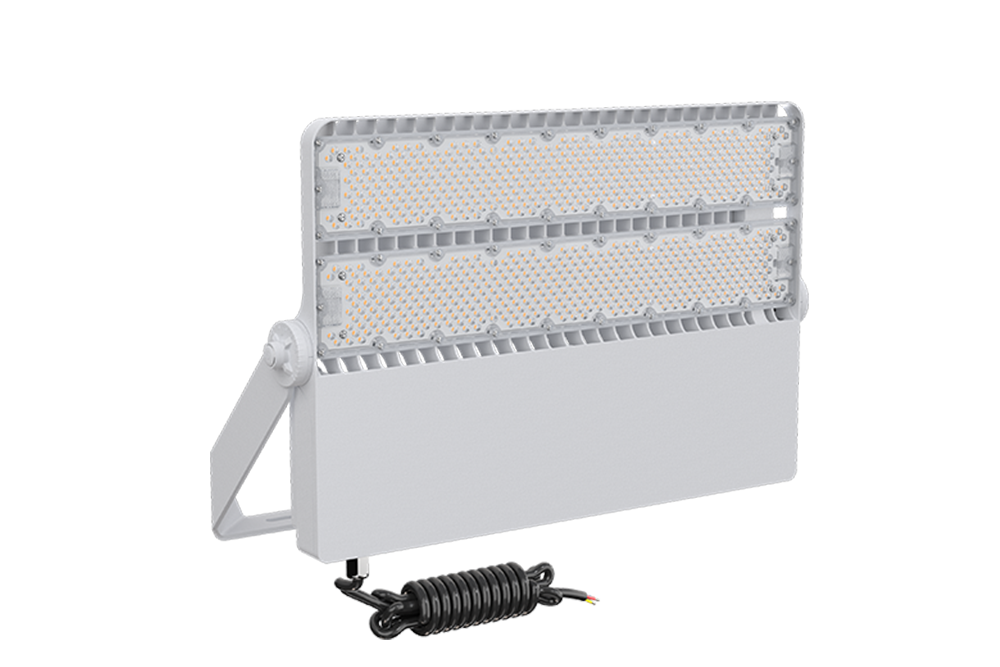
Sports Stadium LED Lighting by SEEKINGLED delivers high mast illumination, precise beam control, and EN 12193 compliant performance for professional venues.
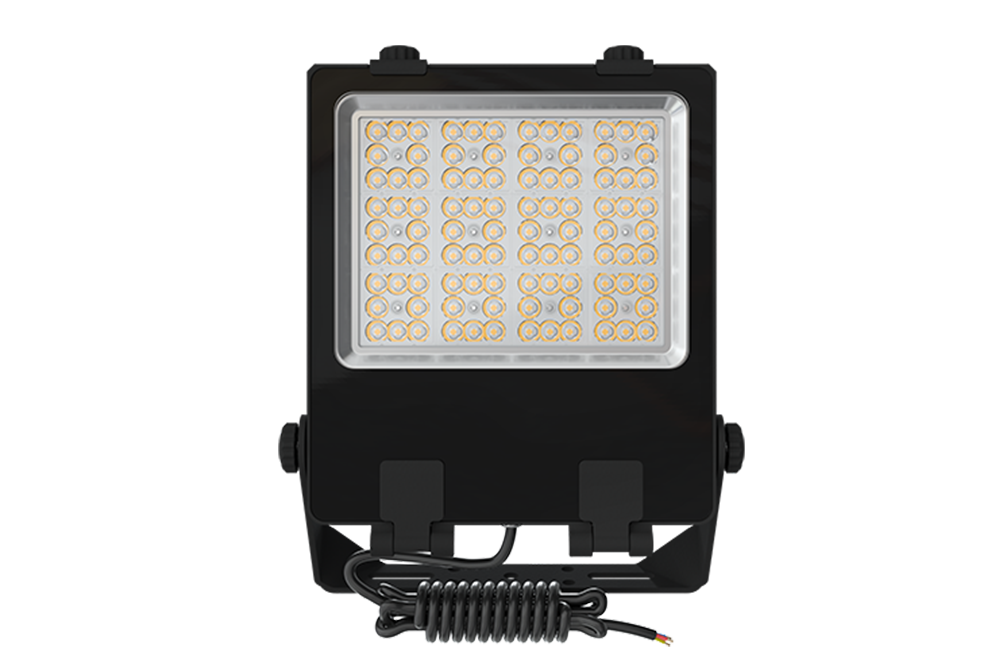
SEEKING FLX Series LED flood light outdoor for sports courts and open-area projects with 170lm/W efficiency, IP66 protection and multiple beam distributions. Designed for long-life commercial and public outdoor use.
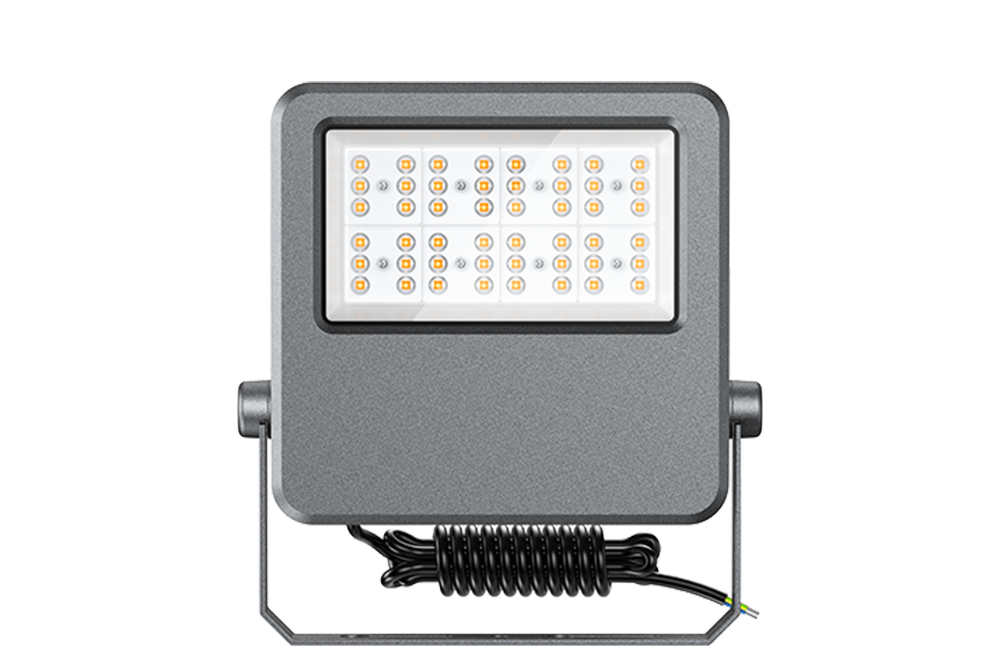
SEEKING FLE Series LED outdoor flood lights for sports grounds and open areas with multiple beam angles, IP66 protection and up to 170lm/W. Designed for long-life outdoor installations with professional driver options.
SEEKING FLD Series outdoor LED flood lights and high power led flood light deliver up to 960W with precision beam angles for sports fields, stadiums and large outdoor areas. IK08 & IP66 protection, 170lm/W efficiency and 100,000h lifetime.
loading…
This is the last post!
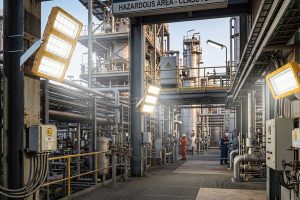
Explosion proof light fixture ensures safe operation in hazardous areas. Learn design, certifications, materials, and real-world selection tips from SEEKINGLED.
View details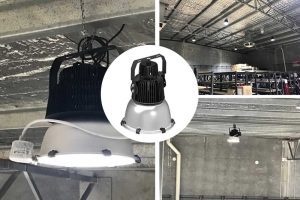
Real project record of XJ-HBS200W high bay with motion and daylight sensor installed in an Australian warehouse, focusing on on-site setup and energy-saving results.
View details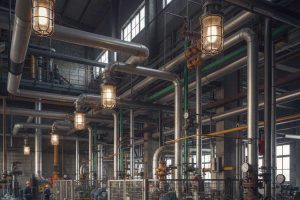
What does explosion proof lighting mean? Learn how certified explosion proof lighting works, where it is required, and why certification matters in hazardous areas. By SEEKINGLED.
View details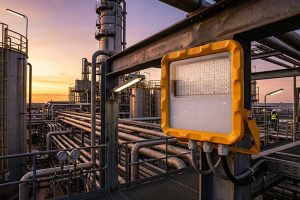
Ex proof lighting fixtures engineered for oil, gas and chemical sites. Certified, durable and project-ready. Discover SEEKINGLED solutions today.
View details