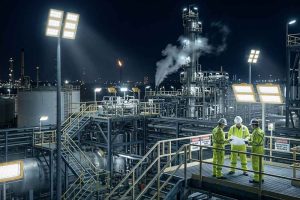
When people talk about hazardous area lighting, they often picture fixed ceiling fixtures in refineries or chemical plants.
But in reality, many of the most critical tasks happen away from permanent lighting. Maintenance crews open valves inside pump stations. Inspectors crawl under offshore pipe racks. Engineers work inside temporary scaffolding structures where overhead lighting simply doesn’t reach.
That is where Hazardous Area Working Lights become essential.
I remember a night inspection at a coastal fuel storage terminal. The permanent floodlighting illuminated the tank yard perfectly, but once technicians moved behind the pumping equipment, everything changed. Pipes cast long shadows. Access platforms blocked most of the overhead light.
Without portable hazardous lighting, the entire job would have slowed down — or stopped.
That situation is far more common than people expect.
Why Temporary Lighting Must Still Be Explosion Safe
In environments containing flammable gases or combustible dust, even temporary equipment must meet strict safety requirements.
International standards such as IEC 60079-0 and IEC 60079-1 define how electrical devices must be designed to prevent ignition in explosive atmospheres. These standards are widely applied across the oil, gas, and chemical industries.
The underlying idea is simple: electrical equipment can generate sparks or heat. If those sparks reach a flammable atmosphere, ignition becomes possible.
According to the International Electrotechnical Commission (IEC), hazardous environments are classified into zones based on how frequently explosive mixtures occur.
For example:
Zone 1 – explosive gas atmosphere likely during operation
Zone 2 – explosive gas atmosphere possible but less frequent
Zone 21 – combustible dust present during normal operation
Zone 22 – dust present occasionally
Any lighting used in these locations must be specifically designed to operate safely within these zones.
That includes portable equipment such as Hazardous Area Working Lights.
Practical Requirements in the Field
Permanent explosion-proof fixtures are usually mounted high above the work area. Portable lights operate differently.
They are handled constantly. Moved between locations. Sometimes knocked against metal structures or exposed to rain and chemical residue.
In other words, the equipment has to survive real industrial conditions.
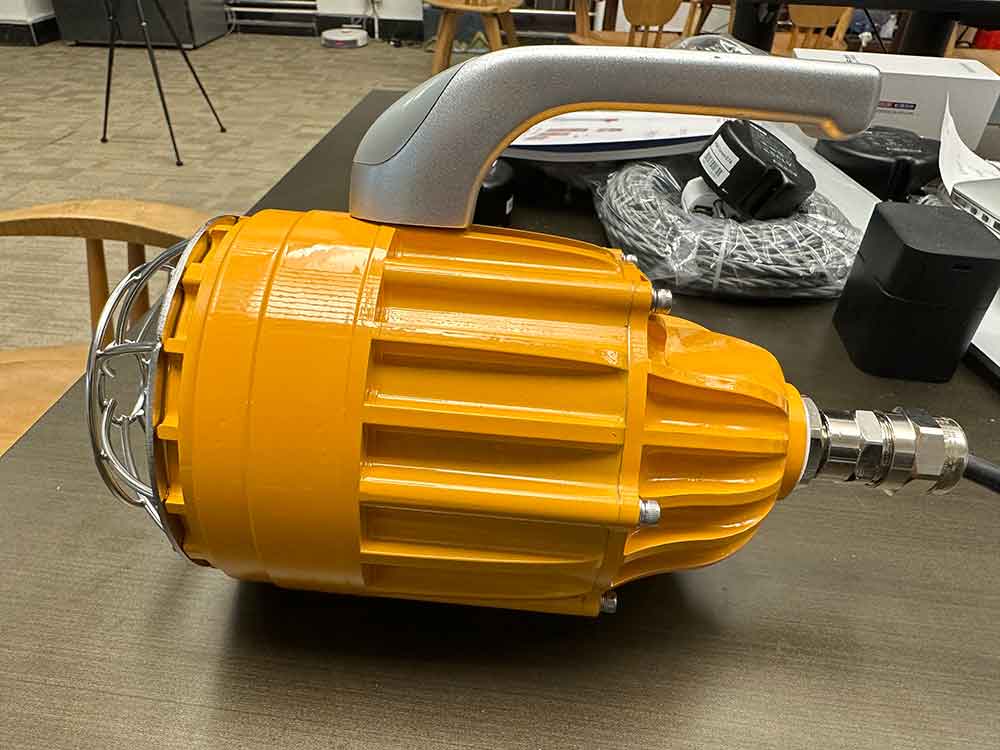
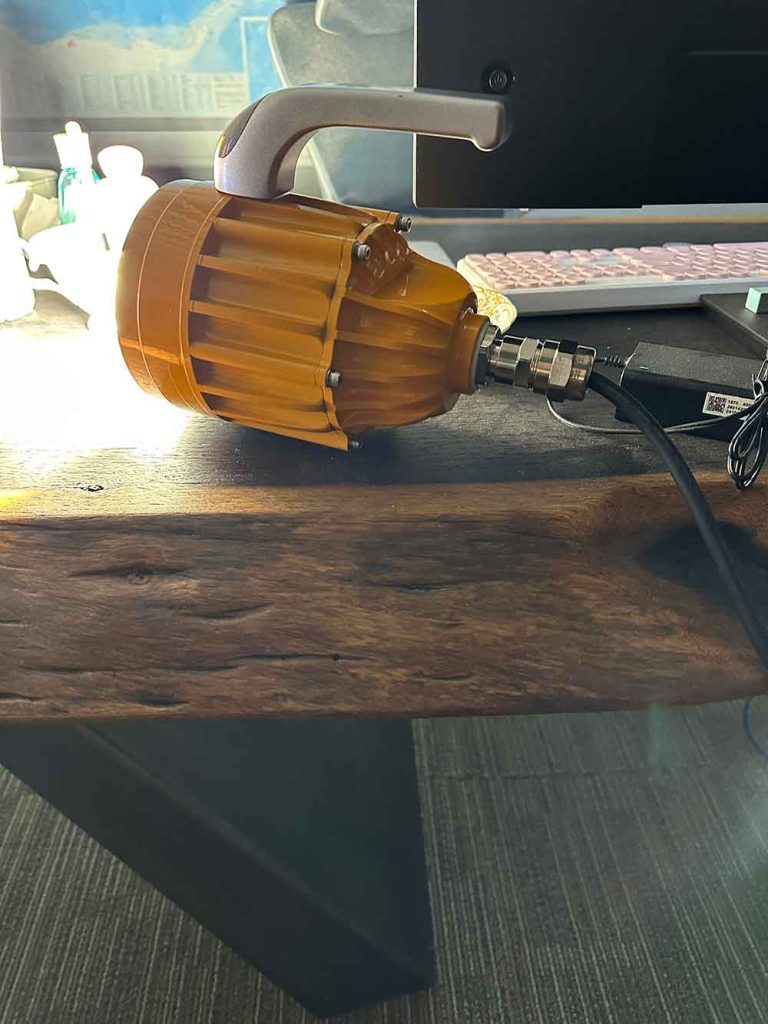
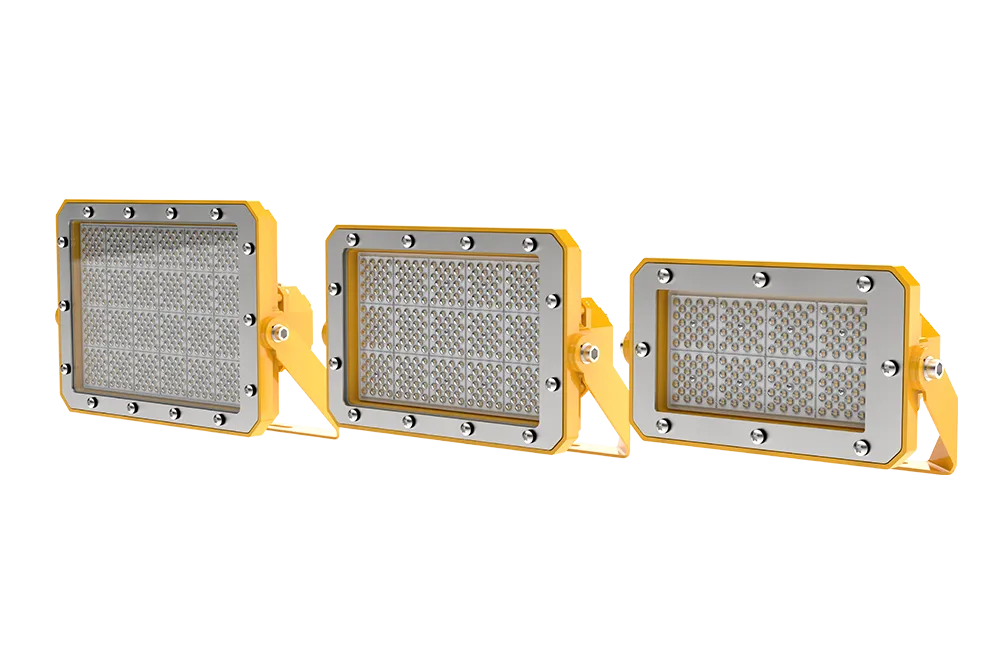
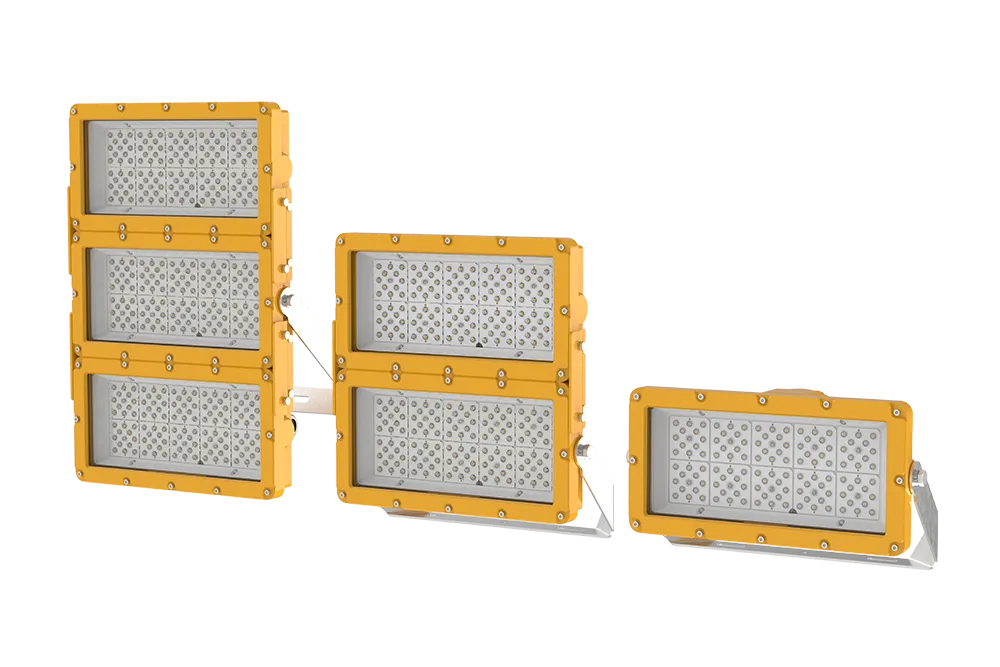
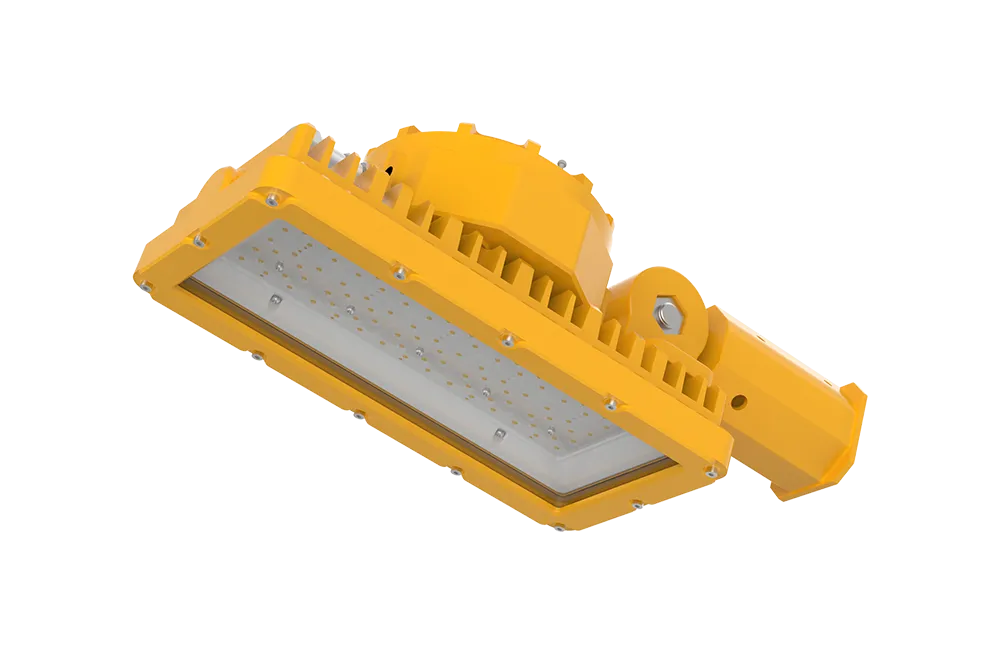
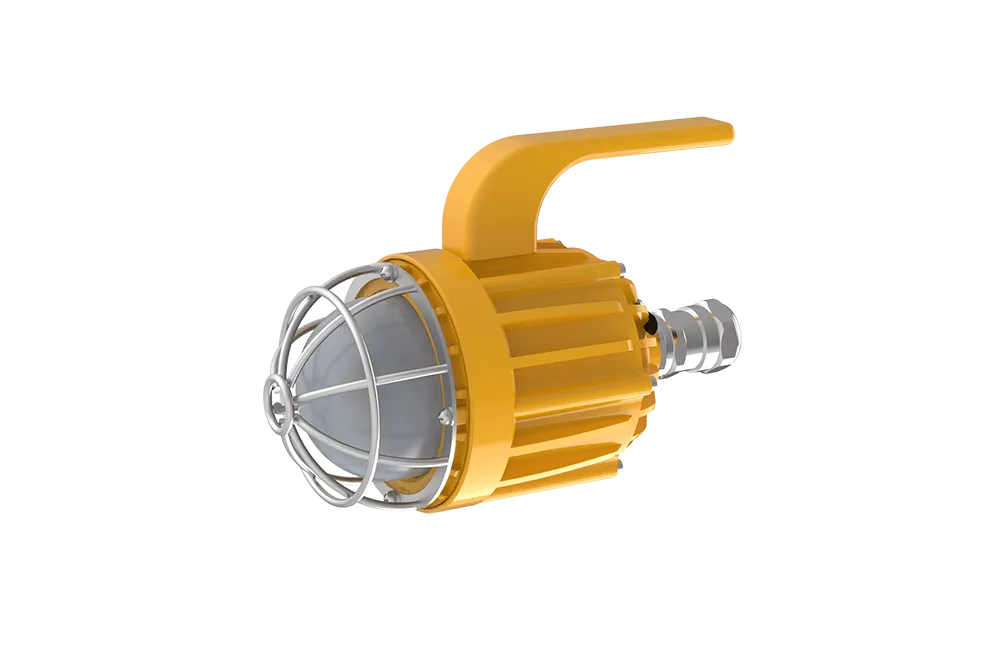
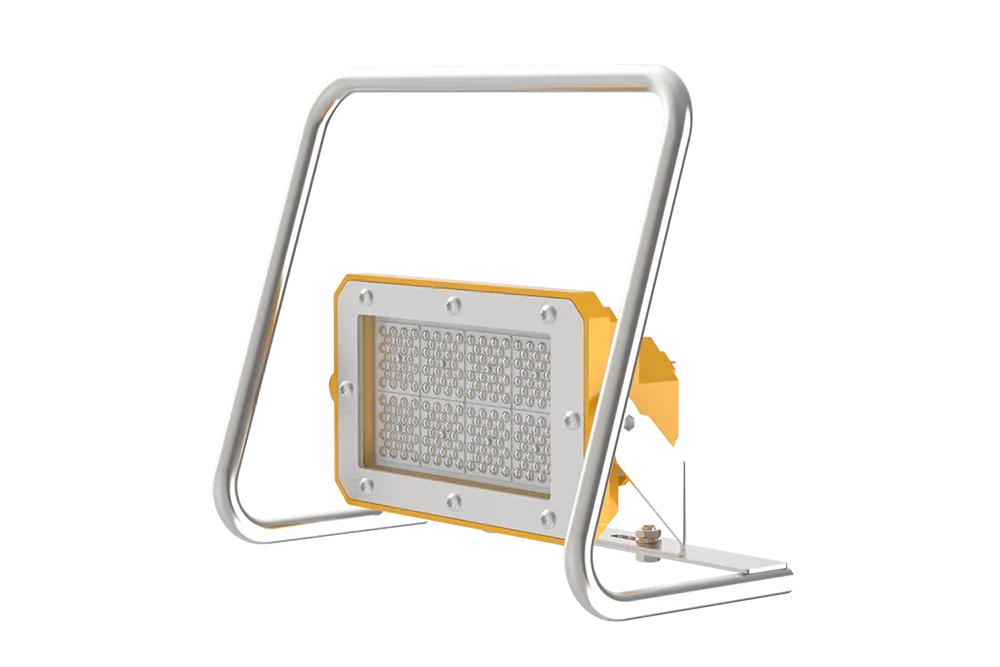
The Hazardous Area Working Lights developed by SEEKINGLED are designed with these situations in mind. The housings are typically built from heavy-duty aluminum alloys with sealed electrical compartments. Protective lenses are reinforced to resist impact.
It’s not unusual to see portable work lights dropped from scaffolding platforms during maintenance work. A standard industrial lamp would fail immediately. Hazardous area equipment cannot.
Durability becomes a safety feature.
Lighting Performance Matters Too
Of course, rugged construction alone does not make a good working light.
Illumination quality matters just as much.
Maintenance technicians frequently work on small mechanical components: pressure gauges, valve stems, sensor connectors. Poor lighting makes these tasks slower and increases the risk of mistakes.
Modern Hazardous Area Working Lights typically use LED sources because they offer strong illumination with relatively low power consumption.
LED technology has advanced quickly over the past decade. According to the U.S. Department of Energy, LED lighting systems can reduce electricity use by up to 75 percent compared with traditional halogen lighting in many industrial applications.
But the benefits go beyond efficiency.
LED light sources also provide:
- instant start with no warm-up time
- stable brightness over long operating hours
- significantly lower heat output
Lower heat is particularly important in hazardous environments where surface temperatures must remain within strict limits.
Long Service Life Reduces Maintenance Risk
Maintenance teams working in explosive environments understand a simple reality: the fewer times equipment needs replacement, the safer the site becomes.
Each time a technician enters a hazardous area to replace equipment, additional safety procedures are required. Permits must be issued. Atmosphere tests conducted. Sometimes operations temporarily paused.
This is one reason why modern Hazardous Area Working Lights are designed for extremely long operating lifespans.
High-quality LED systems can exceed 100,000 operating hours under controlled conditions. In practical terms, this means a work light can remain operational for many years before requiring replacement.
Less maintenance. Fewer disruptions.
In hazardous environments, that matters.
Where Hazardous Area Working Lights Are Used
Portable explosion-safe lighting is widely used across several industries.
Common applications include:
oil and gas production facilities
petrochemical processing plants
offshore drilling platforms
fuel storage depots
marine maintenance operations
During inspections or equipment repairs, workers often need additional localized lighting that permanent installations cannot provide.
That is precisely the role of Hazardous Area Working Lights.
Engineering Experience Behind the Design
Lighting products used in hazardous environments are rarely designed in isolation. Most improvements come from feedback gathered during real installations.
At SEEKINGLED, engineers often work directly with industrial partners when developing lighting solutions. Field feedback influences details such as handle design, mounting options, and cable protection.
Small adjustments sometimes make the biggest difference.
A better grip on the housing. A bracket that fits standard scaffolding rails. A cable entry sealed well enough to survive heavy rain.
These are not features that show up prominently in marketing brochures, yet they determine whether equipment performs reliably during real maintenance work.
Reliable Lighting for Demanding Environments
Industrial facilities operating in hazardous environments require lighting solutions that combine safety certification, durability, and practical usability.
Portable Hazardous Area Working Lights play an important role in these environments by providing reliable illumination during inspections, maintenance tasks, and temporary work operations.
When properly engineered and certified, they allow technicians to work safely even in locations where permanent lighting cannot reach.
And in the demanding conditions of oil terminals, offshore platforms, and chemical plants, that reliability is exactly what operators expect from SEEKINGLED equipment.
Hazardous Area Working Lights recommended
SEEKINGLED LED Linear Explosion Proof Light and Explosion Proof lighting is ATEX and IECEx certified for Zone 1, Zone 2, Zone 21 and Zone 22 hazardous locations, built for long-term industrial use.
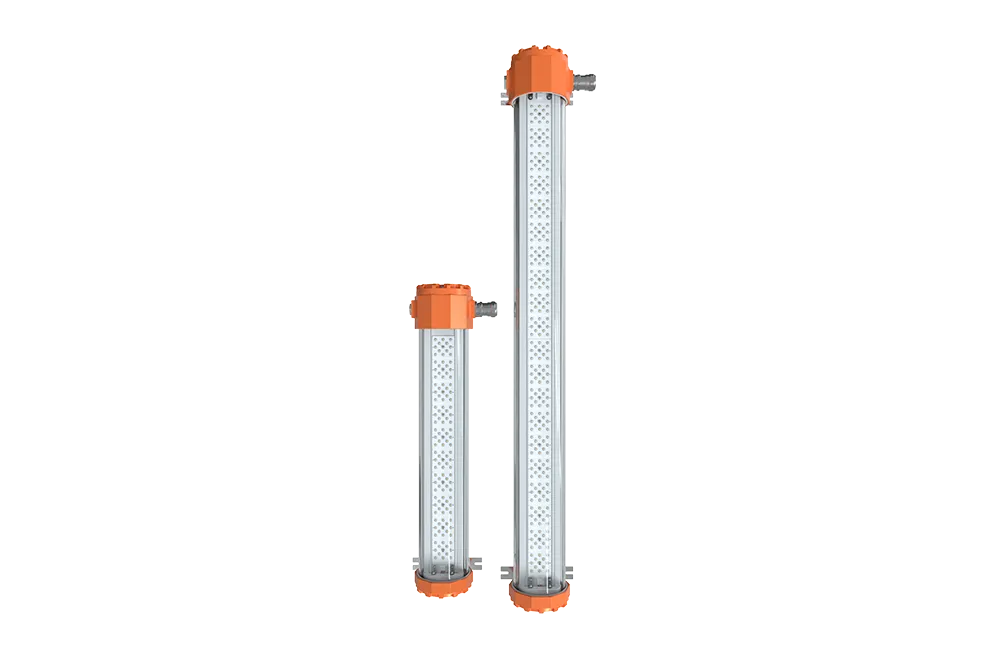
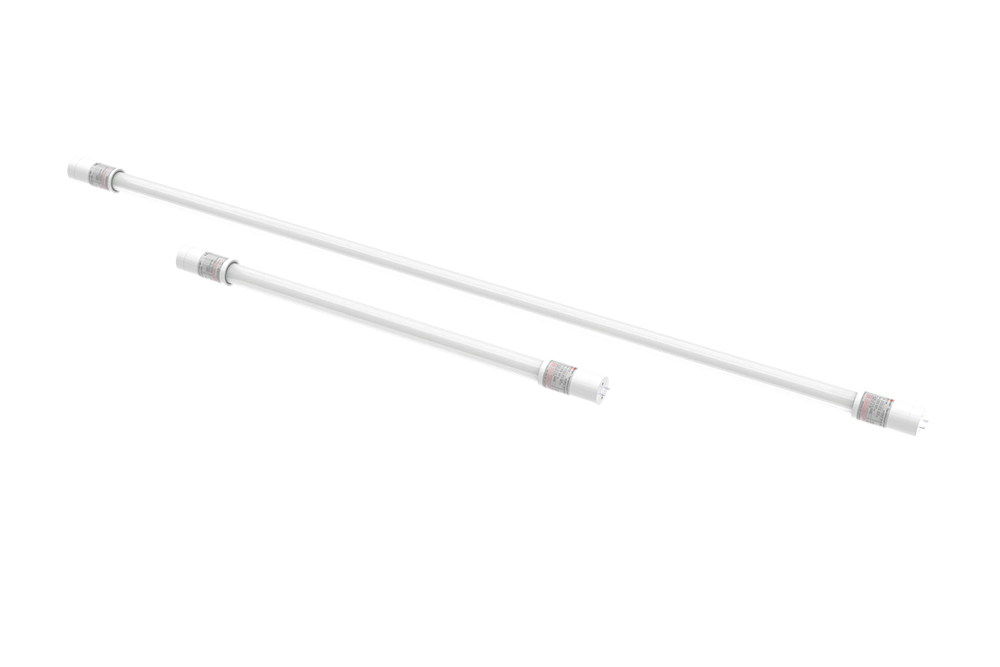
LED Linear Explosion Proof Lights and EX Proof lights for Zone 1, Zone 2, Zone 21 and Zone 22 hazardous areas. ATEX & IECEx certified explosion proof LED linear lighting with emergency function, adjustable power and IP67 protection by SEEKINGLED.
SEEKINGLED LED Explosion Proof Flood Lights are ATEX certified for Zone 2 and Zone 22 hazardous areas, offering high efficiency, adjustable power and integrated junction box.
SEEKINGLED LED Explosion Proof Flood Lights are flameproof ATEX and IECEx certified for Zone 1 and Zone 2 hazardous areas, offering high power, adjustable output and long service life.
SEEKINGLED LED Gas Station Canopy Lights are ATEX certified for Zone 2 and Zone 22 hazardous areas, featuring adjustable power and built-in explosion-proof junction box.
ATEX: Ex II 2G Ex db IIB T6/T5 GbEx II 2D Ex tb IIIC T80°C/ T95°C Db IECEx Ex db IIB T6 Gb;Ex tb IIIC T80°C Db Feature: ● For Zone 1,2 and Zone 21,22● Flameproof type, the strongest● 100W can replace 250W HID,energy saving● Power:60W,80W,10…
ATEX: II 3G Ex nR ⅡC T5/T6 GcII 3D Ex tc ⅢC T80℃/T95℃Dc ATEX Certificate NO: TÜV CY 26 ATEX 0207611 X Feature: ● For Zone 2 and Zone 22● 150W can replace 250W HID lamps,Energy saving● Power:50W,75W,100W,150W,200W Application: Oil and gas, m…
LED explosion proof high bay lights are designed for Zone 1, Zone 2, Zone 21 and Zone 22 hazardous areas. This page introduces the HB21 Series from SEEKING, including certifications, power options and real application considerations.
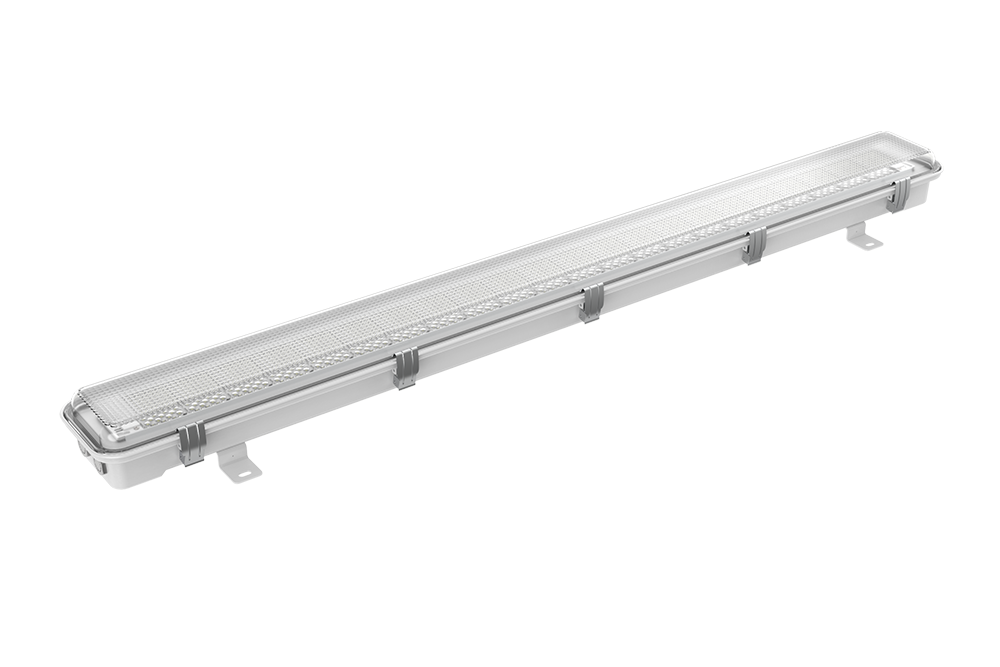
LED Linear Explosion Proof Lights from SEEKINGLED. LU Series Flame Proof lights ATEX-certified explosion proof LED linear lighting for Zone 2 gas and Zone 22 dust areas, IP69K, IK10, long lifetime and flexible power options.
Certified explosion proof work lights for Zone 1 & 21 hazardous areas. Portable, ATEX & IECEx approved, built for oil, gas and chemical plants by SEEKINGLED.
ATEX: II 3G Ex nR ⅡC T6 GcII 3D Ex tc ⅢC T80℃ Dc ATEX Certificate NO: TÜV CY 26 ATEX 0207611 X Feature: ● For Zone 2 and Zone 22● Accepts battery-powered supply● indestructible● Power:AC input:50W,75W,100WDC input:15W,25W,35W Application: O…
ATEX: Ex II 2G Ex db IIB T6 GbEx II 2D Ex tb IIIC T80°C Db IECEx Ex db IIB T6 Gb;Ex tb IIIC T80°C Db Feature: ● For Zone 1,2 and Zone 21,22● Flameproof type, the strongest Application: Oil and gas, marine, Chemical, pharmaceutical, semicondu…
ATEX: Ex II 2G Ex db IIB T6 GbEx II 2D Ex tb IIIC T80°C Db IECEx Ex db IIB T6 Gb;Ex tb IIIC T80°C Db Feature: ● For Zone 1,2 and Zone 21,22● Flameproof type, the strongest Application: Oil and gas, marine, Chemical, pharmaceutical, semicondu…
ATEX: Ex II 2G Ex d e IIB T6 Gb ATEX: Ex d e IIB T6 Gb; Feature: ● For Zone 1,2● 9W can replace 18W fluorescent lamps,50% Energy saving Application: Oil and gas, marine, Chemical, pharmaceutical, semiconductor,mining,military industry, pain…
loading…
This is the last post!
 Seeking LED