 Seeking LED
How long do LED bulbs last in real-world conditions?
72How long do LED bulbs last in real use? Not just theory. Learn lifespan, failures, and field insights from SEEKINGLED for outdoor and industrial lighting.
View detailsSearch the whole station
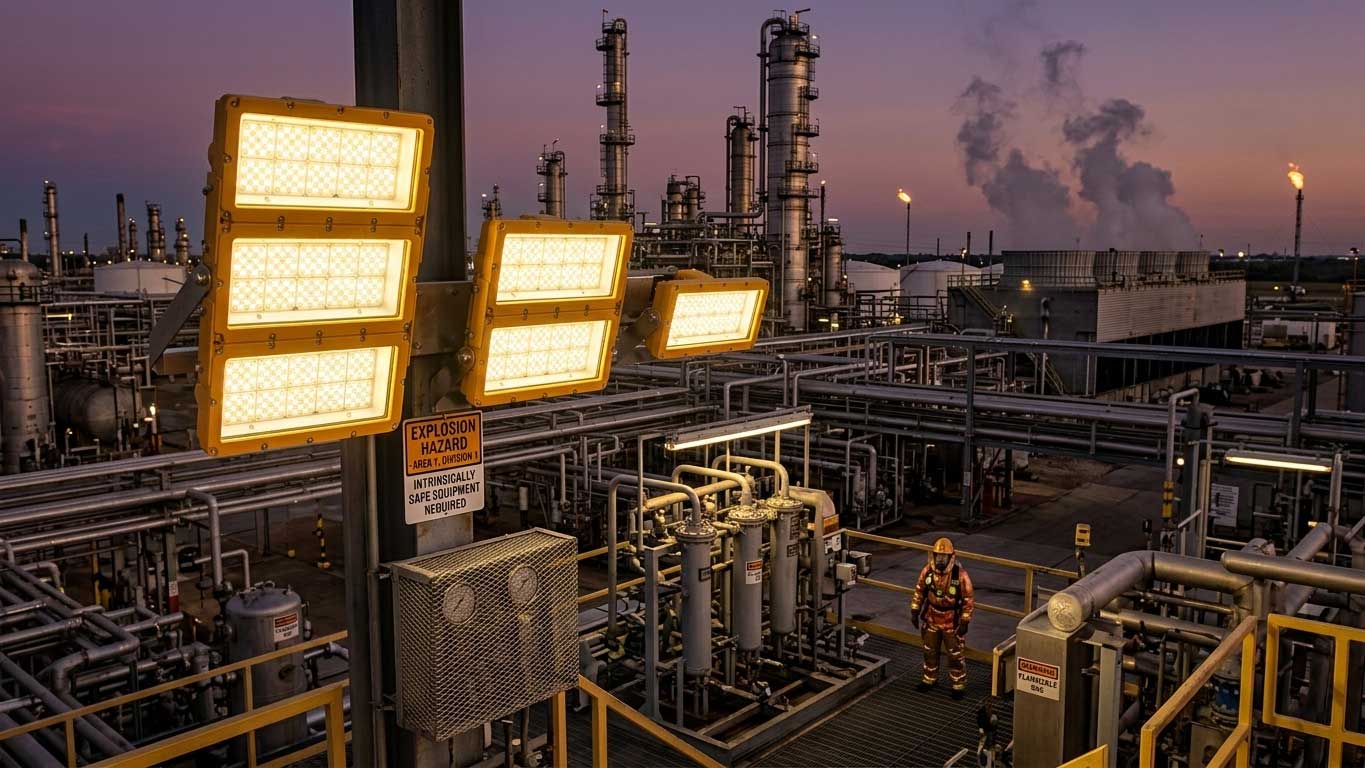
Explosion proof LED lighting Class 1 Division 1 is designed for hazardous areas where flammable gases are continuously or frequently present, using sealed, certified enclosures to prevent ignition and ensure safe operation.
That’s the definition.
But in practice, C1D1 lighting is less about brightness—and more about surviving conditions most fixtures are never built for.
Under the NFPA 70 (National Electrical Code, NEC):
This includes:
According to the U.S. Occupational Safety and Health Administration (OSHA), improper equipment in these areas significantly increases ignition risk during routine operations—not just accidents.
I’ve worked on a tank farm project where vapor presence wasn’t occasional—it was constant.
Standard fixtures failed inspection immediately.
Only Class 1 Division 1 certified lighting passed, because the risk wasn’t hypothetical—it was daily.
A common misconception: these lights “prevent explosions.”
They don’t.
They are engineered to:
According to IEC 60079-1 (Flameproof Enclosures):
This is mechanical engineering, not just electrical design.
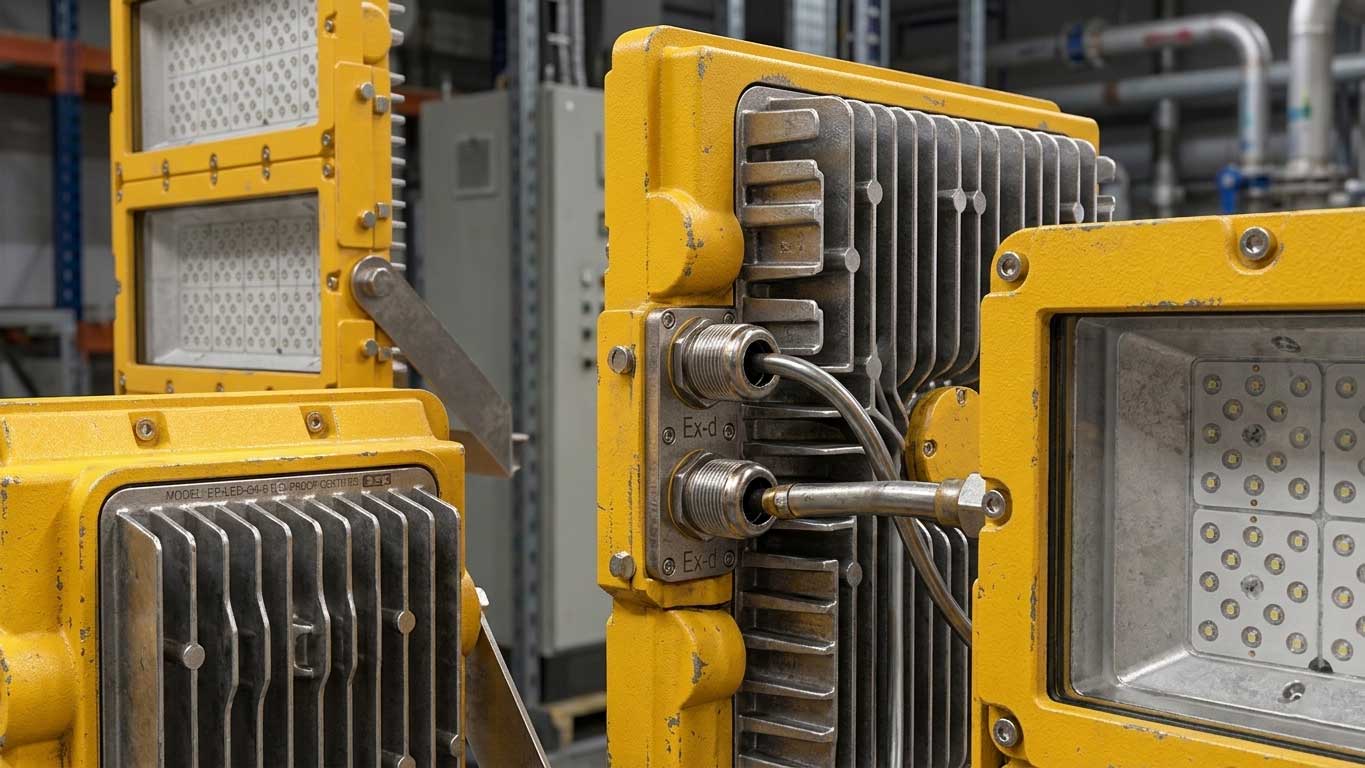
Typical SEEKINGLED C1D1 fixtures include:
Even microscopic gaps are controlled.
I’ve seen fixtures rejected over surface scratches you could barely feel.
According to NFPA data, hazardous locations involving flammable gases require certified equipment to reduce ignition sources in normal operation—not just emergencies.
Compared to traditional lighting:
These factors reduce:
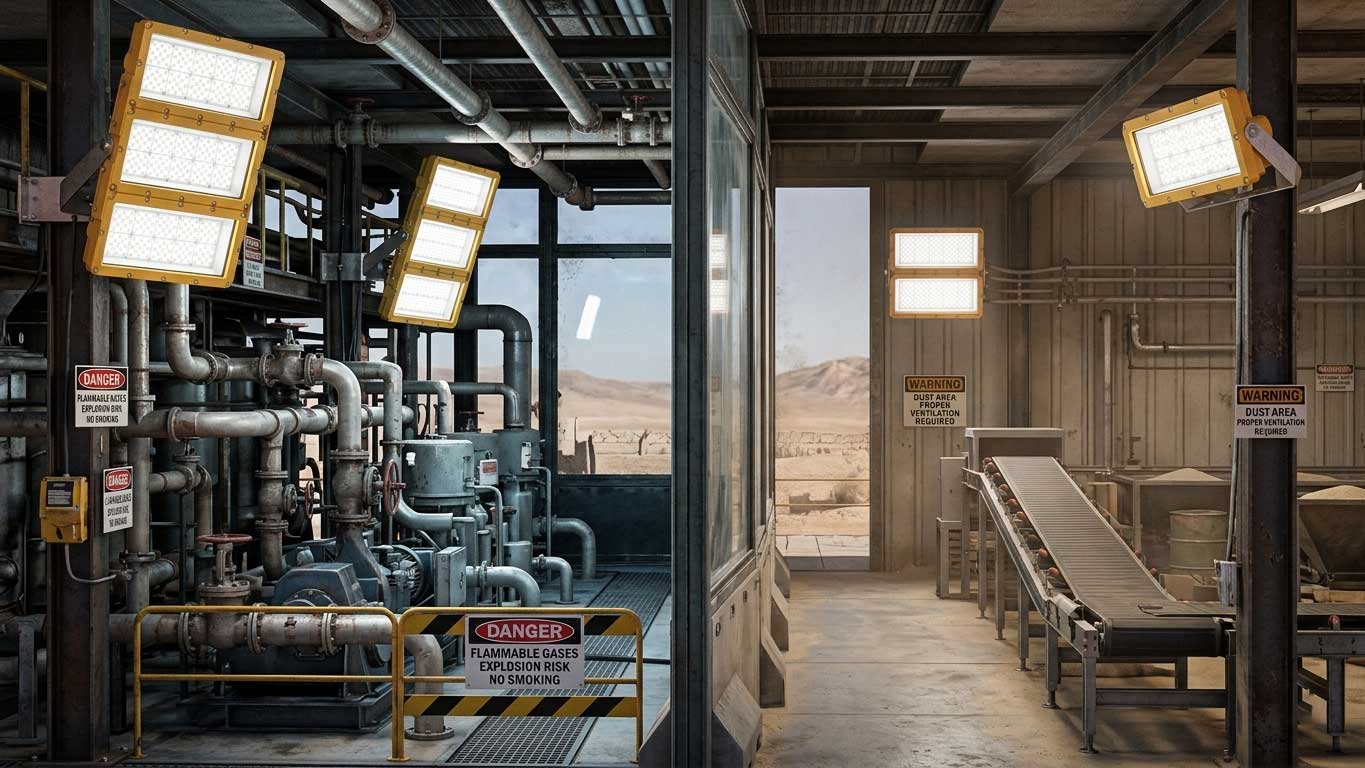
| Feature | Class 1 Division 1 | Class 1 Division 2 |
|---|---|---|
| Gas presence | Continuous | Occasional |
| Safety requirement | Highest | Moderate |
| Fixture construction | Fully explosion-proof | Restricted breathing / sealed |
| Application | Refineries | Storage areas |
One audit I participated in found over 30% of installed fixtures were incorrectly rated—a costly and dangerous oversight.
They are similar but not identical. Mapping exists, but certification systems differ.
Yes—if they are properly certified explosion-proof LED fixtures.
You risk non-compliance, inspection failure, and potential ignition hazards.
This article reflects field experience from SEEKINGLED engineers involved in:
In one refinery upgrade, switching to certified C1D1 LED fixtures reduced maintenance interventions by over 40% within 18 months.
Understanding explosion proof LED lighting Class 1 Division 1 isn’t about memorizing standards.
It’s about recognizing where failure is not an option.
Because in these environments,
lighting isn’t just illumination—it’s part of the safety system itself.
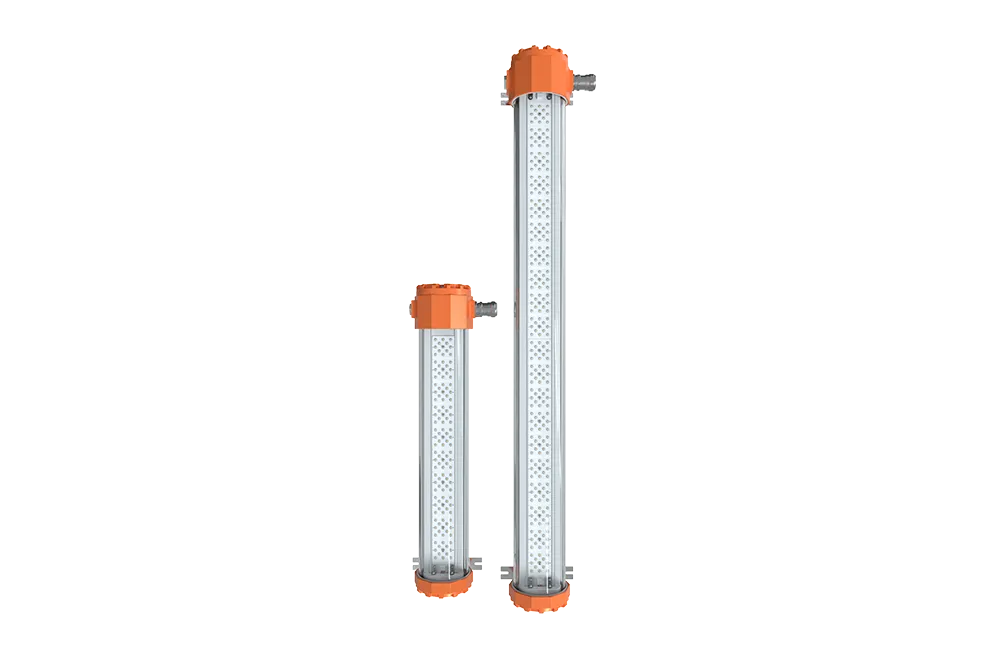
SEEKINGLED LED Linear Explosion Proof Light and Explosion Proof lighting is ATEX and IECEx certified for Zone 1, Zone 2, Zone 21 and Zone 22 hazardous locations, built for long-term industrial use.
View details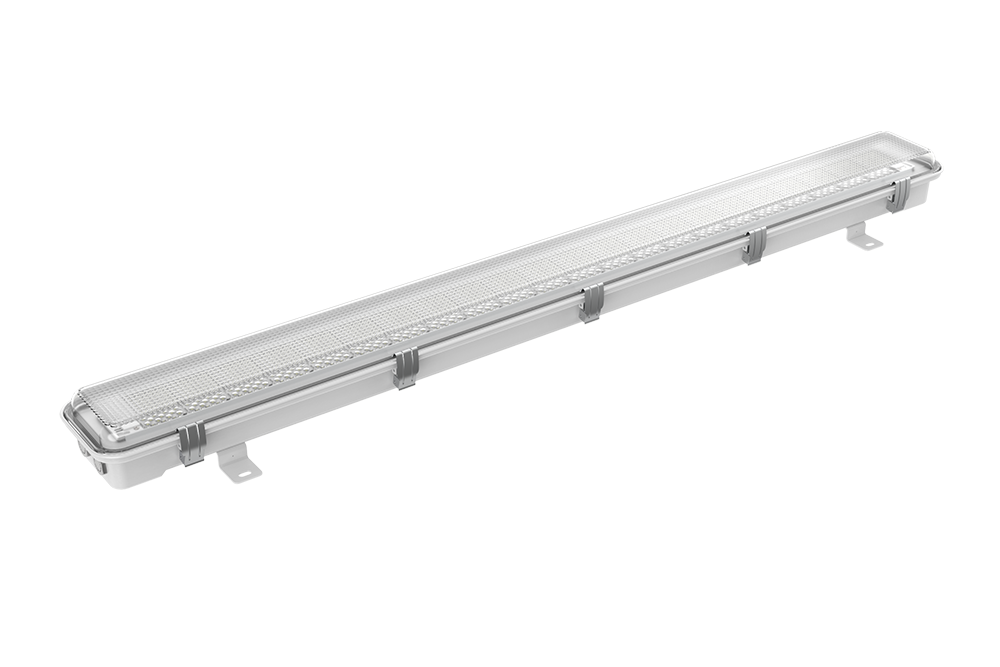
LED Linear Explosion Proof Lights and EX Proof lights for Zone 1, Zone 2, Zone 21 and Zone 22 hazardous areas. ATEX & IECEx certified explosion proof LED linear lighting with emergency function, adjustable power and IP67 protection by SEEKINGLED.
View details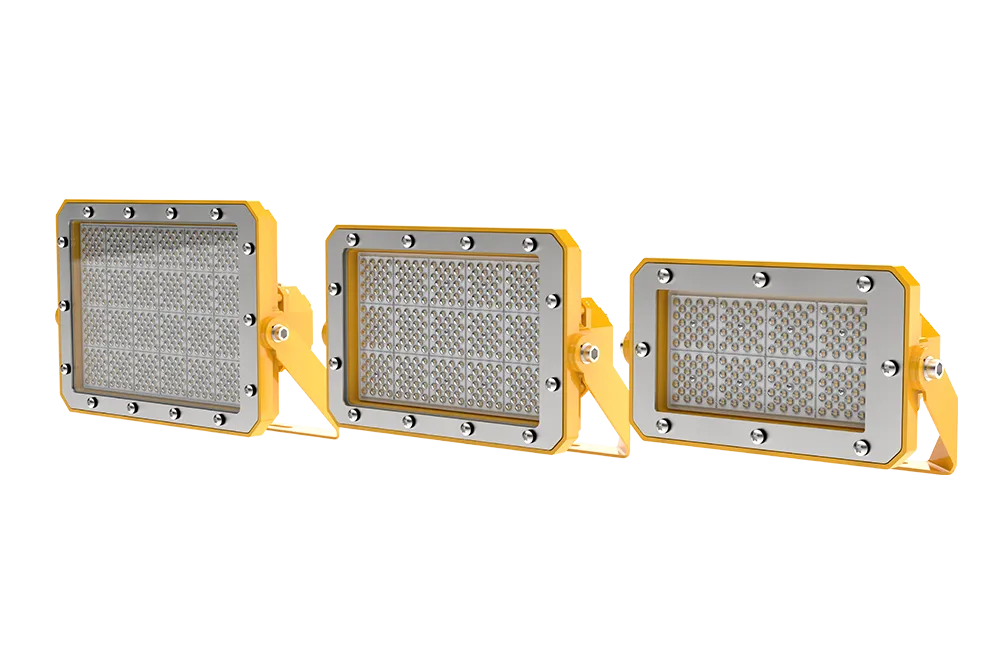
SEEKINGLED LED Explosion Proof Flood Lights are ATEX certified for Zone 2 and Zone 22 hazardous areas, offering high efficiency, adjustable power and integrated junction box.
View details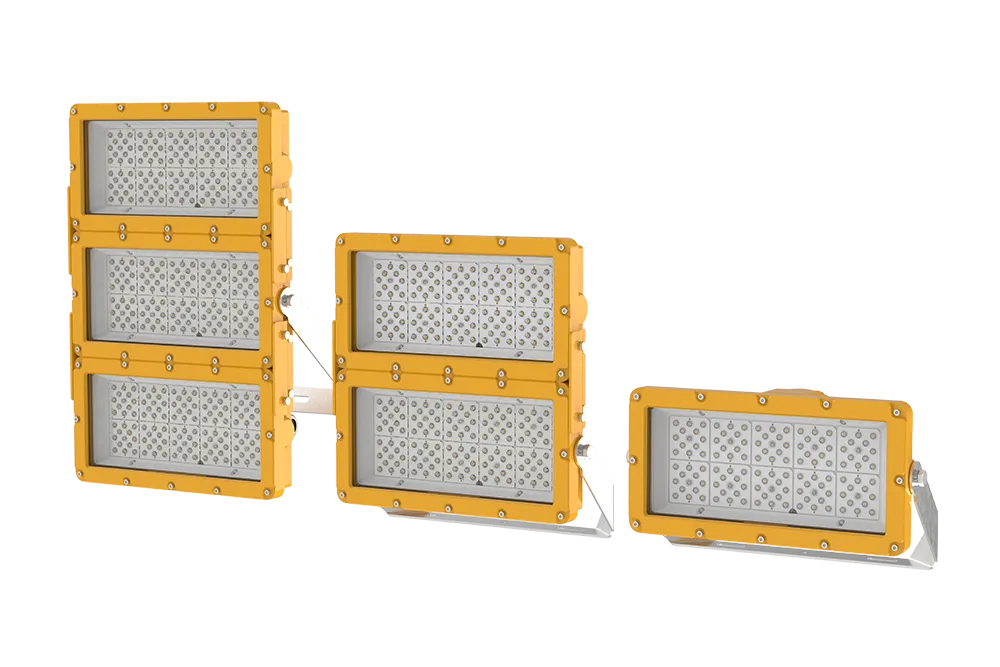
SEEKINGLED LED Explosion Proof Flood Lights are flameproof ATEX and IECEx certified for Zone 1 and Zone 2 hazardous areas, offering high power, adjustable output and long service life.
View details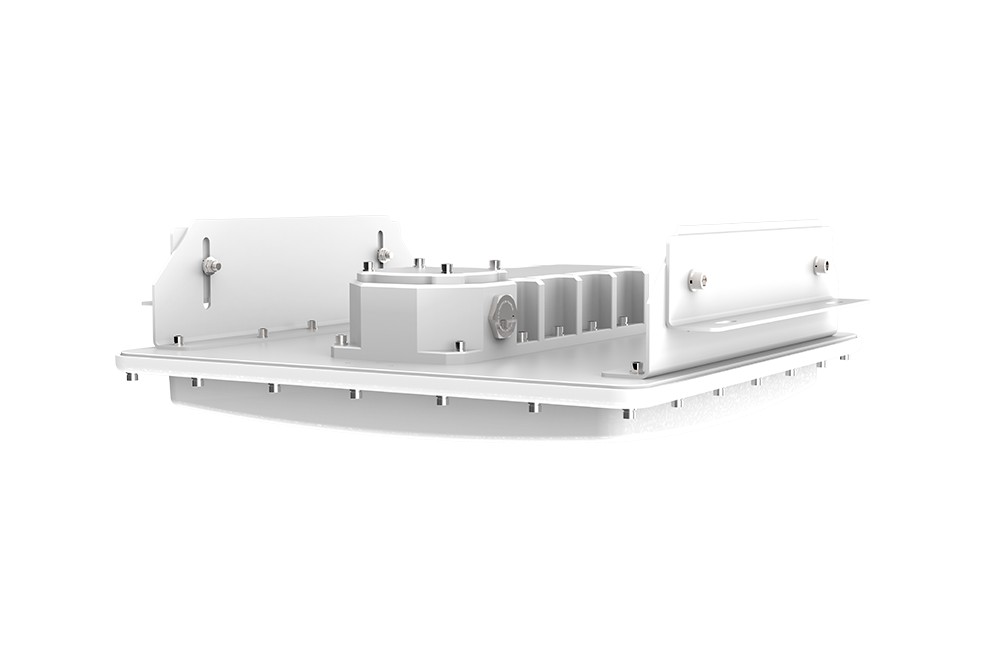
SEEKINGLED LED Gas Station Canopy Lights are ATEX certified for Zone 2 and Zone 22 hazardous areas, featuring adjustable power and built-in explosion-proof junction box.
View details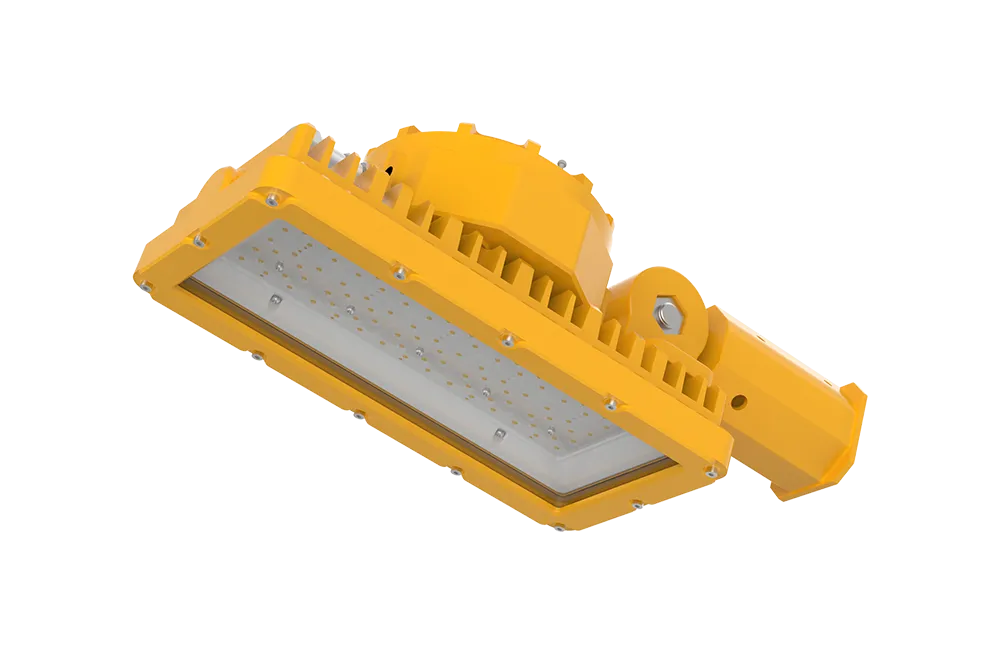
ATEX: Ex II 2G Ex db IIB T6/T5 GbEx II 2D Ex tb IIIC T80°C/ T95°C Db IECEx Ex db IIB T6 Gb;Ex tb IIIC T80°C Db Feature: ● For Zone 1,2 and Zone 21,22● Flameproof type, the strongest● 100W can replace 250W HID,energy saving● Power:60W,80W,100W Application: Oil and gas, marine, Chemical, pharmaceutical, semiconductor,mining,military industr…
View details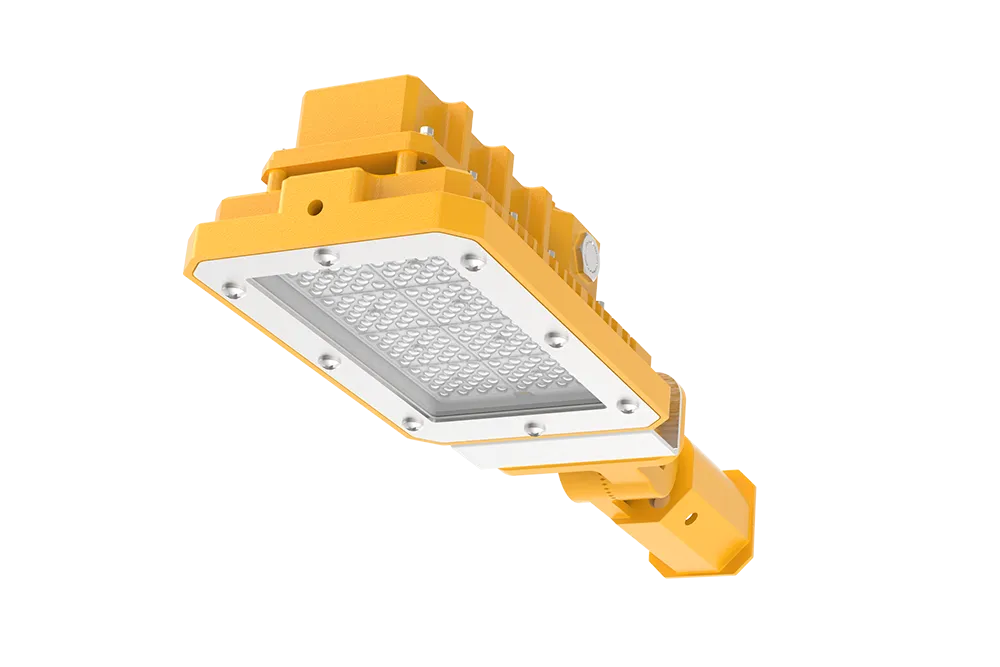
ATEX: II 3G Ex nR ⅡC T5/T6 GcII 3D Ex tc ⅢC T80℃/T95℃Dc ATEX Certificate NO: TÜV CY 26 ATEX 0207611 X Feature: ● For Zone 2 and Zone 22● 150W can replace 250W HID lamps,Energy saving● Power:50W,75W,100W,150W,200W Application: Oil and gas, marine, Chemical, pharmaceutical, semiconductor,mining,military industry, paint booth,power plant ETC…
View details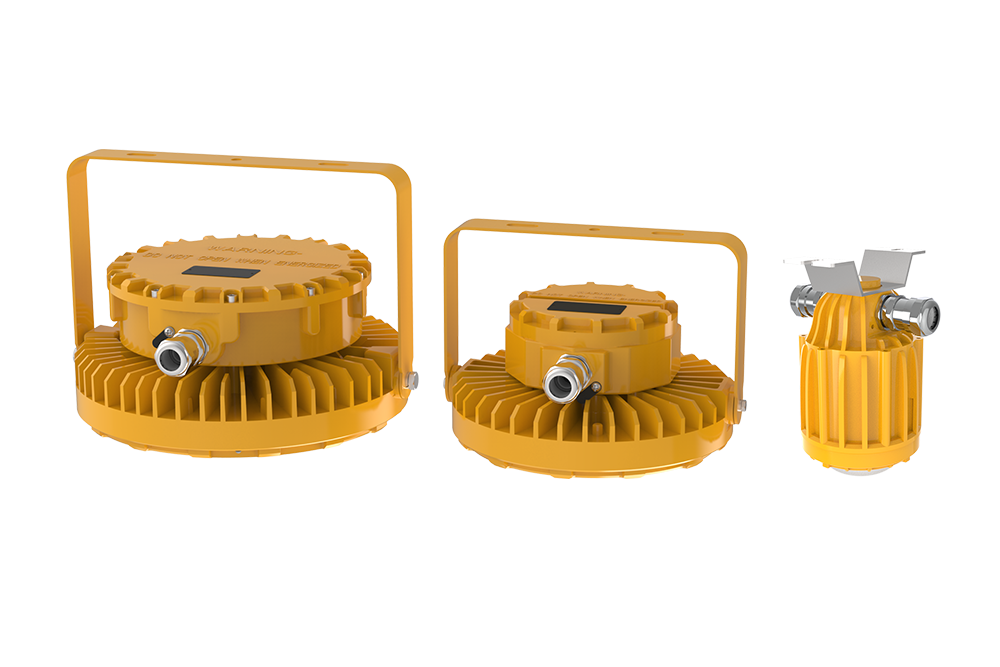
LED explosion proof high bay lights are designed for Zone 1, Zone 2, Zone 21 and Zone 22 hazardous areas. This page introduces the HB21 Series from SEEKING, including certifications, power options and real application considerations.
View details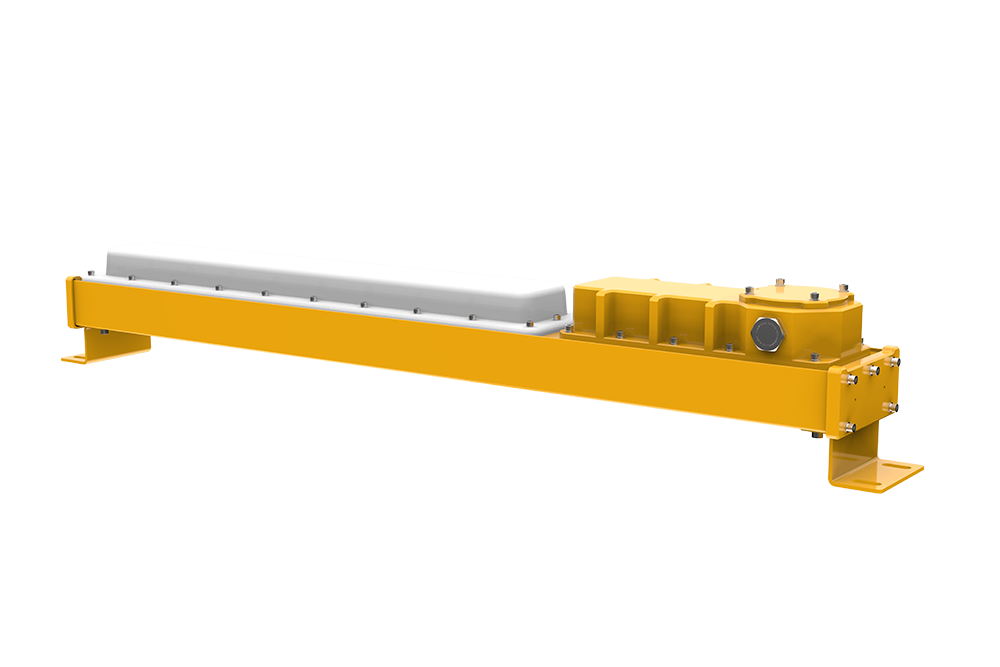
LED Linear Explosion Proof Lights from SEEKINGLED. LU Series Flame Proof lights ATEX-certified explosion proof LED linear lighting for Zone 2 gas and Zone 22 dust areas, IP69K, IK10, long lifetime and flexible power options.
View details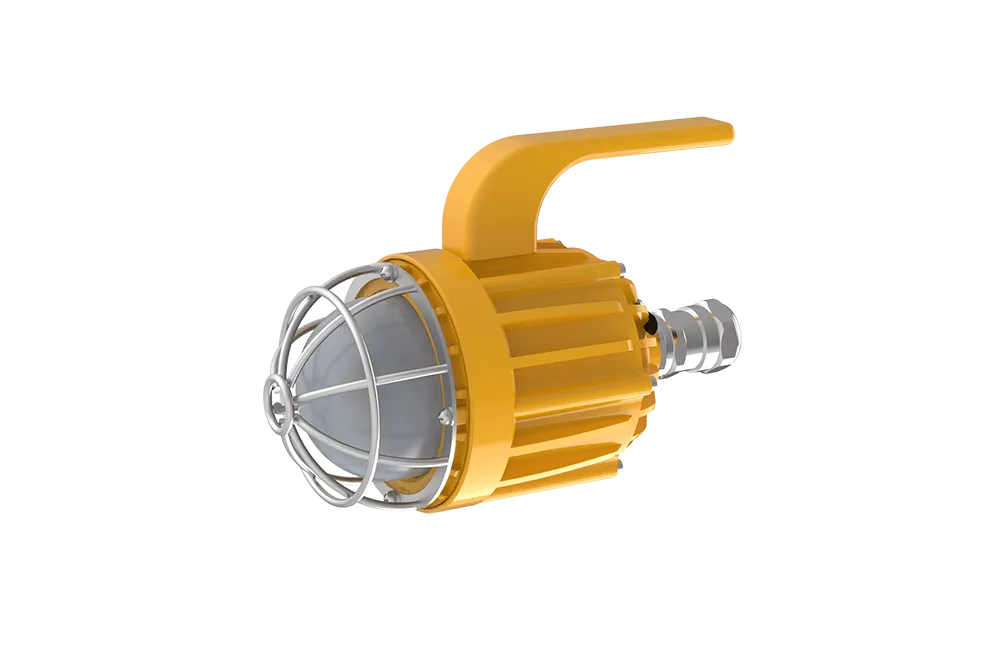
Certified explosion proof work lights for Zone 1 & 21 hazardous areas. Portable, ATEX & IECEx approved, built for oil, gas and chemical plants by SEEKINGLED.
View details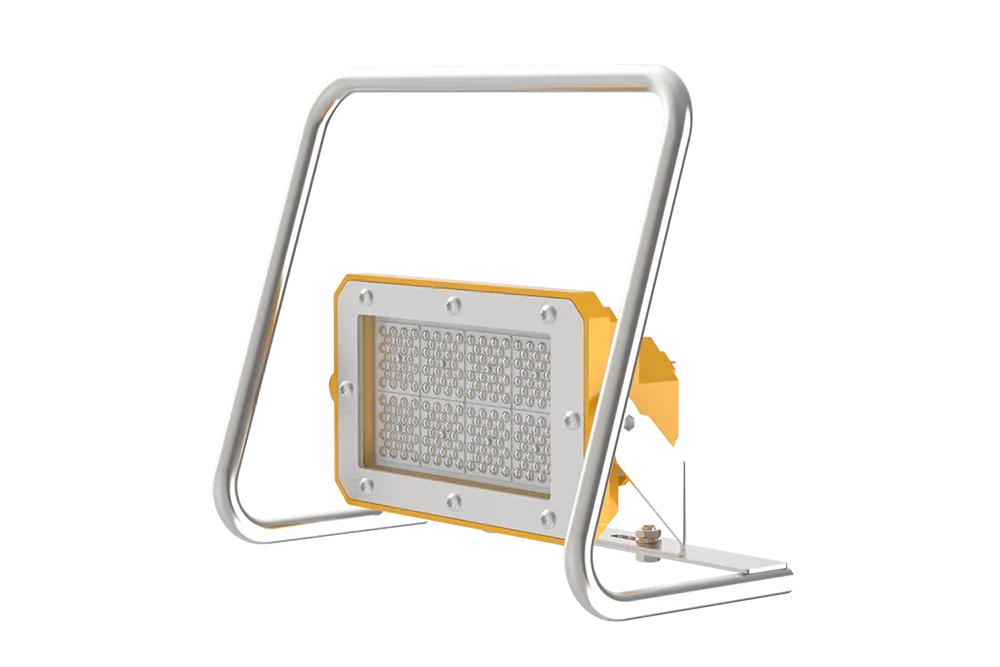
ATEX: II 3G Ex nR ⅡC T6 GcII 3D Ex tc ⅢC T80℃ Dc ATEX Certificate NO: TÜV CY 26 ATEX 0207611 X Feature: ● For Zone 2 and Zone 22● Accepts battery-powered supply● indestructible● Power:AC input:50W,75W,100WDC input:15W,25W,35W Application: Oil and gas, marine, Chemical, pharmaceutical, semiconductor,mining,military industry, paint booth,po…
View details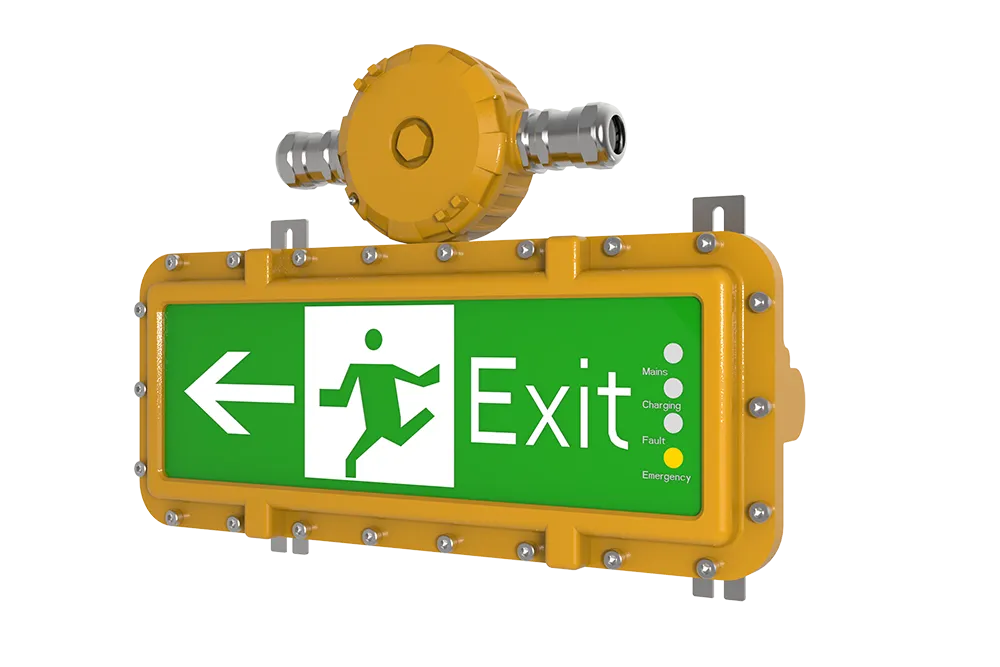
ATEX: Ex II 2G Ex db IIB T6 GbEx II 2D Ex tb IIIC T80°C Db IECEx Ex db IIB T6 Gb;Ex tb IIIC T80°C Db Feature: ● For Zone 1,2 and Zone 21,22● Flameproof type, the strongest Application: Oil and gas, marine, Chemical, pharmaceutical, semiconductor,mining,military industry, paint booth,power plant ETC hazardous area. Technical Specifications:…
View details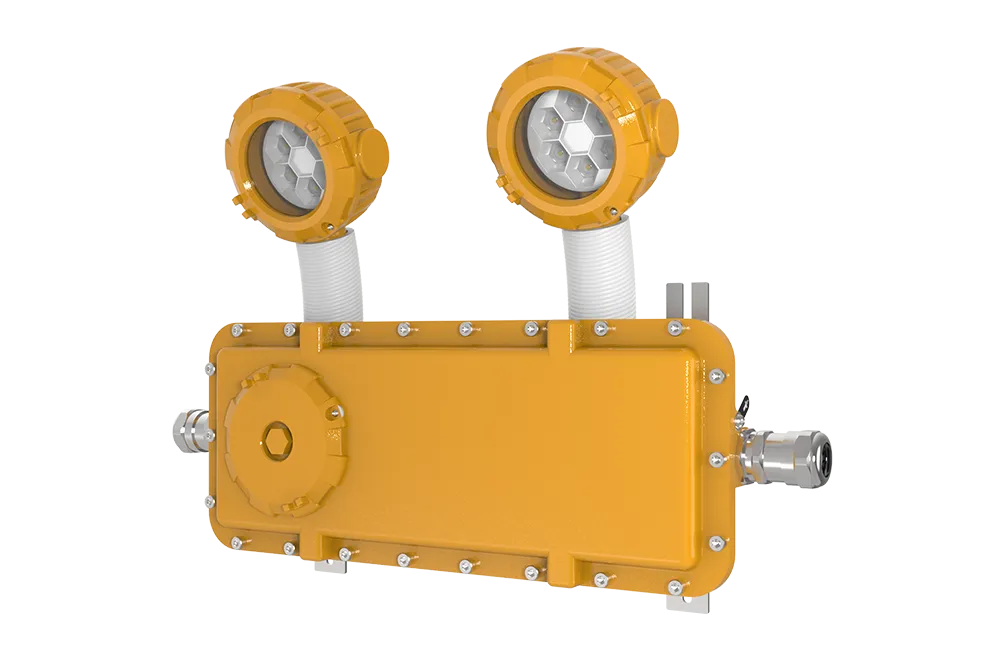
ATEX: Ex II 2G Ex db IIB T6 GbEx II 2D Ex tb IIIC T80°C Db IECEx Ex db IIB T6 Gb;Ex tb IIIC T80°C Db Feature: ● For Zone 1,2 and Zone 21,22● Flameproof type, the strongest Application: Oil and gas, marine, Chemical, pharmaceutical, semiconductor,mining,military industry, paint booth,power plant ETC hazardous area. Technical Specifications:…
View details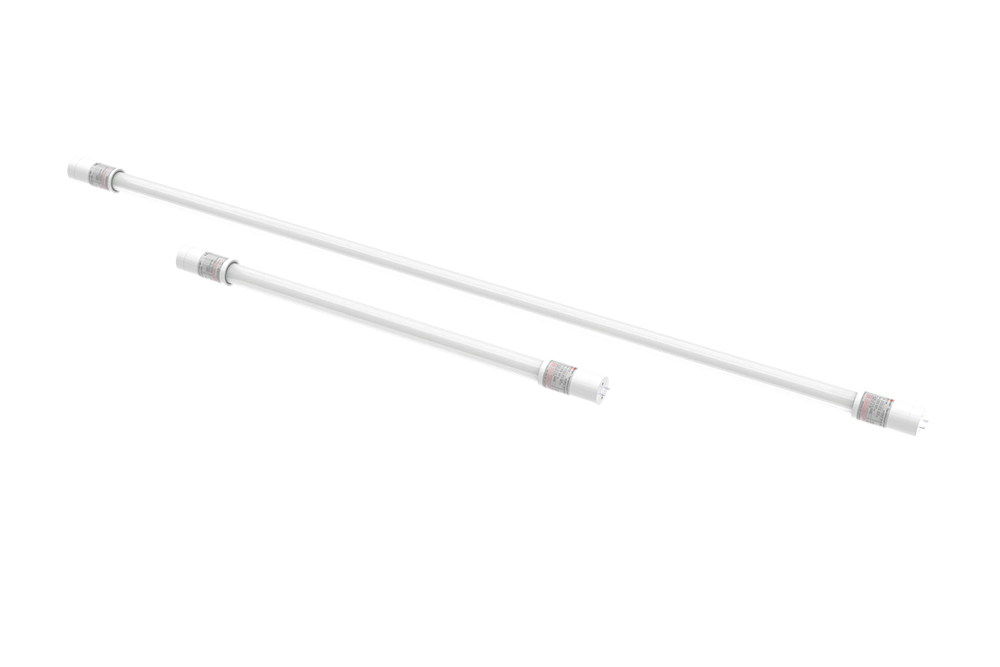
ATEX: Ex II 2G Ex d e IIB T6 Gb ATEX: Ex d e IIB T6 Gb; Feature: ● For Zone 1,2● 9W can replace 18W fluorescent lamps,50% Energy saving Application: Oil and gas, marine, Chemical, pharmaceutical, semiconductor,mining,military industry, paint booth,power plant ETC hazardous area. Technical Specifications: Standards:60079-0, 60079-1, 60079…
View details
How long do LED bulbs last in real use? Not just theory. Learn lifespan, failures, and field insights from SEEKINGLED for outdoor and industrial lighting.
View details
LED interior flood lights deliver efficient, uniform indoor lighting. Explore real-world insights, energy data, and expert tips for reliable performance.
View details
LED explosion proof lights deliver safe, efficient lighting in hazardous areas. Learn how they work, certifications, real applications, and why they matter.
View details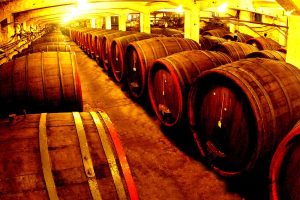
Explosion proof lights for paint booth ensure safe lighting in wineries and cellars. ATEX-certified SEEKINGLED solutions prevent ignition risks and improve visibility.
View details