How to dispose of flood light bulbs? First identify the bulb type. LED bulbs can usually follow local household recycling or waste rules, while fluorescent, metal halide, mercury-vapor, and other mercury-containing lamps should be recycled through an approved collection program rather than casually thrown away.
A burned-out flood light is not automatically ordinary trash. The disposal route depends heavily on what is inside the lamp. This distinction matters with older commercial flood lights, where high-intensity-discharge (HID) lamps such as metal halide, high-pressure sodium, and mercury-vapor lamps may contain mercury.
The U.S. EPA specifically lists fluorescent, high-intensity-discharge, neon, mercury-vapor, high-pressure-sodium, and metal-halide lamps among examples of lamps covered by its universal-waste framework. Requirements can vary by state and local jurisdiction.
Identify the Flood Light Bulb Before Disposal
Do not start by putting the old lamp in a garbage bag. Read the markings first.
Flood light type
Typical disposal approach
LED bulb
Follow local household recycling/waste rules
Incandescent
Usually ordinary household waste where permitted
Halogen
Follow local waste guidance; avoid breakage
CFL
Use a mercury-lamp recycling program
Fluorescent
Recycle through an appropriate collection program
Metal halide
Treat as mercury-containing lamp; recycle properly
Mercury vapor
Use a mercury-lamp recycling program
High-pressure sodium
Check local mercury-lamp disposal requirements
The EPA recommends that consumers use available recycling options for CFLs, fluorescent lamps, and other mercury-containing bulbs instead of putting them into regular household trash. Some states and municipalities have stricter requirements.
For commercial facilities, the issue becomes even more important because businesses handling qualifying mercury-containing lamps can fall under the federal Universal Waste Rule and applicable state requirements.
Many LED flood lamps do not contain the mercury associated with fluorescent and HID lamps. However, the exact disposal route depends on the product and local waste system.
Before discarding an LED flood light:
Check the manufacturer’s disposal instructions.
Separate bulbs from fixtures if the local program requires it.
Look for local electronics or lighting recycling programs.
Do not assume that every retailer accepts LED lamps.
For integrated LED fixtures, check whether the entire luminaire must be recycled.
This is one reason SEEKINGLED approaches commercial lighting as a complete system rather than focusing only on wattage. When an integrated LED flood light reaches the end of its service life, the fixture, driver, housing, wiring, and LED module may all become part of the disposal decision.
Why the Fixture Type Matters
A screw-in LED lamp and a 200W integrated LED flood light are not the same waste stream.
With an integrated fixture, removing a “bulb” may not even be possible. The practical procedure is to isolate the fixture, remove it according to electrical safety procedures, and send it through the appropriate equipment or lighting recycling channel.
How to Dispose of Mercury-Containing Flood Light Bulbs
Older commercial flood lighting deserves extra attention.
Metal halide and high-pressure-sodium lamps are common examples of HID technology, and the EPA identifies these lamp types among mercury-containing lamps that may be managed as universal waste.
For these lamps:
Switch off and isolate the fixture before removal.
Allow the lamp to cool completely.
Remove it without striking or crushing it.
Keep intact lamps in rigid packaging that prevents breakage.
Contact the local recycling or hazardous-waste program.
Confirm whether the collection site accepts the exact lamp type.
Follow local transport and labeling requirements.
EPA guidance for universal-waste lamps emphasizes containers that are structurally sound and designed to prevent breakage.
What to Do With a Broken Flood Light Bulb
A broken fluorescent or other mercury-containing lamp needs more care than an intact one.
Do not vacuum the fragments immediately or crush the remaining pieces. EPA guidance recommends collecting glass and powder carefully with stiff paper or cardboard and sticky tape, placing cleanup materials into a sealable container, and checking local disposal requirements.
For commercial facilities, EPA also advises containing broken lamps separately and minimizing the possibility of further release.
If a mercury-containing lamp breaks:
Keep people away from the area.
Avoid crushing or spreading the fragments.
Follow the applicable local cleanup procedure.
Place contaminated cleanup materials in a sealed container.
Contact the appropriate waste authority if required.
Do not mix broken lamps with intact recycling stock.
The important detail is simple: do not intentionally break a lamp to make it easier to store or transport. EPA specifically warns that lamp crushing can release mercury and create an exposure hazard if not properly controlled.
Commercial Flood Light Disposal: Build a Simple Process
For warehouses, factories, parking facilities, and contractors, disposing of one lamp at a time is not an efficient system.
EPA recommends that businesses assess how many fluorescent lamps they have, where they are located, how frequently they are replaced, and how the used lamps are stored. It also recommends selecting an appropriate recycler and keeping recycling documentation.
A practical commercial process can look like this:
Record the lamp type and quantity.
Provide dedicated, protective storage.
Train maintenance personnel.
Keep intact and broken lamps separated.
Establish a scheduled collection arrangement.
Confirm the recycler accepts the specific lamp category.
Retain recycling documentation.
EPA’s 2026 business guidance gives example recycling costs of $1.50–$2.00 for high-intensity-discharge lamps and $0.50–$1.00 for CFLs, while noting that transportation and pickup can add costs. Actual pricing varies by recycler, quantity, and location.
That cost is worth considering during lighting upgrades. A facility converting older HID flood lights to modern LED equipment is not simply changing illumination; it is also changing its future maintenance and end-of-life workflow.
FAQ About Flood Light Bulb Disposal
Can I throw LED flood light bulbs in the trash?
Local rules determine the correct route. Some areas accept certain LED lamps through ordinary waste streams, while others provide dedicated lighting or electronics recycling. Check local requirements first.
Can metal halide flood light bulbs go in the trash?
Do not assume they can. Metal halide lamps are among the HID lamps identified by EPA in its mercury-containing lamp guidance. Use the applicable local recycling or waste program.
Are fluorescent flood light bulbs recyclable?
Yes. EPA recommends using available recycling options for fluorescent and other mercury-containing bulbs. Local programs determine where and how they should be collected.
What should I do if a flood light bulb breaks?
Keep people away from the area, avoid spreading the fragments, follow the applicable cleanup guidance, and place cleanup materials into a suitable sealed container. For mercury-containing lamps, check local disposal requirements.
Can I crush old flood light bulbs before recycling?
No. Intentionally crushing mercury-containing lamps can release mercury. EPA warns that lamp crushing can create an exposure hazard when not properly controlled.
How should businesses store used flood light bulbs?
Use sturdy containers designed to minimize breakage, keep containers closed, and separate broken lamps from intact lamps. Businesses should also follow applicable state and federal requirements.
Conclusion
Knowing how to dispose of flood light bulbs starts with identifying the lamp rather than assuming every burned-out bulb belongs in the same waste stream. LED, fluorescent, metal halide, mercury-vapor, and high-pressure-sodium lamps can have very different end-of-life requirements. For commercial lighting operators, a simple collection and recycling procedure prevents avoidable breakage and makes future fixture replacement easier to manage.
SEEKINGLED recommends treating end-of-life planning as part of professional lighting selection, alongside efficiency, optical performance, environmental rating, maintenance access, and fixture construction.
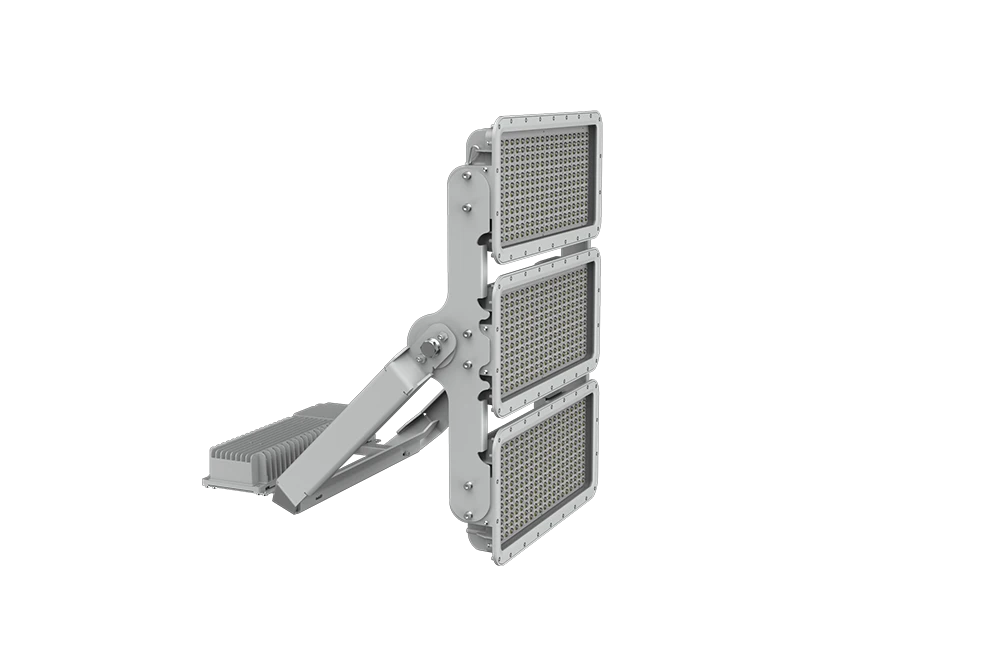
Sports Stadium LED Lighting by SEEKINGLED delivers high mast illumination, precise beam control, and EN 12193 compliant performance for professional venues.
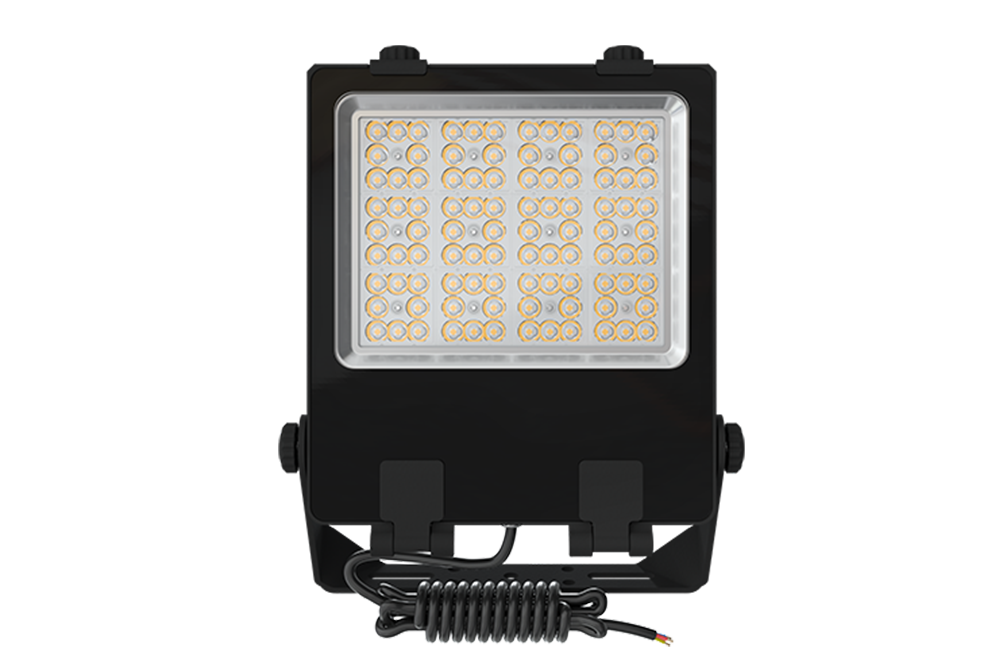
SEEKING FLX Series LED flood light outdoor for sports courts and open-area projects with 170lm/W efficiency, IP66 protection and multiple beam distributions. Designed for long-life commercial and public outdoor use.
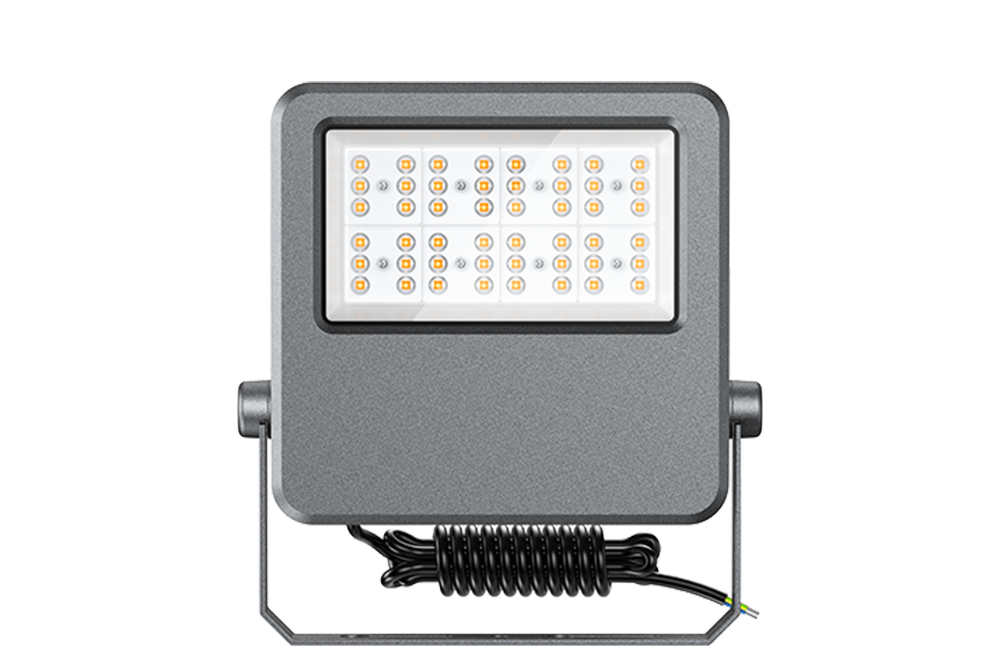
SEEKING FLE Series LED outdoor flood lights for sports grounds and open areas with multiple beam angles, IP66 protection and up to 170lm/W. Designed for long-life outdoor installations with professional driver options.
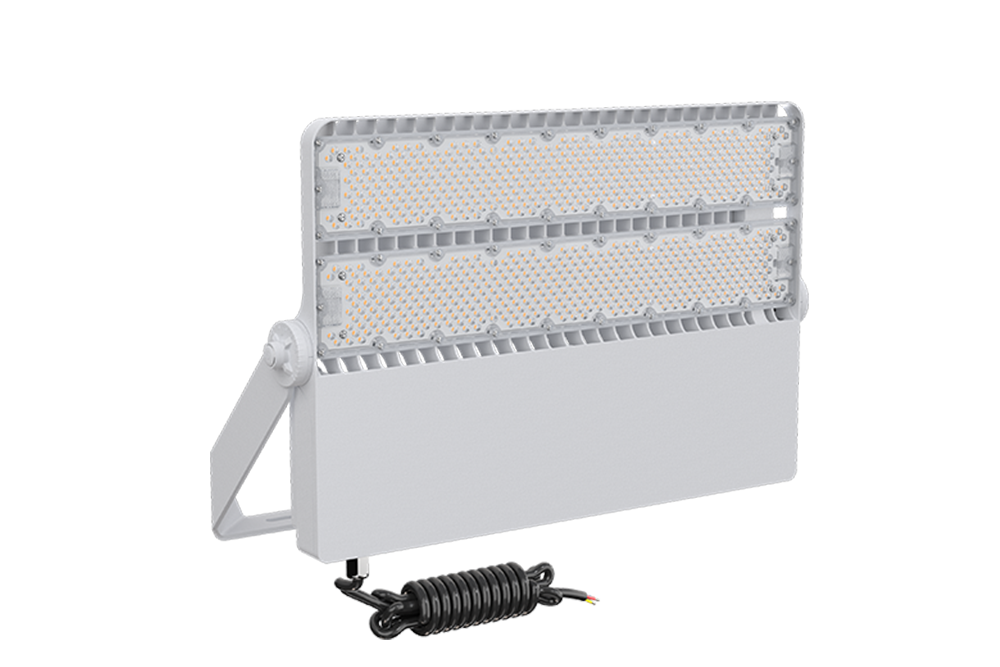
SEEKING FLD Series outdoor LED flood lights and high power led flood light deliver up to 960W with precision beam angles for sports fields, stadiums and large outdoor areas. IK08 & IP66 protection, 170lm/W efficiency and 100,000h lifetime.
Warehouse LED High Bay Lighting Upgrade projects focus on usable light and energy control. This case records how SEEKINGLED replaced 400W metal halide fixtures with XJ-HBS130W-2 high bays in a factory warehouse near Barcelona.
Are LED lights street legal for public roads? Learn how regulations work, which LED lights are allowed, and why dedicated LED street lights like SEEKINGLED STA Series are widely approved.
590nm Amber Explosion Proof Lights protect coastal hazardous areas while reducing sea turtle disruption. Certified LED solutions for ports, LNG, and offshore sites.
 Seeking LED