 Seeking LED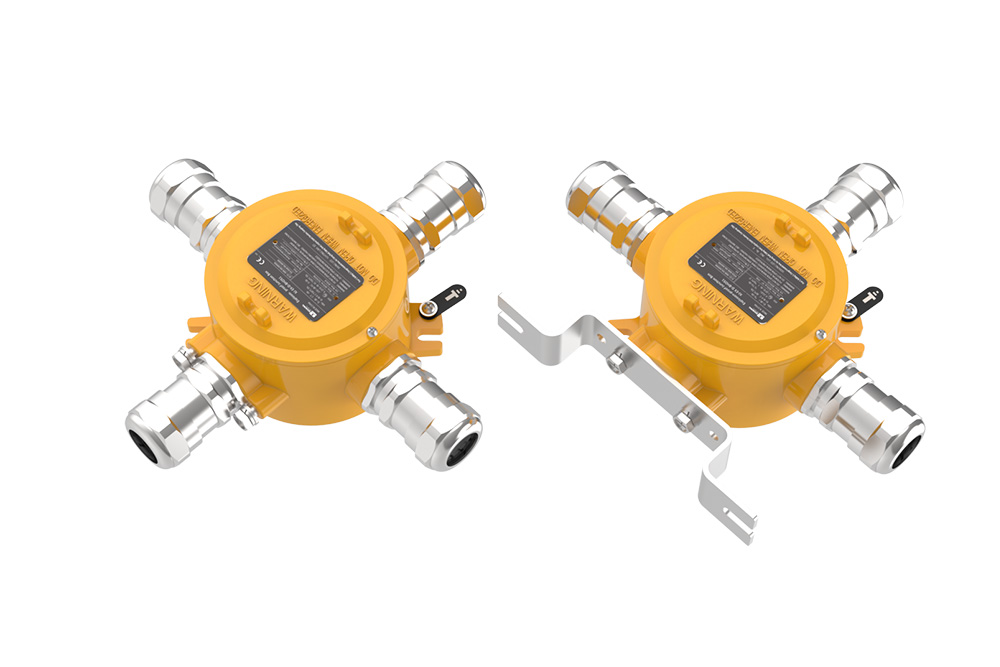
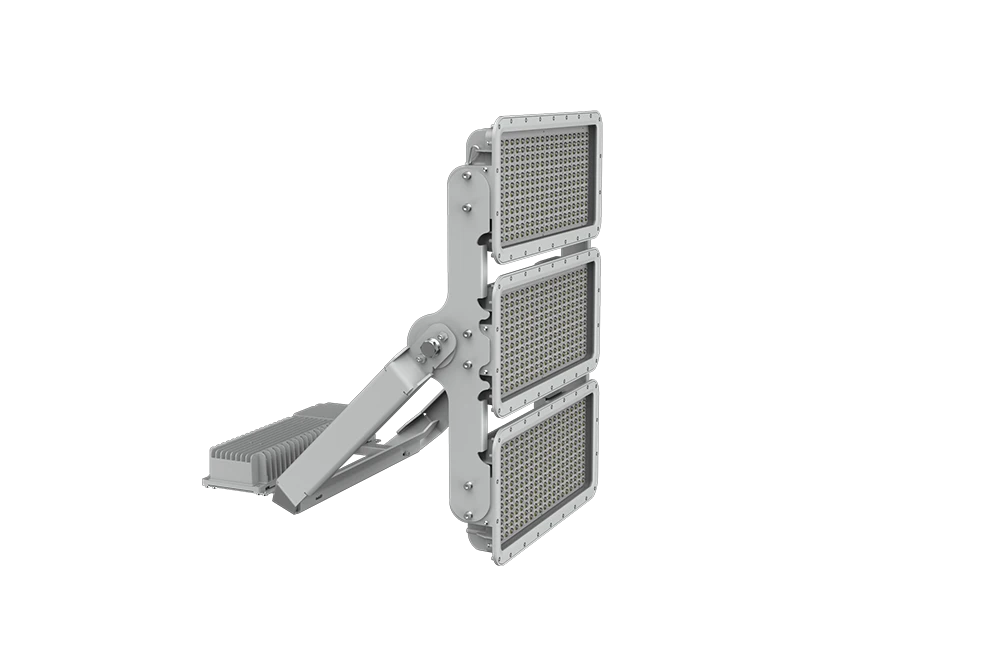
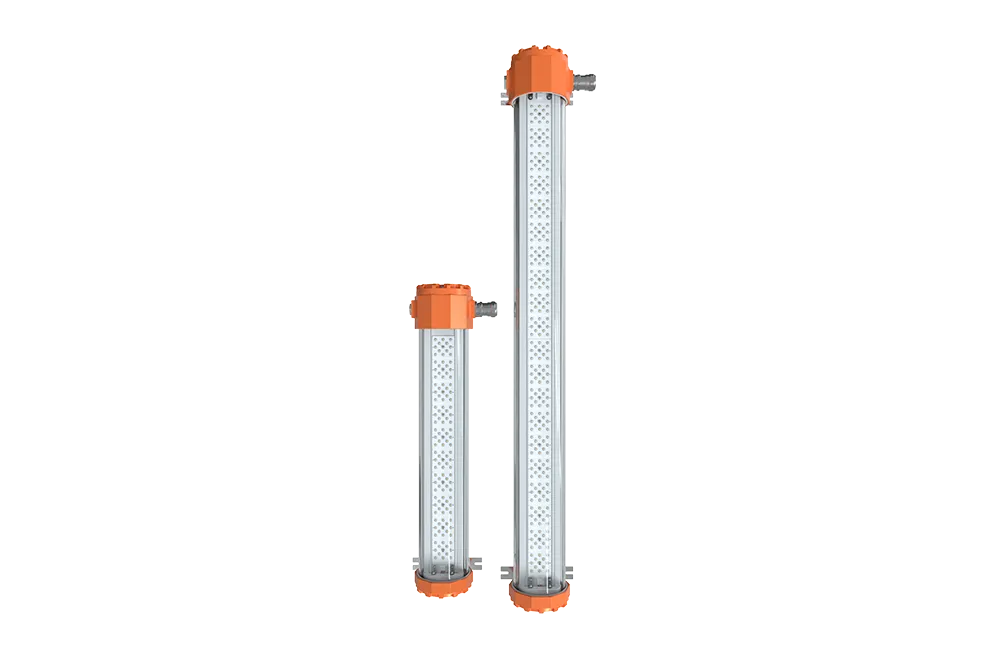
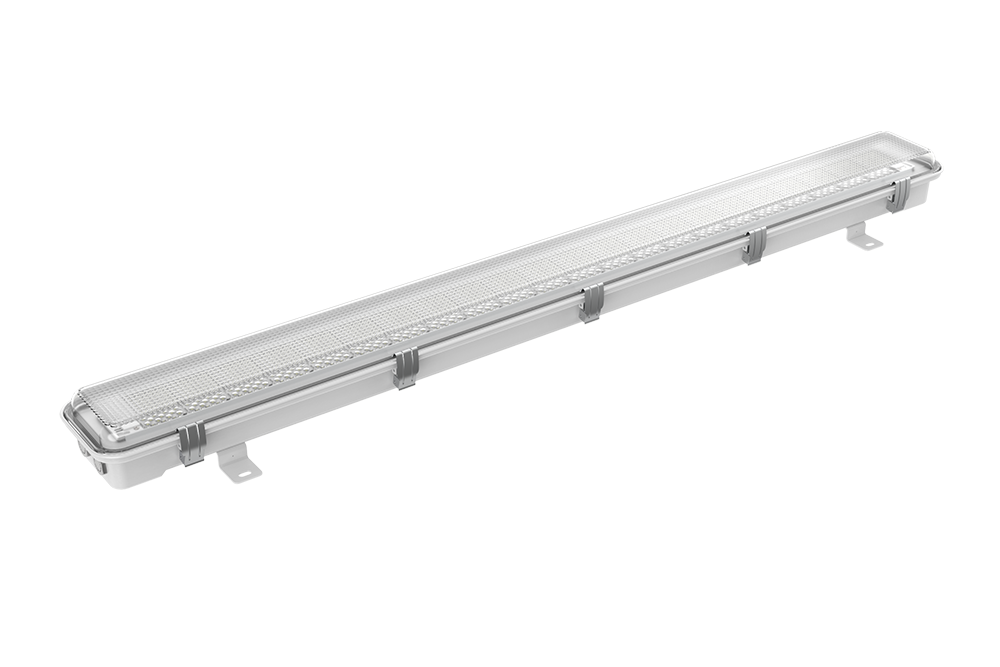
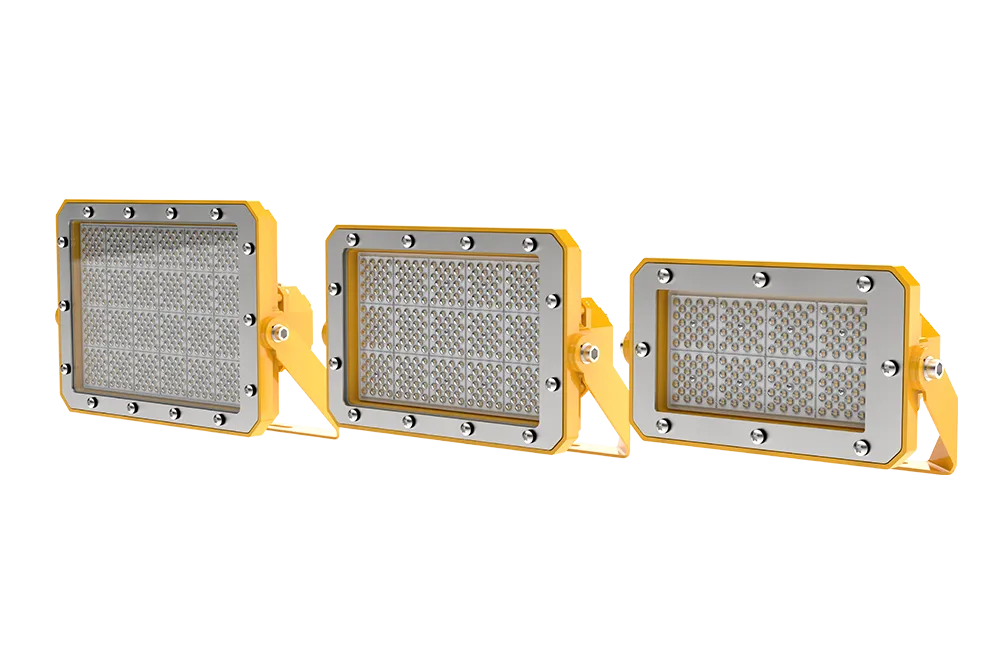
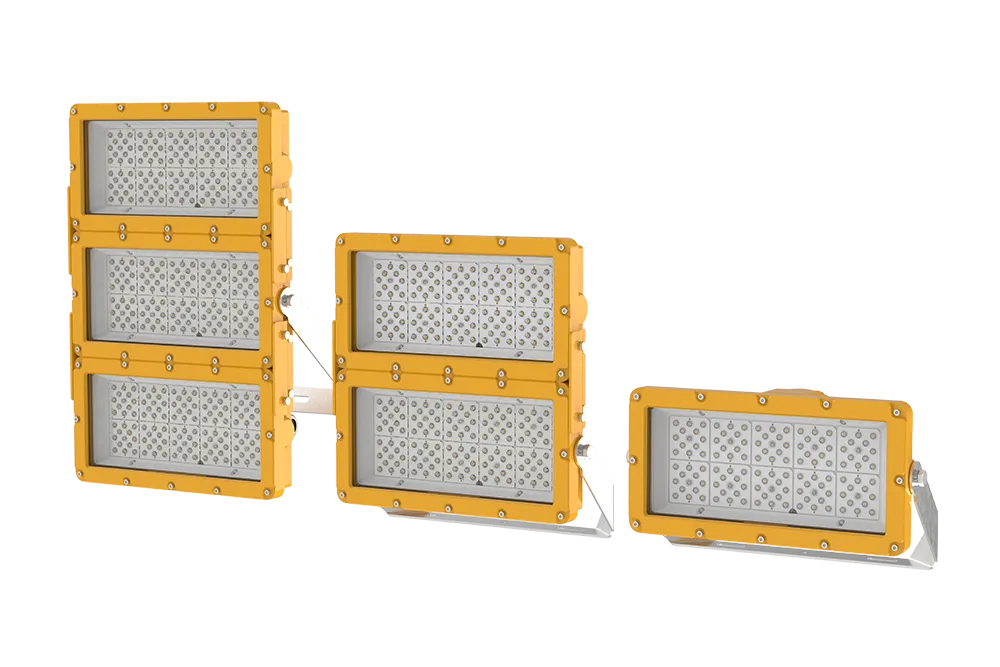
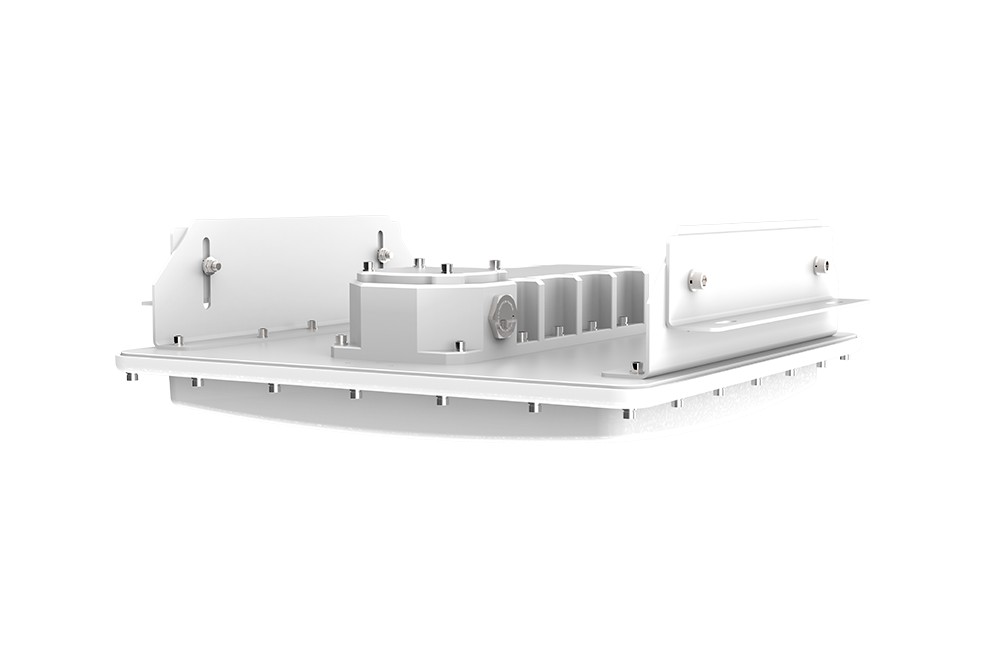
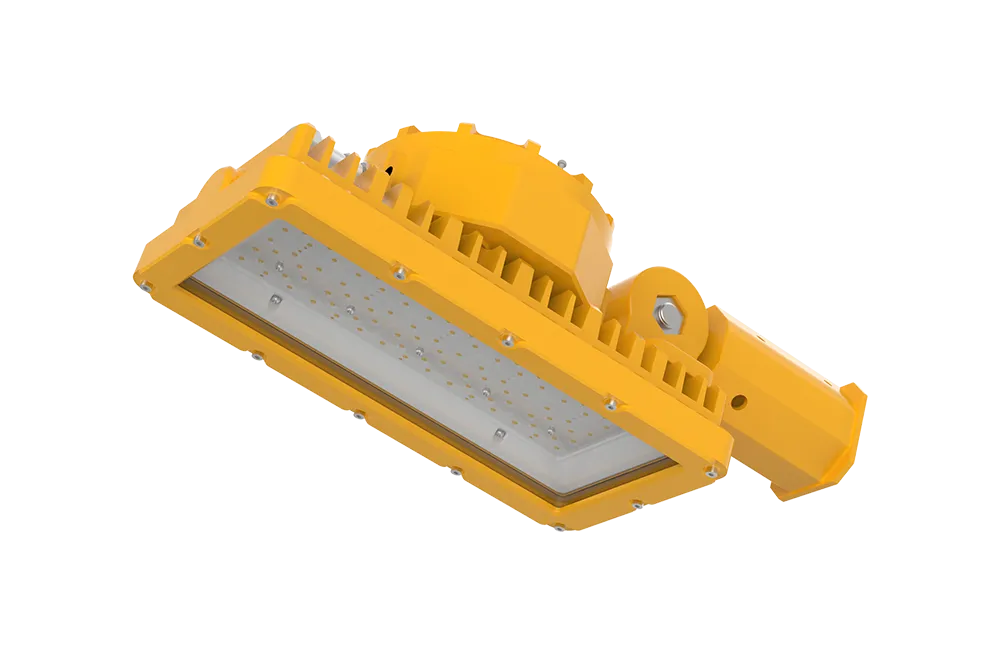
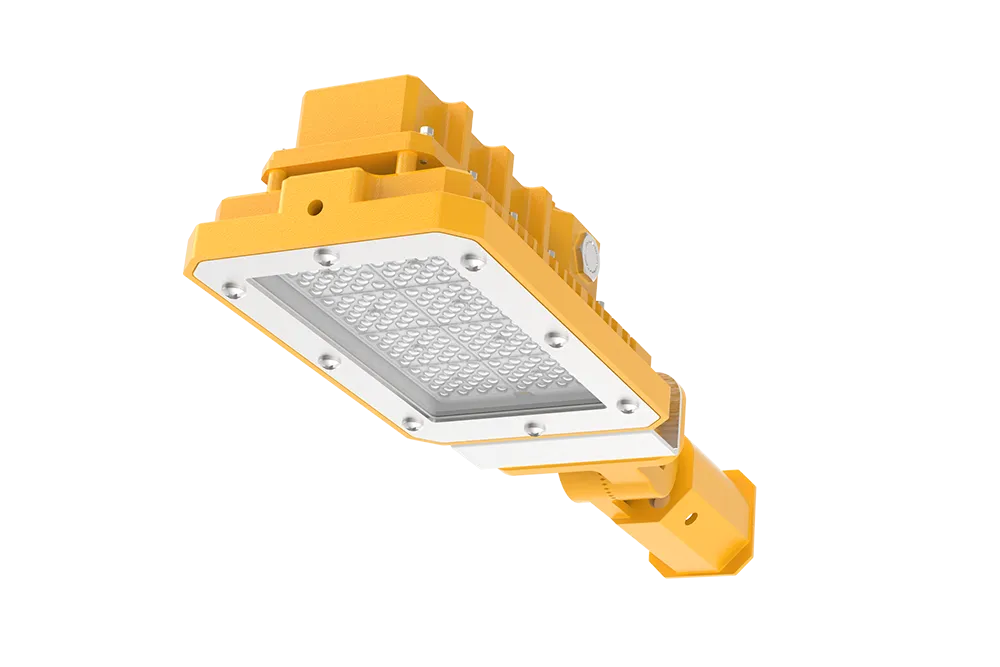
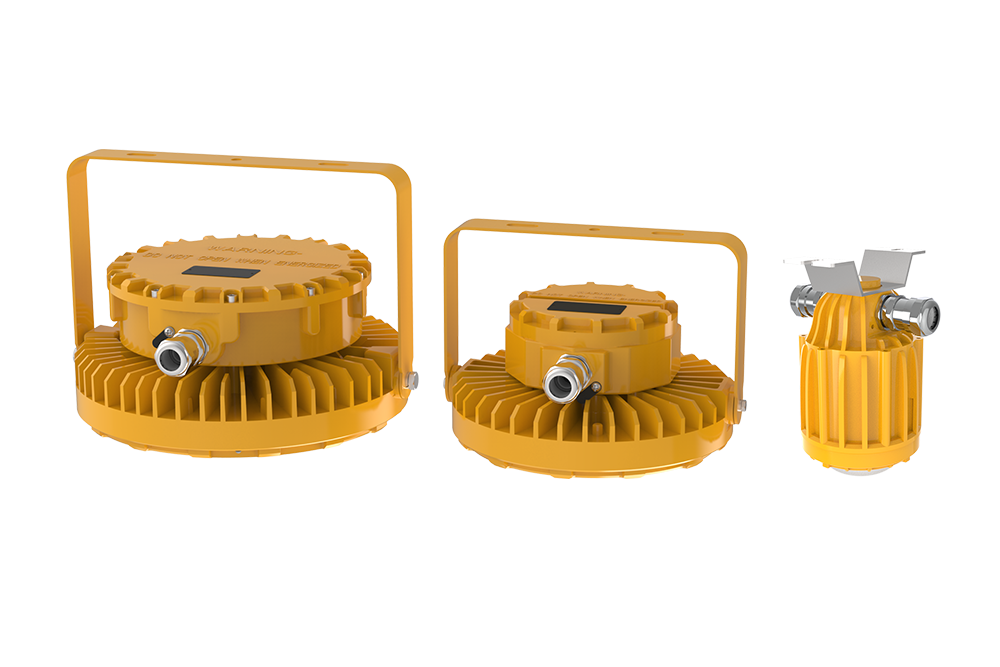
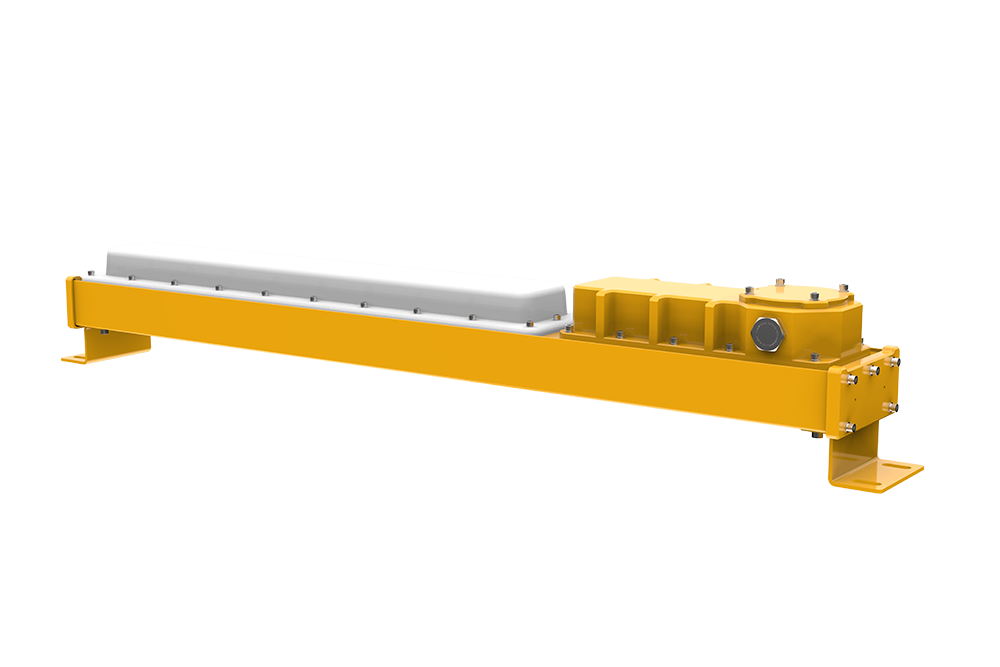
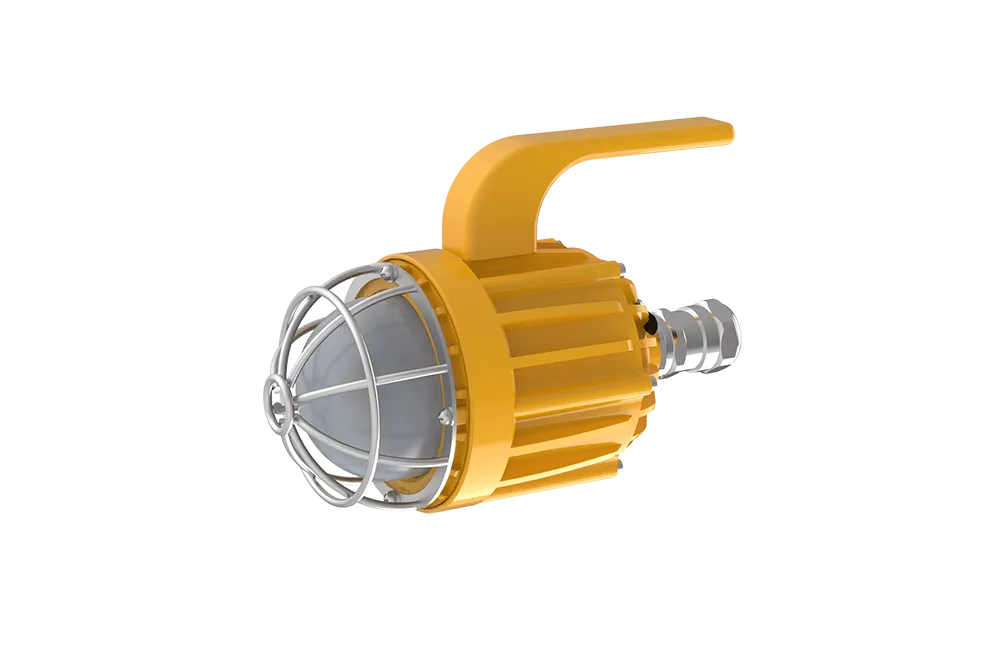
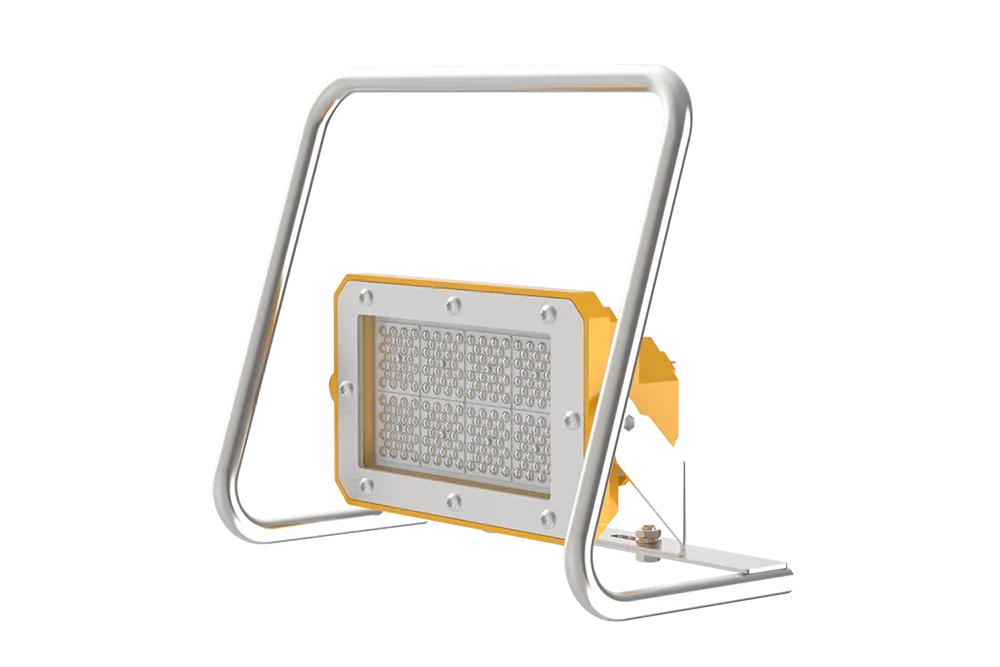
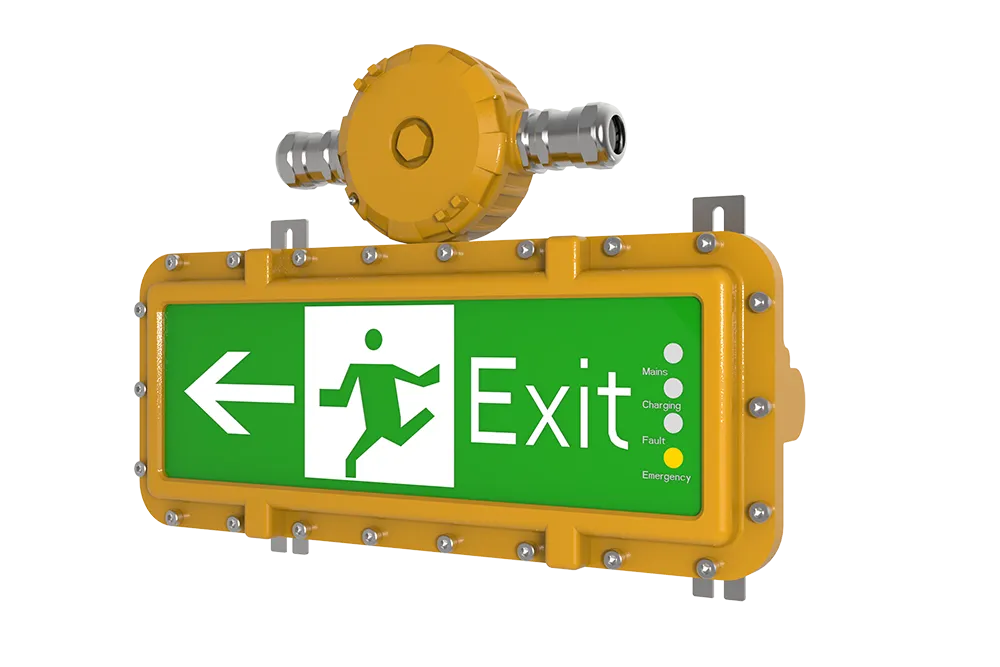
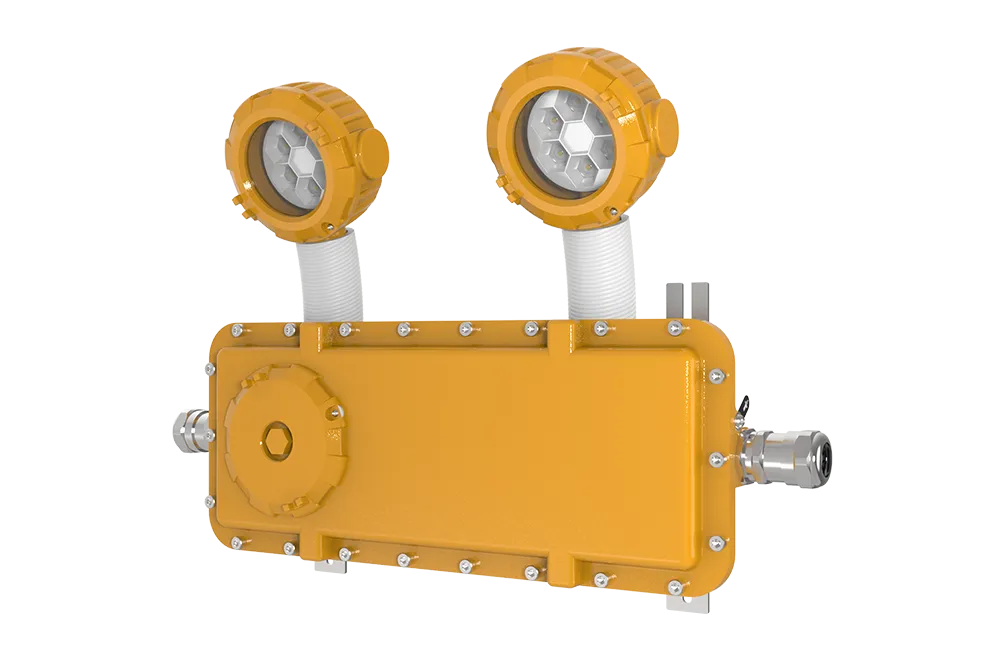
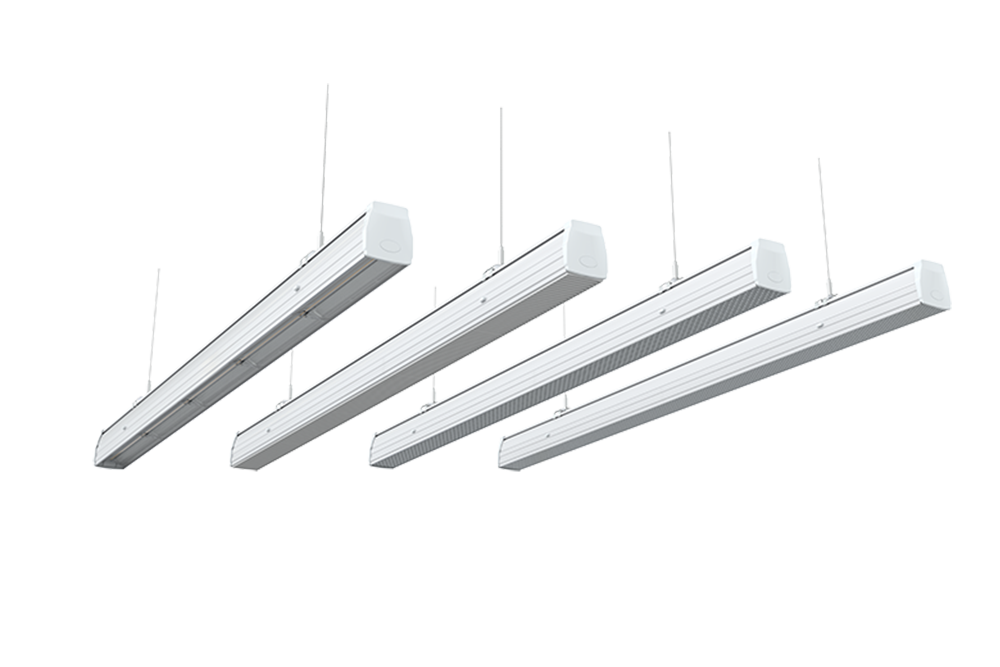
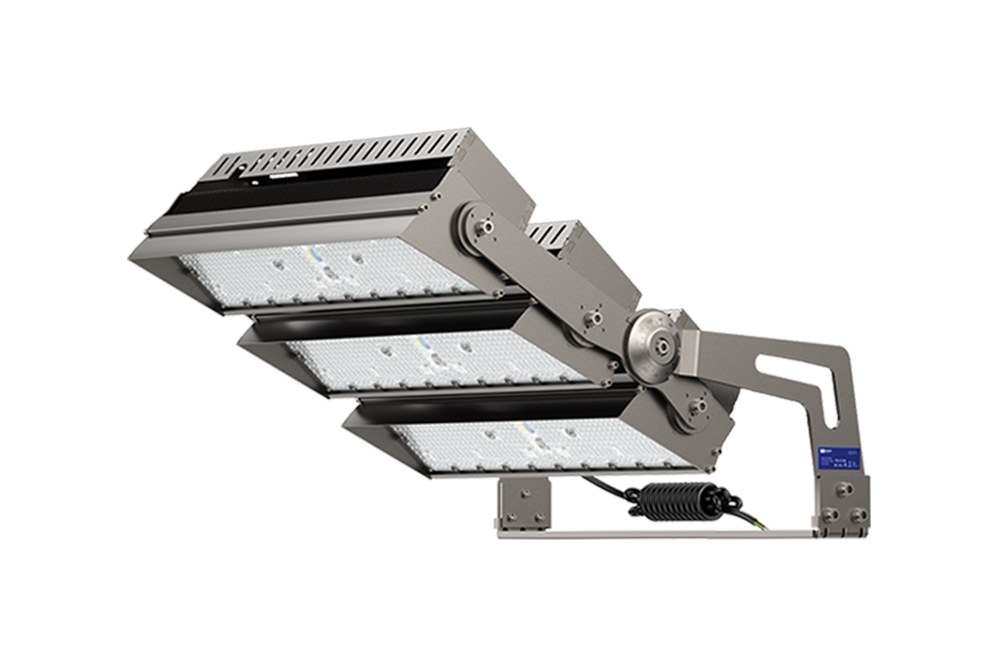
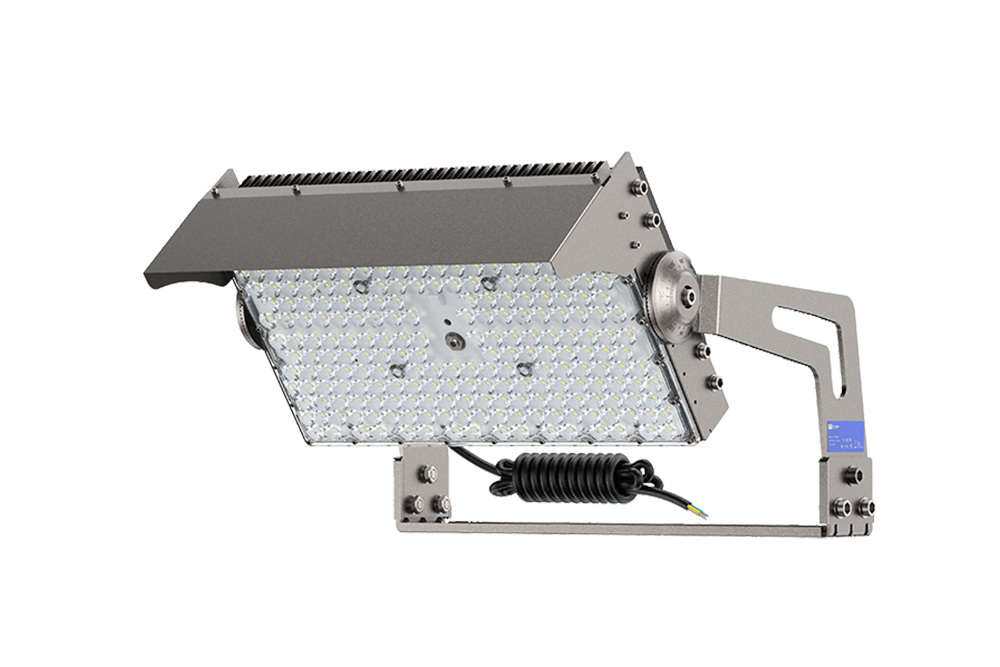
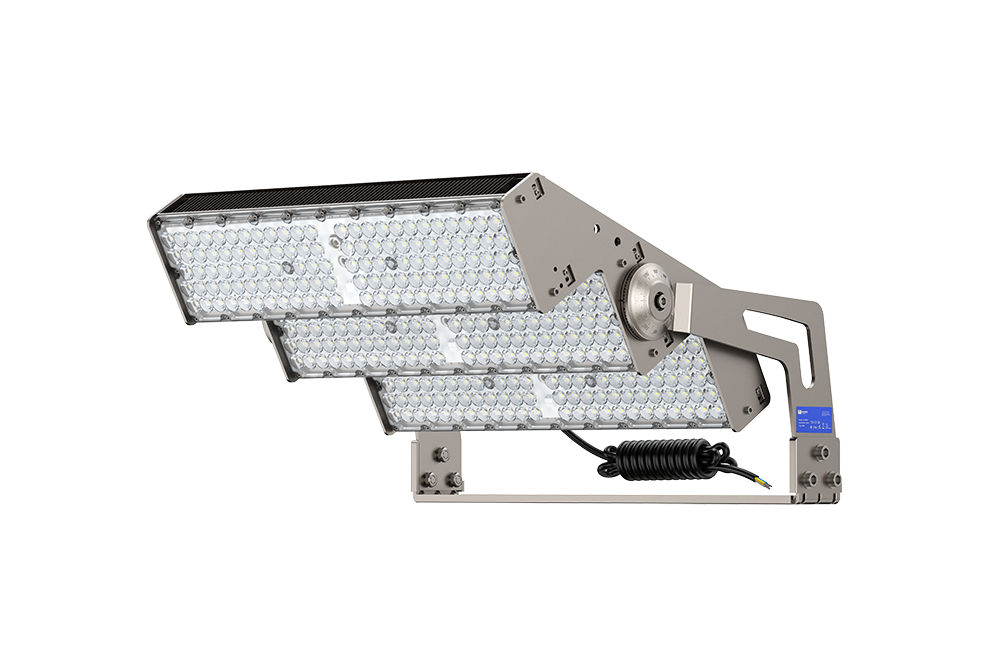
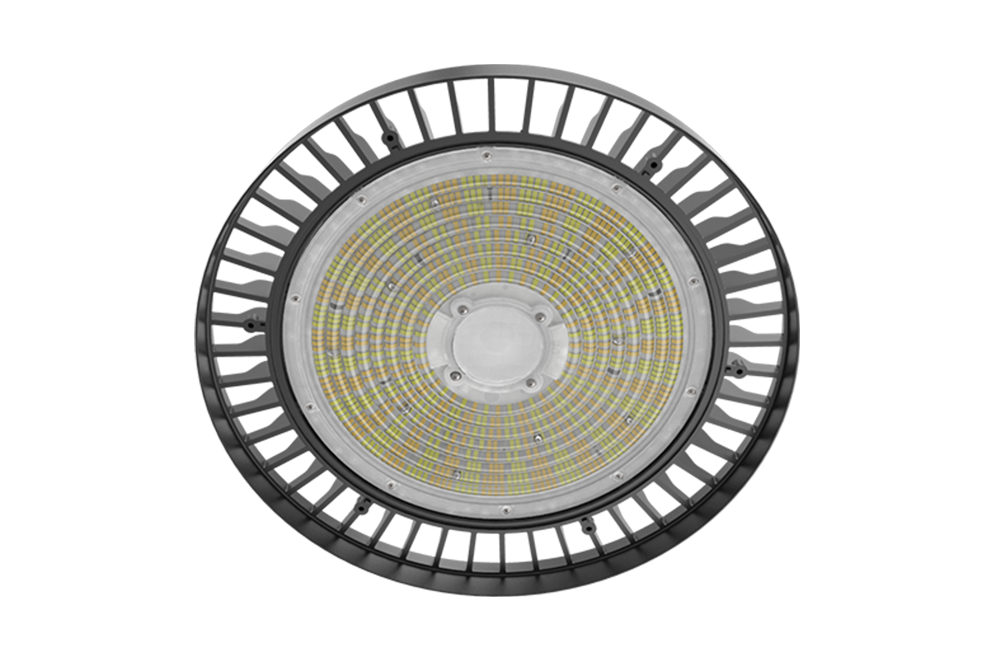
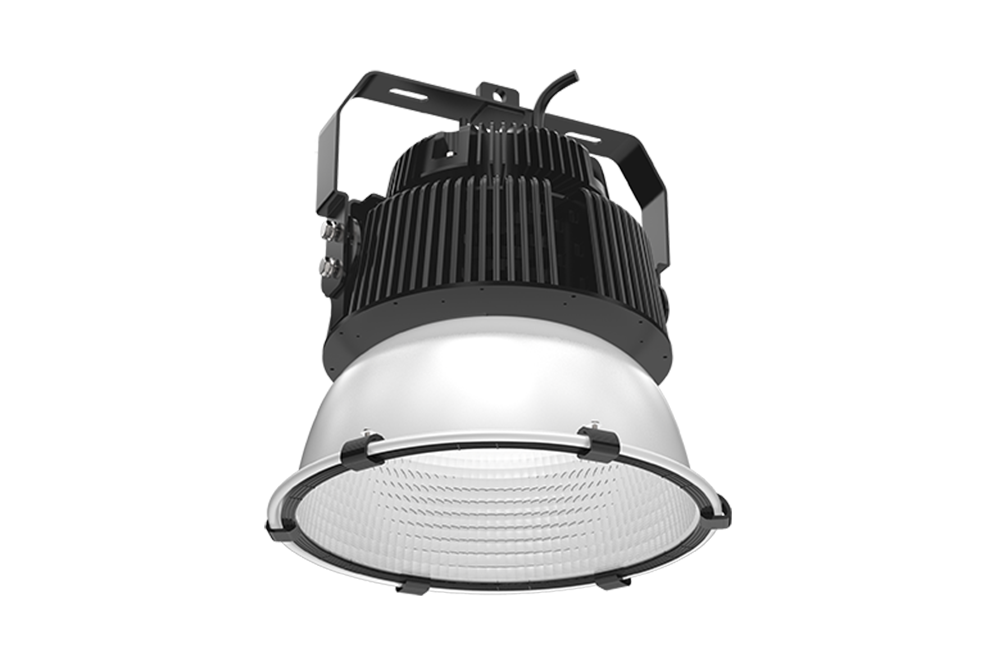
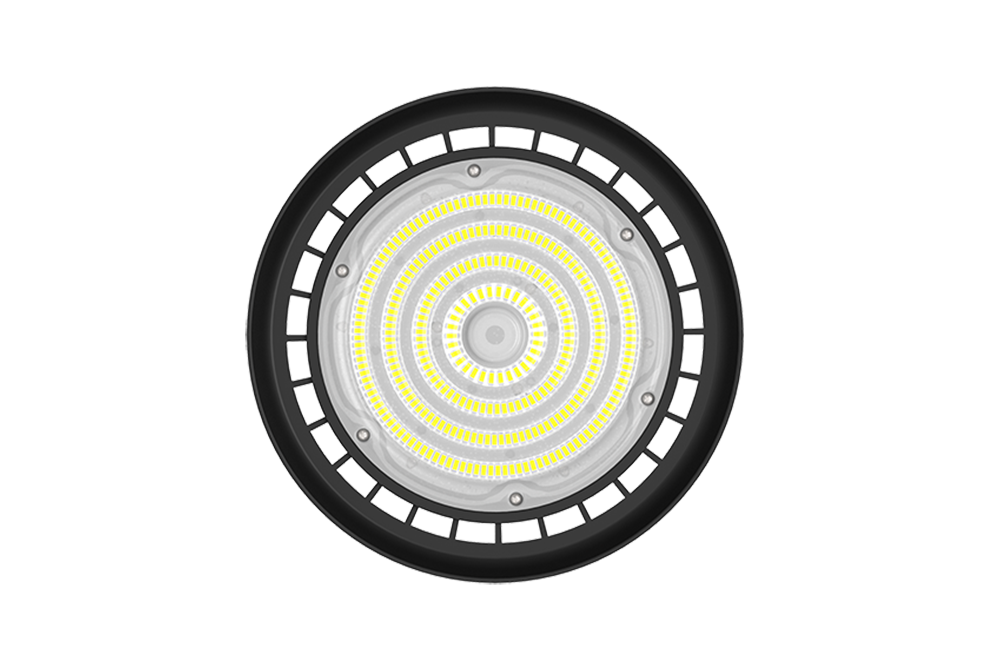
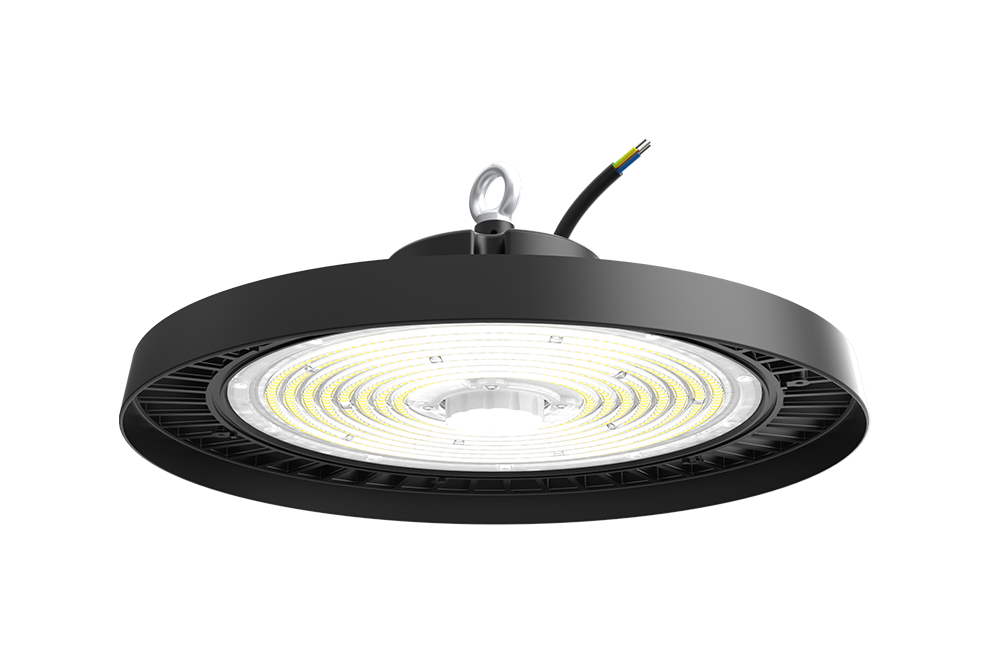
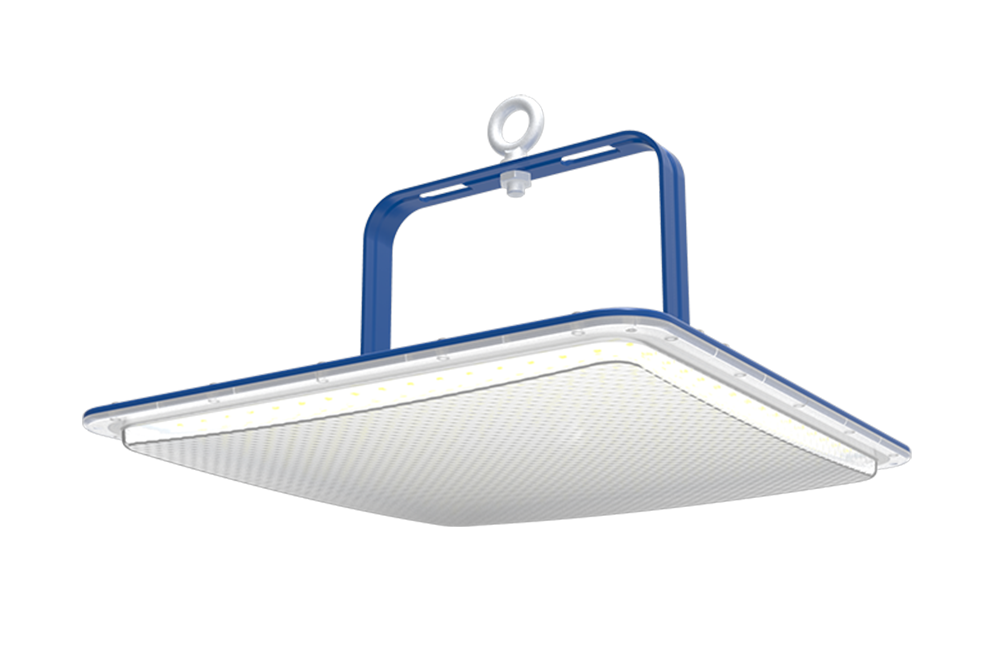
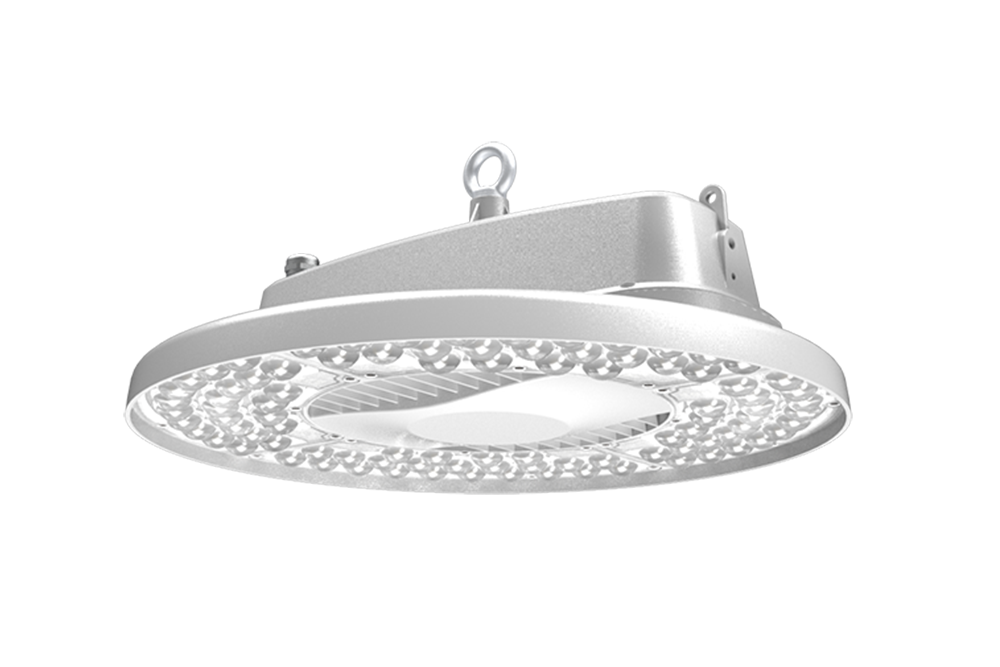
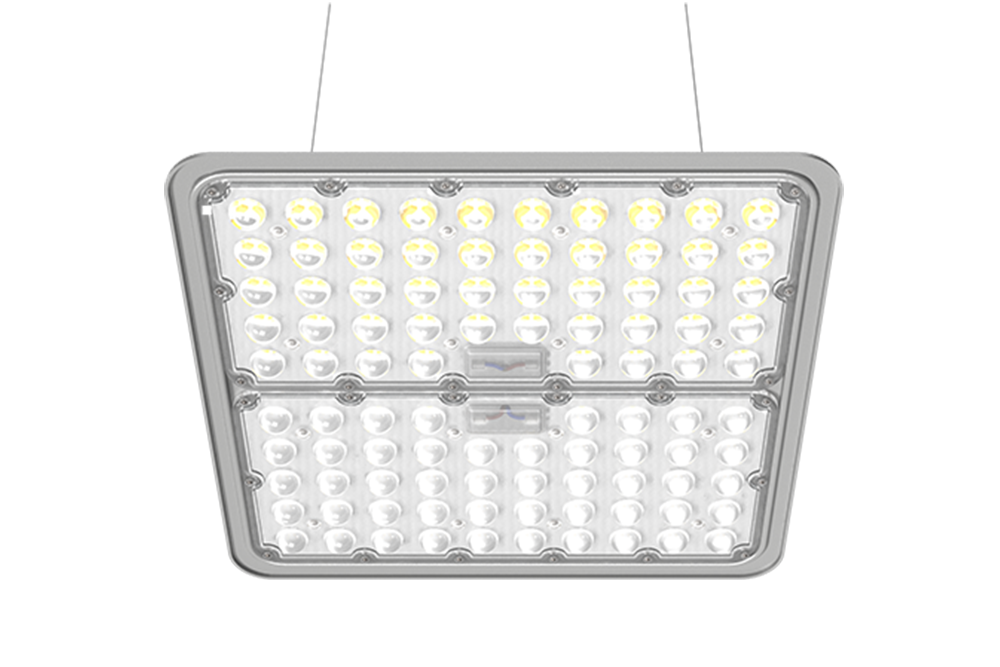
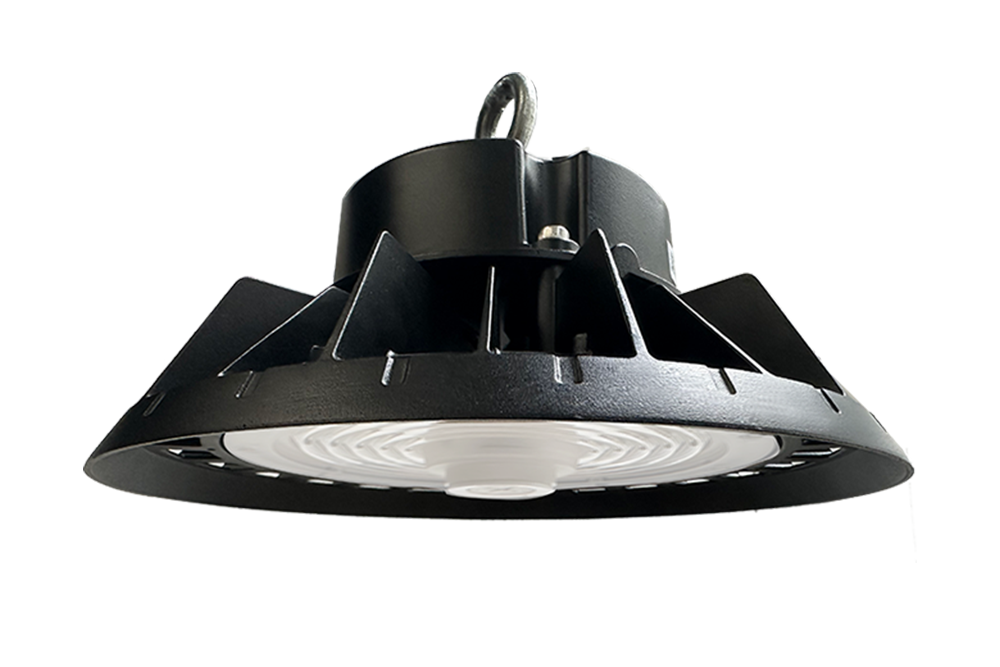
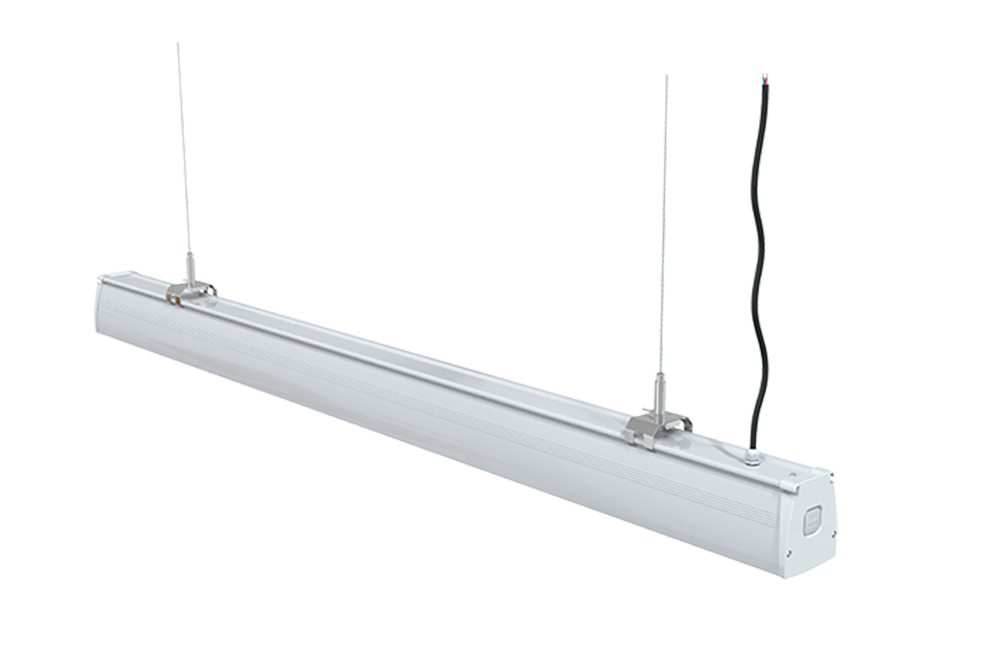
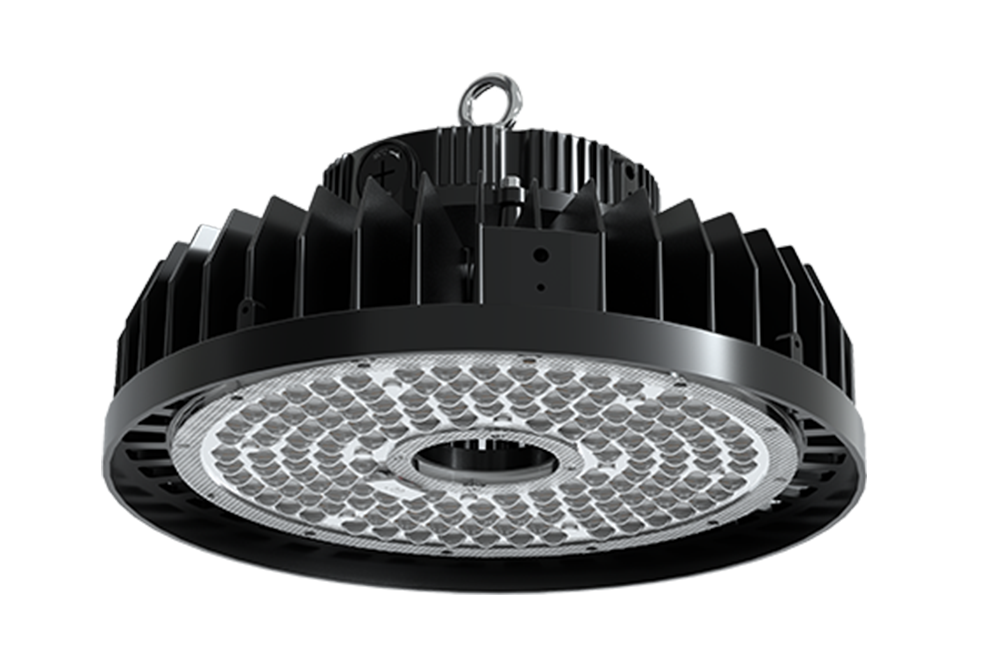
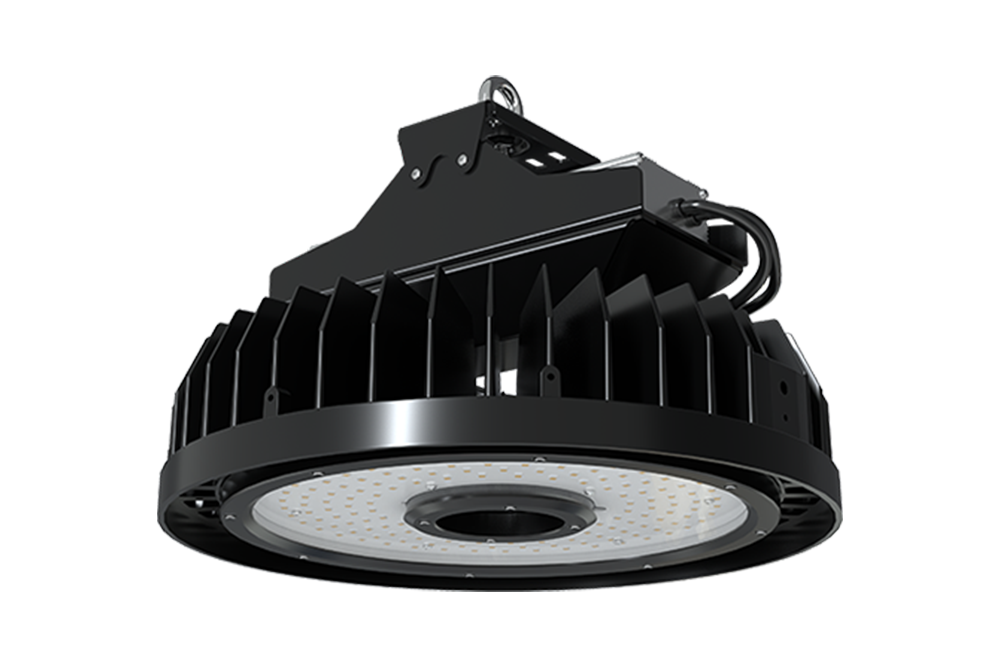
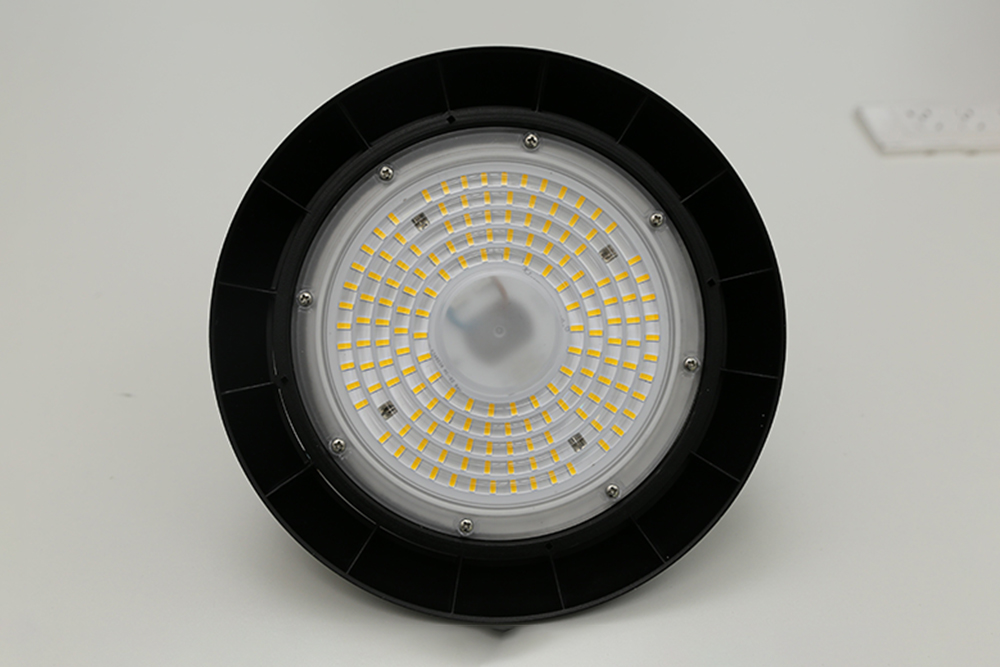
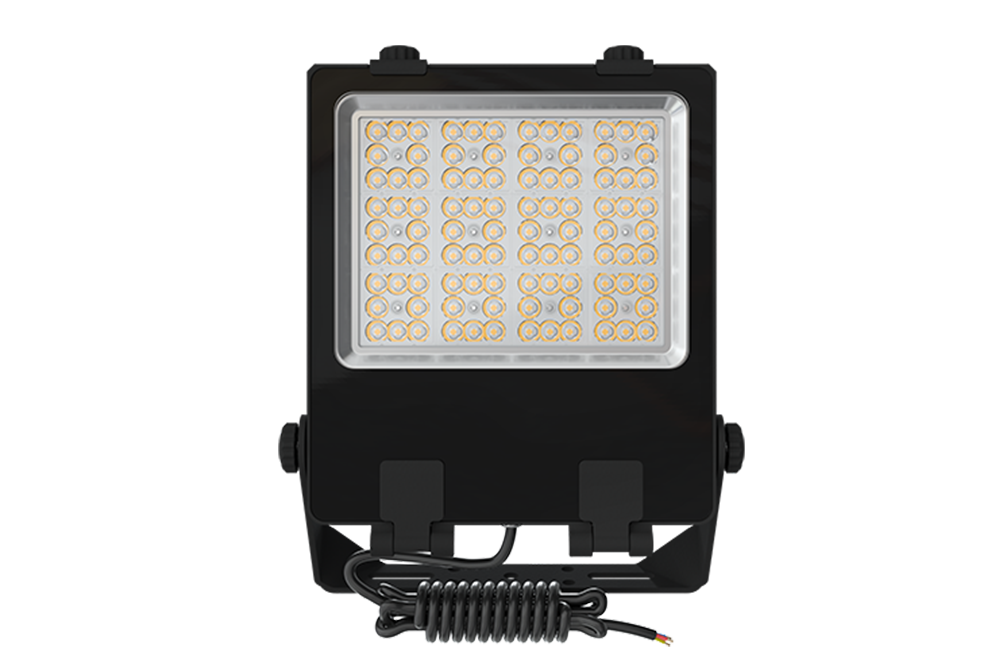
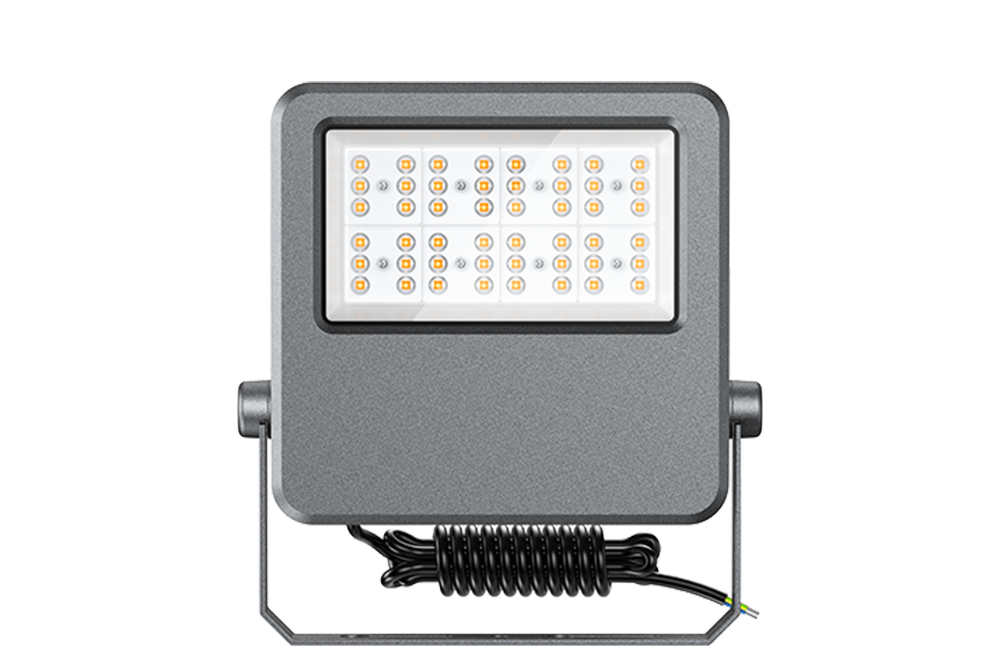
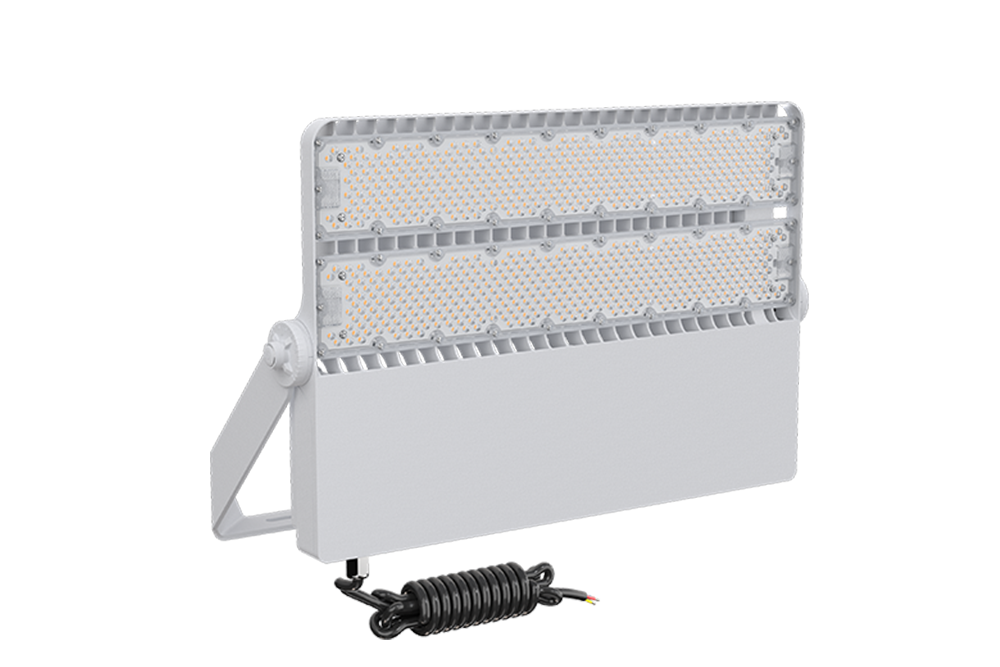
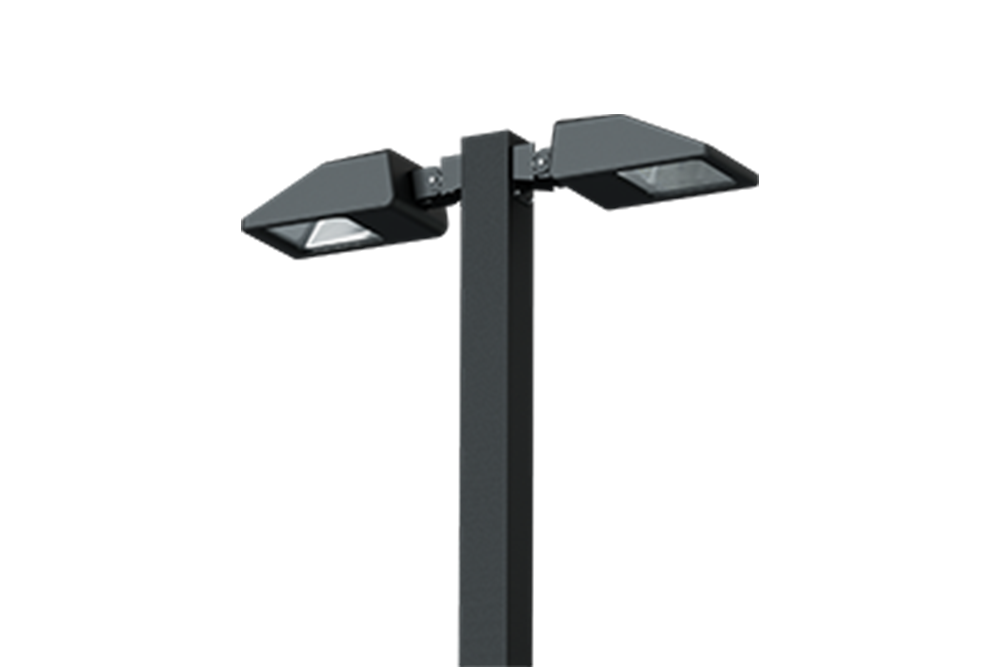
LED Explosion Proof Lights for Hazardous Industrial Locations
0LED explosion proof lights for hazardous industrial locations provide certified safety, lower maintenance, and energy-efficient illumination for harsh environments.
View detailsSearch the whole station
Question:
Why do my LED lights flicker even though they are properly installed and still fairly new?
Answer:
In most real cases, flickering is not a sign that the LED lamp is broken. It usually points to how the light is powered or controlled. LEDs react very quickly to electrical changes, so issues that were hidden before often become visible after switching from traditional lighting.
Below are the causes we see most often during site inspections and project support.
One common reason behind why LED lights flicker is the driver working outside its ideal range. This can happen even when the driver is technically “compatible.”
Situations that cause this include:
When current output is not steady, LEDs show it immediately.
If you notice flickering after switching the light off, you are not alone. Many users ask why do my LED lights flicker when off.
This usually comes from small residual currents in the circuit. Backlit switches, long cable runs, or shared neutral wiring can leave just enough power to trigger brief flashes. Traditional lamps ignore this. LEDs do not.
Another frequent question is why do my LED lights flicker with a dimmer.
Older dimmers were designed for resistive loads like incandescent bulbs. LEDs behave differently. When the dimmer and driver are not matched, flickering often appears at low brightness or during adjustment.
Replacing the dimmer with an LED-rated model usually reduces or removes the problem.
In industrial and outdoor environments, vibration and temperature changes matter. Loose terminals or worn connectors can interrupt power for a fraction of a second.
This is a typical explanation for why LED lights flicker randomly, especially in warehouses, workshops, or outdoor fixtures exposed to wind and weather.
In some locations, grid voltage is simply not stable. LEDs reflect these fluctuations clearly. While this does not always damage the light, it affects visual comfort.
Drivers with a wider input voltage range help minimize visible flicker in such conditions.
At SEEKINGLED, flicker control starts before installation. Drivers are selected based on load behavior, not just efficiency claims. Wiring layout and thermal conditions are considered during product design.
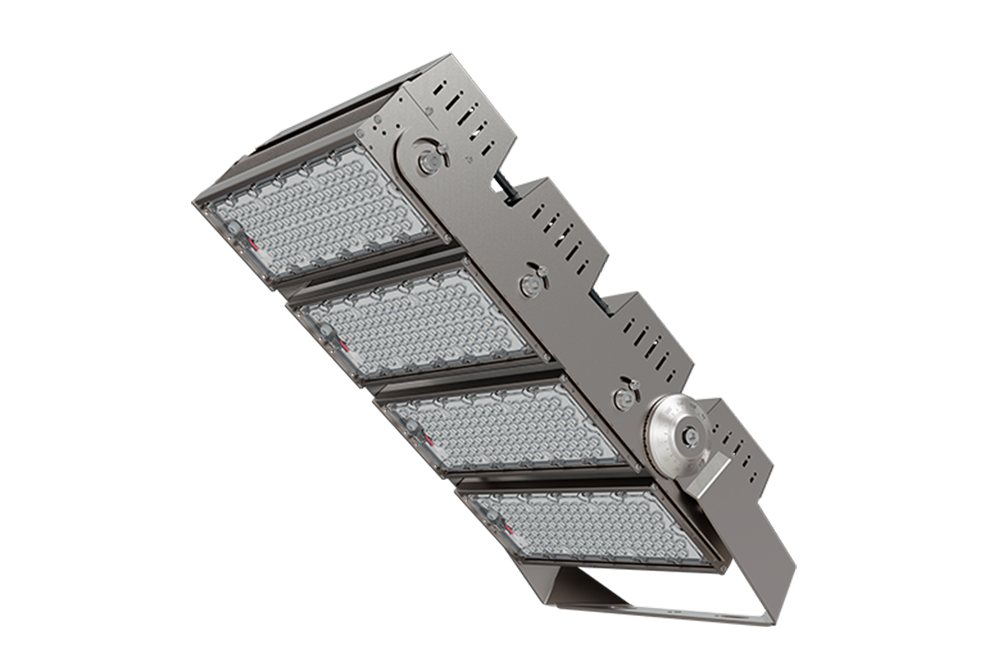
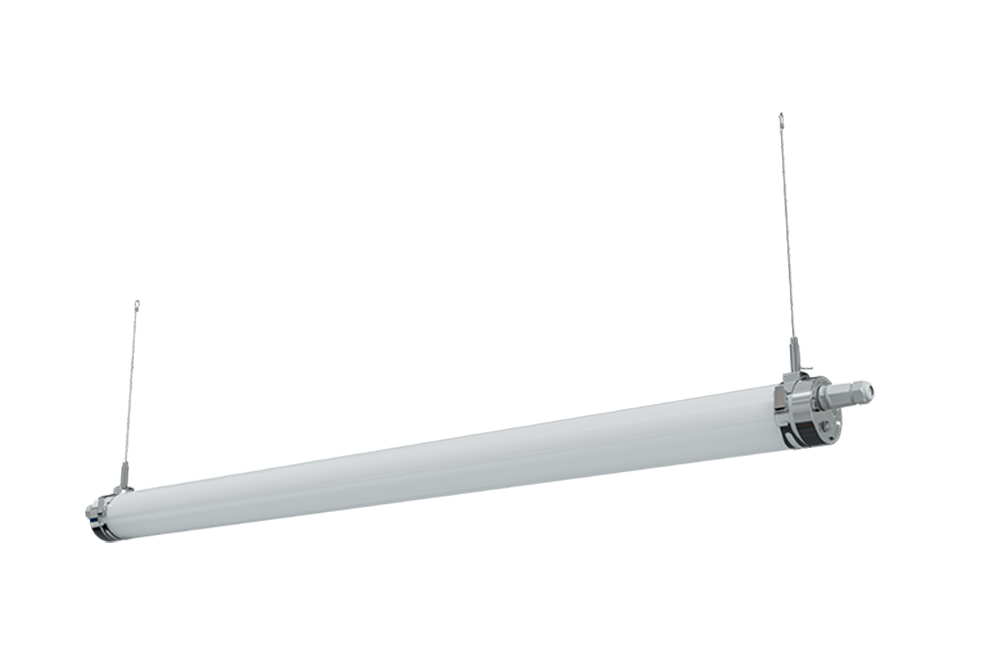
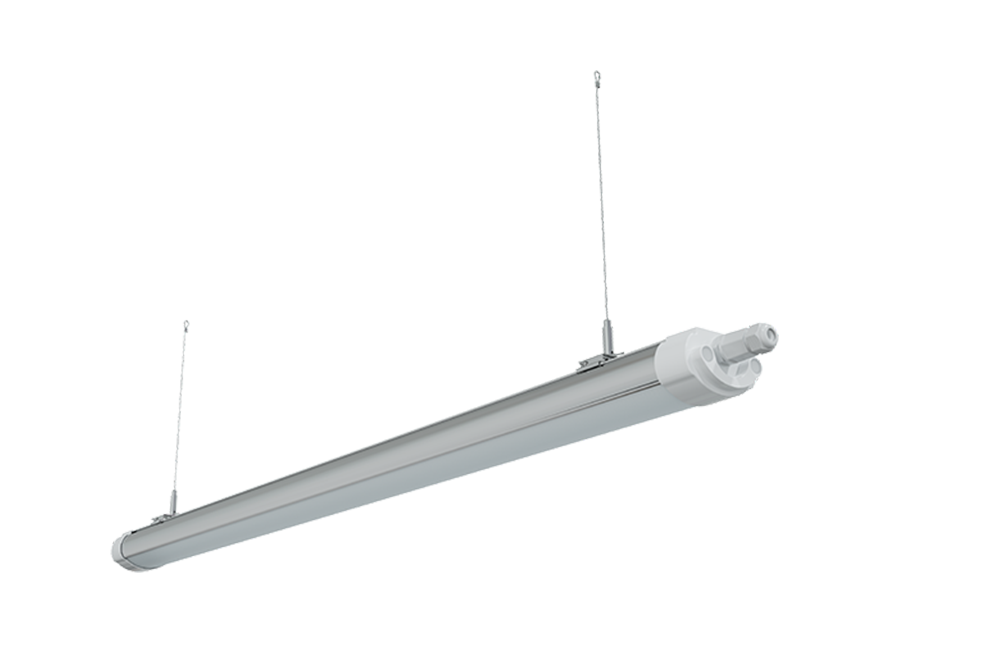
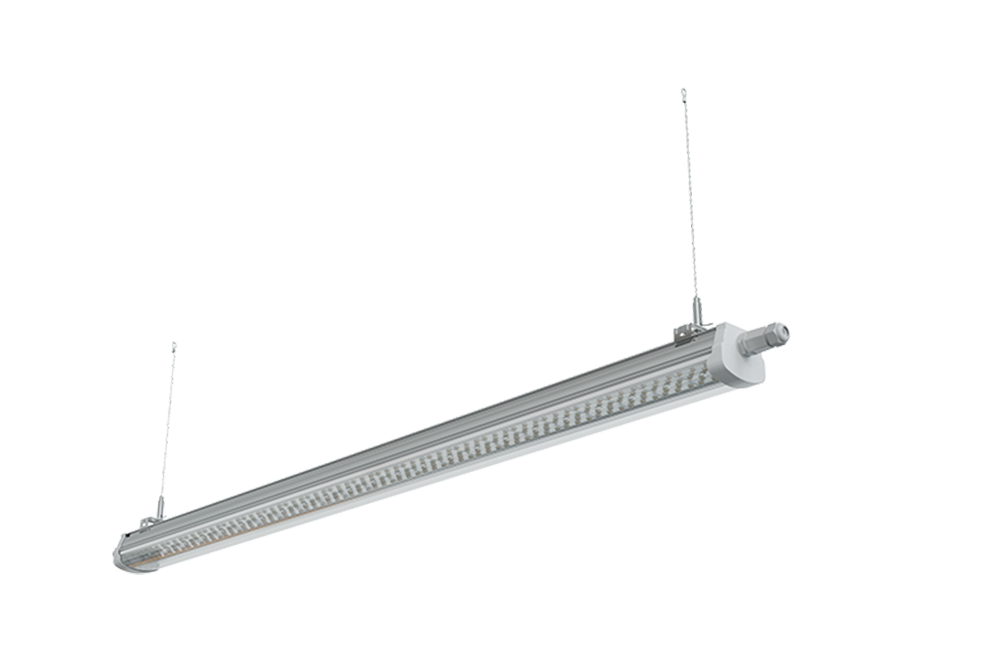
This approach is especially important for LED High Bay Light, LED Street Light, LED Flood Light, and LED Tri-proof Lamp systems that operate for long hours without interruption.
If flickering continues after checking drivers, dimmers, and wiring, the issue may be upstream in the electrical network. In such cases, a qualified electrician should inspect the power supply.
LED flicker is usually a system issue, not a single component failure.

LED explosion proof lights for hazardous industrial locations provide certified safety, lower maintenance, and energy-efficient illumination for harsh environments.
View details
How many high bay LED lights do I need? This guide explains how fixture quantity is usually estimated based on warehouse size, ceiling height, lumen output, and actual working conditions.
View details
Why Lighting for Hazardous Areas Exists is a critical question for industrial safety. Learn how hazardous area lighting prevents ignition risks and protects workers.
View details
What is the cut line on LED lights? Learn how cut lines control glare, improve safety, and why beam precision matters in industrial and outdoor LED lighting.
View details