 Seeking LED
Hazardous Lighting LED: A Field-Tested Guide to Industrial Safety
0Hazardous lighting LED ensures safe illumination in explosive zones. Learn standards, real-world insights, and expert selection tips from SEEKINGLED.
View detailsSearch the whole station
Long enough that maintenance teams stop worrying about frequent replacements.
But not long enough to ignore how they’re installed, powered, and used.
That’s the part people don’t like to hear.
We checked a facility that had switched to LED about four years earlier. On paper, those fixtures were rated for 50,000 hours.
So everything should have been stable.
Most of it was.
But a section near heavy machinery looked different. Not failed—just dimmer. Slightly uneven. You could tell without instruments.
Same product line. Same installation date.
The only difference was the environment. Heat, vibration, and longer operating hours.
That’s when how long will led lights last stopped being a simple number.
Traditional bulbs fail suddenly. LEDs don’t.
They fade.
The industry standard uses something called L70—when brightness drops to 70% of the original level.
So technically, the light still works.
But in real applications? That 30% loss is noticeable.
Sometimes unacceptable.
Forget ideal lab numbers for a moment.
In real use:
But those numbers depend on how the system holds up over time.
Not just the LED chip.
People focus on LEDs.
But LEDs are rarely the weak point.
Still the biggest factor.
Even efficient LEDs generate heat. If it builds up, degradation speeds up.
I’ve seen fixtures in enclosed ceilings age noticeably faster than identical ones in open spaces.
Same product. Different outcome.
This is where many systems fail.
The driver controls power. If it’s unstable, everything else suffers.
In some cases, the LED chips are fine—but the driver gives up first.
Light goes out. End of story.
Not every site has clean, stable electricity.
Fluctuations don’t always kill lights instantly.
They stress components over time.
That’s harder to notice—but it shortens lifespan.
Dust, moisture, vibration.
Each one adds stress.
Put them together, and lifespan drops faster than expected.
Industrial environments don’t forgive weak designs.
Even with all these variables, LEDs are still far ahead.
According to the U.S. Department of Energy, LED lighting significantly reduces both energy use and maintenance frequency compared to traditional lighting.
Typical ranges:
That’s not marginal. That’s a complete shift.
You install LEDs expecting long life.
Then something fails early.
Most of the time, it’s not because LEDs are unreliable.
It’s because something around them wasn’t designed or installed properly.
I’ve seen projects where:
The result? Lifespan cut in half.
No complicated formulas here.
Just decisions that hold up over time:
Skip one of these, and you’ll feel it later.
With SEEKINGLED, lifespan isn’t just a number printed in a datasheet.
It’s built into how the system performs over years.
That includes:
Because lasting longer isn’t about hitting a theoretical number.
It’s about staying consistent over time.
A light that’s still on isn’t always doing its job.
If brightness drops too much, it affects visibility, safety, and productivity.
That’s why usable lifespan matters more than maximum lifespan.
More answers
So, how long will led lights last?
Long enough to reduce maintenance and operating costs—if everything around them is done right.
Shorter than expected—if it isn’t.
And in most cases, the difference isn’t the LED.
It’s the system behind it.
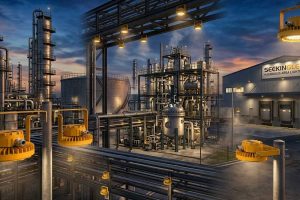
Hazardous lighting LED ensures safe illumination in explosive zones. Learn standards, real-world insights, and expert selection tips from SEEKINGLED.
View details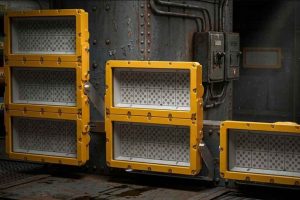
Atex led light customized for hazardous areas. Built for real conditions, not just specs. Discover durable, project-based solutions from SEEKINGLED.
View details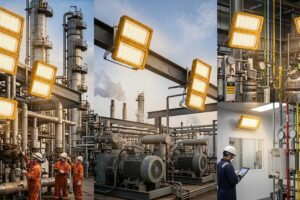
What is Class 1 Div 2 LED lighting? Learn how Class 1 Division 2 hazardous location LED fixtures improve safety in oil, gas, chemical, and industrial facilities.
View details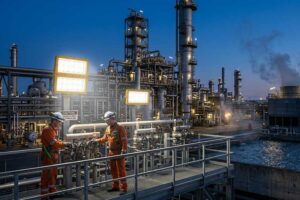
Hazardous area lighting fixtures provide certified protection in explosive environments. Learn how to select, install, and maintain ATEX and LED fixtures safely.
View details