 Seeking LED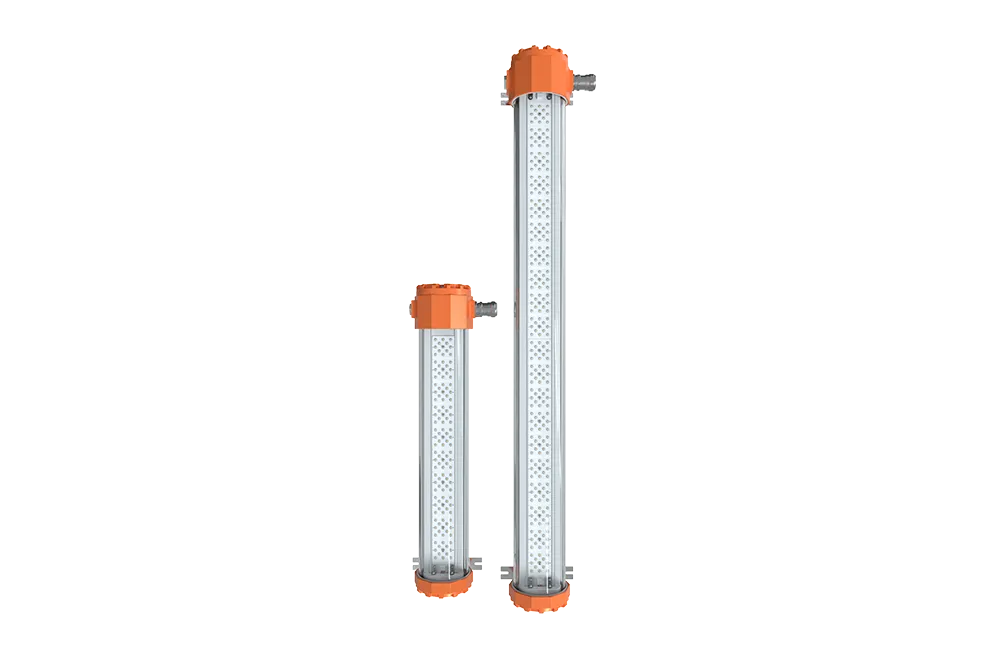
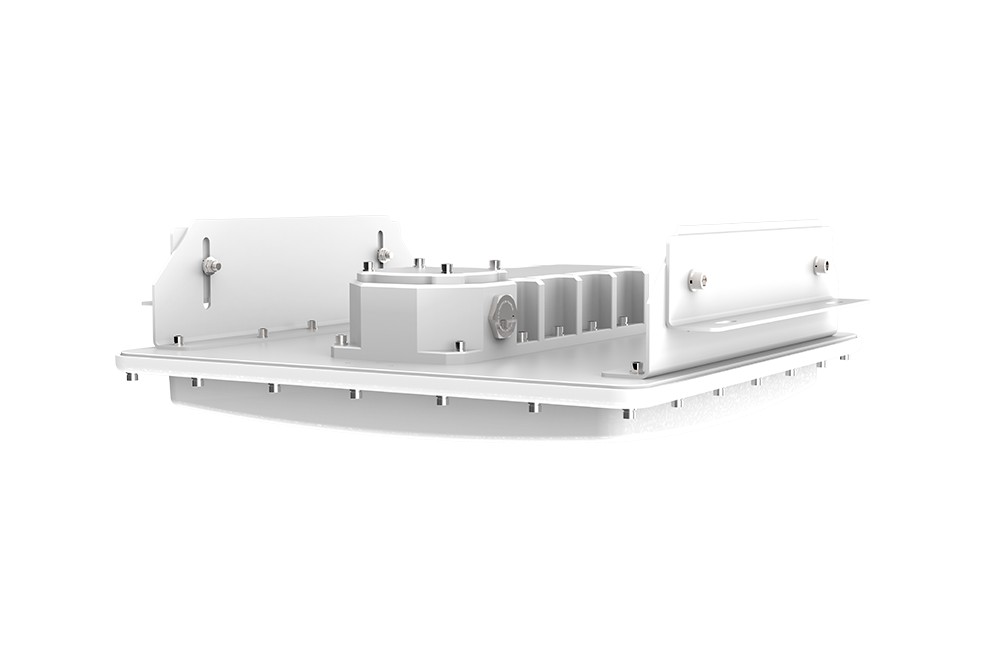
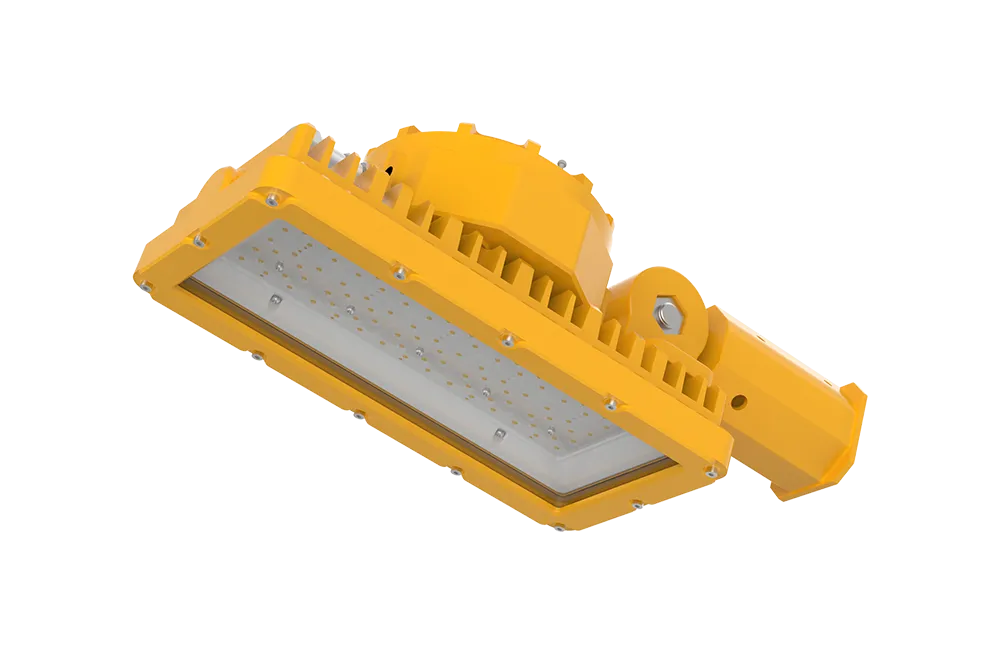
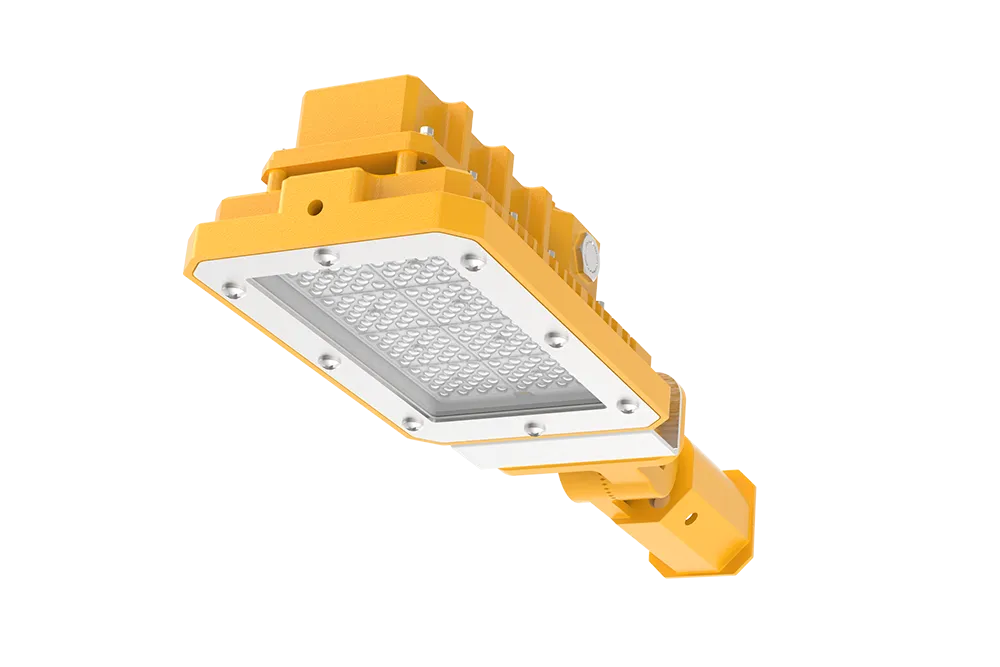
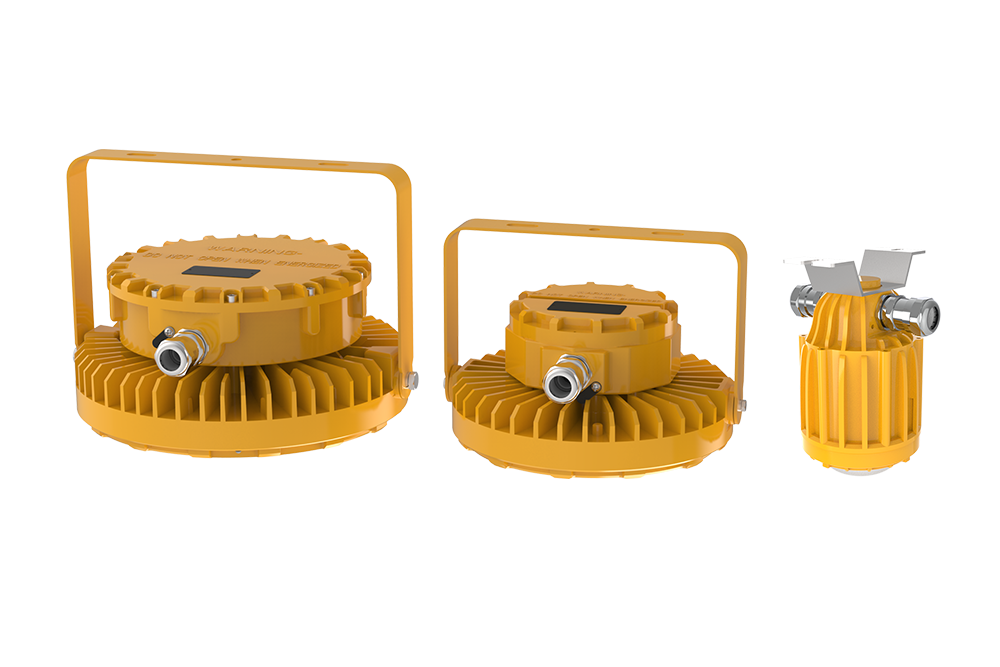
how to install new outdoor flood lights?
0Install new outdoor flood lights by verifying power, mounting securely, connecting wiring, sealing entries, then testing and aiming the fixtures at night.
View detailsSearch the whole station
When someone searches for explosion proof lighting led, it usually means one thing: the environment is not forgiving.
Oil mist in the air. Gas presence you can’t see. Fine combustible dust sitting on steel beams. I’ve walked through facilities where a simple spark isn’t just a malfunction—it’s a liability.
So let’s not romanticize it. Explosion proof lighting led is not decorative lighting. It is engineered containment.
Below are the questions we hear most often at SEEKINGLED from engineers, contractors, and safety managers.
It does not mean the fixture can survive an explosion from the outside.
It means the fixture is designed to contain an internal ignition so that it does not ignite the surrounding hazardous atmosphere.
That distinction matters.
Certified explosion proof lighting led fixtures are built with heavy-duty housings—usually aluminum alloy or stainless steel—with sealed joints and reinforced glass. If an internal arc occurs, the enclosure prevents flame propagation outside the unit.
If it’s not certified, it’s not explosion proof. Marketing terms don’t count.
You’ll typically see it specified in:
In North America, this often falls under Class 1 Division 1 or Class 1 Division 2 led lighting classifications. In Europe, ATEX zones apply.
An ATEX certified explosion proof lights rating is not optional if you’re operating in a regulated environment. Inspectors check documentation. They don’t accept “similar appearance.”
Yes. And not marginally.
Older explosion proof fixtures used HID or fluorescent lamps. They ran hot. They required frequent maintenance. Every lamp replacement meant opening the housing—a risk in itself.
Explosion proof lighting led reduces that exposure. LEDs:
Less maintenance in hazardous zones isn’t just convenient—it reduces risk.
I’ve seen facilities switch to industrial explosion proof led high bay systems primarily to reduce downtime and technician exposure time inside classified areas.
Do not guess here.
Depending on region, look for:
If the documentation isn’t clear, request it. Explosion proof lighting led without certification is simply industrial lighting.
At SEEKINGLED, we supply hazardous area led light fixtures with proper documentation because compliance is part of the design process—not an afterthought.
Very.
Hazardous environments often include vibration, corrosive chemicals, or temperature extremes. The fixture housing must resist impact and corrosion.
Look for:
Cheap housings crack under stress. And when they fail, they fail at the worst possible moment.
Yes, frequently.
Many oil and gas sites require both indoor and outdoor hazardous area lighting. A properly sealed explosion proof lighting led fixture handles rain, dust, and temperature swings without issue.
But outdoor use does not remove the need for correct zoning classification. Zone rating always comes first.
Brightness depends on application.
For high ceilings in refineries or chemical plants, industrial explosion proof led high bay fixtures in the 100W–200W range are common. Lower wattages may be used for walkway or perimeter lighting.
But brightness should match task requirements. Over-lighting creates glare and wastes energy. Under-lighting creates risk.
We often recommend photometric planning before final selection. Guessing lumen output is not a professional approach in hazardous zones.
Because we approach hazardous lighting with engineering discipline.
SEEKINGLED explosion proof lighting led fixtures are designed with certified enclosures, stable drivers, and materials suited for corrosive environments. We don’t oversell unrealistic lumen claims. We focus on reliability.
Hazardous zones demand predictability. Not surprises.
When a facility installs explosion proof lighting led, they are making a safety decision that affects personnel, compliance, and insurance liability. That’s not an area for shortcuts.
If you are evaluating explosion proof lighting led, remember this: the fixture is part of your safety infrastructure.
Certification matters. Housing quality matters. Thermal management matters. Documentation matters.
The wrong product might look similar from a distance. Up close, in a classified zone, the differences become critical.
At SEEKINGLED, we build hazardous area led light fixtures that are designed to perform under pressure—literally and operationally.
Related products
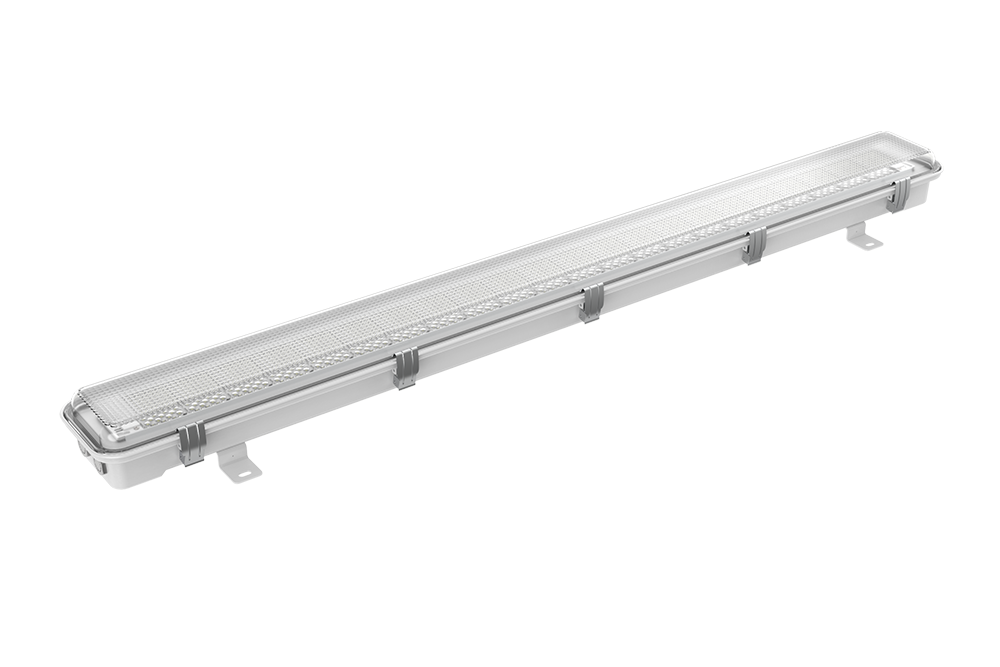
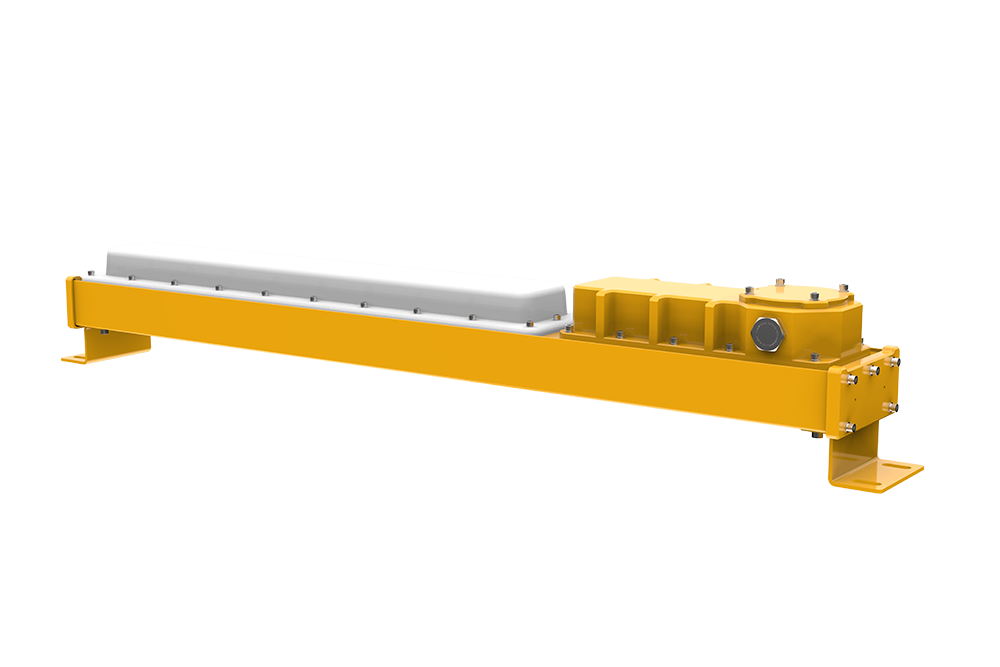
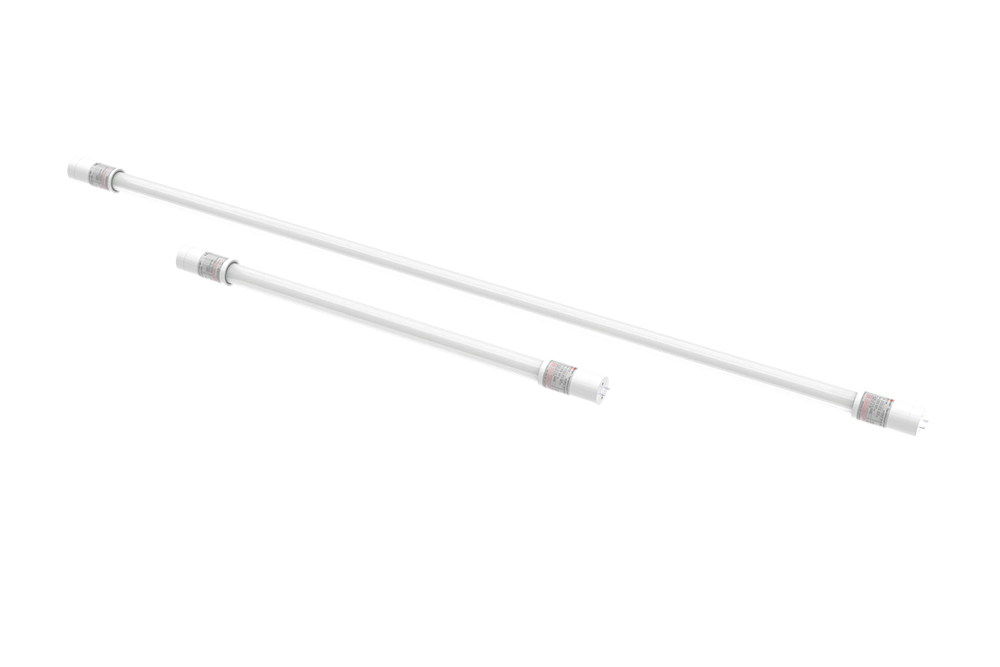
SEEKINGLED LED Linear Explosion Proof Light and Explosion Proof lighting is ATEX and IECEx certified for Zone 1, Zone 2, Zone 21 and Zone 22 hazardous locations, built for long-term industrial use.
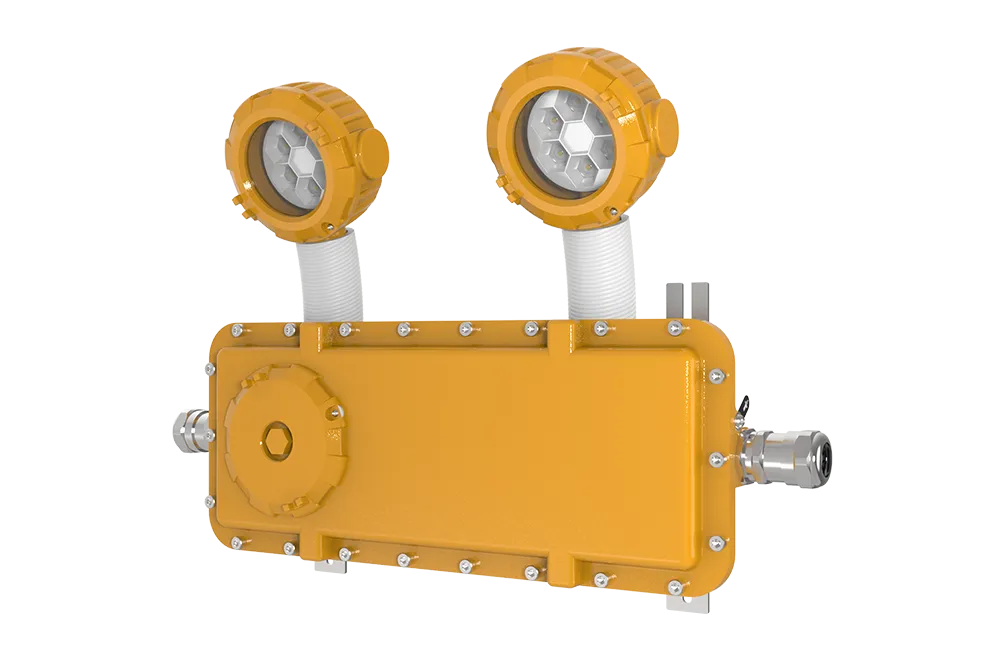
LED Linear Explosion Proof Lights and EX Proof lights for Zone 1, Zone 2, Zone 21 and Zone 22 hazardous areas. ATEX & IECEx certified explosion proof LED linear lighting with emergency function, adjustable power and IP67 protection by SEEKINGLED.
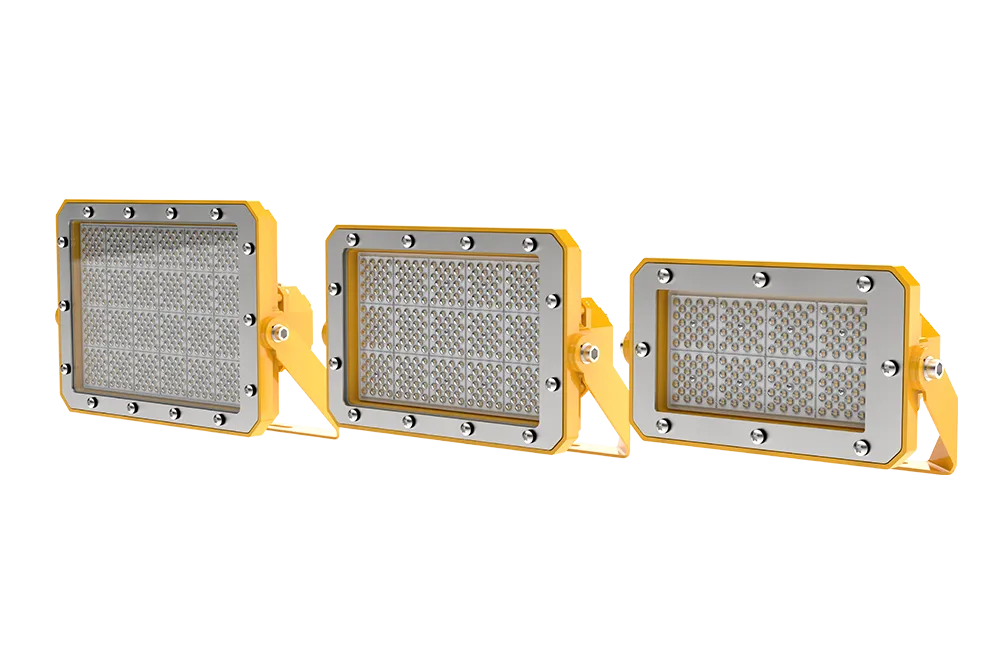
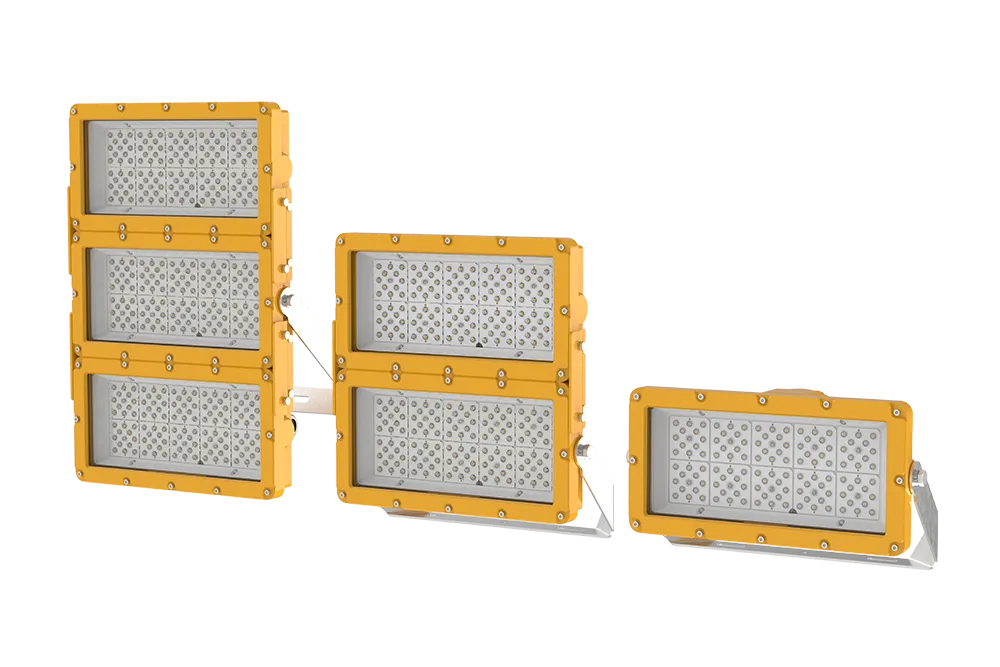
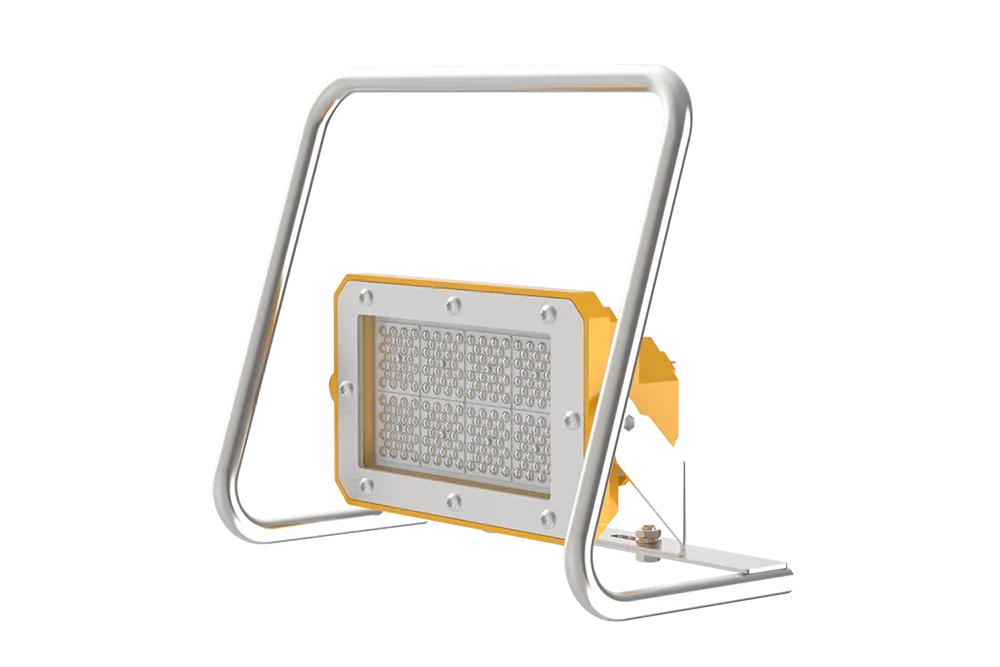
SEEKINGLED LED Explosion Proof Flood Lights are ATEX certified for Zone 2 and Zone 22 hazardous areas, offering high efficiency, adjustable power and integrated junction box.
SEEKINGLED LED Explosion Proof Flood Lights are flameproof ATEX and IECEx certified for Zone 1 and Zone 2 hazardous areas, offering high power, adjustable output and long service life.
SEEKINGLED LED Gas Station Canopy Lights are ATEX certified for Zone 2 and Zone 22 hazardous areas, featuring adjustable power and built-in explosion-proof junction box.
ATEX: Ex II 2G Ex db IIB T6/T5 GbEx II 2D Ex tb IIIC T80°C/ T95°C Db IECEx Ex db IIB T6 Gb;Ex tb IIIC T80°C Db Feature: ● For Zone 1,2 and Zone 21,22● Flameproof type, the strongest● 100W can replace 250W HID,energy saving● Power:60W,80W,10…
ATEX: II 3G Ex nR ⅡC T5/T6 GcII 3D Ex tc ⅢC T80℃/T95℃Dc ATEX Certificate NO: TÜV CY 26 ATEX 0207611 X Feature: ● For Zone 2 and Zone 22● 150W can replace 250W HID lamps,Energy saving● Power:50W,75W,100W,150W,200W Application: Oil and gas, m…
LED explosion proof high bay lights are designed for Zone 1, Zone 2, Zone 21 and Zone 22 hazardous areas. This page introduces the HB21 Series from SEEKING, including certifications, power options and real application considerations.
LED Linear Explosion Proof Lights from SEEKINGLED. LU Series Flame Proof lights ATEX-certified explosion proof LED linear lighting for Zone 2 gas and Zone 22 dust areas, IP69K, IK10, long lifetime and flexible power options.
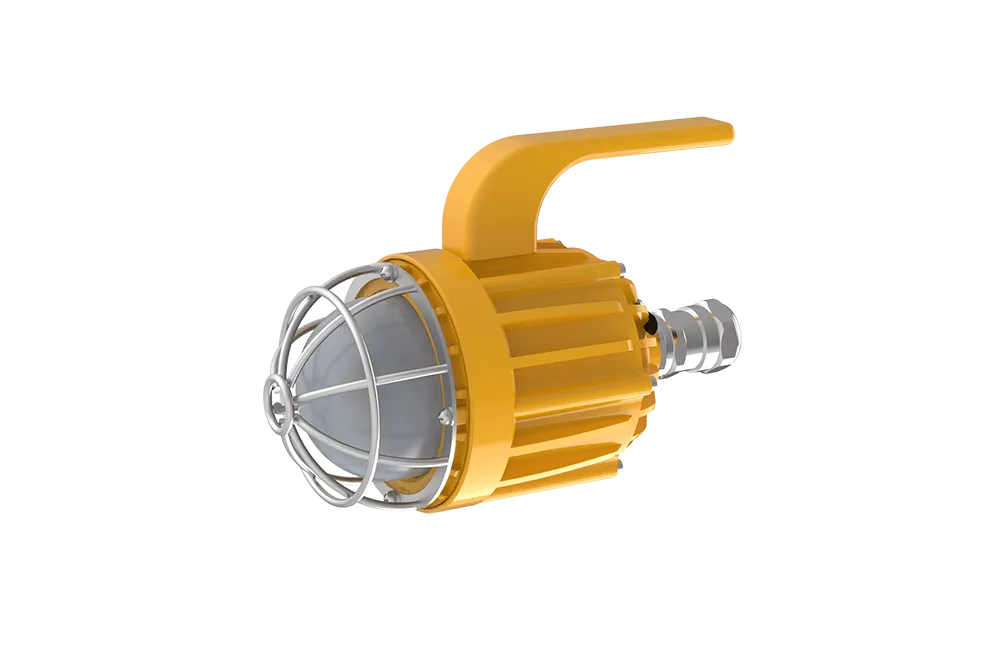
Certified explosion proof work lights for Zone 1 & 21 hazardous areas. Portable, ATEX & IECEx approved, built for oil, gas and chemical plants by SEEKINGLED.
ATEX: II 3G Ex nR ⅡC T6 GcII 3D Ex tc ⅢC T80℃ Dc ATEX Certificate NO: TÜV CY 26 ATEX 0207611 X Feature: ● For Zone 2 and Zone 22● Accepts battery-powered supply● indestructible● Power:AC input:50W,75W,100WDC input:15W,25W,35W Application: O…
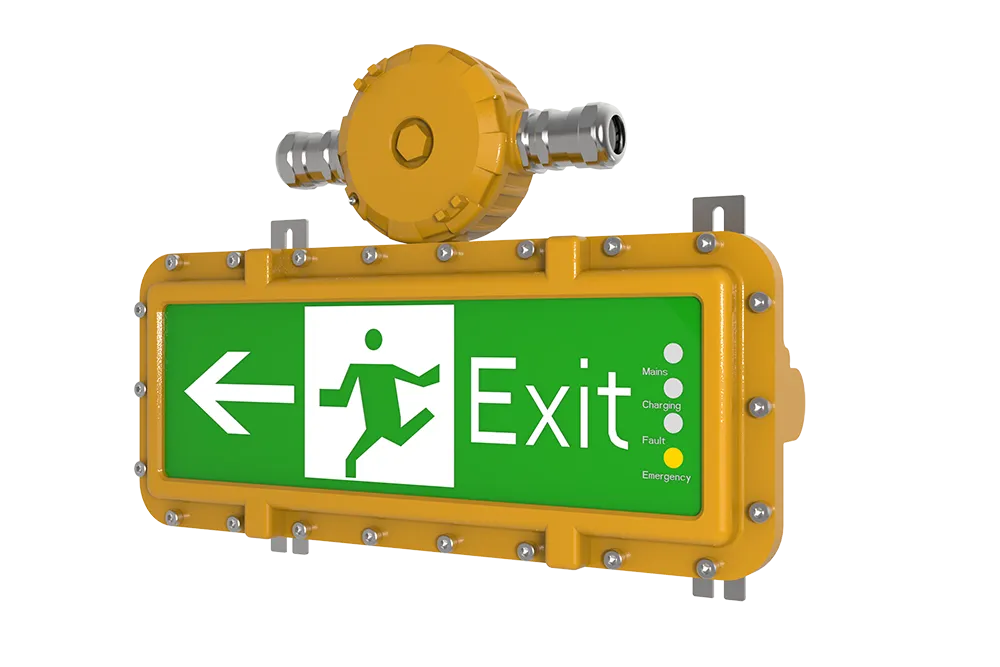
ATEX: Ex II 2G Ex db IIB T6 GbEx II 2D Ex tb IIIC T80°C Db IECEx Ex db IIB T6 Gb;Ex tb IIIC T80°C Db Feature: ● For Zone 1,2 and Zone 21,22● Flameproof type, the strongest Application: Oil and gas, marine, Chemical, pharmaceutical, semicondu…
ATEX: Ex II 2G Ex db IIB T6 GbEx II 2D Ex tb IIIC T80°C Db IECEx Ex db IIB T6 Gb;Ex tb IIIC T80°C Db Feature: ● For Zone 1,2 and Zone 21,22● Flameproof type, the strongest Application: Oil and gas, marine, Chemical, pharmaceutical, semicondu…
ATEX: Ex II 2G Ex d e IIB T6 Gb ATEX: Ex d e IIB T6 Gb; Feature: ● For Zone 1,2● 9W can replace 18W fluorescent lamps,50% Energy saving Application: Oil and gas, marine, Chemical, pharmaceutical, semiconductor,mining,military industry, pain…
loading…
This is the last post!
Install new outdoor flood lights by verifying power, mounting securely, connecting wiring, sealing entries, then testing and aiming the fixtures at night.
View details
7-8th,July,2017 Booth: C8We launch our new GSL series low bay light. It include 80W, 100W, 150W, 200W, 240W, square appearance, IP65 protection grade. PC cover, ultrathin design, suspension, recessed, surface mounting...
View details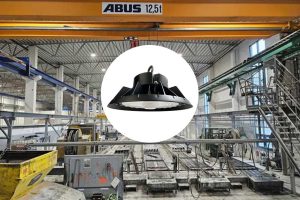
LED High Bay Lighting for Concrete Factory projects often start with reliability and maintenance concerns. This case records how HBF Series 150W high bays replaced 400W HID lamps in a concrete products factory in Sweden using SEEKINGLED fixtures.
View details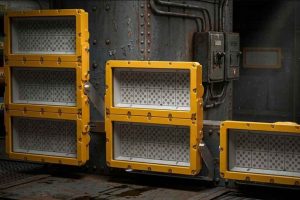
Atex led light customized for hazardous areas. Built for real conditions, not just specs. Discover durable, project-based solutions from SEEKINGLED.
View details