 Seeking LED
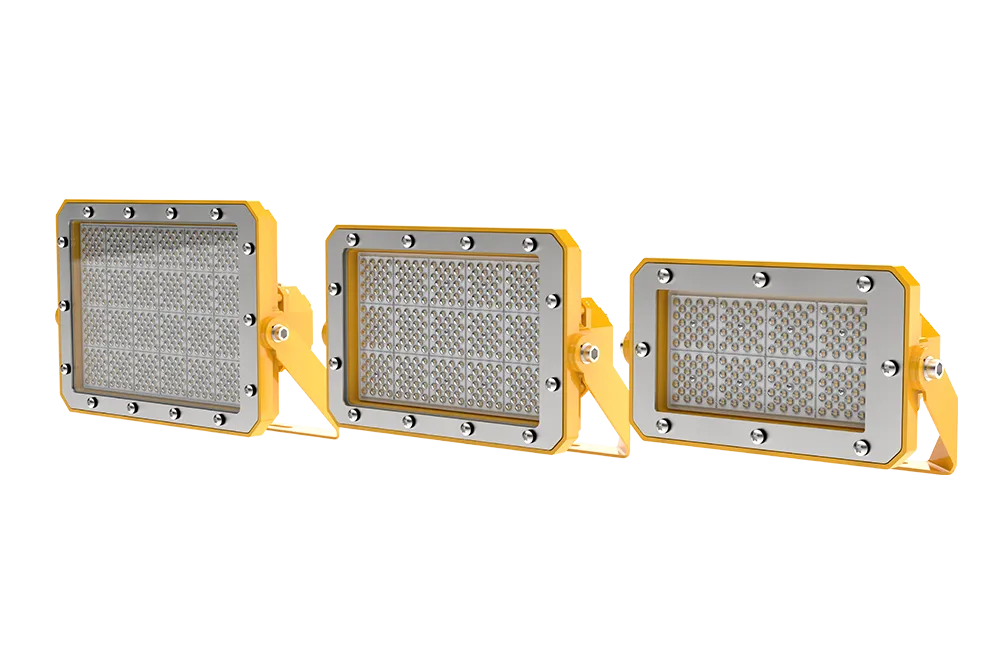
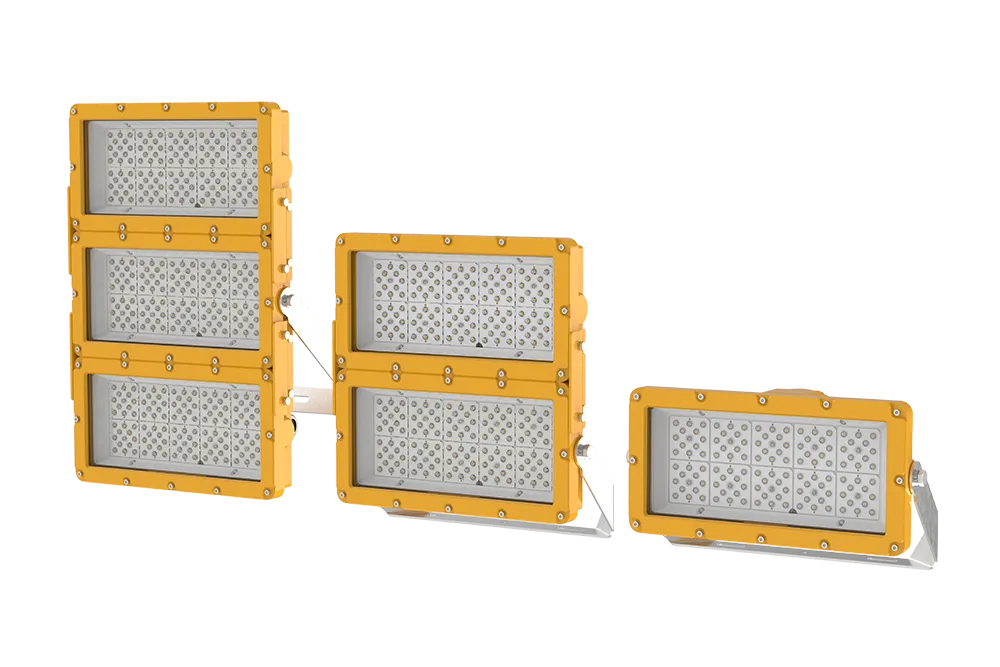
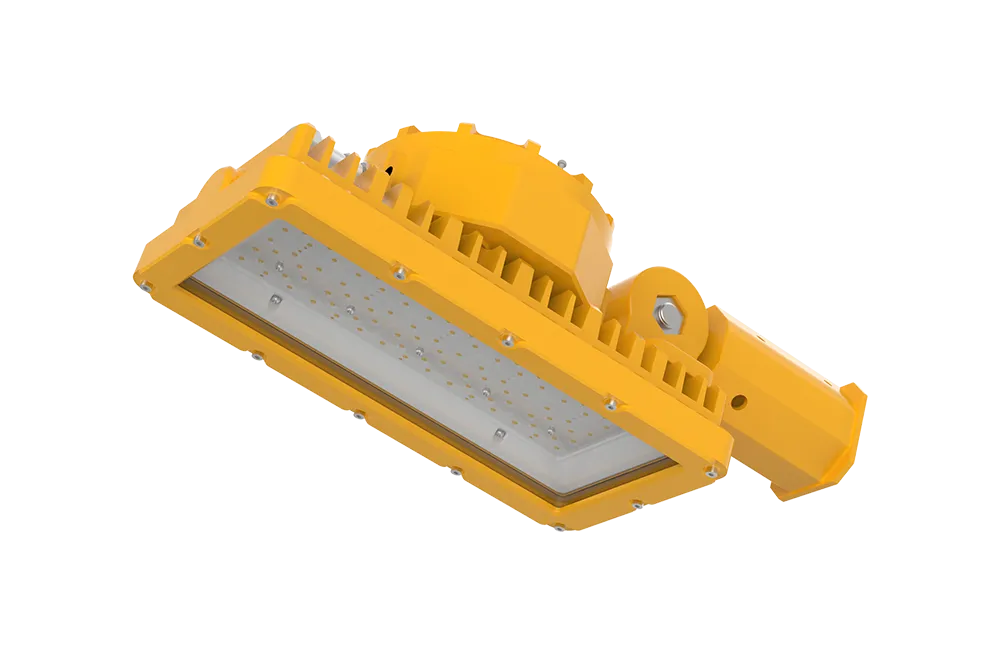
Are Class 1 Div 2 Fixtures Explosion Proof?
0Are Class 1 Div 2 fixtures explosion proof? Learn the real difference between hazardous location ratings, explosion-proof lighting, and safe industrial applications from SEEKINGLED.
View detailsSearch the whole station
Lighting decisions in sports venues are rarely aesthetic alone. From an engineering standpoint, color temperature directly affects visibility, contrast perception, fatigue, and even camera performance. This is why sports stadium lighting color temperature design is treated as a technical parameter, not a decorative choice.
At SEEKINGLED, our work across stadiums, training fields, and multipurpose sports complexes shows that incorrect color temperature selection often causes more complaints than insufficient brightness.
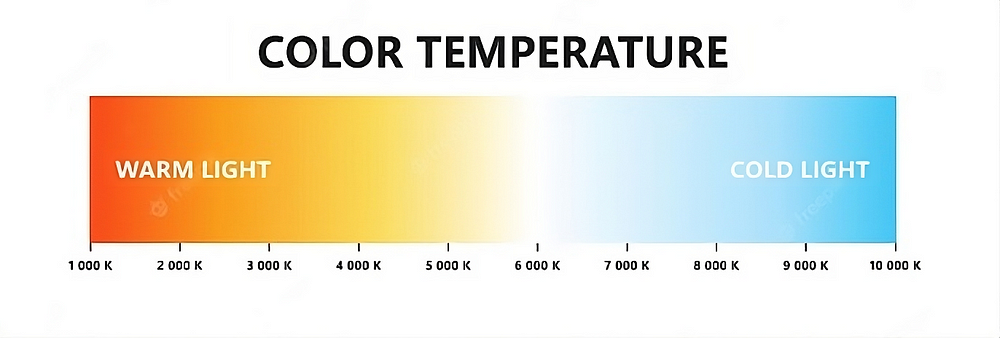
Color temperature describes how “warm” or “cool” a light appears, measured in Kelvin (K). Lower values (3000K–4000K) lean warm, higher values (5000K–6000K) appear cool.
In a stadium environment, this isn’t theoretical. A football under warm light reflects differently than under cool light. Jerseys separate more clearly under higher Kelvin. Shadows behave differently depending on spectrum distribution. These are field-tested observations, not marketing claims.
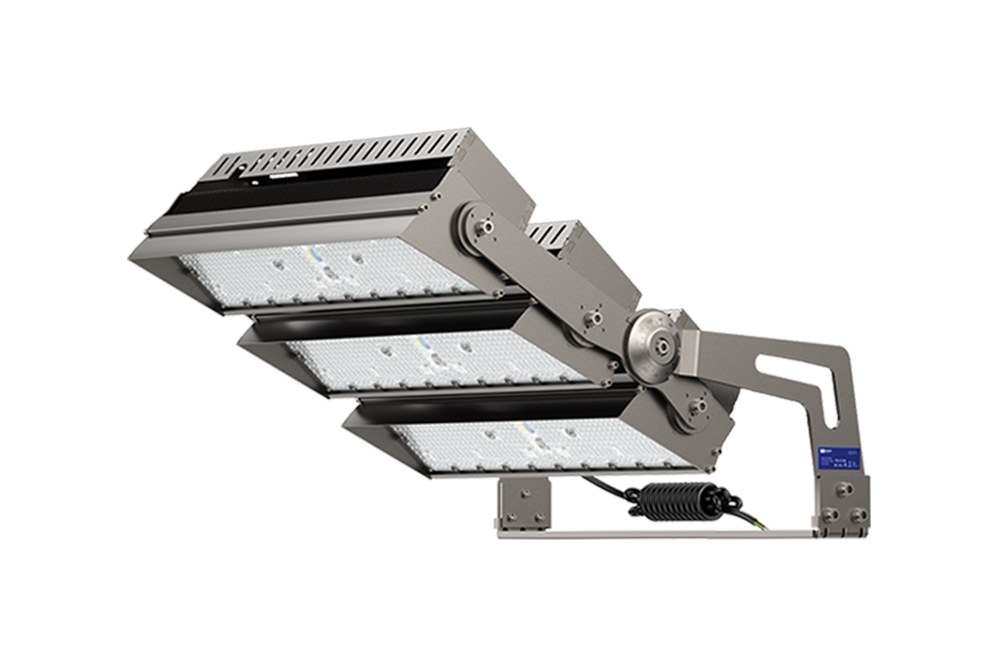
In most Sports Stadium LED Lighting projects, engineers start between 5000K and 5700K. This range supports:
Lower color temperatures are sometimes used, but rarely on the playing surface. Instead, they appear in peripheral zones: concourses, lounges, or garden-adjacent areas using Garden Lights LED.
A stadium is not a single lighting environment. Playing fields, stands, access roads, and parking zones all serve different functions.
Explosion risk zones, such as fuel storage or maintenance rooms, require Explosion Proof Light fixtures where color temperature must comply with certification limits, not preference.
Warm light improves comfort but reduces contrast. Cool light increases alertness but can feel harsh if overused.
In one SEEKINGLED stadium retrofit, lowering concourse lighting from 5000K to 4000K reduced visual fatigue complaints without changing lumen levels. Meanwhile, the pitch remained at 5700K to meet broadcast standards.
This mix is intentional. Uniform color temperature across an entire venue is rarely optimal.
Design software predicts outcomes, but real environments always differ. Surface reflectance, mounting height, and beam angle influence perceived color more than spec sheets suggest.
That’s why SEEKINGLED engineers recommend on-site mockups, especially for large-scale Sports Stadium LED Lighting projects. Small Kelvin adjustments can change how a venue feels during live events.
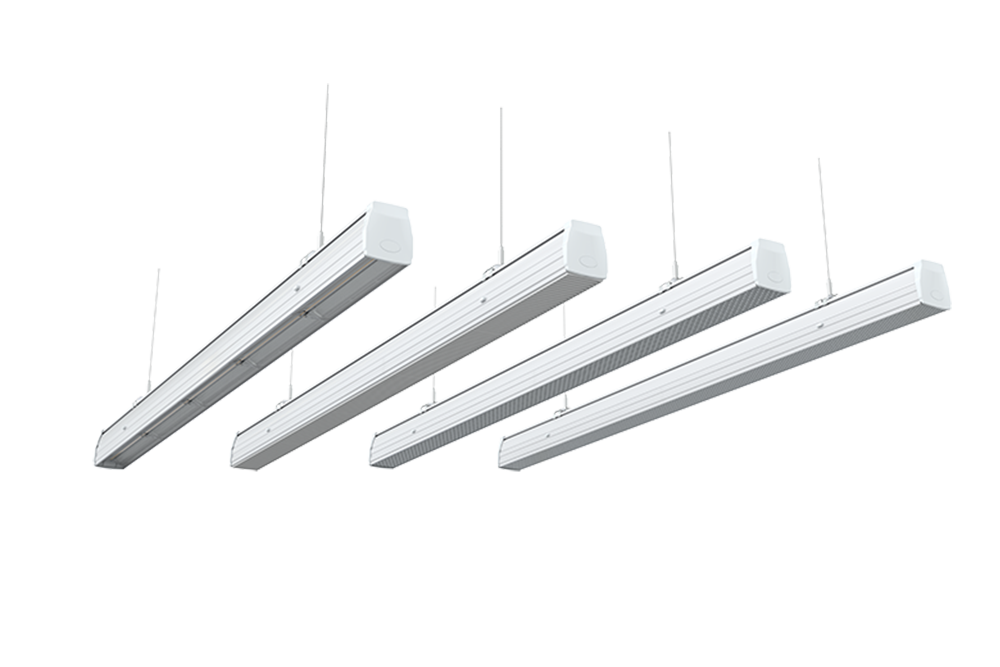
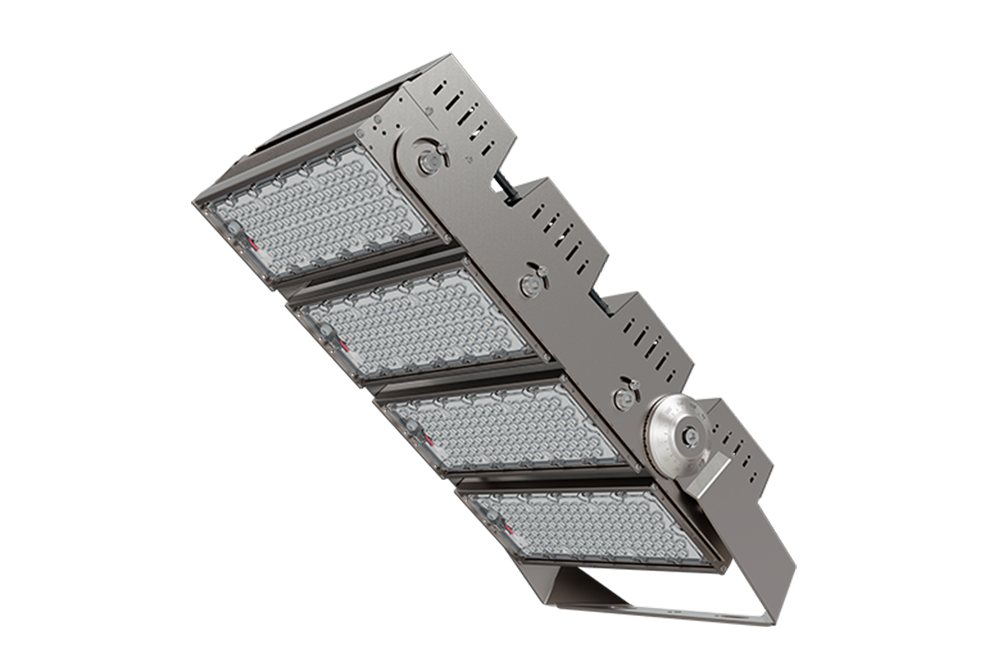
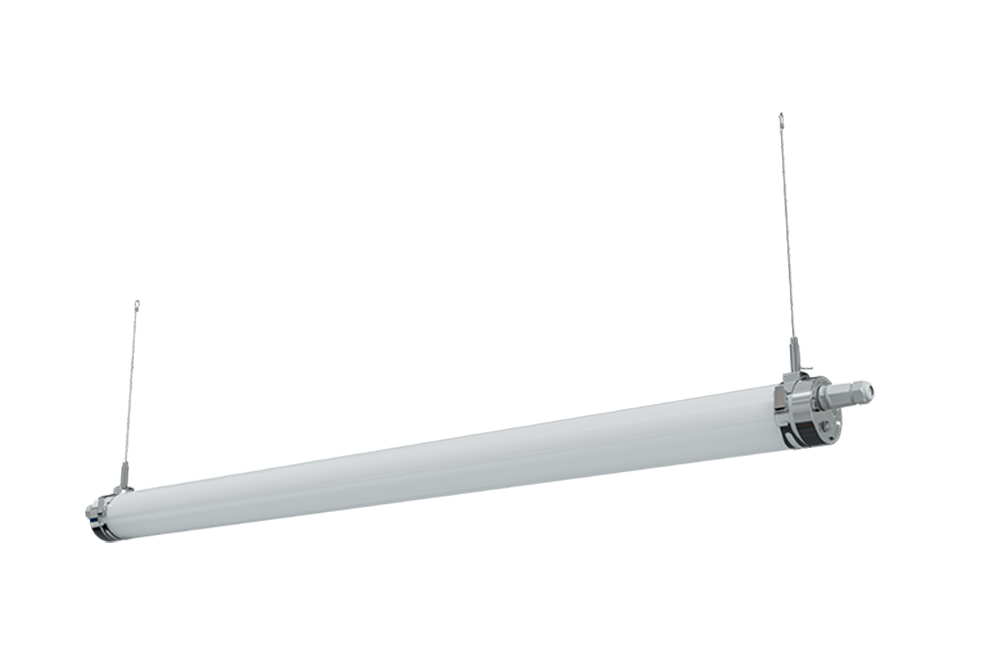
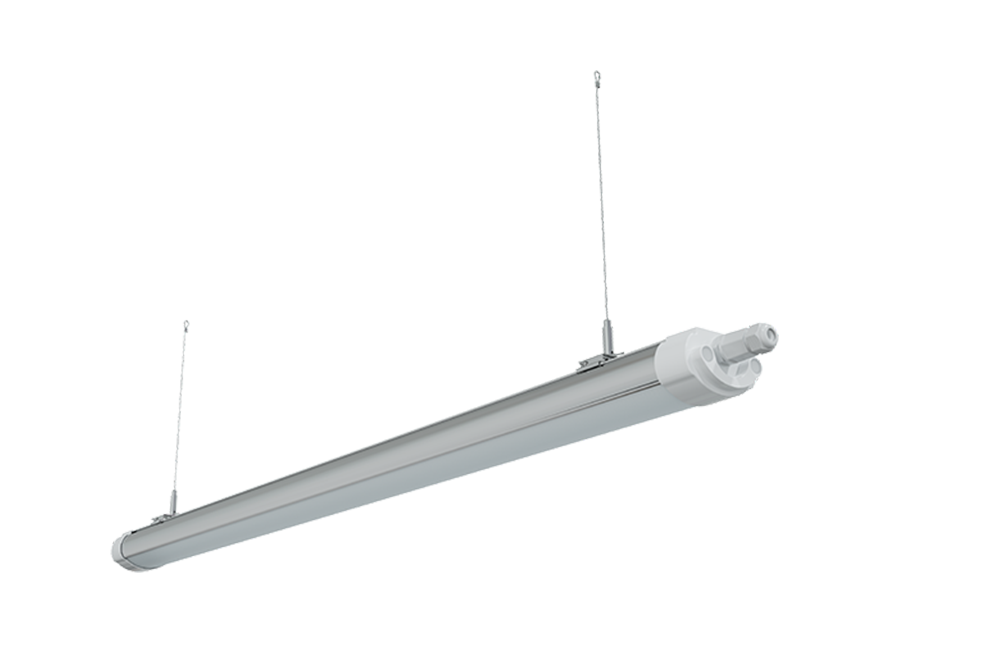
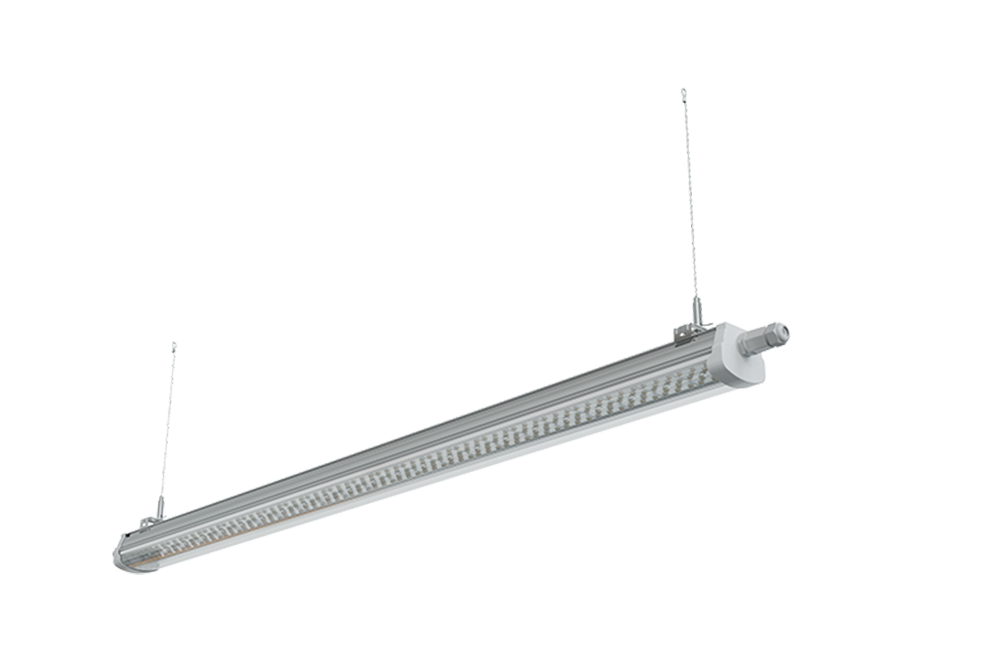
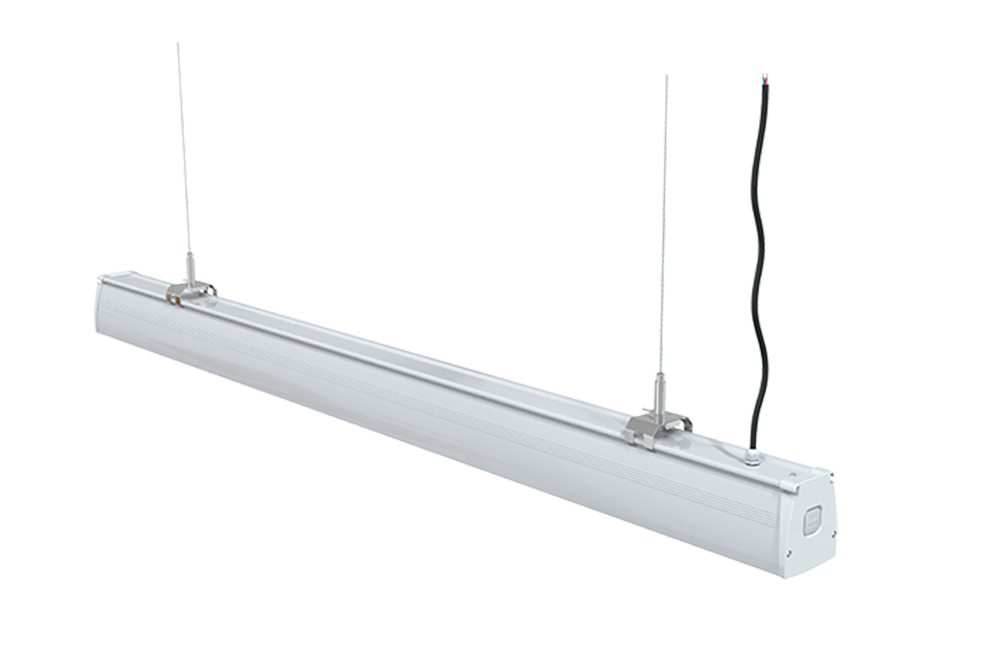
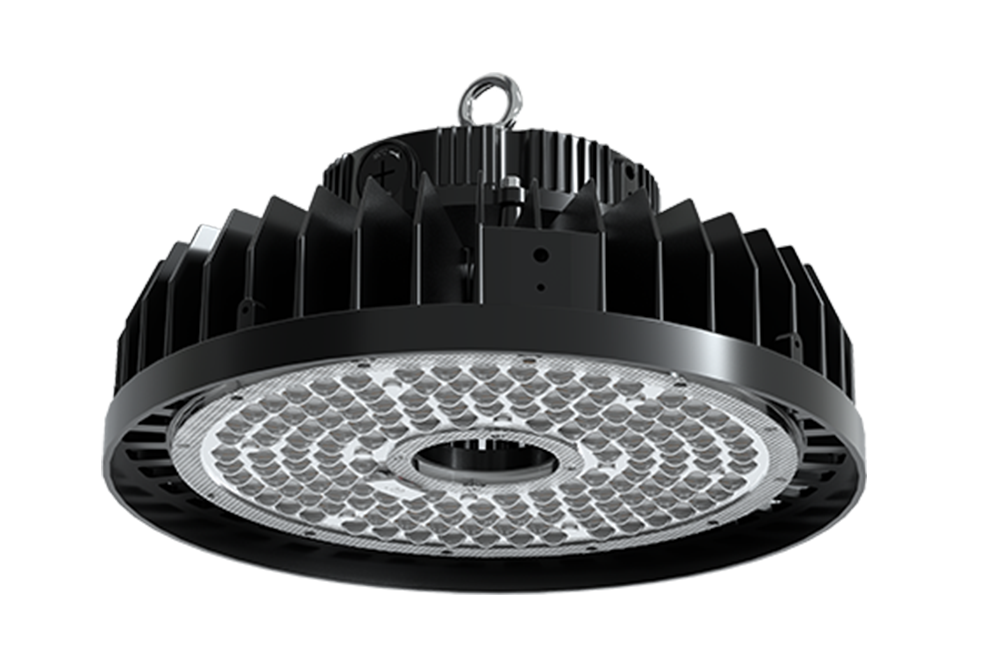
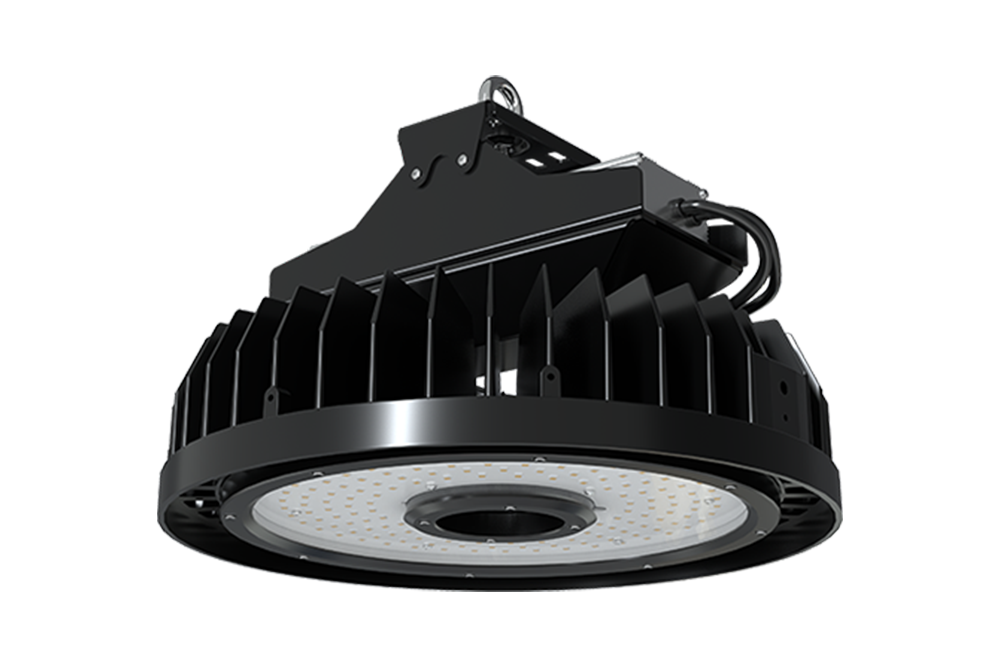
Color temperature consistency matters across fixture types. Mixing LED Flood Light, LED High Bay Light, and Linear LED Light products from unrelated sources often causes visible color mismatch. Integrated systems reduce that risk.
Sports stadium lighting color temperature design is not about mood lighting. It is about performance, safety, broadcast quality, and long-term comfort. Engineers treat Kelvin selection as a working parameter, just like beam angle or glare control.
SEEKINGLED continues to apply this approach across stadiums, arenas, and sports complexes, using field data rather than assumptions.
Are Class 1 Div 2 fixtures explosion proof? Learn the real difference between hazardous location ratings, explosion-proof lighting, and safe industrial applications from SEEKINGLED.
View details
how many amps does a 150 watt led light use in real installations? Learn the current draw at 120V and 240V, practical load calculations, and electrical tips from SEEKINGLED.
View details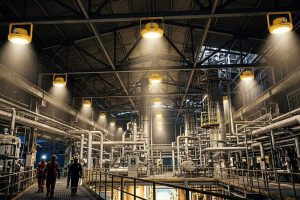
What is an explosion-proof high bay light fixture? Discover how it safely delivers high-lumen lighting in hazardous areas with certified protection and durability.
View details
18th-23th- March-2018 Booth NO.:10.2 A61HGSL series low bay light include 80W, 100W, 150W, 200W, 240W, square appearance, IP65 protection grade. PC cover, ultrathin design, suspension, recessed, surface mounting and other ...
View details