 Seeking LED
how to choose flood lights?
0Choose flood lights by matching lumen output, beam angle, mounting height, environment, color temperature, controls, and efficiency to the actual application.
View detailsSearch the whole station
how much power does a high bay light use depends on its wattage, application, and required light output. Most modern LED high bays are commonly specified around 100W–240W, while larger fixtures can exceed 300W. A 150W fixture running 10 hours daily consumes about 1.5 kWh per day.
For a quick estimate, look at the fixture’s rated wattage. A 100W high bay uses 100 watts while operating; a 200W model uses 200 watts.
The electricity consumed over time is different:
Energy (kWh) = Wattage × Operating Hours ÷ 1,000
For example, one 200W high bay operating for 10 hours uses:
200 × 10 ÷ 1,000 = 2 kWh
If 50 identical fixtures operate for the same 10-hour shift:
50 × 200W × 10 ÷ 1,000 = 100 kWh per day
That number is much more useful to a warehouse manager than the wattage printed on one fixture. During lighting projects I have worked on, the mistake I see repeatedly is comparing fixtures only by watts. The better comparison is how much useful light the fixture produces for those watts.
| High Bay Wattage | Power per Fixture | 10 Hours/Day | 50 Fixtures/Day |
|---|---|---|---|
| 100W | 0.10 kWh/hour | 1.0 kWh | 50 kWh |
| 150W | 0.15 kWh/hour | 1.5 kWh | 75 kWh |
| 200W | 0.20 kWh/hour | 2.0 kWh | 100 kWh |
| 240W | 0.24 kWh/hour | 2.4 kWh | 120 kWh |
| 300W | 0.30 kWh/hour | 3.0 kWh | 150 kWh |
These figures represent operating energy before considering controls, dimming, or other system-level factors.
There is no universal wattage for a warehouse high bay.
A small facility with moderate mounting height may use 100W–150W fixtures. A distribution center with higher ceilings, wider spacing, or greater illumination requirements may use 200W–300W or more.
SEEKINGLED manufactures high bay options across several wattages, including products designed for industrial and warehouse applications. The important point is not simply selecting the lowest wattage. The fixture needs to deliver the required illumination where workers actually perform their tasks.
Wattage becomes much more meaningful when it is paired with luminous efficacy.
The U.S. Department of Energy’s Federal Energy Management Program currently specifies a minimum luminous efficacy of 175 lm/W for designated industrial high-bay LED luminaires producing at least 10,000 lumens. DOE defines luminous efficacy as light output per unit of electrical input.
That gives us a useful way to look at warehouse lighting.
A hypothetical 150W fixture producing 26,250 lumens would provide:
26,250 ÷ 150 = 175 lm/W
A 200W fixture at the same efficacy would theoretically produce:
200 × 175 = 35,000 lumens
So two fixtures with different wattages are not necessarily “better” or “worse.” The real question is whether the additional power produces useful light in the right places.
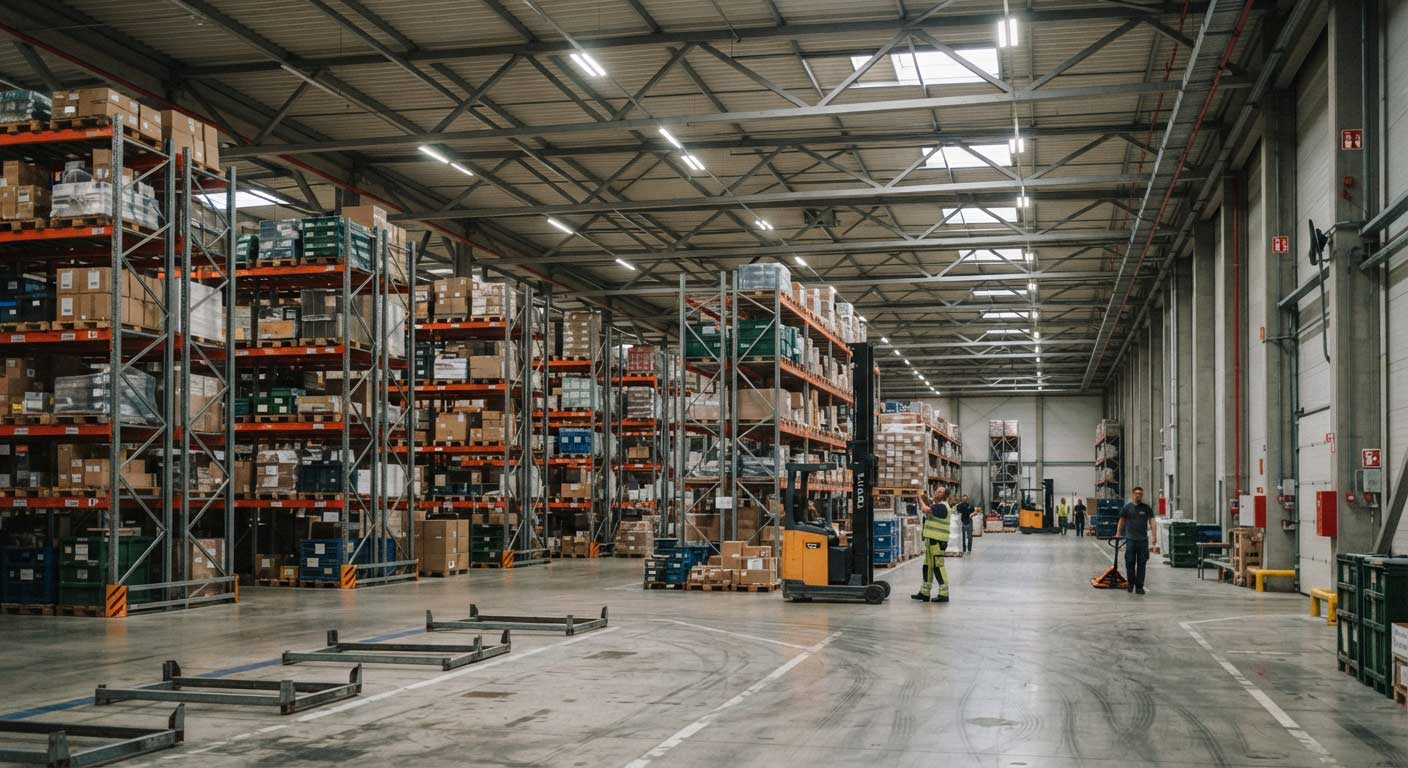
A 200W high bay consumes 0.2 kWh for every hour it operates.
At different operating schedules:
For 40 fixtures operating 10 hours per day:
40 × 200W × 10 ÷ 1,000 = 80 kWh/day
Over 300 operating days, that becomes approximately:
24,000 kWh/year
This is why a relatively small wattage difference becomes significant in a large warehouse. Replacing one 200W fixture with a 150W fixture saves only 50W at that location. Replacing 200 fixtures saves 10kW whenever the system is operating.
Voltage and current are related to electrical input, but changing the supply voltage does not automatically make a 200W fixture consume less power.
A properly operating 200W fixture still requires approximately 200W of real input power, subject to driver efficiency and operating conditions.
Voltage mainly changes the current required for that power. At 240V, 200W is approximately 0.83A; at 120V, it is approximately 1.67A.
That distinction matters when planning warehouse circuits, but the electricity bill is driven by actual energy consumption in kWh.
This is where a lighting quotation can become misleading.
A fixture that looks powerful on the specification sheet may perform poorly if its beam pattern does not suit the mounting height.
Consider:
OSHA‘s construction illumination standard specifies 5 foot-candles for indoor warehouses in its Table D-3 requirements. That is a minimum requirement within that particular construction standard, not a universal design target for every warehouse.
In an actual warehouse, the lighting designer should measure illumination at the relevant working surface rather than assuming that a certain wattage automatically provides adequate light.
A 150W high bay mounted correctly can outperform a poorly positioned 200W fixture. I have seen this happen in facilities where the first instinct was simply to increase wattage after employees complained about dark aisles. Changing optics and spacing sometimes makes more sense than adding power.
The largest savings opportunity is often not the fixture wattage itself.
Compare lumens per watt, not watts alone. DOE’s 175 lm/W benchmark for designated industrial high bays is a useful reference when evaluating efficient commercial products.
Warehouses frequently have aisles, storage zones, and loading areas that are not occupied continuously. Sensors and dimming can reduce operating hours or output when full illumination is unnecessary.
Installing excessive wattage everywhere creates unnecessary energy consumption and can introduce glare. The lighting layout should match the task.
Driver efficiency, power factor, dimming compatibility, and operating temperature are easy to ignore during procurement. They become important when hundreds of fixtures operate every day.
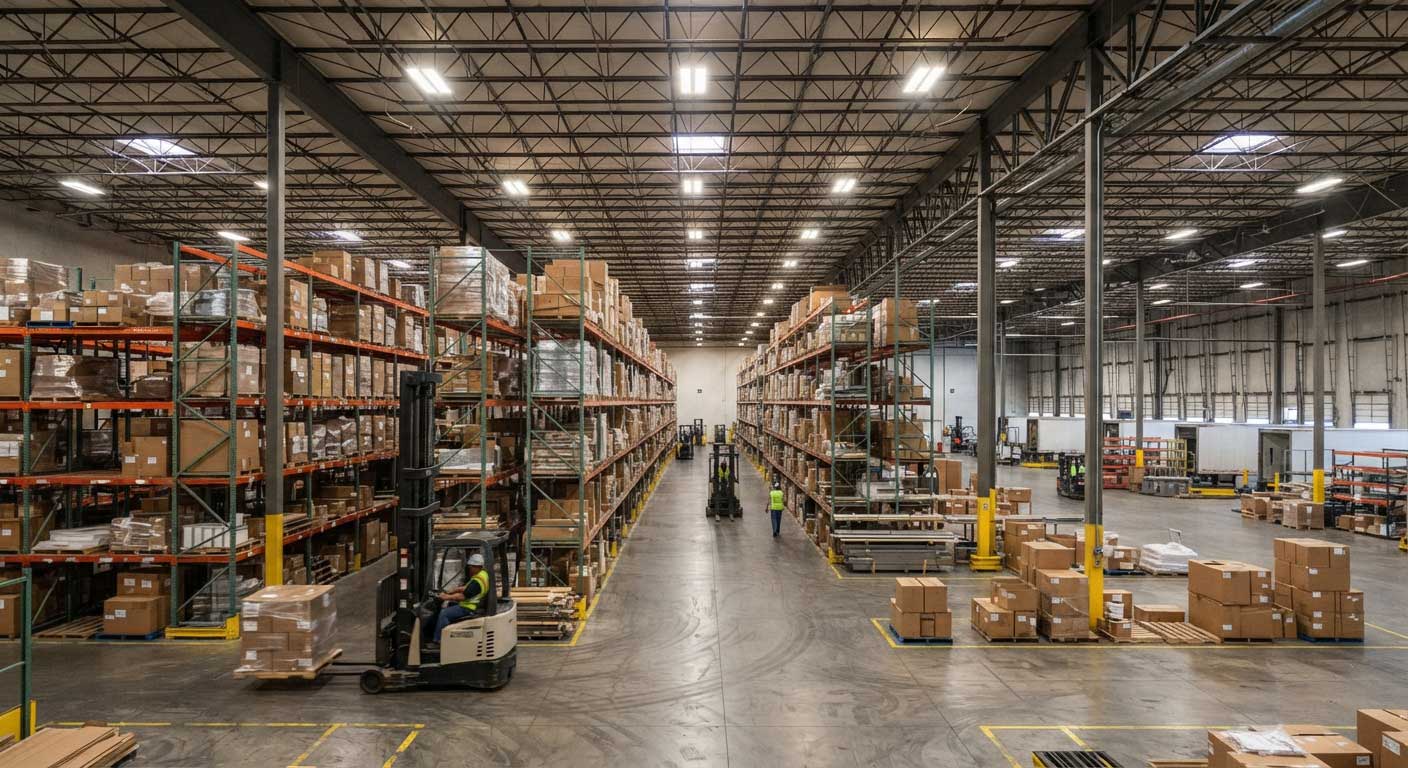
A 100W high bay consumes approximately 0.1 kWh for every hour it operates. Running it for 10 hours uses about 1 kWh.
A 150W LED high bay uses approximately 0.15 kWh per operating hour, or 1.5 kWh during a 10-hour shift.
A 200W high bay consumes approximately 0.2 kWh per hour. Ten hours of operation equals about 2 kWh.
No. Brightness depends on light output, measured in lumens, as well as optics and installation. A higher-wattage fixture can produce less useful illumination than a more efficient, better-designed fixture.
There is no single correct wattage. Common choices include 100W, 150W, 200W and 240W, but the appropriate selection depends on mounting height, spacing, beam angle and required illumination.
Multiply fixture wattage by the number of fixtures and operating hours, then divide by 1,000 to obtain kWh. Multiply the result by operating days to estimate annual energy consumption.
Not necessarily. The lower-wattage fixture must still provide adequate illumination. If more fixtures are needed to compensate for insufficient output, the expected energy savings can disappear.
how much power does a high bay light use is primarily determined by its rated wattage and operating time. A 100W fixture uses 0.1 kWh per operating hour, while a 200W fixture uses 0.2 kWh. For warehouse projects, compare wattage with lumens, efficacy, optics, controls and mounting conditions rather than choosing by wattage alone.
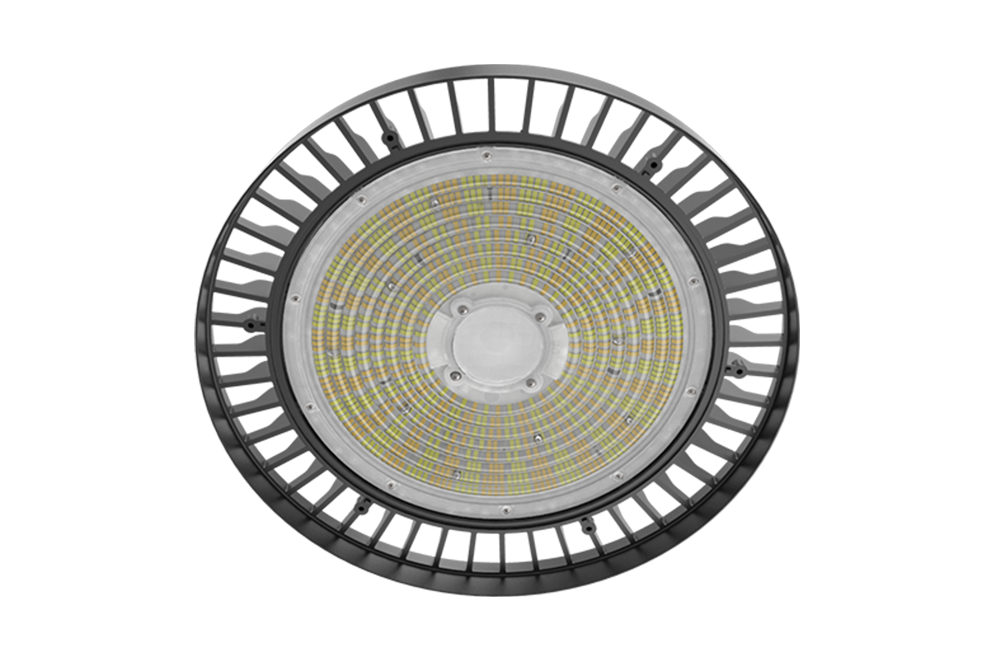
The SEEKING HBC-T Series high bay lights LED offer long-lasting performance for warehouses, production plants and logistics centers. Durable IP65 & IK08 housing, 60°/90° beam angles, up to 150 lm/W, and a lifespan beyond 100,000 hours. Ideal for airport halls, commercial storage, construction sites and large indoor spaces.
View details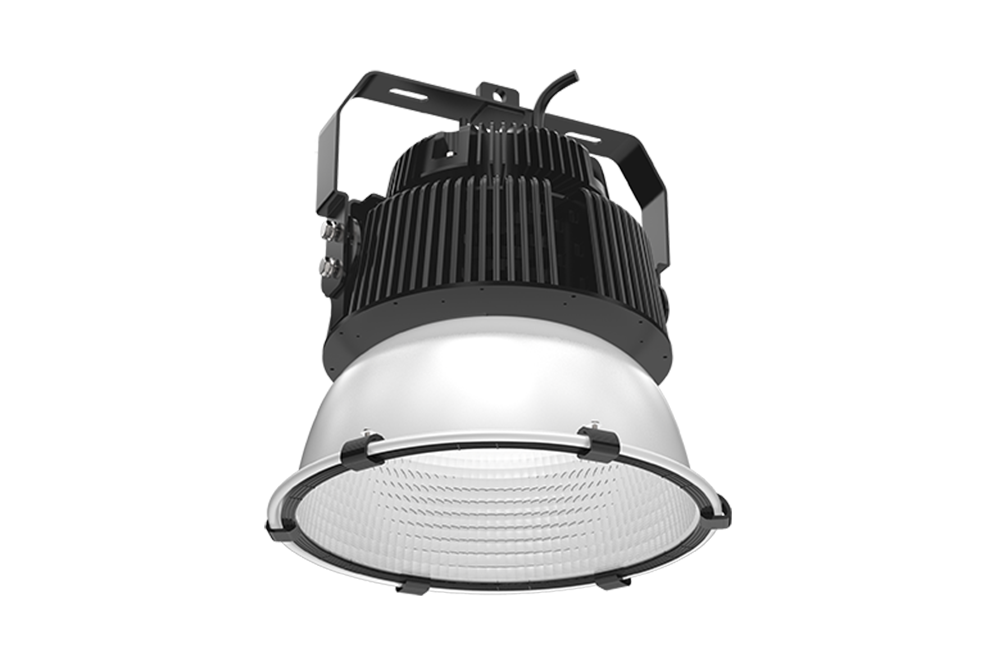
The SEEKING HBS Series LED UFO high bay light delivers 140 lm/W efficiency, IP65 protection and MEAN WELL drivers. A durable high-rise lighting solution for factories, warehouses and commercial halls.
View details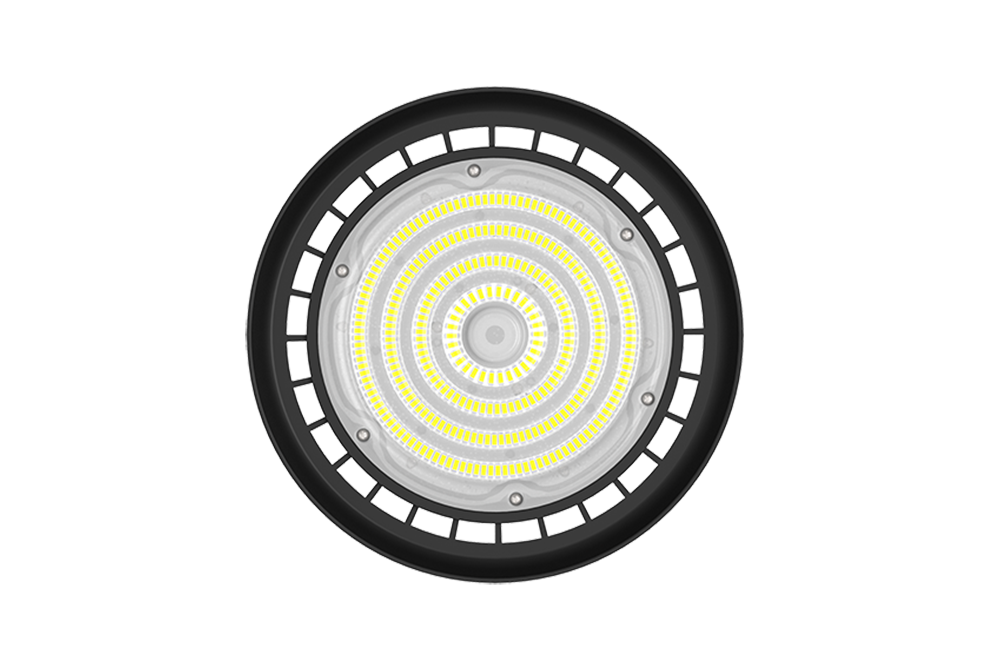
SEEKING HBD Series LED high bay lighting delivers 160 lm/W efficiency, IP66 protection, and long 100,000-hour lifespan. A durable UFO high bay solution for warehouses, workshops, logistics centers and commercial facilities.
View details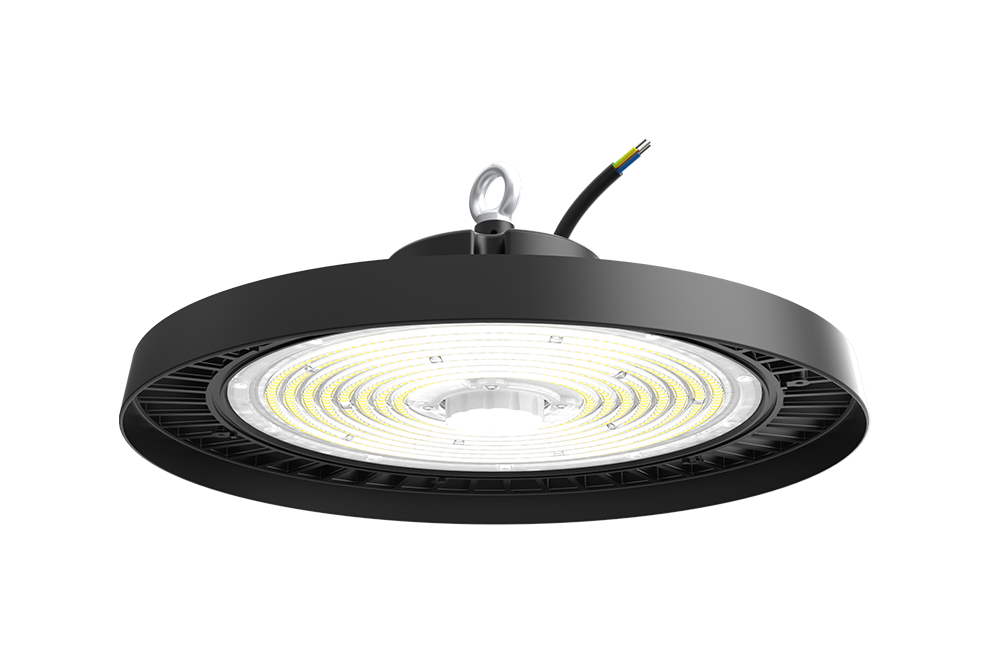
The SEEKING HBC Series high bay LED light fixtures combine strong efficiency, practical design and reliable SOSEN drivers. A durable UFO high bay lighting option for warehouses, workshops and wholesale projects.
View details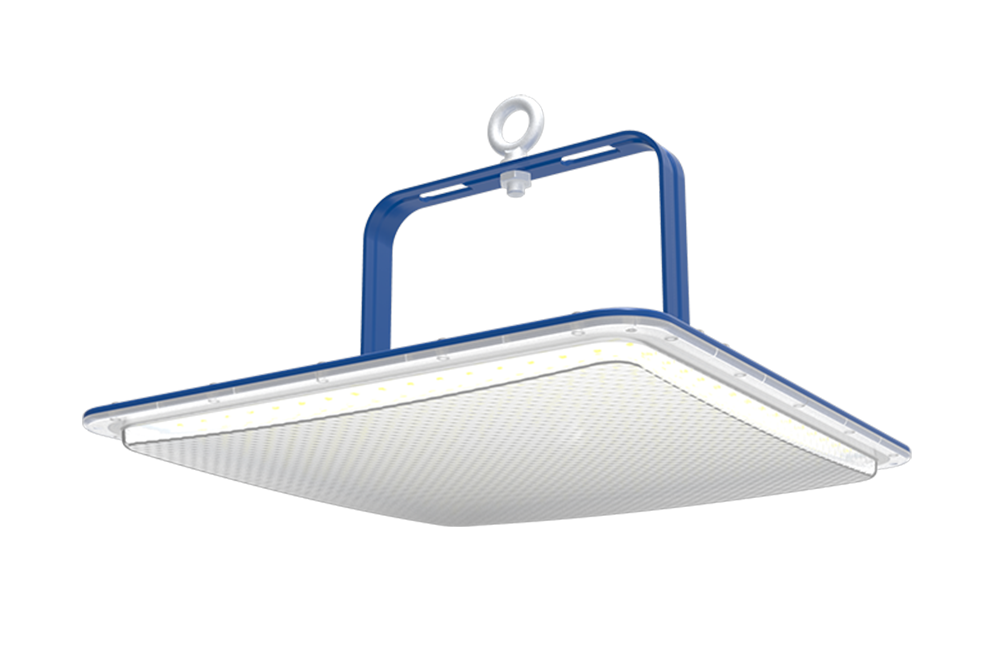
The SEEKING GSL Series high bay LED light delivers powerful, efficient lighting for industrial and commercial spaces. With IP65 protection, flexible mounting, and up to 140 lm/W performance, it’s ideal for warehouses, workshops, and retail areas.
View details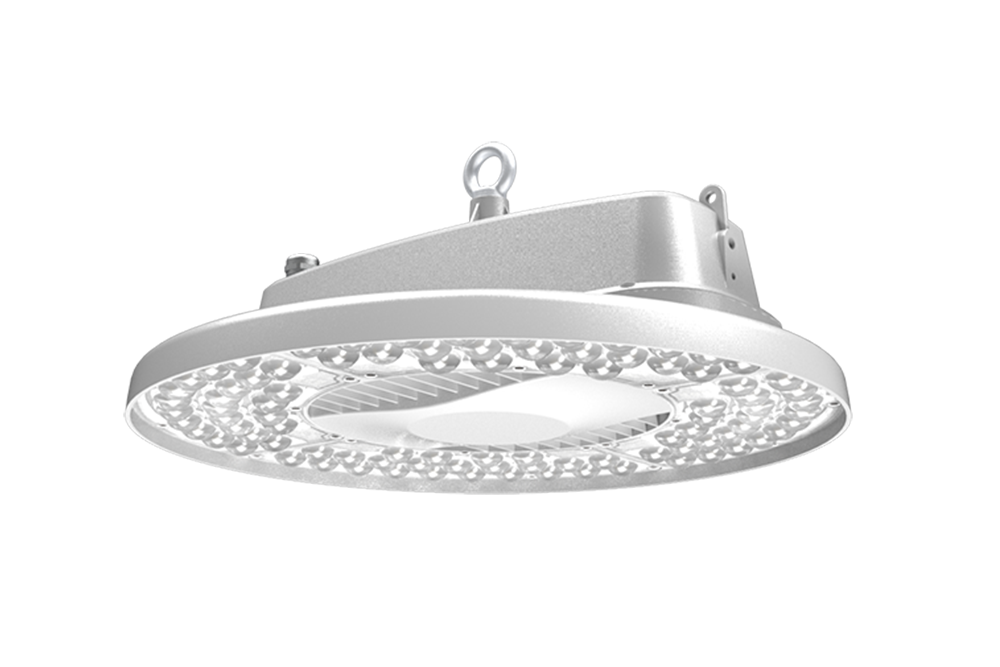
The SEEKING HB15(GLE) Series delivers advanced high bay led lighting with UGR 100,000 h) and reliable illumination for demanding commercial environments.
View details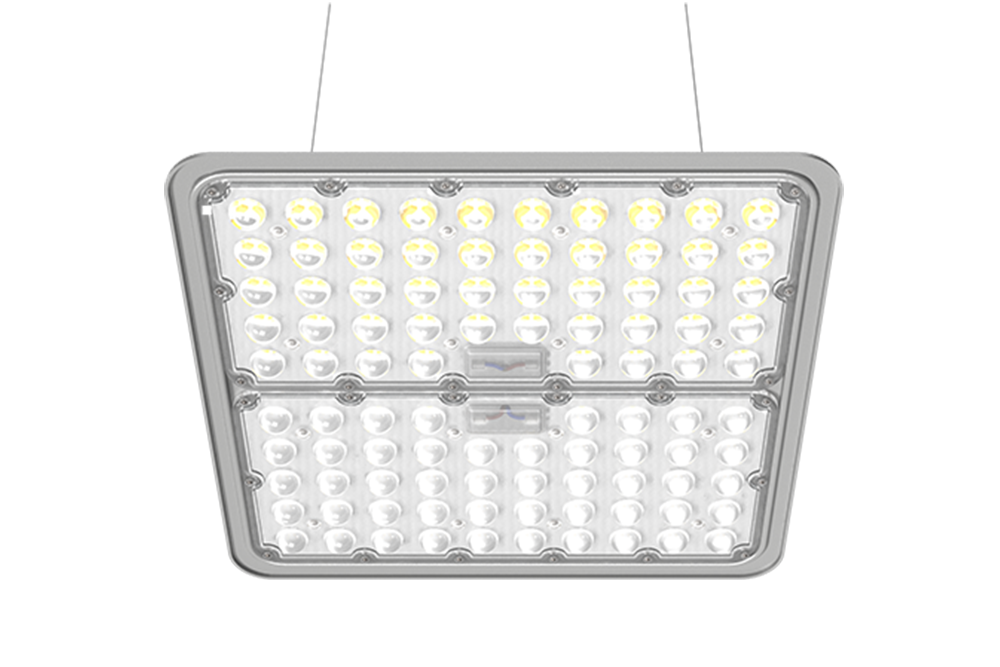
Discover the SEEKING HB13(GLK) Series ufo led high bay light, engineered for sports halls, airport lounges, showrooms, and large commercial spaces. UGR 100,000 h). Ideal for industrial ufo high bay lighting fixtures and commercial retrofits.
View details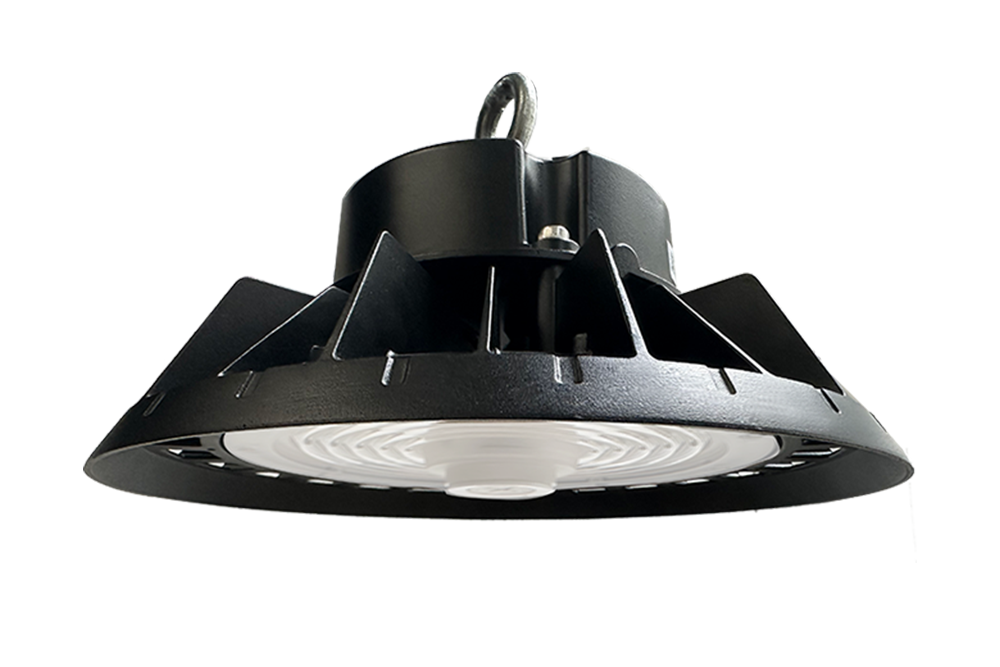
SEEKING HBF Series offers industrial LED high bay lighting with up to 200lm/W efficiency, SOSEN flicker-free driver, IP65 protection and optional microwave motion sensor. Ideal for warehouses, factories and commercial distribution projects.
View details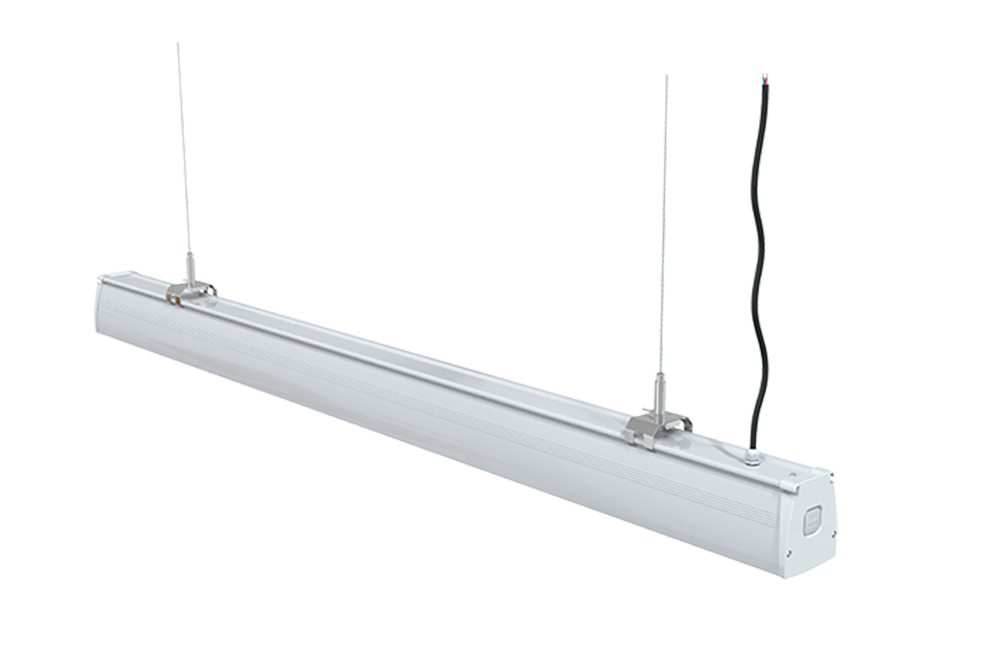
The HLD Series linear high bay LED lights from SEEKING deliver up to 200 lm/W with multiple beam angles and adjustable CCT options for warehouse, workshop, corridor and general industrial lighting.
View details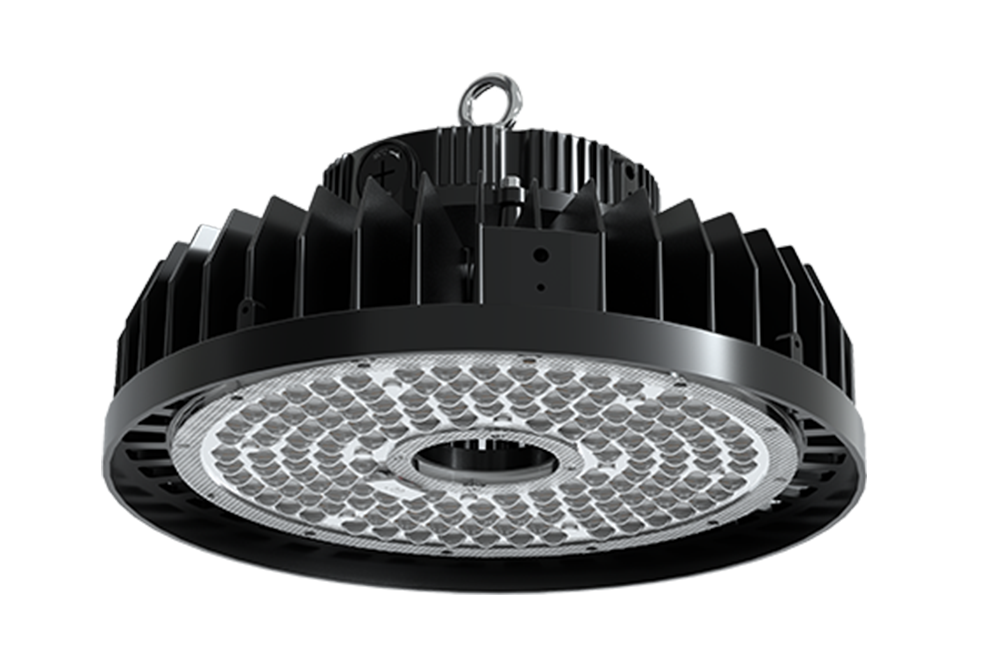
The HBK Series LED high bay light by SEEKING combines 500W power, 160–175 lm/W efficiency and IP65 durability for heavy-duty industrial lighting. Designed for warehouse, factory and production facilities with demanding ceiling heights.
View details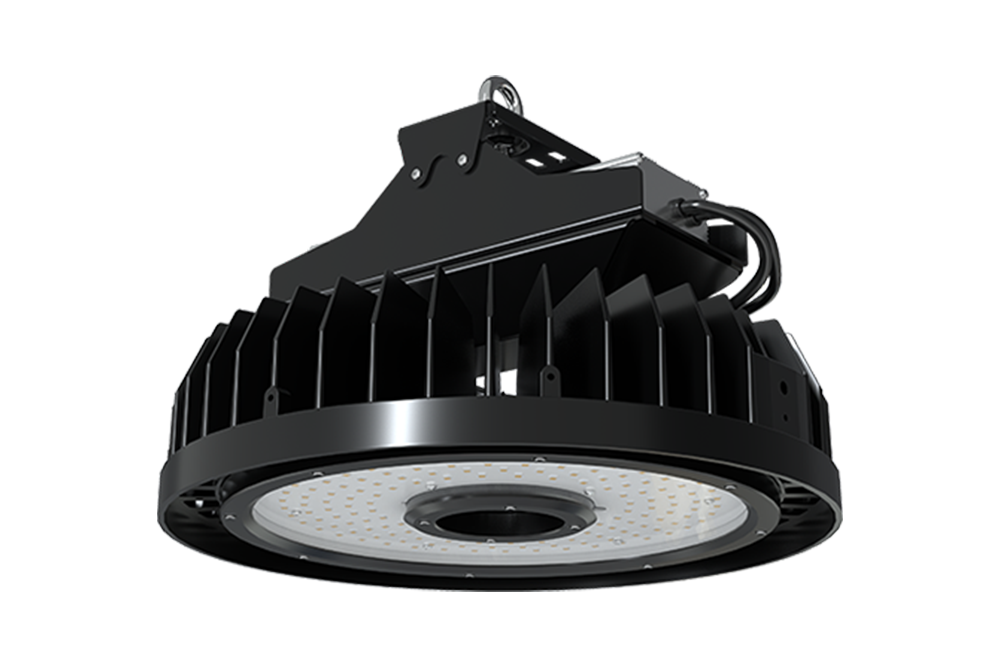
LED high bay lights engineered for extreme heat and low-temperature industrial sites. SEEKING HBK Ultua Series operates from -40°C to +70°C with Nichia LEDs and Inventronics driver.
View details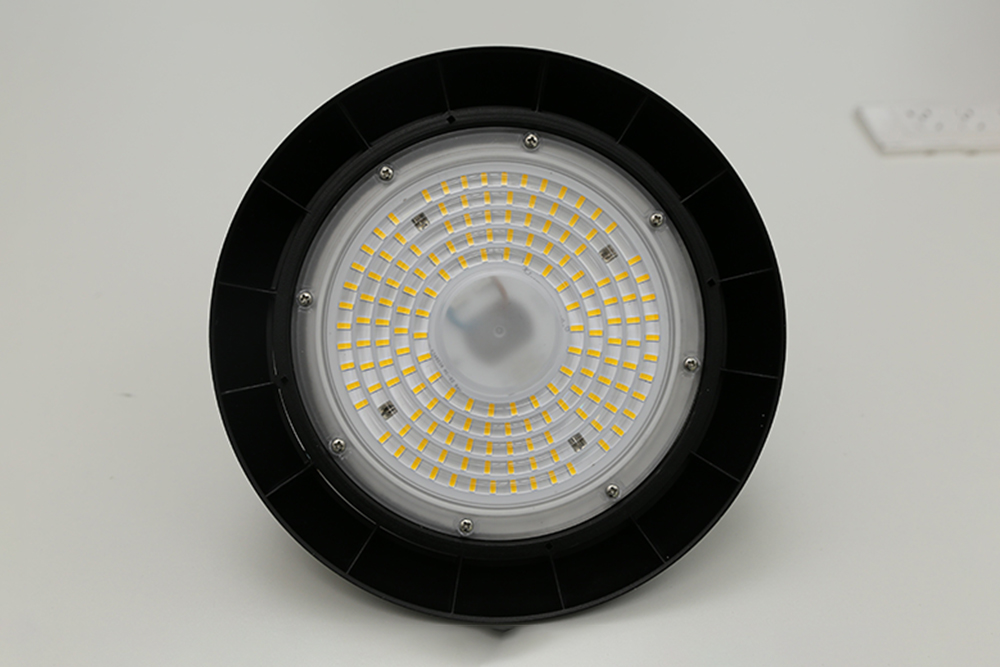
High bay LED lights built for warehouses, production plants and wholesale distribution. SEEKING HBI Series offers up to 200lm/W, IP65, IK08 and optional microwave motion sensor for energy saving operation.
View details
Choose flood lights by matching lumen output, beam angle, mounting height, environment, color temperature, controls, and efficiency to the actual application.
View details
Ex-proof LED lighting fixtures built for oil, gas and chemical plants. Certified, durable and field-proven. Choose SEEKINGLED for reliable protection.
View details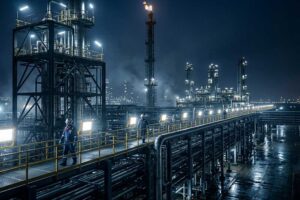
ATEX LED flood light solutions deliver safe, powerful illumination for hazardous zones. Learn certifications, Zone ratings, durability, and industrial uses.
View details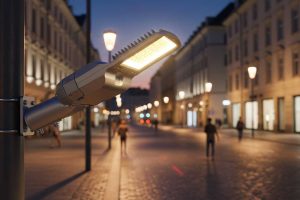
Do LED street lights get hot in real outdoor use? Learn where the heat goes, what matters for lifespan, and why modern LED street lights stay safe.
View details