 Seeking LED
What Are LED Flood Lights?
190What are LED flood lights and how they are used outdoors. Learn real-world applications, differences, and why SEEKINGLED flood lights matter.
View detailsSearch the whole station
What Is Explosion Proof Junction Box?
An explosion proof junction box is a specially engineered electrical enclosure designed to contain internal explosions and prevent sparks, arcs, or hot gases from igniting surrounding flammable gases, vapors, or combustible dust. These boxes are widely used in oil and gas facilities, chemical plants, offshore platforms, and other hazardous locations where ignition risks are present.
Most people first notice the thick walls.
Then the heavy cover.
Then the threaded entries that seem oversized compared to standard electrical boxes.
Those details are not accidental.
They are the result of decades of hazardous-area engineering.
When I first walked through a natural gas compression station in West Texas, nearly every cable termination disappeared into cast aluminum explosion-proof junction boxes. The boxes looked excessive compared to conventional industrial enclosures. After spending years around hazardous-area projects, I realized that their apparent overengineering is precisely what makes them effective.
A single electrical spark may be insignificant in an office building. Around methane, propane, hydrogen, or acetone vapors, it can become something entirely different.
Electrical systems naturally generate potential ignition sources.
Examples include:
In ordinary environments, these events are usually manageable.
Hazardous locations change the equation.
According to the U.S. Occupational Safety and Health Administration (OSHA), flammable atmospheres can exist in industries including oil refining, chemical manufacturing, grain handling, pharmaceutical production, and fuel storage.
If a spark occurs in an area containing an explosive gas-air mixture, ignition can happen instantly.
The role of an explosion proof junction box is simple:
Contain the event before it reaches the outside atmosphere.
Many people assume an explosion proof junction box prevents explosions from occurring.
It does not.
The engineering principle is more interesting.
The enclosure is designed to withstand an internal explosion and cool escaping gases before they can ignite the surrounding atmosphere.
The result:
The external hazardous atmosphere remains protected.
This concept forms the foundation of many flameproof and explosion-proof protection methods used globally.
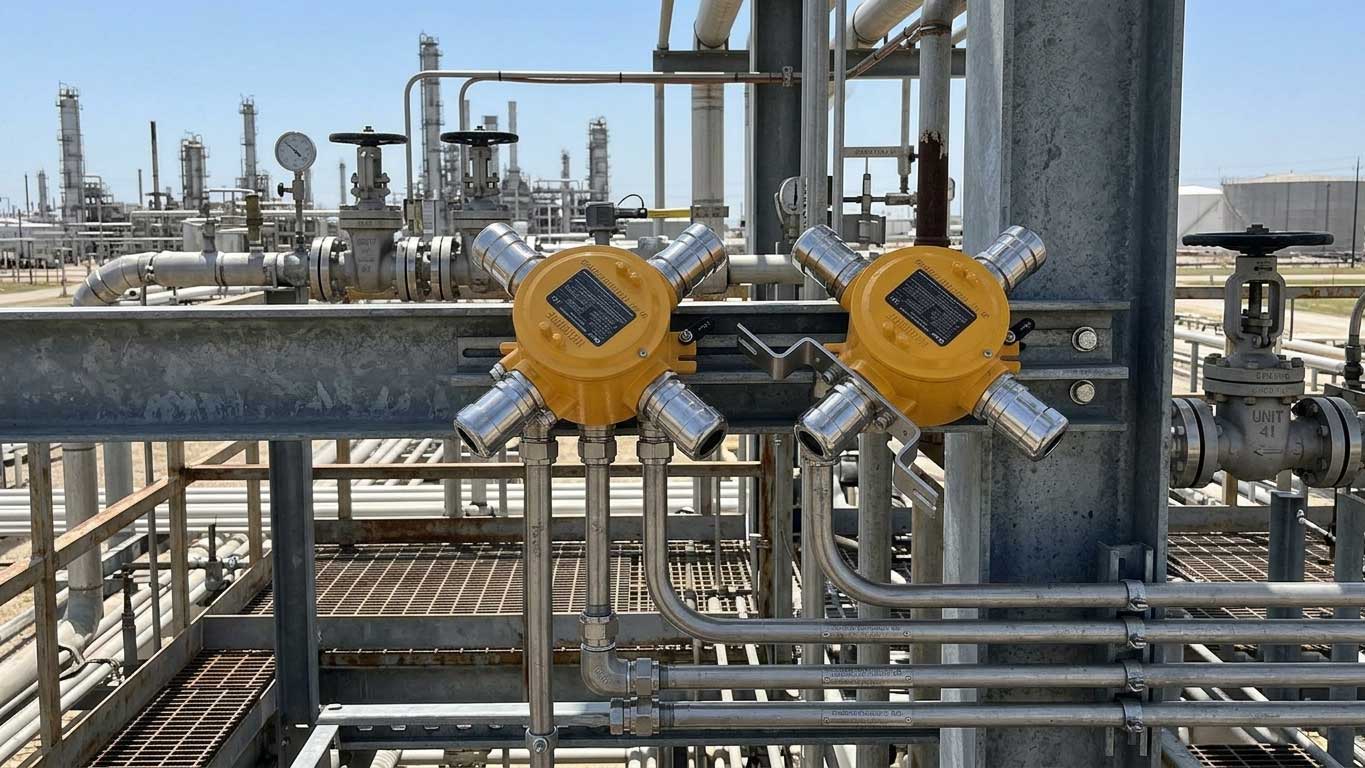
A standard junction box protects wiring.
An explosion proof junction box protects wiring and prevents ignition hazards.
The difference becomes obvious when comparing construction.
| Feature | Standard Junction Box | Explosion Proof Junction Box |
|---|---|---|
| Wall Thickness | Thin | Heavy-duty |
| Cover Design | Basic | Precision threaded or bolted |
| Hazardous Area Approval | No | Yes |
| Internal Explosion Containment | No | Yes |
| Flame Path Design | No | Yes |
| High-Risk Industrial Use | Limited | Designed for it |
The weight alone often surprises installers.
Some large explosion-proof boxes can weigh several times more than conventional industrial enclosures.
The answer is broader than most buyers expect.
Common applications include:
Methane and hydrocarbon vapors are frequent hazards.
Chemical manufacturing often involves:
Even minor electrical faults can create ignition risks.
Dust explosions receive less attention than gas explosions.
Yet the U.S. Chemical Safety Board (CSB) has documented numerous combustible dust incidents involving grain facilities.
Fine airborne dust can become explosive under the right conditions.
Solvent handling systems frequently require hazardous-area protection.
Particularly where alcohol-based processing occurs.
Not every explosion proof junction box carries the same certification.
Requirements vary by region.
Common standards include:
These standards follow NEC hazardous-location classifications.
The most common certification is:
ATEX equipment is classified using Zones rather than Divisions.
IECEx has become increasingly important.
Many multinational projects now request:
simultaneously.
This reduces compliance complexity across different countries.
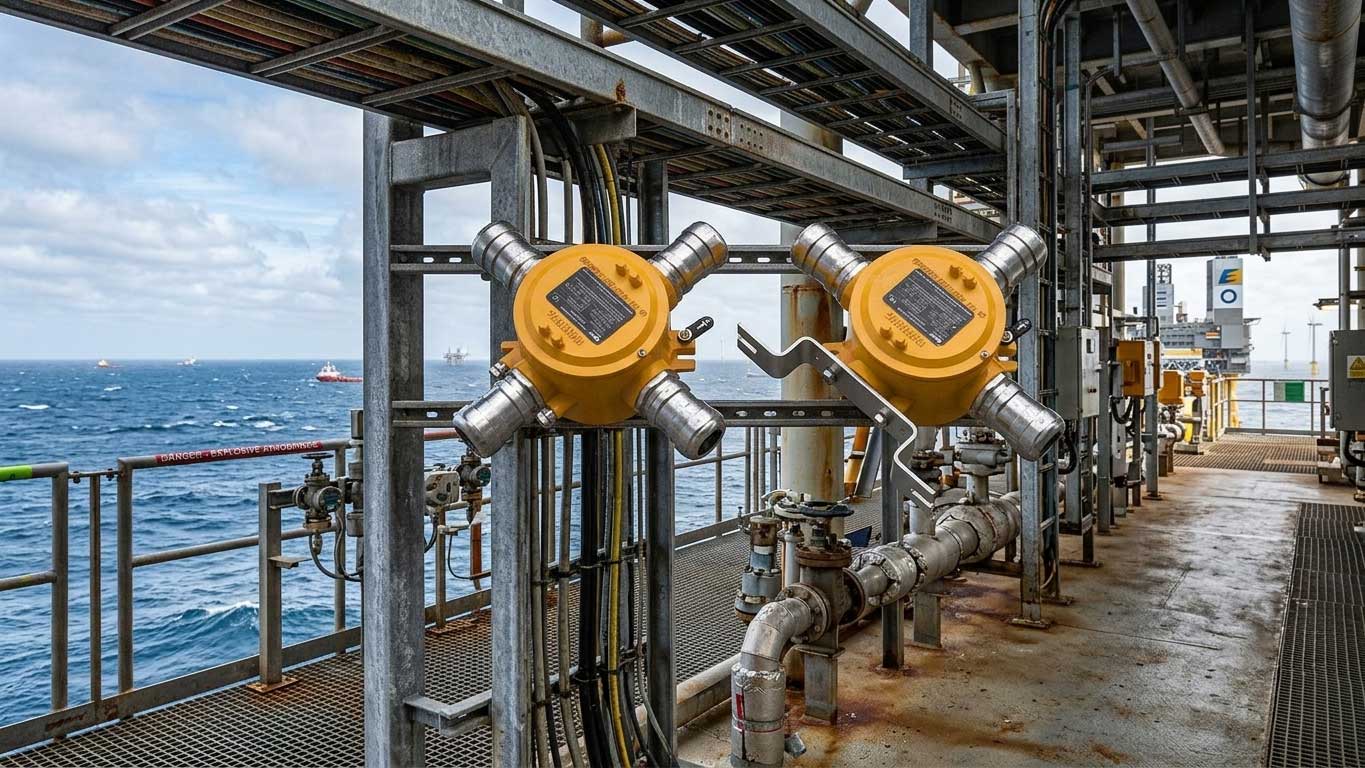
One pattern appears repeatedly.
Companies often spend enormous budgets on certified lighting, motors, and control panels.
Then they underestimate the importance of junction boxes.
That creates weak points.
The reality is simple.
Every cable termination becomes part of the hazardous-area protection system.
A certified fixture connected through an uncertified enclosure may compromise the entire installation.
Experienced inspectors notice this immediately.
So do insurance auditors.
The enclosure itself often outlasts many connected electrical devices.
Typical service life depends on:
In offshore and refinery projects, properly installed cast aluminum or stainless steel explosion-proof junction boxes commonly remain operational for decades.
The enclosure rarely becomes the limiting factor.
Corrosion, poor maintenance, and incorrect cable sealing usually appear first.
An explosion proof junction box protects electrical connections in hazardous locations and prevents internal sparks from igniting surrounding explosive atmospheres.
No.
A junction box may be waterproof without being explosion proof.
Explosion-proof certification requires additional testing for hazardous environments.
Yes.
Many models are designed for outdoor use and carry IP66, IP67, or similar environmental protection ratings.
They are based on different certification systems but often use similar engineering principles for hazardous-area protection.
The most common materials include:
Material selection depends on corrosion risks and project requirements.
So, what is explosion proof junction box technology really about?
At its core, it is not simply a metal box. It is a safety device engineered to contain energy, control ignition risks, and maintain electrical integrity in places where a single spark can have serious consequences. Whether installed in a refinery, chemical plant, offshore platform, or grain facility, an explosion proof junction box serves as one of the quiet but essential components that help hazardous-area systems operate safely every day.
For engineers evaluating hazardous-area infrastructure, understanding what is explosion proof junction box technology remains just as important as selecting the right lighting, motors, or control equipment.
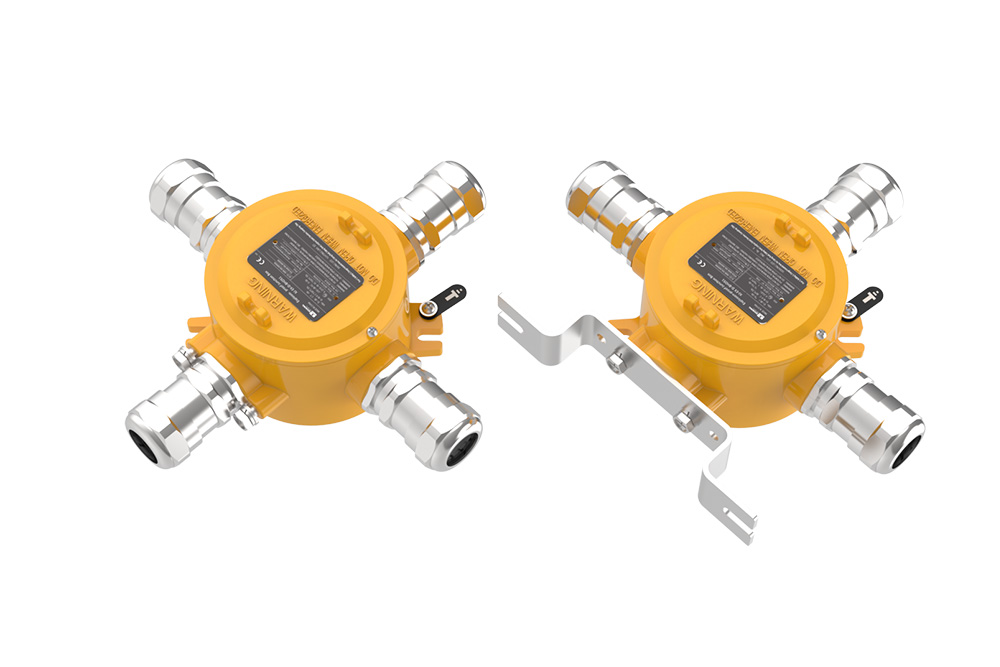
Explosion-proof Junction Box for safe wiring in Zone 1 areas. Fast, tool-free installation, ATEX & IECEx certified. Trusted performance from SEEKINGLED.
View details
What are LED flood lights and how they are used outdoors. Learn real-world applications, differences, and why SEEKINGLED flood lights matter.
View details
200w led flood light delivers powerful illumination with lower energy use, ideal for industrial yards, parking lots, and outdoor security lighting.
View details
LED Explosion-Proof Lights run cooler, achieve T6 ratings, and offer superior safety over HID and fluorescent fixtures. Upgrade hazardous area protection today.
View details
How Bright Is a 10W LED Floodlight in real use? Learn lumen output, coverage, 10W LED equivalent, and where 10W flood lights work best. Practical guide by SEEKINGLED.
View details