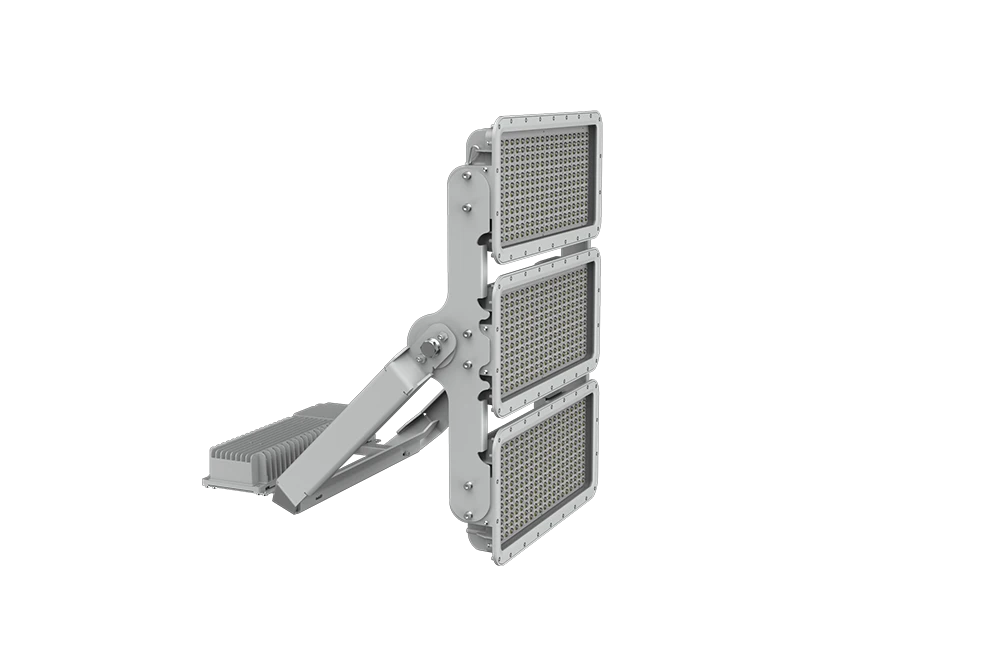
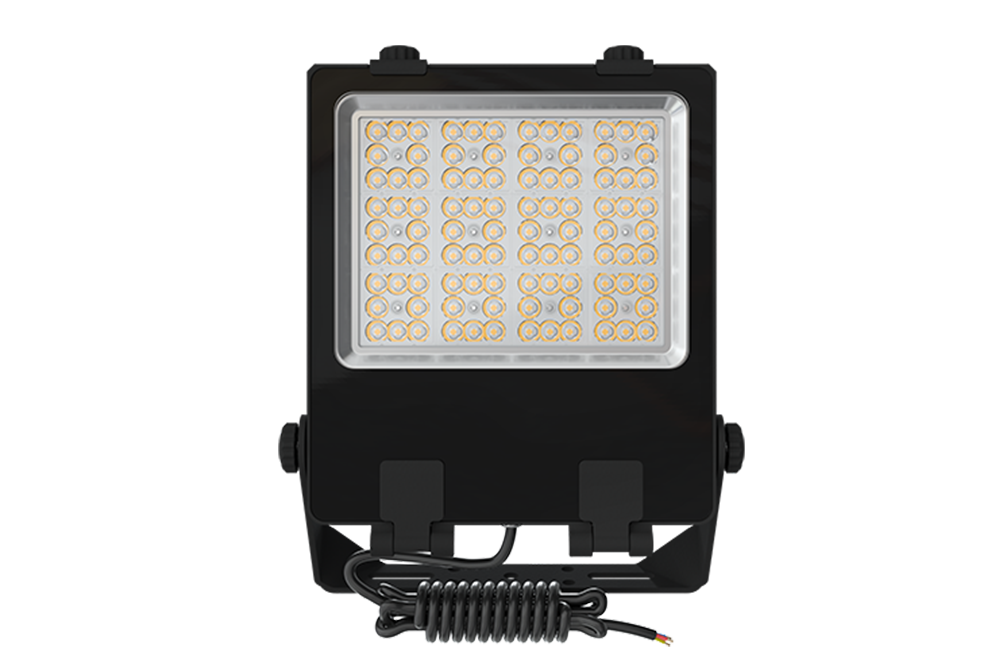
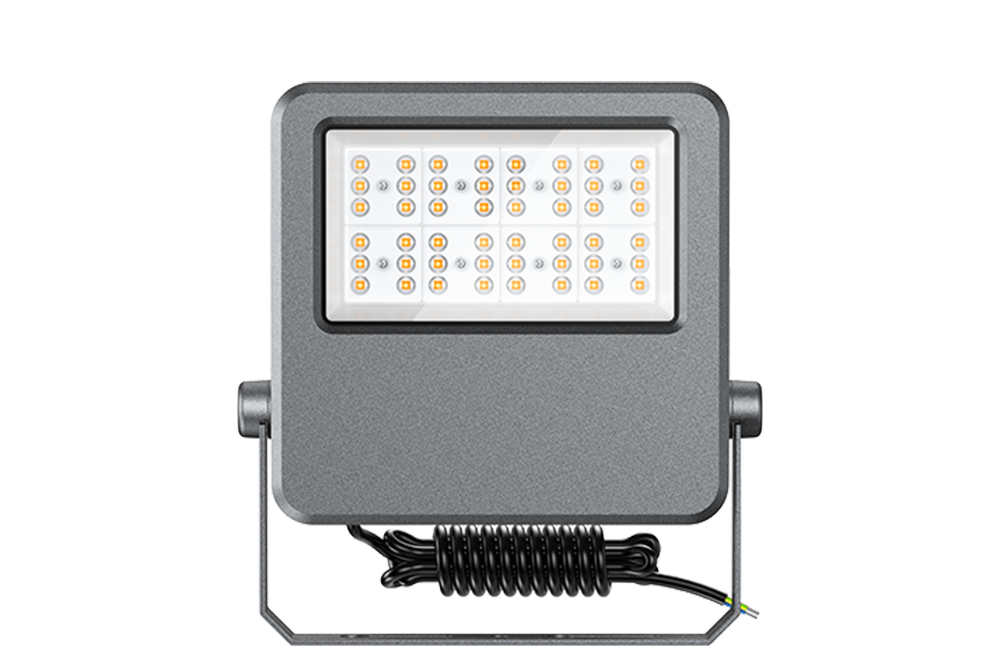
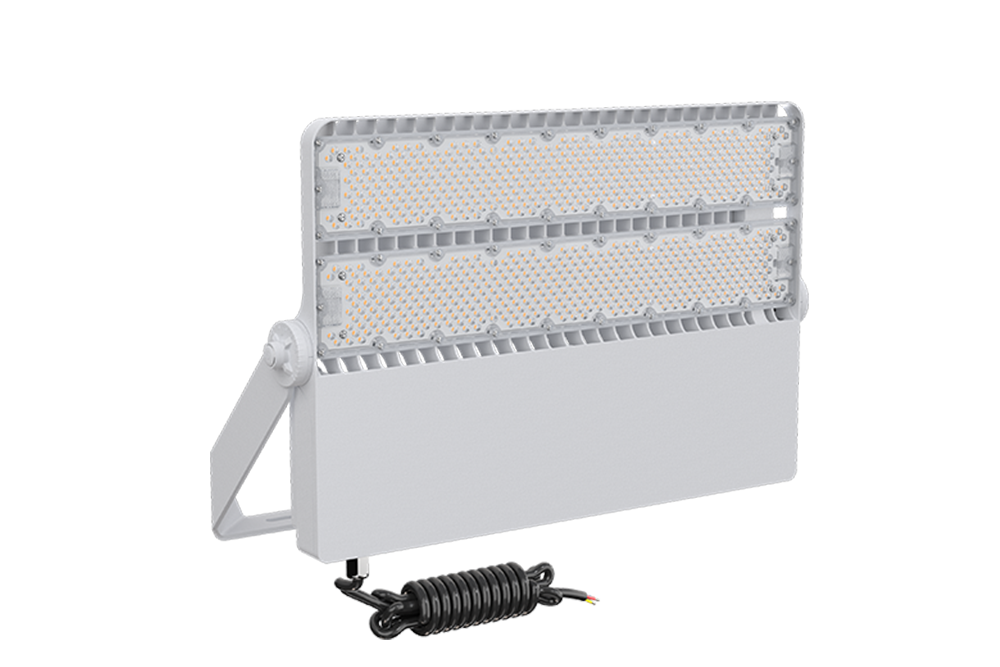
How to Install LED Flood Light?
How to install LED flood light is a question that usually comes up right before a project starts—or when replacing older halogen or metal halide fixtures.
On paper, flood lights look simple.
In reality, most problems show up after installation: poor beam direction, glare, water ingress, or unstable wiring.
This guide focuses on practical steps used in real projects.
Q: What should be checked before installing an LED flood light?
Before touching tools, check three things:
- Power supply
Confirm voltage (typically AC 100–277V or 200–480V for industrial models).
- Mounting surface
Concrete walls, steel structures, and poles all behave differently under load.
- Ingress rating
Outdoor flood lights should be at least IP65. SEEKINGLED flood lights used in ports, parking areas, and facades typically meet this requirement.
Skipping these checks is where most early failures start.
Q: How to install LED flood light step by step?
Step 1: Cut power completely
Turn off the circuit breaker. Do not rely on wall switches.
Step 2: Fix the mounting bracket
Secure the adjustable bracket using anchor bolts or stainless steel fasteners.
Do not fully tighten yet—angle adjustment comes later.
Step 3: Wire the LED flood light
Typical wiring:
- Live (L): Brown or Black
- Neutral (N): Blue or White
- Ground (PE): Yellow-green
Make sure all connections are sealed properly, especially for outdoor LED flood light installation.
Step 4: Adjust beam angle
This matters more than wattage.
Set the angle based on coverage, not brightness. Tighten bolts after alignment.
Step 5: Power on and test
Check for flicker, uneven spread, or shadows. Small adjustments usually solve this.
Q: How high should an LED flood light be installed?
There’s no fixed height, but general practice is:
- 3–6 m for building facades
- 6–12 m for parking lots
- 12 m+ for ports or large yards
SEEKINGLED project teams often fine-tune height based on beam angle rather than lumen output alone.
Q: Can LED flood lights be installed outdoors year-round?
Yes, if they are designed for it.
Look for:
- Proper IP rating
- Corrosion-resistant housing
- Stable driver performance at temperature extremes
Most failures blamed on “bad lights” are actually installation or sealing issues.
Q: Common mistakes when installing LED flood lights?
These come up often:
- Aiming too steep, causing glare
- Poor grounding
- Cable glands not tightened
- Mounting on vibrating structures without reinforcement
Avoiding these saves time later.
More content
Practical Note
Installing an LED flood light is not difficult—but doing it once, correctly, matters more than speed.
In many SEEKINGLED projects, installers spend more time adjusting angles than wiring. That’s usually time well spent.
LED flood lights Recommendations
 Seeking LED