 Seeking LED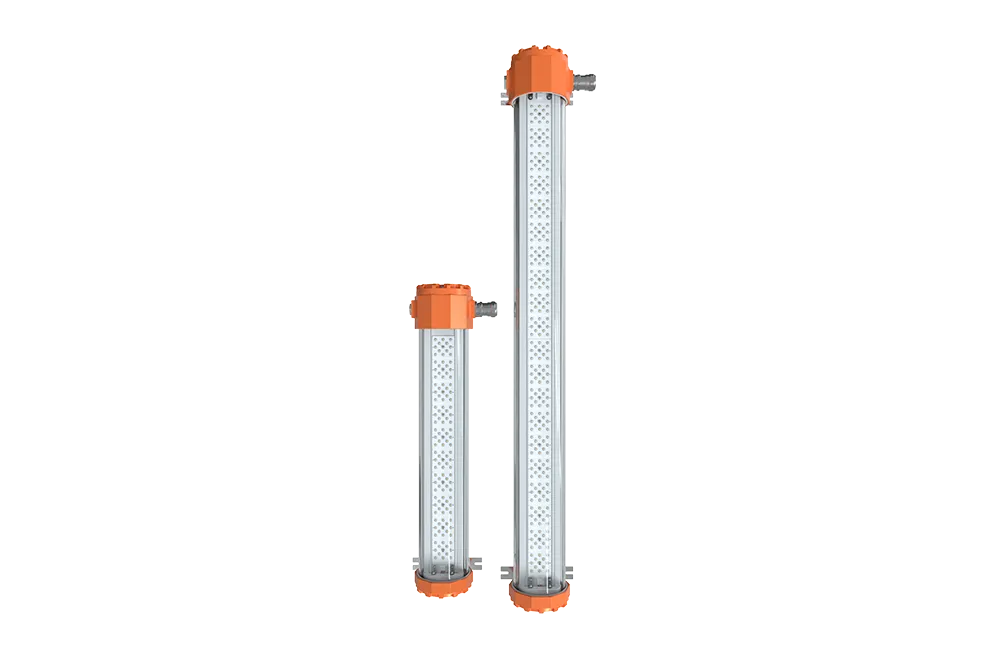

How High Is High Bay Lighting?
0How high is high bay lighting? Learn the standard mounting heights, ceiling requirements, lumen levels, beam angles, and practical tips for industrial LED projects.
View detailsSearch the whole station
Over more than 14 years of hands-on experience in industrial lighting — spanning refineries, offshore platforms, paint lines, and petrochemical yards — one truth stands out: atex ex proof light factories are not interchangeable with standard fixture manufacturers. The hazards of flammable atmospheres do not tolerate guesswork.
This article goes beyond marketing language. I’ll explain how ATEX-certified lighting is engineered, what global compliance really means, and why certain factories produce reliable explosion proof LED lighting while others don’t — all rooted in real field experience and authoritative standards.
When we talk about atex ex proof light factories, we’re implicitly talking about two major certification frameworks:
Compliance to these frameworks means a lighting product has been tested against strict criteria including:
According to the International Electrotechnical Commission (IEC), IEC 60079 standards are globally accepted. In my early projects with multinational EPCs, we didn’t proceed with production until the lighting fixtures carried both ATEX and IECEx certificates — and more importantly, the certification scope matched the actual hazardous class (e.g., Zone 1, Zone 2, Zone 21, Zone 22).
ATEX/IECEx compliance is not decorative. It’s an operational requirement.
A standard outdoor LED maker can produce thousands of streetlights. But only a handful of factories understand the nuances of explosion proof manufacturing.
I remember one project in a Middle Eastern petrochemical complex where the client insisted on low cost LED floodlights for a Zone 2 compressor yard. After delivery, independent testing revealed:
These failures weren’t random. They were predictable because the fixtures were not manufactured in a facility with real ATEX experience.
In contrast, lighting from a true atex ex proof light factory is engineered with:
That level of engineering comes only from factories that specialize in hazardous area lighting — not general LED factories that add “ATEX” to a spec sheet.
Factories producing truly certified products tend to follow strict materials specifications:
These choices align with IEC and ATEX guidance on corrosion and long-term durability. In harsh environments like LNG terminals or offshore platforms, inferior materials corrode quickly — often within months.
LEDs are efficient, but not cold. They still generate heat.
One of the biggest engineering tests in an atex ex proof light factory is ensuring the luminaire’s external surface remains below the ignition temperature of the surrounding atmosphere.
IEC 60079 specifies:
| Temperature Class | Max Surface Temperature |
|---|---|
| T1 | 450°C |
| T2 | 300°C |
| T3 | 200°C |
| T4 | 135°C |
| T5 | 100°C |
| T6 | 85°C |
In high ambient environments (e.g., 40–50°C), a fixture’s internal thermal design must prevent output surfaces exceeding the allowable limit for the specified T-class.
This is where many generic LED fixtures fail. They appear “compliant” on paper but cannot maintain safe surface temperatures under real operating conditions.
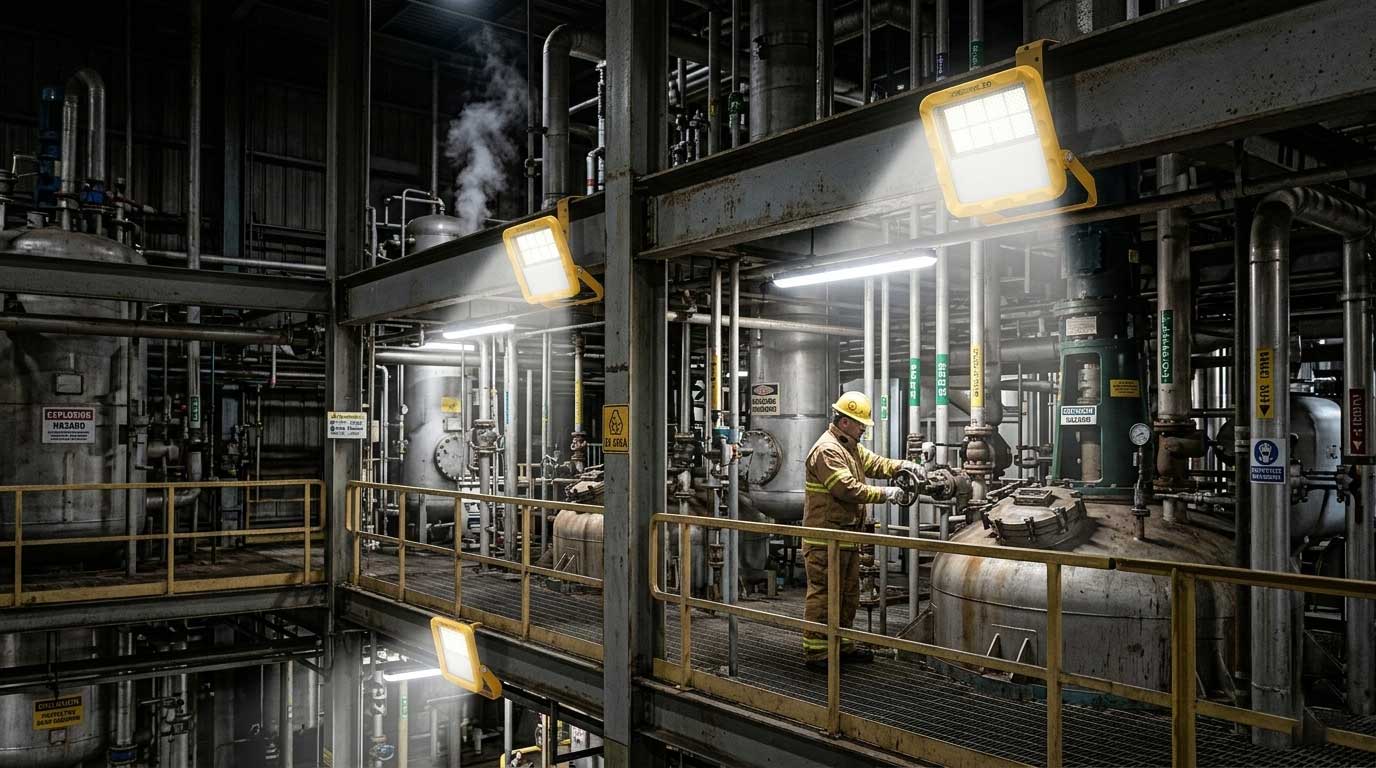
Modern atex ex proof light factories design products for more than just passive illumination. Professional fixtures support:
These are not cosmetic features. In oil & gas facilities, electrical quality can fluctuate. Robust lighting must withstand surges and transients without compromising safety classification.
In one refinery revamp, our team saw LED floodlights with poor surge suppression fail within six months — not due to light source wear, but driver damage. This highlights why quality factory design matters.

Choosing lighting from an atex ex proof light factory is not simply about avoiding short-term failures. It directly affects:
Installations in Zone 1 and Zone 2 areas are typically subject to stringent site inspection regimes. A failed luminaire due to poor factory quality can trigger a full shutdown, costing significant operational losses.
The most sobering statistic I’ve encountered in field risk assessments is that lighting-related ignition sources are among the top ten contributors to industrial fires in flammable atmospheres — a list compiled by the U.S. Chemical Safety Board (CSB) from real incident investigations.
After years of specifying and inspecting lighting in hazardous facilities, I can state with clarity: the value of a true ATEX ex proof light factory cannot be measured solely by price or lumen output.
It must be measured by:
SEEKINGLED’s products are engineered and built with these criteria in mind — drawing on real field data, global standards, and decades of industrial lighting experience.
In your projects, especially those involving oil, gas, chemical, or offshore industries, ensure the lighting you specify comes from genuine ATEX-certified factories with documented performance in hazardous environments.
Because in those environments, failure is not an option.
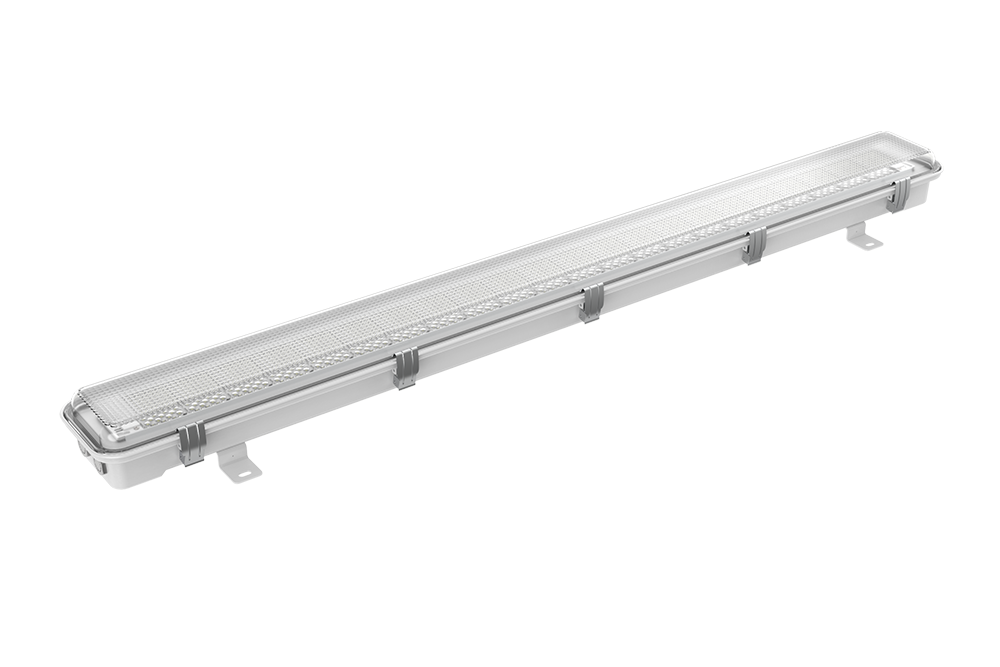
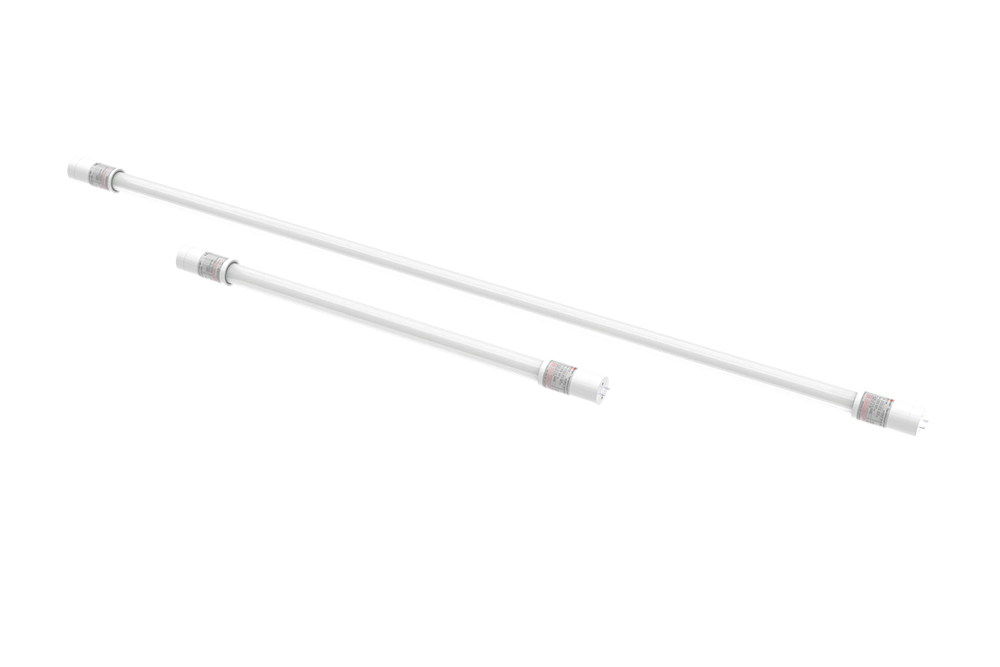
SEEKINGLED LED Linear Explosion Proof Light and Explosion Proof lighting is ATEX and IECEx certified for Zone 1, Zone 2, Zone 21 and Zone 22 hazardous locations, built for long-term industrial use.
LED Linear Explosion Proof Lights and EX Proof lights for Zone 1, Zone 2, Zone 21 and Zone 22 hazardous areas. ATEX & IECEx certified explosion proof LED linear lighting with emergency function, adjustable power and IP67 protection by SEEKINGLED.
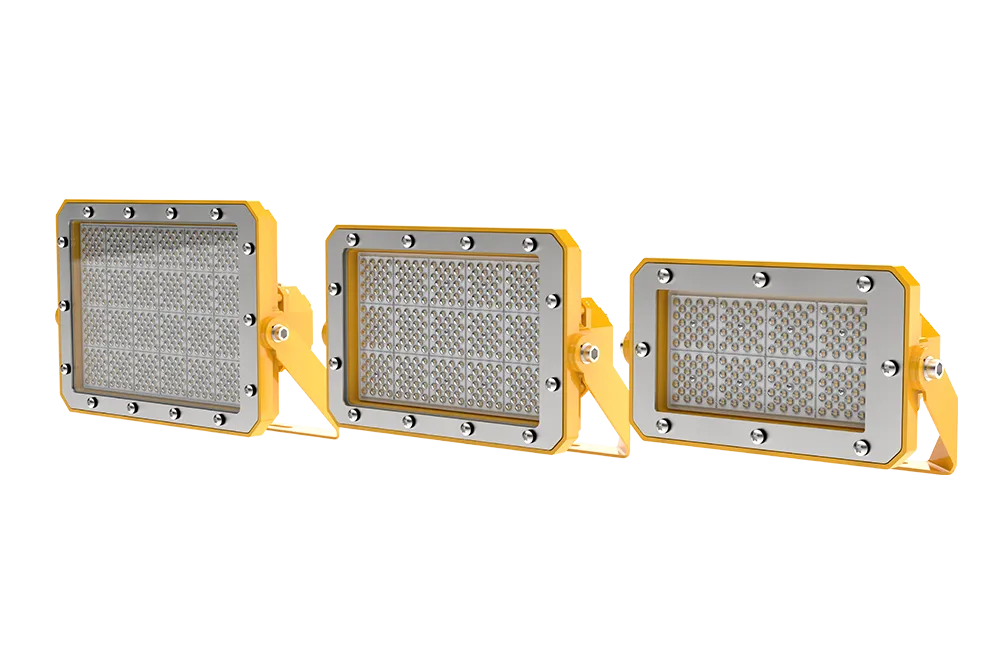
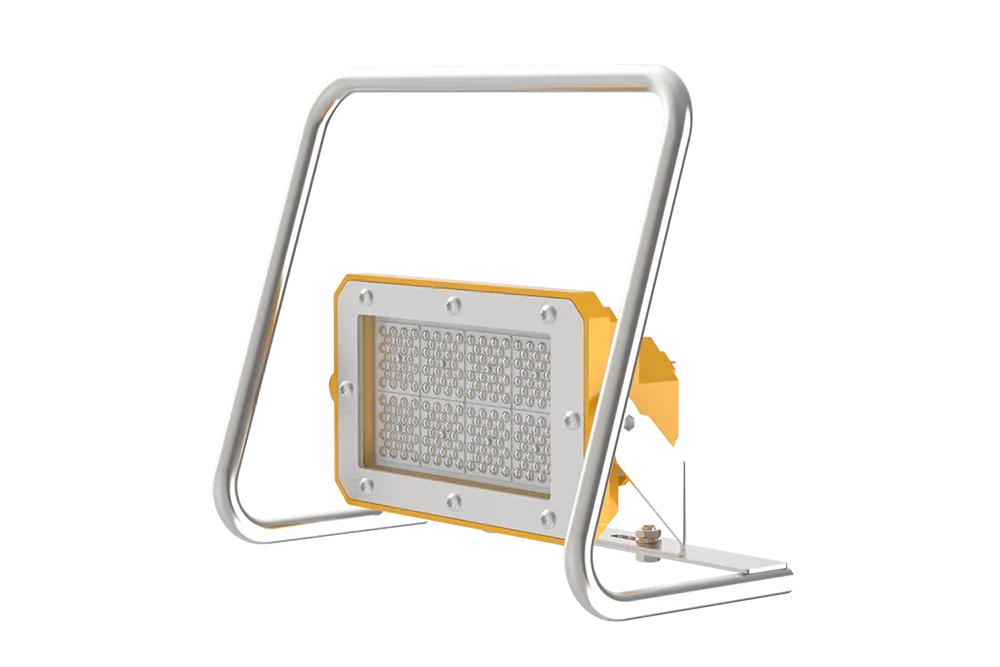
SEEKINGLED LED Explosion Proof Flood Lights are ATEX certified for Zone 2 and Zone 22 hazardous areas, offering high efficiency, adjustable power and integrated junction box.
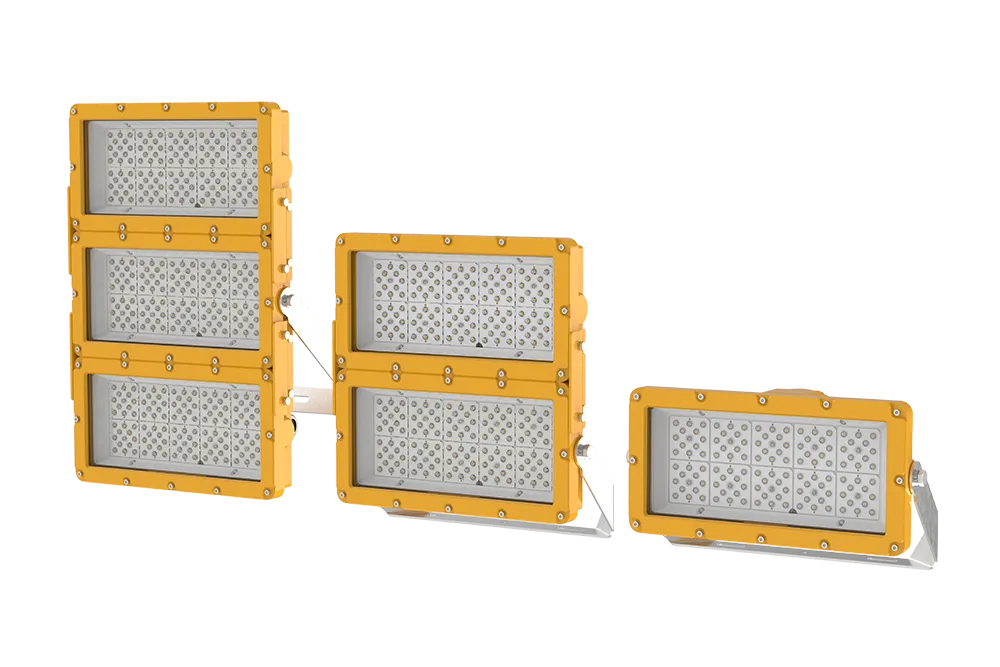
SEEKINGLED LED Explosion Proof Flood Lights are flameproof ATEX and IECEx certified for Zone 1 and Zone 2 hazardous areas, offering high power, adjustable output and long service life.
SEEKINGLED LED Gas Station Canopy Lights are ATEX certified for Zone 2 and Zone 22 hazardous areas, featuring adjustable power and built-in explosion-proof junction box.
ATEX: Ex II 2G Ex db IIB T6/T5 GbEx II 2D Ex tb IIIC T80°C/ T95°C Db IECEx Ex db IIB T6 Gb;Ex tb IIIC T80°C Db Feature: ● For Zone 1,2 and Zone 21,22● Flameproof type, the strongest● 100W can replace 250W HID,energy saving● Power:60W,80W,10…
ATEX: II 3G Ex nR ⅡC T5/T6 GcII 3D Ex tc ⅢC T80℃/T95℃Dc ATEX Certificate NO: TÜV CY 26 ATEX 0207611 X Feature: ● For Zone 2 and Zone 22● 150W can replace 250W HID lamps,Energy saving● Power:50W,75W,100W,150W,200W Application: Oil and gas, m…
LED explosion proof high bay lights are designed for Zone 1, Zone 2, Zone 21 and Zone 22 hazardous areas. This page introduces the HB21 Series from SEEKING, including certifications, power options and real application considerations.
LED Linear Explosion Proof Lights from SEEKINGLED. LU Series Flame Proof lights ATEX-certified explosion proof LED linear lighting for Zone 2 gas and Zone 22 dust areas, IP69K, IK10, long lifetime and flexible power options.
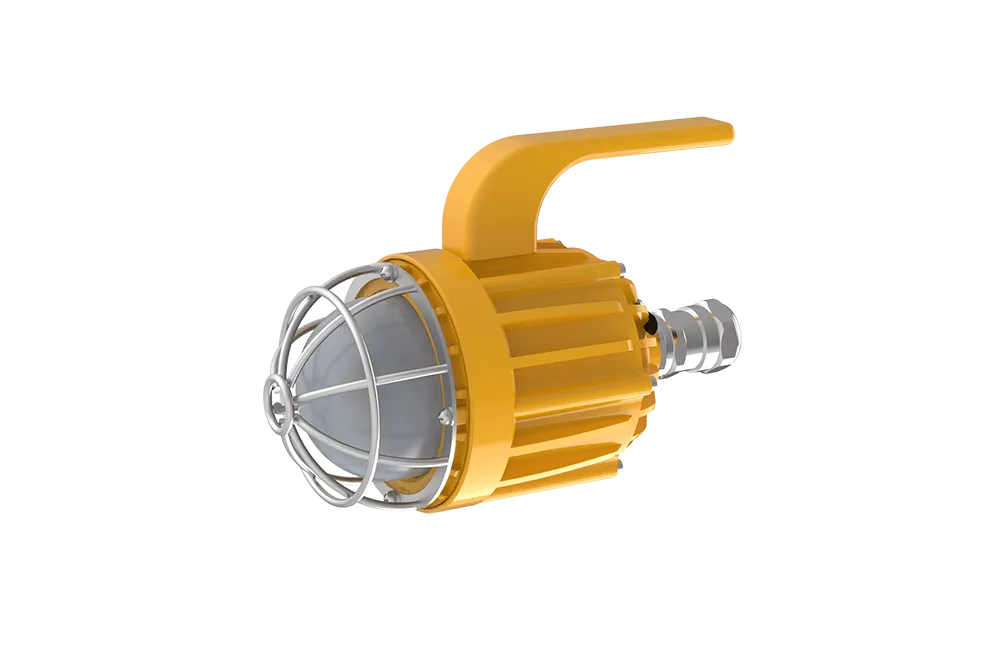
Certified explosion proof work lights for Zone 1 & 21 hazardous areas. Portable, ATEX & IECEx approved, built for oil, gas and chemical plants by SEEKINGLED.
ATEX: II 3G Ex nR ⅡC T6 GcII 3D Ex tc ⅢC T80℃ Dc ATEX Certificate NO: TÜV CY 26 ATEX 0207611 X Feature: ● For Zone 2 and Zone 22● Accepts battery-powered supply● indestructible● Power:AC input:50W,75W,100WDC input:15W,25W,35W Application: O…
ATEX: Ex II 2G Ex db IIB T6 GbEx II 2D Ex tb IIIC T80°C Db IECEx Ex db IIB T6 Gb;Ex tb IIIC T80°C Db Feature: ● For Zone 1,2 and Zone 21,22● Flameproof type, the strongest Application: Oil and gas, marine, Chemical, pharmaceutical, semicondu…
ATEX: Ex II 2G Ex db IIB T6 GbEx II 2D Ex tb IIIC T80°C Db IECEx Ex db IIB T6 Gb;Ex tb IIIC T80°C Db Feature: ● For Zone 1,2 and Zone 21,22● Flameproof type, the strongest Application: Oil and gas, marine, Chemical, pharmaceutical, semicondu…
ATEX: Ex II 2G Ex d e IIB T6 Gb ATEX: Ex d e IIB T6 Gb; Feature: ● For Zone 1,2● 9W can replace 18W fluorescent lamps,50% Energy saving Application: Oil and gas, marine, Chemical, pharmaceutical, semiconductor,mining,military industry, pain…
loading…
This is the last post!
How high is high bay lighting? Learn the standard mounting heights, ceiling requirements, lumen levels, beam angles, and practical tips for industrial LED projects.
View details
Hazardous Area Working Lights designed for explosive environments. SEEKINGLED delivers durable, ATEX-ready industrial lighting solutions for oil, gas, and chemical sites.
View details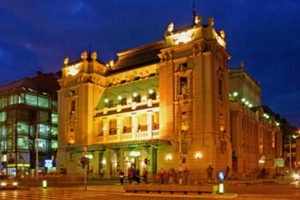
LED High Bay Light installation at the National Theatre using SEEKINGLED HBS Series improves nighttime visibility, architectural presentation, and energy efficiency while preserving historic character.
View details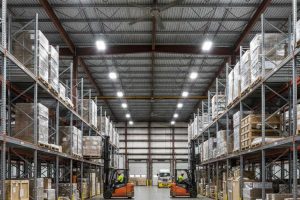
Where to buy durable industrial LED high bay lights? This Q&A explains sourcing options, what durability really means, and how to choose reliable suppliers.
View details