 Seeking LED
are flood lights waterproof?
0Many outdoor flood lights resist rain and water exposure, but protection depends on the fixture’s IP rating, enclosure, connections, installation, and enviro...
View detailsSearch the whole station
Selecting the right led high bay shop lights is rarely about wattage alone. In real factories and warehouse aisles, heat buildup, dust, long operating hours, and maintenance access determine whether a fixture performs well after five years—or fails after one. This article combines on-site experience with verified industry data to explain what truly matters when choosing 300–500W industrial lighting for large spaces.
I have worked with industrial lighting layouts for over a decade, mainly in Southeast Asia and Europe, focusing on warehouse retrofits and high-ceiling production facilities. In most cases, clients initially compare only lumen output and price. That approach almost always leads to higher long-term costs.
According to the U.S. Department of Energy, LED lighting can reduce energy consumption in commercial and industrial buildings by 50% or more compared to traditional HID systems when properly designed. In high-bay environments operating 12–20 hours daily, that difference compounds quickly.
However, energy savings alone are not enough. Thermal management, optical control, driver stability, and environmental protection are equally critical. This is where professional-grade led high bay shop lights separate themselves from low-cost imports.
One of the most common causes of premature lumen depreciation is excessive junction temperature. The Illuminating Engineering Society (IES) clearly emphasizes that LED lifetime projections such as L80 are temperature-dependent. An L80B20 rating at 25°C is very different from performance inside a hot industrial ceiling cavity.
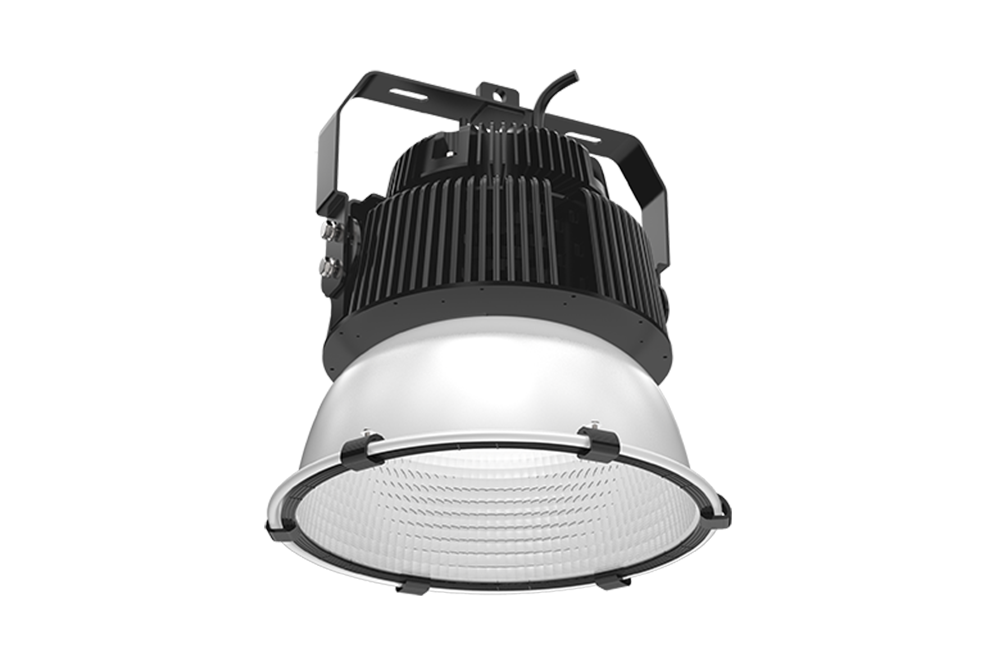
The HBK Series from SEEKINGLED uses a chimney-effect structure rather than oversized external fins. In practice, this matters. I have seen installations where traditional fin-heavy designs collected dust layers thick enough to act as insulation, trapping heat instead of dissipating it.
With vertical airflow, hot air naturally rises and exits, while cooler air enters from below. In high-ceiling warehouses where ambient temperatures can exceed 35°C, passive airflow design often outperforms purely mass-based heat sinks.
A specification of 80,000 lumens sounds impressive, but the real question is: how much of that light reaches the working plane?
The International Energy Agency reports that efficient lighting systems combine high efficacy with optimized optical distribution to minimize waste. For facilities with 10–15 meter mounting heights, 60° beam angles typically improve vertical illumination in racking aisles. Lower workshops benefit from 90° for broader spread.
In field measurements using calibrated lux meters, properly aimed 500W adjustable units (300–500W range) consistently delivered compliant illumination levels for mechanical assembly zones requiring Ra>80 and neutral white 4000K light.
Dust is constant in machine shops. Moisture appears in loading bays. Impact risk exists in forklift corridors.
That is why IP65 and IK08 ratings are not marketing details. They define survivability. Aluminum alloy housings, sealed optics, and surge protection (6kV line-line, 6kV line-earth) reduce downtime caused by voltage spikes or environmental ingress.
In one logistics center retrofit, replacing aging 1000W metal halide fixtures with adjustable 500W led high bay shop lights reduced not only energy costs but also maintenance lifts by more than half over three years. The financial savings from reduced lift rentals alone justified the upgrade.
Industrial power environments are rarely perfect. Voltage fluctuations are common.
High power factor (≥0.95) and THD <15% improve grid stability and reduce unnecessary reactive loads. Constant current drivers from established manufacturers such as MOSO contribute to long-term reliability.
From experience, driver failure—not LED chips—is the primary cause of early fixture replacement. Choosing stable drivers is not a luxury; it is insurance.
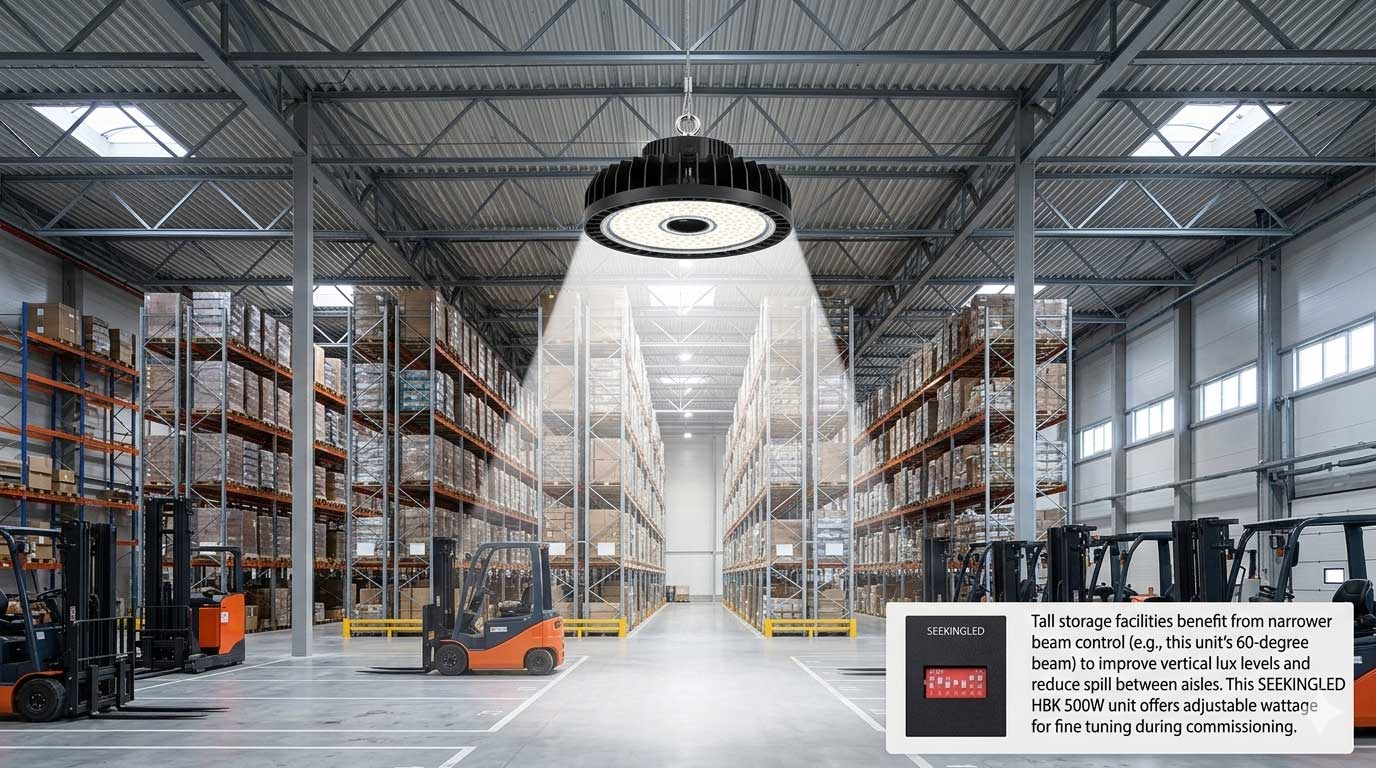
An L80B20 >100,000 hours rating at 25°C means that after 100,000 hours, 80% of LEDs maintain at least 80% lumen output, with no more than 20% falling below that threshold. That projection aligns with LM-80 and TM-21 testing methodologies referenced by the IES.
In real environments, temperature control determines whether theoretical lifetime becomes practical lifetime.
Choosing led high bay shop lights should never be reduced to price per unit. Thermal structure, optical precision, environmental protection, and driver stability all define long-term performance.
From years of industrial retrofits, I have learned that lighting either becomes invisible infrastructure—or a constant maintenance problem. When engineered correctly, 500W adjustable systems delivering up to 175 lm/W offer measurable efficiency, stable illumination, and operational peace of mind.
If your facility runs long shifts under demanding conditions, investing in properly designed led high bay shop lights is not an upgrade—it is a strategic decision.
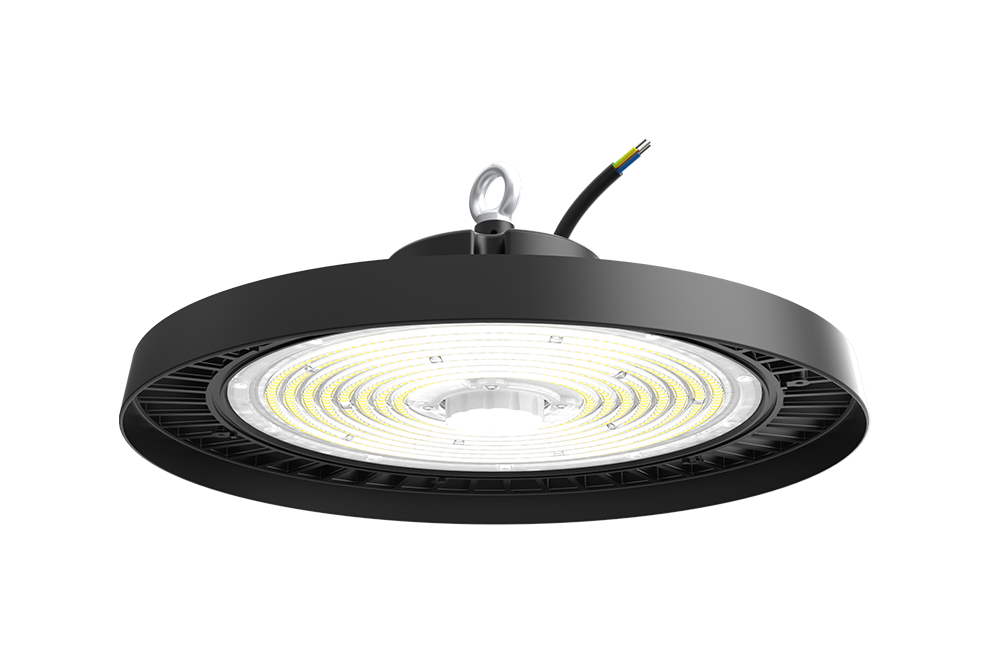
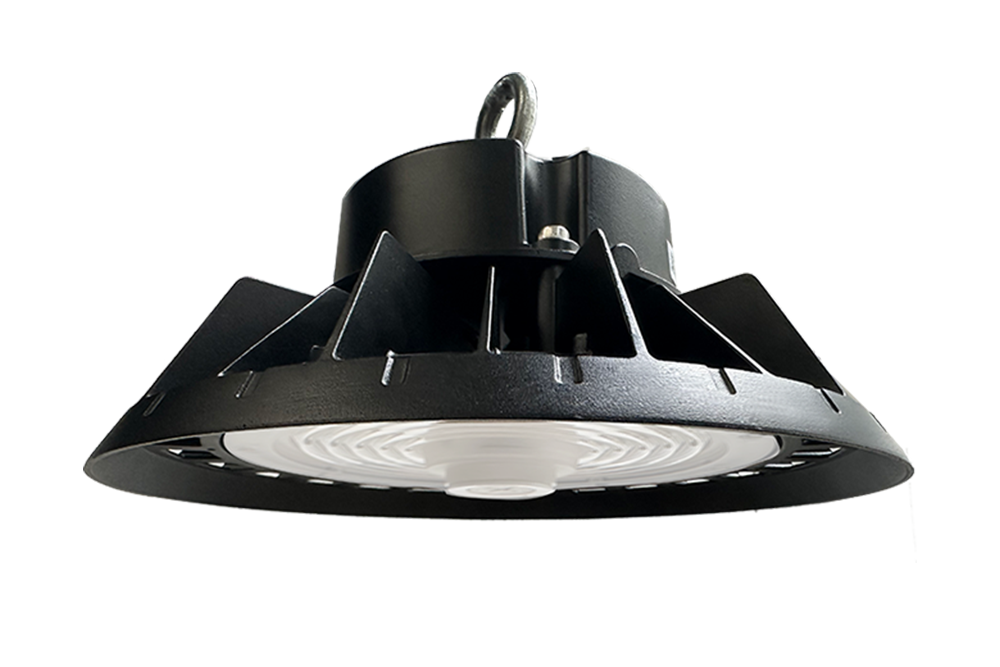
The SEEKING HBC-T Series high bay lights LED offer long-lasting performance for warehouses, production plants and logistics centers. Durable IP65 & IK08 housing, 60°/90° beam angles, up to 150 lm/W, and a lifespan beyond 100,000 hours. Ideal for a…
The SEEKING HBS Series LED UFO high bay light delivers 140 lm/W efficiency, IP65 protection and MEAN WELL drivers. A durable high-rise lighting solution for factories, warehouses and commercial halls.
SEEKING HBD Series LED high bay lighting delivers 160 lm/W efficiency, IP66 protection, and long 100,000-hour lifespan. A durable UFO high bay solution for warehouses, workshops, logistics centers and commercial facilities.
The SEEKING HBC Series high bay LED light fixtures combine strong efficiency, practical design and reliable SOSEN drivers. A durable UFO high bay lighting option for warehouses, workshops and wholesale projects.
The SEEKING GSL Series high bay LED light delivers powerful, efficient lighting for industrial and commercial spaces. With IP65 protection, flexible mounting, and up to 140 lm/W performance, it’s ideal for warehouses, workshops, and retail areas.
The SEEKING HB15(GLE) Series delivers advanced high bay led lighting with UGR 100,000 h) and reliable illumination for demanding commercial environments.
Discover the SEEKING HB13(GLK) Series ufo led high bay light, engineered for sports halls, airport lounges, showrooms, and large commercial spaces. UGR 100,000 h). Ideal for industrial ufo high bay lighting fixtures and commercial retrofits.
SEEKING HBF Series offers industrial LED high bay lighting with up to 200lm/W efficiency, SOSEN flicker-free driver, IP65 protection and optional microwave motion sensor. Ideal for warehouses, factories and commercial distribution projects.
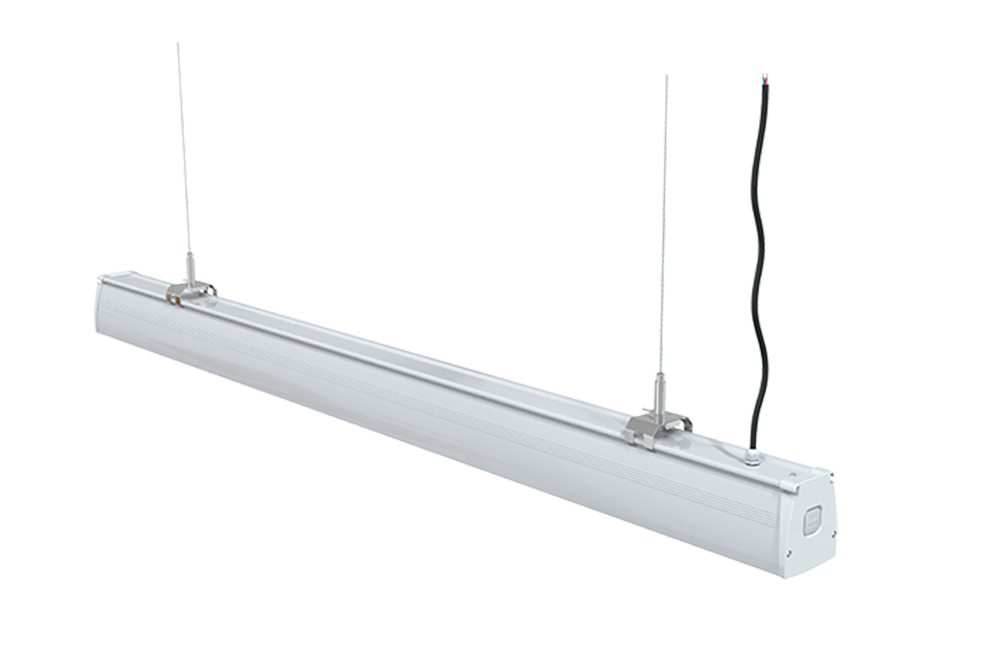
The HLD Series linear high bay LED lights from SEEKING deliver up to 200 lm/W with multiple beam angles and adjustable CCT options for warehouse, workshop, corridor and general industrial lighting.
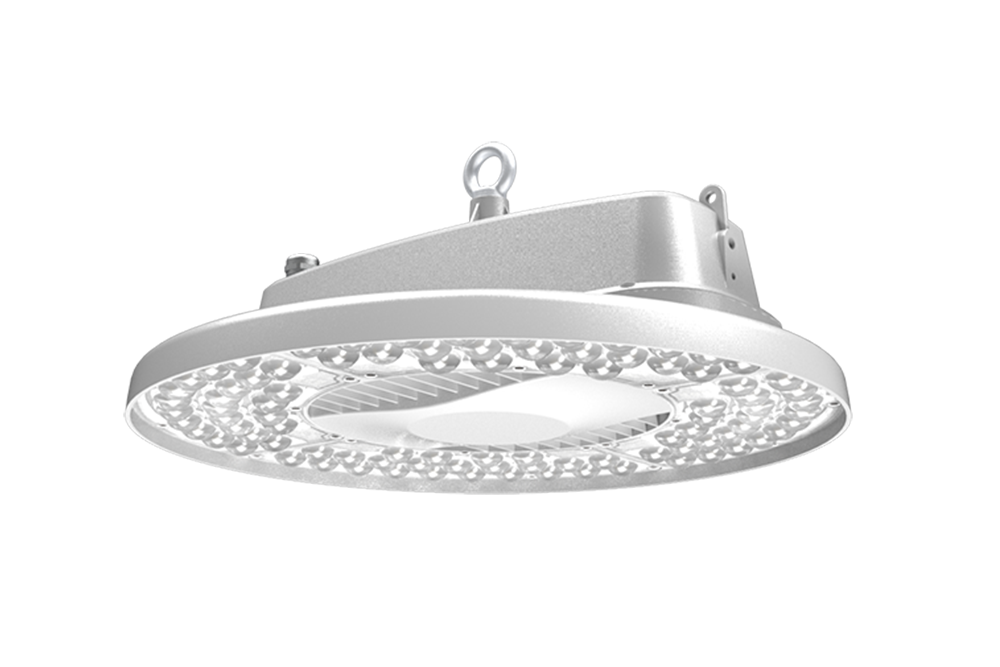
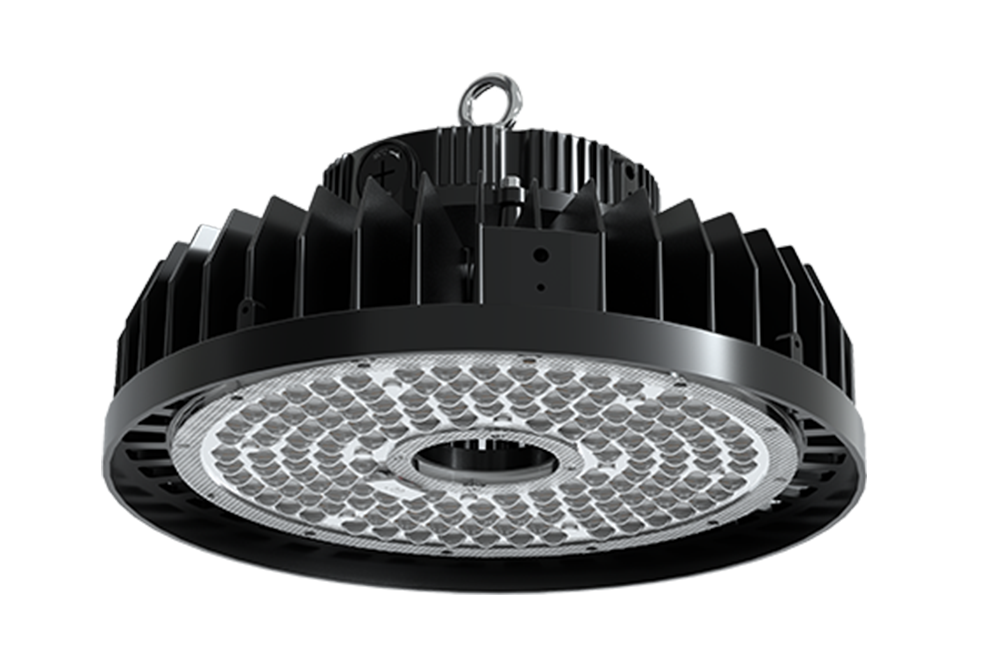
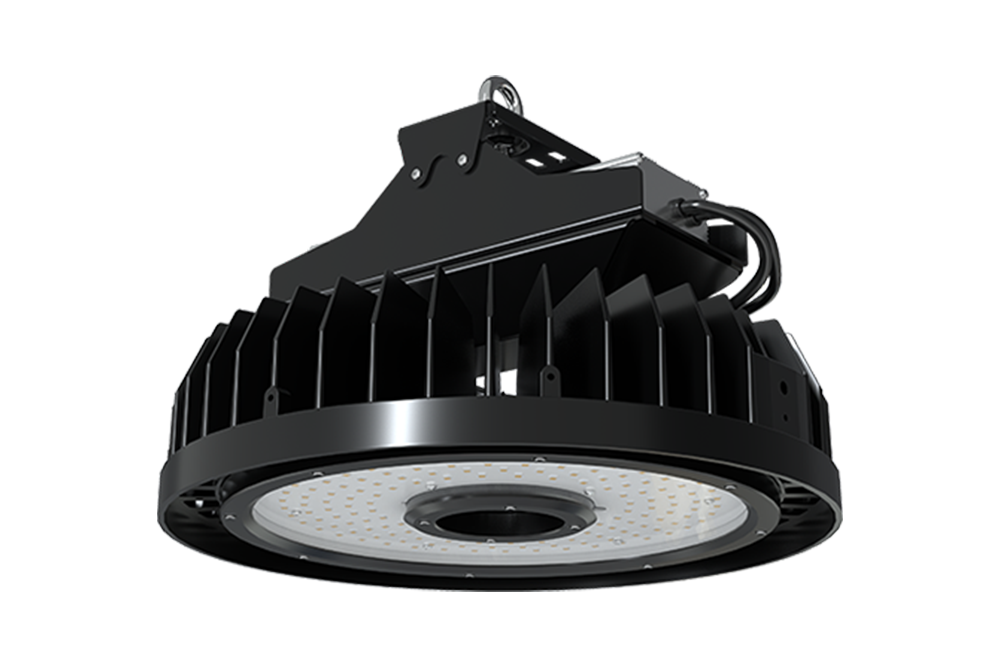
The HBK Series LED high bay light by SEEKING combines 500W power, 160–175 lm/W efficiency and IP65 durability for heavy-duty industrial lighting. Designed for warehouse, factory and production facilities with demanding ceiling heights.
LED high bay lights engineered for extreme heat and low-temperature industrial sites. SEEKING HBK Ultua Series operates from -40°C to +70°C with Nichia LEDs and Inventronics driver.
High bay LED lights built for warehouses, production plants and wholesale distribution. SEEKING HBI Series offers up to 200lm/W, IP65, IK08 and optional microwave motion sensor for energy saving operation.
loading…
This is the last post!
Many outdoor flood lights resist rain and water exposure, but protection depends on the fixture’s IP rating, enclosure, connections, installation, and enviro...
View details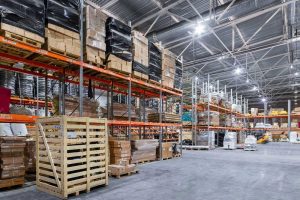
Warehouse LED lighting solutions are widely used to reduce energy use, improve safety, and simplify maintenance. This article shares how SEEKINGLED lighting is applied in real warehouse environments.
View details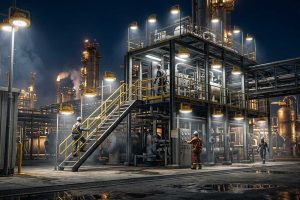
LED explosion-proof lights for hazardous industries. Certified, energy-efficient, and durable lighting solutions by SEEKINGLED for safe operations.
View details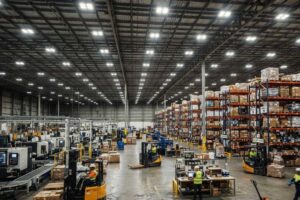
how many high bay lights do i need? Learn how to calculate high bay lighting quantity using ceiling height, lumens, spacing, and industrial lighting requirements.
View details