 Seeking LED
How to Wire a Floodlight (Real-World Q&A Guide)
81Learn how to wire a floodlight safely with a practical, no-nonsense guide. Avoid common wiring mistakes, get stable outdoor lighting, and install like a pro with SEEKINGLED tips.
View detailsSearch the whole station
Industrial explosion proof lighting is engineered to contain internal sparks or heat, preventing ignition of flammable gases or dust while delivering stable, high-output illumination in hazardous environments.
That’s the definition most people start with.
But if you’ve ever worked inside a live industrial site—refinery, silo, chemical floor—you quickly realize something else:
Lighting is never just lighting.
It’s one of the few electrical systems that sits directly in the hazard zone, operating continuously, exposed to conditions most equipment avoids. And when it fails, it doesn’t fail quietly.
“Explosion proof” is often misunderstood—even in procurement discussions.
It doesn’t mean the fixture survives explosions.
It means:
Any ignition inside the fixture is fully contained and cannot ignite the surrounding atmosphere.
This principle is defined under standards like IECEx and ATEX.
According to the IECEx system, certified equipment must ensure that internal ignition cannot propagate outside the enclosure.
Source: https://www.iecex.com
That requirement changes everything about how these lights are designed:
These fixtures are installed where ignition risk is constant:
Dust explosion thresholds can start around 50 g/m³, depending on material composition.
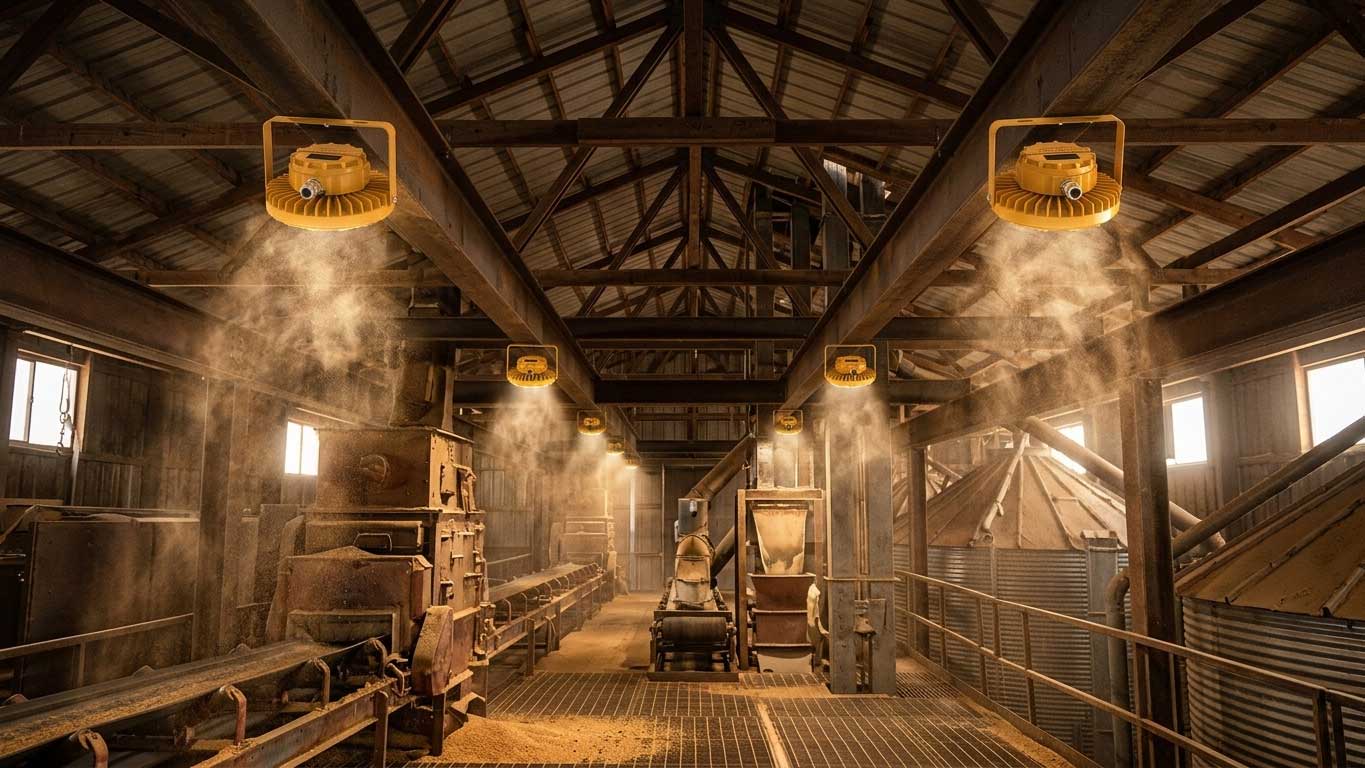
I’ve walked through grain facilities where dust hangs visibly in the air. Lighting in those spaces isn’t optional—it’s part of the safety system.
Let’s talk output.
| Power | Lumens | Application |
|---|---|---|
| 50W | 6,000–8,000 lm | confined hazardous zones |
| 100W | 12,000–15,000 lm | workshops |
| 150W | 18,000–22,000 lm | factory floors |
| 200W | 25,000–30,000 lm | large industrial areas |
The U.S. Department of Energy states that LED lighting can reduce energy consumption by up to 75% compared to traditional systems.
Source: https://www.energy.gov/energysaver/led-lighting
But in hazardous environments, brightness is only part of the equation.
The limiting factor is heat.
An industrial explosion proof lighting fixture must operate below ignition temperatures of surrounding gases.
That means:
In one project I reviewed, fixtures passed initial tests but showed gradual temperature rise after extended operation.
Not a dramatic failure. Just enough to exceed safe margins over time.
That’s how most real-world failures begin.
Certification isn’t optional.
It’s the baseline.
Key standards:
According to OSHA, improper electrical equipment remains a major contributor to hazardous location incidents.
Source: https://www.osha.gov
I’ve seen projects where fixtures technically worked—but failed compliance checks due to missing certification traceability.
That leads to full replacement, not repair.
Even well-designed lighting can fail if installed poorly.
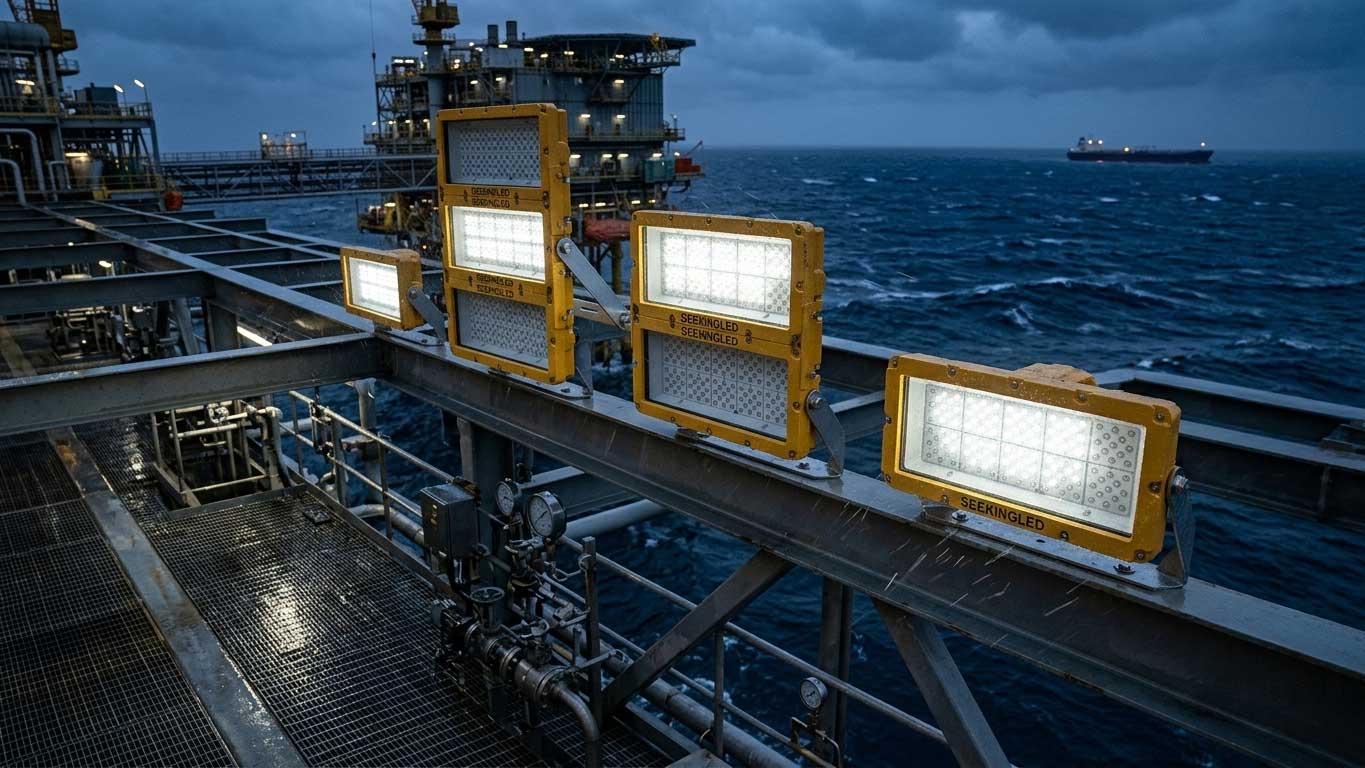
In one offshore installation, condensation formed inside fixtures—not due to product defects, but due to incorrect sealing during installation.
The failure didn’t happen immediately.
But it was unavoidable.
From a manufacturer’s side, it’s easy to publish specs.
From a field side, things look different.
I’ve been involved in:
What becomes clear over time:
At SEEKINGLED, production decisions are made with field conditions in mind—not just lab performance.
Typically 50,000–100,000 hours depending on thermal design and component quality.
Yes, but it is usually over-engineered and more expensive than standard lighting.
ATEX applies to Europe, while IECEx is an international certification system.
No. Thermal stability and certification matter more than raw output.
Industrial explosion proof lighting isn’t just about illumination.
It’s about ensuring that light never becomes a source of ignition.
And in hazardous environments, that’s not a feature—it’s a requirement.
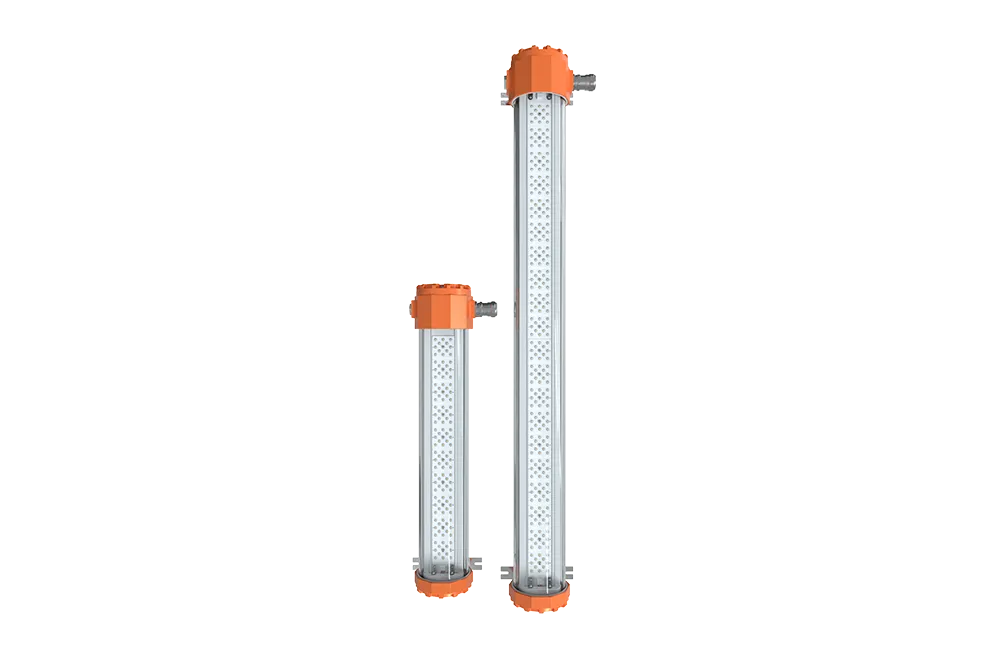
SEEKINGLED LED Linear Explosion Proof Light and Explosion Proof lighting is ATEX and IECEx certified for Zone 1, Zone 2, Zone 21 and Zone 22 hazardous locations, built for long-term industrial use.
View details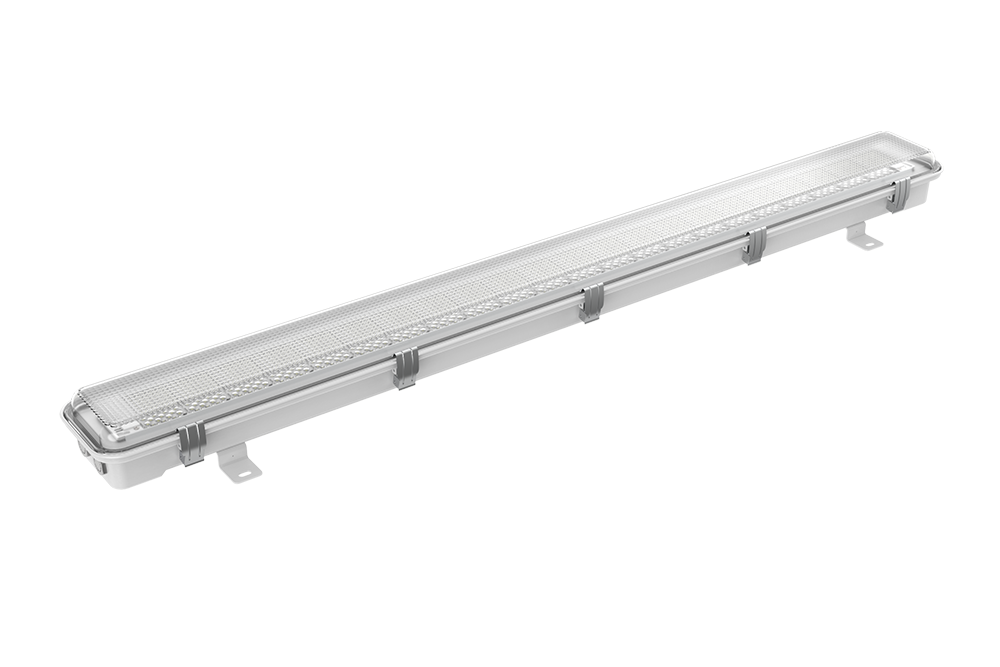
LED Linear Explosion Proof Lights and EX Proof lights for Zone 1, Zone 2, Zone 21 and Zone 22 hazardous areas. ATEX & IECEx certified explosion proof LED linear lighting with emergency function, adjustable power and IP67 protection by SEEKINGLED.
View details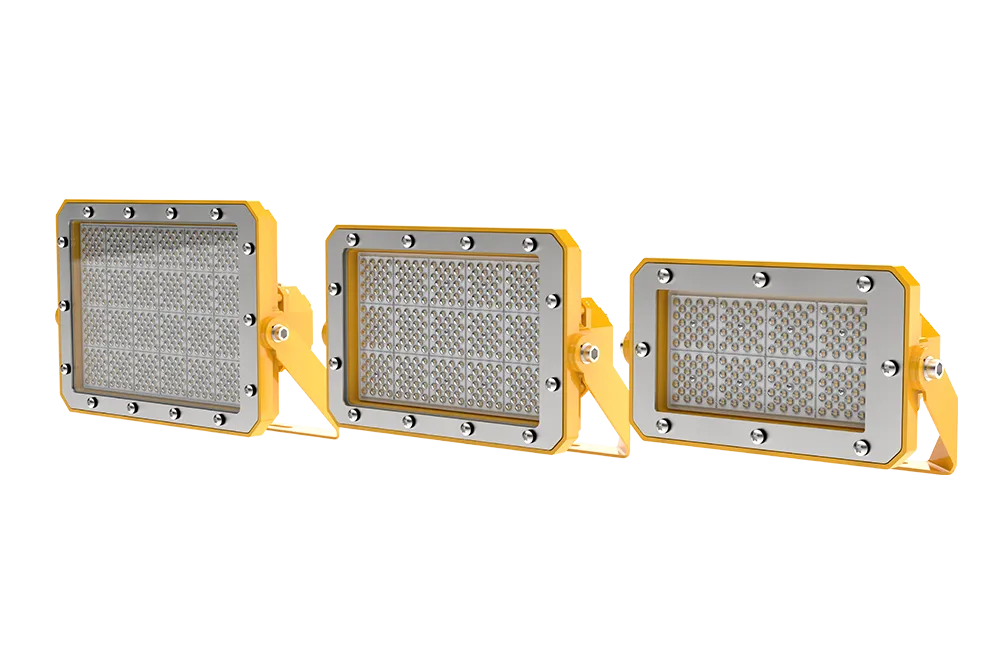
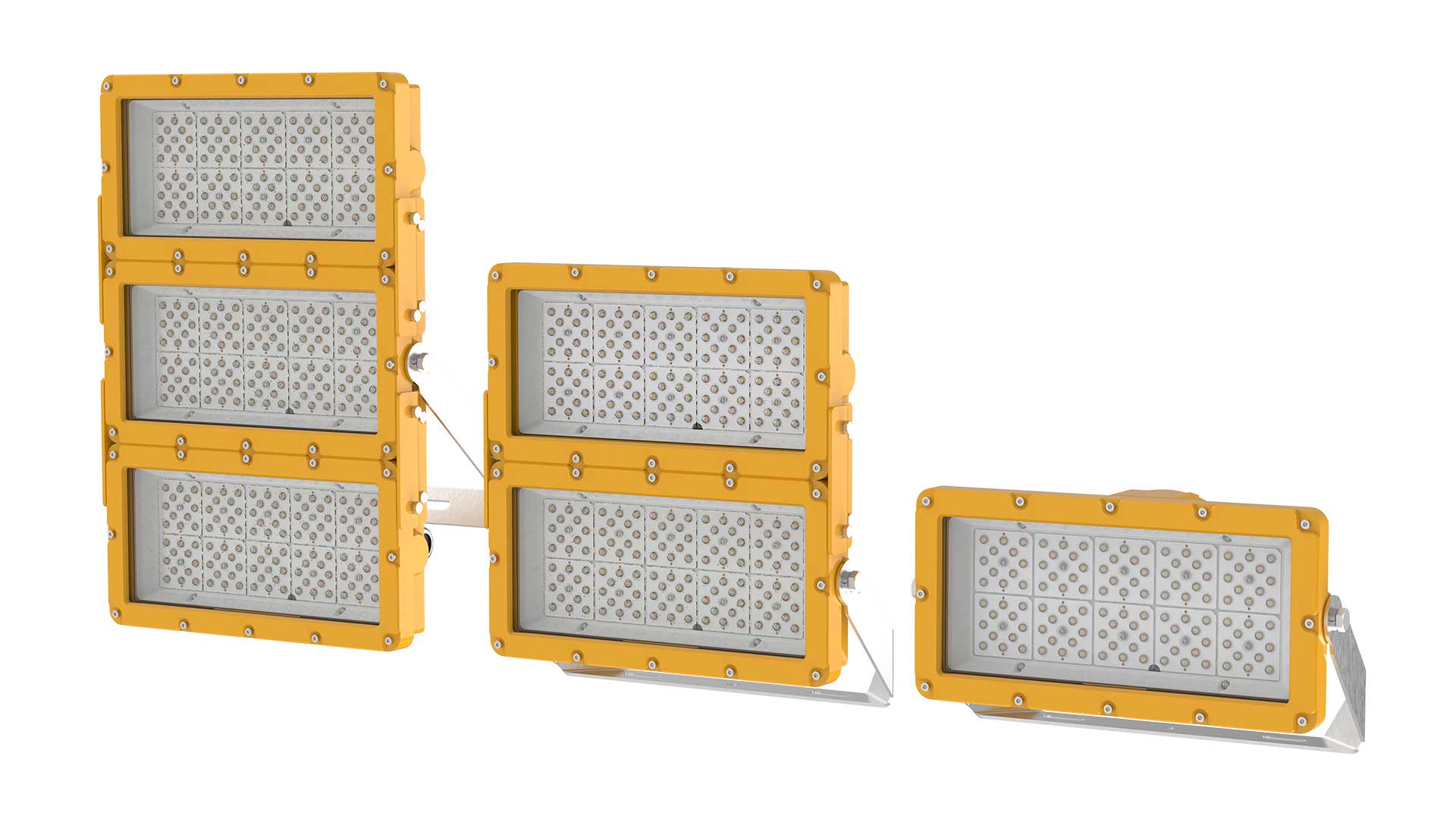
SEEKINGLED LED Explosion Proof Flood Lights are ATEX certified for Zone 2 and Zone 22 hazardous areas, offering high efficiency, adjustable power and integrated junction box.
View details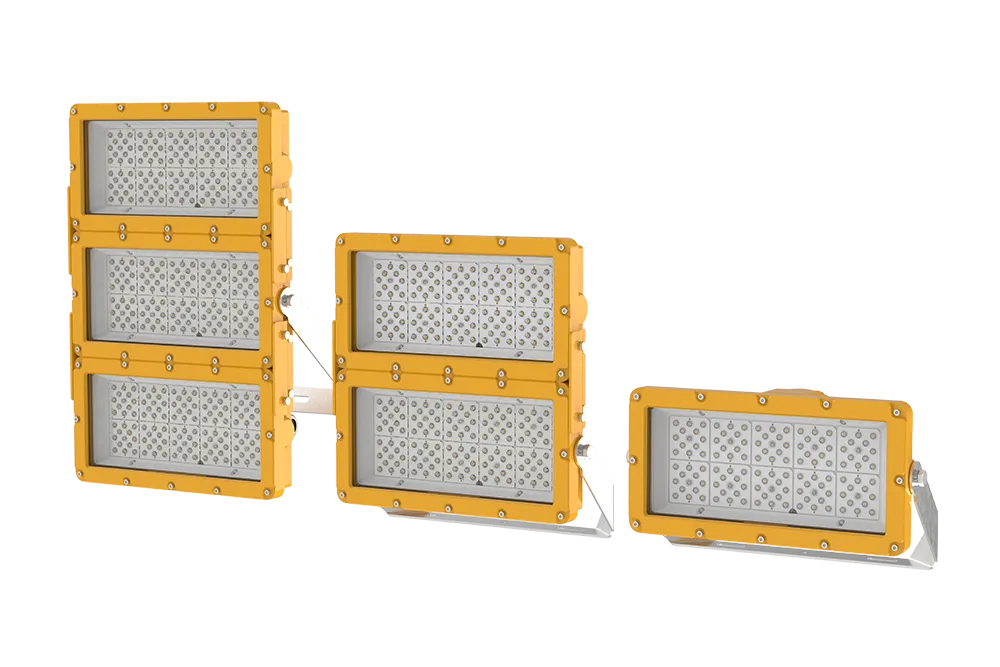
SEEKINGLED LED Explosion Proof Flood Lights are flameproof ATEX and IECEx certified for Zone 1 and Zone 2 hazardous areas, offering high power, adjustable output and long service life.
View details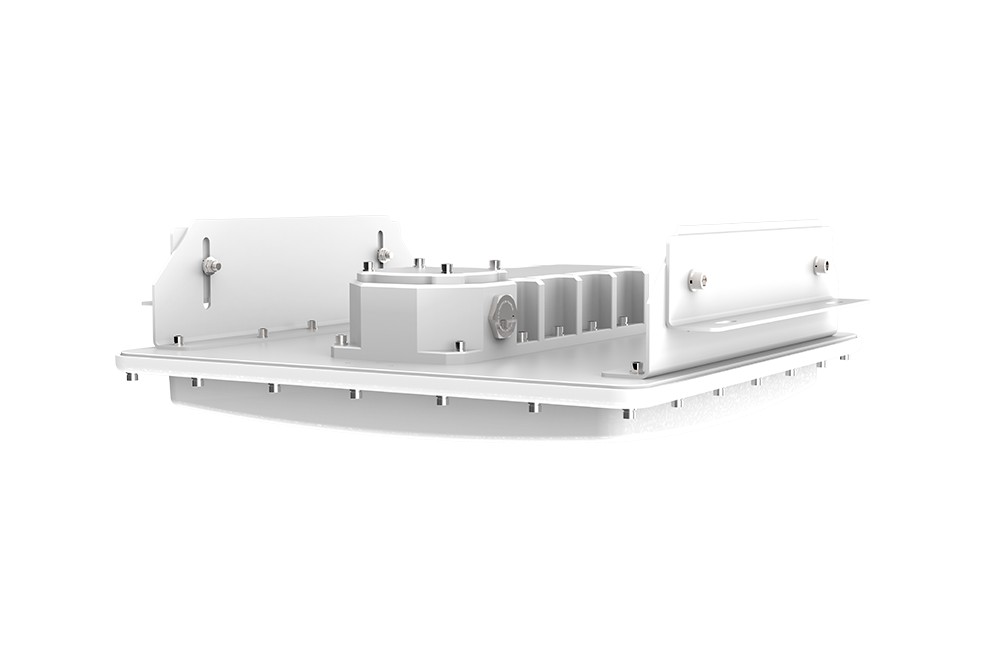
SEEKINGLED LED Gas Station Canopy Lights are ATEX certified for Zone 2 and Zone 22 hazardous areas, featuring adjustable power and built-in explosion-proof junction box.
View details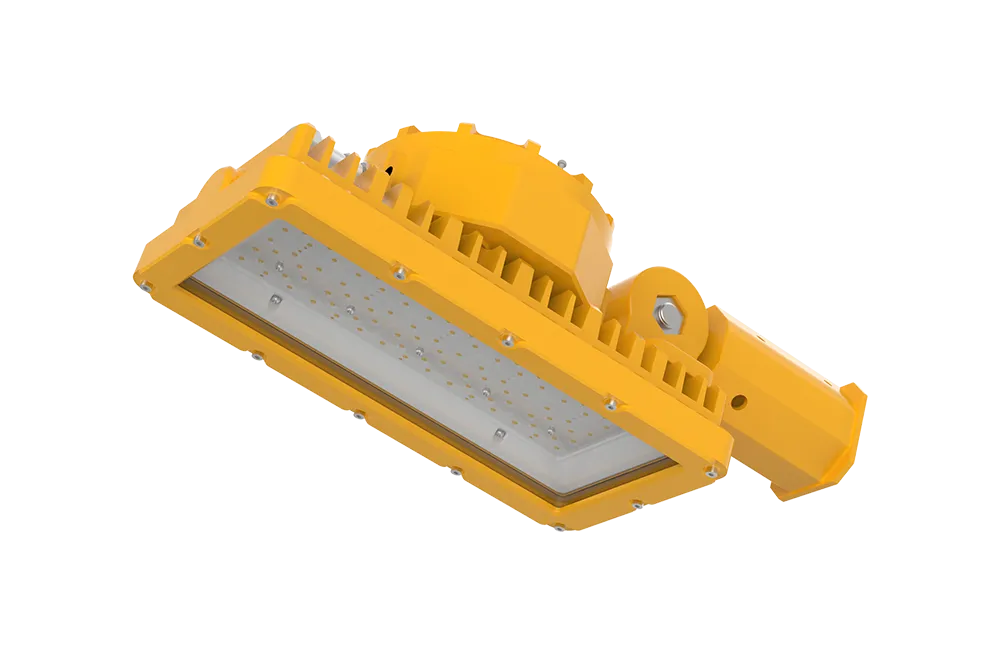
ATEX: Ex II 2G Ex db IIB T6/T5 GbEx II 2D Ex tb IIIC T80°C/ T95°C Db IECEx Ex db IIB T6 Gb;Ex tb IIIC T80°C Db Feature: ● For Zone 1,2 and Zone 21,22● Flameproof type, the strongest● 100W can replace 250W HID,energy saving● Power:60W,80W,100W Application: Oil and gas, marine, Chemical, pharmaceutical, semiconductor,mining,military industr…
View details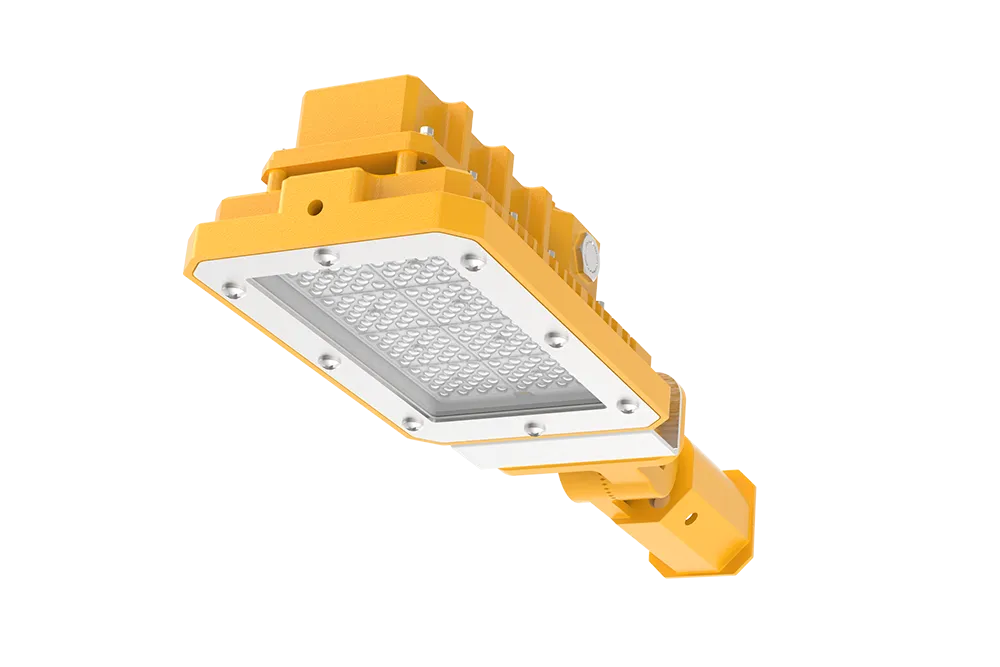
ATEX: II 3G Ex nR ⅡC T5/T6 GcII 3D Ex tc ⅢC T80℃/T95℃Dc ATEX Certificate NO: TÜV CY 26 ATEX 0207611 X Feature: ● For Zone 2 and Zone 22● 150W can replace 250W HID lamps,Energy saving● Power:50W,75W,100W,150W,200W Application: Oil and gas, marine, Chemical, pharmaceutical, semiconductor,mining,military industry, paint booth,power plant ETC…
View details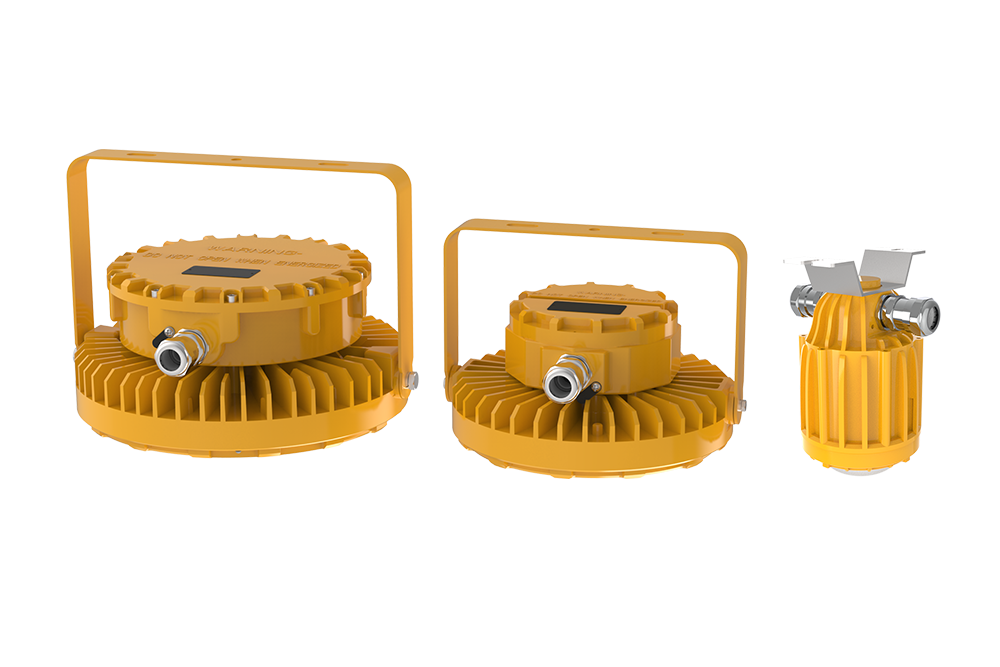
LED explosion proof high bay lights are designed for Zone 1, Zone 2, Zone 21 and Zone 22 hazardous areas. This page introduces the HB21 Series from SEEKING, including certifications, power options and real application considerations.
View details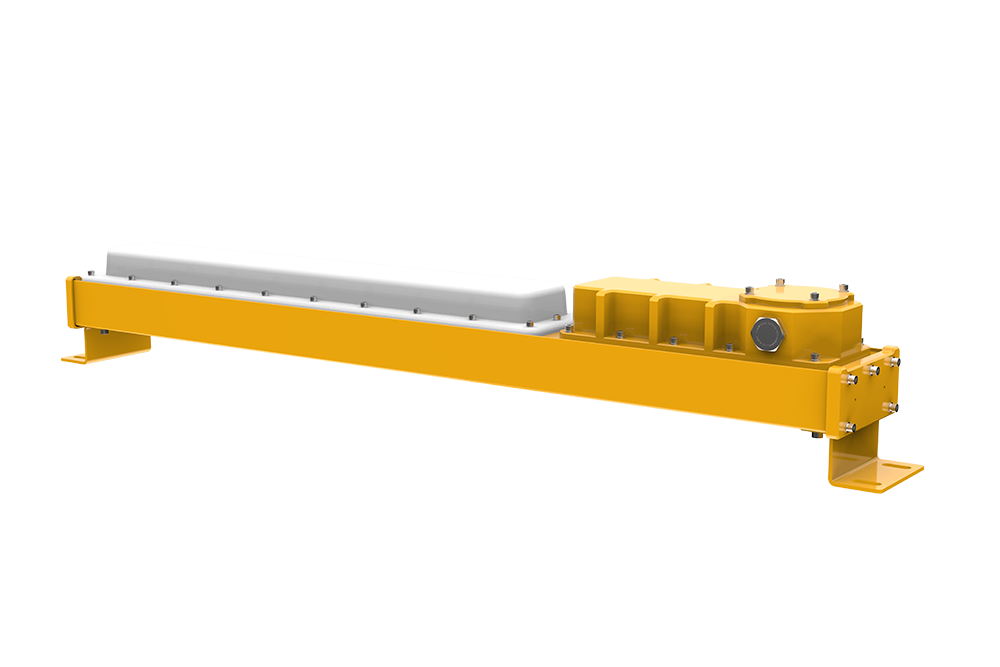
LED Linear Explosion Proof Lights from SEEKINGLED. LU Series Flame Proof lights ATEX-certified explosion proof LED linear lighting for Zone 2 gas and Zone 22 dust areas, IP69K, IK10, long lifetime and flexible power options.
View details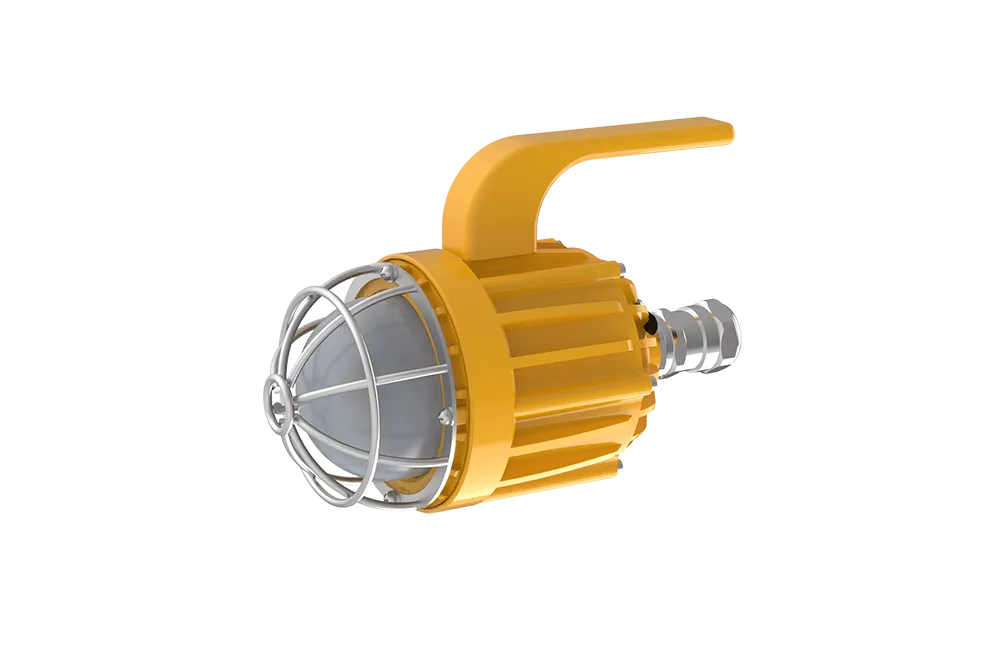
Certified explosion proof work lights for Zone 1 & 21 hazardous areas. Portable, ATEX & IECEx approved, built for oil, gas and chemical plants by SEEKINGLED.
View details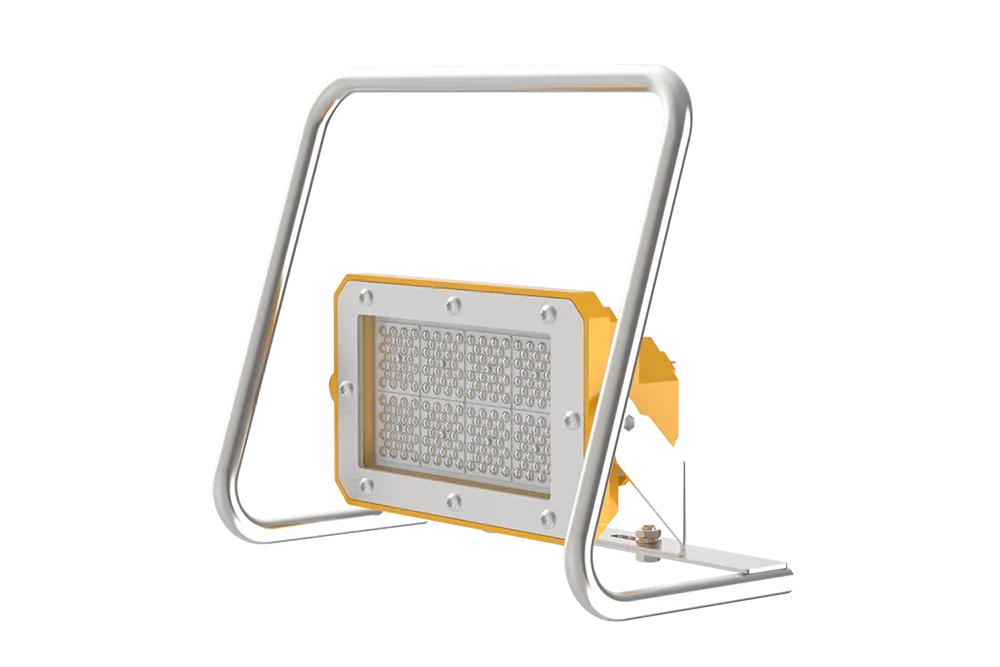
ATEX: II 3G Ex nR ⅡC T6 GcII 3D Ex tc ⅢC T80℃ Dc ATEX Certificate NO: TÜV CY 26 ATEX 0207611 X Feature: ● For Zone 2 and Zone 22● Accepts battery-powered supply● indestructible● Power:AC input:50W,75W,100WDC input:15W,25W,35W Application: Oil and gas, marine, Chemical, pharmaceutical, semiconductor,mining,military industry, paint booth,po…
View details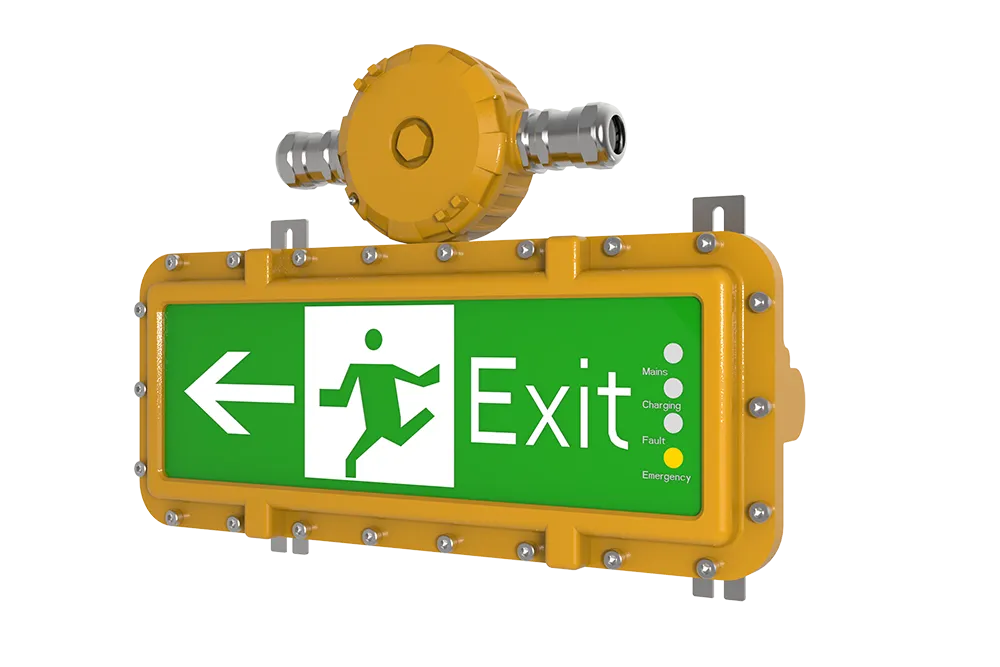
ATEX: Ex II 2G Ex db IIB T6 GbEx II 2D Ex tb IIIC T80°C Db IECEx Ex db IIB T6 Gb;Ex tb IIIC T80°C Db Feature: ● For Zone 1,2 and Zone 21,22● Flameproof type, the strongest Application: Oil and gas, marine, Chemical, pharmaceutical, semiconductor,mining,military industry, paint booth,power plant ETC hazardous area. Technical Specifications:…
View details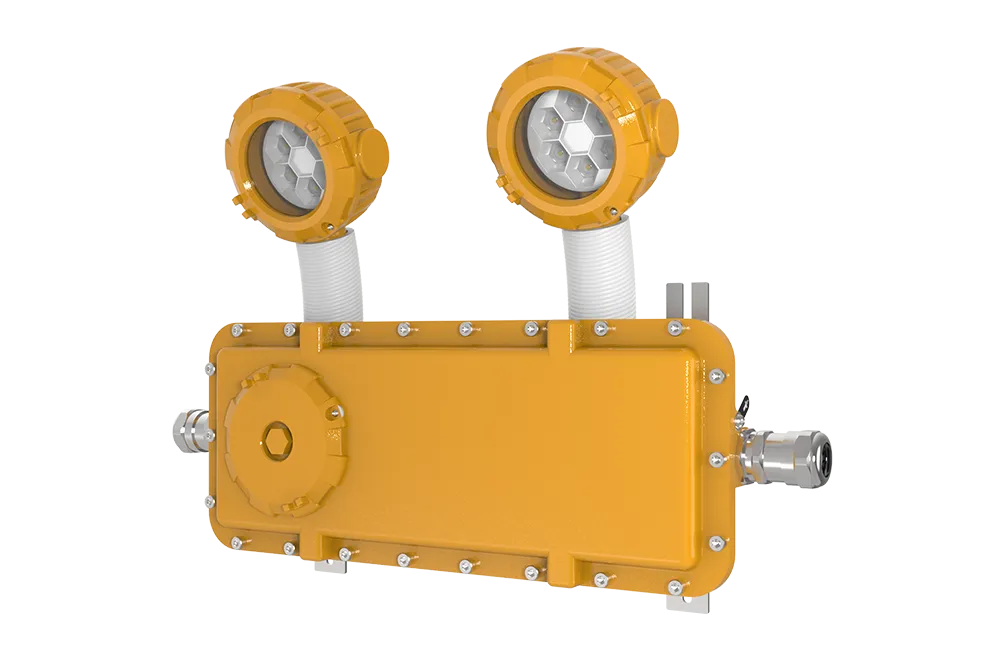
ATEX: Ex II 2G Ex db IIB T6 GbEx II 2D Ex tb IIIC T80°C Db IECEx Ex db IIB T6 Gb;Ex tb IIIC T80°C Db Feature: ● For Zone 1,2 and Zone 21,22● Flameproof type, the strongest Application: Oil and gas, marine, Chemical, pharmaceutical, semiconductor,mining,military industry, paint booth,power plant ETC hazardous area. Technical Specifications:…
View details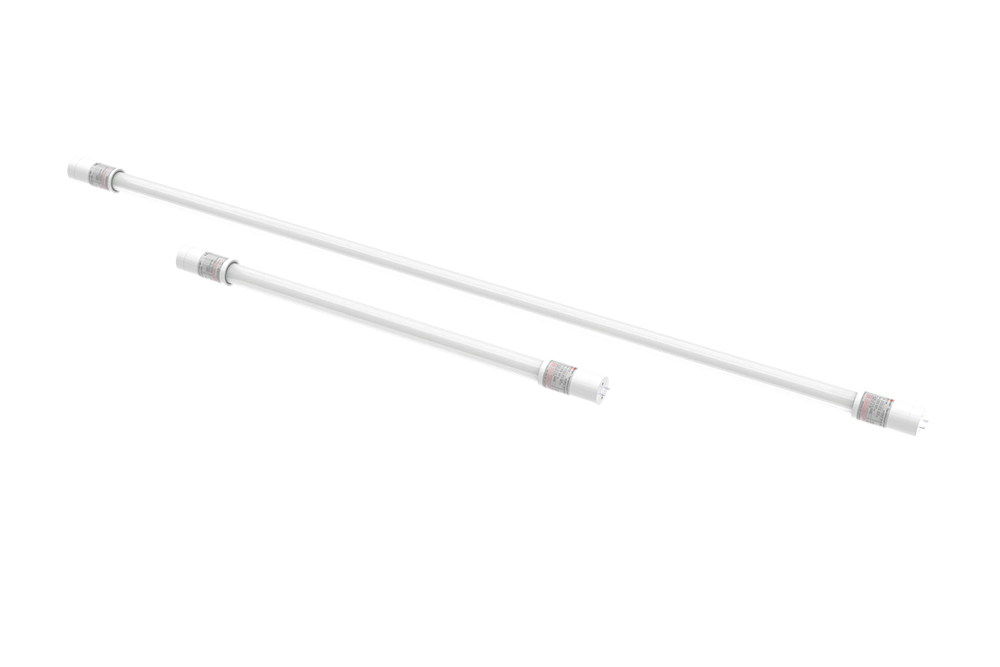
ATEX: Ex II 2G Ex d e IIB T6 Gb ATEX: Ex d e IIB T6 Gb; Feature: ● For Zone 1,2● 9W can replace 18W fluorescent lamps,50% Energy saving Application: Oil and gas, marine, Chemical, pharmaceutical, semiconductor,mining,military industry, paint booth,power plant ETC hazardous area. Technical Specifications: Standards:60079-0, 60079-1, 60079…
View details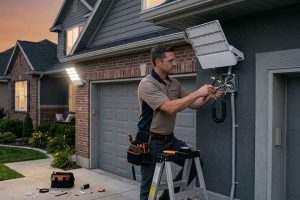
Learn how to wire a floodlight safely with a practical, no-nonsense guide. Avoid common wiring mistakes, get stable outdoor lighting, and install like a pro with SEEKINGLED tips.
View details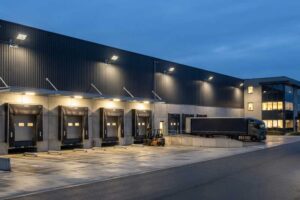
Install an outdoor flood light by checking the power, mounting surface, wiring, weather protection, and beam direction before testing.
View details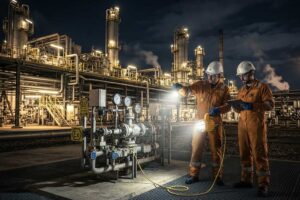
atex portable work light delivers safe illumination for hazardous zones. Explore ATEX certification, industrial applications, and field experience from SEEKINGLED.
View details
Explosion proof LED lighting Class 1 Division 1 is critical for hazardous locations. This article shares real engineering experience using SEEKINGLED HB21 Series LED explosion proof high bay lights, with references to IEC 60079 standards and ATEX ...
View details