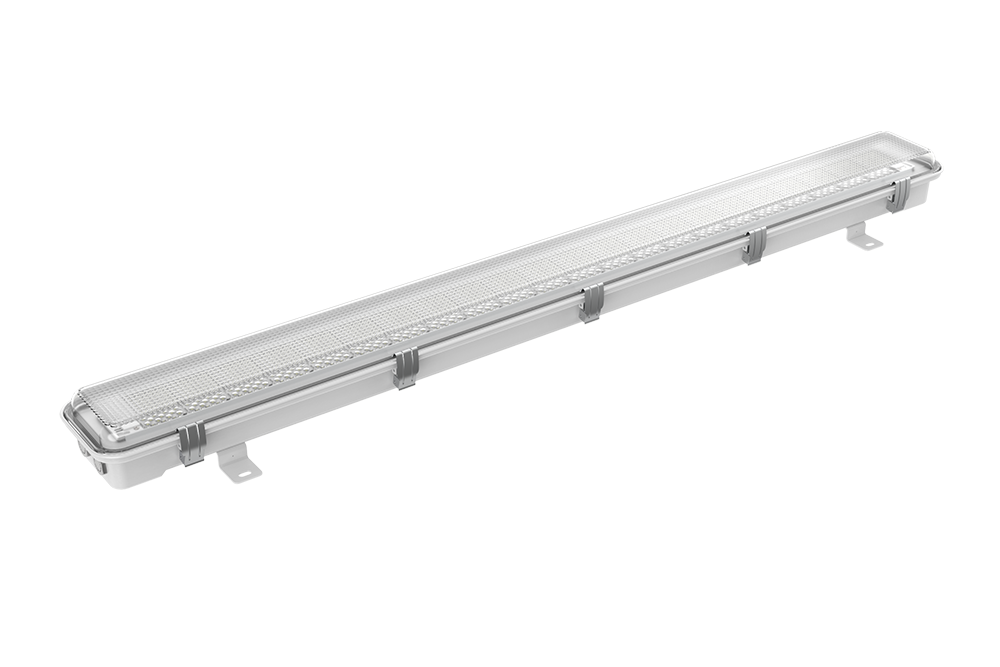
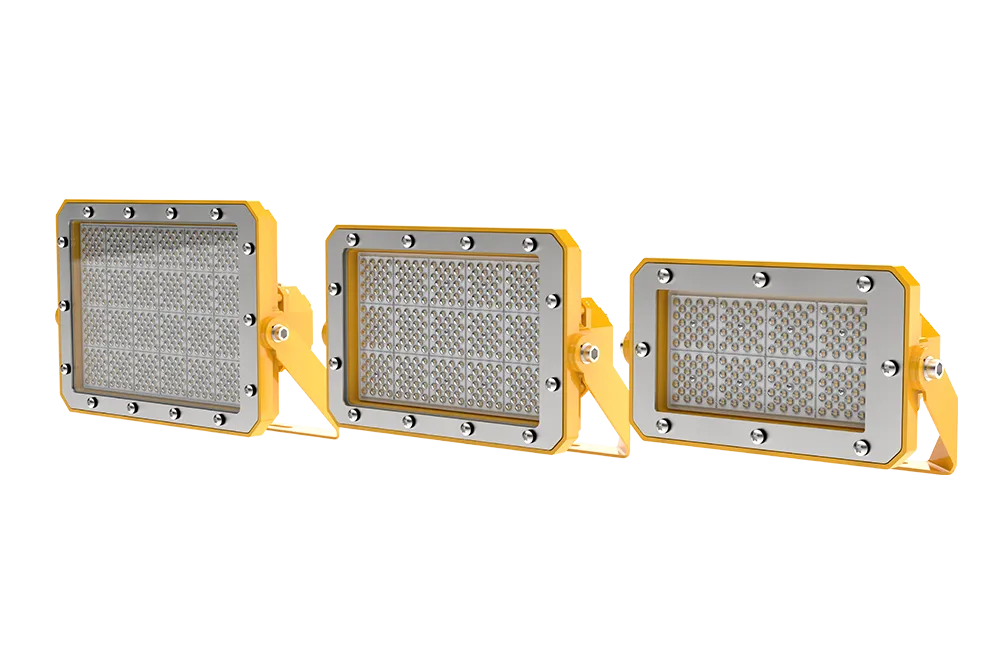
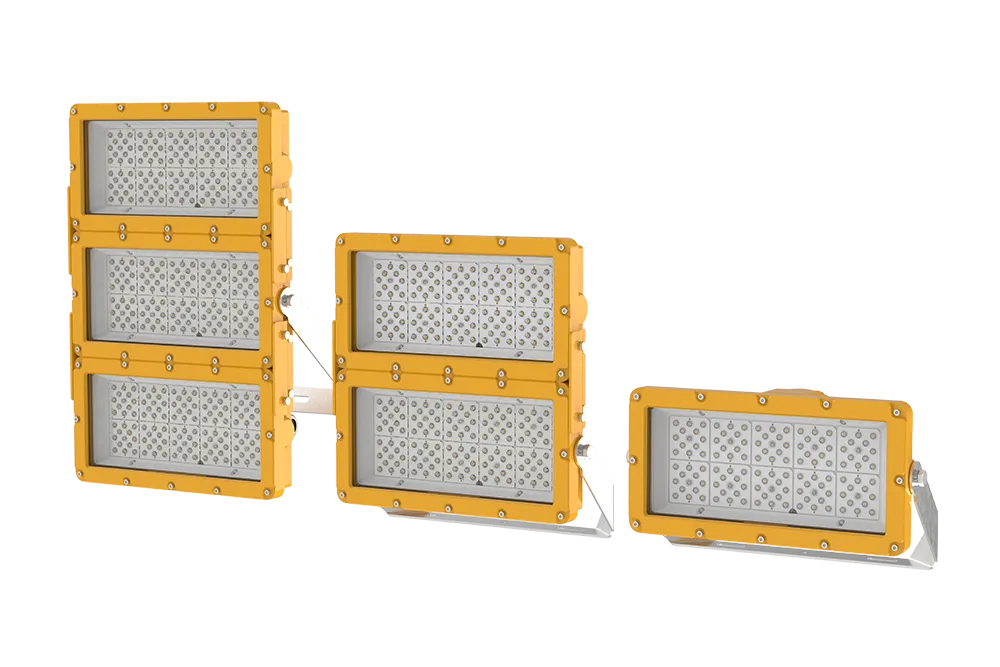
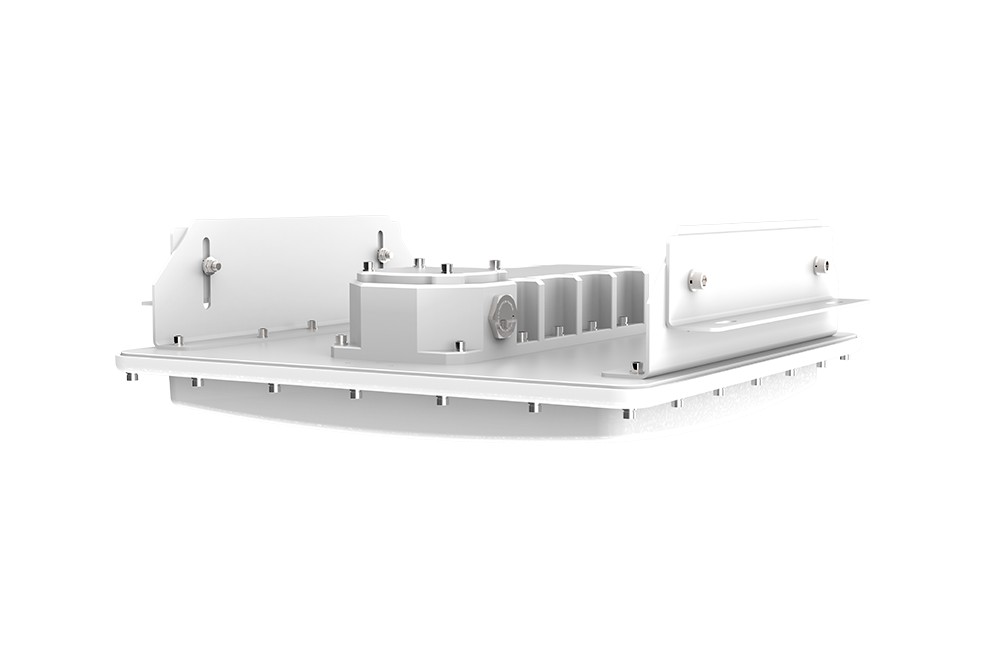
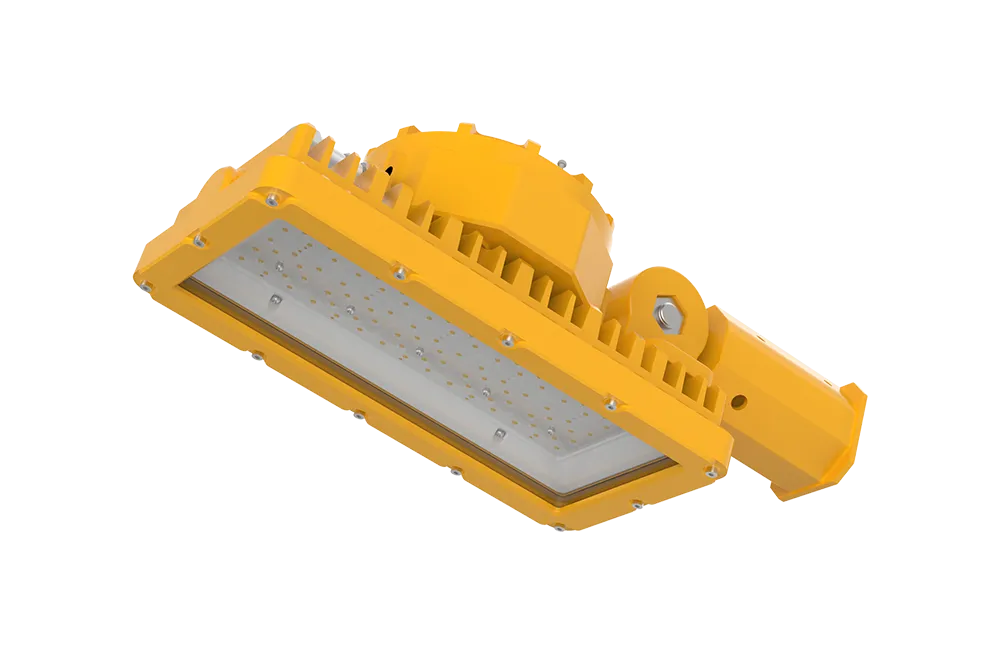
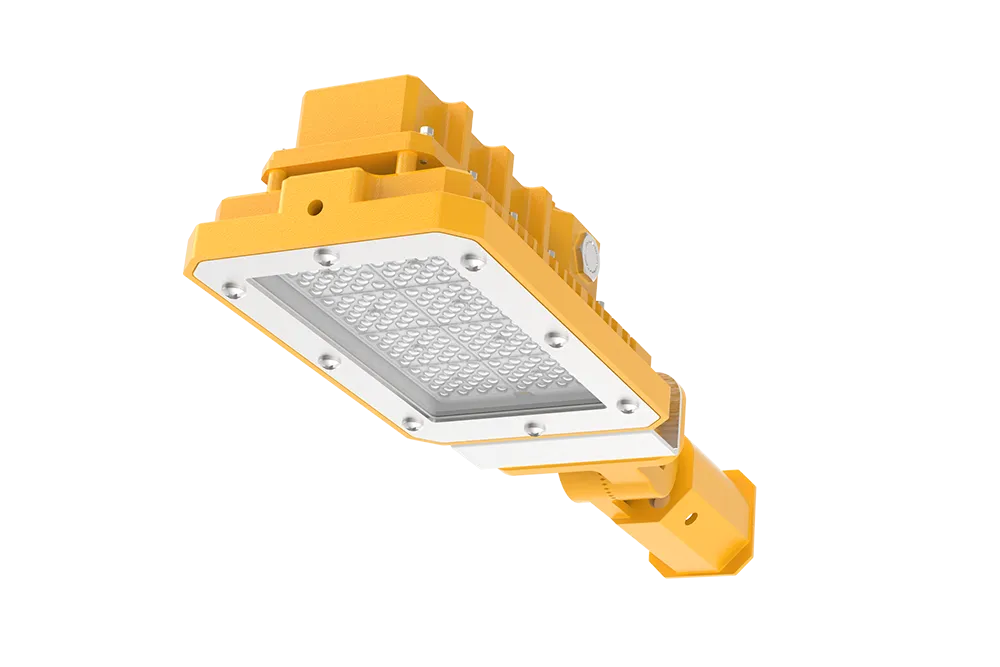
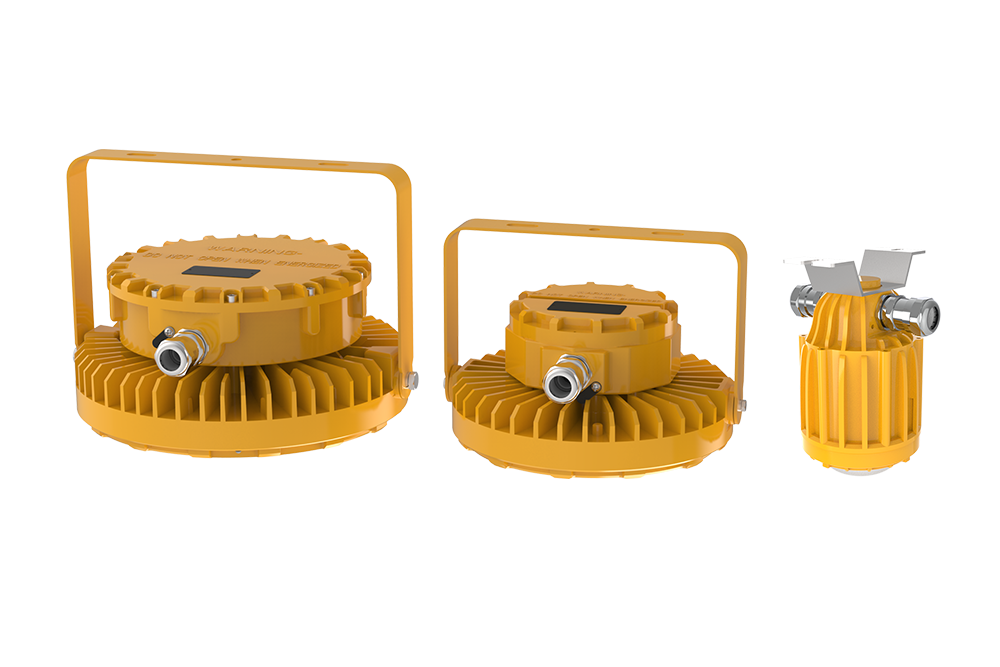
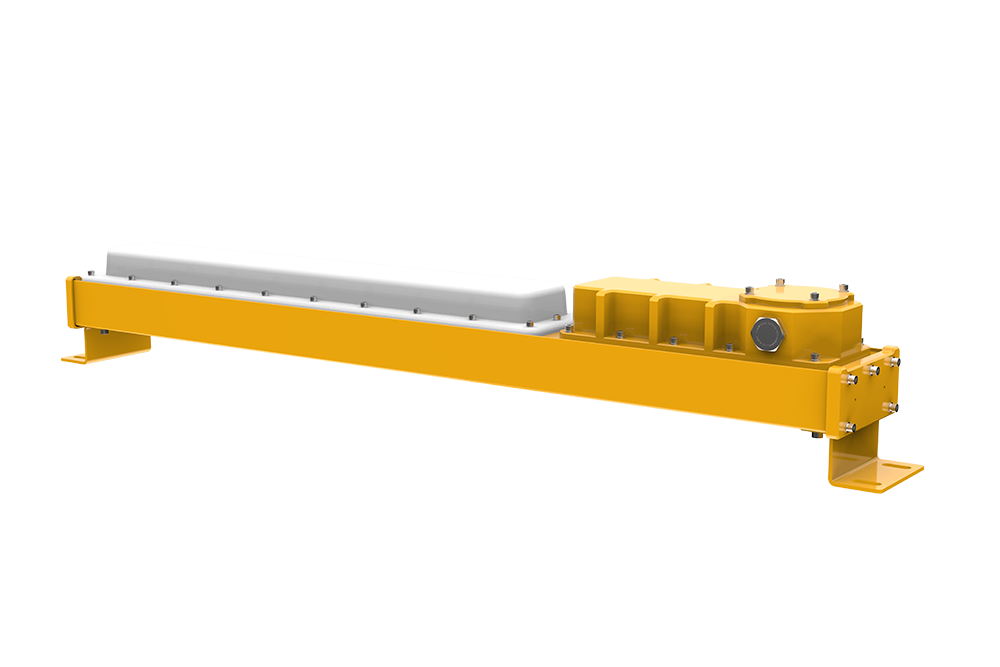
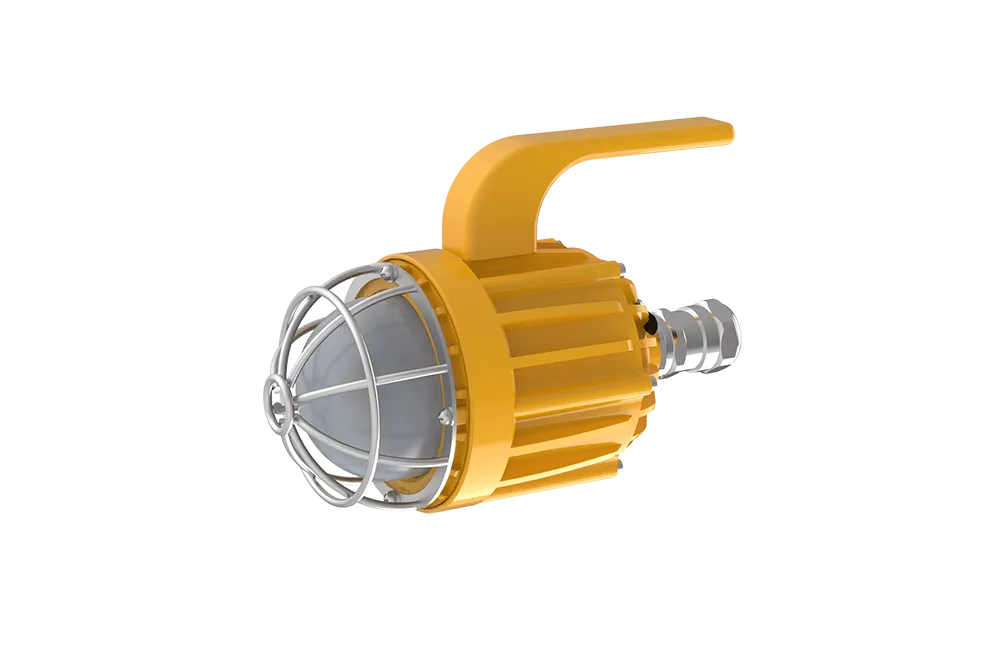
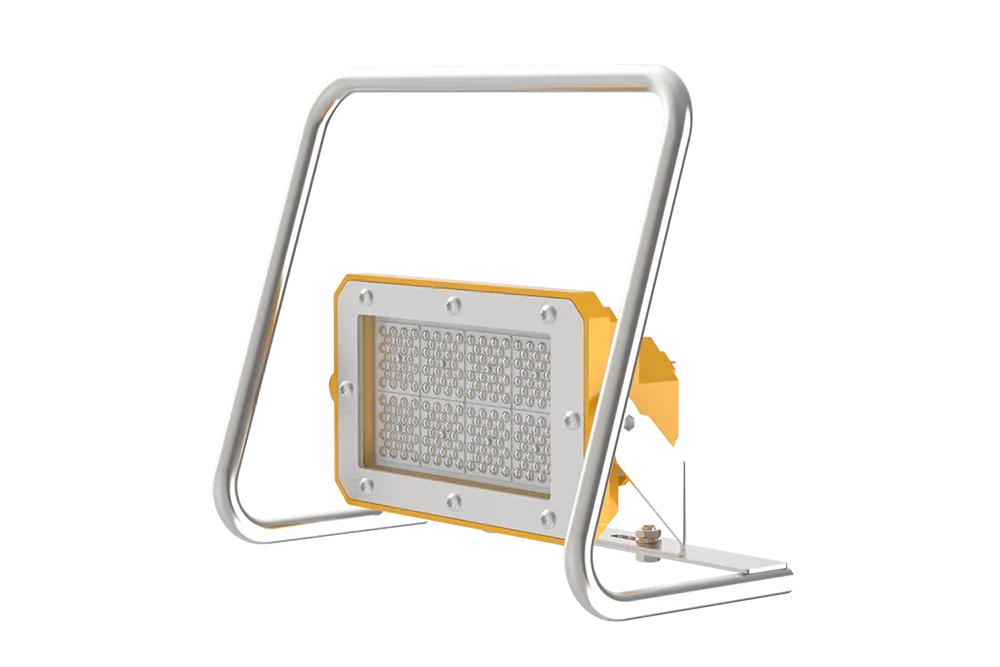
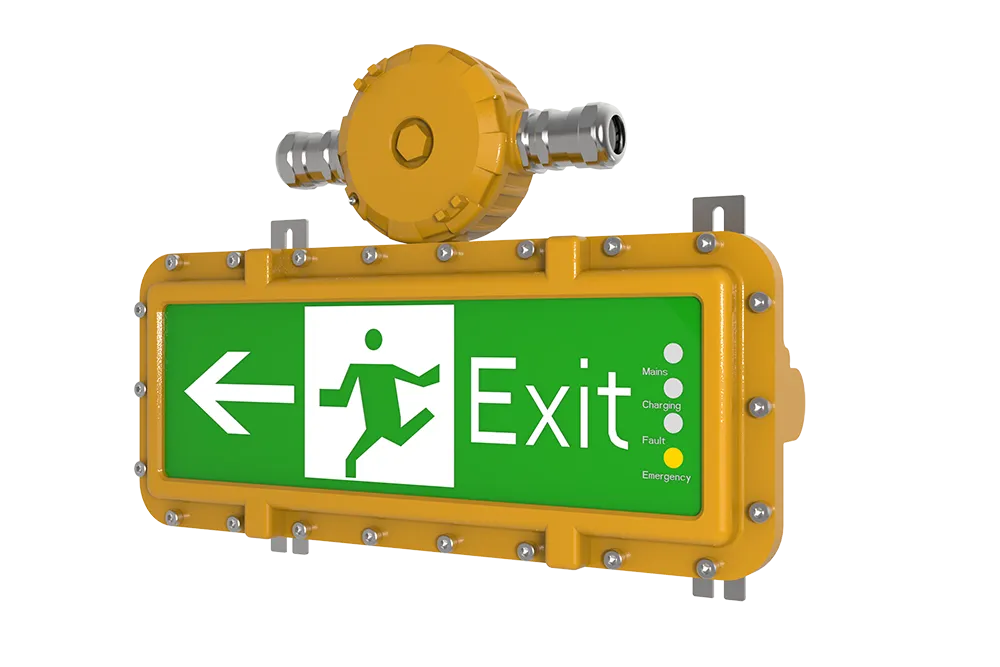
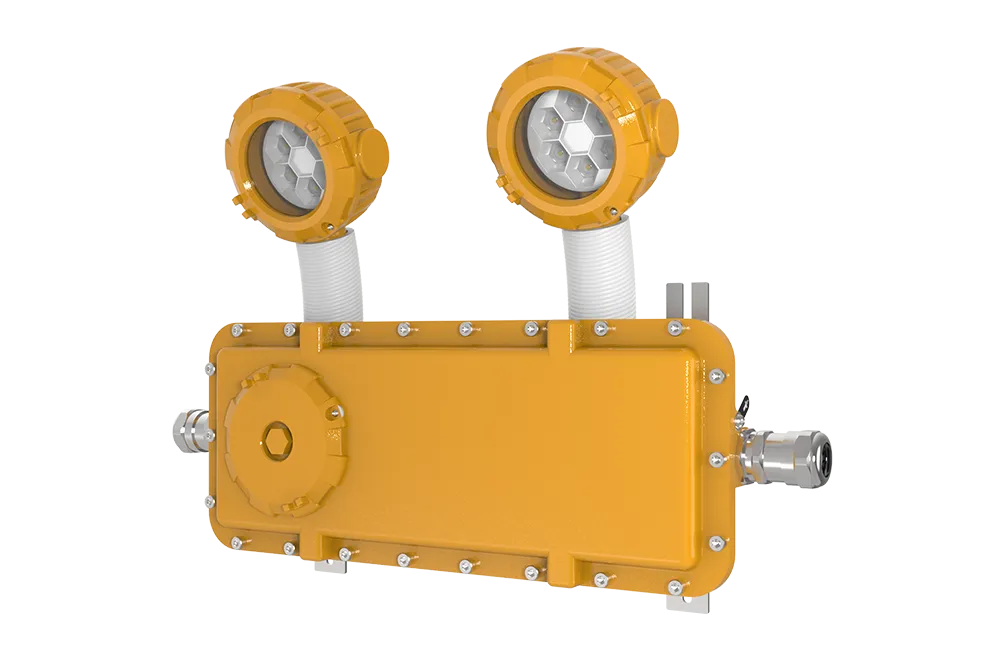
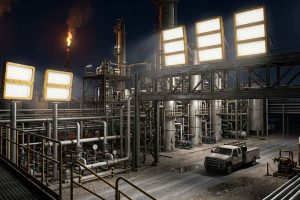
An anti explosion light is a sealed industrial fixture designed to contain internal sparks or heat, preventing ignition of flammable gases or dust while providing stable, high-output illumination in hazardous environments.
That’s the clean definition.
But on-site, it rarely feels that simple.
I’ve stood inside facilities where the air carries a faint chemical smell, where everything metallic feels slightly warm, and where lighting isn’t just about visibility—it’s about trust. When operators glance up at a fixture, they’re not thinking about lumens. They’re thinking:
“Is this safe to run all day… every day?”
That question defines anti explosion lighting more than any spec sheet.
anti explosion light: What It Actually Means
The term “anti explosion light” is widely used in the market, though technically aligned with “explosion proof” or “explosion protected.”
What it really means:
The fixture is engineered so that any internal ignition cannot ignite the surrounding atmosphere.
This principle is defined under standards like IECEx and ATEX.
According to the IECEx system, certified equipment must ensure that internal ignition cannot propagate outside the enclosure. Source: https://www.iecex.com
That requirement leads to specific engineering decisions:
flameproof housings
precision-machined joints
sealed cable entries
strict temperature control
Where Anti Explosion Lights Are Used
These fixtures exist because certain environments demand them:
oil and gas refineries
chemical plants
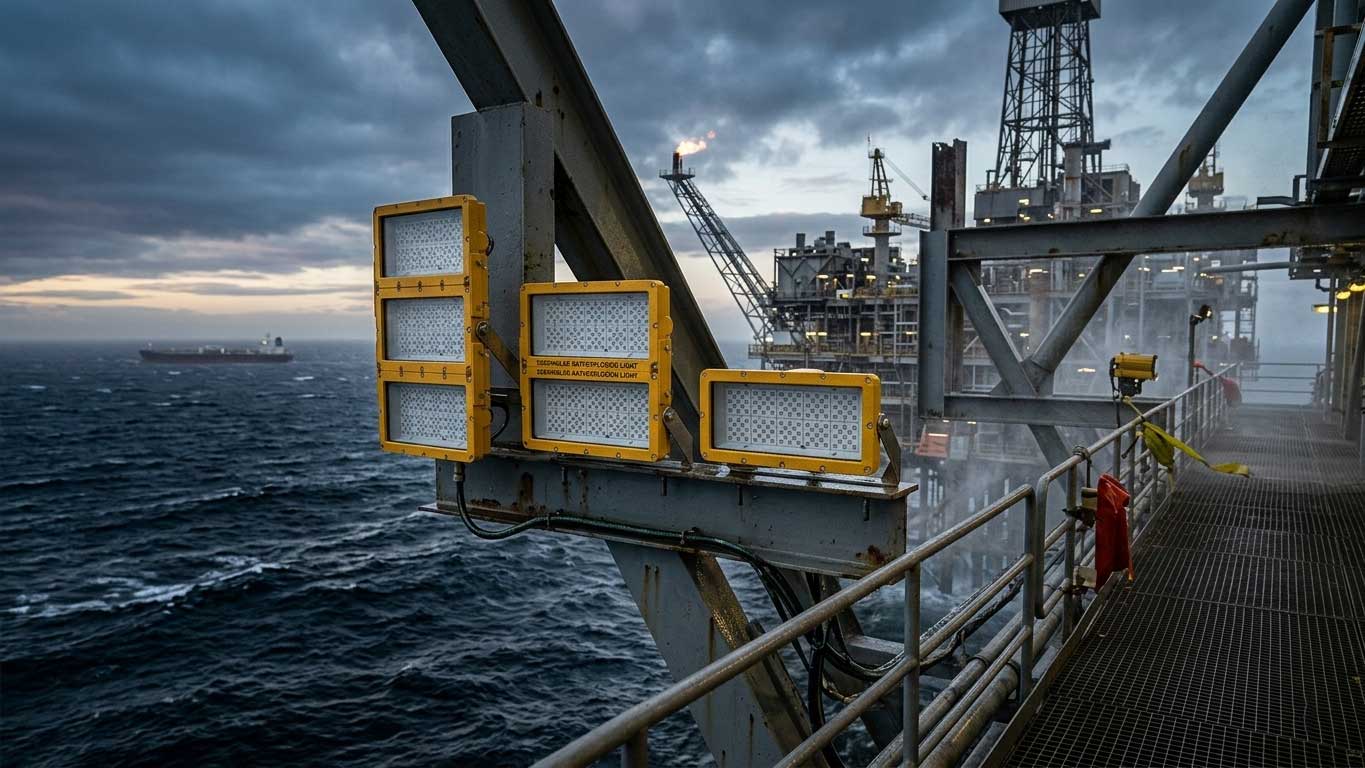
offshore platforms
paint and solvent facilities
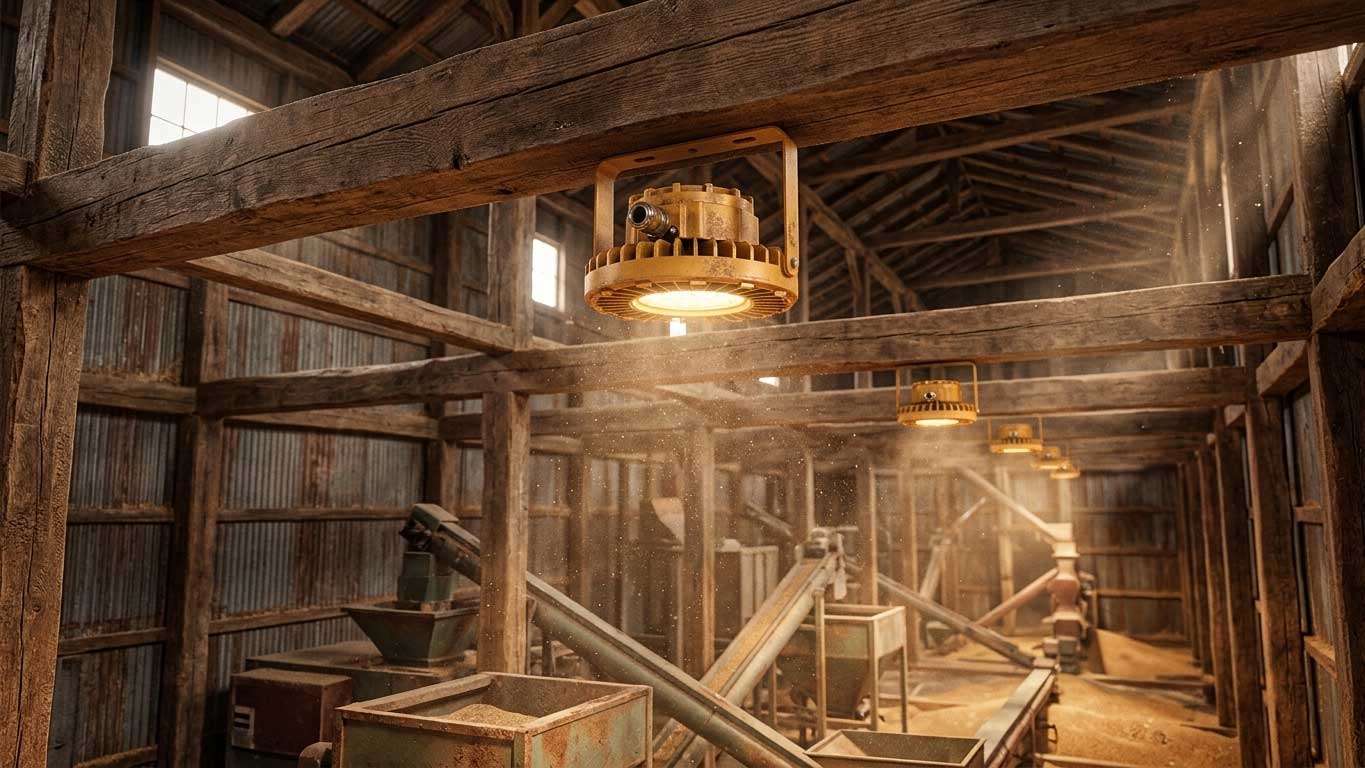
grain storage (dust hazards)
Dust explosions, for example, can occur at concentrations as low as 50 g/m³, depending on material.
I’ve walked through a grain facility where dust floated visibly in the air. Lighting there isn’t just functional—it’s part of the safety boundary.
In hazardous environments, heat becomes the real constraint.
Thermal Behavior in Real Conditions
An anti explosion light must operate below the ignition temperature of surrounding gases.
That requires:
controlled LED current
oversized heat sinks
high-temperature rated drivers
stable thermal pathways
In one project I reviewed, fixtures passed all initial tests. After several hours of continuous operation, internal temperatures crept higher than expected—not enough to fail immediately, but enough to exceed long-term safety margins.
That’s the kind of issue you only see outside the lab.
hazardous area lighting: Certification and Compliance
Certification is not optional.
It’s the baseline.
Key standards include:
ATEX (Europe)
IECEx (international)
UL844 (North America)
Class I Division 1 / 2
According to OSHA, improper electrical equipment is a major contributor to hazardous location incidents. Source: https://www.osha.gov
What Buyers Should Verify
certification authenticity
temperature class (T-rating)
gas group compatibility
IP66/IP67 sealing
impact resistance
I’ve seen projects delayed because installed fixtures couldn’t pass documentation audits—not because they failed technically, but because certification couldn’t be verified.
That’s a costly oversight.
atex explosion proof light: Installation Reality
Even a well-designed anti explosion light can fail due to poor installation.
Common Mistakes
incorrect cable glands → sealing failure
improper mounting height → uneven lighting
wrong beam angle → shadow zones
ignoring ambient temperature limits
In one offshore installation, condensation formed inside fixtures due to improper sealing.
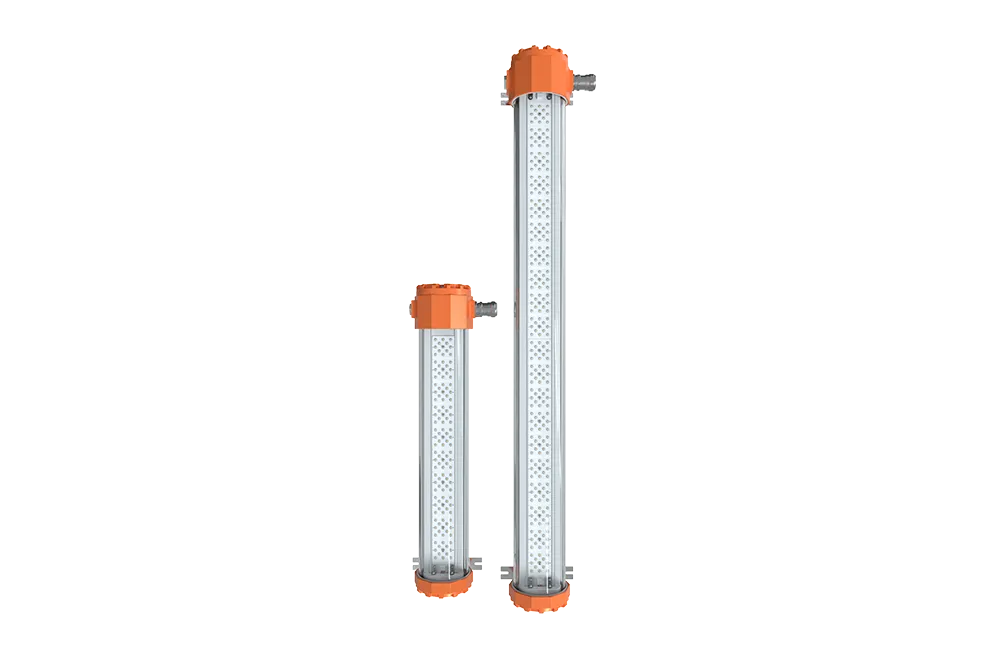
SEEKINGLED LED Linear Explosion Proof Light and Explosion Proof lighting is ATEX and IECEx certified for Zone 1, Zone 2, Zone 21 and Zone 22 hazardous locations, built for long-term industrial use.
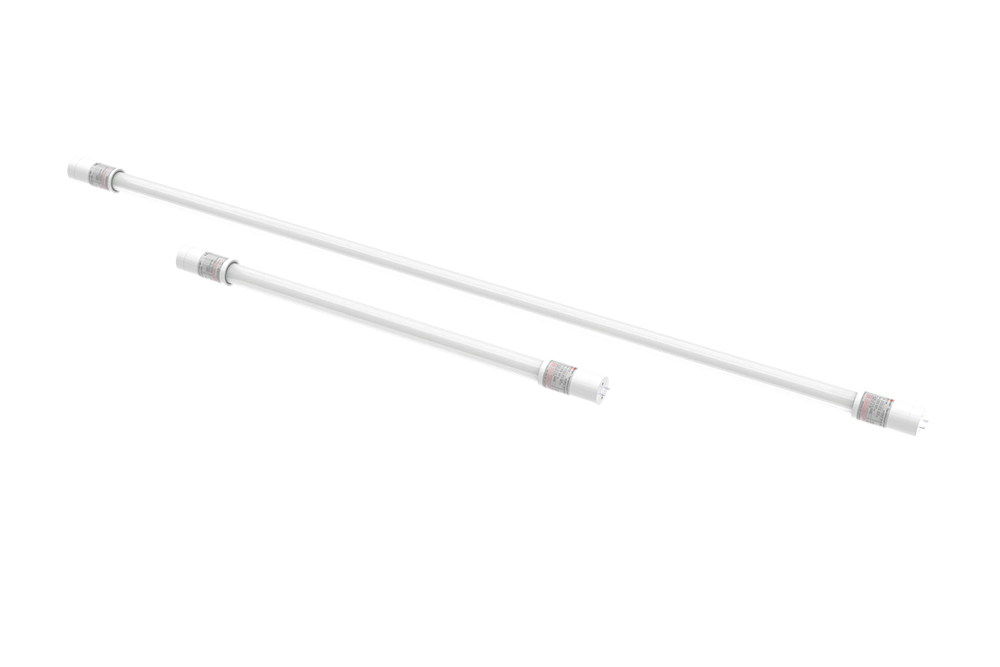
LED Linear Explosion Proof Lights and EX Proof lights for Zone 1, Zone 2, Zone 21 and Zone 22 hazardous areas. ATEX & IECEx certified explosion proof LED linear lighting with emergency function, adjustable power and IP67 protection by SEEKINGLED.
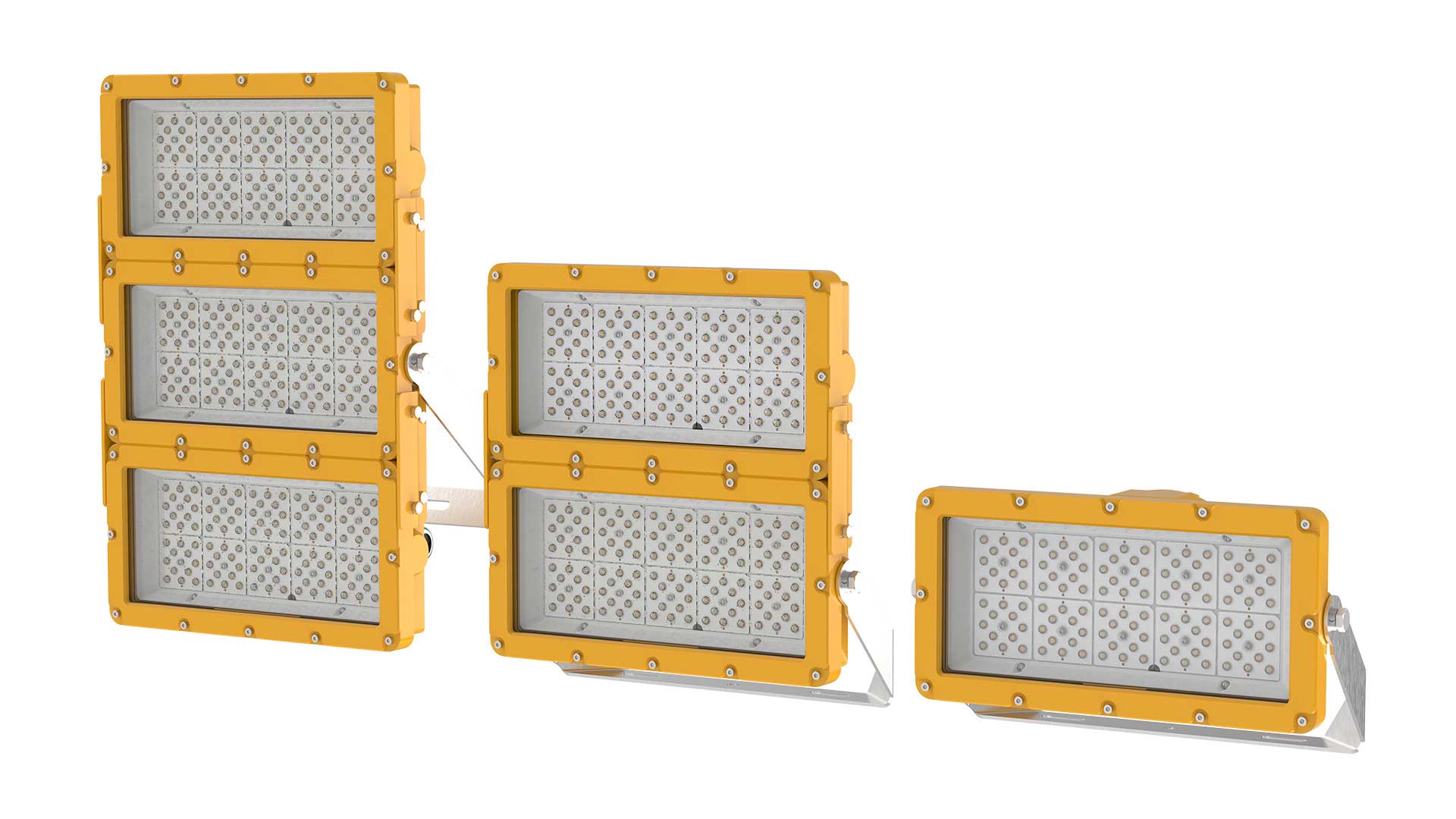
SEEKINGLED LED Explosion Proof Flood Lights are ATEX certified for Zone 2 and Zone 22 hazardous areas, offering high efficiency, adjustable power and integrated junction box.
SEEKINGLED LED Explosion Proof Flood Lights are flameproof ATEX and IECEx certified for Zone 1 and Zone 2 hazardous areas, offering high power, adjustable output and long service life.
SEEKINGLED LED Gas Station Canopy Lights are ATEX certified for Zone 2 and Zone 22 hazardous areas, featuring adjustable power and built-in explosion-proof junction box.
ATEX: Ex II 2G Ex db IIB T6/T5 GbEx II 2D Ex tb IIIC T80°C/ T95°C Db IECEx Ex db IIB T6 Gb;Ex tb IIIC T80°C Db Feature: ● For Zone 1,2 and Zone 21,22● Flameproof type, the strongest● 100W can replace 250W HID,energy saving● Power:60W,80W,100W Application: Oil and gas, marine, Chemical, pharmaceutical, semiconductor,mining,military industr…
ATEX: II 3G Ex nR ⅡC T5/T6 GcII 3D Ex tc ⅢC T80℃/T95℃Dc ATEX Certificate NO: TÜV CY 26 ATEX 0207611 X Feature: ● For Zone 2 and Zone 22● 150W can replace 250W HID lamps,Energy saving● Power:50W,75W,100W,150W,200W Application: Oil and gas, marine, Chemical, pharmaceutical, semiconductor,mining,military industry, paint booth,power plant ETC…
LED explosion proof high bay lights are designed for Zone 1, Zone 2, Zone 21 and Zone 22 hazardous areas. This page introduces the HB21 Series from SEEKING, including certifications, power options and real application considerations.
LED Linear Explosion Proof Lights from SEEKINGLED. LU Series Flame Proof lights ATEX-certified explosion proof LED linear lighting for Zone 2 gas and Zone 22 dust areas, IP69K, IK10, long lifetime and flexible power options.
Certified explosion proof work lights for Zone 1 & 21 hazardous areas. Portable, ATEX & IECEx approved, built for oil, gas and chemical plants by SEEKINGLED.
ATEX: II 3G Ex nR ⅡC T6 GcII 3D Ex tc ⅢC T80℃ Dc ATEX Certificate NO: TÜV CY 26 ATEX 0207611 X Feature: ● For Zone 2 and Zone 22● Accepts battery-powered supply● indestructible● Power:AC input:50W,75W,100WDC input:15W,25W,35W Application: Oil and gas, marine, Chemical, pharmaceutical, semiconductor,mining,military industry, paint booth,po…
ATEX: Ex II 2G Ex db IIB T6 GbEx II 2D Ex tb IIIC T80°C Db IECEx Ex db IIB T6 Gb;Ex tb IIIC T80°C Db Feature: ● For Zone 1,2 and Zone 21,22● Flameproof type, the strongest Application: Oil and gas, marine, Chemical, pharmaceutical, semiconductor,mining,military industry, paint booth,power plant ETC hazardous area. Technical Specifications:…
ATEX: Ex II 2G Ex db IIB T6 GbEx II 2D Ex tb IIIC T80°C Db IECEx Ex db IIB T6 Gb;Ex tb IIIC T80°C Db Feature: ● For Zone 1,2 and Zone 21,22● Flameproof type, the strongest Application: Oil and gas, marine, Chemical, pharmaceutical, semiconductor,mining,military industry, paint booth,power plant ETC hazardous area. Technical Specifications:…
ATEX: Ex II 2G Ex d e IIB T6 Gb ATEX: Ex d e IIB T6 Gb; Feature: ● For Zone 1,2● 9W can replace 18W fluorescent lamps,50% Energy saving Application: Oil and gas, marine, Chemical, pharmaceutical, semiconductor,mining,military industry, paint booth,power plant ETC hazardous area. Technical Specifications: Standards:60079-0, 60079-1, 60079…
15-18th,September,2014HBL series high bay light include 100W, 120W, 150W, 200W, 240W, update to SMD3030 LED chip, IP65. use Meanwell HLG series driver, whole lamp 5 year warranty. Improve to 140lm/w, less heat. UL, TUV CE, SAA etc listed, can be w...
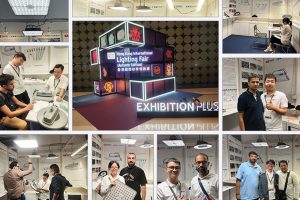
Seeking presented advanced LED Lighting solutions at the Hong Kong International Lighting Fair (Autumn Edition) 2024, featuring the HLS Series LED Linear Trunking System and HLD Series Linear High Bay for industrial and commercial projects.
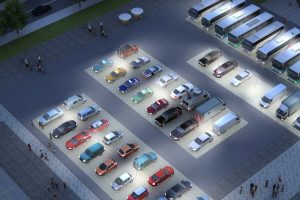
Outdoor parking lot LED lighting solutions improve safety, visibility and energy efficiency. Learn how SEEKINGLED applies LED flood lights, street lights and tri-proof lamps in real parking projects.
Atex led flood light supply for hazardous zones. Real project insights, certified performance, and reliable solutions from SEEKINGLED for oil, gas, and industrial sites.
 Seeking LED