 Seeking LED
12 Volt DC LED Flood Lights: Where Low Voltage Actually Makes More Sense
6612 volt dc led flood lights offer safe, efficient low-voltage lighting. Explore real-world use cases, performance data, and expert installation insights.
View detailsSearch the whole station
What Is Zone 2 Hazardous Area Lighting? Zone 2 hazardous area lighting is specially certified lighting designed for locations where explosive gas atmospheres are unlikely during normal operation and, if they occur, exist only briefly. These luminaires reduce ignition risks while providing reliable industrial illumination.
Several years ago, while walking through a gasoline storage terminal during a maintenance shutdown, an engineer stopped beside a pipe rack and pointed upward.
“Nothing dangerous happens here most of the time,” he said.
He paused.
“But when something goes wrong, the lighting still has to be safe.”
That short explanation has stayed with me longer than any textbook definition.
Hazardous areas are classified according to the likelihood that flammable gases may be present.
Under IEC and ATEX standards, gas hazardous locations are divided into:
| Zone | Presence of Explosive Gas |
|---|---|
| Zone 0 | Continuous or long periods |
| Zone 1 | Likely during normal operation |
| Zone 2 | Unlikely and temporary |
Zone 2 represents areas where explosive gas atmospheres are not expected during normal operating conditions.
If they occur, they usually remain present only for a short time.
Examples include:
These areas may appear completely normal.
The risk is often invisible.
Many people ask:
“If the risk is low, why can’t standard industrial lights be used?”
The answer is simple.
Conventional luminaires may produce:
If a temporary gas cloud forms, those ignition sources become dangerous.
Zone 2 hazardous area lighting is designed to prevent those ignition sources from causing explosions.
This is why certification matters.
Not appearance.
Not brightness.
Not price.
Industries frequently using Zone 2 lighting include:
One refinery manager once told me:
“Most of our plant isn’t Zone 1. Most of it is Zone 2.”
That statement reflects reality.
Large industrial facilities often contain extensive Zone 2 areas surrounding higher-risk process zones.
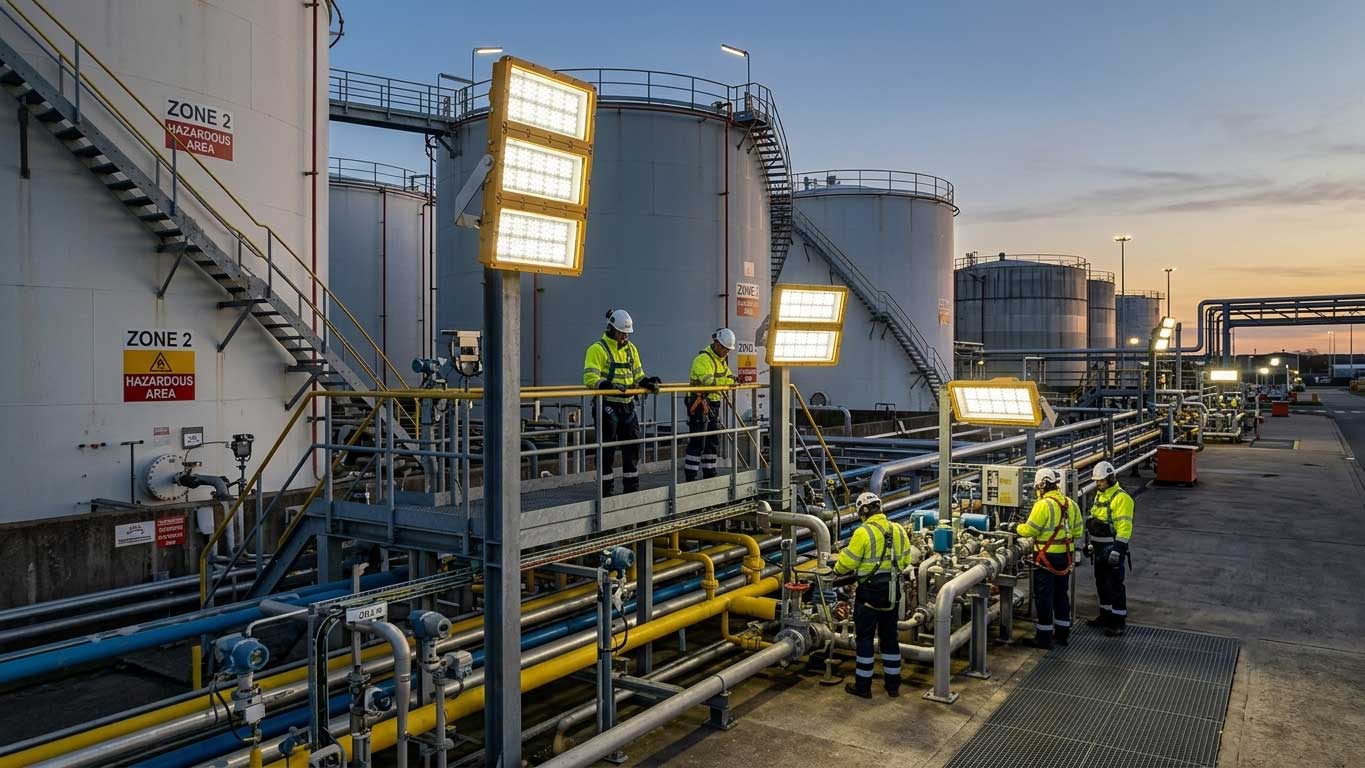
Zone 2 lighting usually complies with:
ATEX applies within the European Union.
IECEx provides international certification for explosive atmosphere equipment.
The IECEx system states that equipment must undergo testing to verify compliance with safety standards for explosive atmospheres.
Source:
ATEX requirements are established under Directive 2014/34/EU.
Source:
https://single-market-economy.ec.europa.eu
Certification verifies:
A Zone 2 luminaire may carry markings such as:
Ex ec IIC T4 Gc
This often confuses first-time buyers.
| Marking | Meaning |
|---|---|
| Ex | Explosion protected |
| ec | Increased safety |
| IIC | Gas group |
| T4 | Temperature class |
| Gc | Equipment protection level |
The marking tells engineers where the fixture can safely operate.
In many projects, the certification label receives more attention than the lumen output.
Surface temperature is critical.
Certain gases ignite at relatively low temperatures.
This is why temperature classes exist.
| Temperature Class | Maximum Surface Temperature |
|---|---|
| T1 | 450°C |
| T2 | 300°C |
| T3 | 200°C |
| T4 | 135°C |
| T5 | 100°C |
| T6 | 85°C |
Many Zone 2 installations require:
I once reviewed a specification where the lighting certification was correct.
The temperature class was not.
The entire procurement process stopped.
A small line on the nameplate suddenly became the most important detail.
Metal halide fixtures once dominated hazardous areas.
Maintenance crews replaced lamps regularly.
Heat output was high.
Energy consumption was significant.
LED technology changed everything.
Modern hazardous LED lighting provides:
According to the International Energy Agency, LED technology has become the world’s most efficient mainstream lighting solution.
Source:
In hazardous facilities, fewer maintenance visits often create larger savings than energy reduction itself.
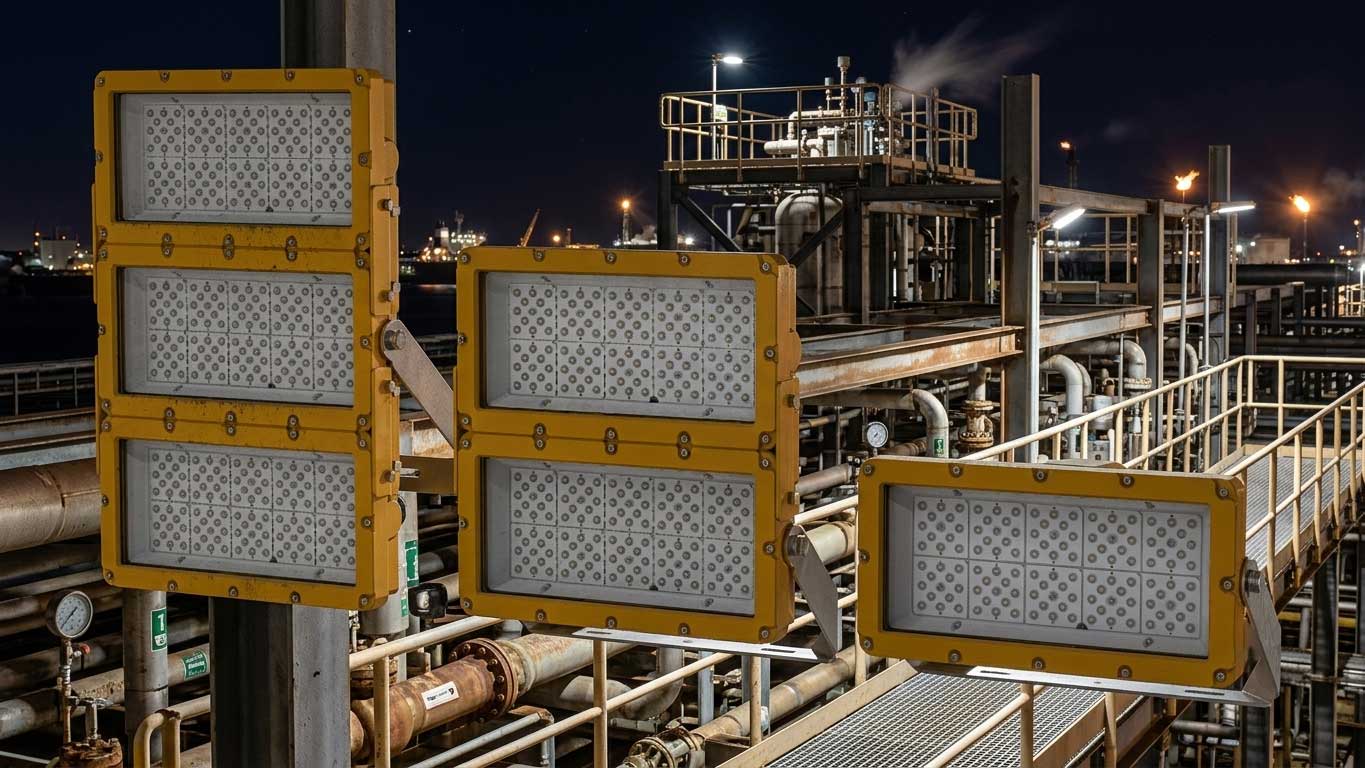
Modern LED fixtures typically offer:
Actual life depends on:
One offshore engineer explained it simply:
“The LEDs survive. The environment attacks everything else.”
Salt.
Moisture.
Heat.
Corrosion.
Those factors usually determine actual service life.
Zone 2 locations often experience:
Because of these conditions, many projects require:
The atmosphere surrounding the fixture matters as much as the electrical specification.
Interestingly, brightness is rarely the first consideration.
Experienced engineers often evaluate:
A maintenance supervisor once told me:
“Nobody complains about a fixture that is slightly dim. They complain about one that stops working.”
Reliability wins.
At SEEKINGLED, many Zone 2 projects begin with site discussions rather than product discussions.
Engineering evaluations often include:
The most successful installations often receive the least attention after commissioning.
The fixtures continue operating.
Inspections pass.
Maintenance visits remain minimal.
Quiet reliability is usually a good sign.
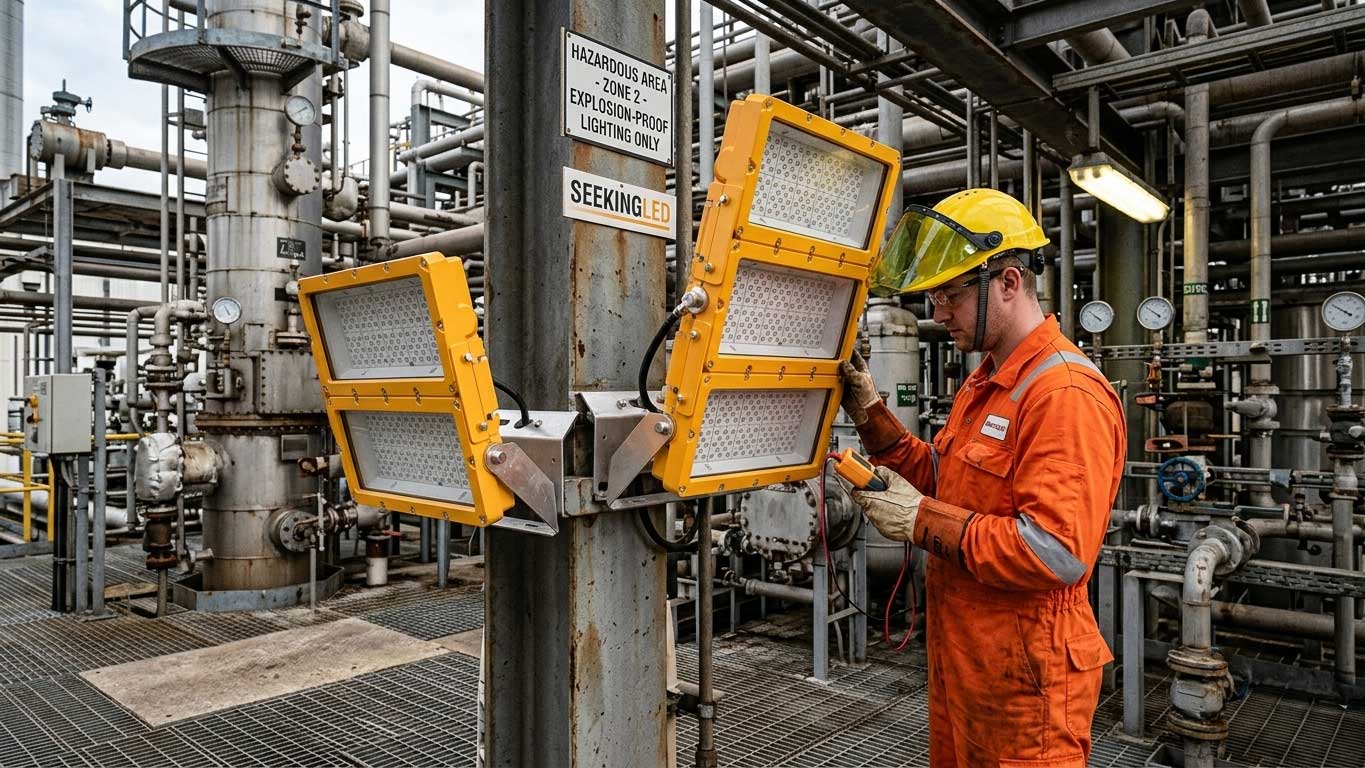
Zone 2 hazardous area lighting is certified lighting designed for locations where explosive gas atmospheres occur infrequently and only for short periods.
No. Standard industrial luminaires usually lack the required hazardous area certifications.
For European installations, ATEX certification is generally required.
Most premium fixtures provide 50,000 to 100,000 operating hours.
Some are flameproof, while others use increased safety protection methods depending on certification requirements.
So, What Is Zone 2 Hazardous Area Lighting?
It is specialized certified lighting designed for areas where explosive gas atmospheres are unlikely but still possible.
Although the risk level is lower than Zone 1, the consequences of ignition remain serious.
Proper Zone 2 hazardous area lighting provides:
For refineries, chemical plants, offshore facilities, and fuel terminals, selecting the correct Zone 2 lighting solution often becomes one of the most important safety decisions made during a project.
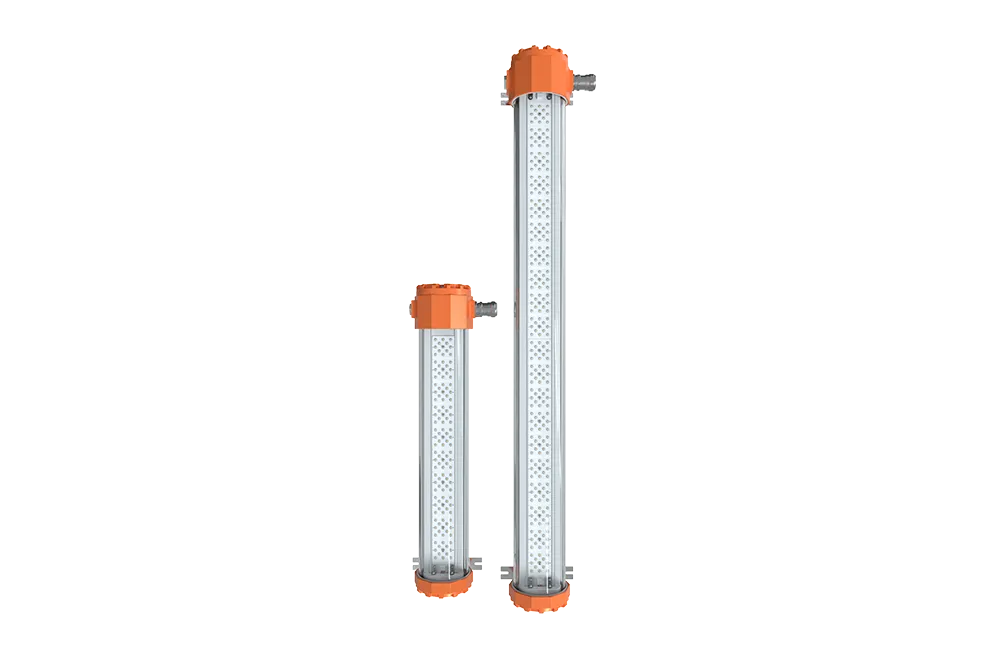
SEEKINGLED LED Linear Explosion Proof Light and Explosion Proof lighting is ATEX and IECEx certified for Zone 1, Zone 2, Zone 21 and Zone 22 hazardous locations, built for long-term industrial use.
View details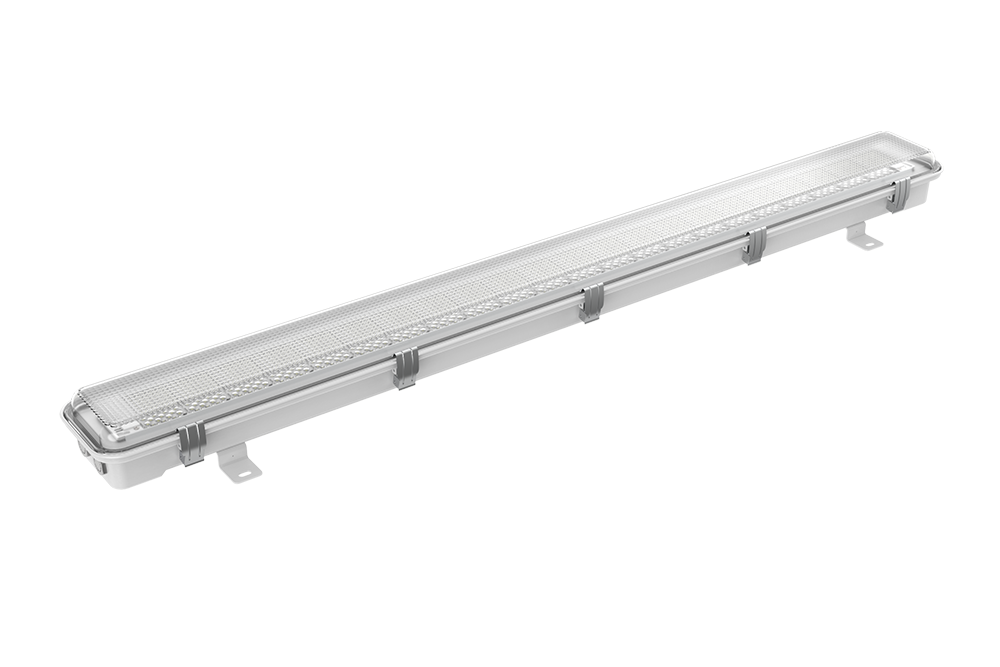
LED Linear Explosion Proof Lights and EX Proof lights for Zone 1, Zone 2, Zone 21 and Zone 22 hazardous areas. ATEX & IECEx certified explosion proof LED linear lighting with emergency function, adjustable power and IP67 protection by SEEKINGLED.
View details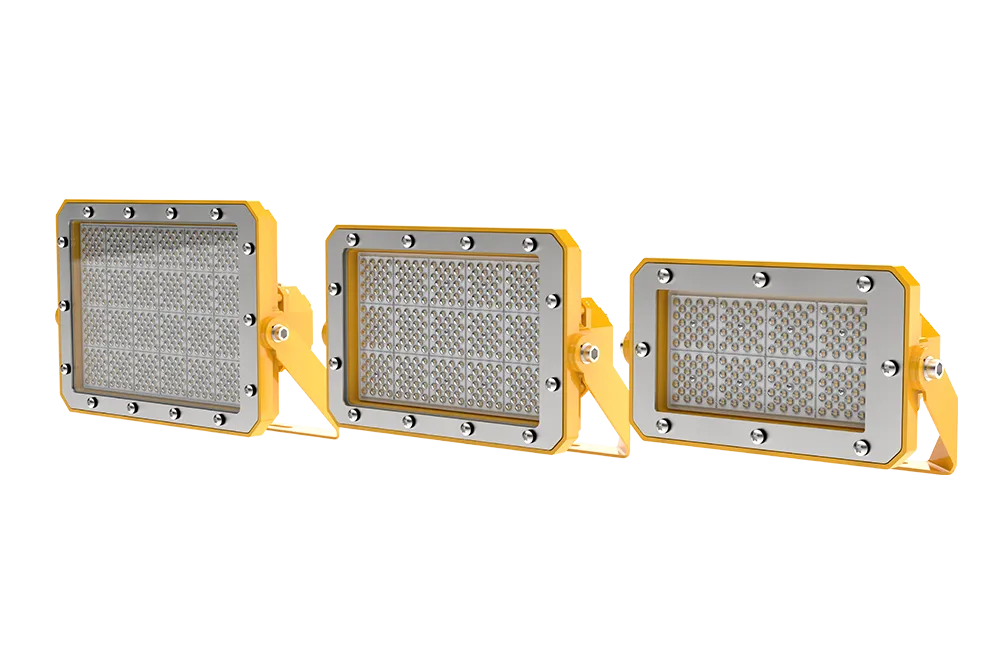
SEEKINGLED LED Explosion Proof Flood Lights are ATEX certified for Zone 2 and Zone 22 hazardous areas, offering high efficiency, adjustable power and integrated junction box.
View details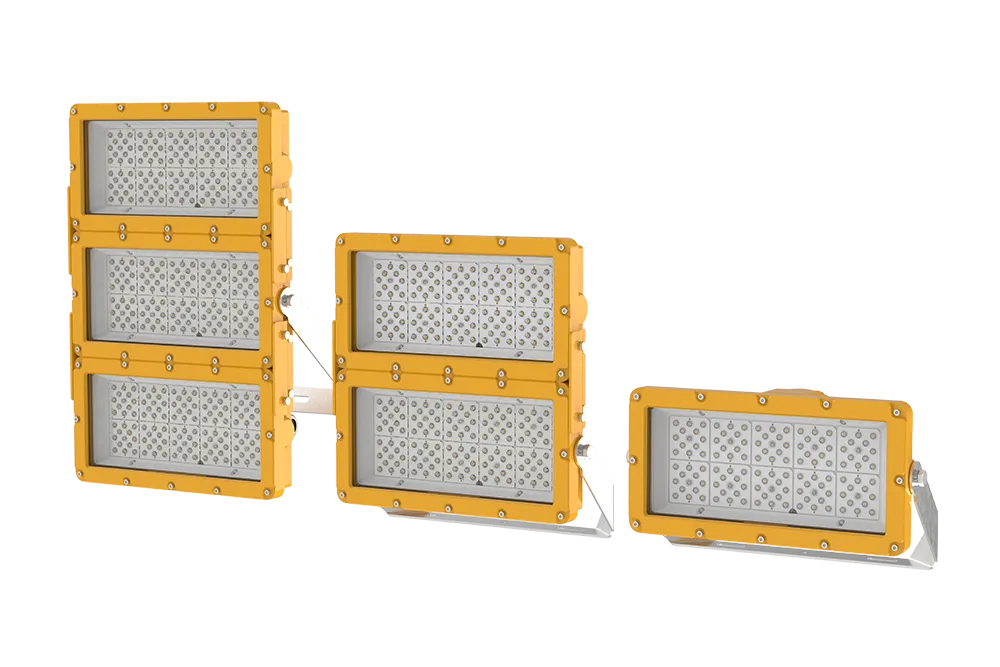
SEEKINGLED LED Explosion Proof Flood Lights are flameproof ATEX and IECEx certified for Zone 1 and Zone 2 hazardous areas, offering high power, adjustable output and long service life.
View details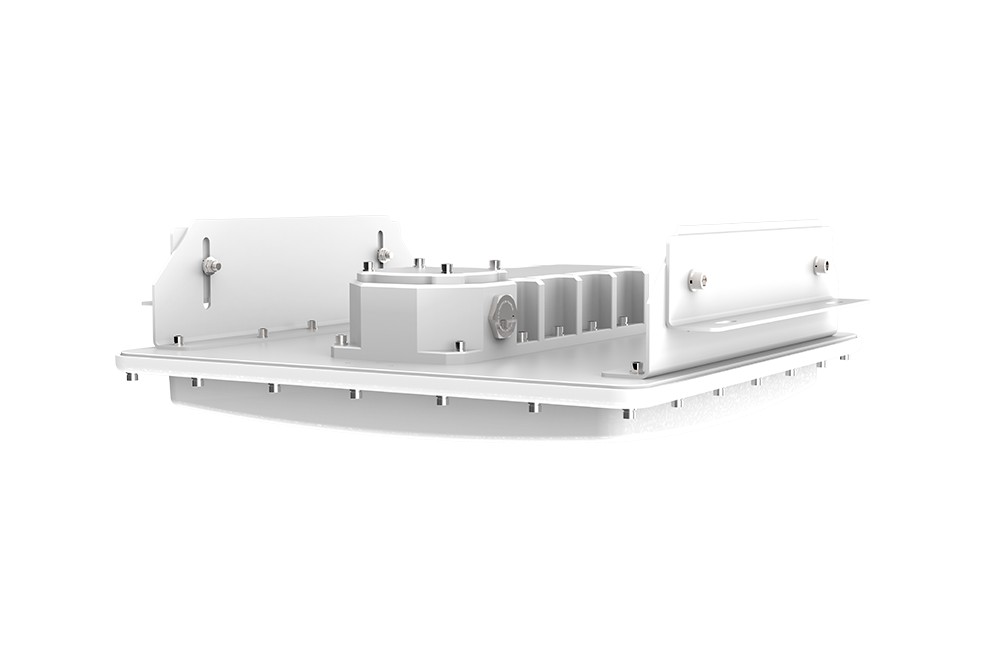
SEEKINGLED LED Gas Station Canopy Lights are ATEX certified for Zone 2 and Zone 22 hazardous areas, featuring adjustable power and built-in explosion-proof junction box.
View details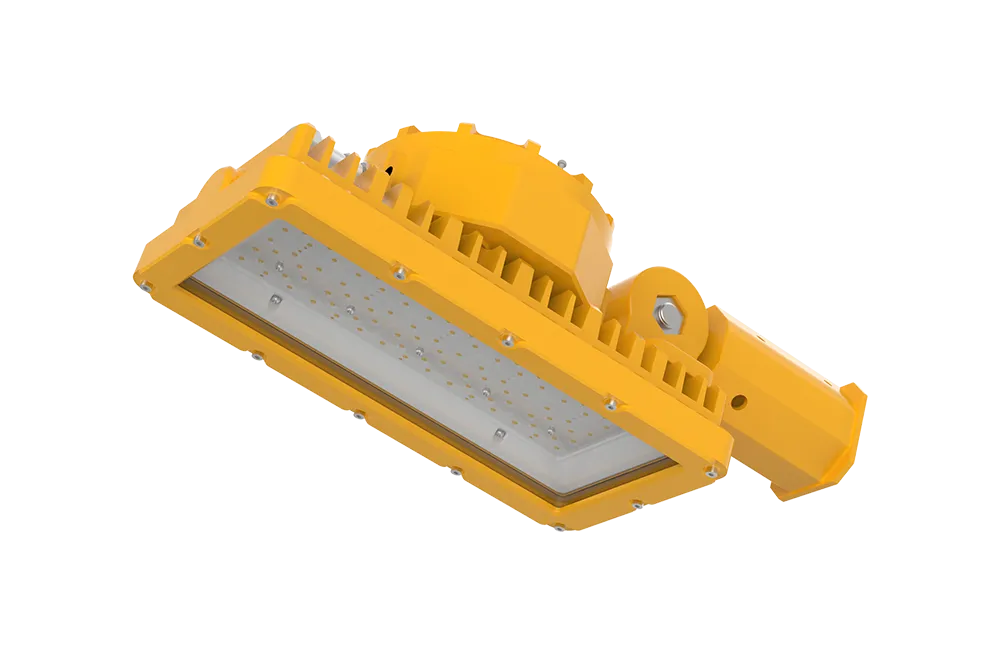
ATEX: Ex II 2G Ex db IIB T6/T5 GbEx II 2D Ex tb IIIC T80°C/ T95°C Db IECEx Ex db IIB T6 Gb;Ex tb IIIC T80°C Db Feature: ● For Zone 1,2 and Zone 21,22● Flameproof type, the strongest● 100W can replace 250W HID,energy saving● Power:60W,80W,100W Application: Oil and gas, marine, Chemical, pharmaceutical, semiconductor,mining,military industr…
View details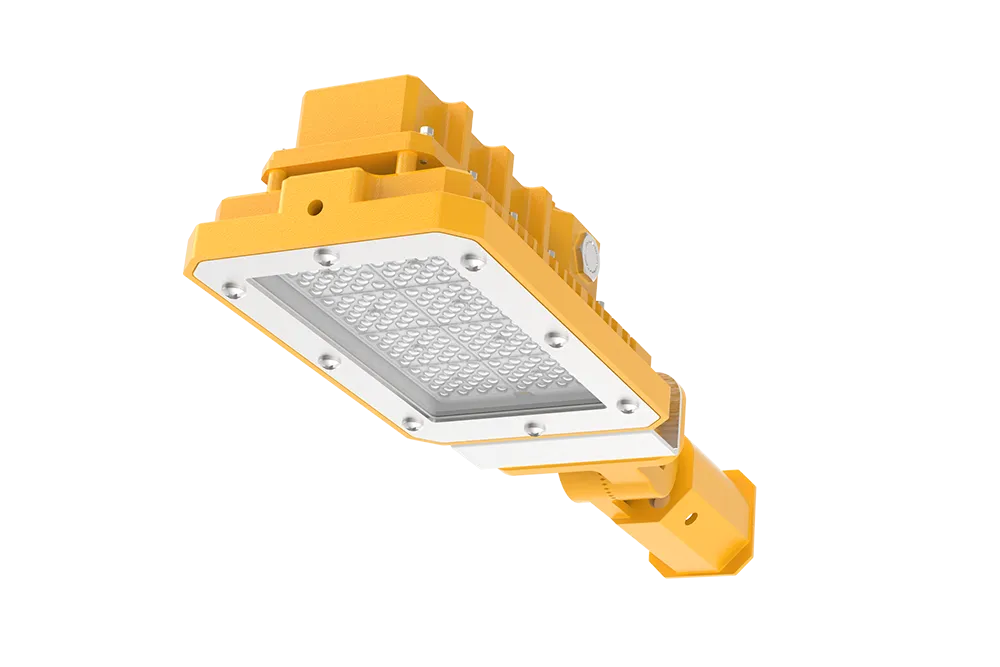
ATEX: II 3G Ex nR ⅡC T5/T6 GcII 3D Ex tc ⅢC T80℃/T95℃Dc ATEX Certificate NO: TÜV CY 26 ATEX 0207611 X Feature: ● For Zone 2 and Zone 22● 150W can replace 250W HID lamps,Energy saving● Power:50W,75W,100W,150W,200W Application: Oil and gas, marine, Chemical, pharmaceutical, semiconductor,mining,military industry, paint booth,power plant ETC…
View details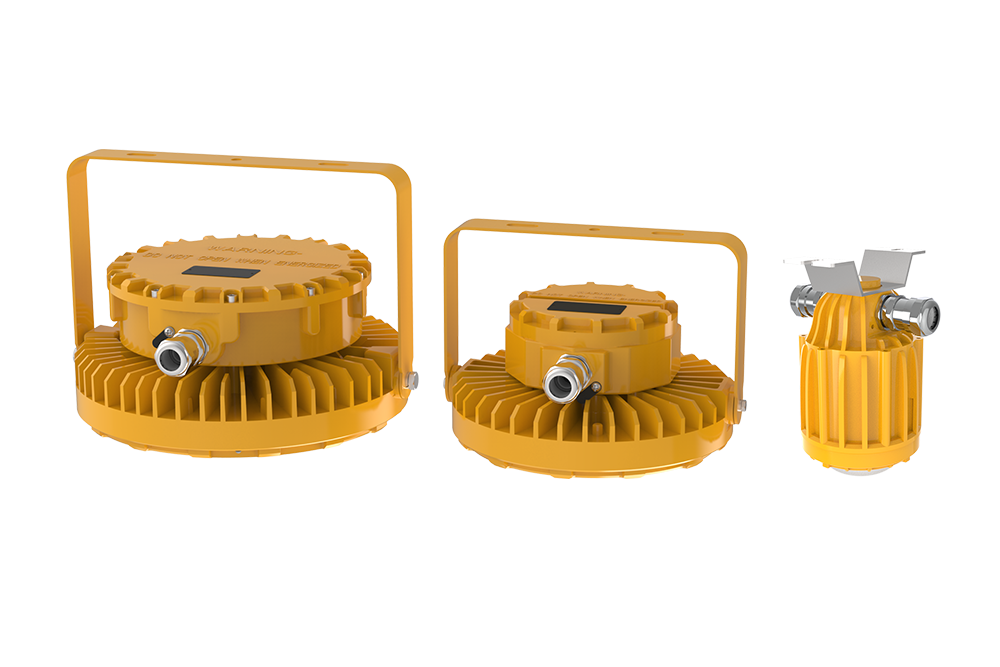
LED explosion proof high bay lights are designed for Zone 1, Zone 2, Zone 21 and Zone 22 hazardous areas. This page introduces the HB21 Series from SEEKING, including certifications, power options and real application considerations.
View details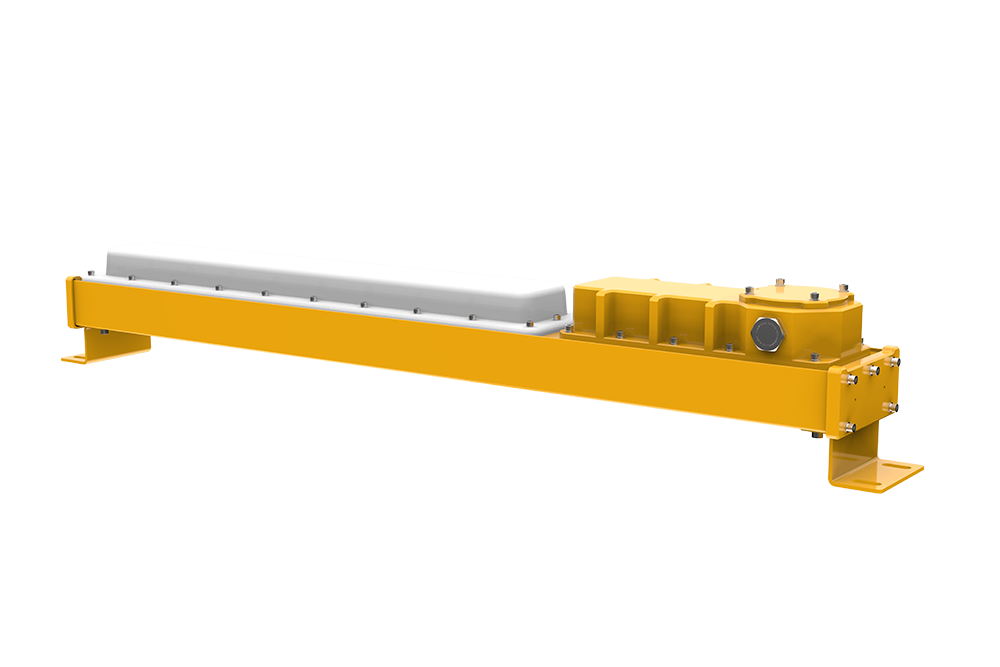
LED Linear Explosion Proof Lights from SEEKINGLED. LU Series Flame Proof lights ATEX-certified explosion proof LED linear lighting for Zone 2 gas and Zone 22 dust areas, IP69K, IK10, long lifetime and flexible power options.
View details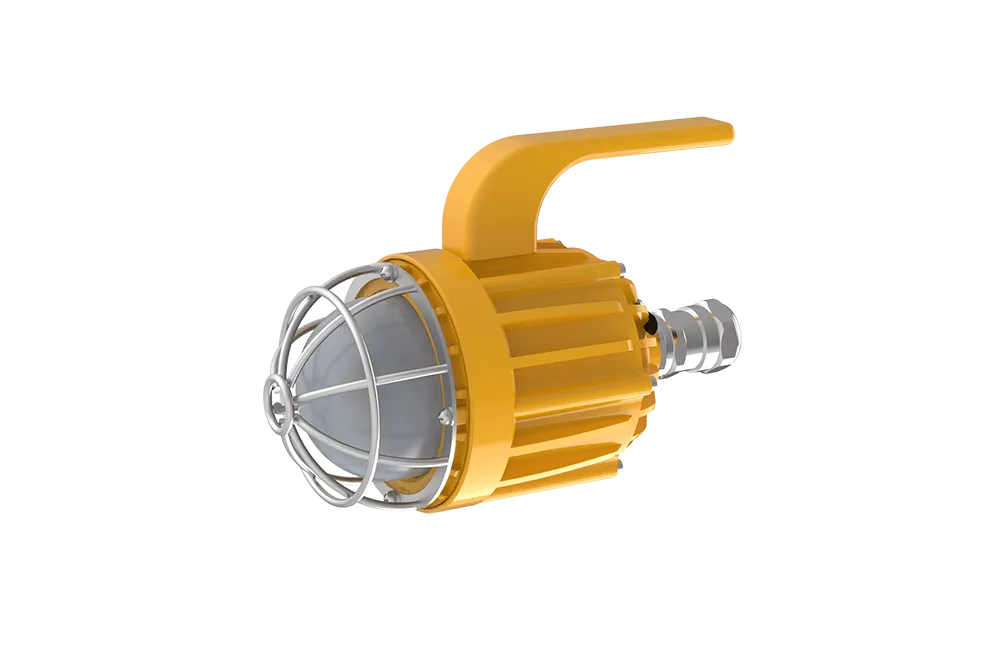
Certified explosion proof work lights for Zone 1 & 21 hazardous areas. Portable, ATEX & IECEx approved, built for oil, gas and chemical plants by SEEKINGLED.
View details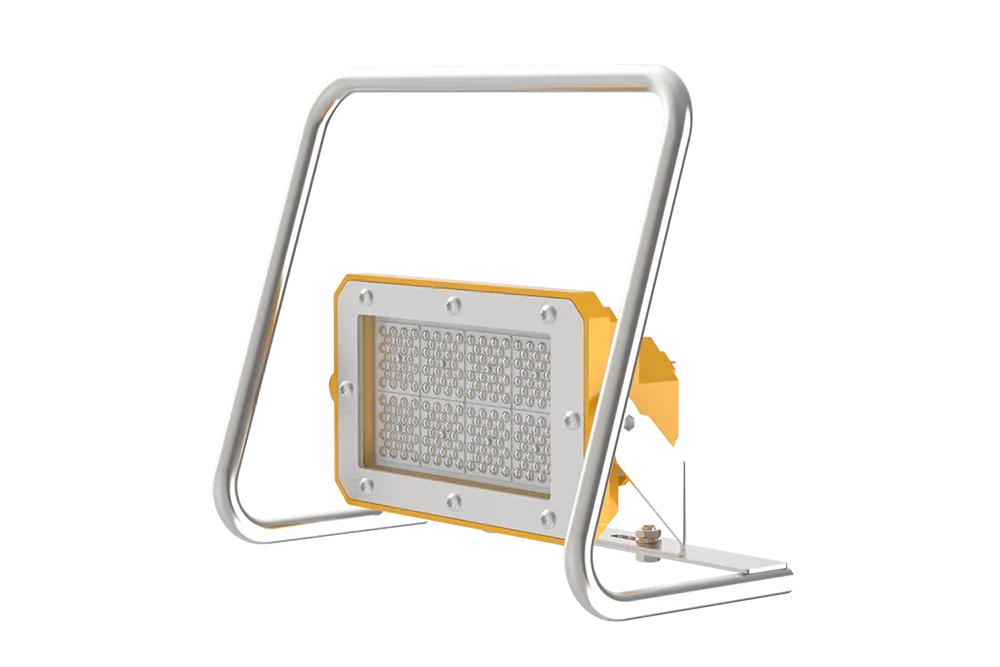
ATEX: II 3G Ex nR ⅡC T6 GcII 3D Ex tc ⅢC T80℃ Dc ATEX Certificate NO: TÜV CY 26 ATEX 0207611 X Feature: ● For Zone 2 and Zone 22● Accepts battery-powered supply● indestructible● Power:AC input:50W,75W,100WDC input:15W,25W,35W Application: Oil and gas, marine, Chemical, pharmaceutical, semiconductor,mining,military industry, paint booth,po…
View details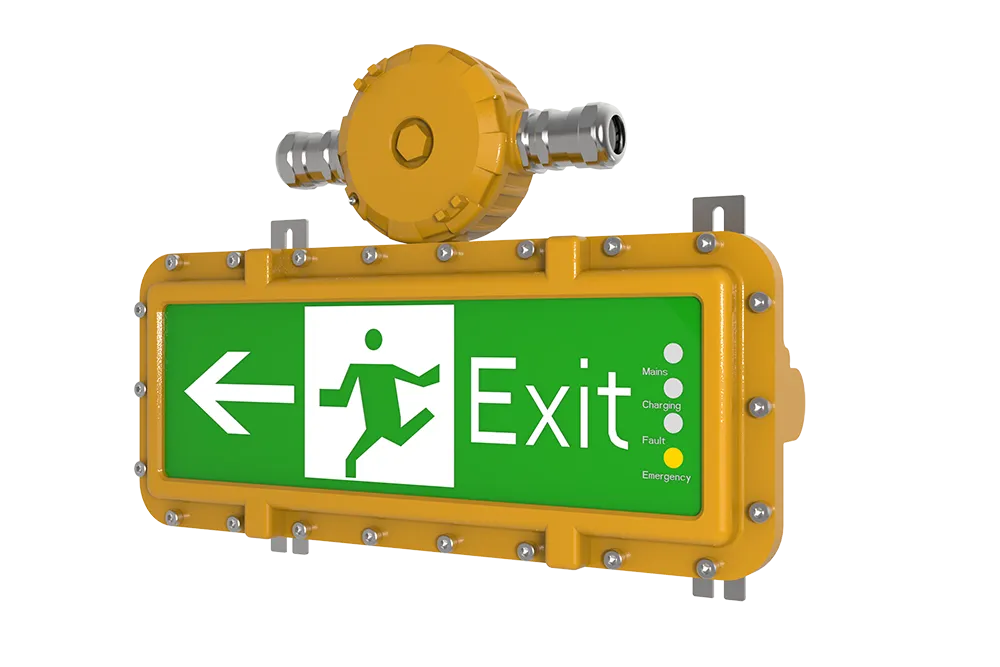
ATEX: Ex II 2G Ex db IIB T6 GbEx II 2D Ex tb IIIC T80°C Db IECEx Ex db IIB T6 Gb;Ex tb IIIC T80°C Db Feature: ● For Zone 1,2 and Zone 21,22● Flameproof type, the strongest Application: Oil and gas, marine, Chemical, pharmaceutical, semiconductor,mining,military industry, paint booth,power plant ETC hazardous area. Technical Specifications:…
View details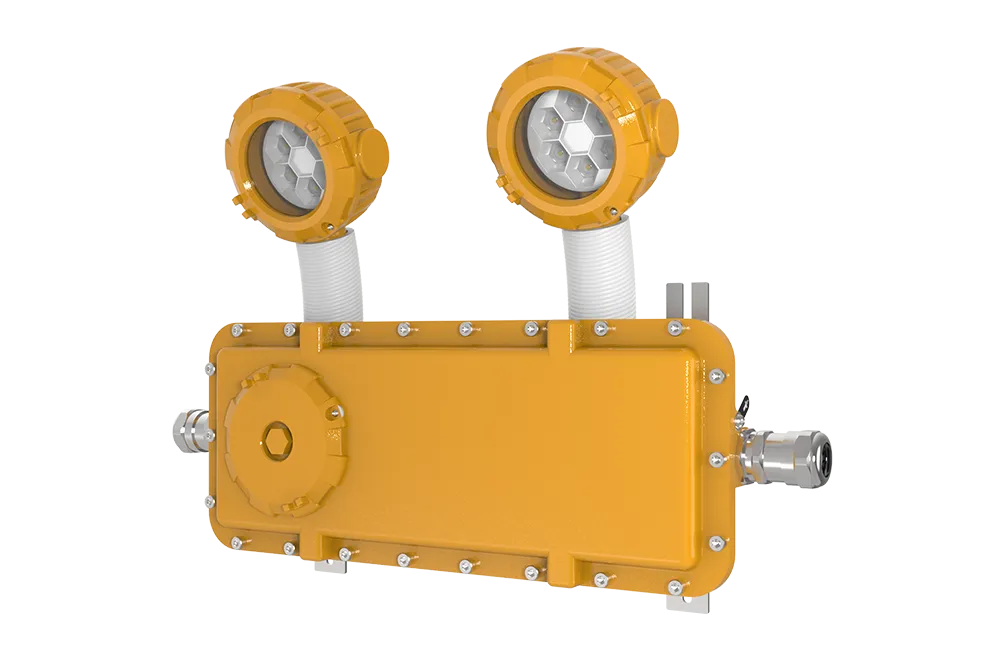
ATEX: Ex II 2G Ex db IIB T6 GbEx II 2D Ex tb IIIC T80°C Db IECEx Ex db IIB T6 Gb;Ex tb IIIC T80°C Db Feature: ● For Zone 1,2 and Zone 21,22● Flameproof type, the strongest Application: Oil and gas, marine, Chemical, pharmaceutical, semiconductor,mining,military industry, paint booth,power plant ETC hazardous area. Technical Specifications:…
View details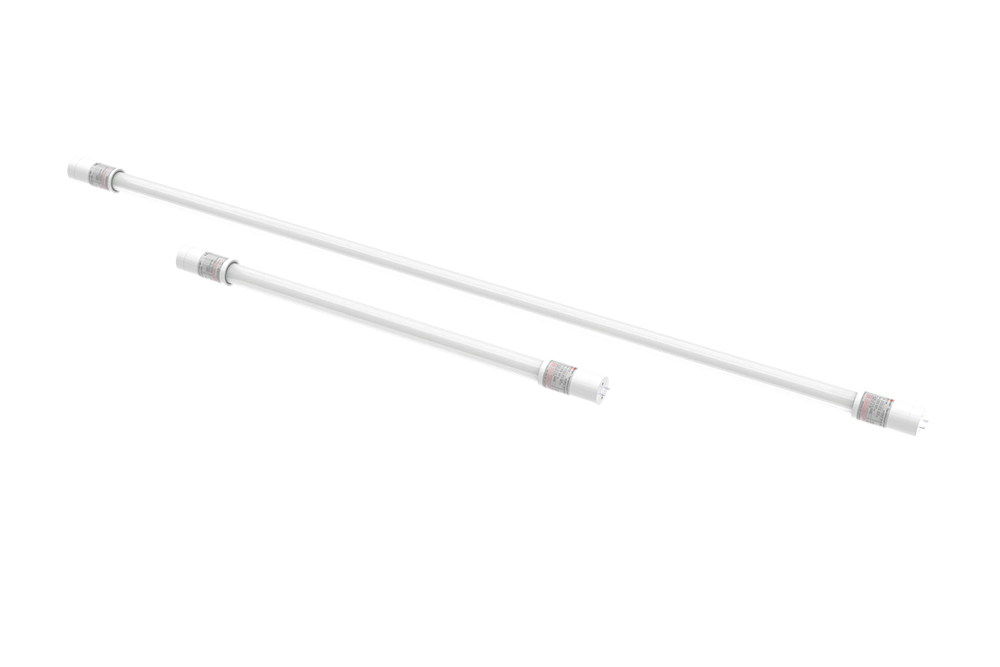
ATEX: Ex II 2G Ex d e IIB T6 Gb ATEX: Ex d e IIB T6 Gb; Feature: ● For Zone 1,2● 9W can replace 18W fluorescent lamps,50% Energy saving Application: Oil and gas, marine, Chemical, pharmaceutical, semiconductor,mining,military industry, paint booth,power plant ETC hazardous area. Technical Specifications: Standards:60079-0, 60079-1, 60079…
View details
12 volt dc led flood lights offer safe, efficient low-voltage lighting. Explore real-world use cases, performance data, and expert installation insights.
View details
How to wire a LED flood light safely for outdoor use. Real wiring steps, common mistakes, and professional tips from SEEKINGLED.how to wire a led flood light, wiring outdoor led flood light, led flood light wiring diagram, how to connect led flood...
View details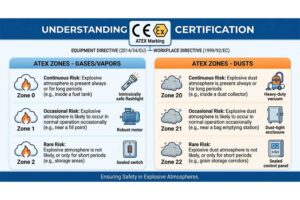
What is ATEX Certification? Learn EU explosive atmosphere standards, zone classifications, legal requirements, and why ATEX compliance is essential for industrial safety and EU market access.
View details
what does atex mean? Learn the meaning of ATEX, hazardous area requirements, explosion protection standards, and why certified industrial equipment matters.
View details