 Seeking LED
100W LED Floodlight: What You Learn After Installing Dozens of Them
71100W LED floodlight delivers powerful, energy-saving illumination. Discover real installation insights, efficiency data, and how to choose reliable lighting.
View detailsSearch the whole station
Explosion proof LED high bay lights are sealed industrial fixtures designed to deliver 10,000–40,000+ lumens while preventing sparks, heat, or arcs from igniting flammable gases or dust in hazardous environments.
That’s the direct answer.
But out in the field—inside a refinery pipe rack or a grain silo at peak season—that definition becomes very real, very quickly.
I’ve been involved in lighting retrofits across petrochemical and bulk storage sites. And one thing stands out every time:
you don’t notice good explosion proof lighting… until it’s wrong.
The phrase “explosion proof” gets thrown around too loosely.
Let’s tighten it.
These fixtures are engineered to:
According to the International Electrotechnical Commission (IEC), explosion-protected equipment must ensure that no internal ignition can ignite the surrounding atmosphere.
That requirement drives everything—from housing thickness to gasket materials.
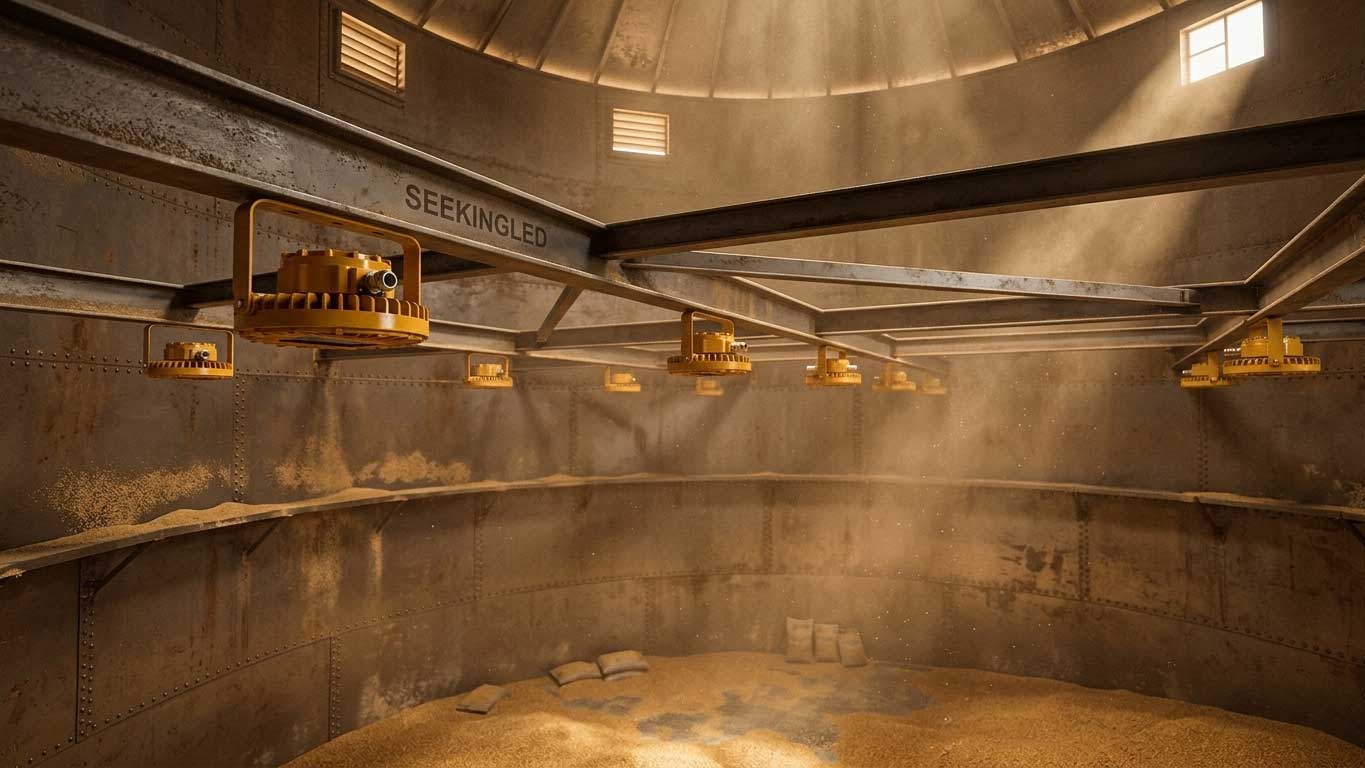
You’ll find explosion proof LED high bay lights in places where air itself can become fuel:
In grain facilities, dust concentrations as low as 50–100 g/m³ can become explosive under the right conditions. That’s documented across multiple industrial safety studies.
This is where purchasing decisions often go sideways.
Most buyers ask:
“How many lumens?”
Engineers ask something different:
“How stable is it under heat?”
| Power | Lumens | Application |
|---|---|---|
| 80W | 10,000–12,000 lm | small hazardous zones |
| 100W | 13,000–16,000 lm | workshops |
| 150W | 20,000–24,000 lm | warehouses |
| 200W | 28,000–32,000 lm | large facilities |
| 300W | 40,000+ lm | heavy industry |
The U.S. Department of Energy confirms LEDs can reduce energy use by up to 75% compared to traditional lighting.
But here’s the uncomfortable truth:
In hazardous environments, too much heat is more dangerous than too little light.
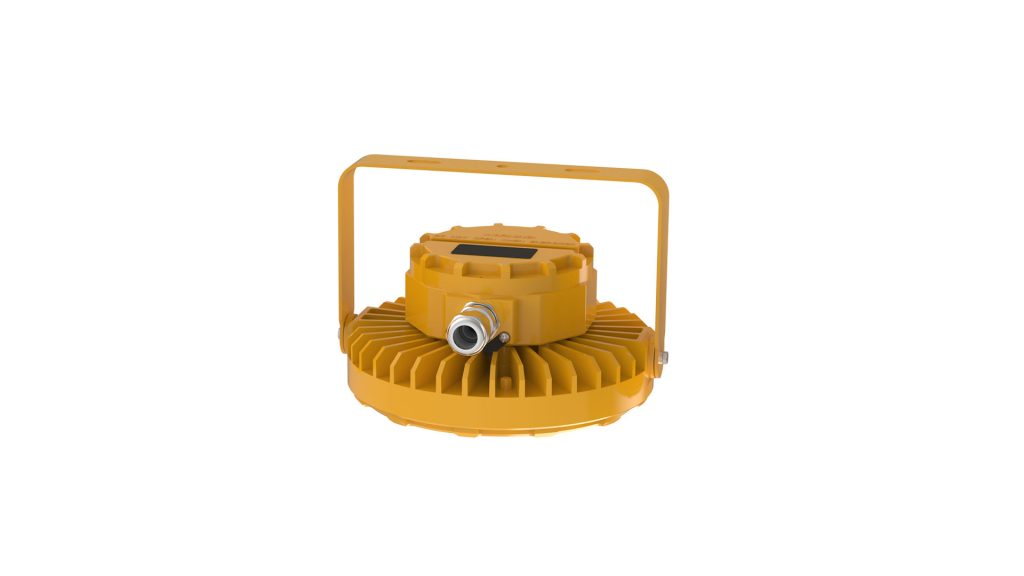
That’s why explosion proof fixtures are engineered differently from standard high bays.
Not theoretical—real.
Key features:
At SEEKINGLED, we’ve had fixtures pass lab tests but fail long-duration heat cycling.
Those don’t ship.
Because field conditions are harsher than controlled environments.
There’s no gray area here.
If a fixture isn’t certified, it doesn’t belong in a hazardous zone.
Key standards:
According to OSHA, improper electrical equipment is a significant contributor to industrial incidents.
I’ve seen installations where low-cost “explosion proof” lights had no valid documentation.
They didn’t last through inspection.
Even the best fixture can fail if installed poorly.
And installation mistakes are more common than you’d think.
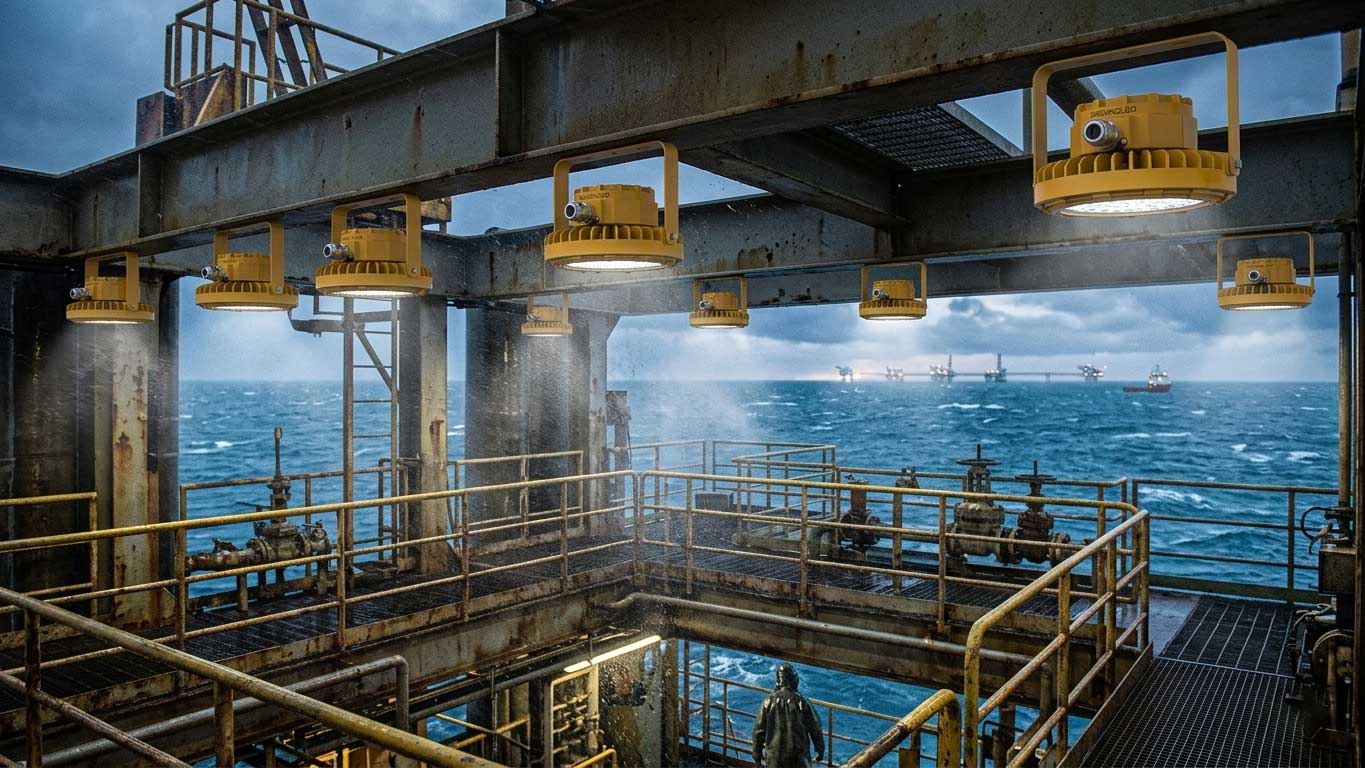
In one offshore project I worked on, condensation formed inside fixtures—not because of design flaws, but due to incompatible cable glands.
That turned into a full replacement cycle.
From a manufacturing standpoint, numbers are easy to print.
From a field standpoint, consistency is harder.
What actually matters:
Lighting in hazardous areas isn’t decorative.
It’s part of the safety infrastructure.
Typically 50,000–100,000 hours depending on thermal design and driver quality.
Yes, but they are heavier and more expensive than standard fixtures.
Div 1: hazard present during normal operation
Div 2: hazard present only under abnormal conditions
Not always. Uniformity, thermal stability, and certification matter more.
Explosion proof LED high bay lights are not just about brightness.
They are about containing risk while delivering reliable illumination.
And in environments where ignition is a constant threat, that balance is everything.
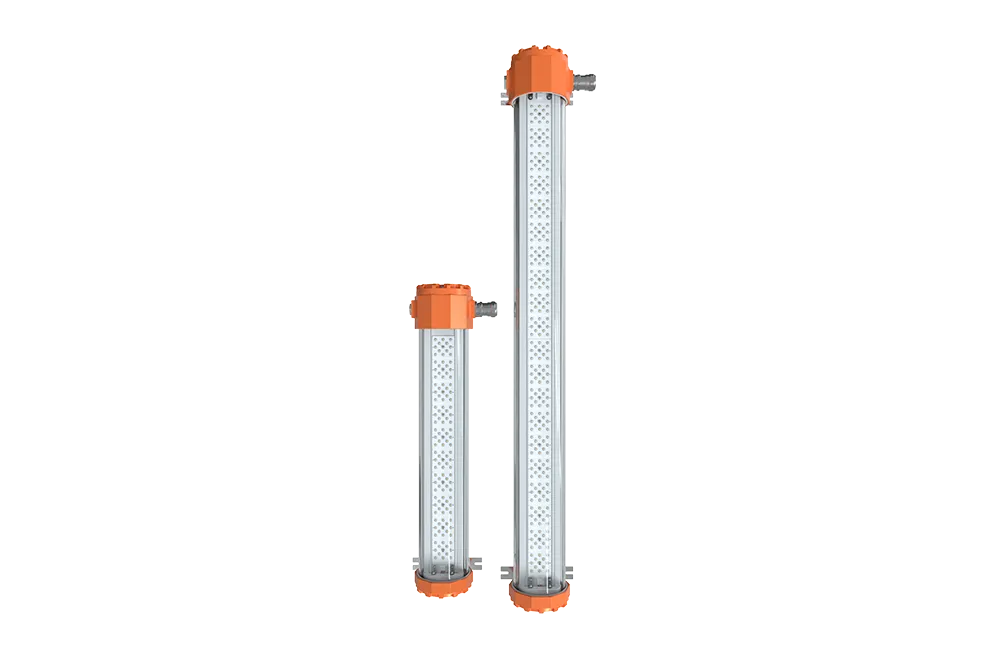
SEEKINGLED LED Linear Explosion Proof Light and Explosion Proof lighting is ATEX and IECEx certified for Zone 1, Zone 2, Zone 21 and Zone 22 hazardous locations, built for long-term industrial use.
View details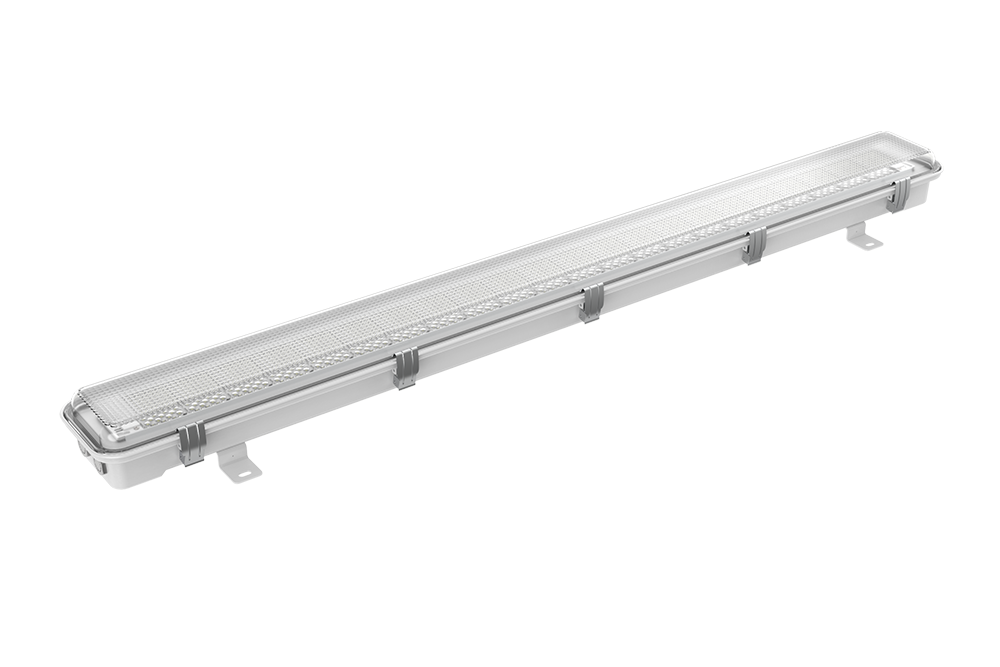
LED Linear Explosion Proof Lights and EX Proof lights for Zone 1, Zone 2, Zone 21 and Zone 22 hazardous areas. ATEX & IECEx certified explosion proof LED linear lighting with emergency function, adjustable power and IP67 protection by SEEKINGLED.
View details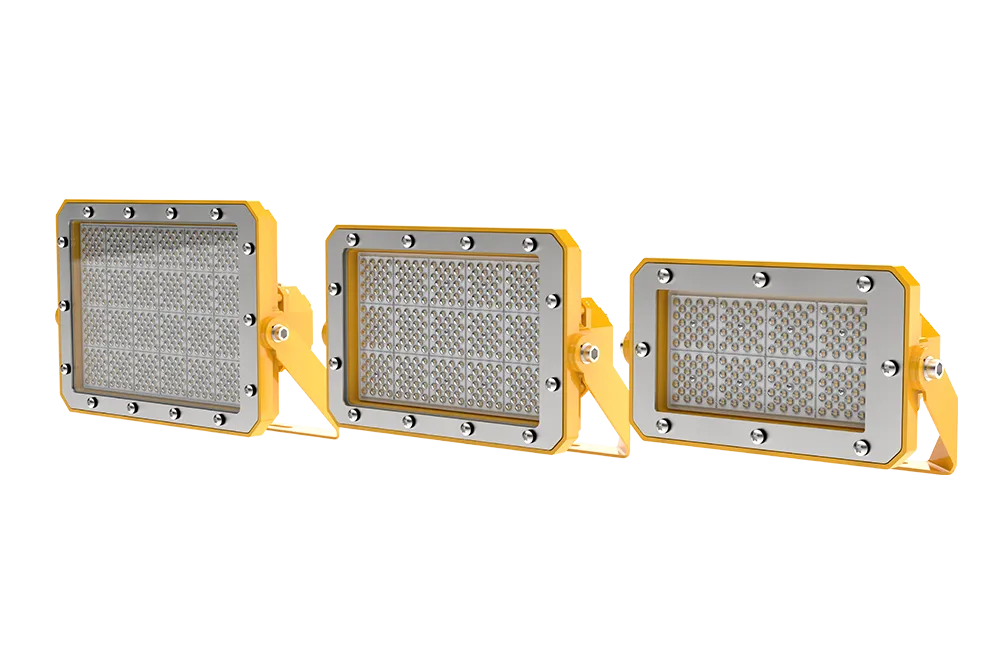
SEEKINGLED LED Explosion Proof Flood Lights are ATEX certified for Zone 2 and Zone 22 hazardous areas, offering high efficiency, adjustable power and integrated junction box.
View details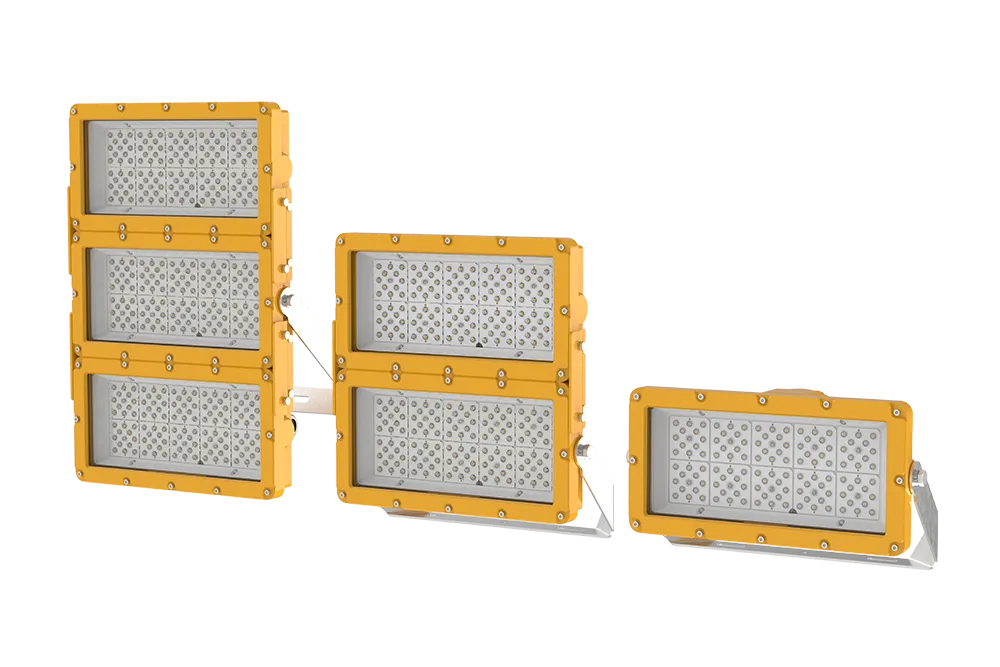
SEEKINGLED LED Explosion Proof Flood Lights are flameproof ATEX and IECEx certified for Zone 1 and Zone 2 hazardous areas, offering high power, adjustable output and long service life.
View details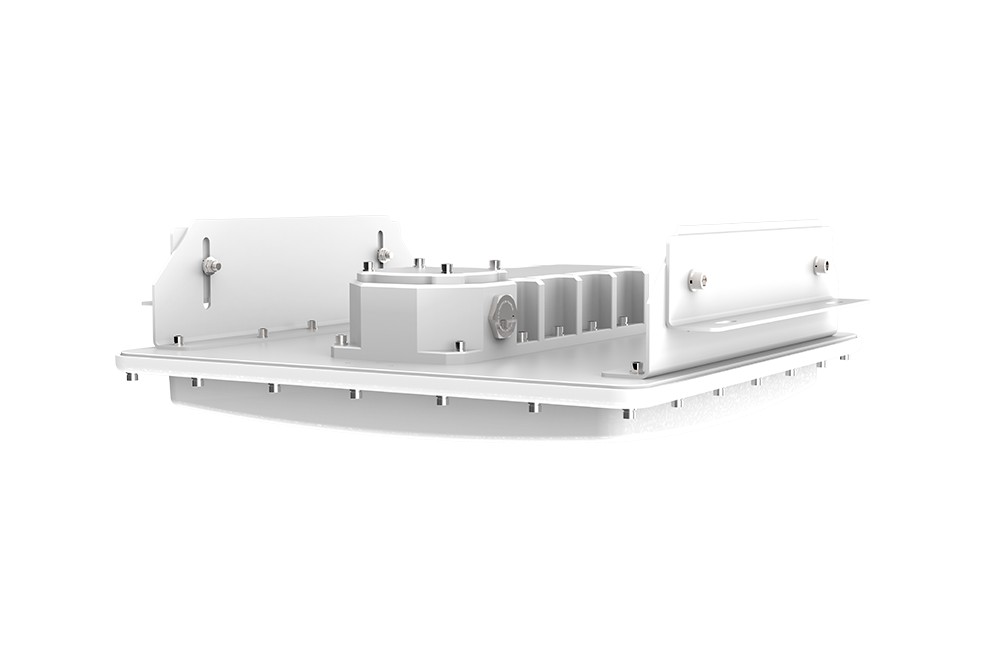
SEEKINGLED LED Gas Station Canopy Lights are ATEX certified for Zone 2 and Zone 22 hazardous areas, featuring adjustable power and built-in explosion-proof junction box.
View details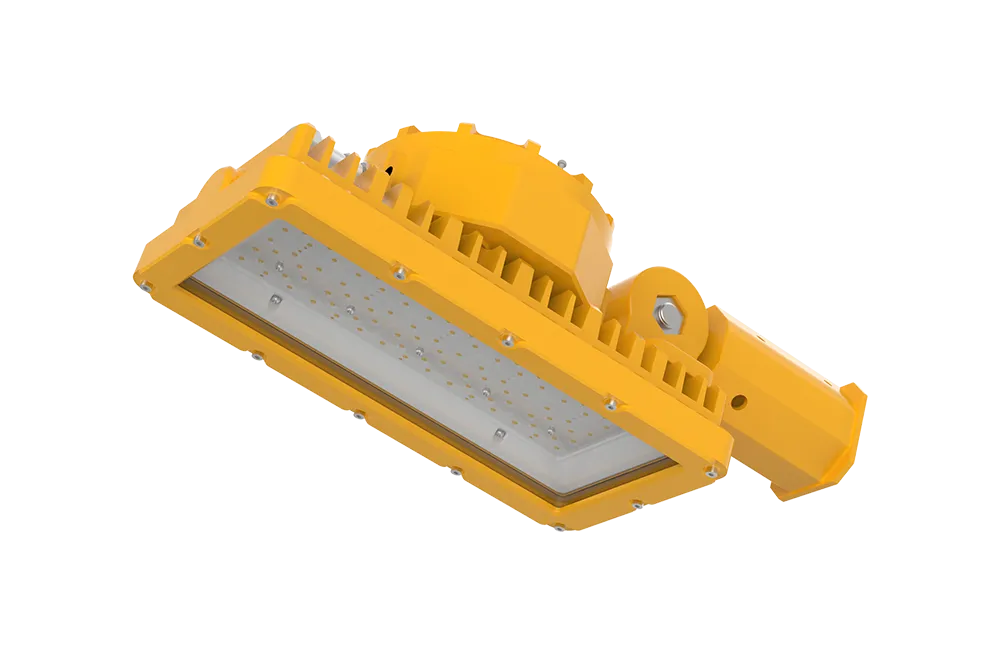
ATEX: Ex II 2G Ex db IIB T6/T5 GbEx II 2D Ex tb IIIC T80°C/ T95°C Db IECEx Ex db IIB T6 Gb;Ex tb IIIC T80°C Db Feature: ● For Zone 1,2 and Zone 21,22● Flameproof type, the strongest● 100W can replace 250W HID,energy saving● Power:60W,80W,100W Application: Oil and gas, marine, Chemical, pharmaceutical, semiconductor,mining,military industr…
View details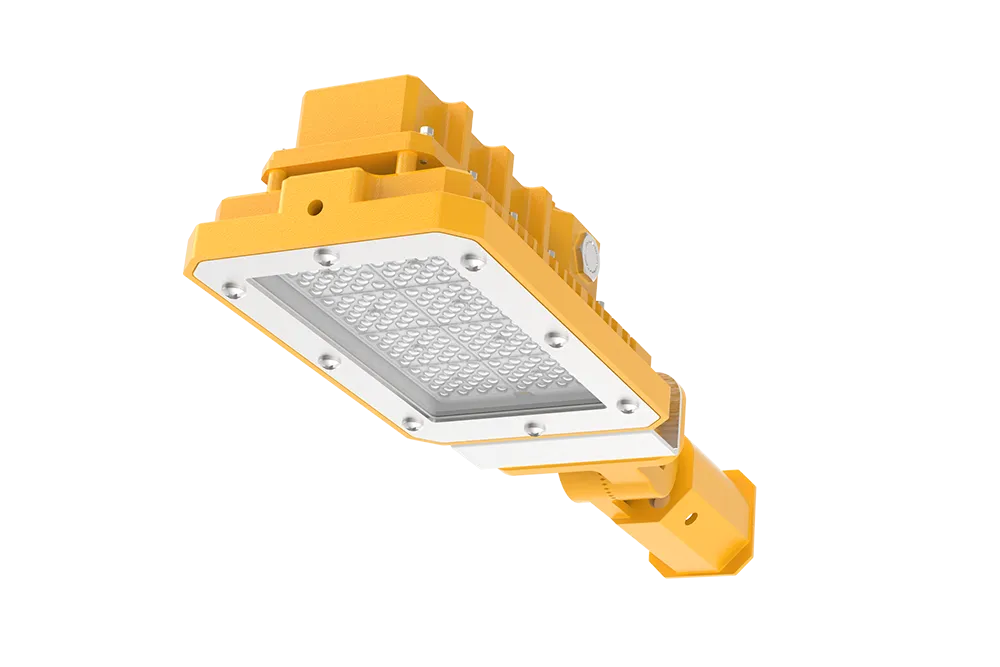
ATEX: II 3G Ex nR ⅡC T5/T6 GcII 3D Ex tc ⅢC T80℃/T95℃Dc ATEX Certificate NO: TÜV CY 26 ATEX 0207611 X Feature: ● For Zone 2 and Zone 22● 150W can replace 250W HID lamps,Energy saving● Power:50W,75W,100W,150W,200W Application: Oil and gas, marine, Chemical, pharmaceutical, semiconductor,mining,military industry, paint booth,power plant ETC…
View details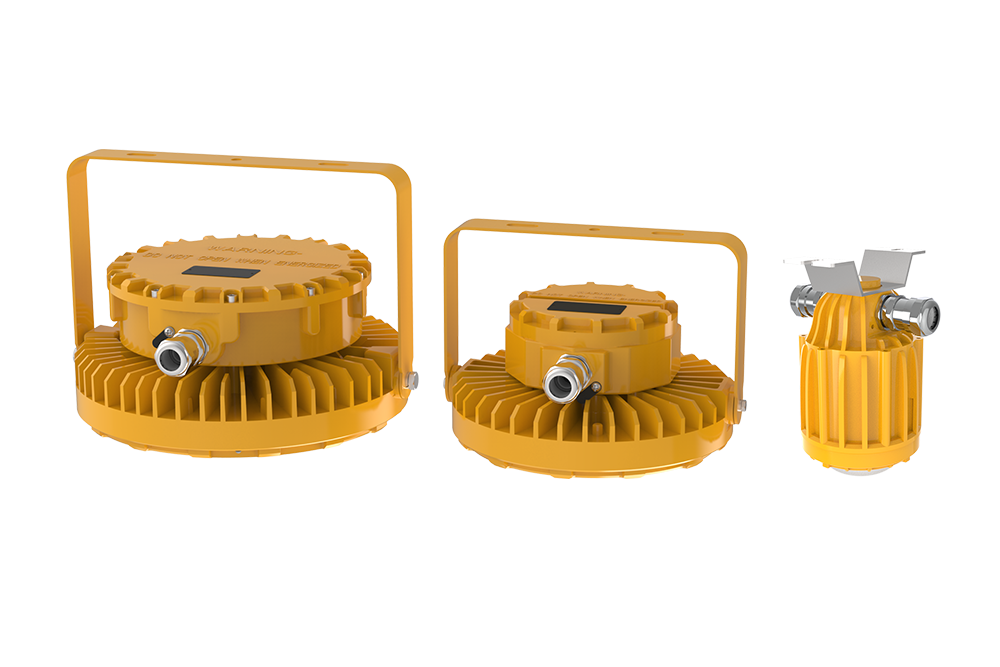
LED explosion proof high bay lights are designed for Zone 1, Zone 2, Zone 21 and Zone 22 hazardous areas. This page introduces the HB21 Series from SEEKING, including certifications, power options and real application considerations.
View details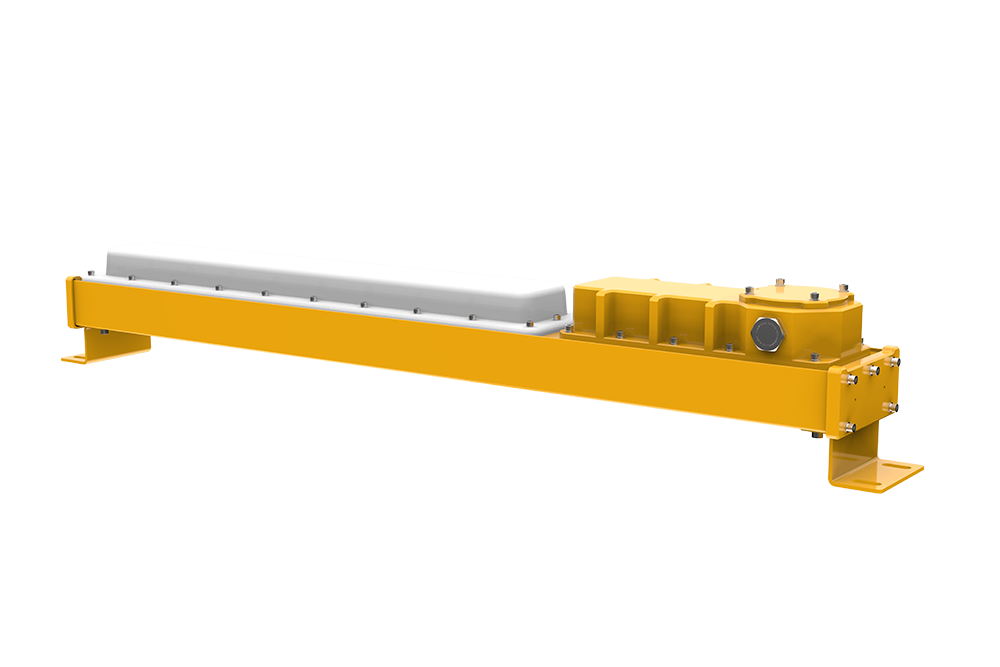
LED Linear Explosion Proof Lights from SEEKINGLED. LU Series Flame Proof lights ATEX-certified explosion proof LED linear lighting for Zone 2 gas and Zone 22 dust areas, IP69K, IK10, long lifetime and flexible power options.
View details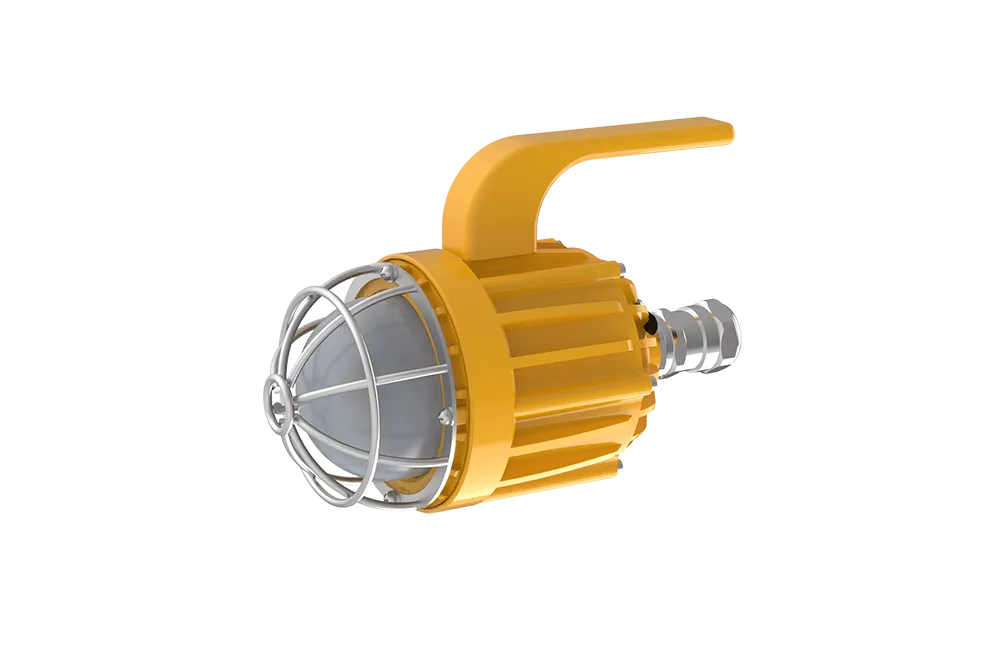
Certified explosion proof work lights for Zone 1 & 21 hazardous areas. Portable, ATEX & IECEx approved, built for oil, gas and chemical plants by SEEKINGLED.
View details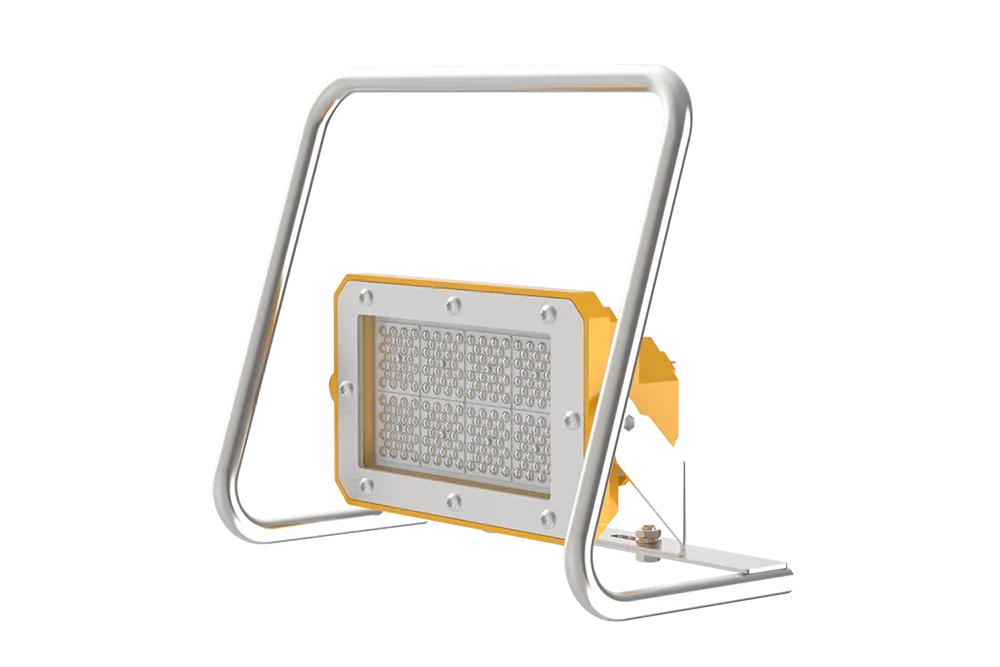
ATEX: II 3G Ex nR ⅡC T6 GcII 3D Ex tc ⅢC T80℃ Dc ATEX Certificate NO: TÜV CY 26 ATEX 0207611 X Feature: ● For Zone 2 and Zone 22● Accepts battery-powered supply● indestructible● Power:AC input:50W,75W,100WDC input:15W,25W,35W Application: Oil and gas, marine, Chemical, pharmaceutical, semiconductor,mining,military industry, paint booth,po…
View details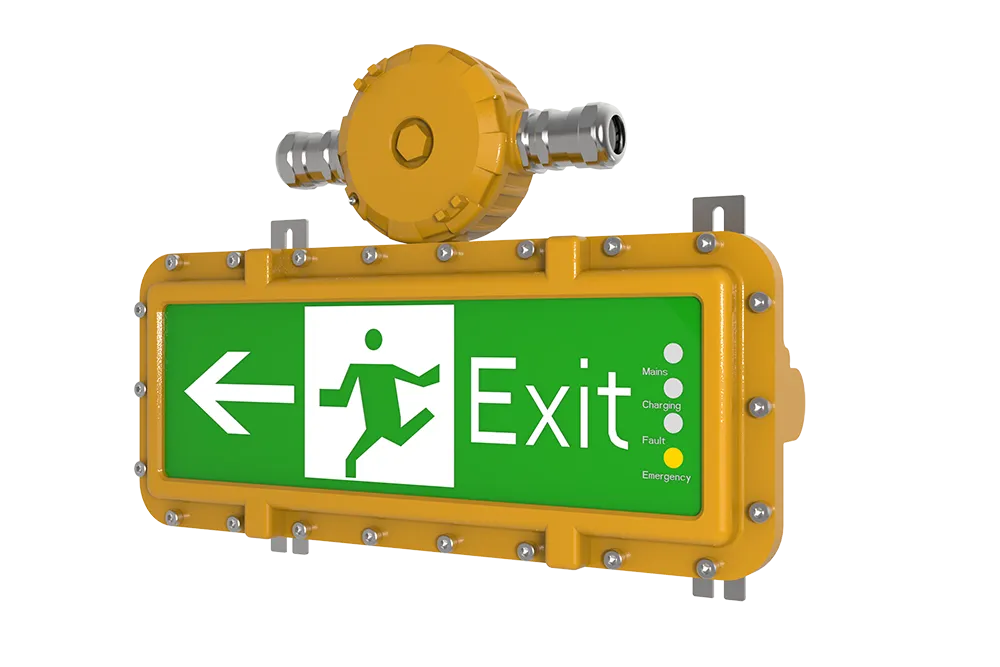
ATEX: Ex II 2G Ex db IIB T6 GbEx II 2D Ex tb IIIC T80°C Db IECEx Ex db IIB T6 Gb;Ex tb IIIC T80°C Db Feature: ● For Zone 1,2 and Zone 21,22● Flameproof type, the strongest Application: Oil and gas, marine, Chemical, pharmaceutical, semiconductor,mining,military industry, paint booth,power plant ETC hazardous area. Technical Specifications:…
View details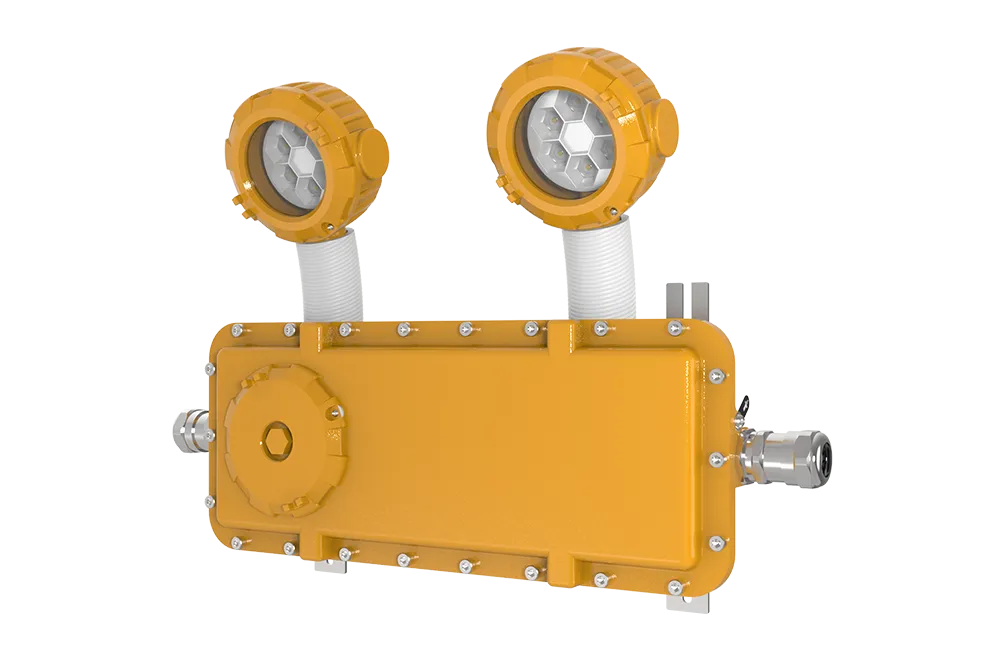
ATEX: Ex II 2G Ex db IIB T6 GbEx II 2D Ex tb IIIC T80°C Db IECEx Ex db IIB T6 Gb;Ex tb IIIC T80°C Db Feature: ● For Zone 1,2 and Zone 21,22● Flameproof type, the strongest Application: Oil and gas, marine, Chemical, pharmaceutical, semiconductor,mining,military industry, paint booth,power plant ETC hazardous area. Technical Specifications:…
View details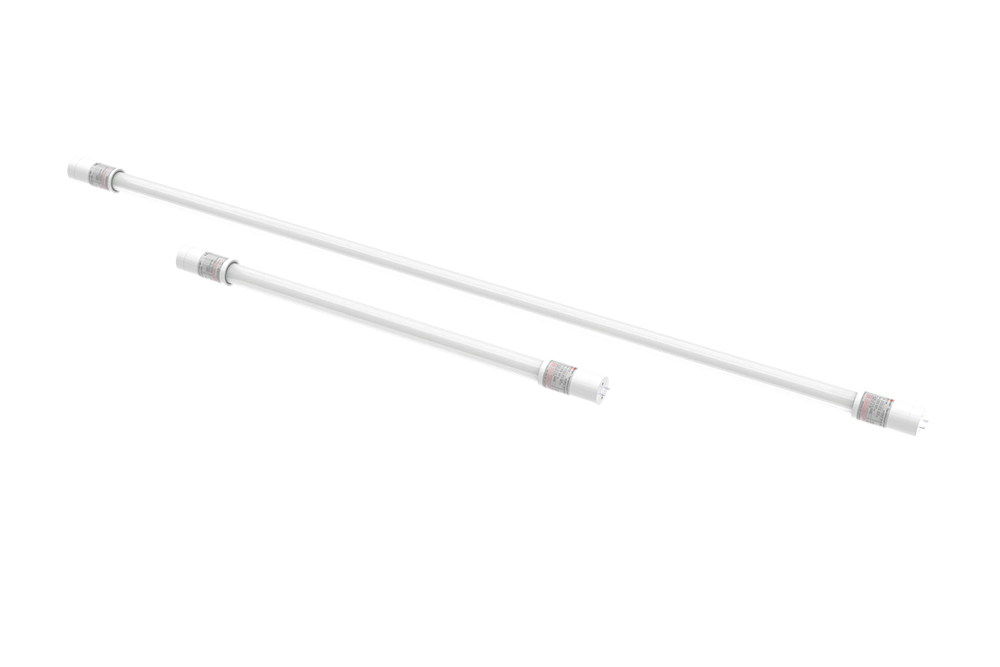
ATEX: Ex II 2G Ex d e IIB T6 Gb ATEX: Ex d e IIB T6 Gb; Feature: ● For Zone 1,2● 9W can replace 18W fluorescent lamps,50% Energy saving Application: Oil and gas, marine, Chemical, pharmaceutical, semiconductor,mining,military industry, paint booth,power plant ETC hazardous area. Technical Specifications: Standards:60079-0, 60079-1, 60079…
View details
100W LED floodlight delivers powerful, energy-saving illumination. Discover real installation insights, efficiency data, and how to choose reliable lighting.
View details
Explosion-proof lights are essential in refineries to prevent sparks and fires. SEEKINGLED FL7 Series LED lights provide Zone 1 Ex d protection, ATEX & IECEx certified for safe operations.
View details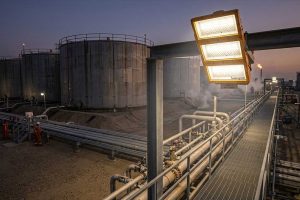
Lamp explosion proof explained: real safety design, certifications, and industrial use cases. Learn how explosion proof lamps work from SEEKINGLED experts.
View details
How many amps do 12 volt LED lights draw? Get real calculations, field-tested examples, and practical tips to size your power system correctly.
View details