 Seeking LED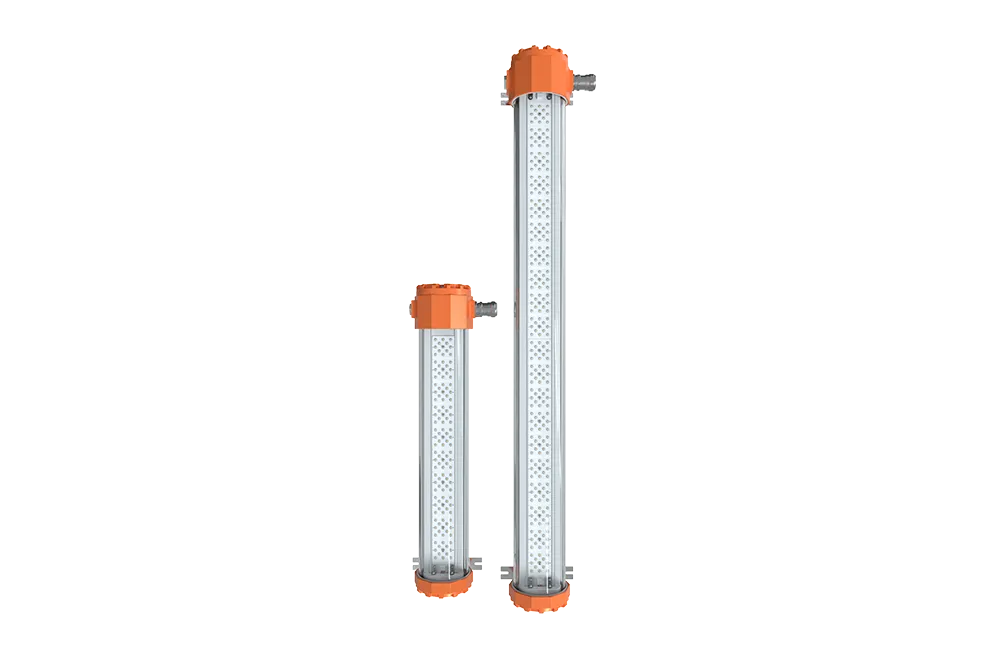

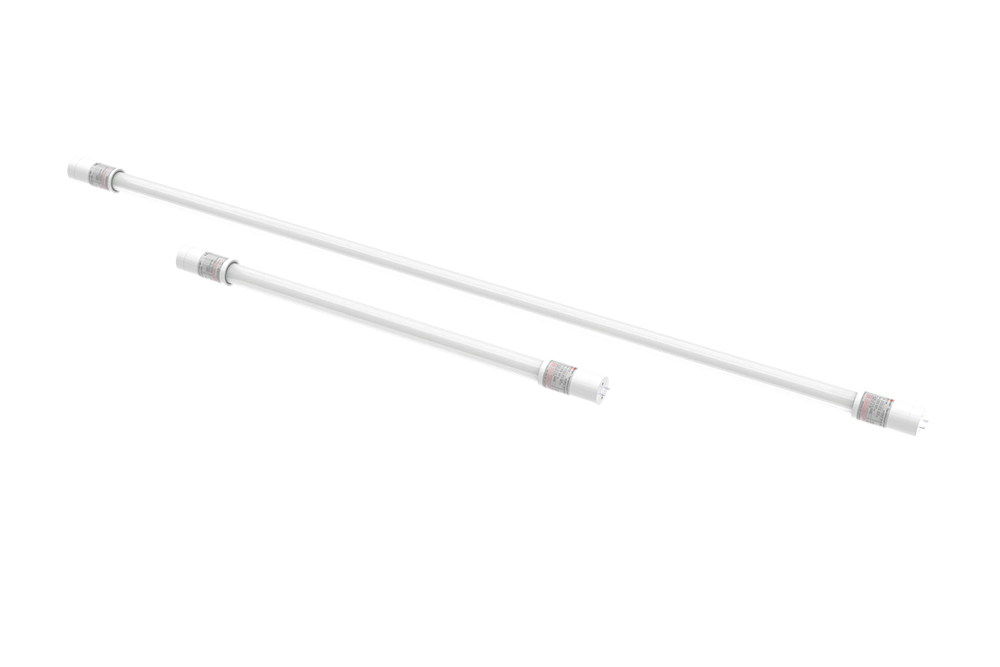
Hazardous lighting: real safety logic behind industrial illumination
0Hazardous lighting ensures safe illumination in explosive environments. Learn standards, real applications, and how to choose reliable hazardous lighting solutions.
View detailsSearch the whole station
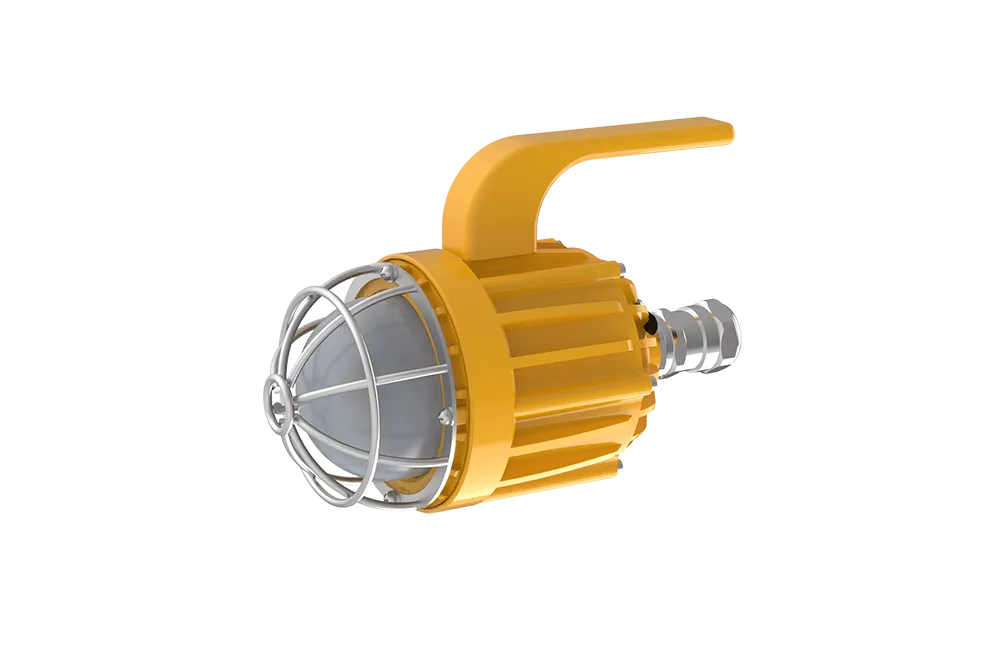
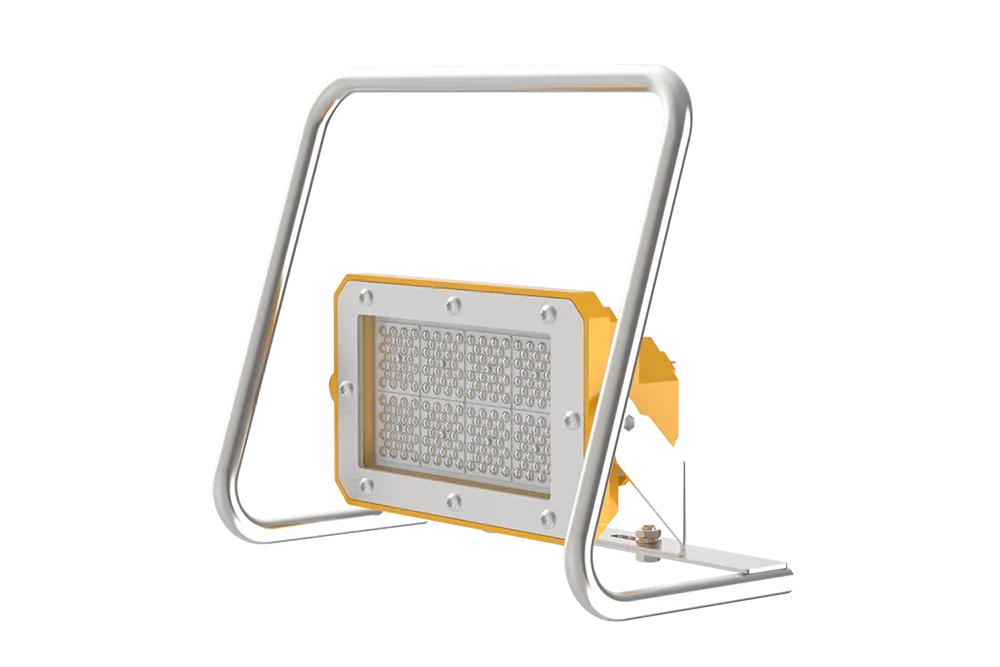
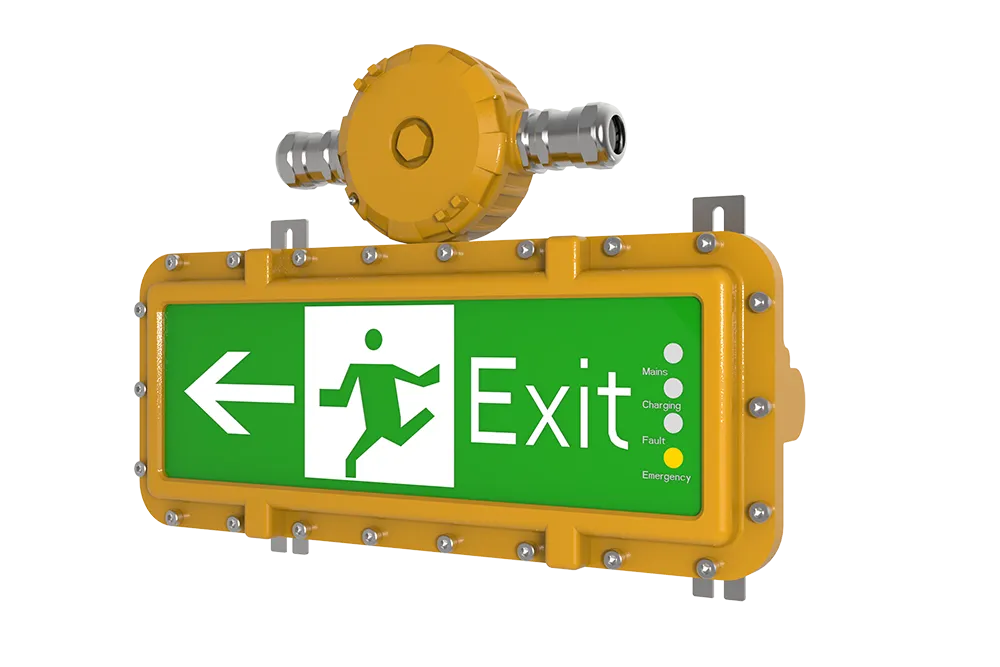
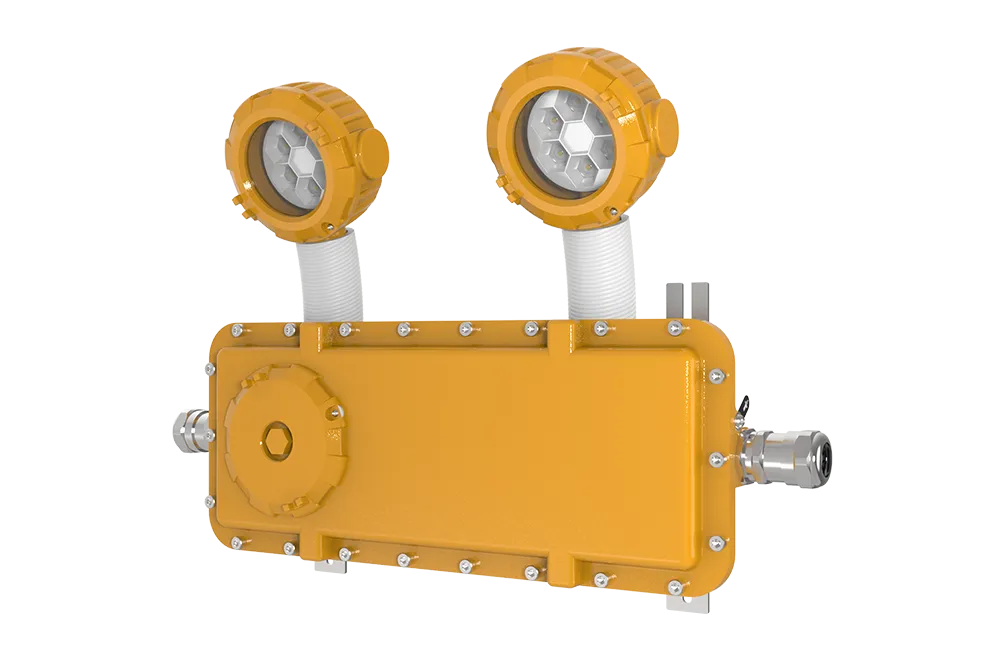
In heavy industry, lighting is rarely discussed until something goes wrong. I’ve spent more than 12 years working with hazardous area luminaires — commissioning refinery upgrades, inspecting offshore installations, and troubleshooting failed fixtures during shutdown windows. What I’ve learned is simple: led explosion proof lighting is not a decorative product category. It is a safety component.
At SEEKINGLED, I’m involved in thermal validation, enclosure design review, and certification coordination. I’ve seen the inside of flameproof housings after lab pressure tests. I’ve stood in chemical plants at 2 a.m. verifying wiring before energization. The field changes how you think about design.
This article reflects that perspective.
Traditional explosion proof lighting relied on HID sources. They ran hot, required frequent lamp replacement, and consumed significant energy. LED technology changed that landscape — but it didn’t eliminate engineering responsibility.
According to the U.S. Department of Energy, industrial LED lighting systems can reduce energy consumption by 50–70% compared to high-intensity discharge (HID) fixtures. Lower wattage means less heat generated inside the enclosure. That’s helpful — but it’s not the full story.
Hazardous area lighting must comply with standards developed by the International Electrotechnical Commission under IEC 60079. These standards define protection methods such as Ex d (flameproof) and Ex e (increased safety). In North America, hazardous classifications under the NEC are overseen by the National Fire Protection Association.
LED explosion proof lighting must:
LED improves efficiency. It does not reduce compliance requirements.
On paper, LED seems cooler than HID. In reality, LED drivers generate continuous heat. In sealed flameproof housings, that heat accumulates.
During one refinery retrofit, we tested several imported fixtures in high ambient conditions (around 50°C). Two units exceeded their declared temperature class after four hours of operation. The LEDs were fine. The drivers overheated.
Since then, at SEEKINGLED, we’ve insisted on extended burn-in testing under worst-case ambient conditions. Thermal margin must exist — not just theoretical, but measurable.
This is where engineering separates serious manufacturers from opportunistic suppliers.
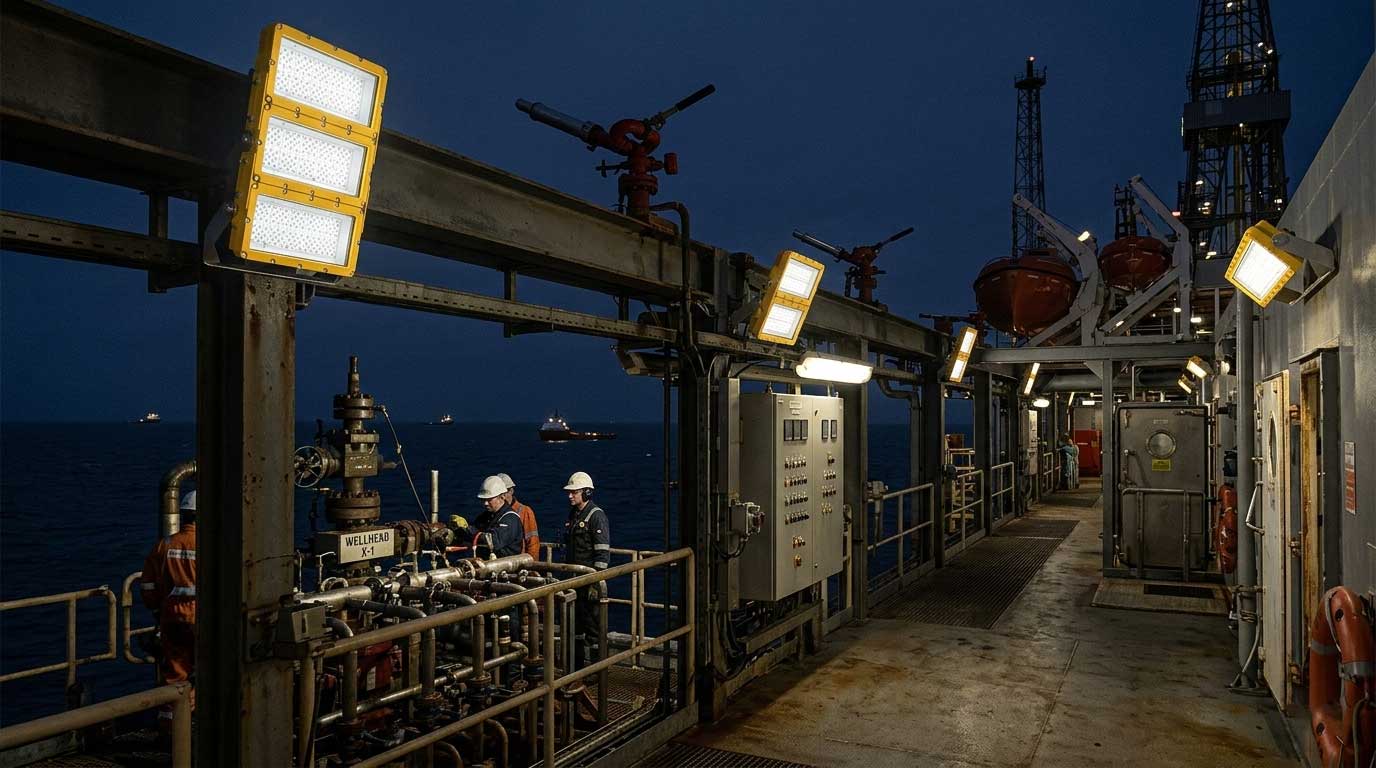
Hazardous areas are rarely gentle environments. Offshore platforms face salt spray. Chemical plants expose fixtures to corrosive vapors. Grain facilities produce fine combustible dust.
The International Energy Agency emphasizes that system reliability strongly influences real-world energy performance. In practice, mechanical durability often determines lifecycle cost more than lumen output.
LED explosion proof lighting should incorporate:
I once inspected fixtures where corrosion around cable entries led to seal compromise after only a few years. Since then, we’ve upgraded material specifications and gasket compression geometry.
Field failures teach hard lessons.
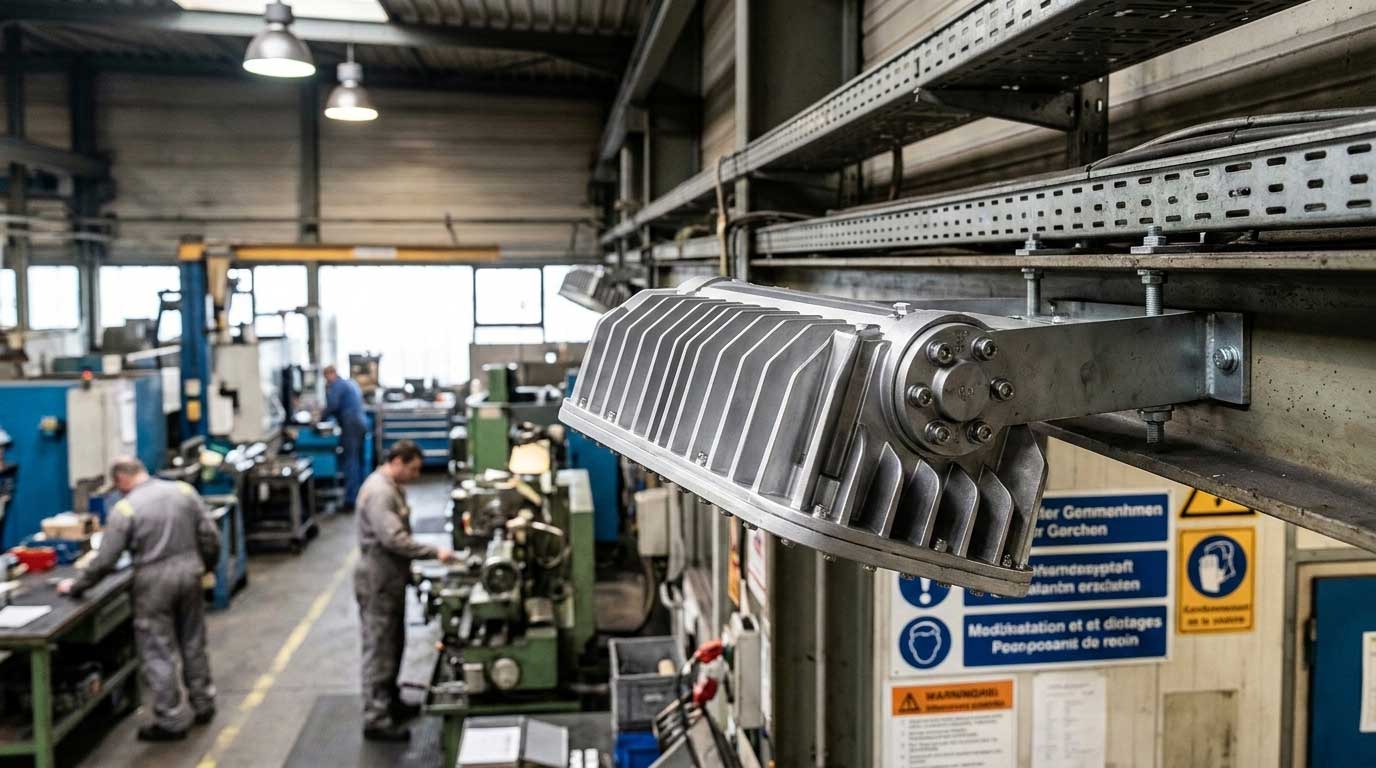
When specifying LED explosion proof lighting, engineers often focus on wattage and lumen output. In my experience, installation efficiency and maintenance access matter just as much.
Integrated terminal compartments reduce wiring time. Balanced housing design simplifies mounting alignment. In one 140-fixture refinery replacement project, improved mounting systems reduced installation labor by nearly 18%.
Those savings are real. They appear in project budgets, not marketing brochures.
Every LED explosion proof lighting fixture must clearly display:
Certification is not decorative labeling. Flameproof enclosures undergo pressure testing. Temperature rise is measured under maximum load. Clear traceability between labeling and certification reports avoids project delays.
At SEEKINGLED, we maintain production batch records tied to certification documentation. Auditors look for consistency. They rarely care about slogans.
After years in hazardous lighting engineering, I view led explosion proof lighting as a balance between efficiency and risk control. It must deliver stable illumination while maintaining strict compliance under harsh environmental conditions.
When properly engineered, LED explosion proof lighting reduces energy consumption, lowers maintenance frequency, and supports safe industrial operations. When poorly designed, it becomes a liability.
At SEEKINGLED, we design with field reality in mind. Because in hazardous areas, lighting is not optional — and neither is discipline in LED explosion proof lighting.
SEEKINGLED LED Linear Explosion Proof Light and Explosion Proof lighting is ATEX and IECEx certified for Zone 1, Zone 2, Zone 21 and Zone 22 hazardous locations, built for long-term industrial use.
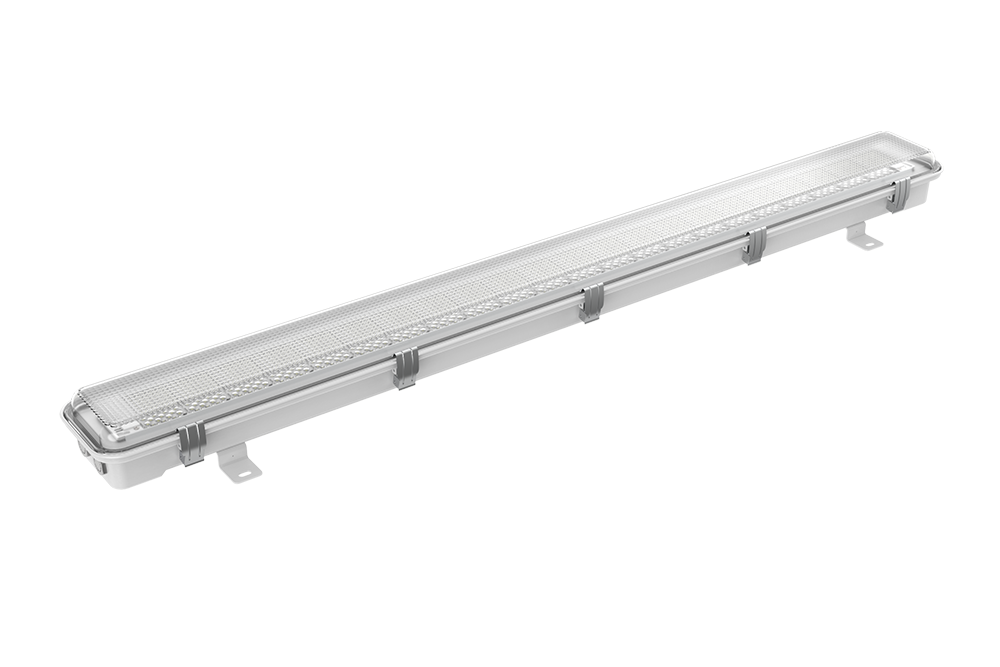
LED Linear Explosion Proof Lights and EX Proof lights for Zone 1, Zone 2, Zone 21 and Zone 22 hazardous areas. ATEX & IECEx certified explosion proof LED linear lighting with emergency function, adjustable power and IP67 protection by SEEKINGLED.
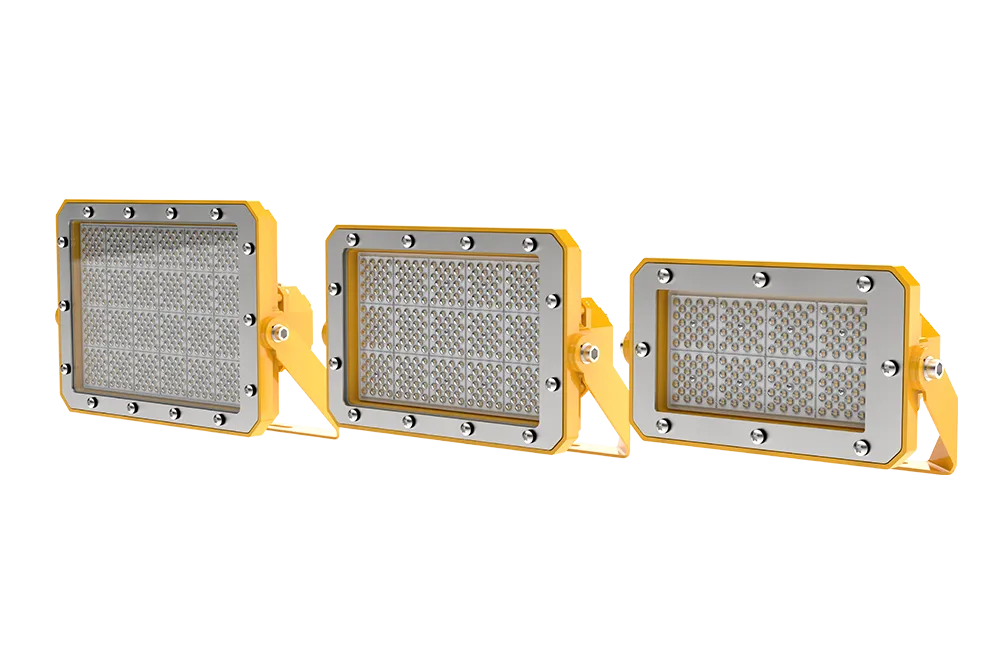
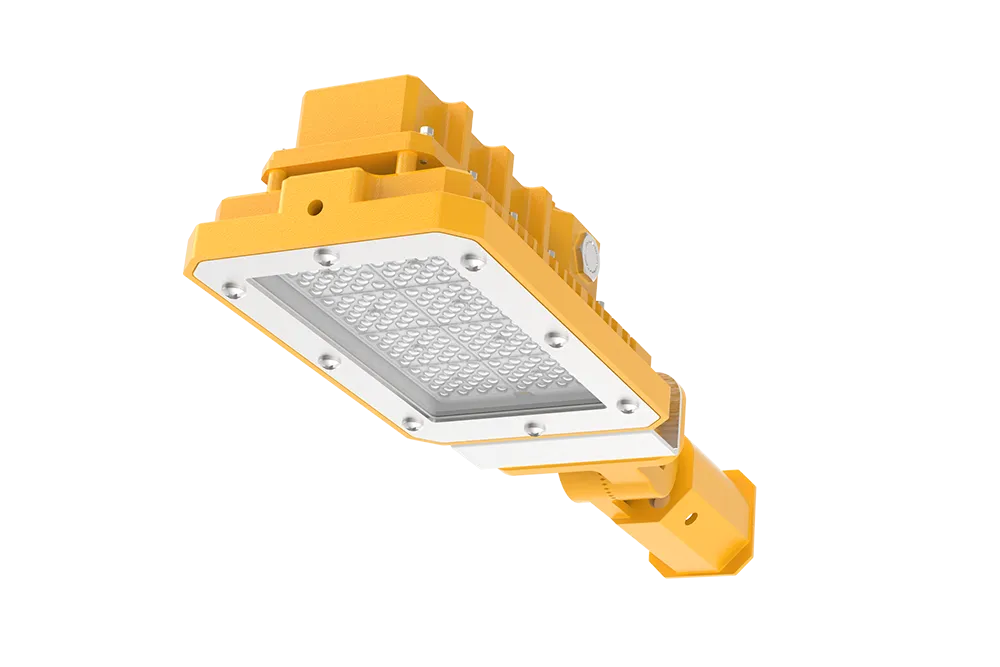
SEEKINGLED LED Explosion Proof Flood Lights are ATEX certified for Zone 2 and Zone 22 hazardous areas, offering high efficiency, adjustable power and integrated junction box.
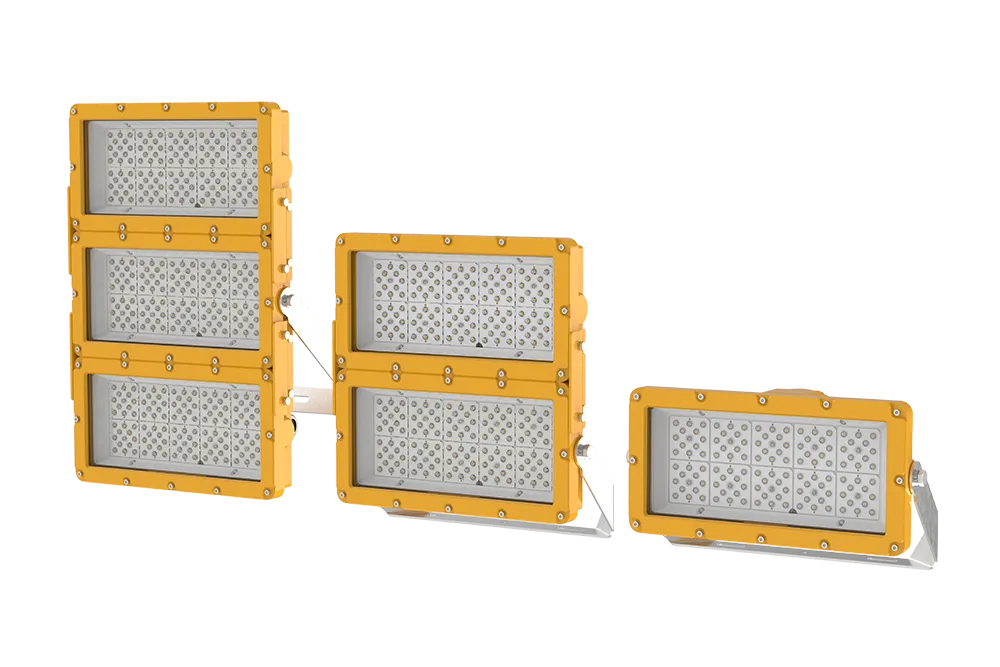
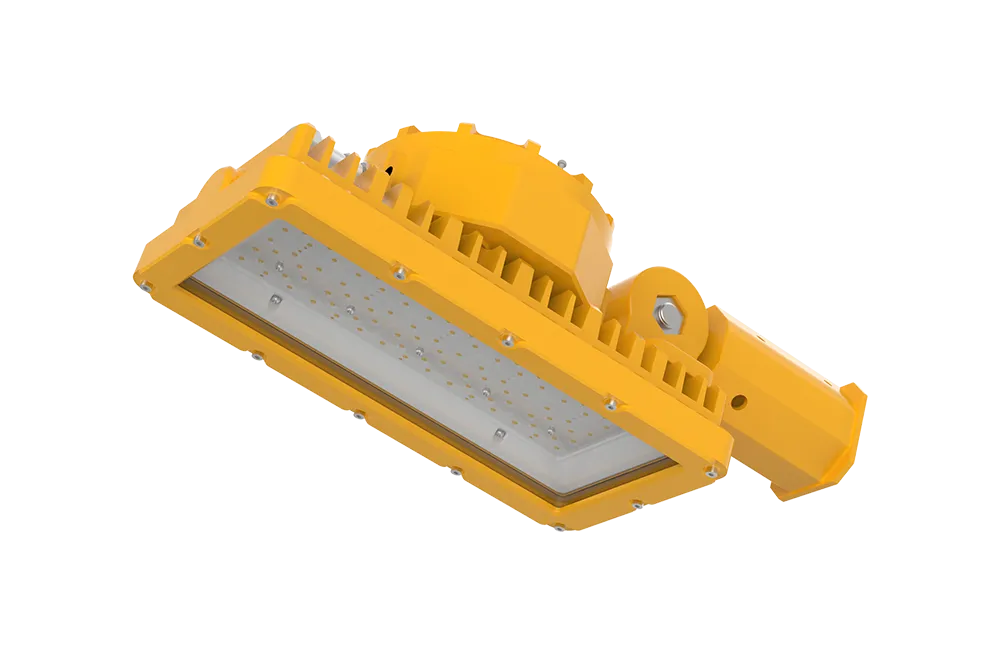
SEEKINGLED LED Explosion Proof Flood Lights are flameproof ATEX and IECEx certified for Zone 1 and Zone 2 hazardous areas, offering high power, adjustable output and long service life.
SEEKINGLED LED Gas Station Canopy Lights are ATEX certified for Zone 2 and Zone 22 hazardous areas, featuring adjustable power and built-in explosion-proof junction box.
ATEX: Ex II 2G Ex db IIB T6/T5 GbEx II 2D Ex tb IIIC T80°C/ T95°C Db IECEx Ex db IIB T6 Gb;Ex tb IIIC T80°C Db Feature: ● For Zone 1,2 and Zone 21,22● Flameproof type, the strongest● 100W can replace 250W HID,energy saving● Power:60W,80W,10…
ATEX: II 3G Ex nR ⅡC T5/T6 GcII 3D Ex tc ⅢC T80℃/T95℃Dc ATEX Certificate NO: TÜV CY 26 ATEX 0207611 X Feature: ● For Zone 2 and Zone 22● 150W can replace 250W HID lamps,Energy saving● Power:50W,75W,100W,150W,200W Application: Oil and gas, m…
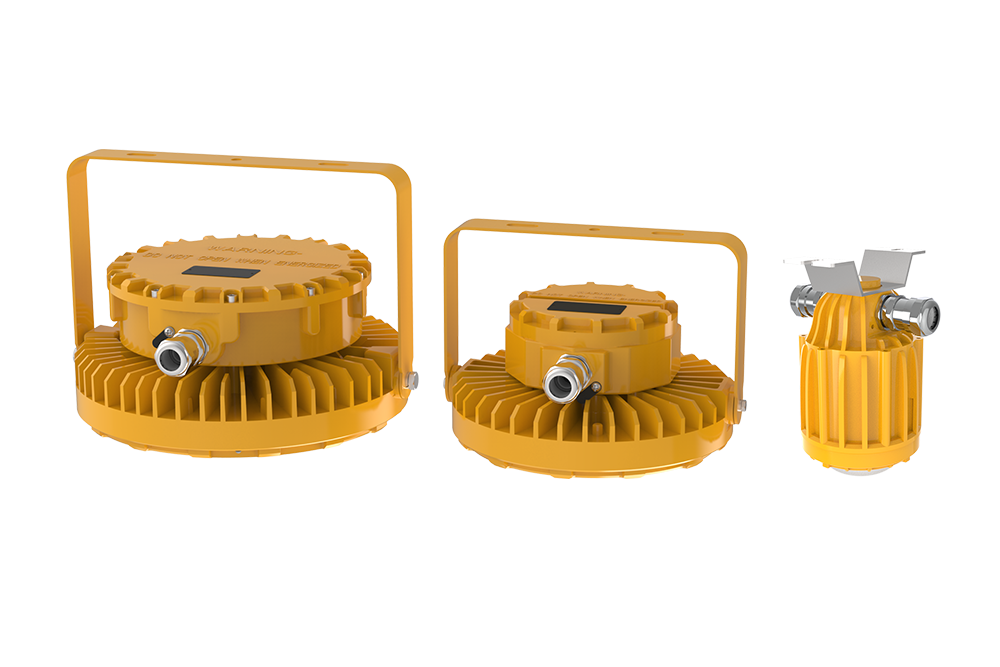
LED explosion proof high bay lights are designed for Zone 1, Zone 2, Zone 21 and Zone 22 hazardous areas. This page introduces the HB21 Series from SEEKING, including certifications, power options and real application considerations.
LED Linear Explosion Proof Lights from SEEKINGLED. LU Series Flame Proof lights ATEX-certified explosion proof LED linear lighting for Zone 2 gas and Zone 22 dust areas, IP69K, IK10, long lifetime and flexible power options.
Certified explosion proof work lights for Zone 1 & 21 hazardous areas. Portable, ATEX & IECEx approved, built for oil, gas and chemical plants by SEEKINGLED.
ATEX: II 3G Ex nR ⅡC T6 GcII 3D Ex tc ⅢC T80℃ Dc ATEX Certificate NO: TÜV CY 26 ATEX 0207611 X Feature: ● For Zone 2 and Zone 22● Accepts battery-powered supply● indestructible● Power:AC input:50W,75W,100WDC input:15W,25W,35W Application: O…
ATEX: Ex II 2G Ex db IIB T6 GbEx II 2D Ex tb IIIC T80°C Db IECEx Ex db IIB T6 Gb;Ex tb IIIC T80°C Db Feature: ● For Zone 1,2 and Zone 21,22● Flameproof type, the strongest Application: Oil and gas, marine, Chemical, pharmaceutical, semicondu…
ATEX: Ex II 2G Ex db IIB T6 GbEx II 2D Ex tb IIIC T80°C Db IECEx Ex db IIB T6 Gb;Ex tb IIIC T80°C Db Feature: ● For Zone 1,2 and Zone 21,22● Flameproof type, the strongest Application: Oil and gas, marine, Chemical, pharmaceutical, semicondu…
ATEX: Ex II 2G Ex d e IIB T6 Gb ATEX: Ex d e IIB T6 Gb; Feature: ● For Zone 1,2● 9W can replace 18W fluorescent lamps,50% Energy saving Application: Oil and gas, marine, Chemical, pharmaceutical, semiconductor,mining,military industry, pain…
loading…
This is the last post!
Hazardous lighting ensures safe illumination in explosive environments. Learn standards, real applications, and how to choose reliable hazardous lighting solutions.
View details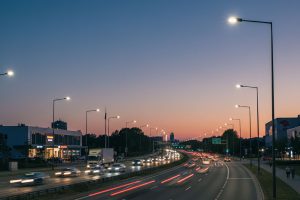
LED for street lighting designed for long-term outdoor use, delivering reliable performance, controlled optics, and proven energy savings by SEEKINGLED.
View details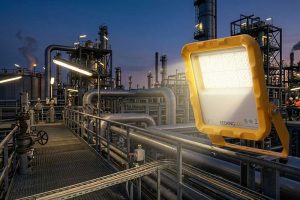
Ex-proof LED lighting fixtures built for oil, gas and chemical plants. Certified, durable and field-proven. Choose SEEKINGLED for reliable protection.
View details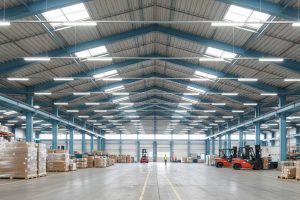
Linear LED high bay light solutions for warehouses, logistics centers and industrial corridors. Learn how SEEKINGLED linear high bay fixtures solve uneven lighting, energy waste and installation challenges.
View details