 Seeking LED
What Are Hazardous Area LED Lights?
0What Are Hazardous Area LED Lights? Learn how certified hazardous LED fixtures protect Zone 1 and Zone 2 locations, improve safety, and reduce maintenance costs.
View detailsSearch the whole station
What are explosion proof lights?
Explosion proof lights are specially engineered fixtures that contain internal sparks or heat, preventing ignition of flammable gases, vapors, or dust in hazardous environments.
That’s the direct answer. But on-site, these lights are less about illumination and more about risk control. I’ve worked in facilities where lighting selection wasn’t a design choice—it was a compliance requirement tied directly to operational safety.
You don’t “upgrade” to explosion proof lighting. You specify it because failure has consequences.
Despite the name, explosion proof lights do not stop explosions from happening.
They are designed to:
The International Electrotechnical Commission (iec.ch) defines explosion protection through IECEx standards, ensuring equipment cannot ignite surrounding atmospheres.
Many assume:
In reality:
I’ve inspected fixtures that looked rugged—but failed certification due to improper sealing.
Explosion proof lights are selected based on risk zones:
| Zone | Description | Example |
|---|---|---|
| Zone 0 | Continuous hazard | Inside tanks |
| Zone 1 | Frequent hazard | Oil refineries |
| Zone 2 | Occasional hazard | Storage facilities |
Choosing the correct zone rating is critical.
According to the official IECEx system (iecex.com), equipment must be certified for specific zones to ensure safe operation.
Explosion proof lights must also match:
Misclassification is one of the most common compliance issues I’ve seen during audits.
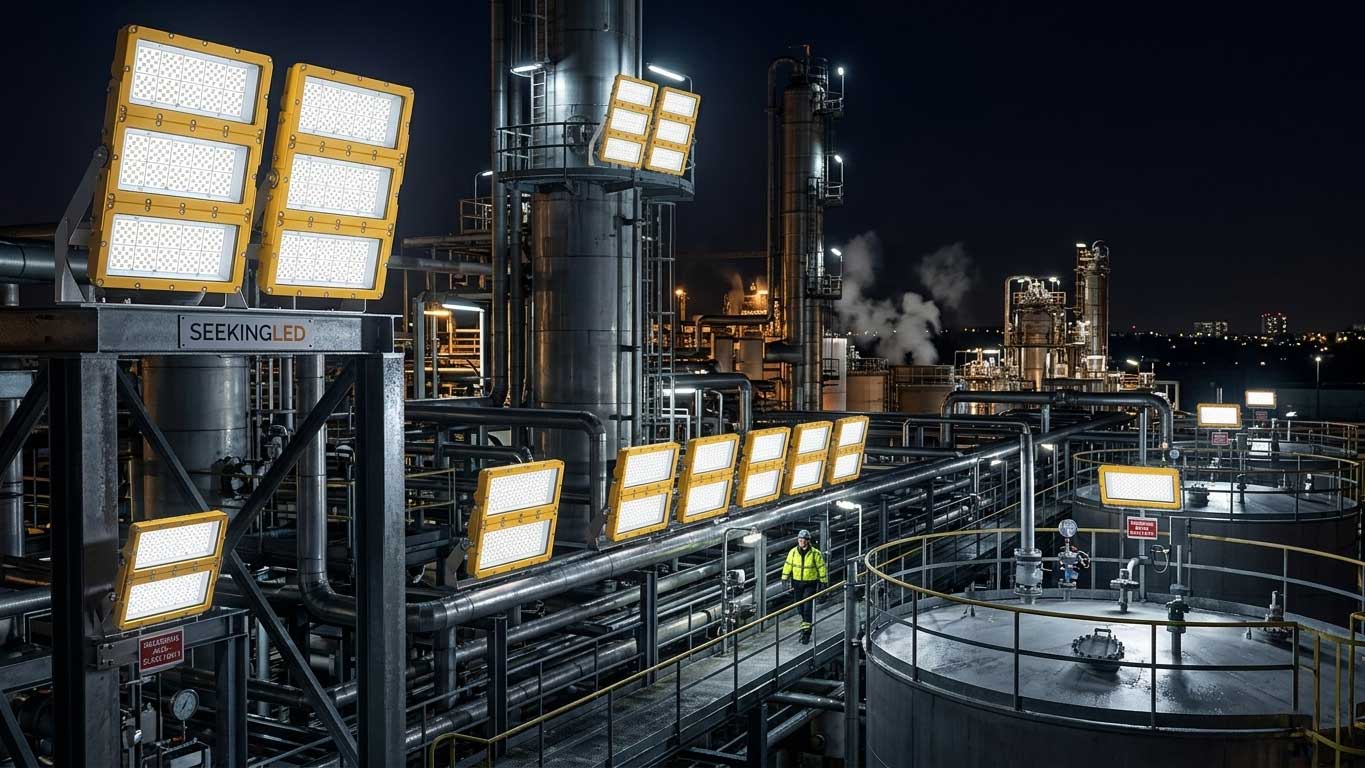
Explosion proof lights must meet strict standards:
These certifications verify:
The U.S. Occupational Safety and Health Administration (osha.gov) emphasizes certified equipment as essential for hazardous workplace safety.
Fixtures are rated by maximum surface temperature:
Even without sparks, excessive heat can ignite gases.
A reliable explosion proof light includes:
In one installation, replacing standard cable glands with certified ones resolved a compliance issue—without changing the fixture itself.
Hazardous environments often include:
The International Energy Agency (iea.org) highlights durability as a key factor in industrial lighting reliability.
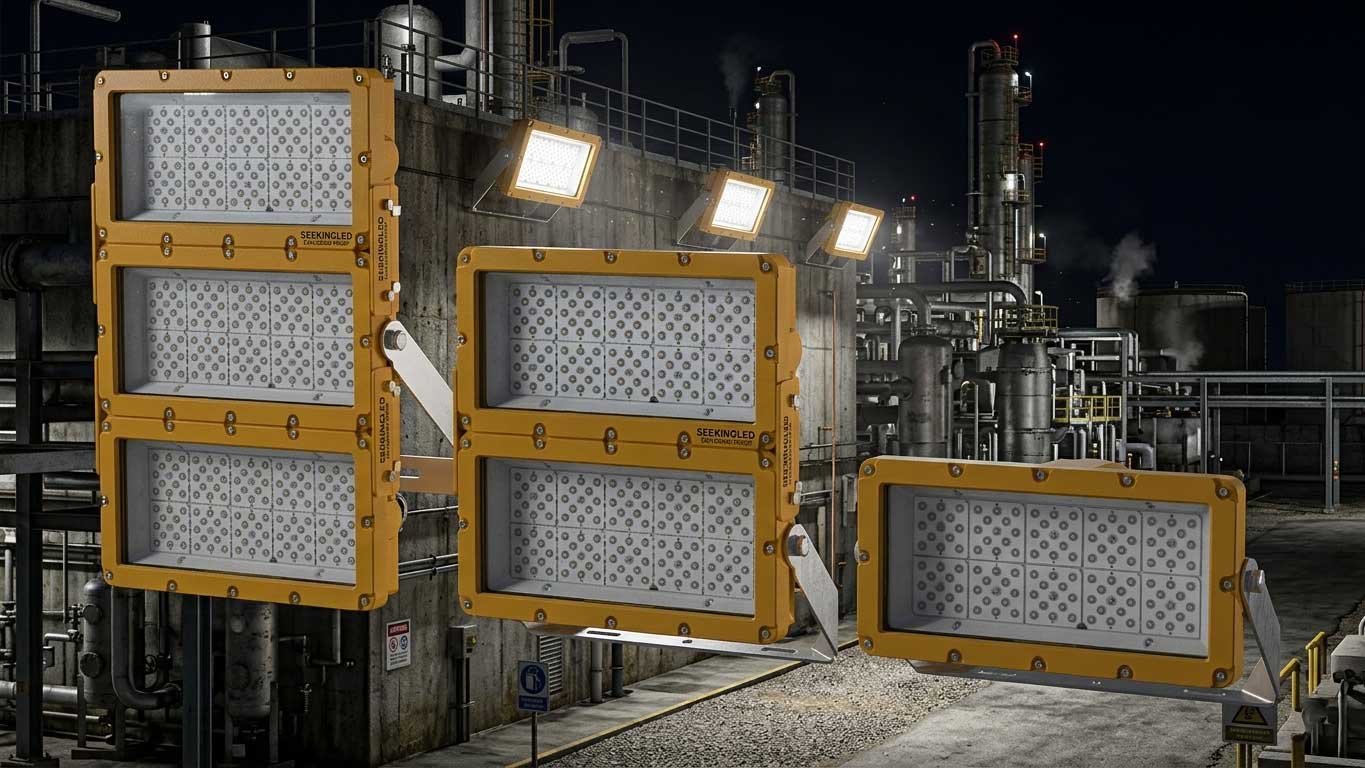
Even certified explosion proof lights can fail if:
I’ve seen systems pass initial inspection but fail later due to minor installation shortcuts.
No. They are designed to contain internal ignition and prevent external explosions.
Oil refineries, chemical plants, gas facilities, and industrial zones.
Yes. Certification like ATEX or IECEx is mandatory for hazardous environments.
I work with SEEKINGLED on explosion-proof lighting projects, including:
These insights come from real hazardous environments—where safety is verified in operation, not theory.
What are explosion proof lights is not just a definition—it’s a system of protection. The fixture, installation, and certification all work together. When one part fails, the entire safety concept breaks down.
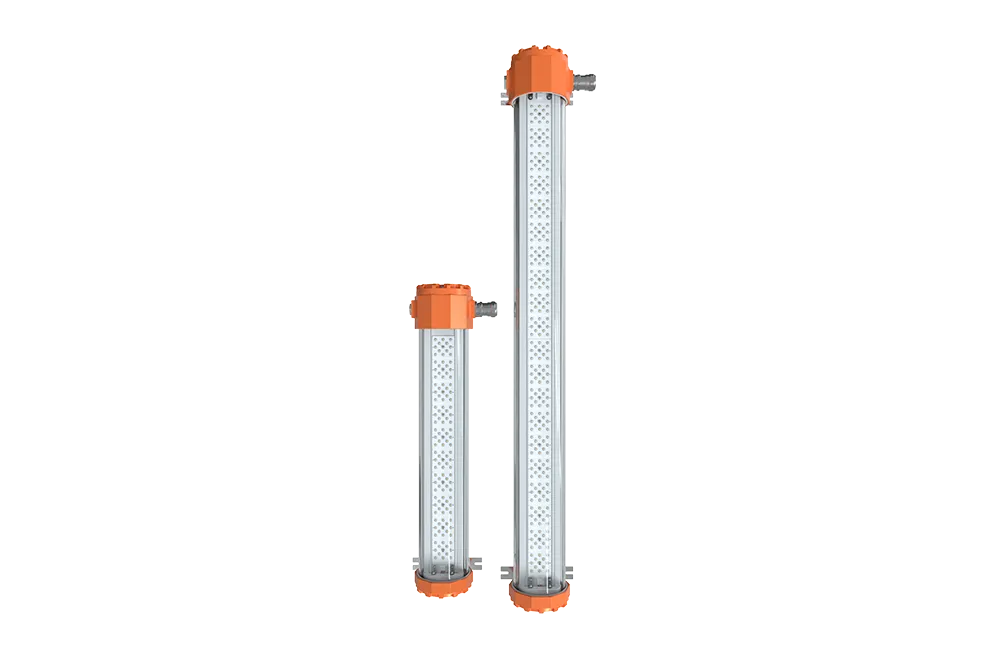
SEEKINGLED LED Linear Explosion Proof Light and Explosion Proof lighting is ATEX and IECEx certified for Zone 1, Zone 2, Zone 21 and Zone 22 hazardous locations, built for long-term industrial use.
View details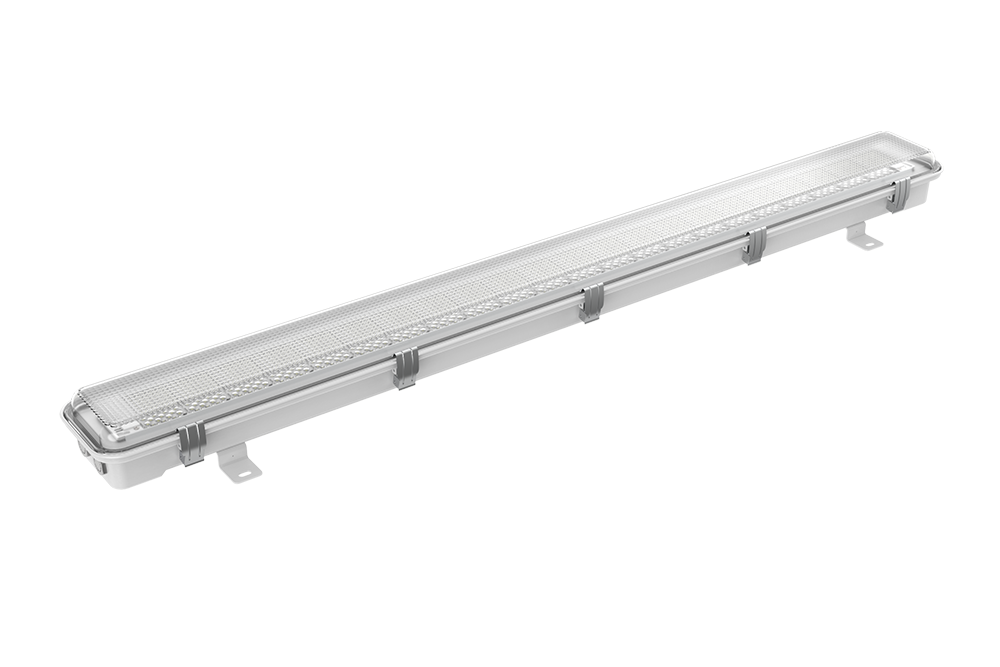
LED Linear Explosion Proof Lights and EX Proof lights for Zone 1, Zone 2, Zone 21 and Zone 22 hazardous areas. ATEX & IECEx certified explosion proof LED linear lighting with emergency function, adjustable power and IP67 protection by SEEKINGLED.
View details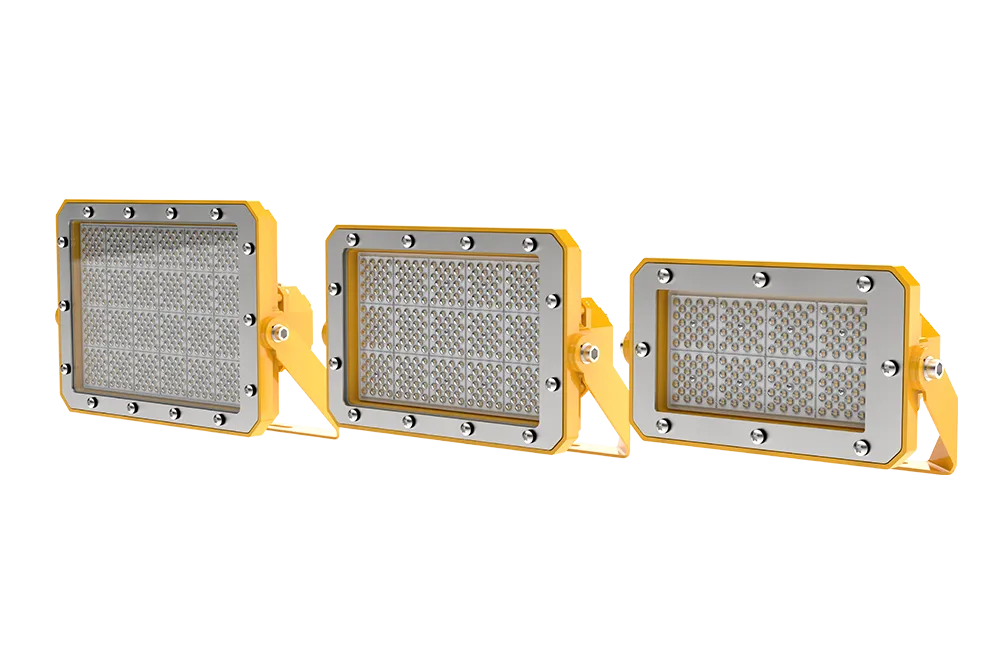
SEEKINGLED LED Explosion Proof Flood Lights are ATEX certified for Zone 2 and Zone 22 hazardous areas, offering high efficiency, adjustable power and integrated junction box.
View details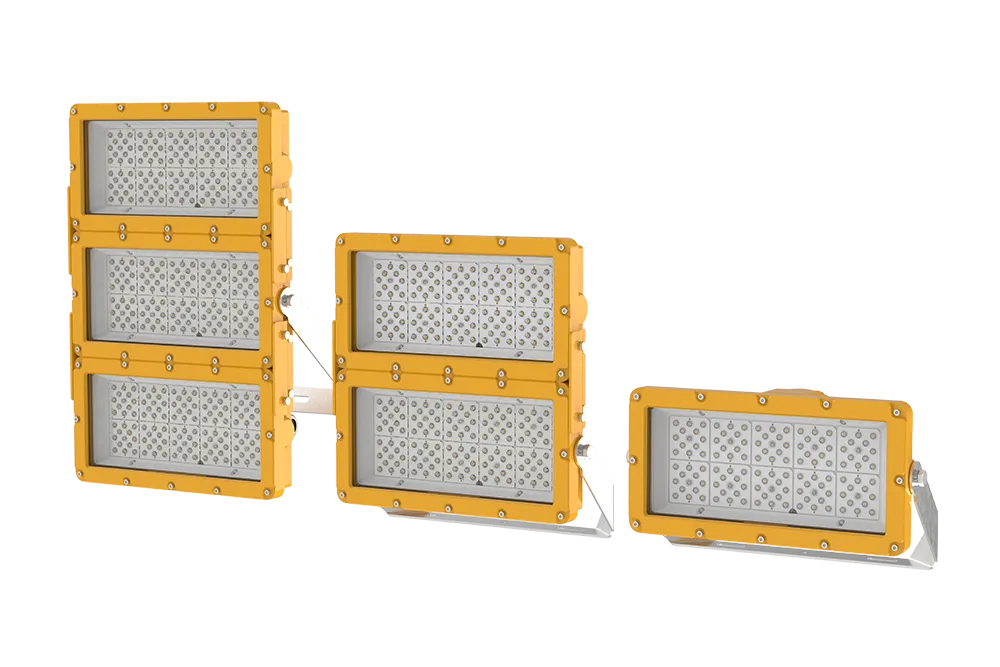
SEEKINGLED LED Explosion Proof Flood Lights are flameproof ATEX and IECEx certified for Zone 1 and Zone 2 hazardous areas, offering high power, adjustable output and long service life.
View details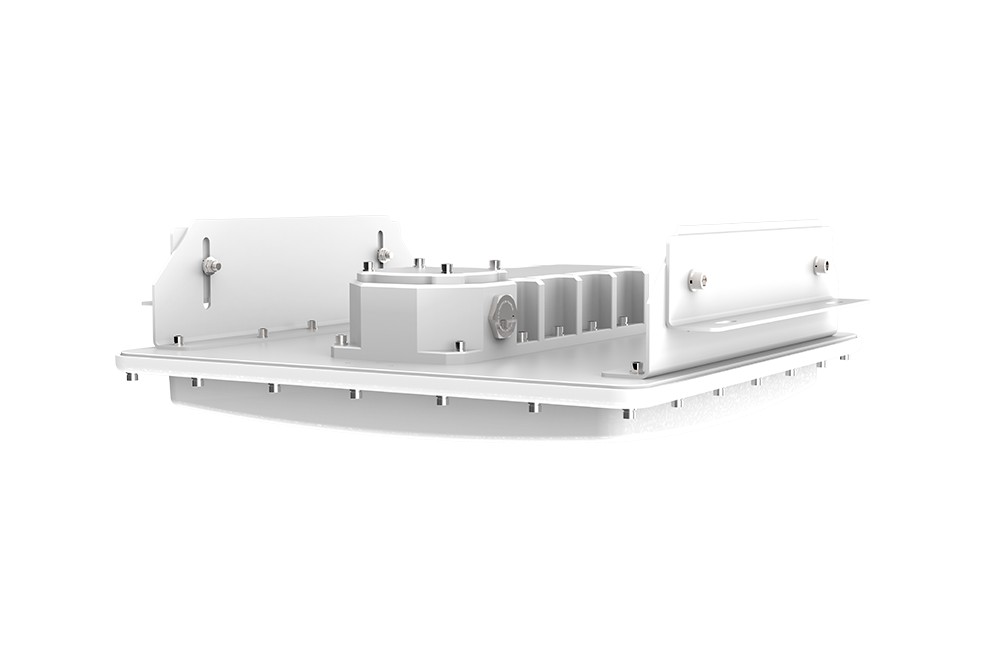
SEEKINGLED LED Gas Station Canopy Lights are ATEX certified for Zone 2 and Zone 22 hazardous areas, featuring adjustable power and built-in explosion-proof junction box.
View details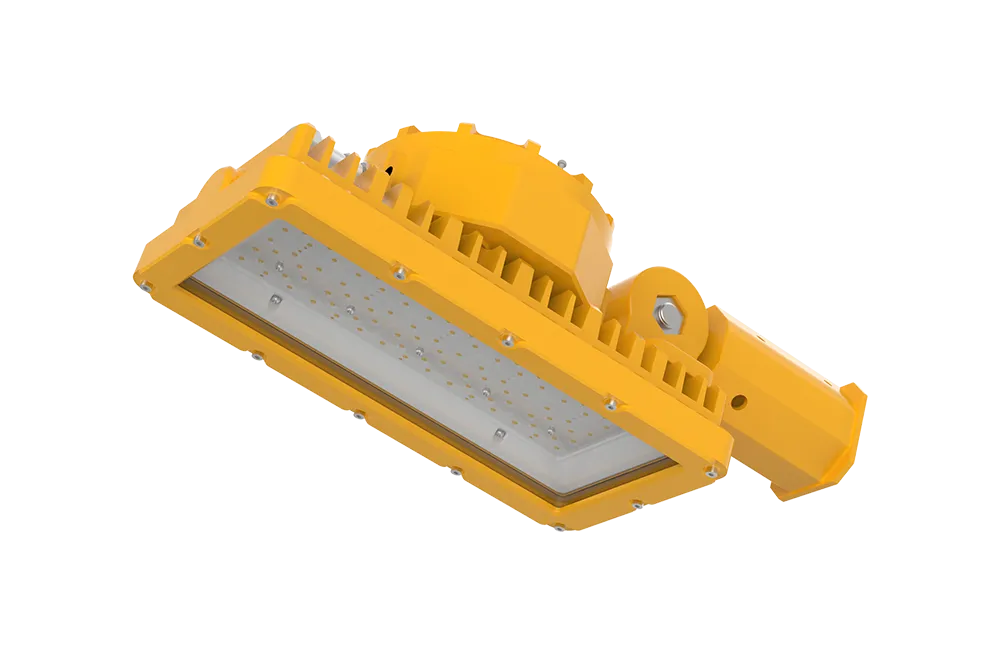
ATEX: Ex II 2G Ex db IIB T6/T5 GbEx II 2D Ex tb IIIC T80°C/ T95°C Db IECEx Ex db IIB T6 Gb;Ex tb IIIC T80°C Db Feature: ● For Zone 1,2 and Zone 21,22● Flameproof type, the strongest● 100W can replace 250W HID,energy saving● Power:60W,80W,100W Application: Oil and gas, marine, Chemical, pharmaceutical, semiconductor,mining,military industr…
View details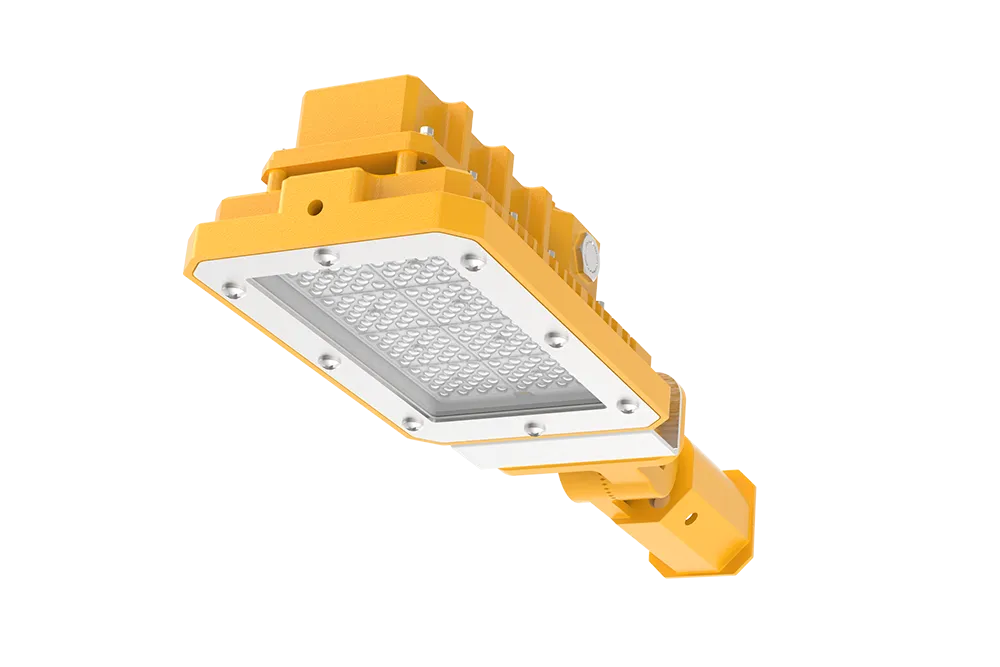
ATEX: II 3G Ex nR ⅡC T5/T6 GcII 3D Ex tc ⅢC T80℃/T95℃Dc ATEX Certificate NO: TÜV CY 26 ATEX 0207611 X Feature: ● For Zone 2 and Zone 22● 150W can replace 250W HID lamps,Energy saving● Power:50W,75W,100W,150W,200W Application: Oil and gas, marine, Chemical, pharmaceutical, semiconductor,mining,military industry, paint booth,power plant ETC…
View details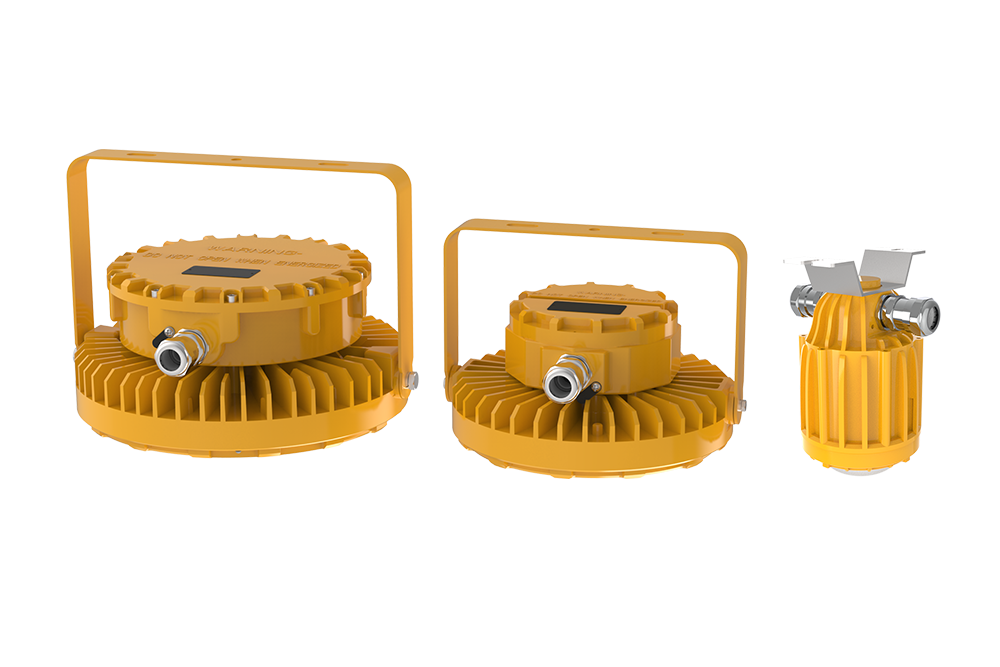
LED explosion proof high bay lights are designed for Zone 1, Zone 2, Zone 21 and Zone 22 hazardous areas. This page introduces the HB21 Series from SEEKING, including certifications, power options and real application considerations.
View details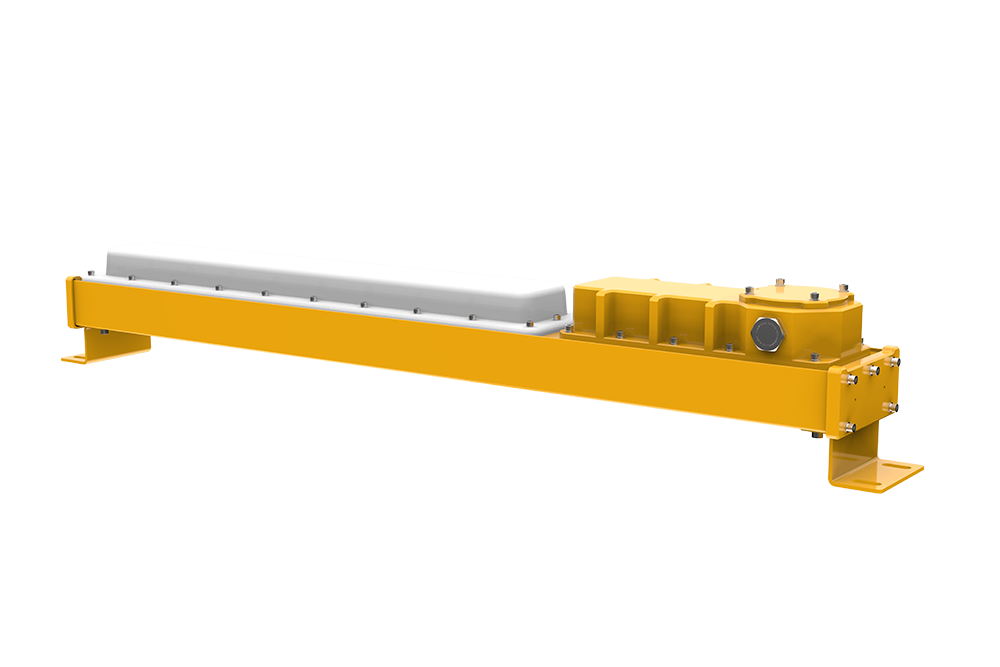
LED Linear Explosion Proof Lights from SEEKINGLED. LU Series Flame Proof lights ATEX-certified explosion proof LED linear lighting for Zone 2 gas and Zone 22 dust areas, IP69K, IK10, long lifetime and flexible power options.
View details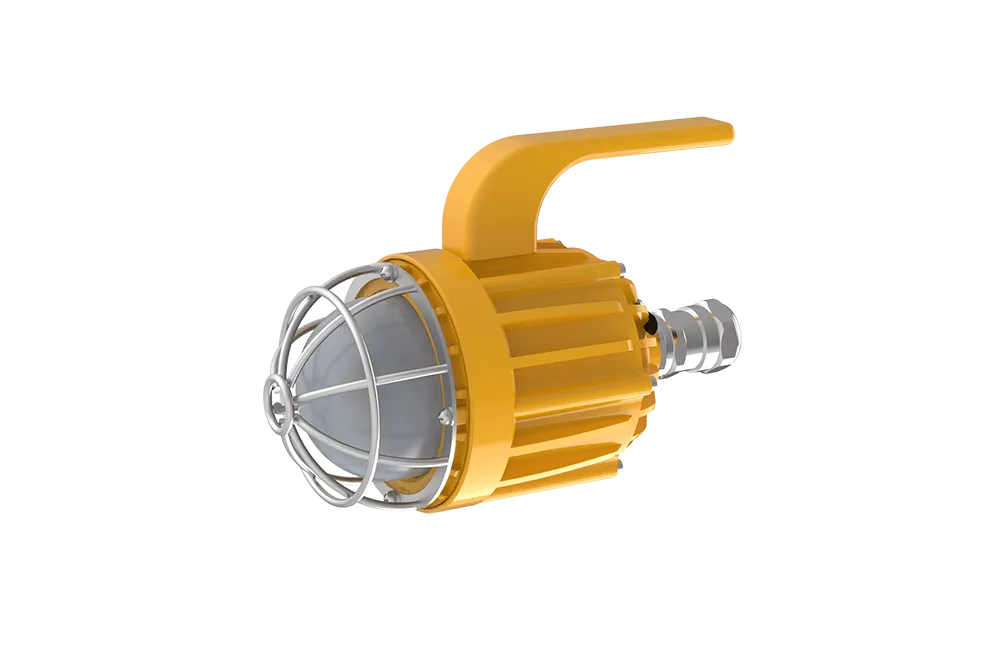
Certified explosion proof work lights for Zone 1 & 21 hazardous areas. Portable, ATEX & IECEx approved, built for oil, gas and chemical plants by SEEKINGLED.
View details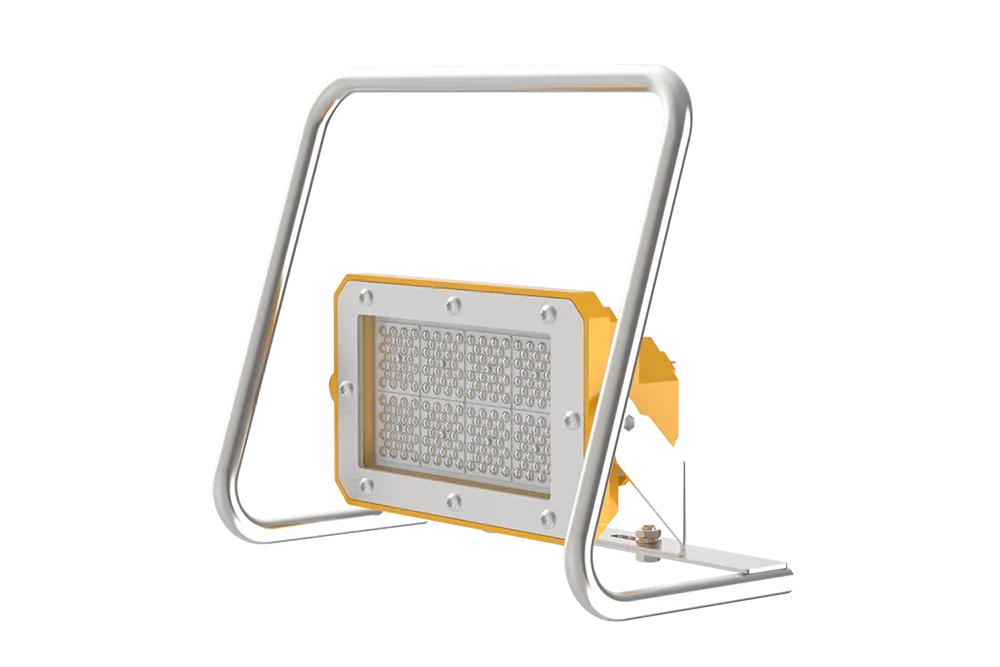
ATEX: II 3G Ex nR ⅡC T6 GcII 3D Ex tc ⅢC T80℃ Dc ATEX Certificate NO: TÜV CY 26 ATEX 0207611 X Feature: ● For Zone 2 and Zone 22● Accepts battery-powered supply● indestructible● Power:AC input:50W,75W,100WDC input:15W,25W,35W Application: Oil and gas, marine, Chemical, pharmaceutical, semiconductor,mining,military industry, paint booth,po…
View details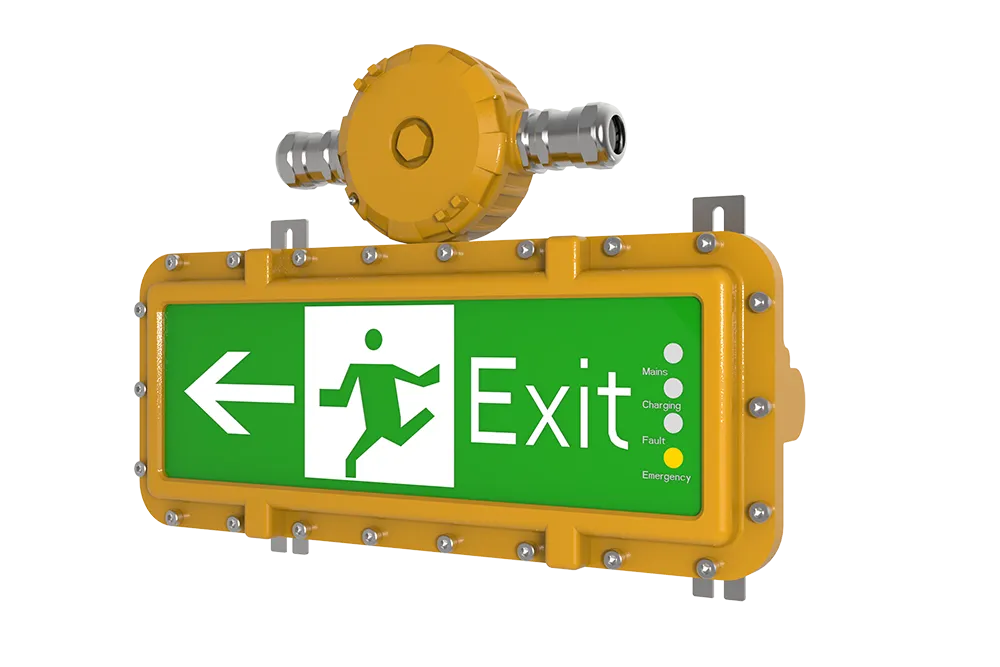
ATEX: Ex II 2G Ex db IIB T6 GbEx II 2D Ex tb IIIC T80°C Db IECEx Ex db IIB T6 Gb;Ex tb IIIC T80°C Db Feature: ● For Zone 1,2 and Zone 21,22● Flameproof type, the strongest Application: Oil and gas, marine, Chemical, pharmaceutical, semiconductor,mining,military industry, paint booth,power plant ETC hazardous area. Technical Specifications:…
View details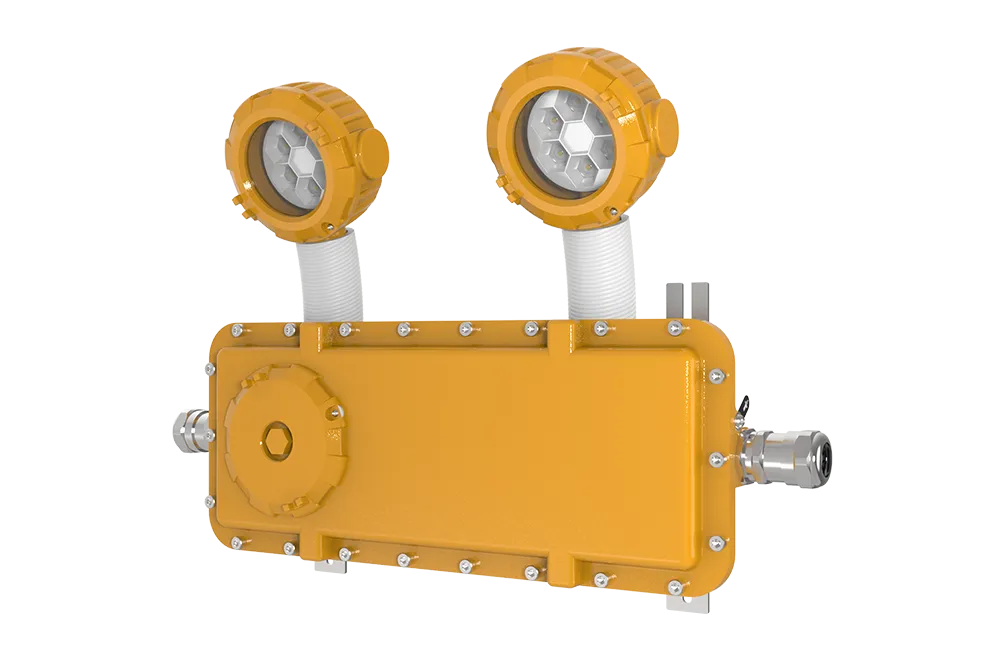
ATEX: Ex II 2G Ex db IIB T6 GbEx II 2D Ex tb IIIC T80°C Db IECEx Ex db IIB T6 Gb;Ex tb IIIC T80°C Db Feature: ● For Zone 1,2 and Zone 21,22● Flameproof type, the strongest Application: Oil and gas, marine, Chemical, pharmaceutical, semiconductor,mining,military industry, paint booth,power plant ETC hazardous area. Technical Specifications:…
View details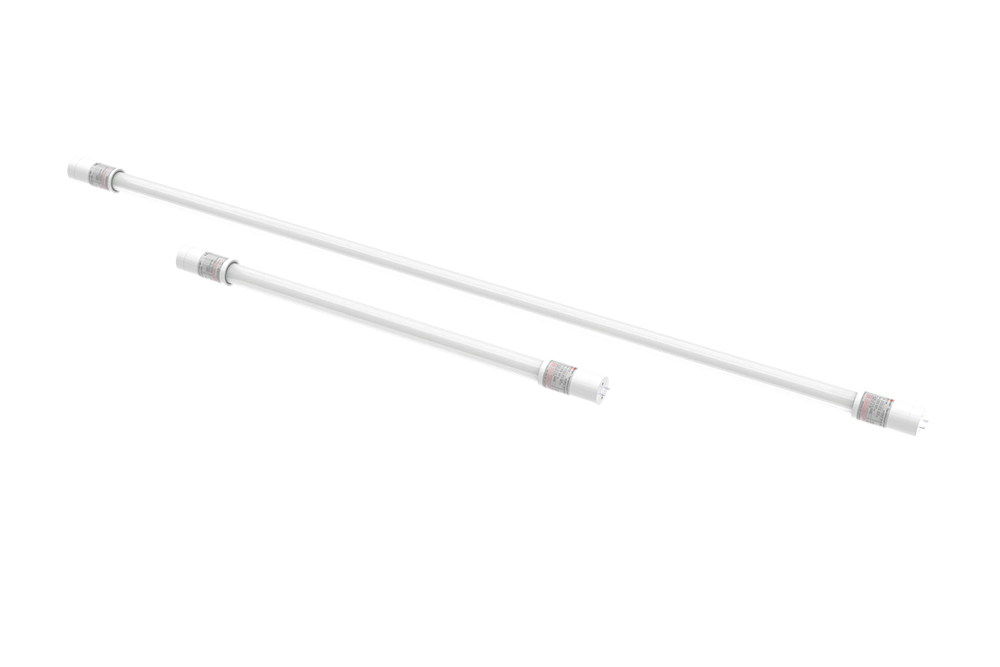
ATEX: Ex II 2G Ex d e IIB T6 Gb ATEX: Ex d e IIB T6 Gb; Feature: ● For Zone 1,2● 9W can replace 18W fluorescent lamps,50% Energy saving Application: Oil and gas, marine, Chemical, pharmaceutical, semiconductor,mining,military industry, paint booth,power plant ETC hazardous area. Technical Specifications: Standards:60079-0, 60079-1, 60079…
View details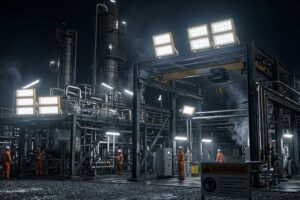
What Are Hazardous Area LED Lights? Learn how certified hazardous LED fixtures protect Zone 1 and Zone 2 locations, improve safety, and reduce maintenance costs.
View details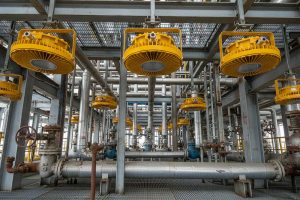
What makes a light explosion proof? Learn the engineering principles, certifications, and safety features that define explosion proof lighting in hazardous areas.
View details
Why does my LED flood light flash? Learn the real causes like wiring issues, driver failure or voltage instability, and how SEEKINGLED flood lights avoid it.
View details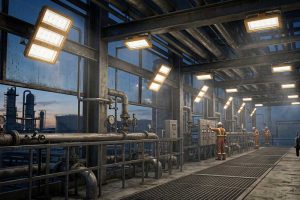
Ex proof LED lighting explained: real safety design, certifications, and industrial performance insights. Learn how SEEKINGLED ensures safe hazardous lighting.
View details