 Seeking LED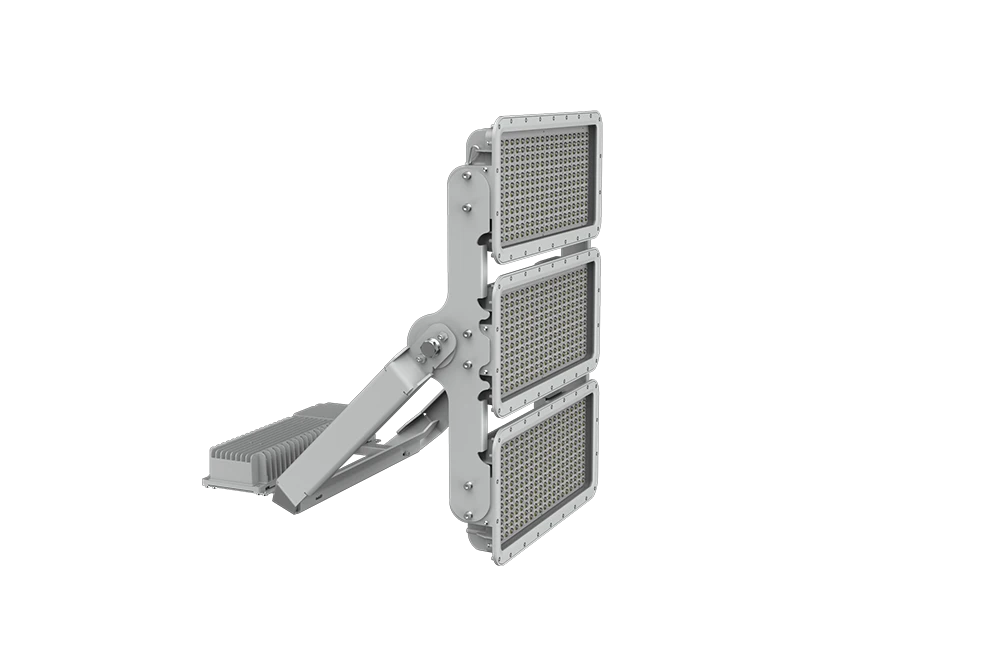
Explosion Proof LED Canopy Lighting for Hazardous Fuel & Industrial Areas
0Explosion proof LED canopy lighting for hazardous fuel stations and industrial sites. Safe, low-glare, and reliable performance by SEEKINGLED.
View detailsSearch the whole station
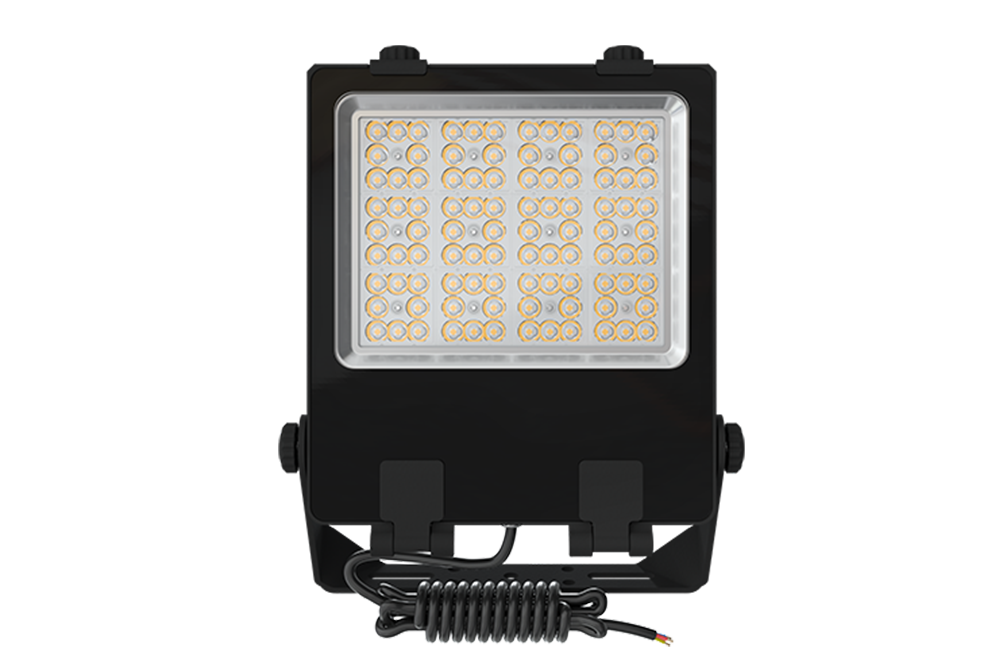
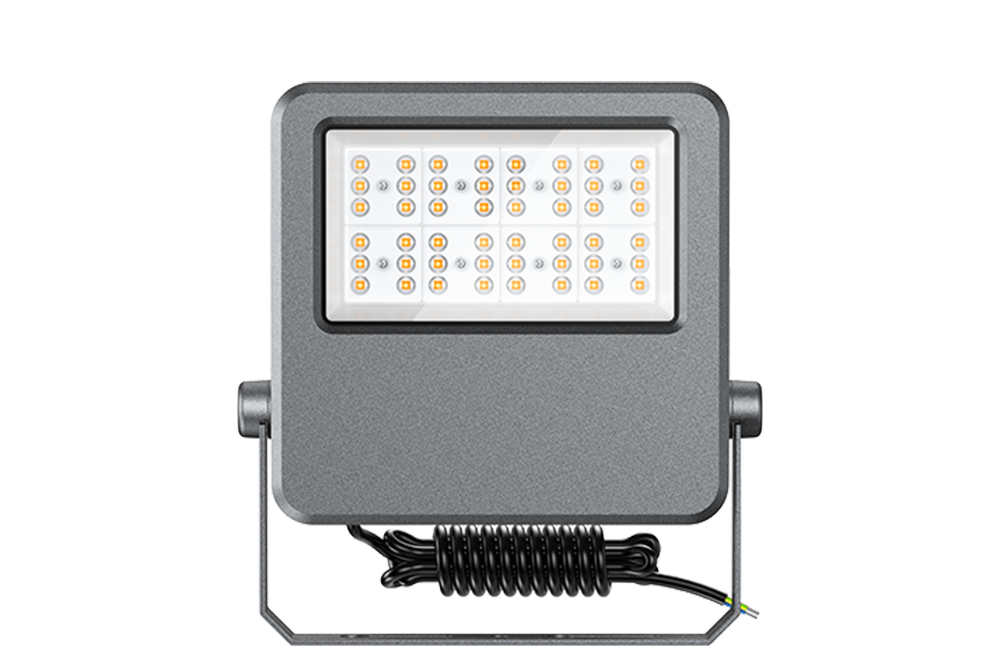
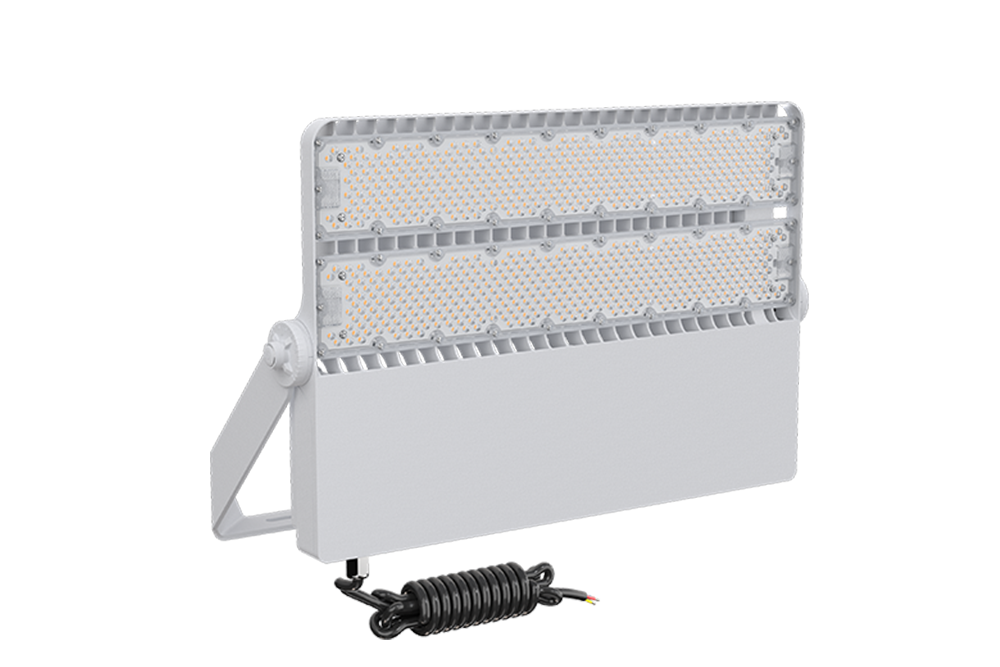
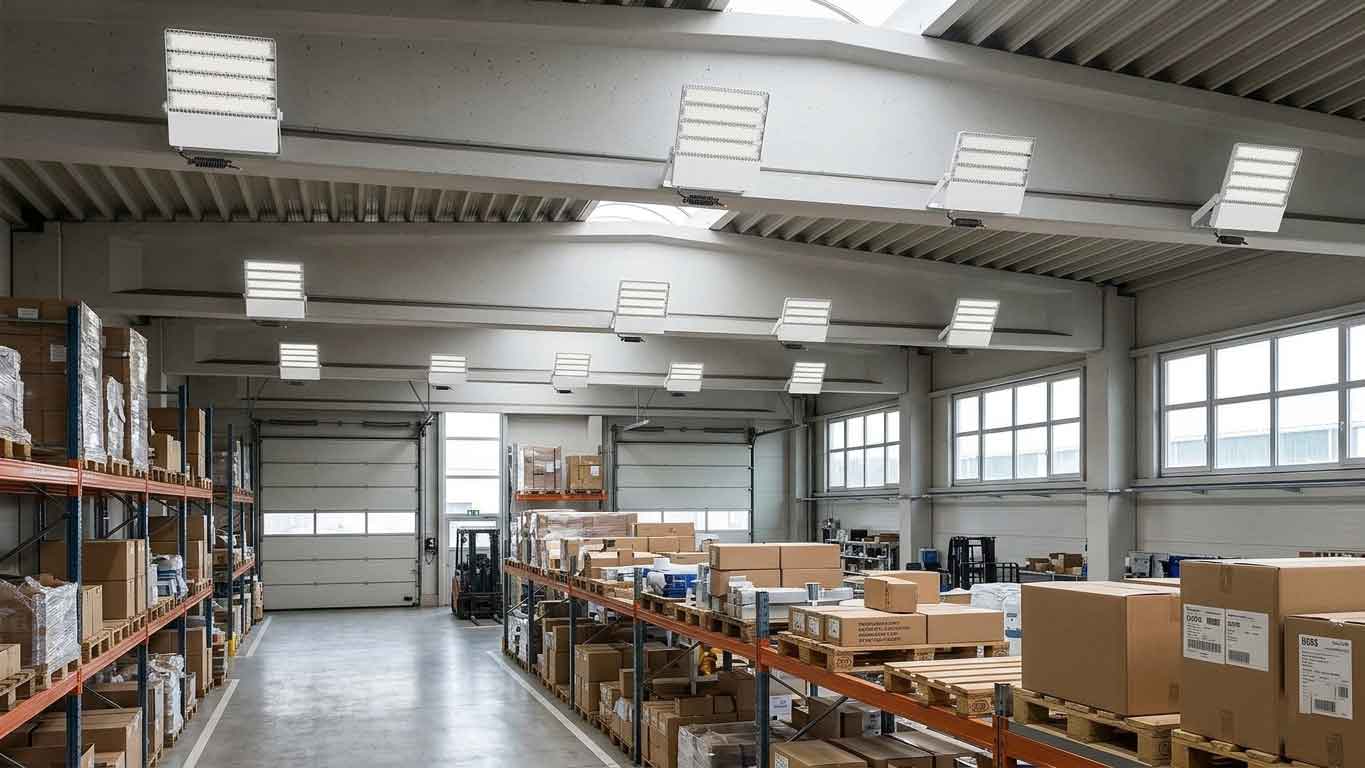
The first time I installed led interior flood lights inside a logistics facility, I expected a straightforward upgrade—replace old metal halide fixtures, get better efficiency, move on.
That’s not what happened.
Within a week, the client called back. Not because something failed, but because the space felt… different. Brighter, yes—but also sharper. Shadows moved. Corners that used to disappear under diffuse lighting suddenly had definition. Workers noticed it before management did.
That’s when I stopped thinking about indoor flood lighting as just “illumination.” It’s spatial control.
A lot of spec sheets blur the line. Flood light is a flood light, right?
Not indoors.
Outdoor flood lights prioritize reach. Indoors, that same beam can create glare, uneven contrast, even visual fatigue. The Illuminating Engineering Society (IES) has long emphasized that indoor lighting needs controlled luminance ratios—not just high output.
In one retail storage project, we replaced 150W metal halide fixtures with 80W led interior flood lights. Energy use dropped significantly, but more interestingly, picking errors decreased. Workers weren’t squinting into overlit zones anymore.
You don’t notice beam angle until it’s wrong.
Too narrow:
Too wide:
In practice, I’ve found 60°–90° works best for most indoor flood applications, especially in warehouses and workshops.
The U.S. Department of Energy (DOE) reports that LED systems can achieve over 130 lumens per watt in commercial applications—but only when optical distribution is properly matched to the space. Otherwise, you’re wasting light.
I used to treat color temperature as a client preference—4000K, 5000K, whatever they liked.
Then I worked on a small assembly line.
Switching from 6500K to 4000K reduced eye fatigue complaints within days. Same fixtures, same layout—just different output tone.
According to the International Energy Agency (IEA), lighting quality (including color rendering and temperature) directly affects productivity in industrial environments. It’s not just about brightness.
Outdoors, heat dissipates naturally. Indoors, especially in enclosed spaces, it lingers.
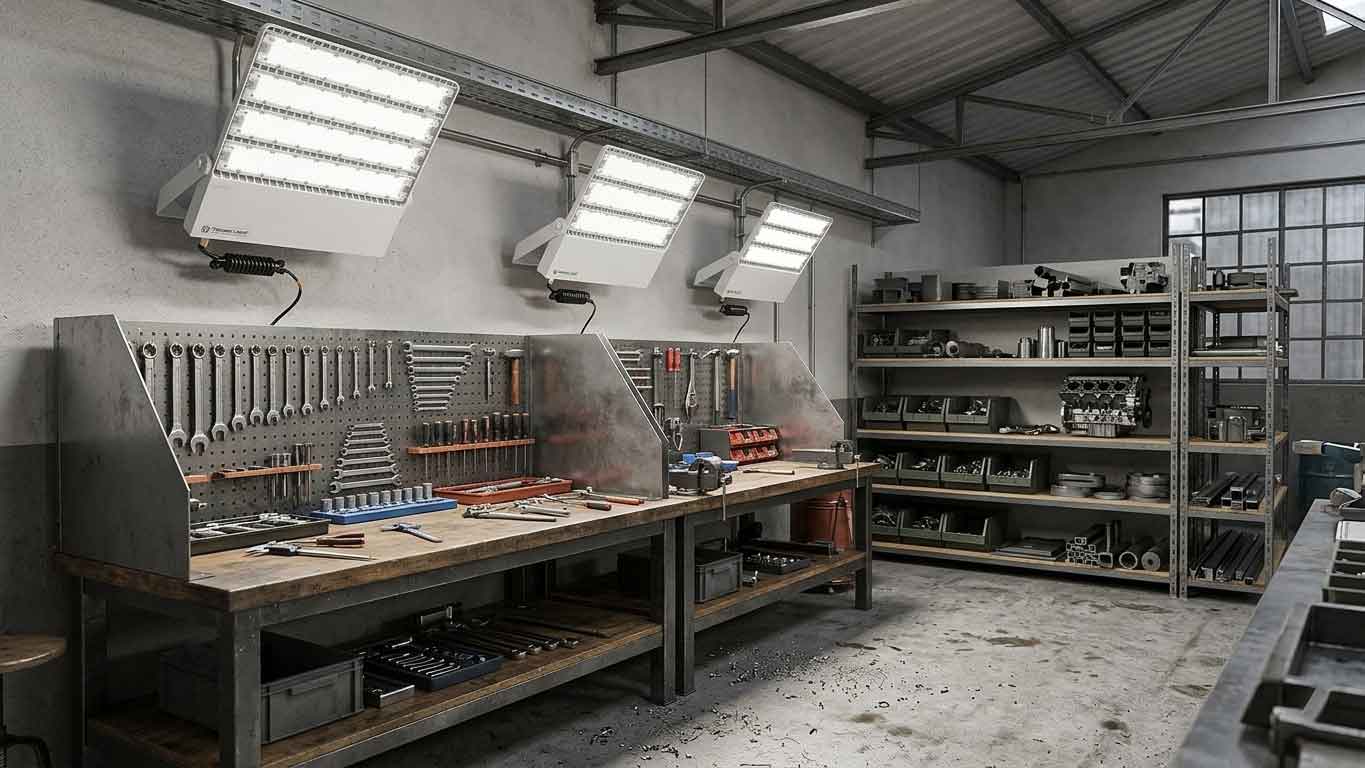
I’ve measured ceiling temperatures rising noticeably after installing poorly designed fixtures. Over time, that heat affects:
The Illuminating Engineering Society (IES) notes that elevated junction temperatures accelerate lumen depreciation in LEDs. In simpler terms: cheap lights fade faster.
Heavier housings, better heat sinks—those details matter more indoors than most people expect.
This is where most installations go wrong—not in the product, but in placement.
In a low-ceiling environment (under 4 meters), I’ve seen high-output flood lights create uncomfortable glare. The fix wasn’t changing the product—it was adjusting:
A slight tilt—sometimes just 10 degrees—can redistribute light enough to eliminate harsh reflections on floors or metal surfaces.
It’s subtle. But noticeable.
I don’t standardize brands easily. Too many variables across projects.
But for indoor applications, I’ve leaned toward SEEKINGLED more often over the past few years. Not because of marketing claims—because of consistency.
What stood out in actual installations:
In one mid-sized warehouse retrofit, their led interior flood lights maintained uniformity across zones without needing multiple adjustments. That’s rare.
Here’s the part that doesn’t show up in specs.
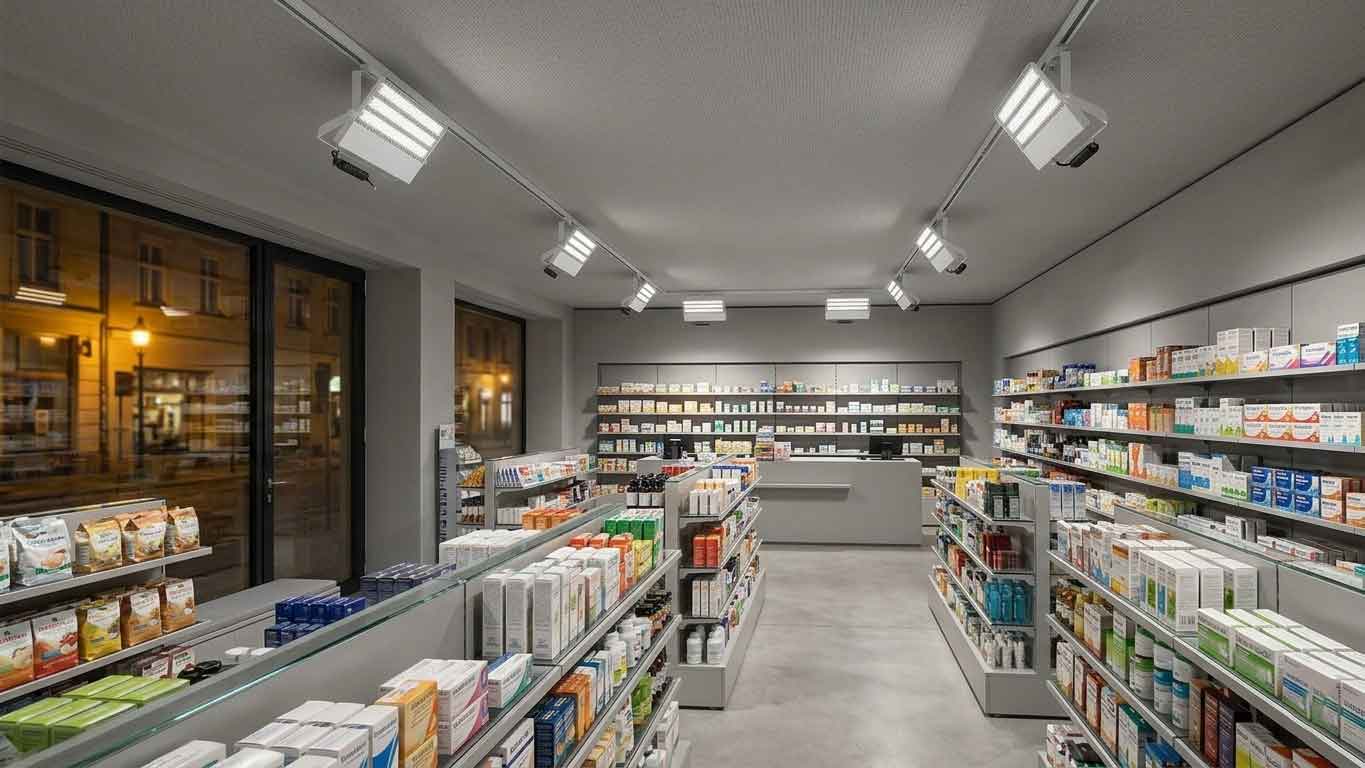
After installing led interior flood lights, spaces don’t just get brighter—they become easier to read. Depth improves. Movement feels clearer. Even small details—labels, textures—stand out without needing more light.
It’s not about intensity. It’s about control.
And that’s where most lighting decisions quietly succeed—or fail.
More answers
If you’re choosing led interior flood lights, don’t focus only on wattage or lumen numbers. Those matter, but they don’t tell the full story.
Look at how the light behaves in space. How it spreads. How it holds up over time.
Because indoors, lighting isn’t fighting darkness—it’s shaping perception.
And once you notice the difference, it’s hard to go back to anything less precise than well-designed led interior flood lights.
Explosion proof LED canopy lighting for hazardous fuel stations and industrial sites. Safe, low-glare, and reliable performance by SEEKINGLED.
View details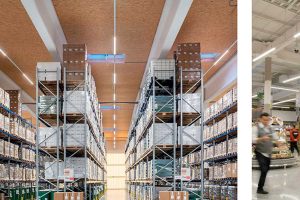
A practical look at how LED linear trunking lighting systems are used in shopping malls and warehouses, focusing on installation, optics, and real project needs.
View details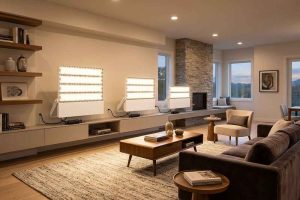
LED indoor flood light bulbs deliver focused, energy-efficient lighting for homes and commercial spaces. Learn real-world usage, brightness tips, and expert insights with SEEKINGLED.
View details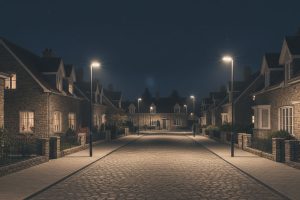
A 50W LED street light delivering up to 170 lm/W for roads, parks, and residential areas. Reliable performance and long service life by SEEKINGLED.
View details