 Seeking LED
Are LED Street Lights Better?
276Are LED street lights better for cities and roads? This guide explains real advantages, limits, and when LED street lighting actually performs better.
View detailsSearch the whole station
An ATEX LED flood light is a hazardous-area certified luminaire designed to safely illuminate explosive gas or combustible dust environments without becoming an ignition source. These fixtures combine explosion protection, low surface temperature, corrosion resistance, and high-output LED performance for industrial facilities operating under ATEX regulations.
People outside heavy industry usually think a flood light is just a brighter outdoor lamp. In hazardous locations, it becomes part of the plant’s safety infrastructure.
I learned that reality during an offshore maintenance shutdown in the Gulf several years ago. Workers were replacing aging metal halide floodlights mounted above crude transfer pumps. The old fixtures ran extremely hot. Salt corrosion had already compromised several cable entries. One damaged seal in that atmosphere could have turned a lighting issue into an ignition event.
That’s why modern ATEX LED flood light systems are engineered very differently from ordinary industrial lighting.
Hazardous industrial environments contain invisible risks.
Flammable gases, vapors, or combustible dust can accumulate unexpectedly around:
According to the European Agency for Safety and Health at Work, explosive atmospheres remain one of the most severe operational hazards in industrial environments involving volatile substances.
An ordinary flood light may generate:
Any of those can ignite surrounding gases.
An ATEX LED flood light is specifically engineered to prevent that from happening.
ATEX stands for:
ATmosphères EXplosibles
It refers to European directives regulating equipment used in explosive atmospheres.
For lighting systems, ATEX certification proves the fixture has been tested and approved for hazardous-area operation.
ATEX-certified flood lights are evaluated for:
| Requirement | Purpose |
|---|---|
| Surface temperature control | Prevent ignition |
| Explosion containment | Stop flame propagation |
| Dust ingress protection | Avoid combustible buildup |
| Mechanical durability | Maintain enclosure integrity |
| Electrical safety | Prevent arcs and sparks |
Without proper certification, lighting cannot legally operate inside many hazardous European industrial sites.
| Zone | Description |
|---|---|
| Zone 0 | Explosive gas continuously present |
| Zone 1 | Gas likely during normal operation |
| Zone 2 | Gas unlikely except under abnormal conditions |
| Zone | Description |
|---|---|
| Zone 20 | Continuous combustible dust |
| Zone 21 | Dust likely during operation |
| Zone 22 | Dust occasional or accidental |
One thing buyers often misunderstand:
Zone 2 is still hazardous.
I’ve seen contractors install standard outdoor floodlights in Zone 2 loading areas simply because “the gas risk is low.” Inspectors shut the project down immediately.
Low risk is not zero risk.
Traditional hazardous floodlights often used:
Those systems created several long-term problems:
Modern ATEX LED flood light systems solved many of these issues.
Today’s industrial hazardous LEDs commonly deliver:
According to the U.S. Department of Energy, LED industrial lighting can reduce energy consumption by up to 75% compared with traditional lighting technologies.
In offshore projects, reducing maintenance visits alone can save enormous operational cost.
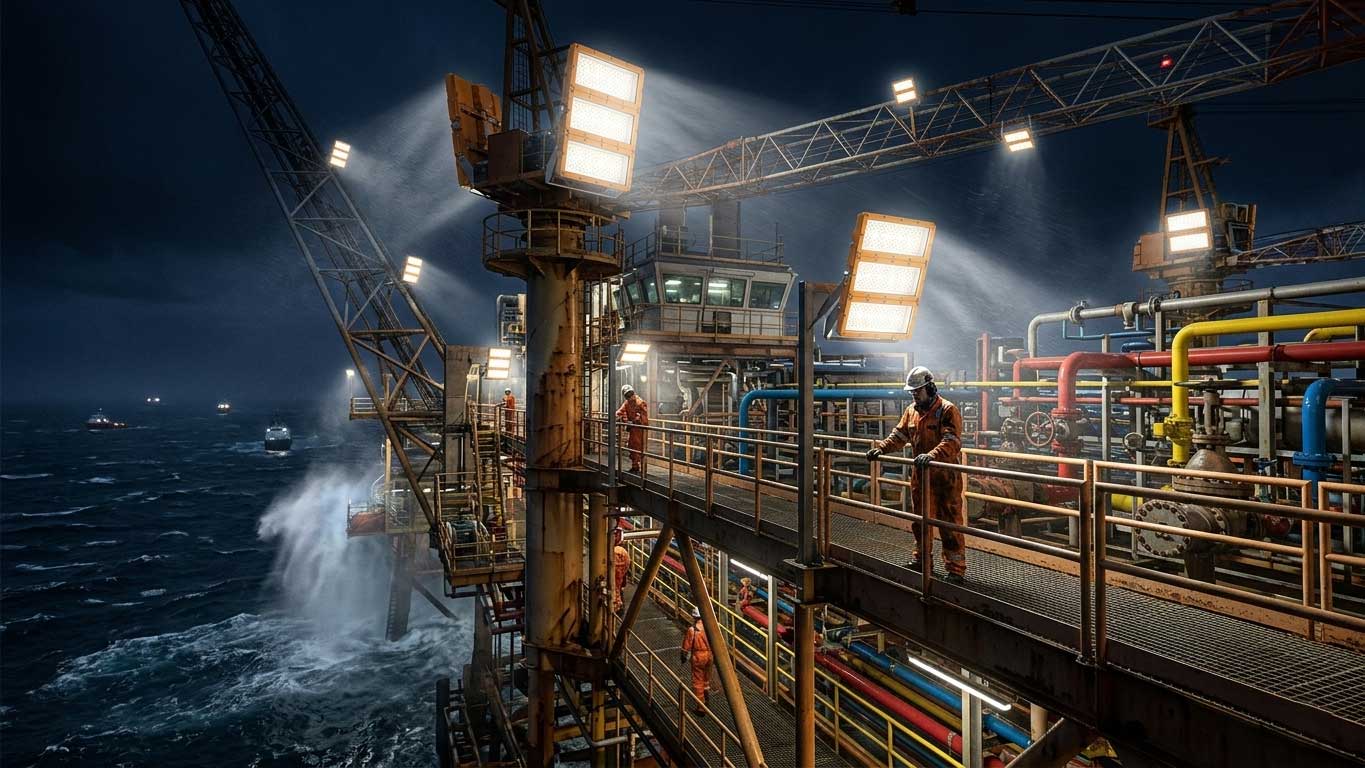
Ex d is one of the most common protection methods for hazardous flood lighting.
The enclosure is designed to:
This requires:
Ex d systems are common in:
Ex e protection focuses on preventing ignition entirely.
This includes:
Many modern fixtures combine Ex d and Ex e protection methods.
Sensitive electrical components are sealed inside resin compounds.
Commonly applied to:
This improves reliability in vibration-heavy industrial environments.
Brightness alone does not determine safety.
Surface heat matters more.
Flammable gases can ignite from hot metal surfaces without any visible spark.
That’s why ATEX LED flood light systems use T-ratings.
| T-Code | Maximum Surface Temperature |
|---|---|
| T1 | 450°C |
| T2 | 300°C |
| T3 | 200°C |
| T4 | 135°C |
| T5 | 100°C |
| T6 | 85°C |
Modern LED floodlights commonly achieve T4–T6 ratings because LEDs operate significantly cooler than HID systems.
That temperature advantage changed hazardous lighting design over the last decade.
Hazardous areas are rarely clean.
Most environments also contain:
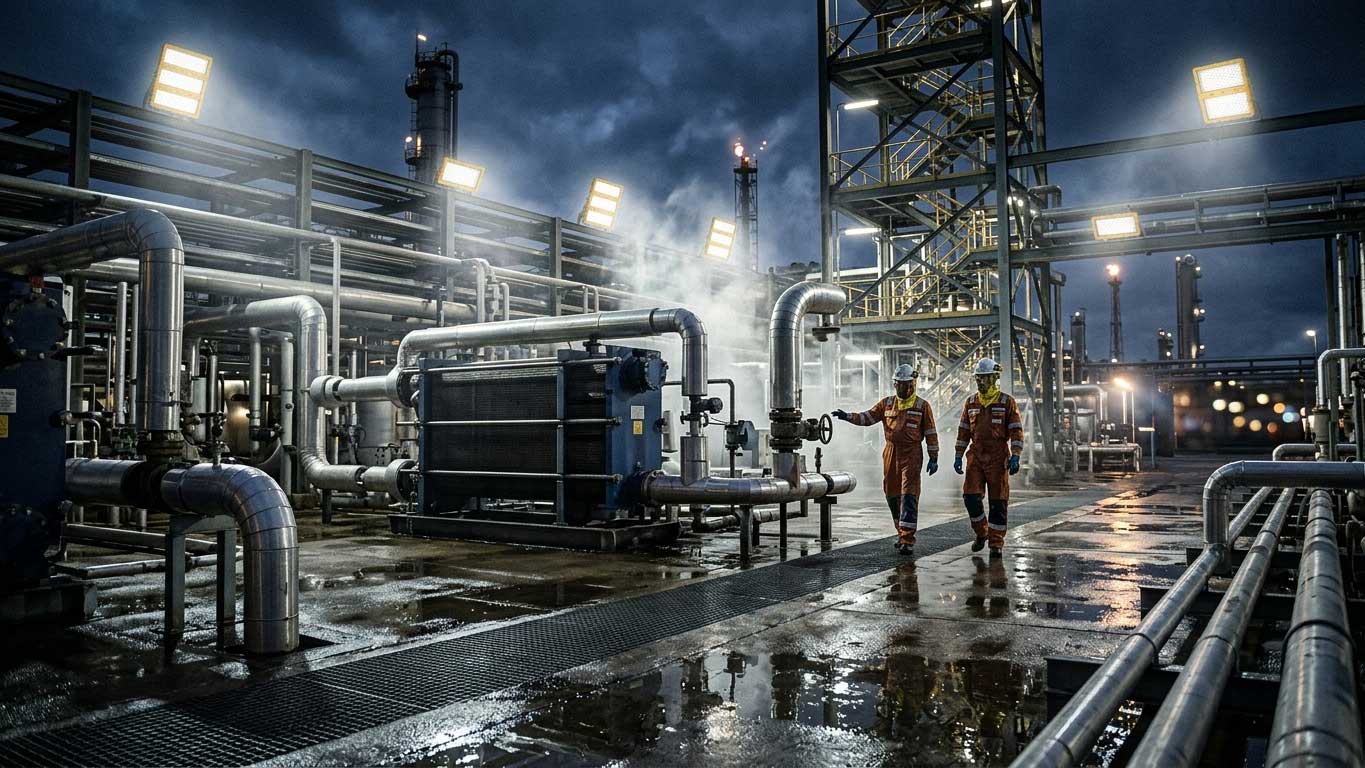
I’ve personally inspected fixtures near marine loading terminals where ordinary floodlights failed internally within two years despite appearing fine externally.
SEEKINGLED ATEX LED flood light systems are commonly engineered with:
In offshore applications, corrosion resistance often matters just as much as explosion certification.
| Feature | ATEX LED Flood Light | Standard Flood Light |
|---|---|---|
| Hazardous Area Certified | Yes | No |
| Explosion Protection | Yes | No |
| Surface Temperature Control | Strict | General |
| Corrosion Resistance | Industrial-grade | Moderate |
| Flame Containment | Yes | No |
| Legal Hazardous Use | Approved | Prohibited |
| Inspection Compliance | Certified | Non-compliant |
Externally, some fixtures may look similar.
Internally, they are completely different engineering systems.
Marine hazardous areas require:
Combustible dust hazards exist in:
Many buyers compare only lumen output.
Actual hazardous lighting selection depends on:
Real ATEX-certified fixtures include:
Verification should always come from notified bodies or manufacturer records.
One overlooked issue:
Replacing cable glands or brackets with non-certified parts.
That can invalidate the entire hazardous-area installation.
I’ve seen completed facilities fail inspection because of a single incorrect conduit fitting.
An ATEX LED flood light is a hazardous-area certified luminaire designed for explosive gas or dust environments under ATEX regulations.
Yes. Most are engineered for harsh outdoor industrial conditions including offshore and marine environments.
Generally yes. LEDs produce lower surface temperatures and require less maintenance.
Oil & gas, chemical processing, marine engineering, mining, grain handling, and fuel storage facilities.
Industrial-grade systems commonly operate between 50,000 and 100,000 hours.
SEEKINGLED hazardous flood lighting systems are designed for:
Key features include:
In hazardous environments, lighting reliability directly affects operational safety.
That’s something most facilities only fully appreciate after surviving their first unplanned shutdown inspection.
Author: Daweiboss
Brand: SEEKINGLED
Daweiboss specializes in explosion-proof and hazardous-area LED lighting systems for offshore platforms, petrochemical facilities, marine engineering projects, LNG terminals, and industrial hazardous environments. His work includes ATEX lighting retrofits, refinery safety upgrades, industrial energy-efficiency projects, and hazardous-area compliance consulting across international markets.
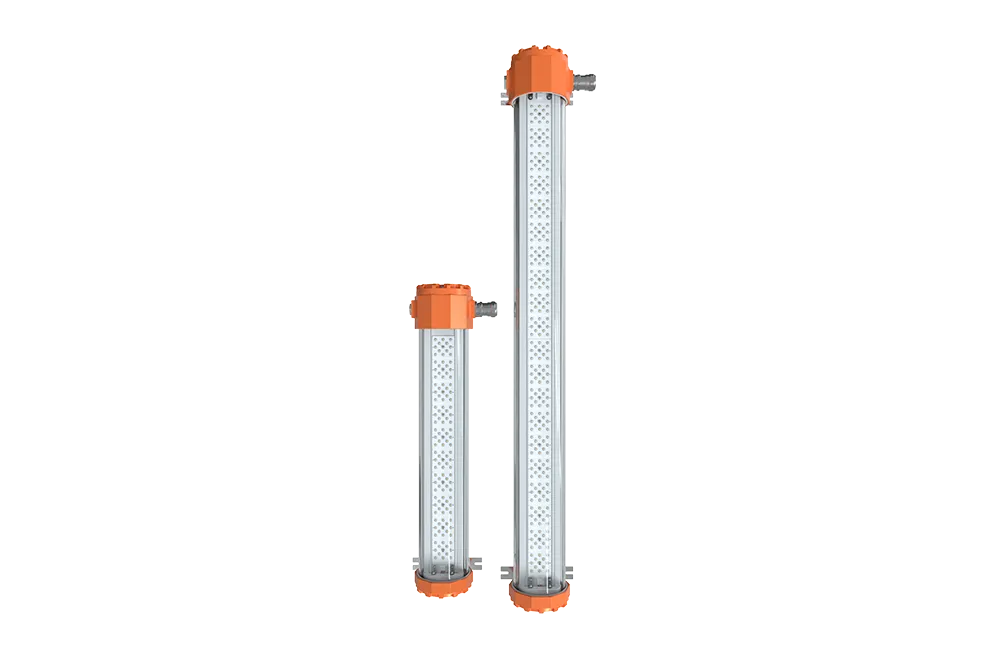
SEEKINGLED LED Linear Explosion Proof Light and Explosion Proof lighting is ATEX and IECEx certified for Zone 1, Zone 2, Zone 21 and Zone 22 hazardous locations, built for long-term industrial use.
View details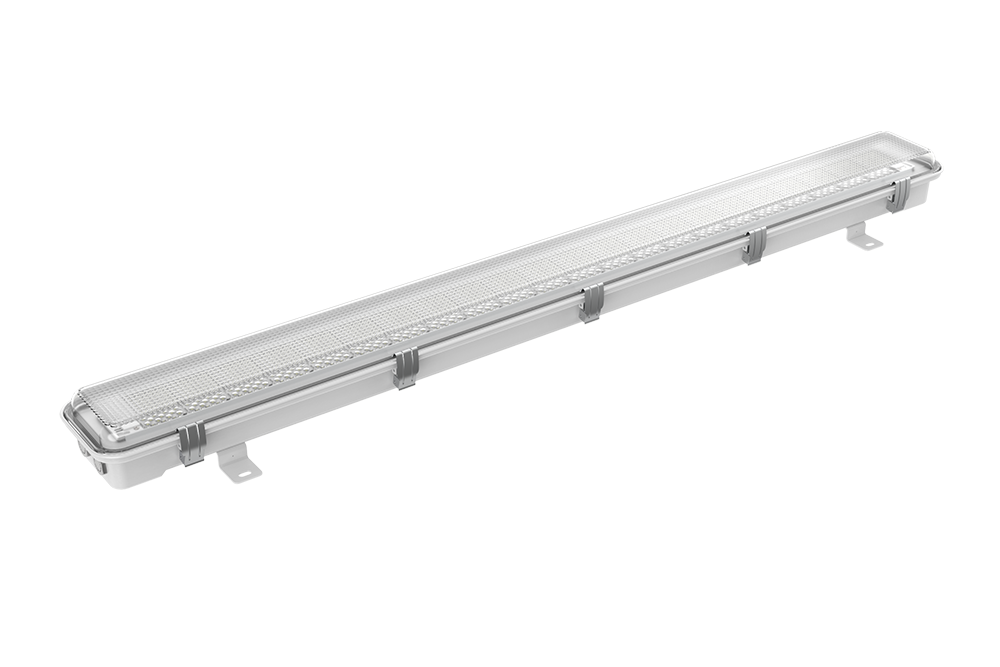
LED Linear Explosion Proof Lights and EX Proof lights for Zone 1, Zone 2, Zone 21 and Zone 22 hazardous areas. ATEX & IECEx certified explosion proof LED linear lighting with emergency function, adjustable power and IP67 protection by SEEKINGLED.
View details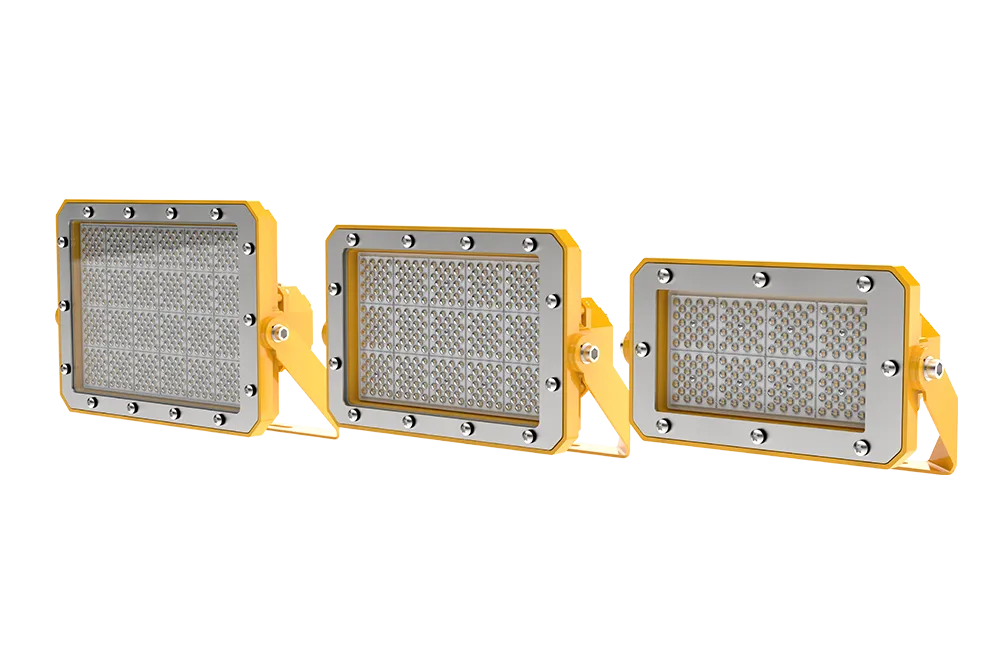
SEEKINGLED LED Explosion Proof Flood Lights are ATEX certified for Zone 2 and Zone 22 hazardous areas, offering high efficiency, adjustable power and integrated junction box.
View details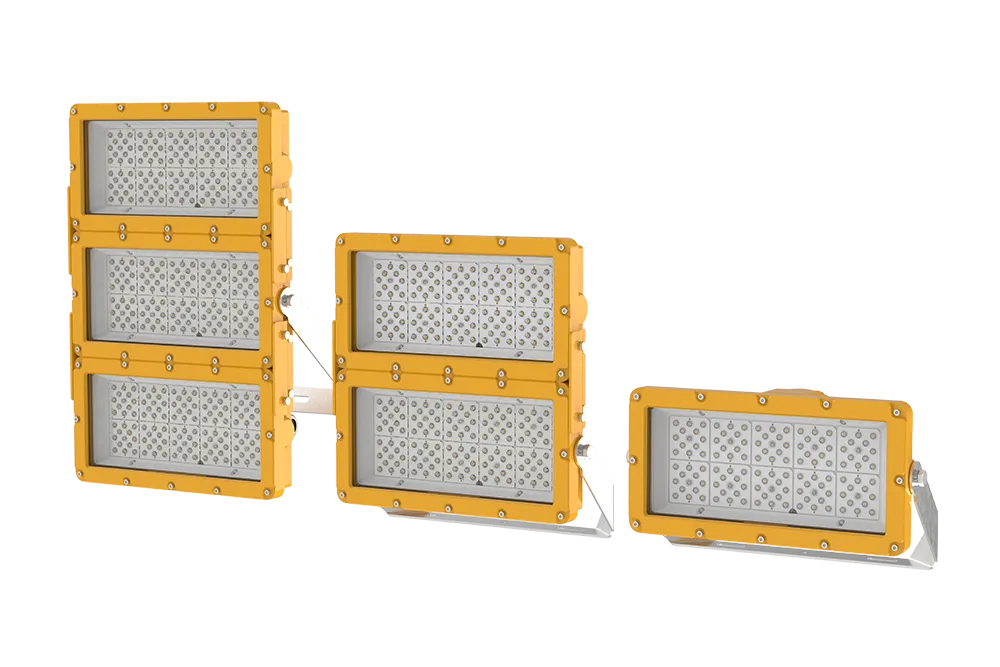
SEEKINGLED LED Explosion Proof Flood Lights are flameproof ATEX and IECEx certified for Zone 1 and Zone 2 hazardous areas, offering high power, adjustable output and long service life.
View details
SEEKINGLED LED Gas Station Canopy Lights are ATEX certified for Zone 2 and Zone 22 hazardous areas, featuring adjustable power and built-in explosion-proof junction box.
View details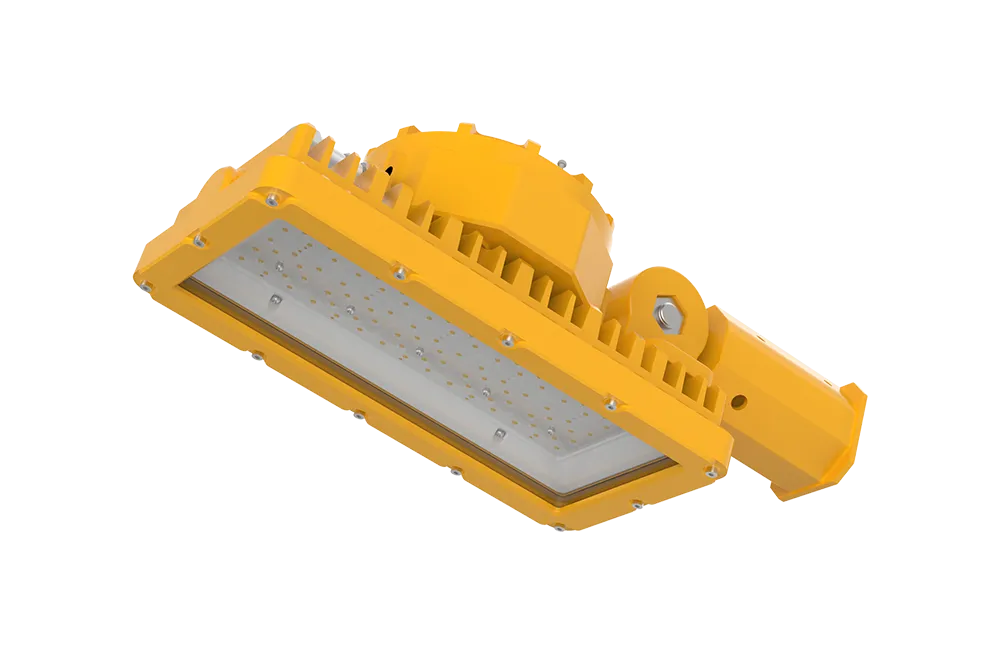
ATEX: Ex II 2G Ex db IIB T6/T5 GbEx II 2D Ex tb IIIC T80°C/ T95°C Db IECEx Ex db IIB T6 Gb;Ex tb IIIC T80°C Db Feature: ● For Zone 1,2 and Zone 21,22● Flameproof type, the strongest● 100W can replace 250W HID,energy saving● Power:60W,80W,100W Application: Oil and gas, marine, Chemical, pharmaceutical, semiconductor,mining,military industr…
View details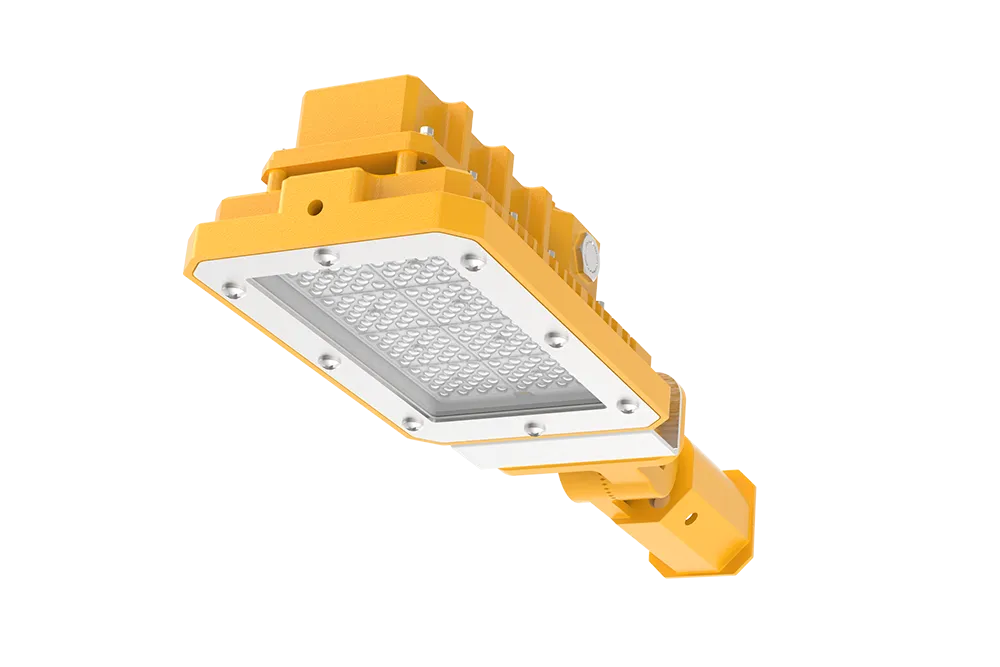
ATEX: II 3G Ex nR ⅡC T5/T6 GcII 3D Ex tc ⅢC T80℃/T95℃Dc ATEX Certificate NO: TÜV CY 26 ATEX 0207611 X Feature: ● For Zone 2 and Zone 22● 150W can replace 250W HID lamps,Energy saving● Power:50W,75W,100W,150W,200W Application: Oil and gas, marine, Chemical, pharmaceutical, semiconductor,mining,military industry, paint booth,power plant ETC…
View details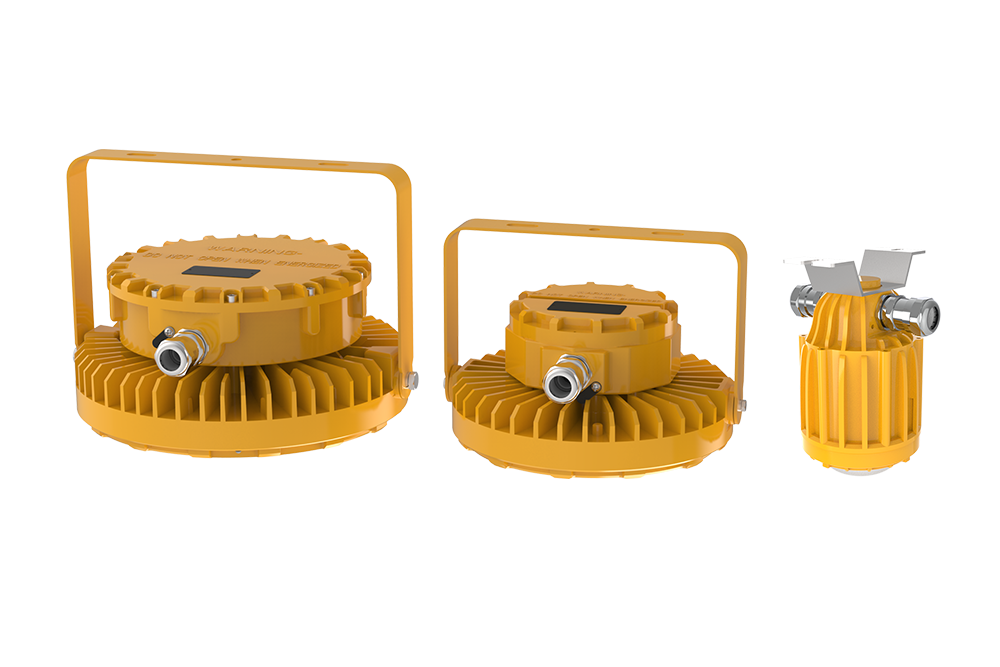
LED explosion proof high bay lights are designed for Zone 1, Zone 2, Zone 21 and Zone 22 hazardous areas. This page introduces the HB21 Series from SEEKING, including certifications, power options and real application considerations.
View details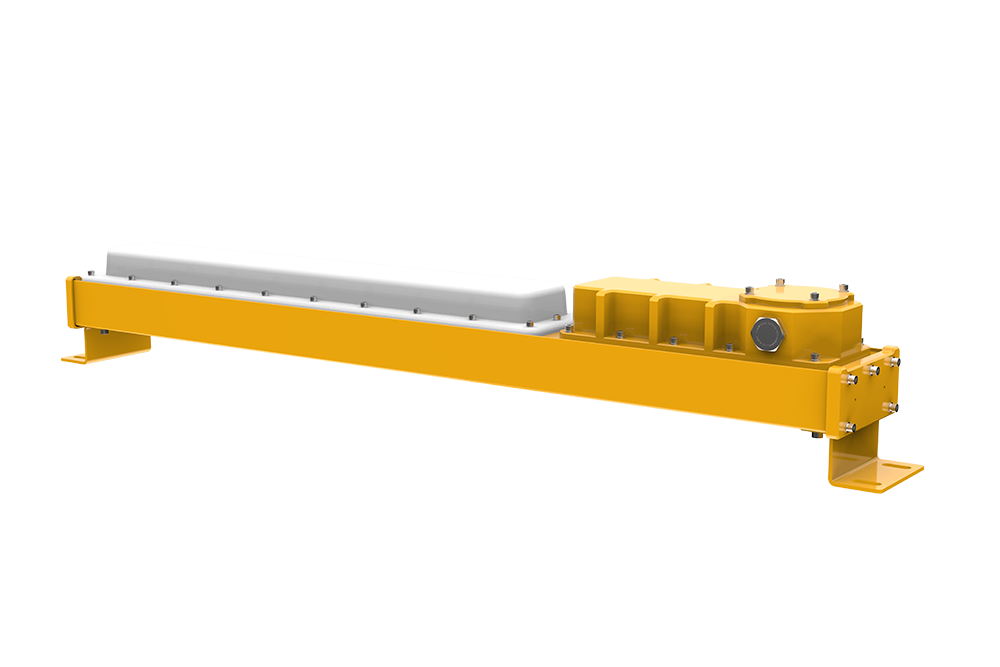
LED Linear Explosion Proof Lights from SEEKINGLED. LU Series Flame Proof lights ATEX-certified explosion proof LED linear lighting for Zone 2 gas and Zone 22 dust areas, IP69K, IK10, long lifetime and flexible power options.
View details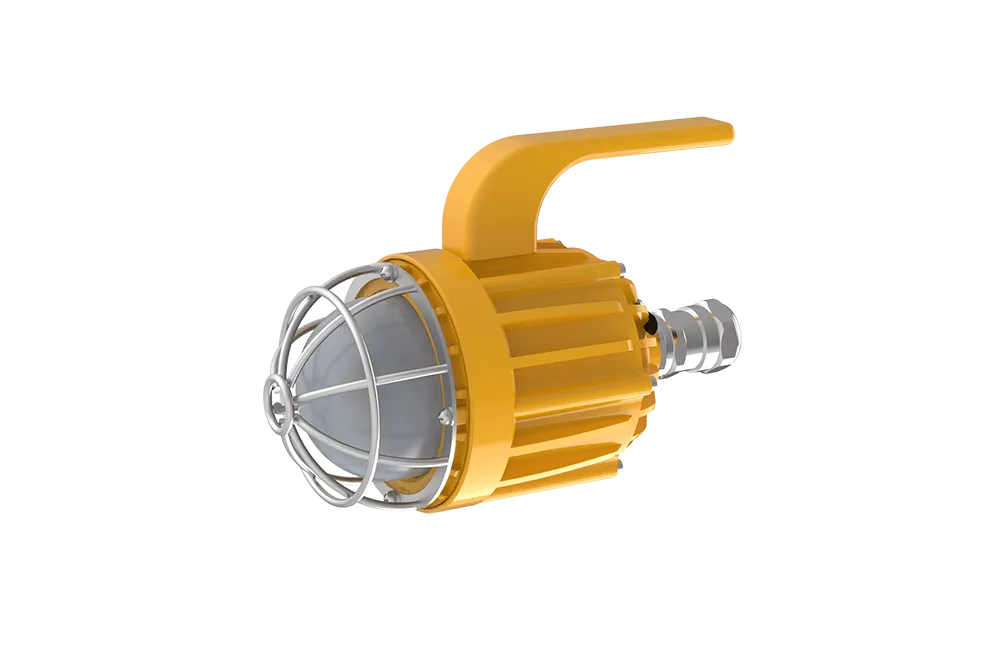
Certified explosion proof work lights for Zone 1 & 21 hazardous areas. Portable, ATEX & IECEx approved, built for oil, gas and chemical plants by SEEKINGLED.
View details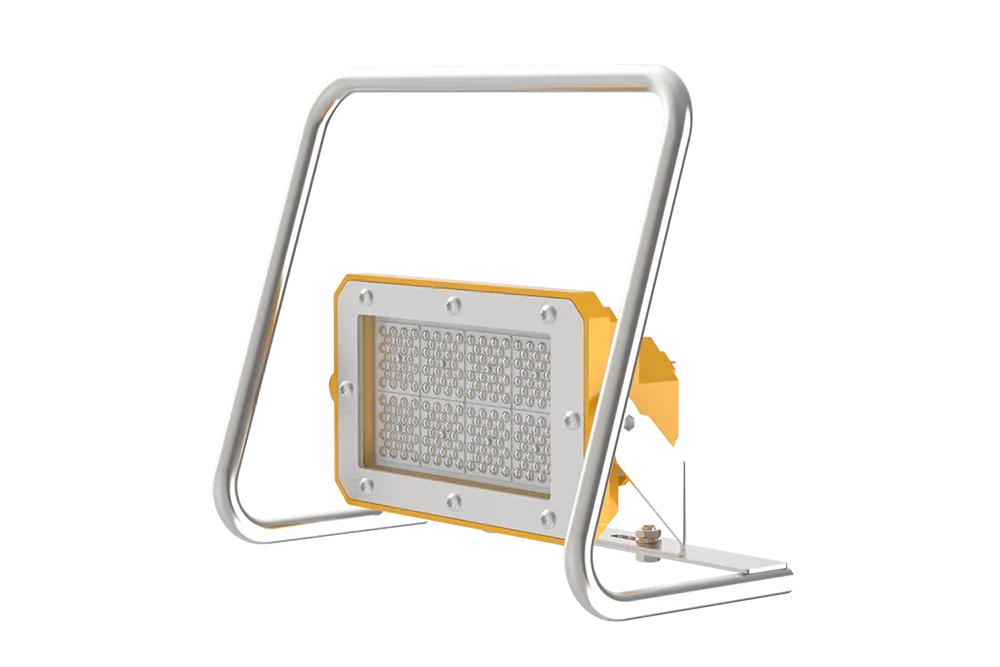
ATEX: II 3G Ex nR ⅡC T6 GcII 3D Ex tc ⅢC T80℃ Dc ATEX Certificate NO: TÜV CY 26 ATEX 0207611 X Feature: ● For Zone 2 and Zone 22● Accepts battery-powered supply● indestructible● Power:AC input:50W,75W,100WDC input:15W,25W,35W Application: Oil and gas, marine, Chemical, pharmaceutical, semiconductor,mining,military industry, paint booth,po…
View details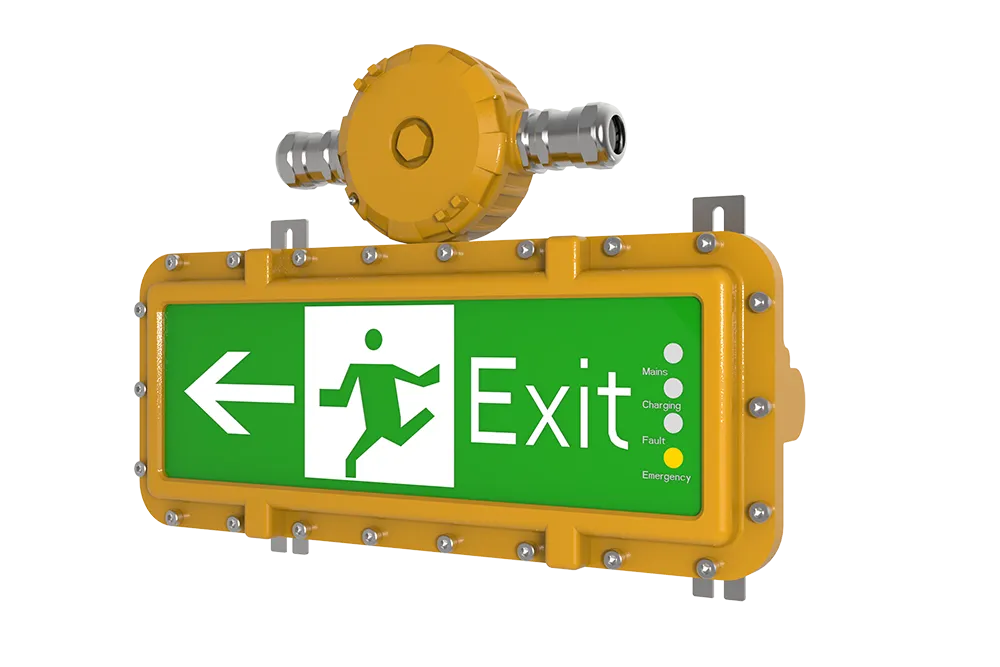
ATEX: Ex II 2G Ex db IIB T6 GbEx II 2D Ex tb IIIC T80°C Db IECEx Ex db IIB T6 Gb;Ex tb IIIC T80°C Db Feature: ● For Zone 1,2 and Zone 21,22● Flameproof type, the strongest Application: Oil and gas, marine, Chemical, pharmaceutical, semiconductor,mining,military industry, paint booth,power plant ETC hazardous area. Technical Specifications:…
View details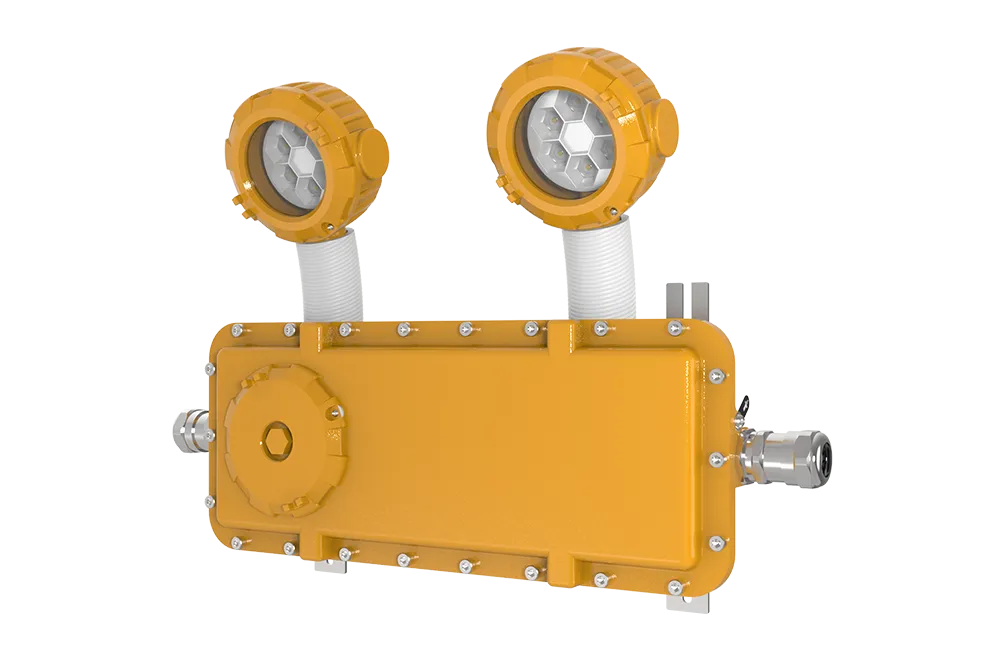
ATEX: Ex II 2G Ex db IIB T6 GbEx II 2D Ex tb IIIC T80°C Db IECEx Ex db IIB T6 Gb;Ex tb IIIC T80°C Db Feature: ● For Zone 1,2 and Zone 21,22● Flameproof type, the strongest Application: Oil and gas, marine, Chemical, pharmaceutical, semiconductor,mining,military industry, paint booth,power plant ETC hazardous area. Technical Specifications:…
View details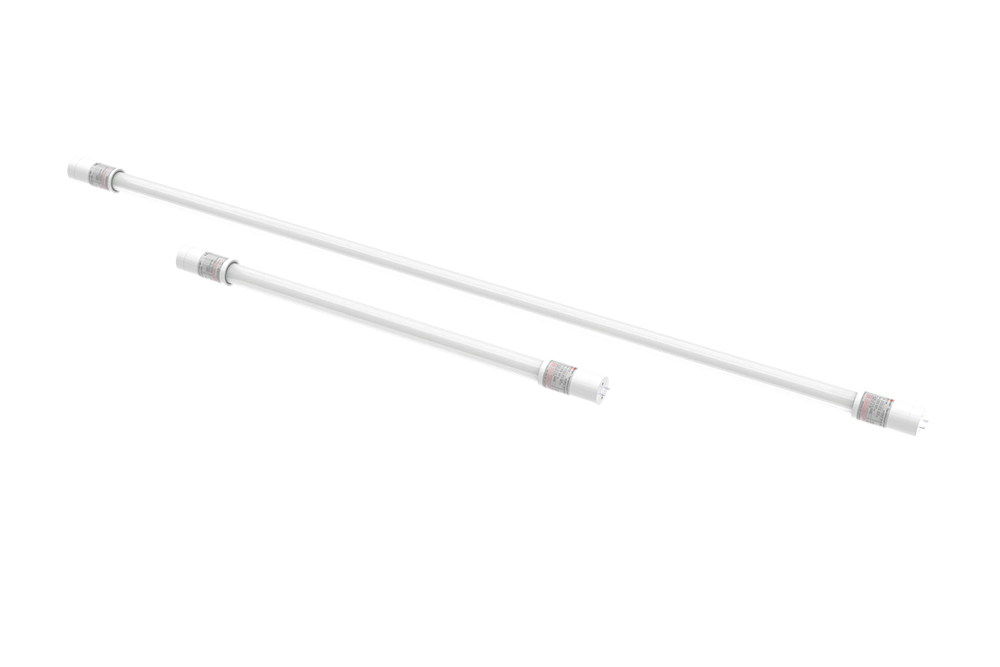
ATEX: Ex II 2G Ex d e IIB T6 Gb ATEX: Ex d e IIB T6 Gb; Feature: ● For Zone 1,2● 9W can replace 18W fluorescent lamps,50% Energy saving Application: Oil and gas, marine, Chemical, pharmaceutical, semiconductor,mining,military industry, paint booth,power plant ETC hazardous area. Technical Specifications: Standards:60079-0, 60079-1, 60079…
View details
Are LED street lights better for cities and roads? This guide explains real advantages, limits, and when LED street lighting actually performs better.
View details
Explore the 60w led explosion proof light for hazardous areas. Learn ATEX certification, industrial applications, LED efficiency, and selection tips from SEEKINGLED.
View details
What is an atex rating? Learn how ATEX certification protects hazardous areas, explains equipment categories, zones, and safe LED lighting solutions.
View details
Can industrial high bay LED lighting meet real industrial needs? This Q&A explains applications, limits, mounting conditions, and real use cases.
View details