 Seeking LED
Class 1 Div 2 LED Lighting for Hazardous Industrial Applications
0Class 1 Div 2 LED lighting delivers certified hazardous-location illumination with lower maintenance, energy savings, and reliable industrial performance.
View detailsSearch the whole station
LED lighting for hazardous areas is specifically engineered and certified for environments where explosive gases, vapors, or combustible dust may be present. Properly certified fixtures improve workplace safety, reduce maintenance, increase energy efficiency, and comply with international hazardous-location standards for industrial operations.
Walk through almost any refinery or chemical processing plant built twenty years ago and you’ll probably still find aging fluorescent explosion-proof fixtures hanging above process lines. They often work—but only just. Some have yellowed diffusers. Others vibrate slightly when large compressors start. Maintenance crews know every replacement means permits, gas testing, and production coordination.
That reality is why industrial lighting has changed so quickly.
At SEEKINGLED, we’ve worked alongside EPC contractors, electrical engineers, and maintenance teams on hazardous-area lighting upgrades across petrochemical plants, offshore platforms, marine facilities, and pharmaceutical production sites. One pattern appears repeatedly: facilities rarely replace lighting because it has become inefficient alone. They replace it because maintenance risk eventually costs more than electricity.
Choosing led lighting for hazardous areas is therefore less about buying brighter fixtures and more about reducing operational risk over the next decade.
Unlike ordinary industrial luminaires, led lighting for hazardous areas is designed to operate safely in locations where explosive atmospheres may occasionally—or continuously—exist.
The fixture itself becomes part of the explosion protection strategy.
Every component, from the housing to the cable entry, thermal design, driver, sealing system, and lens construction, must work together to prevent ignition under specified operating conditions.
Internationally, hazardous-area equipment is generally designed according to standards within the IEC 60079 series.
Official reference:
https://www.iec.ch/dyn/www/f?p=103:7:0::::FSP_ORG_ID,FSP_LANG_ID:1255,25
Instead of asking,
“How many lumens does this light produce?”
Experienced project engineers usually ask first,
“Which hazardous zone is this certified for?”
That single question often determines whether the product can legally be installed.
A common misconception is that explosion-proof lighting is simply a stronger industrial fixture.
It isn’t.
Certification verifies that the luminaire has successfully passed testing covering:
| Certification Requirement | Why It Matters |
|---|---|
| Explosion protection | Prevents ignition of surrounding atmosphere |
| Surface temperature control | Keeps housing below ignition limits |
| Mechanical impact testing | Ensures enclosure integrity |
| Dust and water ingress testing | Protects electrical components |
| Electrical safety verification | Maintains safe operation during faults |
Within Europe, equipment intended for explosive atmospheres must comply with the ATEX Directive 2014/34/EU before being placed on the market.
Official European Commission guidance:
https://single-market-economy.ec.europa.eu/sectors/mechanical-engineering/atex_en
Brightness improves visibility.
Certification protects people.
The distinction is far more important than many first-time buyers realize.
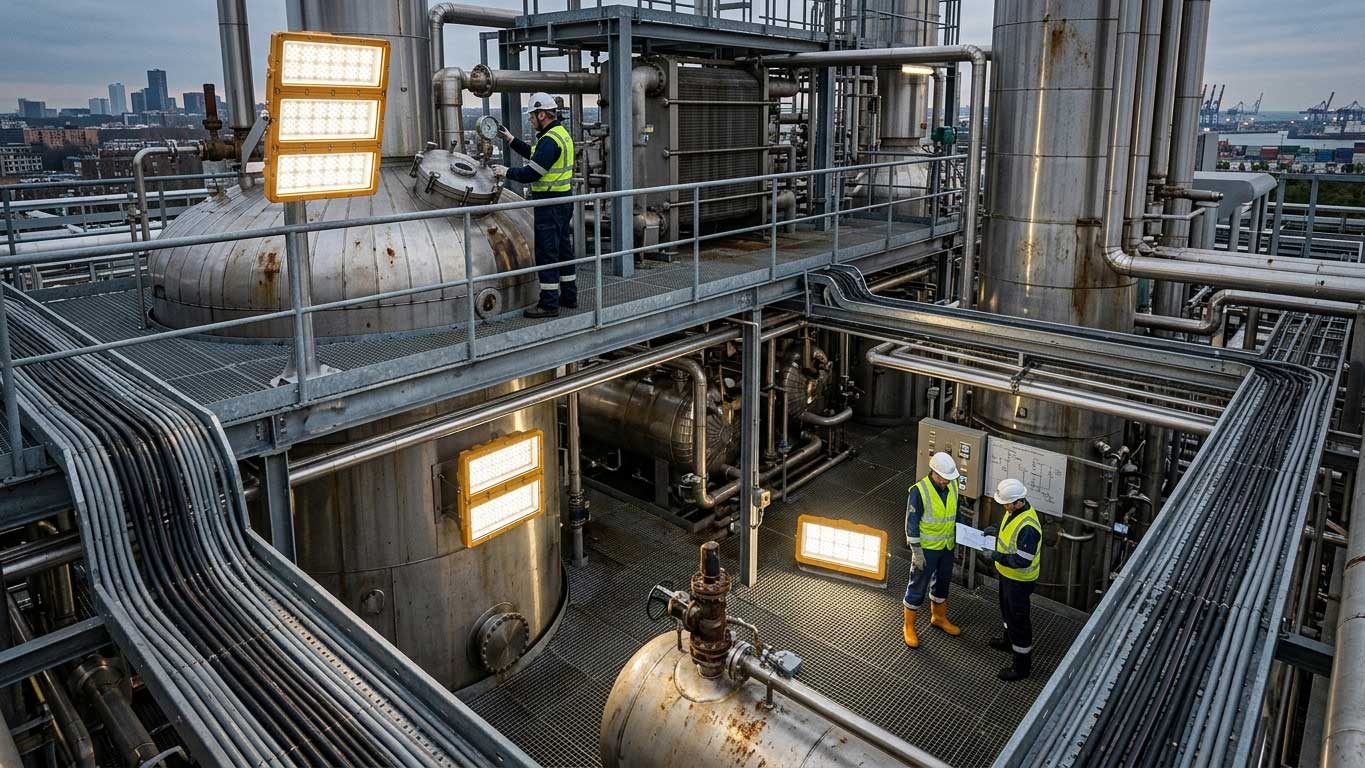
Hazardous environments are found in more industries than many people expect.
Oil and gas production is the obvious example, but combustible dust can create equally serious explosion risks in food manufacturing, grain storage, and pharmaceutical production.
Typical applications include:
The Occupational Safety and Health Administration (OSHA) requires electrical equipment installed in hazardous (classified) locations to be approved for the specific hazardous environment.
Official OSHA reference:
https://www.osha.gov/laws-regs/regulations/standardnumber/1910/1910.307
That requirement influences equipment selection long before construction begins.
In conversations with maintenance managers, electricity savings are rarely the first reason for replacing old hazardous-area lighting.
Maintenance usually comes first.
Replacing one failed luminaire inside a classified process area may involve:
Reducing those interventions often delivers greater operational value than reducing electricity consumption alone.
Energy efficiency still matters, however.
According to the U.S. Department of Energy, LED technology offers significantly longer service life while reducing lighting energy consumption compared with conventional lighting technologies.
Official source:
https://www.energy.gov/eere/ssl
From practical experience, facilities that replace aging fluorescent hazardous-area fixtures with properly specified LED systems generally notice two immediate improvements.
The first is more consistent illumination across work surfaces.
The second is that maintenance teams spend far less time changing lamps and more time maintaining production equipment.
Before selecting any luminaire, engineers identify the hazardous classification of the installation area.
Explosive gas is present continuously or for long periods.
Only specially certified equipment may be installed.
Explosive gas atmospheres may occur during normal operation.
Many processing units, filling stations, and chemical production areas fall within this category.
Explosive atmospheres are unlikely during normal operation but may occur under abnormal conditions such as equipment failure.
Correct zone identification remains one of the most important steps in selecting led lighting for hazardous areas, because certification must always match the classified location.
If there’s one lesson we’ve learned after supporting industrial lighting projects, it’s this: the best fixture on paper isn’t always the best fixture for the site.
A specification sheet tells you what a luminaire can do under controlled conditions. A refinery, offshore platform, or solvent storage facility tells a different story.
Before recommending any solution, our engineers usually work through the following checklist with the customer.
| Selection Factor | Why It Should Be Evaluated |
|---|---|
| Hazardous zone | Determines whether the luminaire is suitable for Zone 1, Zone 2, Zone 21, or Zone 22. |
| Gas or dust classification | Ensures compatibility with the site’s explosion protection requirements. |
| Temperature class | Confirms the maximum surface temperature remains below the ignition temperature of hazardous substances. |
| Mounting height | Affects beam angle, spacing, and lighting uniformity. |
| Ambient temperature | Influences LED driver stability and service life. |
| Corrosive environment | Determines whether marine-grade materials or enhanced corrosion protection are required. |
| Installation method | Ceiling, wall, pendant, or pole mounting may require different fixture configurations. |
One detail that is frequently underestimated is optical distribution.
During a chemical processing project, a customer requested higher wattage because operators complained about poor visibility. After reviewing the installation, we found that the problem wasn’t insufficient brightness—it was uneven light distribution caused by outdated optics. By selecting a wider beam pattern rather than increasing power consumption, the working area became noticeably brighter where it mattered most, without increasing energy use.
Good hazardous-area lighting isn’t simply brighter.
It’s more usable.
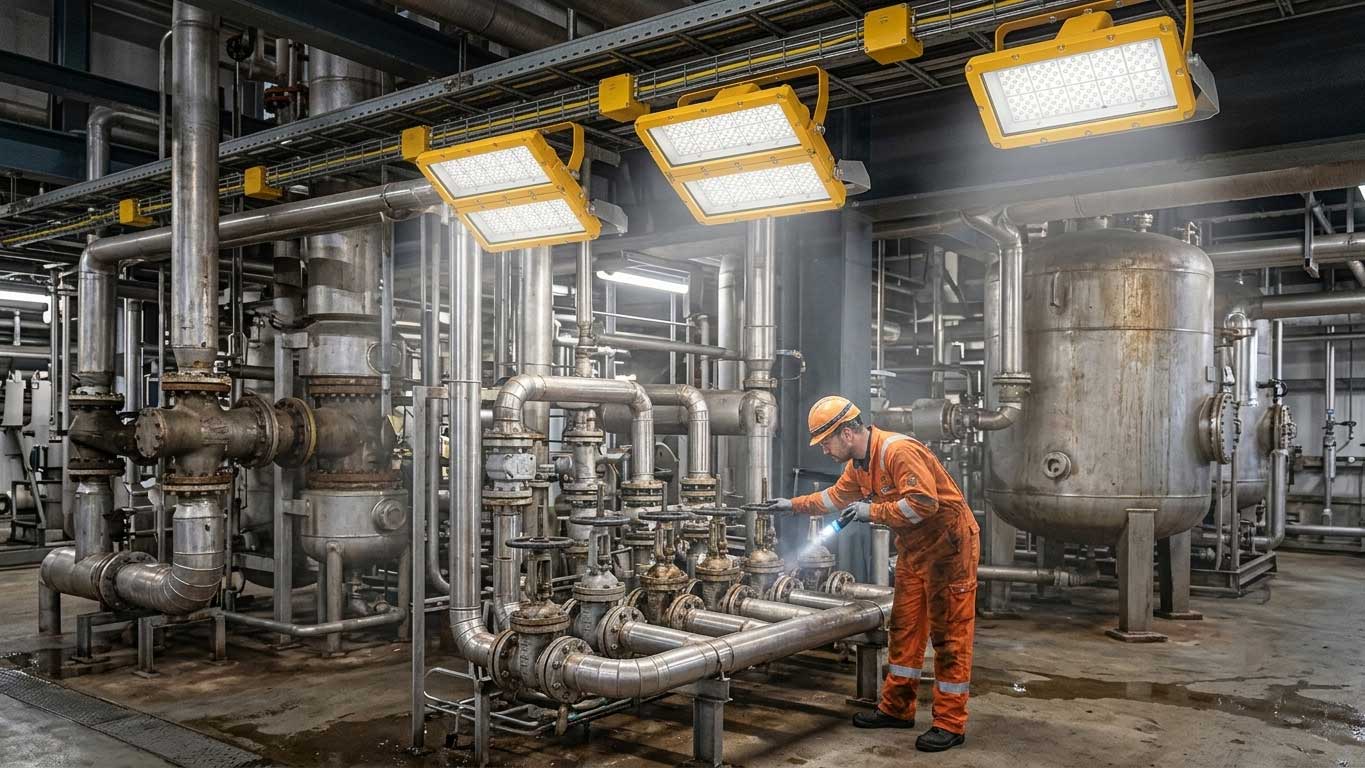
Industrial lighting has evolved considerably over the last decade.
Many facilities still operate fluorescent explosion-proof luminaires installed years ago, but new construction and modernization projects increasingly specify LED technology because of its operational advantages.
| Comparison | LED Lighting for Hazardous Areas | Explosion-Proof Fluorescent Lighting |
|---|---|---|
| Energy efficiency | High | Moderate |
| Lamp replacement | Rarely required | Regular tube replacement |
| Start-up performance | Instant illumination | Slower, particularly in cold environments |
| Resistance to vibration | Excellent | Moderate |
| Light output over time | Stable | Gradually decreases |
| Maintenance frequency | Low | Higher |
| Total lifecycle cost | Lower | Higher |
The financial difference becomes even more significant in classified areas.
Changing a lamp inside an ordinary warehouse may take only a few minutes.
Replacing one inside a hazardous processing unit often requires production planning, gas detection, work permits, safety supervision, and temporary equipment isolation.
Reducing maintenance visits can therefore produce savings that are difficult to see on a product quotation—but very easy to measure over several years of operation.Visit the product page: Explosion proof lights
At SEEKINGLED, hazardous-area lighting is developed around practical operating conditions rather than ideal laboratory environments.
Our engineering priorities include:
Rather than recommending identical fixtures for every application, we evaluate each project individually, considering environmental conditions, maintenance objectives, hazardous classifications, and installation requirements.
That engineering-led approach has supported projects across oil & gas, chemical processing, pharmaceutical manufacturing, marine engineering, wastewater treatment, and heavy industrial production.
Hazardous-area LED lighting is designed and certified to prevent electrical equipment from becoming an ignition source. Certified fixtures incorporate explosion-protection designs, controlled surface temperatures, robust enclosures, and verified compliance with applicable hazardous-location standards.
No.
Standard industrial luminaires are not tested or certified for explosive atmospheres. Only fixtures carrying the appropriate certification for the classified area should be installed.
Depending on your market, common certifications include:
The required certification depends on regional regulations and the hazardous classification of the installation site.
Service life varies according to operating conditions and driver quality, but high-quality industrial LED luminaires are commonly designed for 50,000 to 100,000 operating hours when operated within their rated environmental limits.
For most new industrial installations, yes.
LED systems generally provide lower maintenance requirements, improved energy efficiency, more stable illumination, better vibration resistance, and longer operating life.
Typical industries include:
Selecting led lighting for hazardous areas is not simply a purchasing decision—it’s part of an industrial facility’s overall safety strategy.
A properly certified luminaire helps reduce ignition risks, improves visibility for daily operations, lowers long-term maintenance requirements, and supports compliance with internationally recognized hazardous-location standards.
From our experience at SEEKINGLED, the most successful projects begin by understanding the environment first and selecting the fixture second. Hazardous classifications, operating temperatures, optical performance, and certification should always guide the decision long before wattage or purchase price enters the discussion.
When those fundamentals are addressed correctly, led lighting for hazardous areas becomes more than an illumination system. It becomes a long-term investment in operational reliability, workforce safety, and sustainable industrial performance.
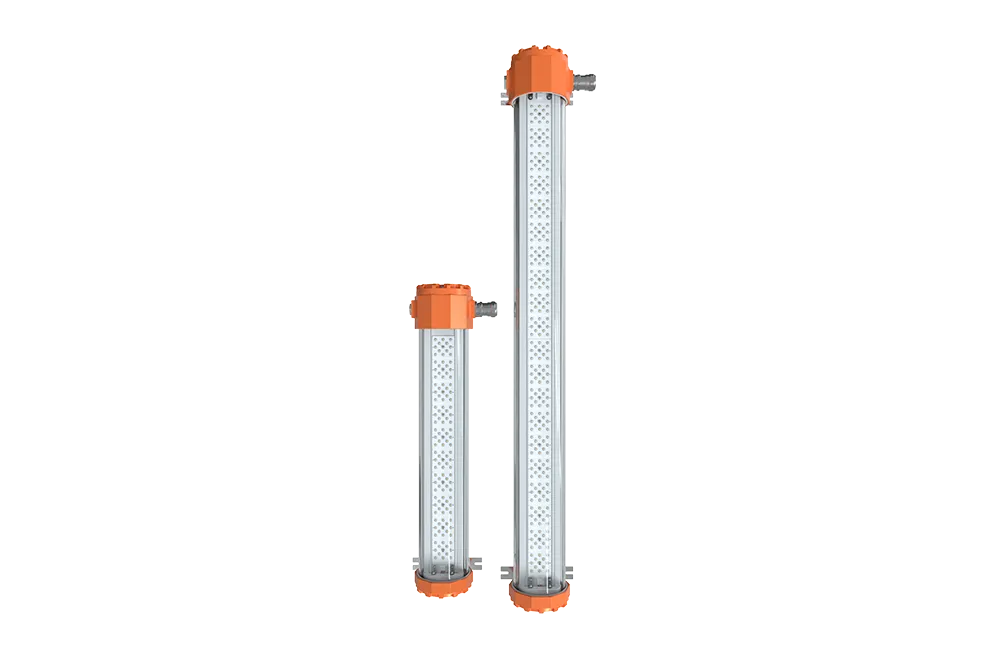
SEEKINGLED LED Linear Explosion Proof Light and Explosion Proof lighting is ATEX and IECEx certified for Zone 1, Zone 2, Zone 21 and Zone 22 hazardous locations, built for long-term industrial use.
View details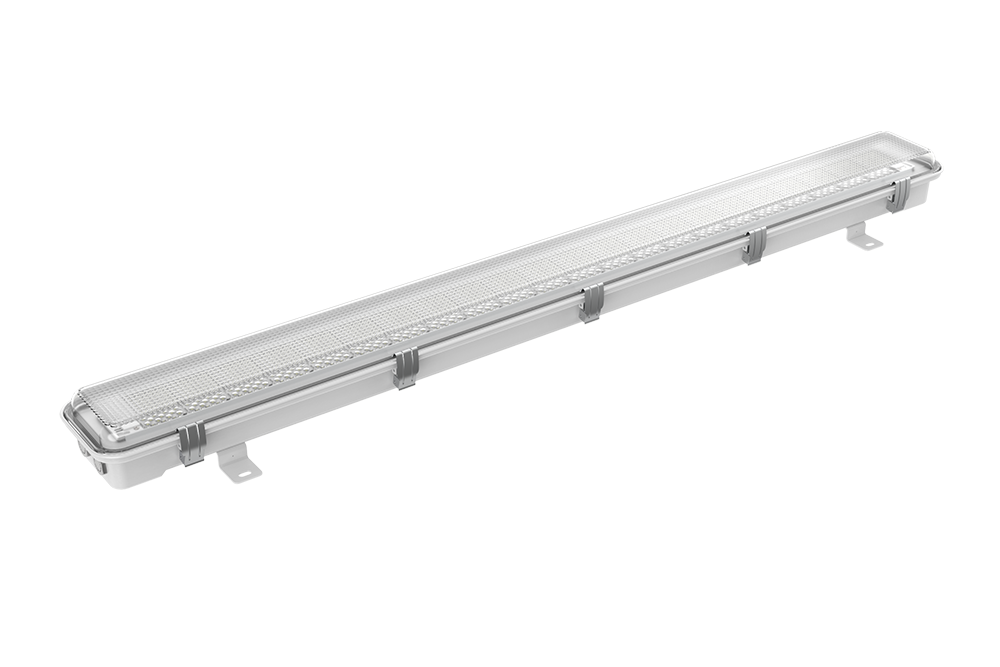
LED Linear Explosion Proof Lights and EX Proof lights for Zone 1, Zone 2, Zone 21 and Zone 22 hazardous areas. ATEX & IECEx certified explosion proof LED linear lighting with emergency function, adjustable power and IP67 protection by SEEKINGLED.
View details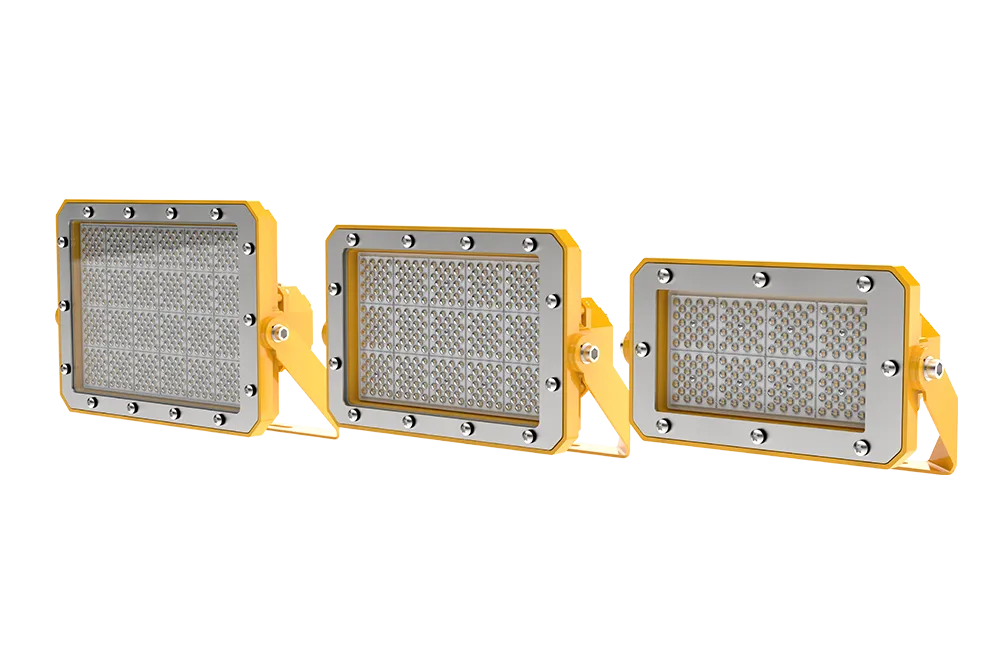
SEEKINGLED LED Explosion Proof Flood Lights are ATEX certified for Zone 2 and Zone 22 hazardous areas, offering high efficiency, adjustable power and integrated junction box.
View details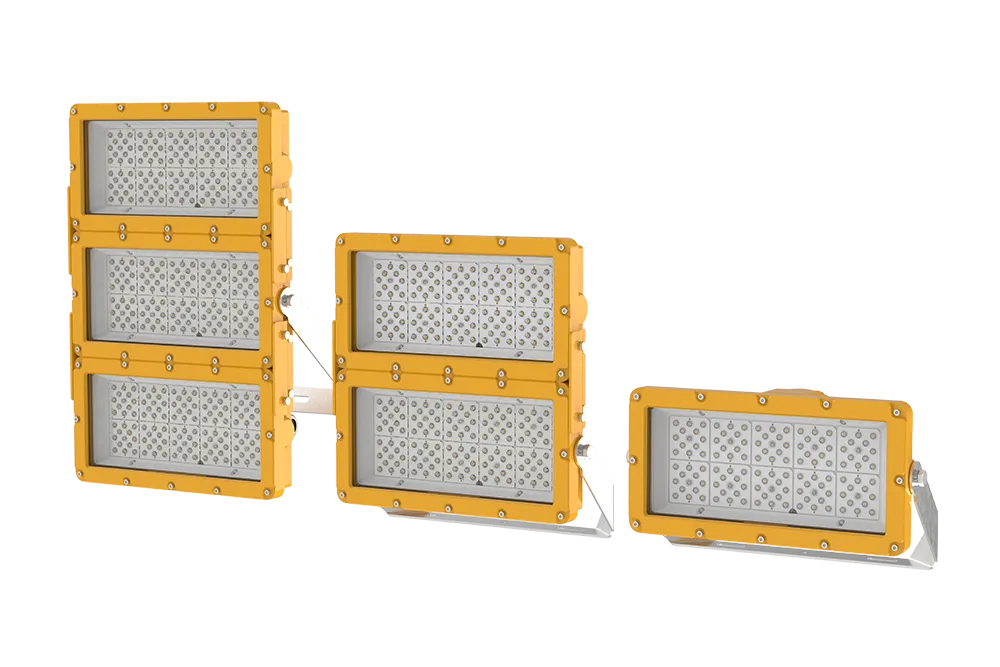
SEEKINGLED LED Explosion Proof Flood Lights are flameproof ATEX and IECEx certified for Zone 1 and Zone 2 hazardous areas, offering high power, adjustable output and long service life.
View details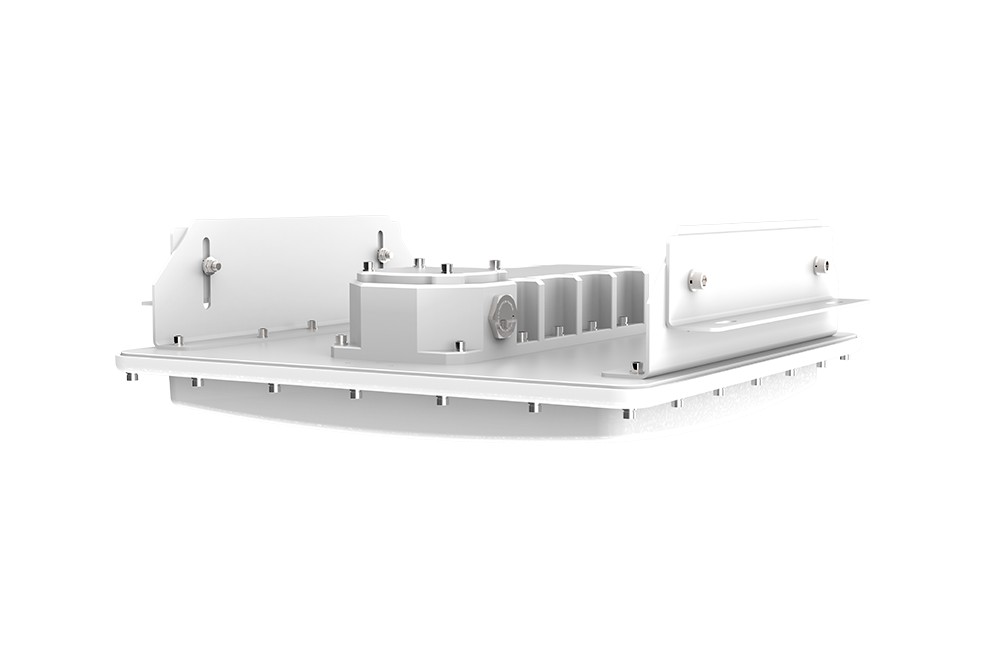
SEEKINGLED LED Gas Station Canopy Lights are ATEX certified for Zone 2 and Zone 22 hazardous areas, featuring adjustable power and built-in explosion-proof junction box.
View details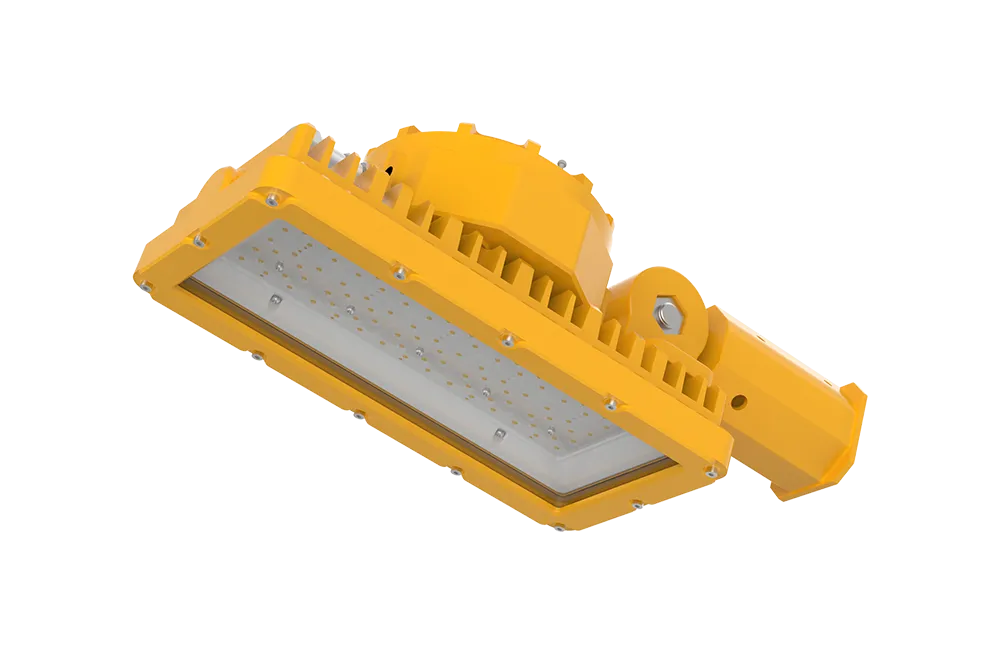
ATEX: Ex II 2G Ex db IIB T6/T5 GbEx II 2D Ex tb IIIC T80°C/ T95°C Db IECEx Ex db IIB T6 Gb;Ex tb IIIC T80°C Db Feature: ● For Zone 1,2 and Zone 21,22● Flameproof type, the strongest● 100W can replace 250W HID,energy saving● Power:60W,80W,100W Application: Oil and gas, marine, Chemical, pharmaceutical, semiconductor,mining,military industr…
View details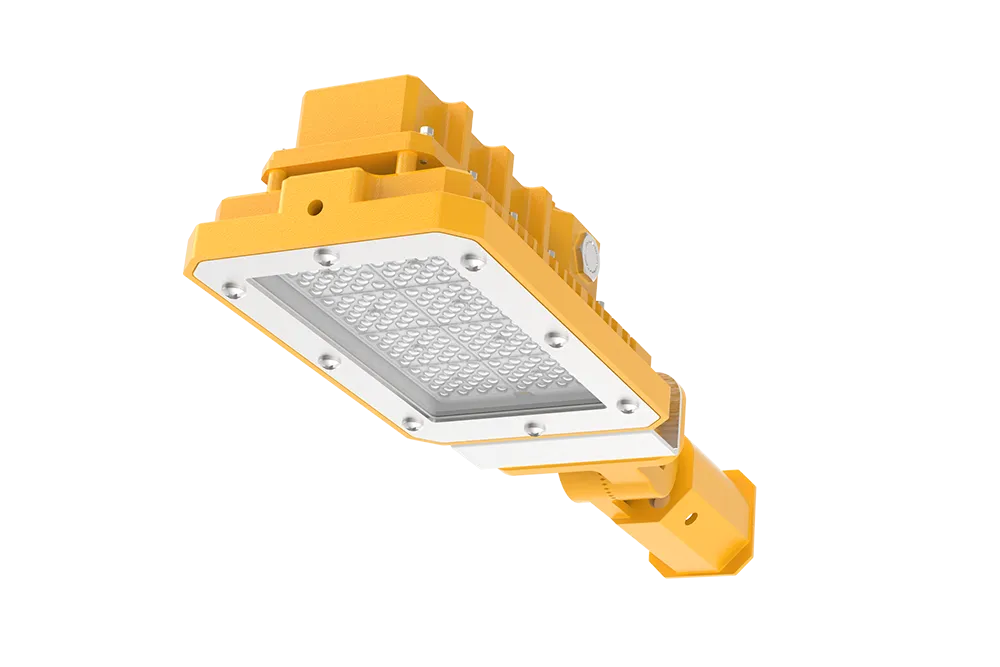
ATEX: II 3G Ex nR ⅡC T5/T6 GcII 3D Ex tc ⅢC T80℃/T95℃Dc ATEX Certificate NO: TÜV CY 26 ATEX 0207611 X Feature: ● For Zone 2 and Zone 22● 150W can replace 250W HID lamps,Energy saving● Power:50W,75W,100W,150W,200W Application: Oil and gas, marine, Chemical, pharmaceutical, semiconductor,mining,military industry, paint booth,power plant ETC…
View details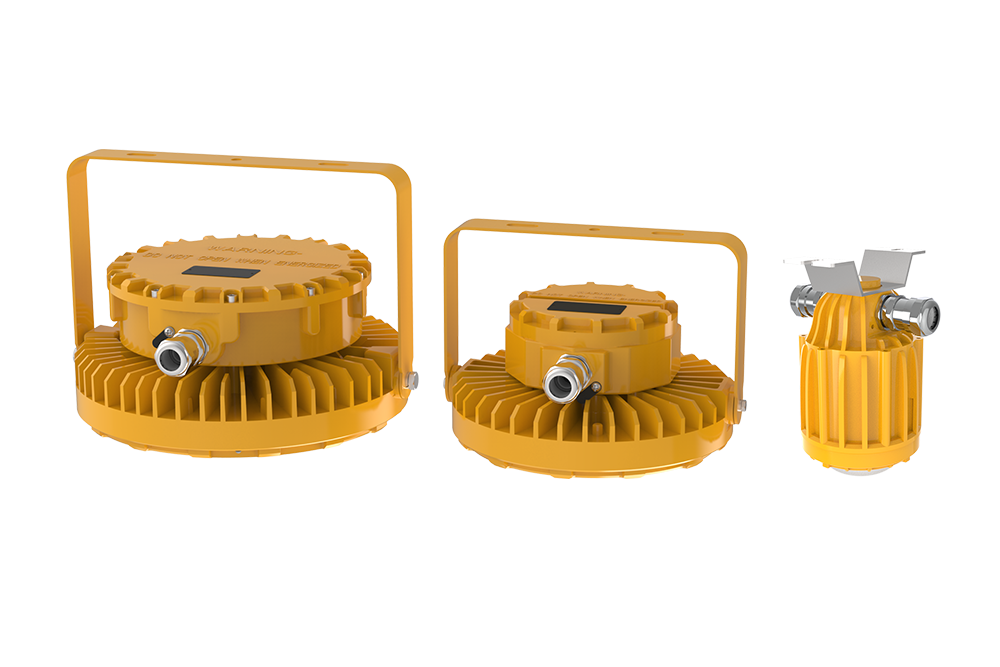
LED explosion proof high bay lights are designed for Zone 1, Zone 2, Zone 21 and Zone 22 hazardous areas. This page introduces the HB21 Series from SEEKING, including certifications, power options and real application considerations.
View details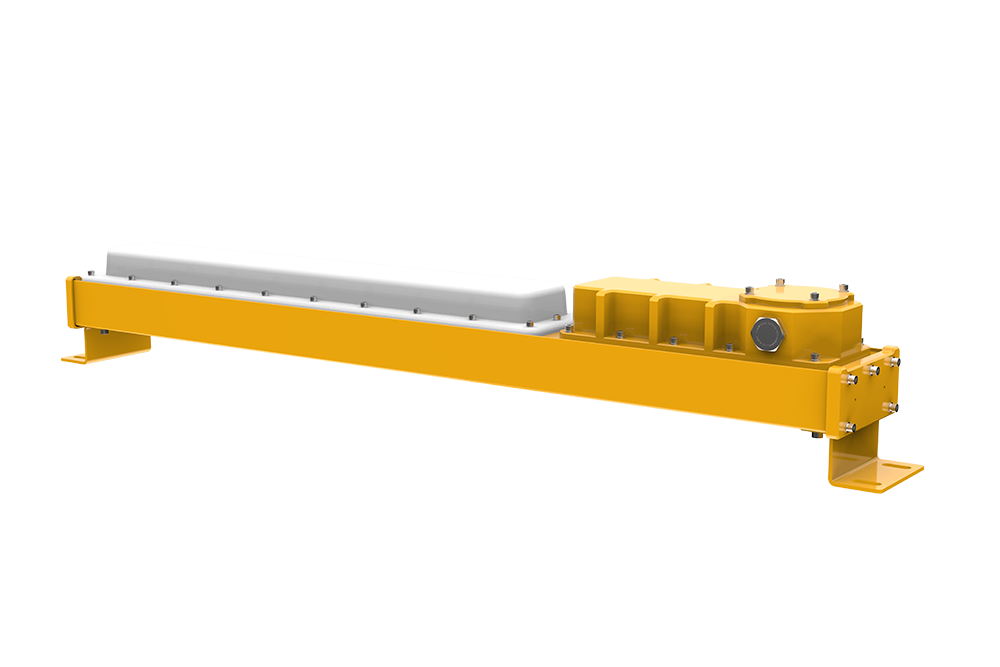
LED Linear Explosion Proof Lights from SEEKINGLED. LU Series Flame Proof lights ATEX-certified explosion proof LED linear lighting for Zone 2 gas and Zone 22 dust areas, IP69K, IK10, long lifetime and flexible power options.
View details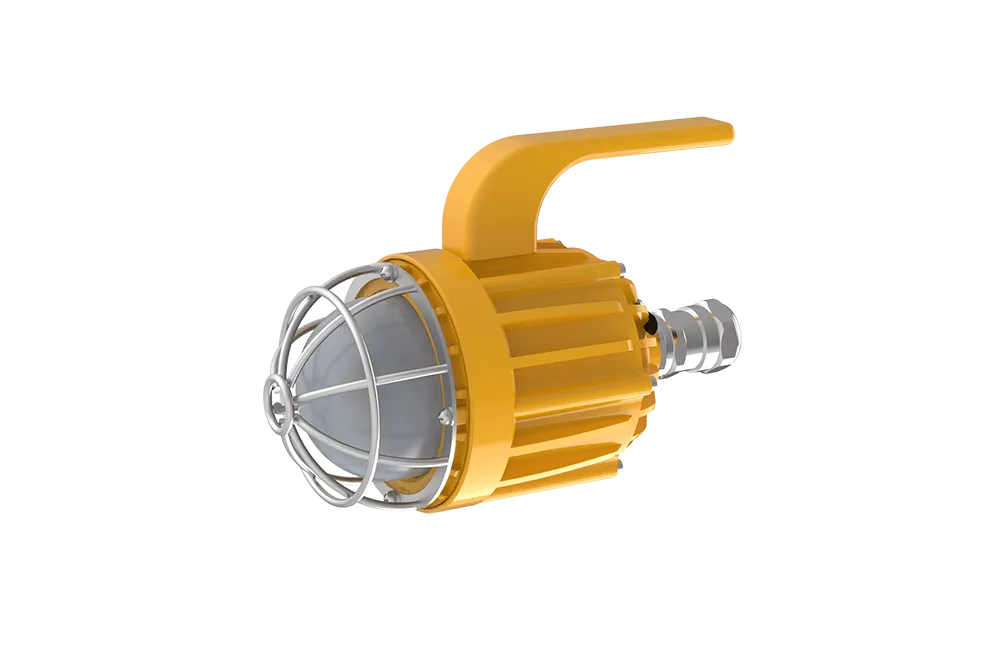
Certified explosion proof work lights for Zone 1 & 21 hazardous areas. Portable, ATEX & IECEx approved, built for oil, gas and chemical plants by SEEKINGLED.
View details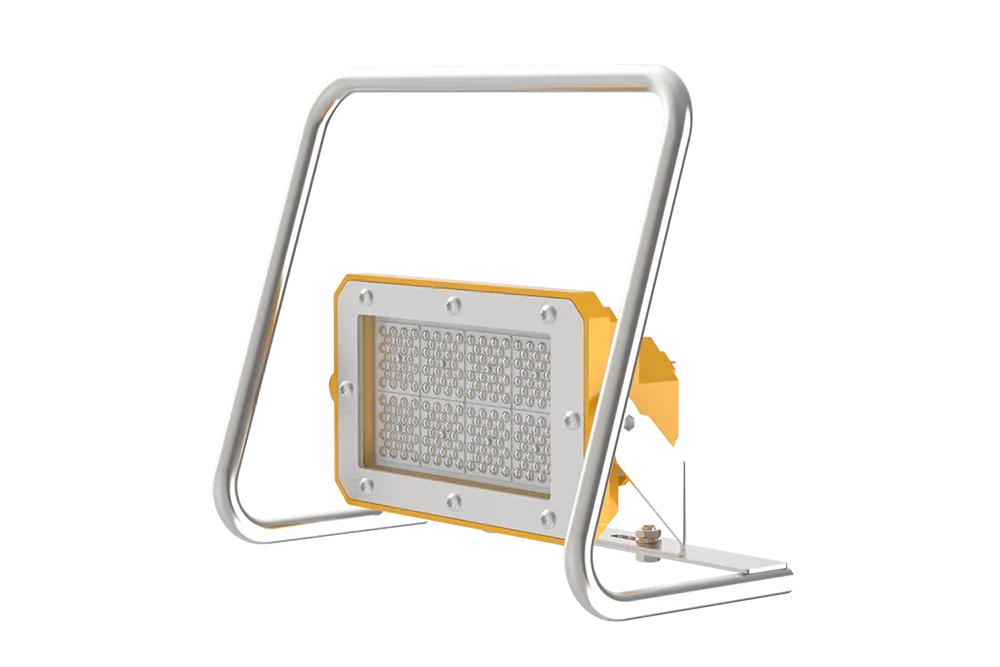
ATEX: II 3G Ex nR ⅡC T6 GcII 3D Ex tc ⅢC T80℃ Dc ATEX Certificate NO: TÜV CY 26 ATEX 0207611 X Feature: ● For Zone 2 and Zone 22● Accepts battery-powered supply● indestructible● Power:AC input:50W,75W,100WDC input:15W,25W,35W Application: Oil and gas, marine, Chemical, pharmaceutical, semiconductor,mining,military industry, paint booth,po…
View details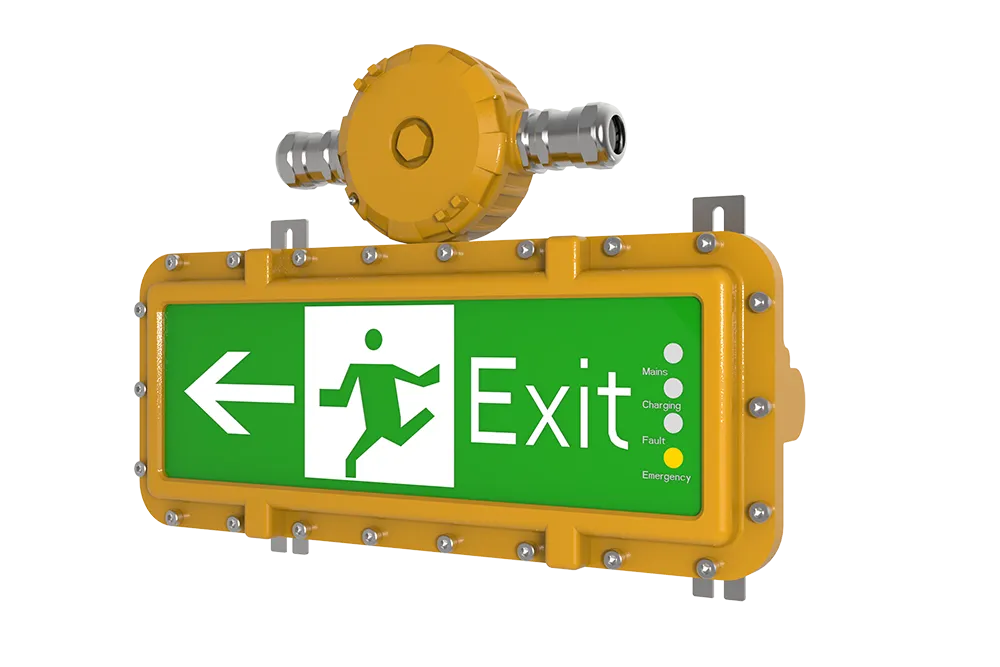
ATEX: Ex II 2G Ex db IIB T6 GbEx II 2D Ex tb IIIC T80°C Db IECEx Ex db IIB T6 Gb;Ex tb IIIC T80°C Db Feature: ● For Zone 1,2 and Zone 21,22● Flameproof type, the strongest Application: Oil and gas, marine, Chemical, pharmaceutical, semiconductor,mining,military industry, paint booth,power plant ETC hazardous area. Technical Specifications:…
View details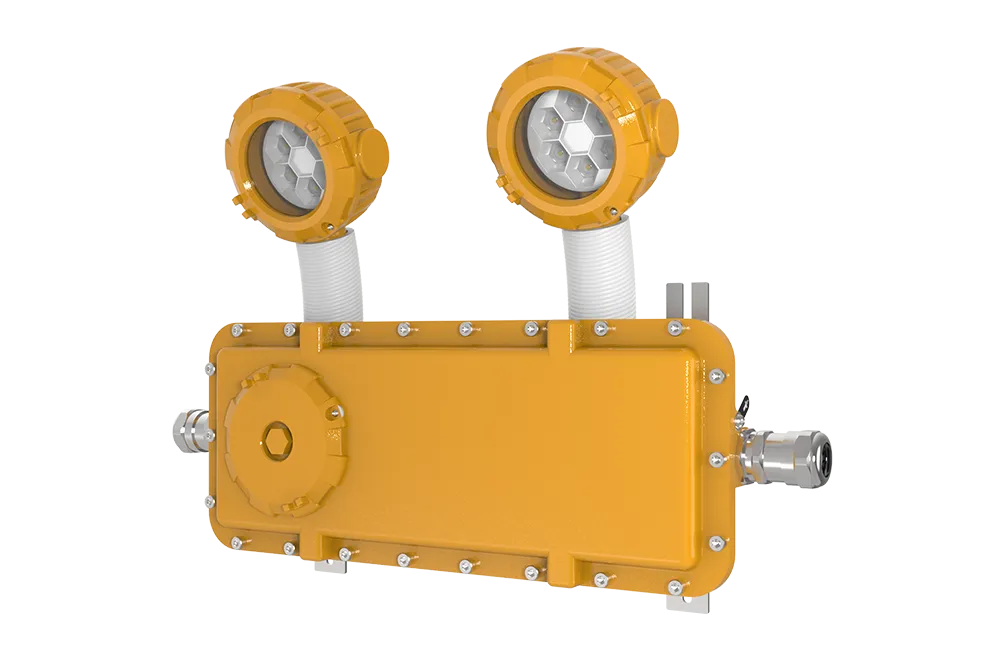
ATEX: Ex II 2G Ex db IIB T6 GbEx II 2D Ex tb IIIC T80°C Db IECEx Ex db IIB T6 Gb;Ex tb IIIC T80°C Db Feature: ● For Zone 1,2 and Zone 21,22● Flameproof type, the strongest Application: Oil and gas, marine, Chemical, pharmaceutical, semiconductor,mining,military industry, paint booth,power plant ETC hazardous area. Technical Specifications:…
View details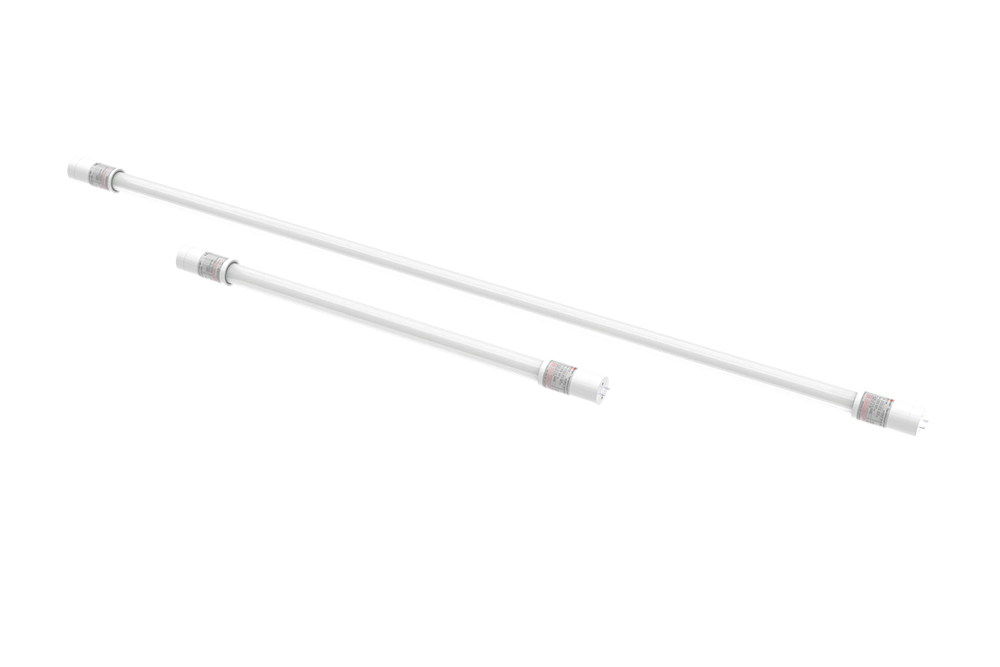
ATEX: Ex II 2G Ex d e IIB T6 Gb ATEX: Ex d e IIB T6 Gb; Feature: ● For Zone 1,2● 9W can replace 18W fluorescent lamps,50% Energy saving Application: Oil and gas, marine, Chemical, pharmaceutical, semiconductor,mining,military industry, paint booth,power plant ETC hazardous area. Technical Specifications: Standards:60079-0, 60079-1, 60079…
View details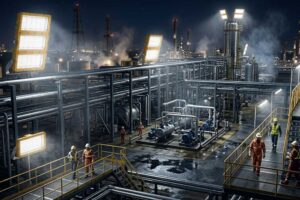
Class 1 Div 2 LED lighting delivers certified hazardous-location illumination with lower maintenance, energy savings, and reliable industrial performance.
View details
What are LED flood lights and how they are used outdoors. Learn real-world applications, differences, and why SEEKINGLED flood lights matter.
View details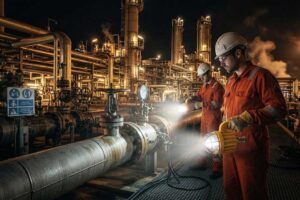
explosion-proof flashlights provide safe portable lighting for hazardous environments. Learn certifications, industrial applications, and field insights from SEEKINGLED.
View details
Learn how bright is a 30w led floodlight with lumen output, coverage range, and expert installation advice. Discover the right LED floodlight for outdoor use.
View details