 Seeking LED
What Is the Best Outdoor LED Flood Light?
72What is the best outdoor LED flood light for security, driveways, or yards? Learn brightness, beam angle, and durability tips from SEEKINGLED lighting experts.
View detailsSearch the whole station
What Is LED Lighting for Hazardous Areas?
What Is LED Lighting for Hazardous Areas? It is a certified industrial lighting system designed for environments containing flammable gases, vapors, or combustible dust. These LED fixtures prevent ignition risks while delivering reliable illumination, long service life, and compliance with global explosion-protection standards in industrial applications.
Walking into a live petrochemical control zone at night, the first thing you notice isn’t noise—it’s light. Not the brightness itself, but the discipline behind it. Every fixture overhead is part of a safety system that assumes something could go wrong and is designed so it doesn’t escalate.
That is the real meaning behind What Is LED Lighting for Hazardous Areas. It is not just illumination equipment. It is controlled energy inside a controlled enclosure, operating in places where a single spark could become a major incident.
At SEEKINGLED, we’ve supported lighting upgrades across chemical plants, offshore platforms, LNG facilities, and grain processing warehouses. One pattern shows up repeatedly: the older the facility, the more likely lighting has been treated as a “replace when it fails” item rather than a safety-critical system. Hazardous-area LED lighting changes that mindset completely.Visit the product page: Explosion proof lights
In normal industrial environments, lighting is judged by efficiency, color temperature, and cost.
In hazardous areas, none of those come first.
The priority is simple: prevent ignition under all expected operating conditions.
That requirement is why LED lighting for hazardous areas is engineered under strict international frameworks such as IEC 60079.
Official reference:
https://www.iec.ch/dyn/www/f?p=103:7:0::::FSP_ORG_ID,FSP_LANG_ID:1255,25
These standards define how electrical equipment must behave in explosive atmospheres, including:
Unlike general lighting products, hazardous-area LED fixtures are not certified based on performance alone. They are certified based on failure behavior.
That distinction is often overlooked in early-stage project planning.
A standard LED luminaire and a hazardous-area LED luminaire may look similar from a distance, but internally they are built with completely different design priorities.
| Design Element | Hazardous-Area Requirement |
|---|---|
| Enclosure | Explosion-resistant, sealed housing |
| Thermal design | Controlled surface temperature below ignition threshold |
| Electrical system | Fault-tolerant driver architecture |
| Cable entry | Certified flameproof or increased safety design |
| Optical system | Stable output under vibration and heat |
| Ingress protection | High IP rating (often IP66/IP67) |
In one offshore maintenance project we supported, the engineering team initially underestimated thermal behavior. The installation environment had high ambient temperature and salt exposure. Standard industrial fixtures failed within months due to corrosion and driver degradation. After switching to certified hazardous-area LED lighting, the failure rate dropped significantly because the design accounted for both environmental stress and explosion safety requirements from the start.
That is something datasheets alone rarely reveal.
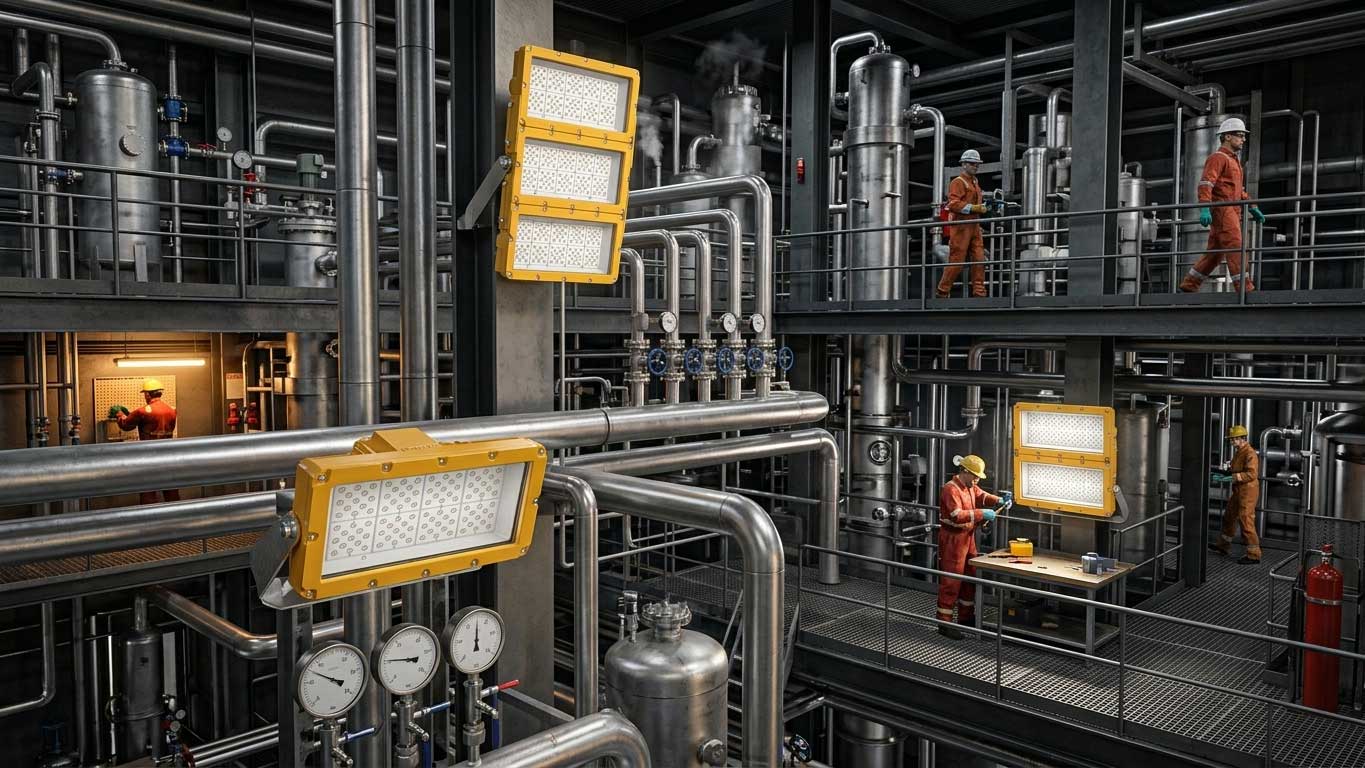
Hazardous environments are not limited to oil refineries. In practice, they appear anywhere flammable substances can accumulate.
Common applications include:
According to the U.S. Occupational Safety and Health Administration (OSHA), electrical equipment in classified hazardous locations must be approved for the specific environment in which it is installed.
Official source:
https://www.osha.gov/laws-regs/regulations/standardnumber/1910/1910.307
This requirement exists because ignition risk is not theoretical in these environments—it is operational.
Even a small fault condition in electrical equipment can have consequences if it occurs in the wrong atmosphere.
Before LED adoption, most hazardous-area lighting systems relied on fluorescent or discharge technologies. Many of those systems are still in operation today, particularly in older facilities.
The shift toward LED has been gradual but consistent, driven by three practical realities:
The U.S. Department of Energy notes that LED lighting systems typically offer significantly longer operational life and reduced energy consumption compared to conventional lighting technologies.
Official reference:
https://www.energy.gov/eere/ssl
From real project experience, the most noticeable improvement is not always electricity savings.
It is stability.
Operators notice fewer dark spots, fewer flickering fixtures, and fewer emergency maintenance interventions during production cycles.
That operational consistency is often more valuable than marginal energy differences.
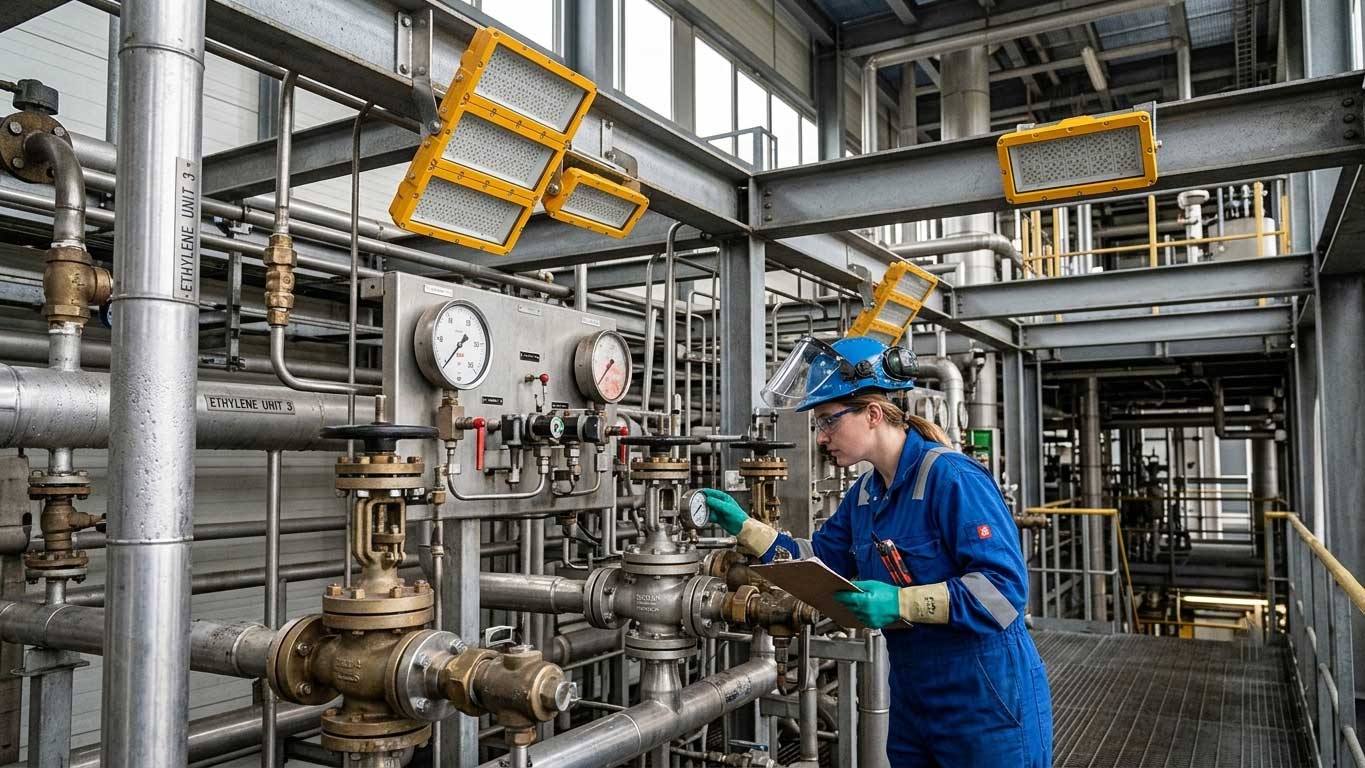
One detail that rarely appears in product documentation is how lighting behaves after years of continuous exposure.
In one long-term chemical plant project, we observed that lighting degradation was not uniform. Some fixtures maintained output consistency, while others experienced gradual dimming and uneven distribution. The difference was not initial specification—it was thermal stability under real operating conditions.
Hazardous-area LED lighting that is properly engineered tends to fail less dramatically. Instead of sudden breakdowns, performance remains stable and predictable over time, which is critical for maintenance planning in industrial environments.
That predictability reduces operational uncertainty, which is often overlooked in early procurement decisions.
If there is one thing field work teaches quickly, it is this: hazardous-area lighting selection fails more often from assumptions than from product defects.
In refinery upgrades we supported, the most common early mistake was treating all “industrial LED lights” as interchangeable. They are not. The selection process always starts with the environment, not the fixture.
Before specifying LED lighting for hazardous areas, experienced engineers typically verify:
| Key Parameter | Why It Matters in Practice |
|---|---|
| Hazardous classification (Zone 0/1/2) | Defines explosion risk level and certification requirement |
| Gas or dust group | Determines ignition sensitivity category |
| Temperature class (T-rating) | Ensures surface temperature stays below ignition point |
| Ambient conditions | Heat, humidity, corrosion, and vibration affect lifetime |
| Mounting geometry | Affects beam spread and glare control |
| Maintenance access | Determines long-term servicing feasibility |
One offshore platform project stands out. The original design used standard industrial LED fixtures rated “high IP” but not certified for hazardous zones. On paper, everything looked acceptable. In practice, corrosion and thermal cycling led to premature driver failures within the first year of operation.
After switching to certified hazardous-area LED luminaires, failure events became predictable rather than random. That change alone simplified maintenance scheduling and reduced emergency interventions.
Many facilities still operate mixed lighting systems—older fluorescent explosion-proof fixtures alongside newer LED upgrades. This creates uneven performance across the site.
The differences become clearer when comparing operational behavior rather than specifications alone.
| Feature | LED Lighting for Hazardous Areas | Traditional Fluorescent Explosion-Proof Lighting |
|---|---|---|
| Energy efficiency | High and stable over time | Lower and declines with age |
| Start-up behavior | Instant full brightness | Delayed in low temperature |
| Vibration resistance | Strong (solid-state design) | Moderate (fragile tubes and starters) |
| Maintenance cycle | Long intervals | Frequent lamp replacement |
| Light stability | Consistent over lifetime | Gradual dimming |
| Fault behavior | Predictable electronic degradation | Sudden lamp failure |
| Lifecycle cost | Lower in long-term operation | Higher due to labor + downtime |
The U.S. Department of Energy has consistently highlighted that LED systems provide significantly longer operational life and reduced maintenance requirements compared with traditional lighting technologies, which directly impacts lifecycle cost in industrial environments.
https://www.energy.gov/eere/ssl
In hazardous areas, the cost difference is not just energy-related. It is operational downtime. A single lighting intervention in a classified zone may require gas testing, permits, isolation procedures, and safety supervision before work even begins.
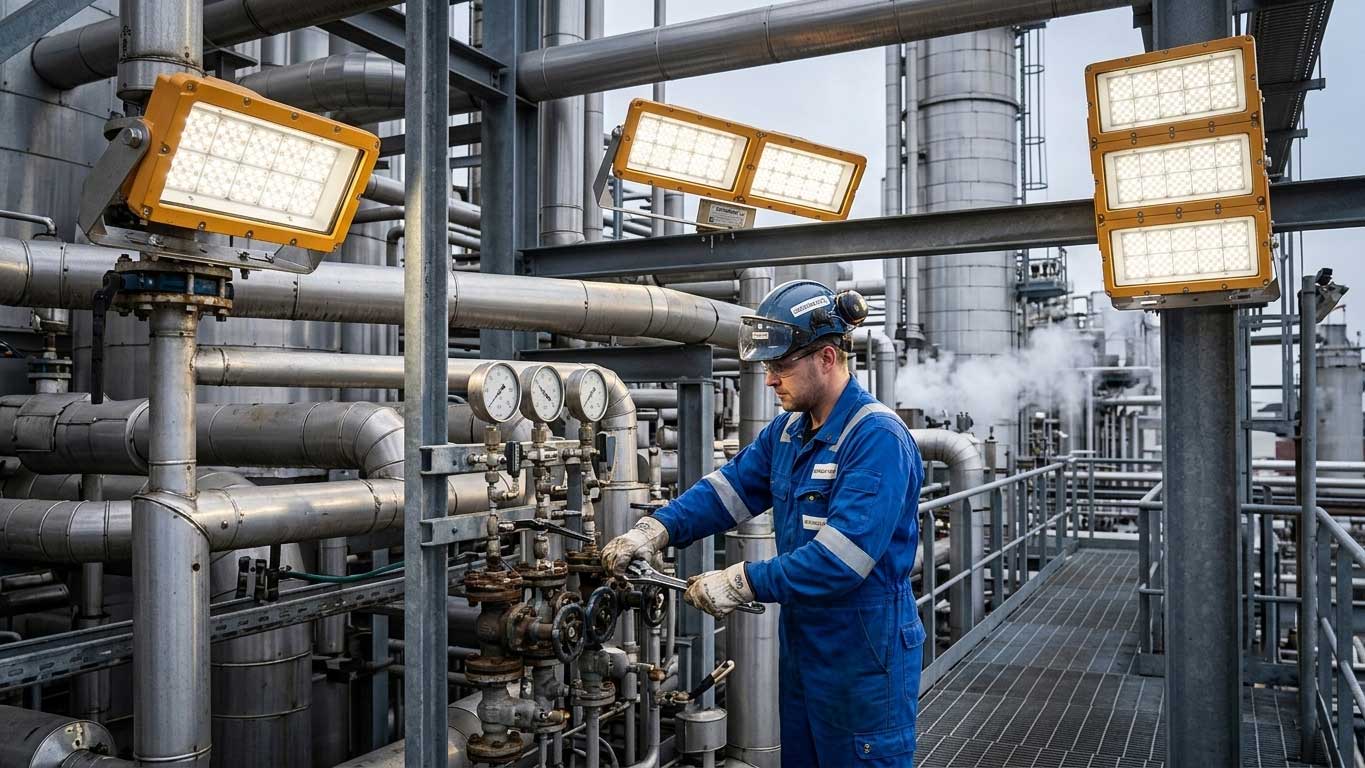
On paper, most hazardous-area LED luminaires look similar—IP ratings, lumen output, certifications, all neatly listed. But real-world performance behaves differently once equipment is exposed to continuous industrial stress.
In one chemical processing site, we tracked lighting performance over multiple maintenance cycles. Two fixture types were installed in similar zones. Both were certified. Both met initial requirements.
After 18–24 months, differences appeared:
The root cause was not immediately visible in specifications. It came down to thermal stability and driver quality under sustained load.
That kind of detail rarely appears in procurement documents, but it becomes very visible in maintenance logs.
The transition to LED lighting for hazardous areas is not driven by marketing trends. It is driven by operational constraints.
Three factors dominate decision-making in real projects:
Every intervention in a hazardous area requires procedural steps that do not exist in normal industrial lighting.
Lighting failure may not stop production directly, but access restrictions often delay repairs.
LED systems provide more stable long-term performance behavior compared with legacy technologies.
According to OSHA guidance on hazardous locations, electrical equipment must be suitable for its classified environment to ensure safe operation under both normal and fault conditions.
https://www.osha.gov/laws-regs/regulations/standardnumber/1910/1910.307
That requirement shapes procurement decisions long before installation begins.
Based on field observations across industrial projects, several recurring mistakes appear:
One of the most costly misunderstandings is assuming brightness equals safety. In reality, excessive brightness in the wrong optical design can create glare, reducing visibility of gauges, labels, and control indicators.
Good hazardous-area lighting is not just visible—it is usable.
At SEEKINGLED, hazardous-area lighting selection is treated as a system decision rather than a product choice.
Our approach typically includes:
Instead of offering a single standardized fixture, we focus on matching lighting behavior to real industrial conditions.
That approach comes directly from field experience, where mismatched lighting specifications often lead to long-term maintenance inefficiencies.
What Is LED Lighting for Hazardous Areas?
It is a certified industrial lighting system engineered to safely operate in environments where explosive gases, vapors, or combustible dust may exist. It combines explosion protection, thermal control, and long-life LED technology to ensure safe, stable illumination under strict international safety standards.
From real engineering experience, its value is not only in energy efficiency, but in something more practical—reducing uncertainty in environments where maintenance access is difficult, expensive, and tightly controlled.
In hazardous industries, lighting is not just infrastructure.
It is part of the safety system.
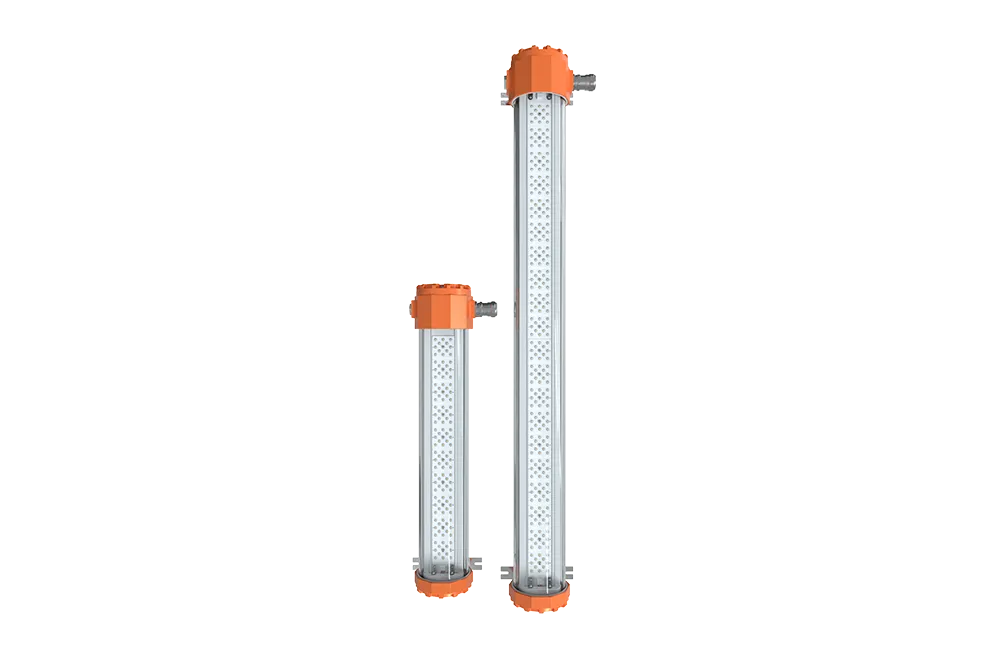
SEEKINGLED LED Linear Explosion Proof Light and Explosion Proof lighting is ATEX and IECEx certified for Zone 1, Zone 2, Zone 21 and Zone 22 hazardous locations, built for long-term industrial use.
View details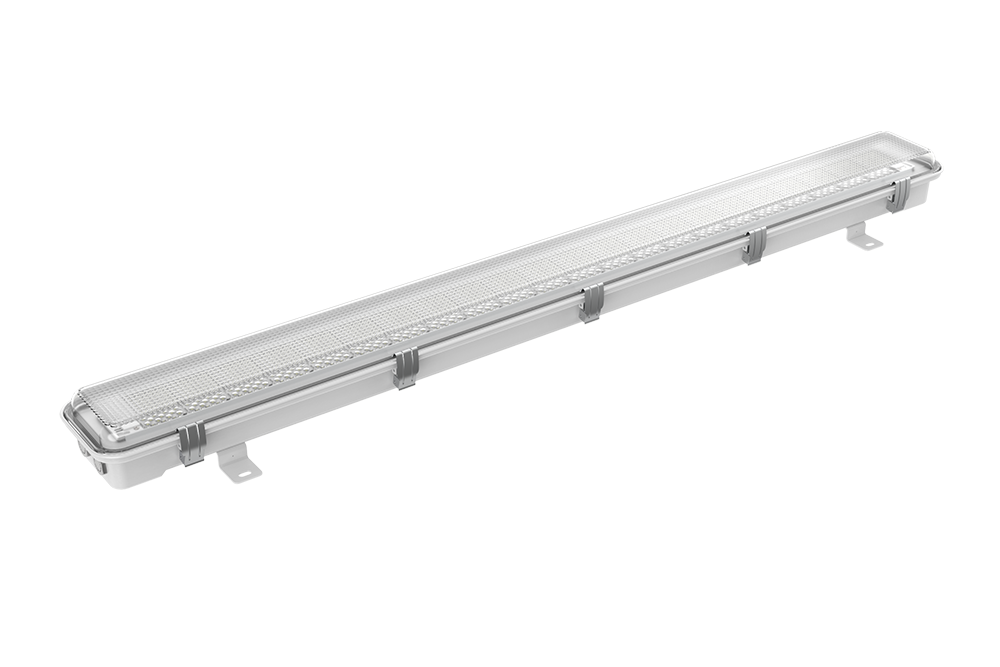
LED Linear Explosion Proof Lights and EX Proof lights for Zone 1, Zone 2, Zone 21 and Zone 22 hazardous areas. ATEX & IECEx certified explosion proof LED linear lighting with emergency function, adjustable power and IP67 protection by SEEKINGLED.
View details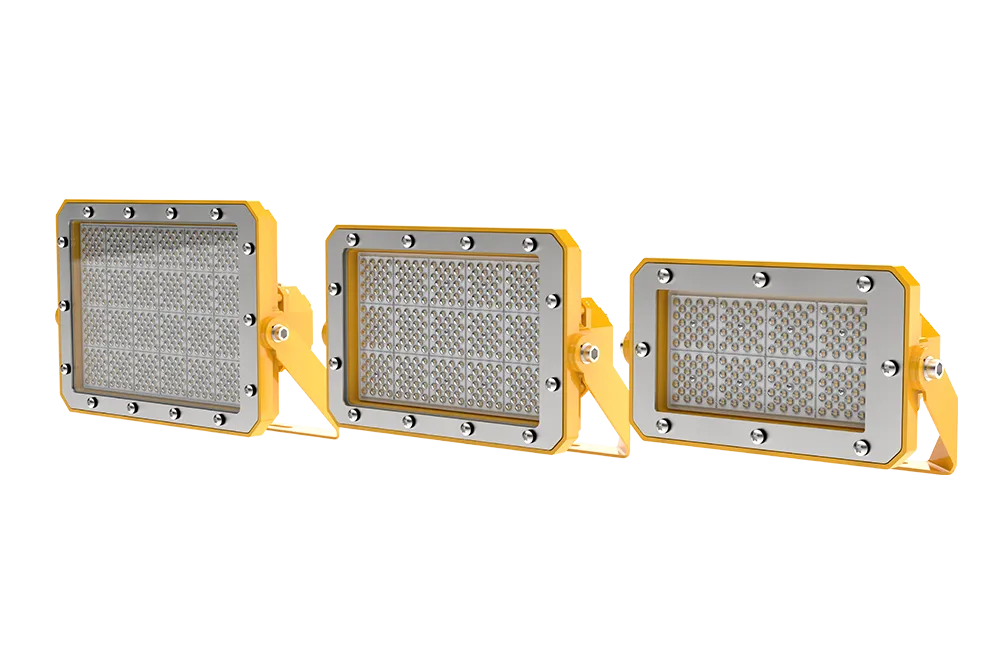
SEEKINGLED LED Explosion Proof Flood Lights are ATEX certified for Zone 2 and Zone 22 hazardous areas, offering high efficiency, adjustable power and integrated junction box.
View details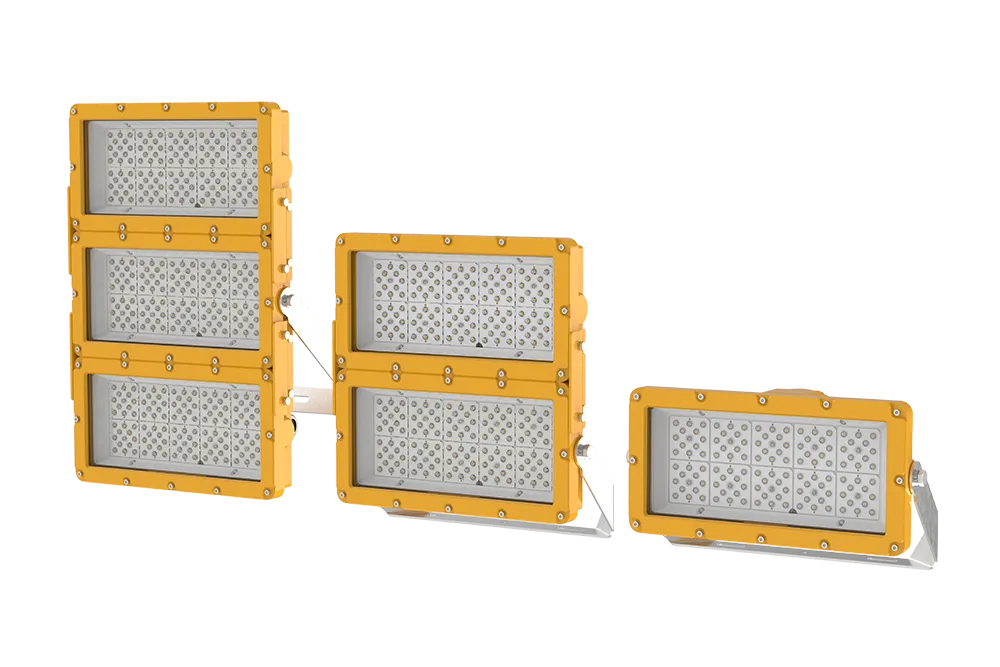
SEEKINGLED LED Explosion Proof Flood Lights are flameproof ATEX and IECEx certified for Zone 1 and Zone 2 hazardous areas, offering high power, adjustable output and long service life.
View details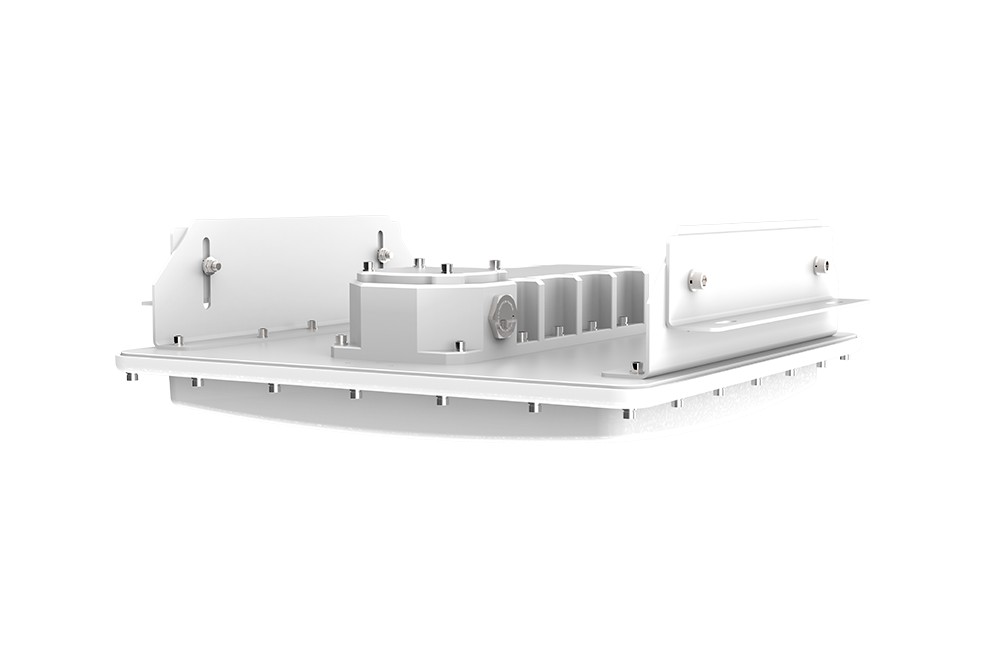
SEEKINGLED LED Gas Station Canopy Lights are ATEX certified for Zone 2 and Zone 22 hazardous areas, featuring adjustable power and built-in explosion-proof junction box.
View details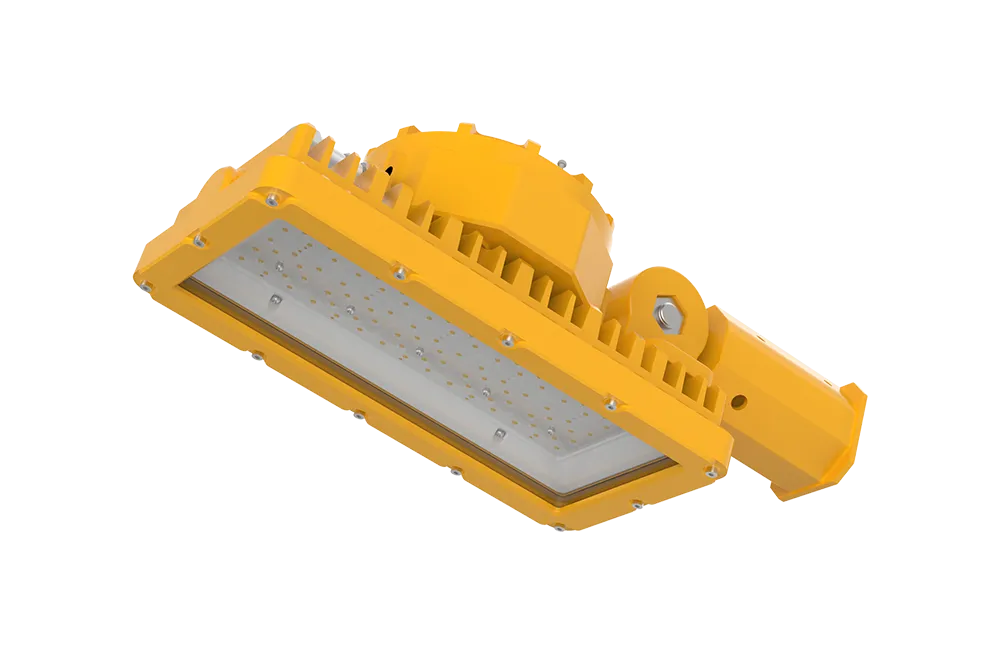
ATEX: Ex II 2G Ex db IIB T6/T5 GbEx II 2D Ex tb IIIC T80°C/ T95°C Db IECEx Ex db IIB T6 Gb;Ex tb IIIC T80°C Db Feature: ● For Zone 1,2 and Zone 21,22● Flameproof type, the strongest● 100W can replace 250W HID,energy saving● Power:60W,80W,100W Application: Oil and gas, marine, Chemical, pharmaceutical, semiconductor,mining,military industr…
View details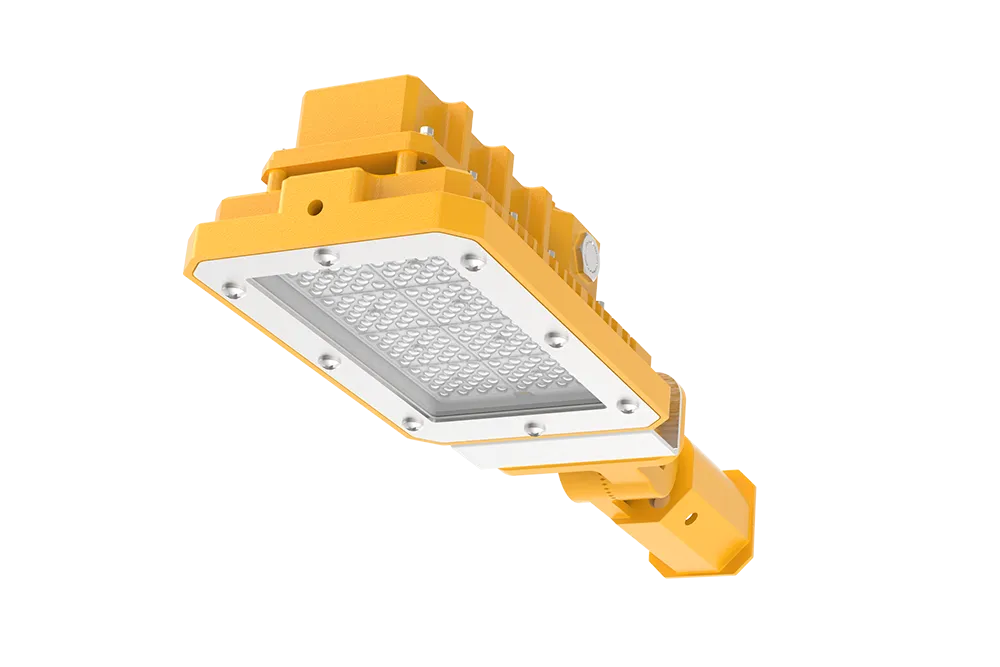
ATEX: II 3G Ex nR ⅡC T5/T6 GcII 3D Ex tc ⅢC T80℃/T95℃Dc ATEX Certificate NO: TÜV CY 26 ATEX 0207611 X Feature: ● For Zone 2 and Zone 22● 150W can replace 250W HID lamps,Energy saving● Power:50W,75W,100W,150W,200W Application: Oil and gas, marine, Chemical, pharmaceutical, semiconductor,mining,military industry, paint booth,power plant ETC…
View details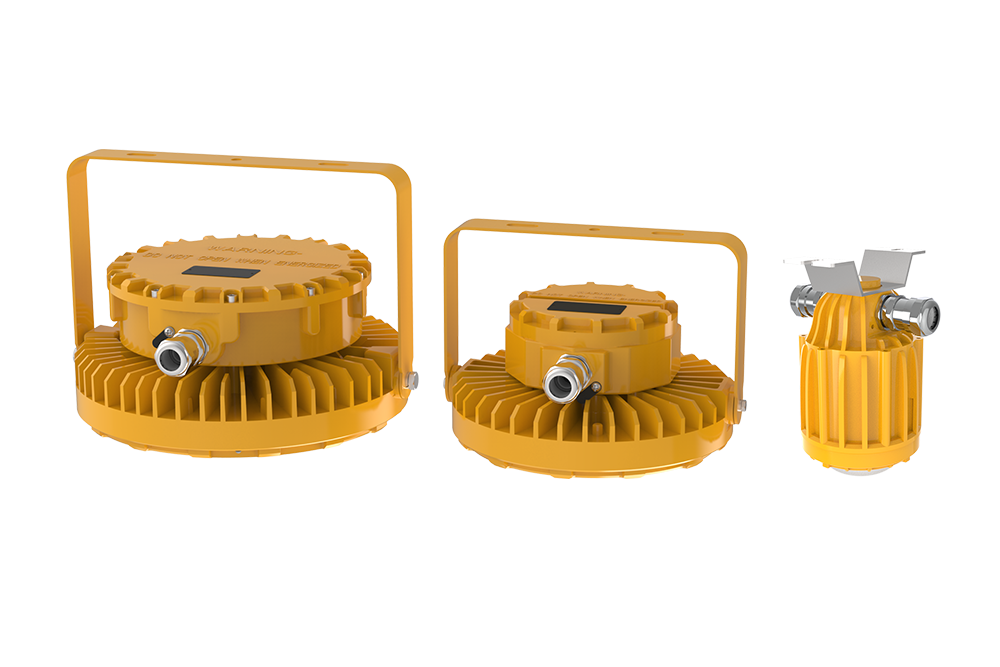
LED explosion proof high bay lights are designed for Zone 1, Zone 2, Zone 21 and Zone 22 hazardous areas. This page introduces the HB21 Series from SEEKING, including certifications, power options and real application considerations.
View details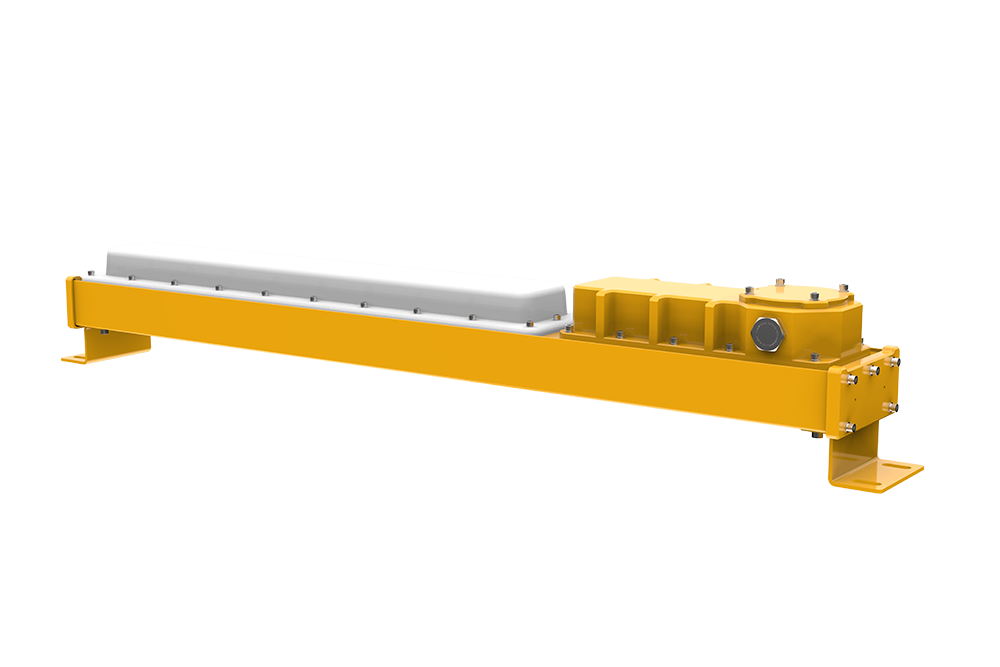
LED Linear Explosion Proof Lights from SEEKINGLED. LU Series Flame Proof lights ATEX-certified explosion proof LED linear lighting for Zone 2 gas and Zone 22 dust areas, IP69K, IK10, long lifetime and flexible power options.
View details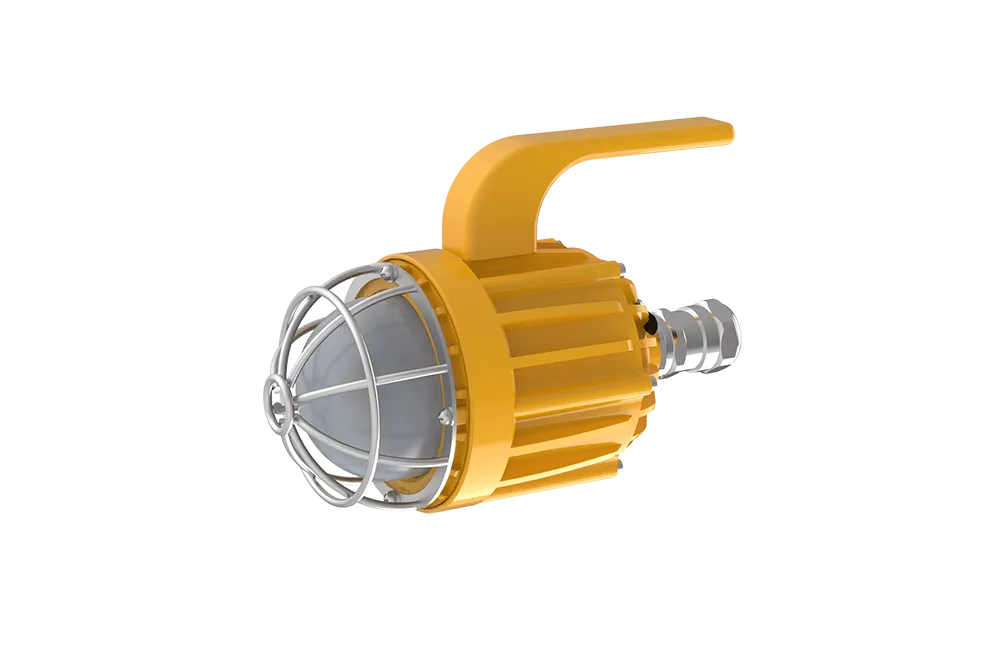
Certified explosion proof work lights for Zone 1 & 21 hazardous areas. Portable, ATEX & IECEx approved, built for oil, gas and chemical plants by SEEKINGLED.
View details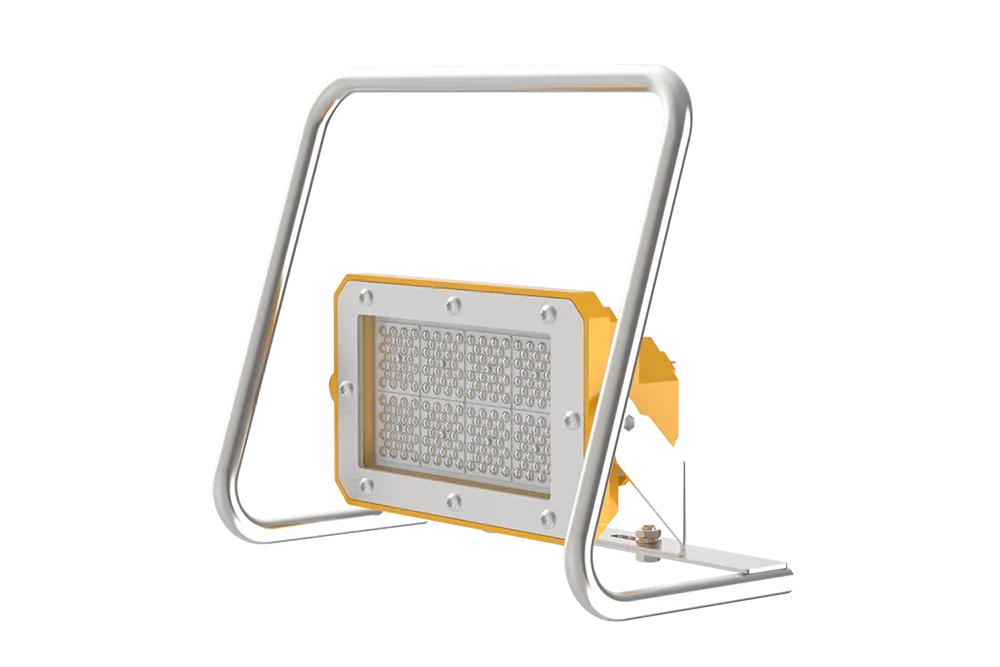
ATEX: II 3G Ex nR ⅡC T6 GcII 3D Ex tc ⅢC T80℃ Dc ATEX Certificate NO: TÜV CY 26 ATEX 0207611 X Feature: ● For Zone 2 and Zone 22● Accepts battery-powered supply● indestructible● Power:AC input:50W,75W,100WDC input:15W,25W,35W Application: Oil and gas, marine, Chemical, pharmaceutical, semiconductor,mining,military industry, paint booth,po…
View details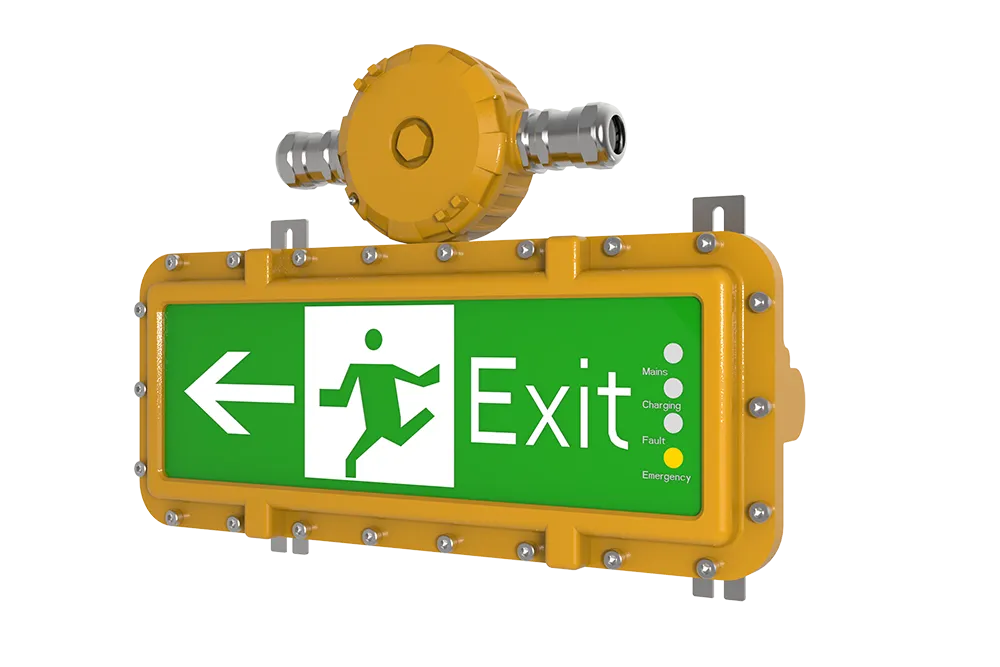
ATEX: Ex II 2G Ex db IIB T6 GbEx II 2D Ex tb IIIC T80°C Db IECEx Ex db IIB T6 Gb;Ex tb IIIC T80°C Db Feature: ● For Zone 1,2 and Zone 21,22● Flameproof type, the strongest Application: Oil and gas, marine, Chemical, pharmaceutical, semiconductor,mining,military industry, paint booth,power plant ETC hazardous area. Technical Specifications:…
View details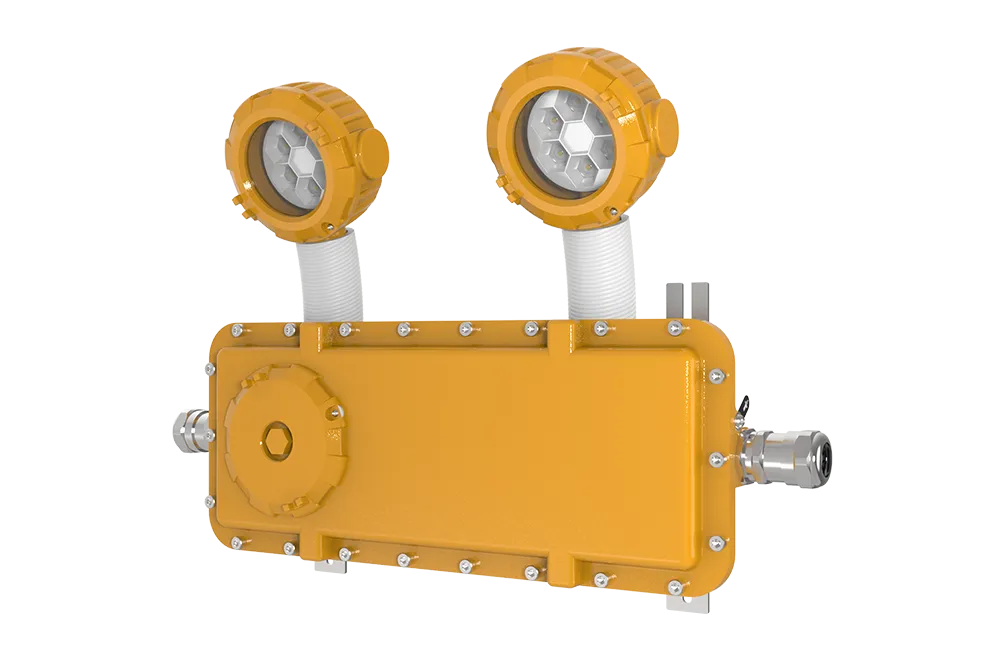
ATEX: Ex II 2G Ex db IIB T6 GbEx II 2D Ex tb IIIC T80°C Db IECEx Ex db IIB T6 Gb;Ex tb IIIC T80°C Db Feature: ● For Zone 1,2 and Zone 21,22● Flameproof type, the strongest Application: Oil and gas, marine, Chemical, pharmaceutical, semiconductor,mining,military industry, paint booth,power plant ETC hazardous area. Technical Specifications:…
View details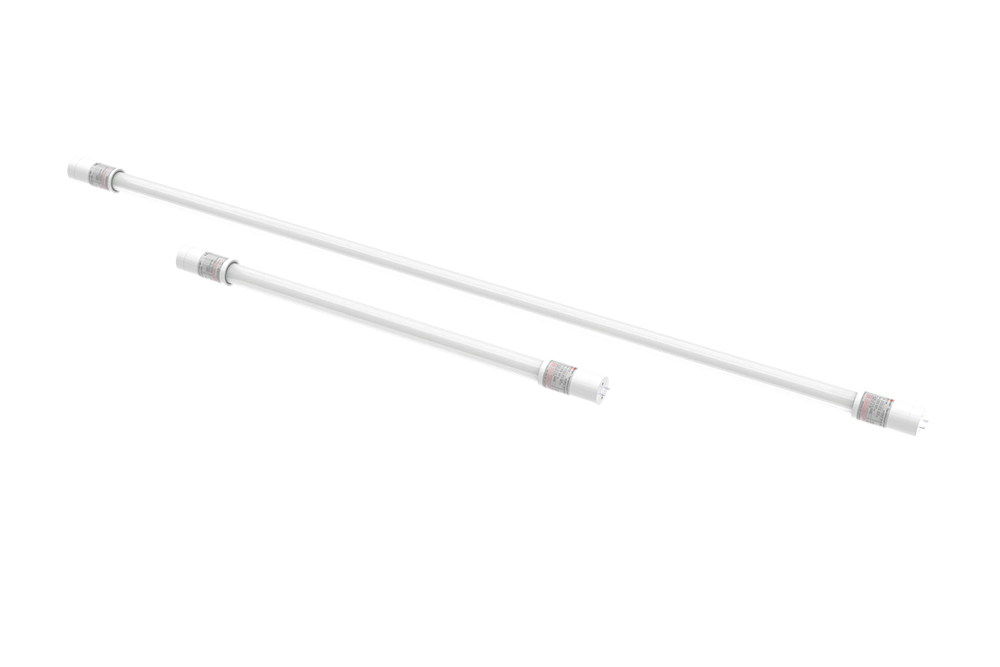
ATEX: Ex II 2G Ex d e IIB T6 Gb ATEX: Ex d e IIB T6 Gb; Feature: ● For Zone 1,2● 9W can replace 18W fluorescent lamps,50% Energy saving Application: Oil and gas, marine, Chemical, pharmaceutical, semiconductor,mining,military industry, paint booth,power plant ETC hazardous area. Technical Specifications: Standards:60079-0, 60079-1, 60079…
View details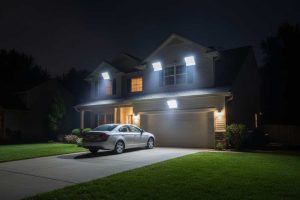
What is the best outdoor LED flood light for security, driveways, or yards? Learn brightness, beam angle, and durability tips from SEEKINGLED lighting experts.
View details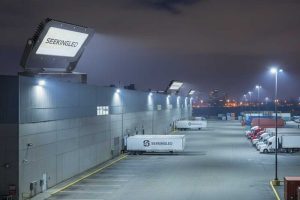
Do LED flood lights use a lot of electricity compared with traditional lighting? This FAQ explains real power usage, efficiency, and cost savings of LED flood lights in outdoor applications, based on practical experience from SEEKINGLED projects.
View details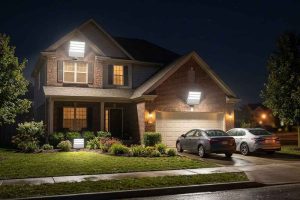
LED outdoor flood lights bulbs deliver bright, energy-efficient lighting with long lifespan. Discover real installation insights, performance data, and expert tips with SEEKINGLED.
View details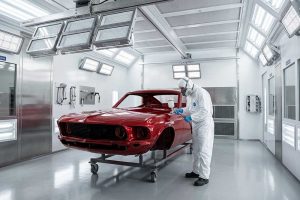
Paint booth light fixtures ensure safe, shadow-free illumination in hazardous spray areas. Learn standards, materials, and real-world selection tips.
View details