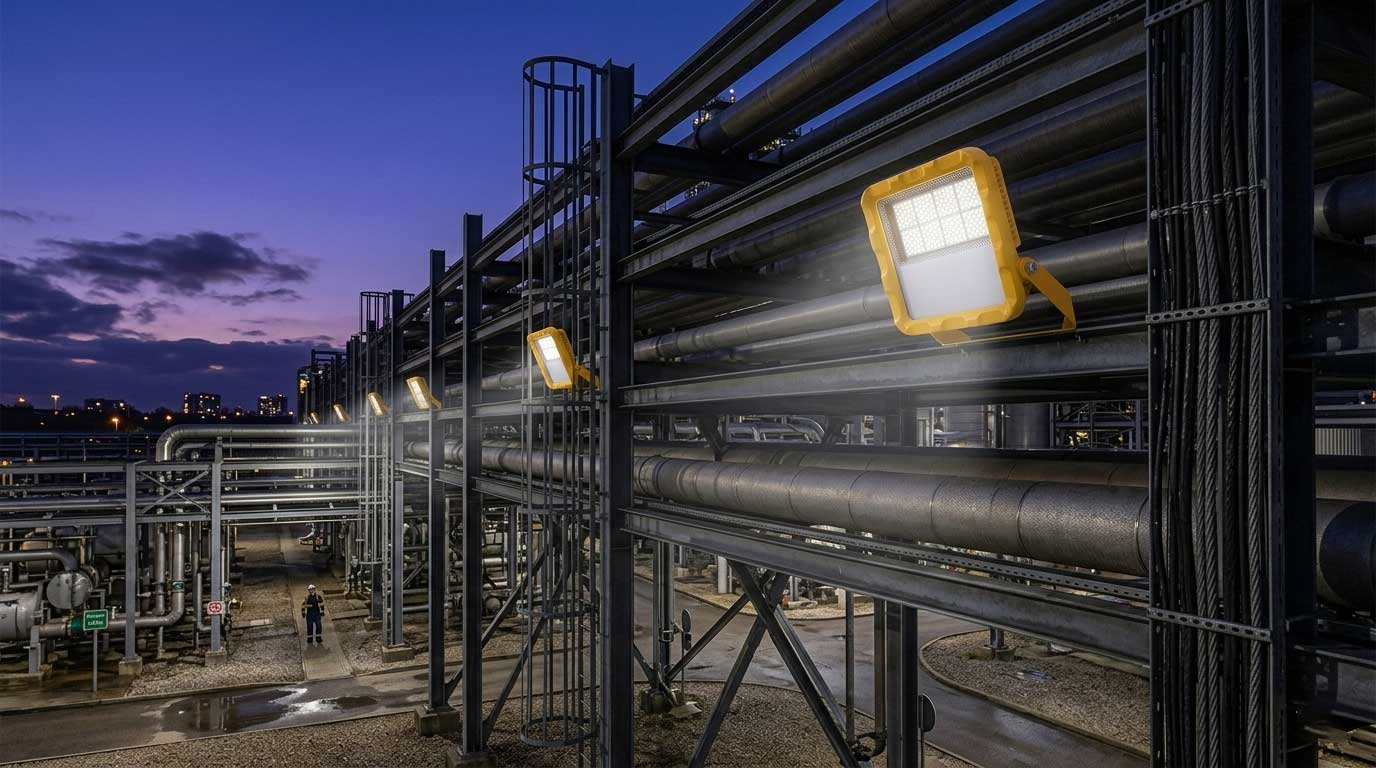
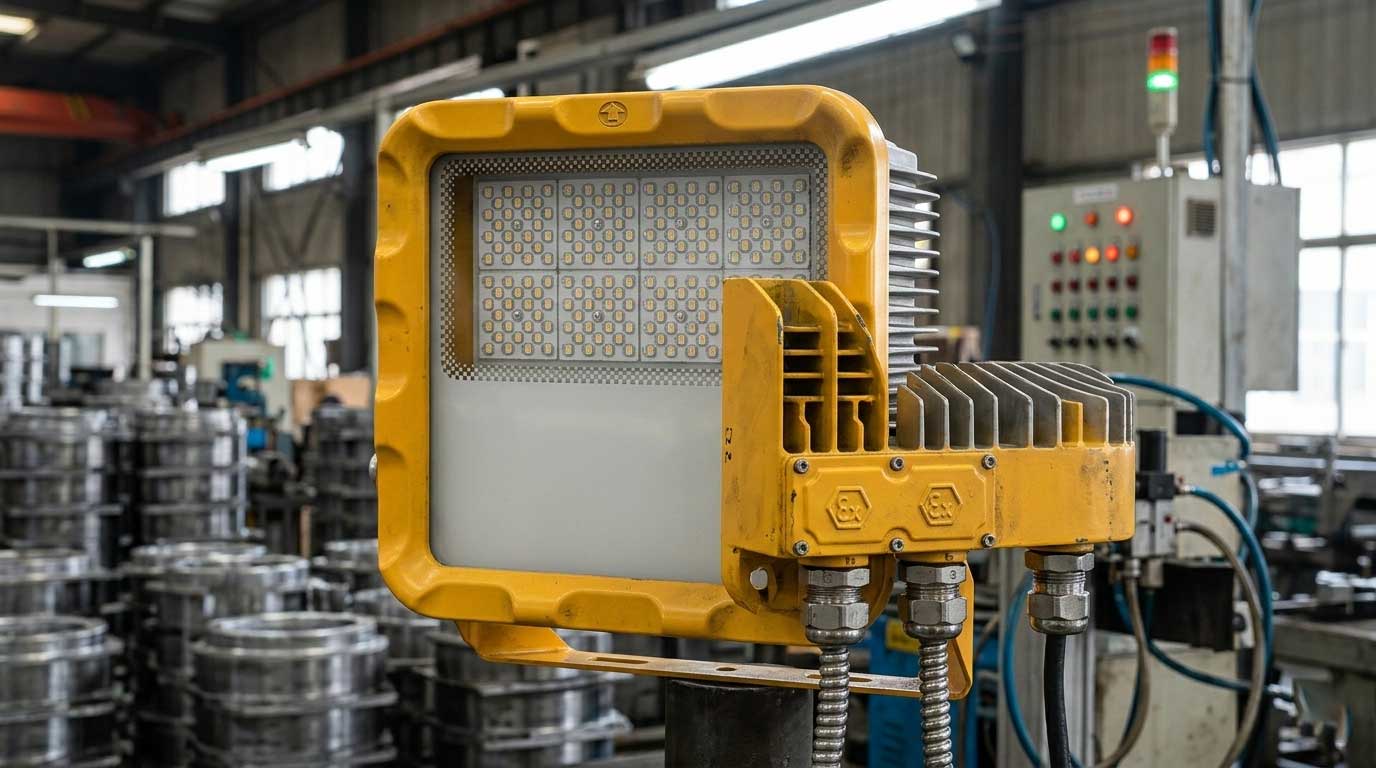
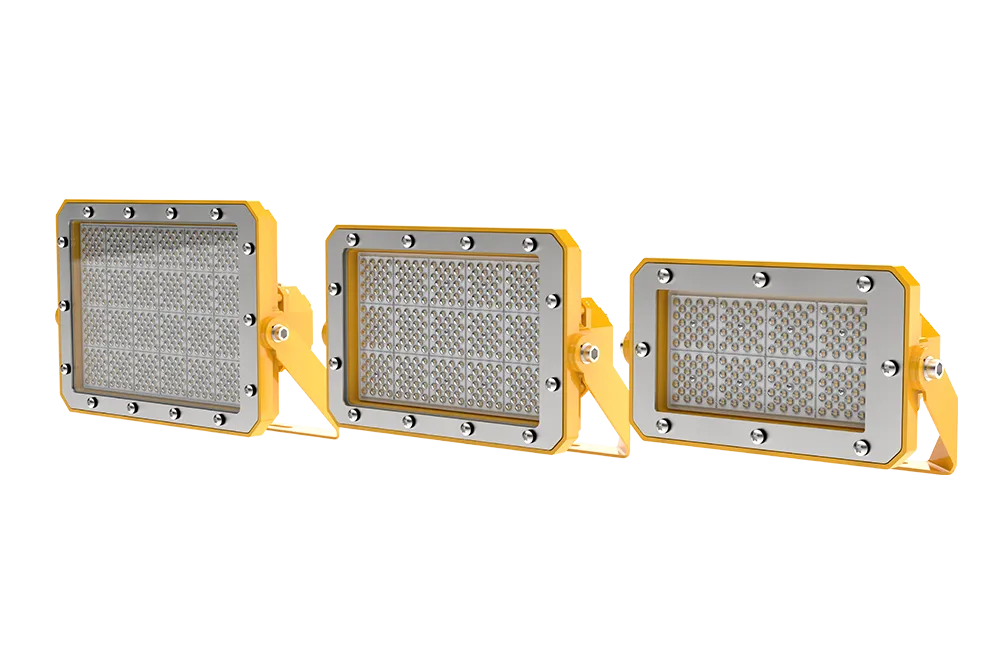
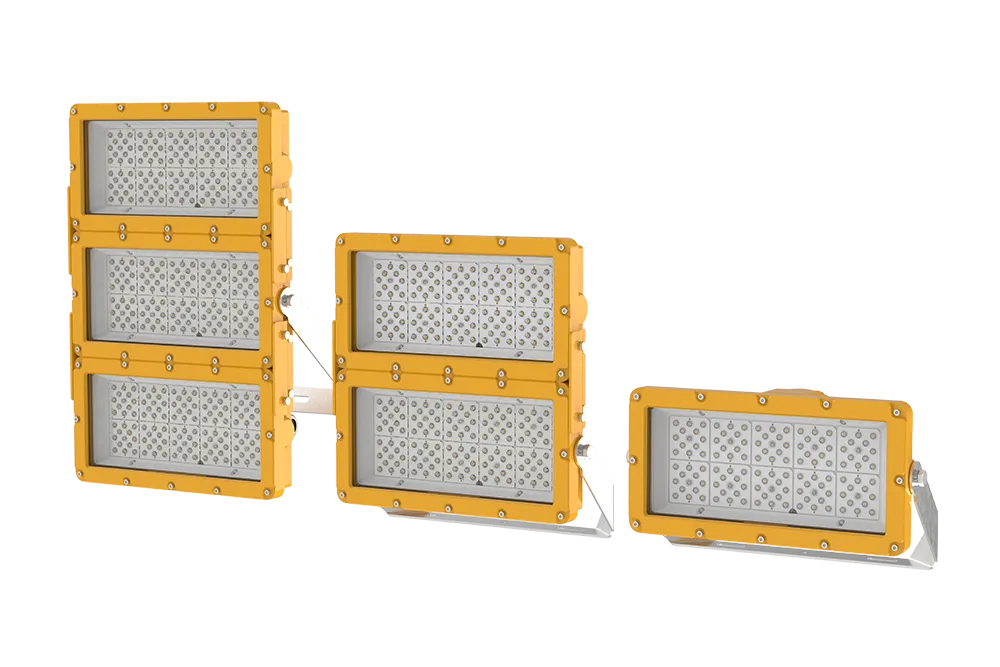
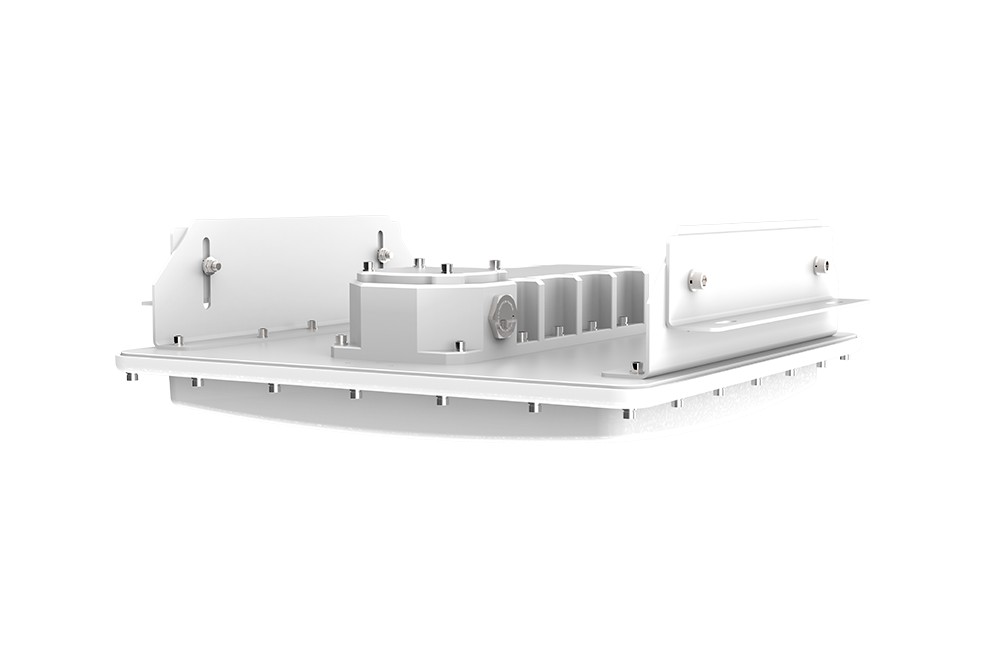
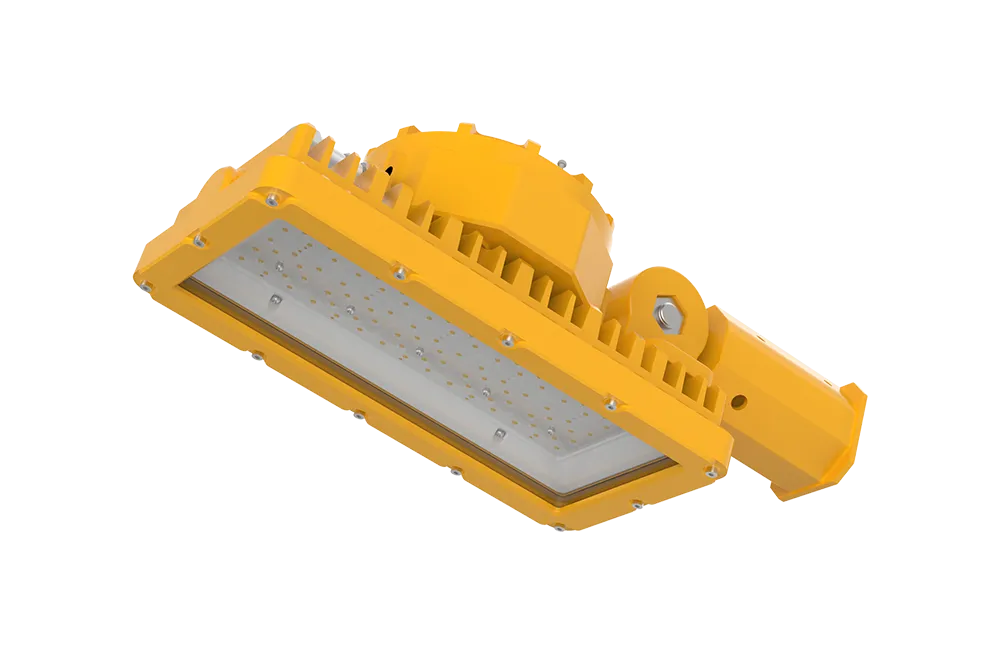
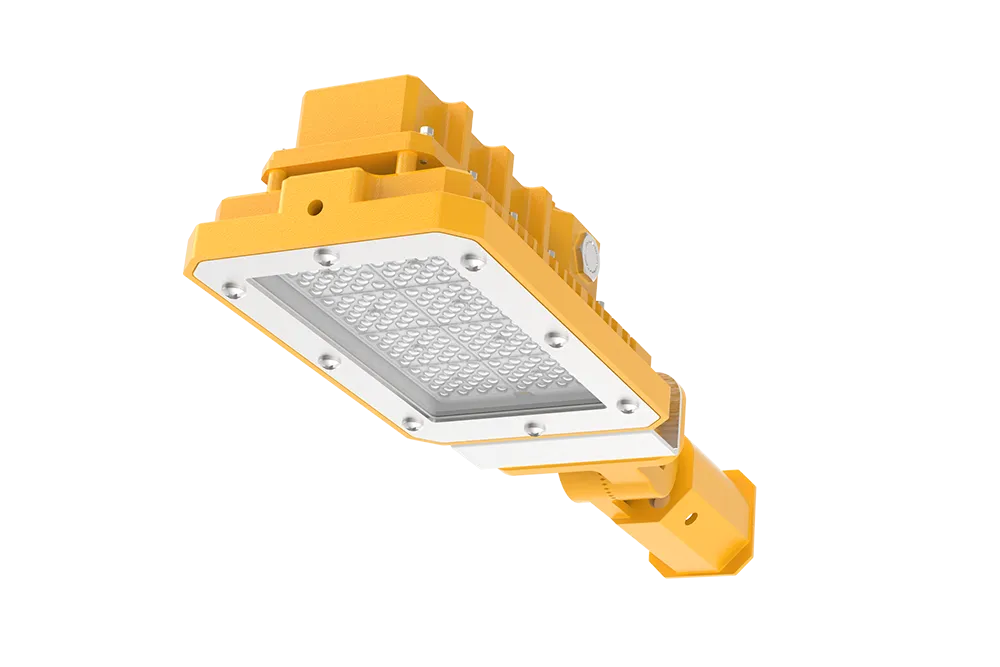
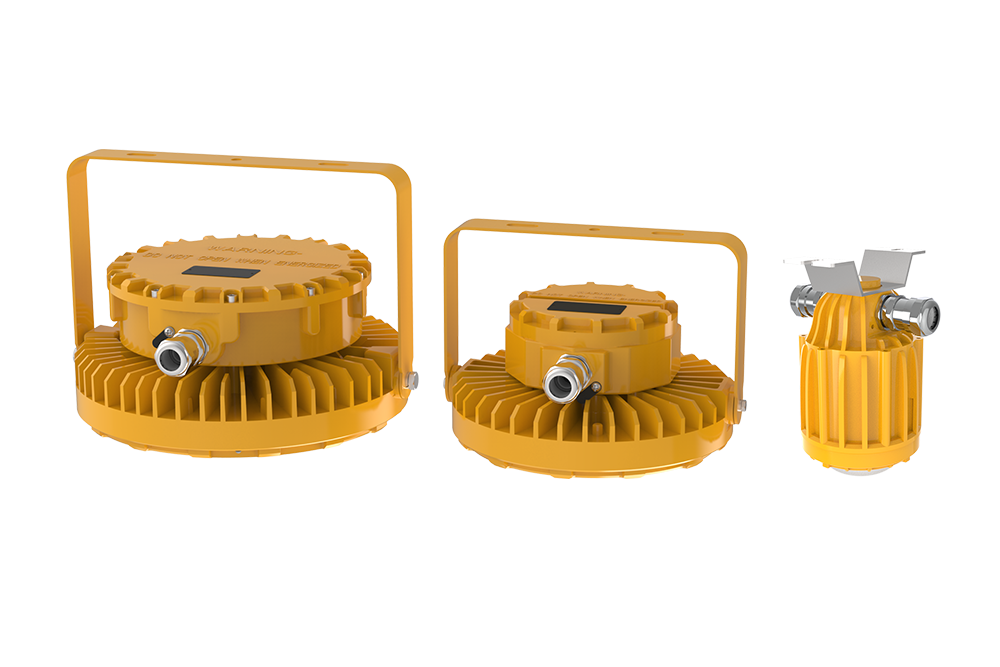
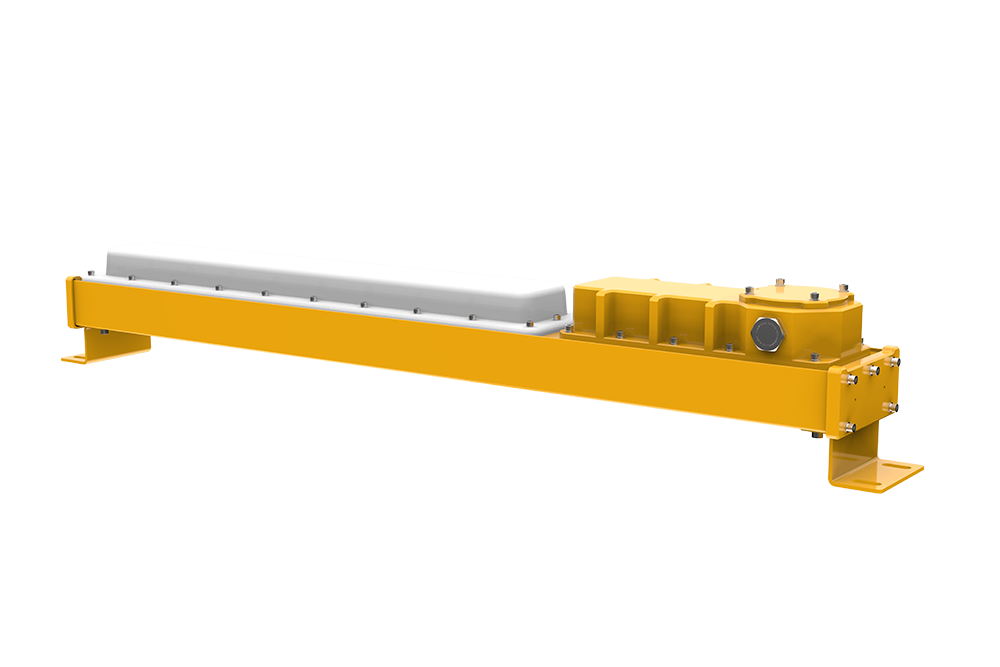
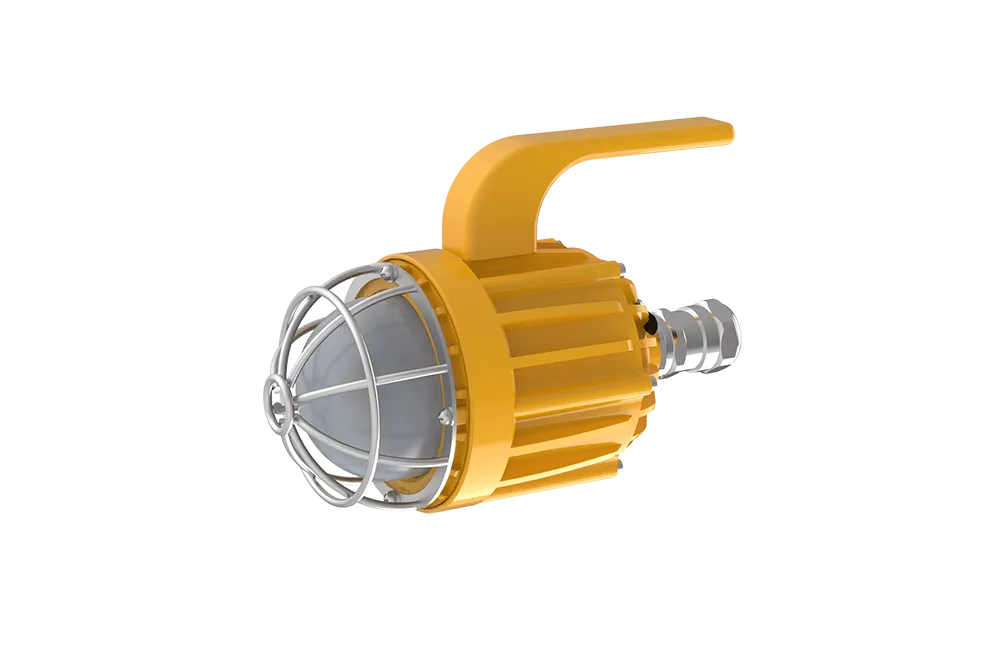
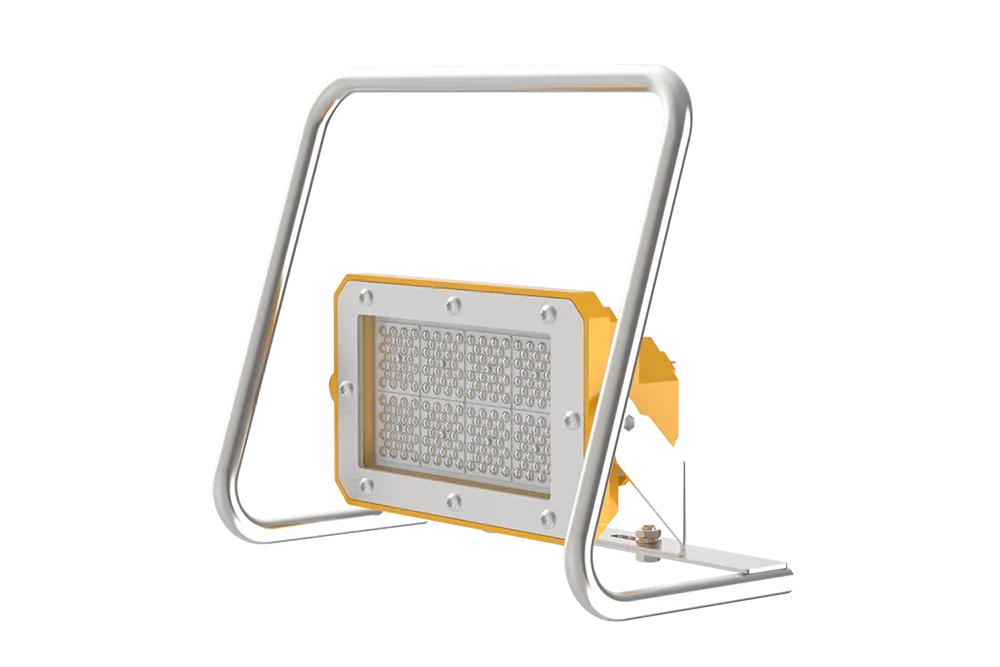
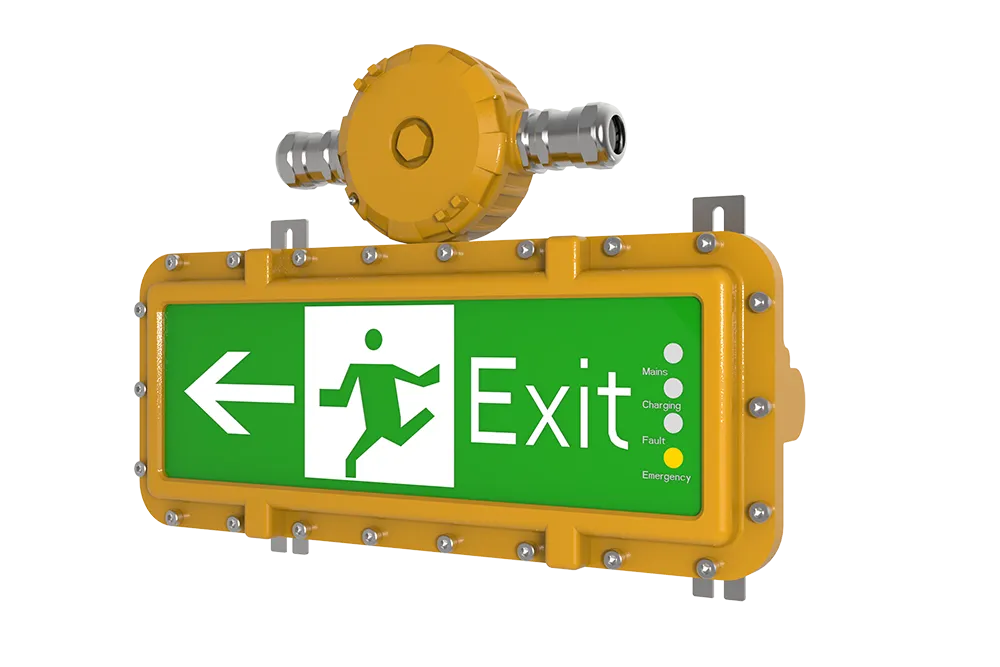
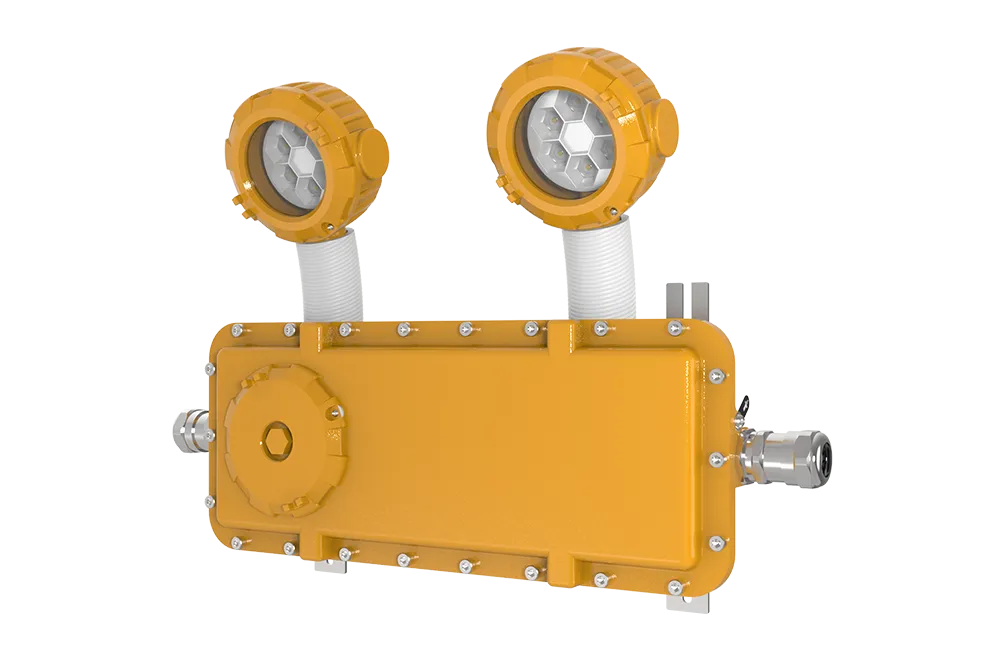
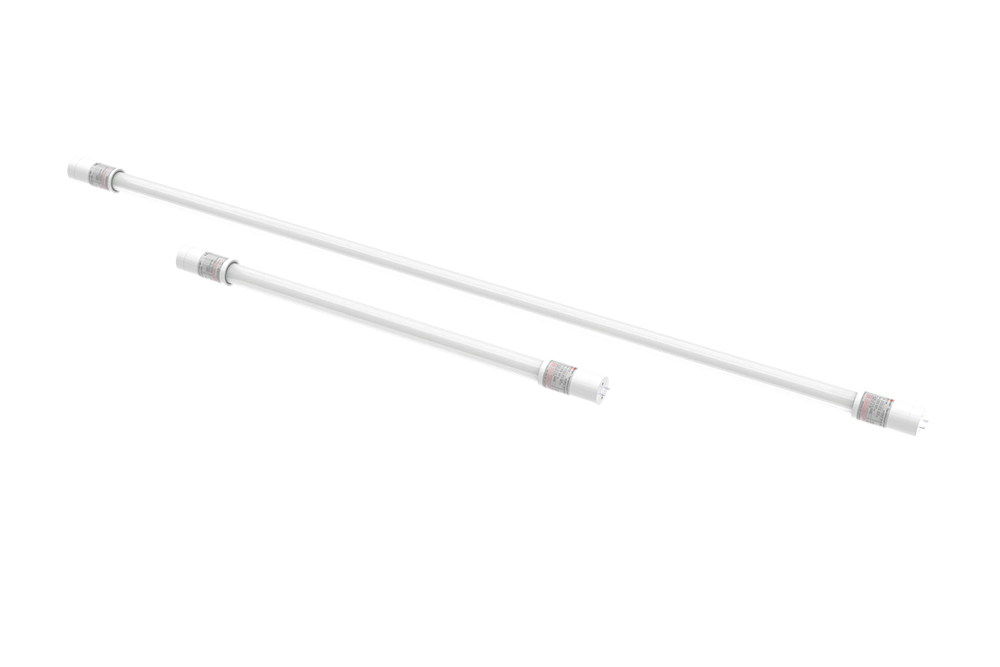
When specifying ex proof led lights, you are not simply choosing an energy-efficient luminaire. You are selecting a certified safety component designed to operate in environments where flammable gases or combustible dust may be present.
I have spent more than a decade working in hazardous area lighting engineering — from early-stage product development to on-site refinery commissioning. At SEEKINGLED, we design and manufacture ex proof led lights internally. That means we are responsible for flame path tolerances, thermal simulations, and certification testing, not just final assembly.
In hazardous zones, design shortcuts are expensive. Sometimes dangerously so.
What Makes Ex Proof LED Lights Different?
Explosion protection standards are governed internationally by the International Electrotechnical Commission through the IEC 60079 series. These standards define protection methods such as Ex d (flameproof), Ex e (increased safety), and Ex nR (restricted breathing).
In Europe, compliance aligns with ATEX Directive 2014/34/EU. In North America, hazardous locations follow NEC classifications overseen by the National Fire Protection Association.
When we design ex proof led lights, we consider:
- Gas group compatibility (IIA, IIB, IIC)
- Temperature class limits (T6, T5, etc.)
- Zone classification (Zone 1, Zone 2, 21, 22)
- Mechanical impact rating (IK)
- Ingress protection (IP66 or higher)
Each marking engraved on the housing reflects laboratory validation, not marketing claims.
Why LED Technology Is Now the Industry Standard
The shift from HID to LED in hazardous areas was not only about efficiency. It was about controllability and thermal performance.
According to the U.S. Department of Energy, LED systems can reduce industrial lighting energy use by 50–70% compared with traditional high-intensity discharge lamps. In explosion-risk environments, lower wattage translates to lower surface temperature — critical for maintaining T-rating compliance.
However, I’ve seen projects fail because suppliers underestimated heat accumulation inside sealed enclosures. LED junction temperature management is central to safe ex proof led lights design.
At SEEKINGLED, we run continuous thermal testing at maximum rated ambient temperatures (+55°C). We measure:
- Junction temperature
- Surface temperature
- Driver compartment heat build-up
- Long-term lumen depreciation
Data matters more than brochure claims.
Lessons from Offshore and Chemical Projects
Offshore platforms introduce additional challenges:
- Salt corrosion
- Continuous vibration
- High ambient humidity
In one offshore retrofit project, mounting bracket corrosion caused fixture misalignment within two years. Since then, we improved surface treatment thickness and material selection.
Chemical plants present different concerns. Fine dust can accumulate around seals. IP66 protection is mandatory, but gasket compression quality is equally important.
The International Energy Agency highlights that LED system longevity depends on effective thermal and environmental management. In hazardous areas, environmental stress accelerates failure if the design is marginal.
That’s why long-term testing is not optional.
Installation Efficiency Is Often Overlooked
Many procurement teams focus on lumen output and price per watt. But installation time directly affects project cost.
Heavy cast housings slow down elevated installation. External junction boxes increase wiring complexity. Integrated terminal compartments simplify connection and reduce labor.
On one refinery expansion, reducing installation time by 15–20 minutes per luminaire saved multiple technician-days across the site. Those numbers rarely appear in tenders, but they matter to contractors.
Good ex proof led lights should support the installer, not fight against them.
Lifecycle and Maintenance Expectations
A well-designed LED hazardous luminaire can exceed 100,000 hours at L80 under controlled conditions. But real-world performance depends on ambient temperature and electrical quality.
We design drivers with:
- Power factor ≥0.95
- THD <15%
- Surge protection appropriate for industrial grids
Maintenance-free claims should be backed by thermal data and certification documentation.
Final Engineering Perspective
Over years of hazardous area projects, I have learned that ex proof led lights are not about brightness alone. They are engineered safety components built around standards, temperature control and mechanical integrity.
At SEEKINGLED, our approach remains practical: validate design assumptions, test under worst-case conditions, and maintain direct control over manufacturing quality.
Whether for offshore modules, petrochemical units, or Class 1 Division 2 facilities, properly engineered ex proof led lights reduce operational risk and support long-term reliability.
Selecting the right ex proof led lights is ultimately about responsibility — to the facility, to compliance, and to the people working under that light.
ex proof led lights recommended
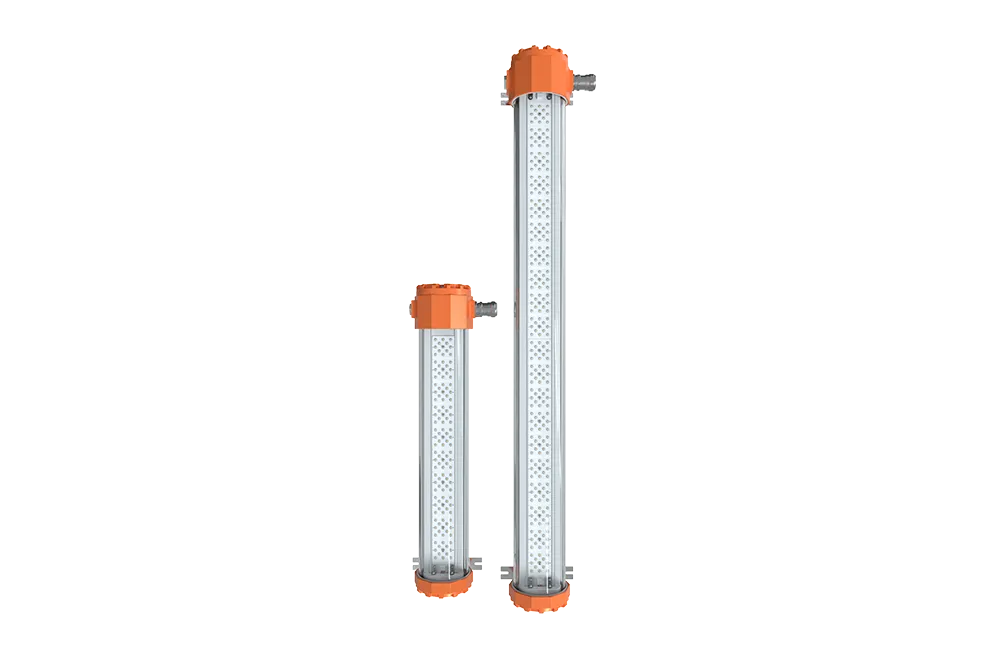
SEEKINGLED LED Linear Explosion Proof Light and Explosion Proof lighting is ATEX and IECEx certified for Zone 1, Zone 2, Zone 21 and Zone 22 hazardous locations, built for long-term industrial use.
LED Linear Explosion Proof Lights and EX Proof lights for Zone 1, Zone 2, Zone 21 and Zone 22 hazardous areas. ATEX & IECEx certified explosion proof LED linear lighting with emergency function, adjustable power and IP67 protection by SEEKINGLED.
SEEKINGLED LED Explosion Proof Flood Lights are ATEX certified for Zone 2 and Zone 22 hazardous areas, offering high efficiency, adjustable power and integrated junction box.
SEEKINGLED LED Explosion Proof Flood Lights are flameproof ATEX and IECEx certified for Zone 1 and Zone 2 hazardous areas, offering high power, adjustable output and long service life.
SEEKINGLED LED Gas Station Canopy Lights are ATEX certified for Zone 2 and Zone 22 hazardous areas, featuring adjustable power and built-in explosion-proof junction box.
ATEX: Ex II 2G Ex db IIB T6/T5 GbEx II 2D Ex tb IIIC T80°C/ T95°C Db IECEx Ex db IIB T6 Gb;Ex tb IIIC T80°C Db Feature: ● For Zone 1,2 and Zone 21,22● Flameproof type, the strongest● 100W can replace 250W HID,energy saving● Power:60W,80W,10…
ATEX: II 3G Ex nR ⅡC T5/T6 GcII 3D Ex tc ⅢC T80℃/T95℃Dc ATEX Certificate NO: TÜV CY 26 ATEX 0207611 X Feature: ● For Zone 2 and Zone 22● 150W can replace 250W HID lamps,Energy saving● Power:50W,75W,100W,150W,200W Application: Oil and gas, m…
LED explosion proof high bay lights are designed for Zone 1, Zone 2, Zone 21 and Zone 22 hazardous areas. This page introduces the HB21 Series from SEEKING, including certifications, power options and real application considerations.
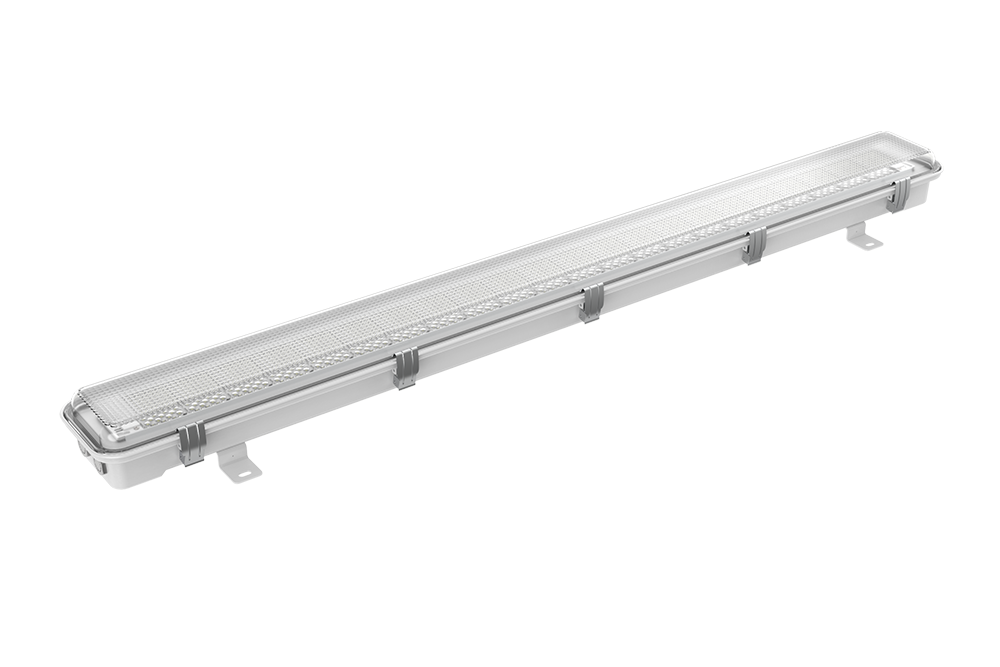
LED Linear Explosion Proof Lights from SEEKINGLED. LU Series Flame Proof lights ATEX-certified explosion proof LED linear lighting for Zone 2 gas and Zone 22 dust areas, IP69K, IK10, long lifetime and flexible power options.
Certified explosion proof work lights for Zone 1 & 21 hazardous areas. Portable, ATEX & IECEx approved, built for oil, gas and chemical plants by SEEKINGLED.
ATEX: II 3G Ex nR ⅡC T6 GcII 3D Ex tc ⅢC T80℃ Dc ATEX Certificate NO: TÜV CY 26 ATEX 0207611 X Feature: ● For Zone 2 and Zone 22● Accepts battery-powered supply● indestructible● Power:AC input:50W,75W,100WDC input:15W,25W,35W Application: O…
ATEX: Ex II 2G Ex db IIB T6 GbEx II 2D Ex tb IIIC T80°C Db IECEx Ex db IIB T6 Gb;Ex tb IIIC T80°C Db Feature: ● For Zone 1,2 and Zone 21,22● Flameproof type, the strongest Application: Oil and gas, marine, Chemical, pharmaceutical, semicondu…
ATEX: Ex II 2G Ex db IIB T6 GbEx II 2D Ex tb IIIC T80°C Db IECEx Ex db IIB T6 Gb;Ex tb IIIC T80°C Db Feature: ● For Zone 1,2 and Zone 21,22● Flameproof type, the strongest Application: Oil and gas, marine, Chemical, pharmaceutical, semicondu…
ATEX: Ex II 2G Ex d e IIB T6 Gb ATEX: Ex d e IIB T6 Gb; Feature: ● For Zone 1,2● 9W can replace 18W fluorescent lamps,50% Energy saving Application: Oil and gas, marine, Chemical, pharmaceutical, semiconductor,mining,military industry, pain…
loading…
This is the last post!
 Seeking LED