 Seeking LED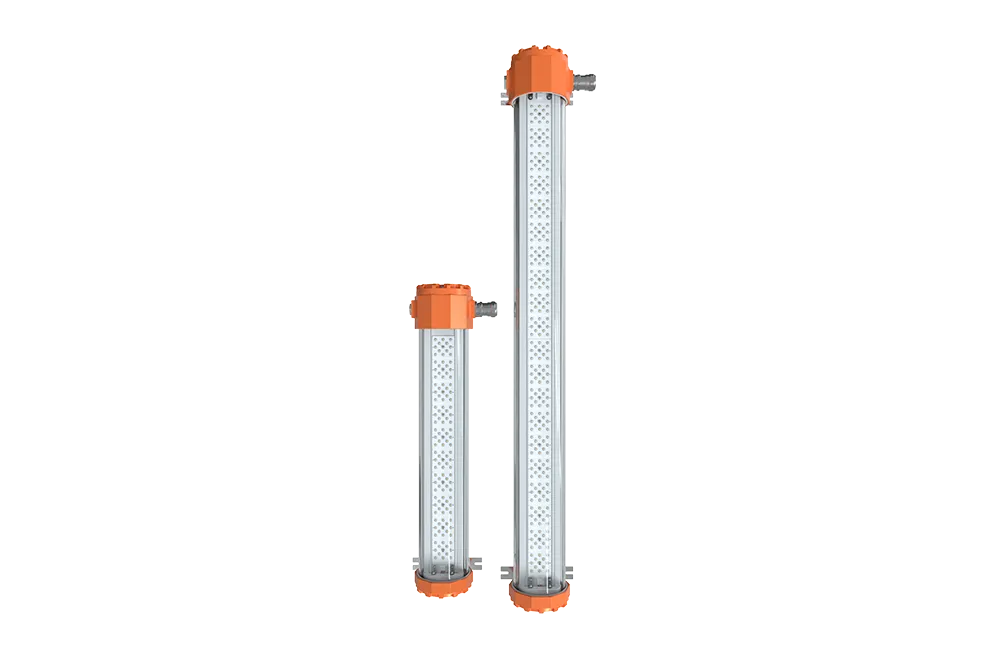
Are LED Lights Explosion Proof?
73Are LED lights explosion proof? Learn the truth about explosion-proof LED lighting, certifications, and safe use in hazardous areas with expert insights from SEEKINGLED.
View detailsSearch the whole station
If you’ve worked around hazardous areas long enough, the term explosion proof led light fixture stops being just a product name.
It becomes a kind of expectation.
Not just “it works.” More like — it keeps working when everything around it doesn’t behave nicely.
I remember a project in a processing plant where everything went smoothly at the start.
Fixtures installed. Power on. Clean, even light.
No issues.
Then a few months passed.
Nothing dramatic — just small signs. One unit slightly dimmer. Another showing delayed startup. Not failures, just… not quite consistent anymore.
That’s when you start paying attention to things that don’t show up in specs.
Standards like ATEX (Directive 2014/34/EU) and IECEx exist for a reason. They define how equipment should behave in explosive atmospheres — especially in terms of ignition protection.
An explosion proof led light fixture must ensure that any internal ignition cannot escape the enclosure.
That part is clear.
But what isn’t always obvious is how differently products behave over time, even when they all meet certification.
Because certification doesn’t fully simulate real conditions:
Those factors slowly change how a fixture performs.
One thing that keeps coming up in field inspections — heat.
Not overheating. Just accumulation.
A fixture might run within limits, but if heat isn’t dissipated efficiently, internal components age faster. Drivers especially.
According to IEC guidelines, surface temperature must remain below ignition thresholds for specific gas groups. That’s controlled in testing.
But inside the fixture, it’s more complex.
Good designs move heat away from critical components. Others just contain it.
SEEKINGLED tends to focus heavily on thermal path design — separating drivers, optimizing heat sinks. It’s not something you see externally, but you notice it over time.
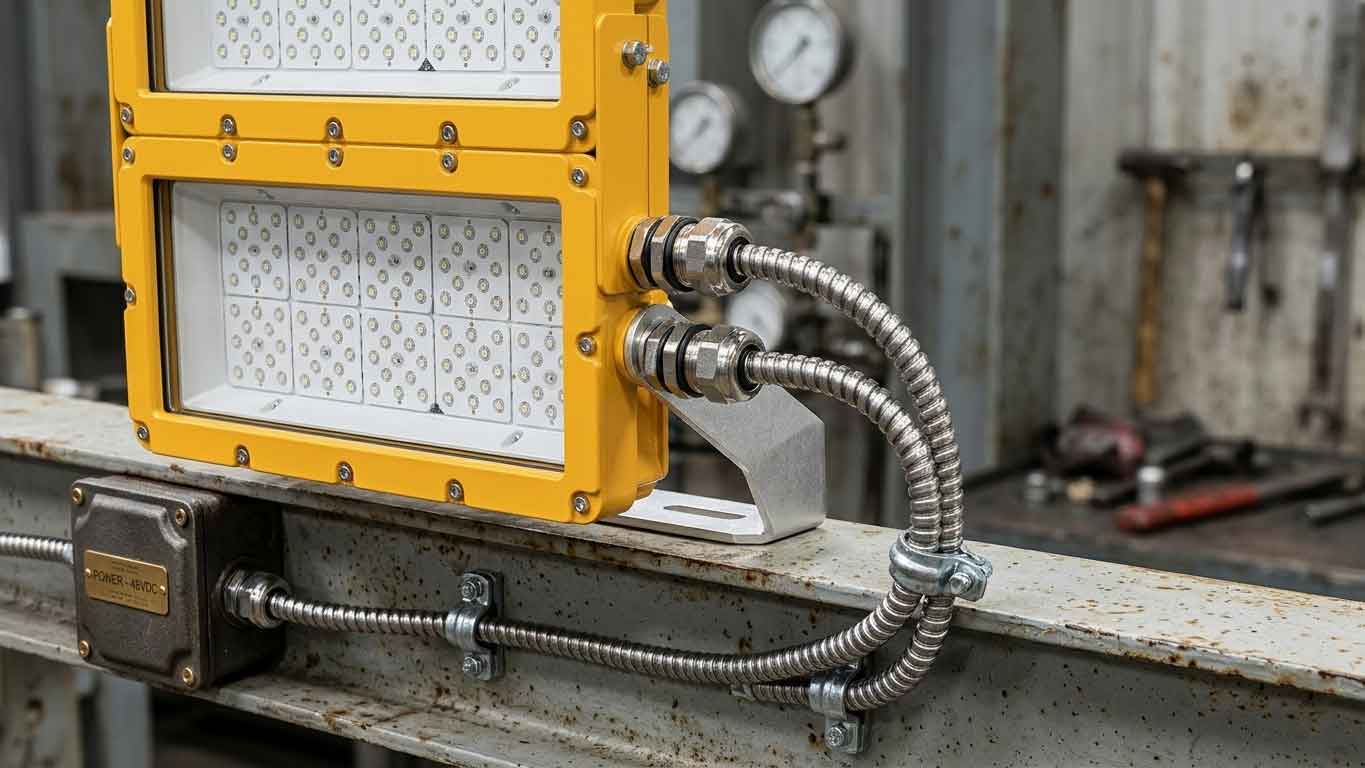
Most people look at LEDs. In practice, drivers are where things begin to drift.
Industrial power isn’t perfectly stable. According to IEEE research on industrial electrical systems, voltage fluctuations and transient spikes are common in heavy-duty environments.
If the driver isn’t built with enough tolerance, you’ll see:
Not immediately. Gradually.
That’s why higher-end explosion proof fixtures focus on driver reliability just as much as enclosure strength.
Another detail that doesn’t come up early — consistency.
One fixture performing well doesn’t tell you much.
A hundred fixtures installed across a site will.
In one warehouse project, about 15% of installed units started showing minor condensation internally. Same model, same conditions.
The difference came down to production variation.
That’s where supplier control becomes important. SEEKINGLED treats explosion proof LED light fixture production as controlled batches, not just repeated manufacturing.
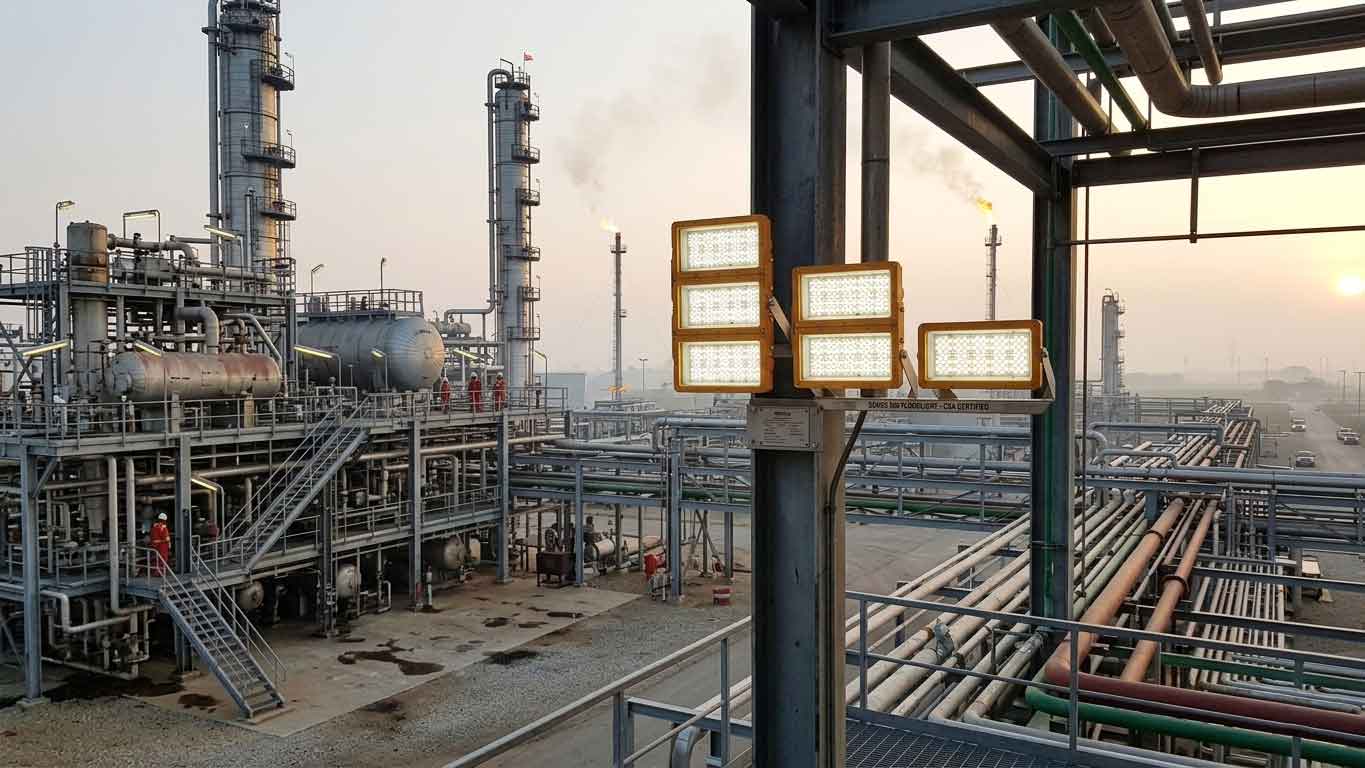
Typical environments are predictable:
But conditions vary more than categories suggest.
An enclosed chemical zone can be more aggressive than an open offshore structure. Less airflow, more chemical exposure.
That’s where design margins start to matter.
After enough site visits, a pattern becomes clear.
Most explosion proof LED light fixtures perform well at the beginning.
The difference shows later.
Three months — no issue.
Six months — small variation.
One year — clear separation between average and reliable products.
SEEKINGLED focuses on long-term performance, not just initial compliance. That approach comes from seeing how fixtures behave after installation, not just during testing.
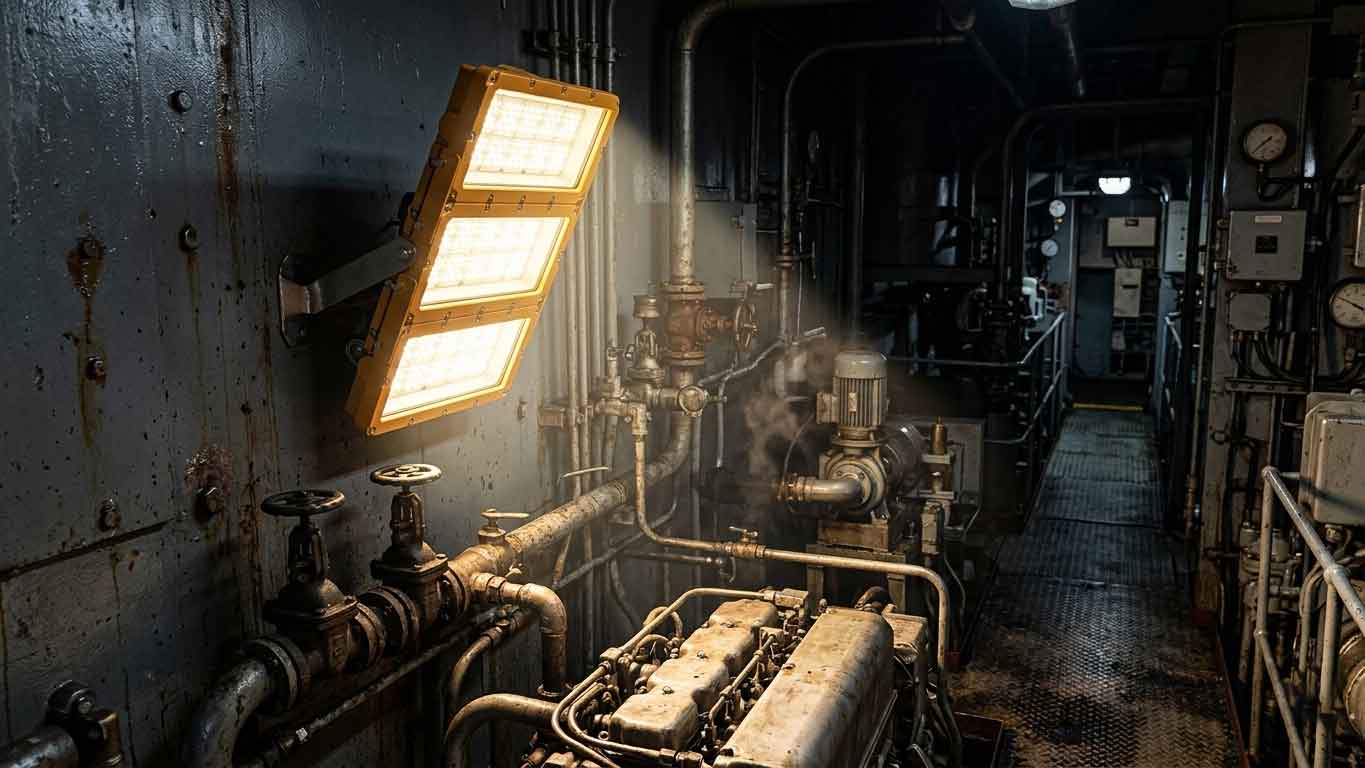
Choosing an explosion proof led light fixture isn’t just about meeting standards.
It’s about how the fixture behaves when the environment stops being predictable.
Because sooner or later — it will.
Related products
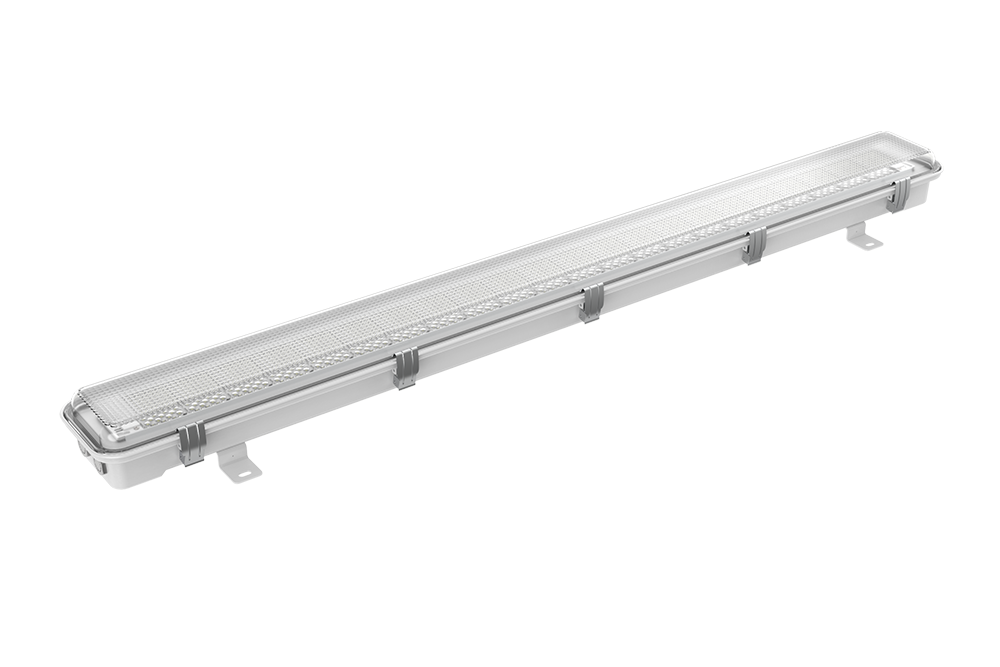
SEEKINGLED LED Linear Explosion Proof Light and Explosion Proof lighting is ATEX and IECEx certified for Zone 1, Zone 2, Zone 21 and Zone 22 hazardous locations, built for long-term industrial use.
LED Linear Explosion Proof Lights and EX Proof lights for Zone 1, Zone 2, Zone 21 and Zone 22 hazardous areas. ATEX & IECEx certified explosion proof LED linear lighting with emergency function, adjustable power and IP67 protection by SEEKINGLED.
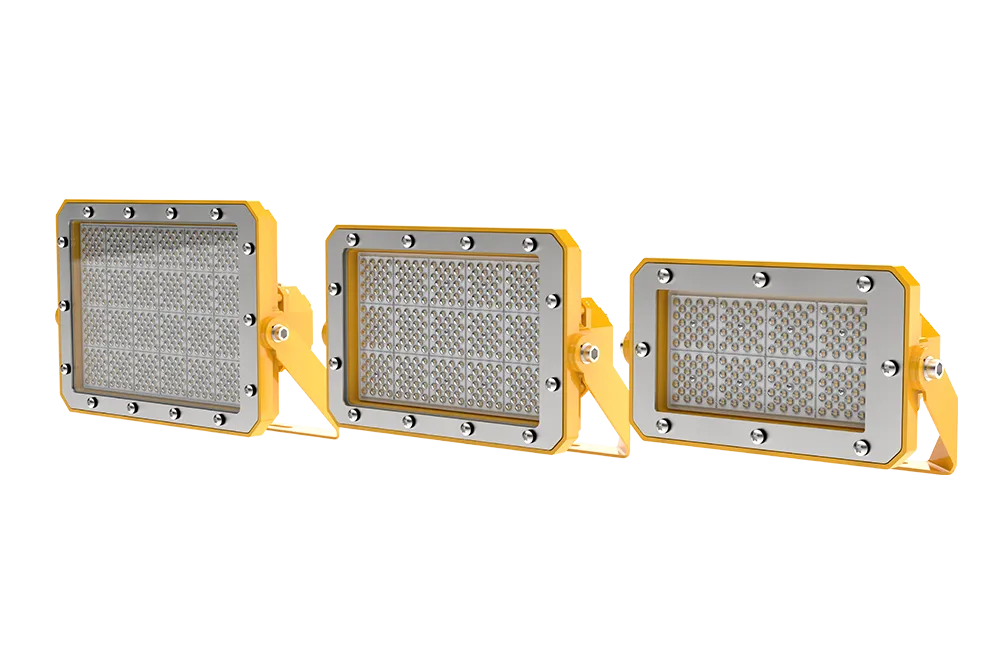
SEEKINGLED LED Explosion Proof Flood Lights are ATEX certified for Zone 2 and Zone 22 hazardous areas, offering high efficiency, adjustable power and integrated junction box.
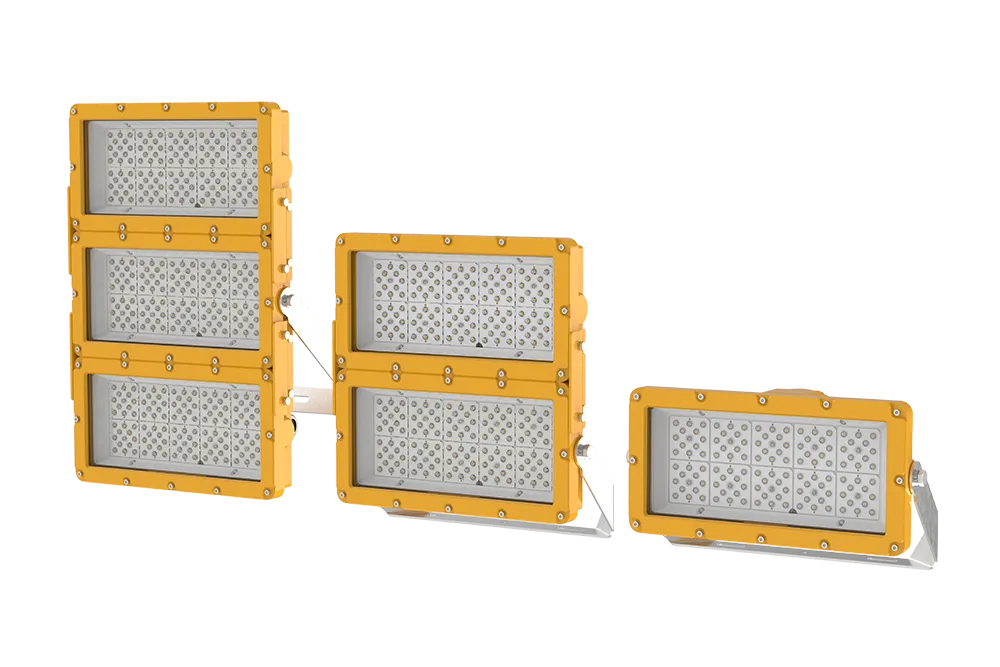
SEEKINGLED LED Explosion Proof Flood Lights are flameproof ATEX and IECEx certified for Zone 1 and Zone 2 hazardous areas, offering high power, adjustable output and long service life.
SEEKINGLED LED Gas Station Canopy Lights are ATEX certified for Zone 2 and Zone 22 hazardous areas, featuring adjustable power and built-in explosion-proof junction box.
ATEX: Ex II 2G Ex db IIB T6/T5 GbEx II 2D Ex tb IIIC T80°C/ T95°C Db IECEx Ex db IIB T6 Gb;Ex tb IIIC T80°C Db Feature: ● For Zone 1,2 and Zone 21,22● Flameproof type, the strongest● 100W can replace 250W HID,energy saving● Power:60W,80W,10…
ATEX: II 3G Ex nR ⅡC T5/T6 GcII 3D Ex tc ⅢC T80℃/T95℃Dc ATEX Certificate NO: TÜV CY 26 ATEX 0207611 X Feature: ● For Zone 2 and Zone 22● 150W can replace 250W HID lamps,Energy saving● Power:50W,75W,100W,150W,200W Application: Oil and gas, m…
LED explosion proof high bay lights are designed for Zone 1, Zone 2, Zone 21 and Zone 22 hazardous areas. This page introduces the HB21 Series from SEEKING, including certifications, power options and real application considerations.
LED Linear Explosion Proof Lights from SEEKINGLED. LU Series Flame Proof lights ATEX-certified explosion proof LED linear lighting for Zone 2 gas and Zone 22 dust areas, IP69K, IK10, long lifetime and flexible power options.
Certified explosion proof work lights for Zone 1 & 21 hazardous areas. Portable, ATEX & IECEx approved, built for oil, gas and chemical plants by SEEKINGLED.
ATEX: II 3G Ex nR ⅡC T6 GcII 3D Ex tc ⅢC T80℃ Dc ATEX Certificate NO: TÜV CY 26 ATEX 0207611 X Feature: ● For Zone 2 and Zone 22● Accepts battery-powered supply● indestructible● Power:AC input:50W,75W,100WDC input:15W,25W,35W Application: O…
ATEX: Ex II 2G Ex db IIB T6 GbEx II 2D Ex tb IIIC T80°C Db IECEx Ex db IIB T6 Gb;Ex tb IIIC T80°C Db Feature: ● For Zone 1,2 and Zone 21,22● Flameproof type, the strongest Application: Oil and gas, marine, Chemical, pharmaceutical, semicondu…
ATEX: Ex II 2G Ex db IIB T6 GbEx II 2D Ex tb IIIC T80°C Db IECEx Ex db IIB T6 Gb;Ex tb IIIC T80°C Db Feature: ● For Zone 1,2 and Zone 21,22● Flameproof type, the strongest Application: Oil and gas, marine, Chemical, pharmaceutical, semicondu…
ATEX: Ex II 2G Ex d e IIB T6 Gb ATEX: Ex d e IIB T6 Gb; Feature: ● For Zone 1,2● 9W can replace 18W fluorescent lamps,50% Energy saving Application: Oil and gas, marine, Chemical, pharmaceutical, semiconductor,mining,military industry, pain…
loading…
This is the last post!
Are LED lights explosion proof? Learn the truth about explosion-proof LED lighting, certifications, and safe use in hazardous areas with expert insights from SEEKINGLED.
View details
Are LED lights UL listed by default? Not always. Learn what UL listing really means, how to check it, and why SEEKINGLED treats UL as non-negotiable.
View details
Sports Stadium LED Lighting project using SEEKINGLED XJ-SPA480W high power spot light for a football field. 20° beam angle with Dialux calculation ensures focused lighting, reduced pole load and practical cost control.
View details
Are all LED lights explosion proof? Learn why most LED fixtures are not suitable for hazardous areas and when certified explosion proof LED lighting is required. By SEEKINGLED.
View details