Direct answer:
LED indoor flood light bulbs provide focused, high-efficiency lighting for ceilings, track systems, and recessed fixtures, typically lasting 25,000+ hours while reducing energy use by over 60%. When chosen correctly, they improve brightness control, reduce glare, and maintain consistent indoor lighting performance.
Why LED Indoor Flood Light Bulbs Feel Different from Regular Bulbs
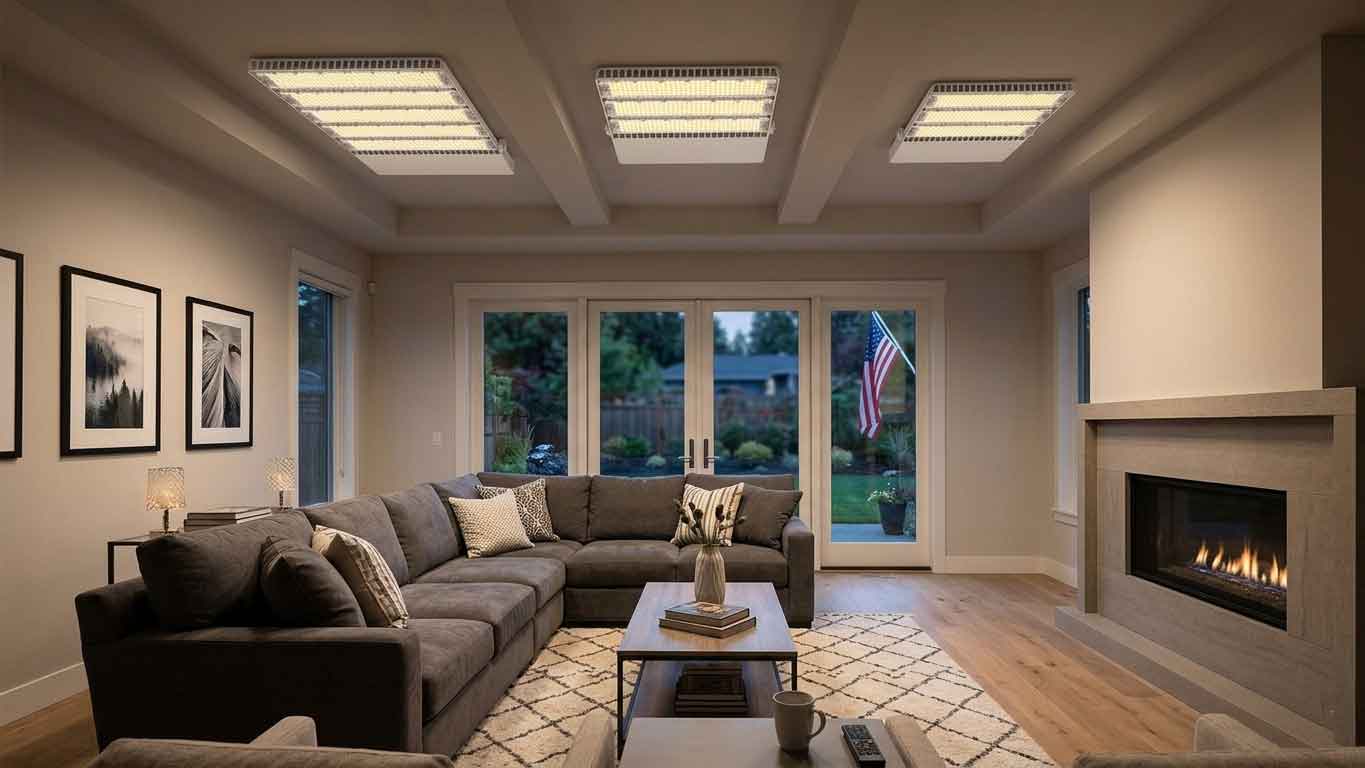
First time I swapped standard bulbs for LED indoor flood light bulbs in a living room, it felt… off.
Not worse. Just different.
The light wasn’t spreading everywhere. It was controlled. Directed.
That’s the whole point.
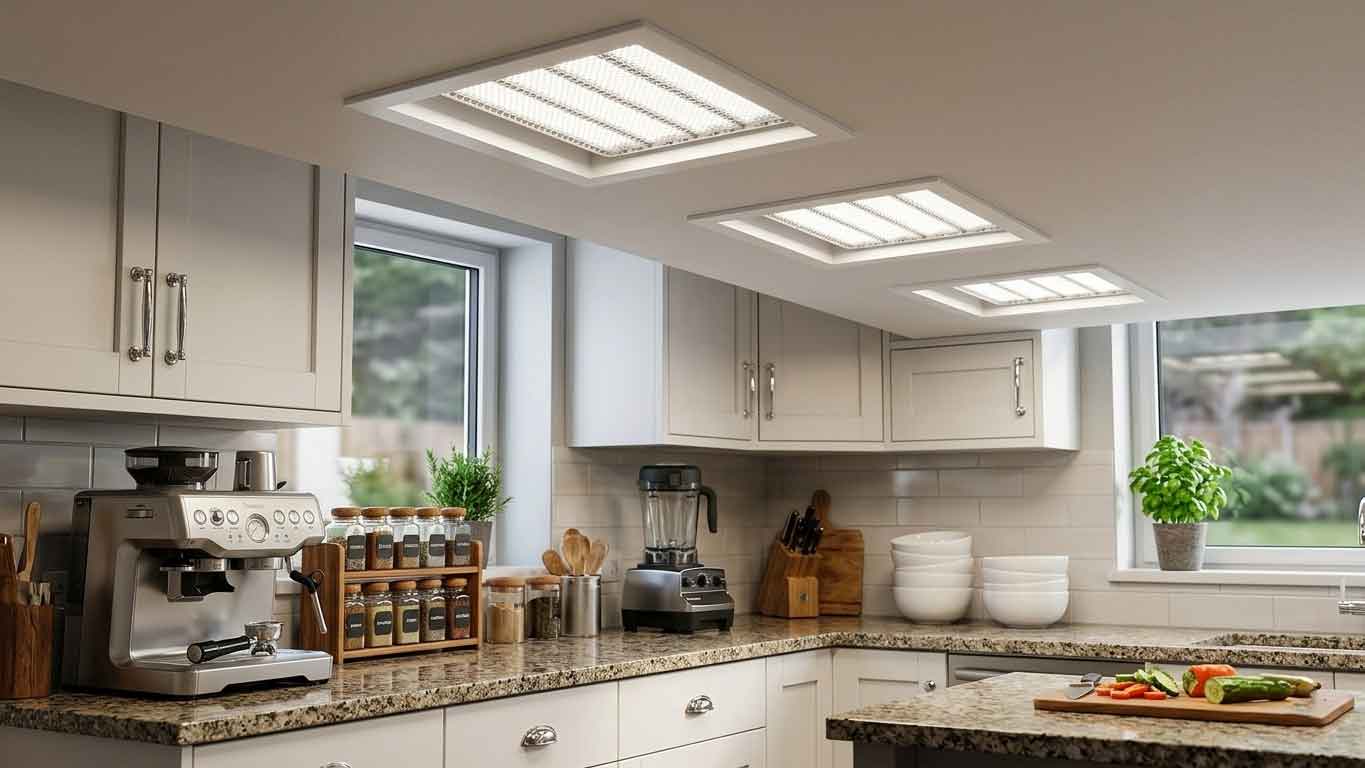
Flood bulbs aren’t about filling a room blindly—they shape light. If you’ve got artwork, textured walls, or even just a kitchen counter, that control becomes obvious pretty fast.
According to the U.S. Department of Energy, LEDs use at least 75% less energy and last significantly longer than traditional incandescent bulbs. Indoors, that difference shows up less in bills—and more in consistency over time.
led indoor flood light bulbs brightness guide
Lumens vs Real Perception
Here’s where people get tripped up.
They check lumens, buy the highest number, install it—and then complain it’s too harsh.
Because brightness indoors isn’t just output. It’s direction + reflection.
I’ve used 800-lumen flood bulbs that felt brighter than 1200-lumen ones. Why? Narrower beam. Focused spread.
SEEKINGLED bulbs tend to balance this well—not overly tight, not scattered.
Ceiling Height Changes Everything
- Low ceilings → go softer, wider beam
- High ceilings → tighter beam works better
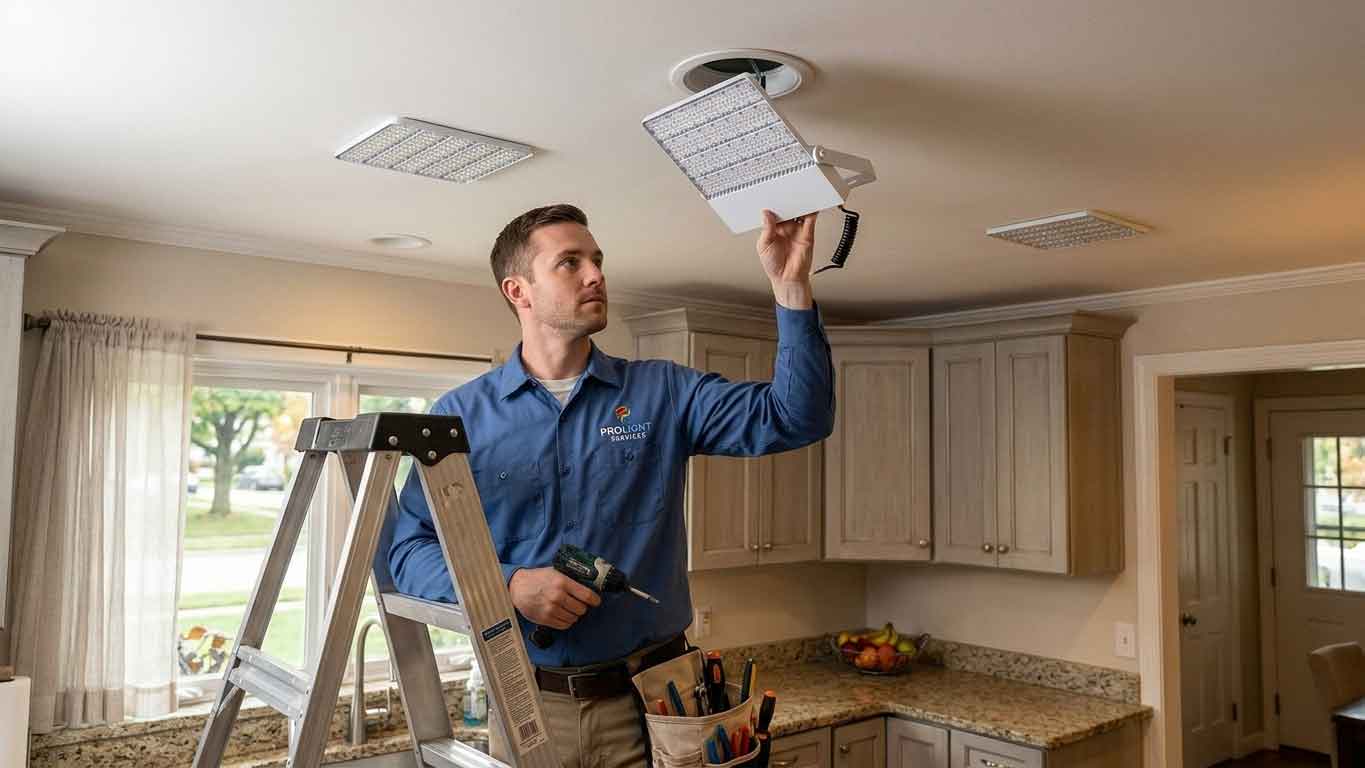
One install—standard apartment, low ceiling. Client chose high-output bulbs. Ended up swapping them out within a week. Too intense.
Lesson learned.
best led indoor flood light bulbs for home
What I Look for (After Too Many Replacements)
Not marketing claims.
Actual things that matter:
- Stable brightness (no flicker)
- Heat management
- Consistent color temperature
- Build quality
I’ve replaced bulbs that technically “worked”—but flickered slightly. Annoying over time.
SEEKINGLED tends to avoid that issue. Not perfect, but consistent.
Color Temperature Isn’t Just Preference
Quick breakdown:
- 2700K–3000K → warm, relaxed
- 4000K → neutral, practical
- 5000K → bright, task-focused
I don’t recommend 5000K for living rooms. Feels clinical.
But in kitchens or workspaces? Makes sense.
how to choose led indoor flood light bulbs
Compatibility Gets Ignored Too Often
Not every bulb fits every fixture.
Check:
- Base type (E26, GU10, etc.)
- Fixture depth
- Ventilation space
I’ve seen overheating issues just because the bulb was crammed into a tight housing.
Dimming Performance (Where Cheap Bulbs Fail)
This one’s subtle.
Some bulbs say “dimmable”—but flicker or buzz when you actually dim them.
That’s usually driver quality.
The Illuminating Engineering Society highlights the importance of visual comfort in indoor lighting. Flicker—even slight—affects that more than people expect.
More Guides
Author Experience
I’ve been working with lighting installations—indoor and outdoor—for nearly a decade.
Mostly residential. Some commercial interiors.
Not lab testing. Real homes. Real feedback.
And honestly, most complaints about lighting aren’t about brightness—they’re about comfort. Glare. Uneven spread. Flicker.
That’s why I tend to recommend SEEKINGLED. Not because it’s the most powerful—but because it behaves predictably in real environments.
Final Thought
LED indoor flood light bulbs aren’t complicated.
But choosing the wrong type—or ignoring how light behaves indoors—creates discomfort you notice every day.
Get the beam, brightness, and placement right.
Then it just feels natural.
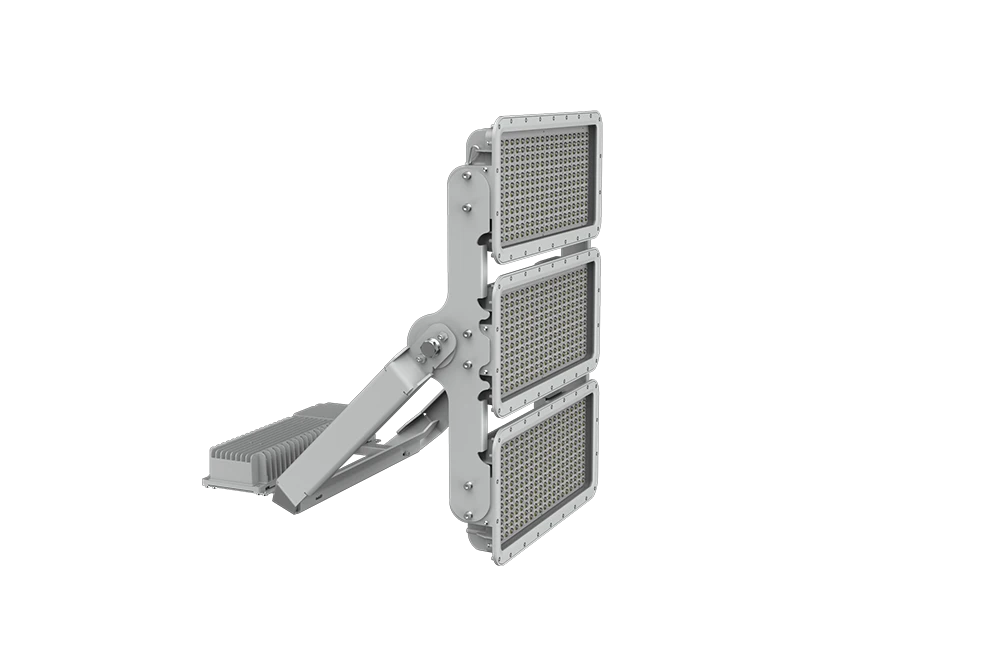
LED flood light Recommendations
 Seeking LED