 Seeking LED
How Long Does LED Lights Last in Real Working Conditions?
69How long does LED lights last in real conditions? Discover true lifespan, key factors, and why SEEKINGLED lighting delivers longer, stable performance.
View detailsSearch the whole station
Why Lighting for Hazardous Areas Exists is simple: conventional lighting can become an ignition source in environments containing flammable gases, vapors, dust, or fibers. Hazardous area lighting is specifically engineered and certified to prevent sparks, excessive surface temperatures, or electrical faults from triggering explosions while maintaining safe visibility for workers.
Industrial buyers often assume hazardous area lighting is merely a compliance requirement. After spending more than a decade around petrochemical facilities, offshore platforms, grain processing plants, and chemical storage terminals, I have learned something different.
Most hazardous lighting projects begin after someone sees a near miss.
A leaking flange.
A cloud of solvent vapor.
Dust suspended in sunlight above a conveyor.
Then the conversation changes from illumination to risk control.
Walk through a refinery during a turnaround shutdown and you’ll notice something interesting.
The biggest concern is rarely darkness.
The concern is ignition.
Electricity and combustible atmospheres have always been an uncomfortable combination.
In ordinary environments, a tiny spark may go unnoticed. In hazardous locations, that same spark can ignite:
The challenge is that lighting equipment naturally contains potential ignition sources:
Without specialized protection, lighting fixtures can become dangerous.
According to the U.S. Occupational Safety and Health Administration (OSHA), combustible dust explosions continue to cause fatalities, injuries, and major property damage across industrial sectors.
Source: OSHA Combustible Dust National Emphasis Program
Website: OSHA
URL: https://www.osha.gov/combustible-dust
This reality explains why lighting for hazardous areas exists in the first place.
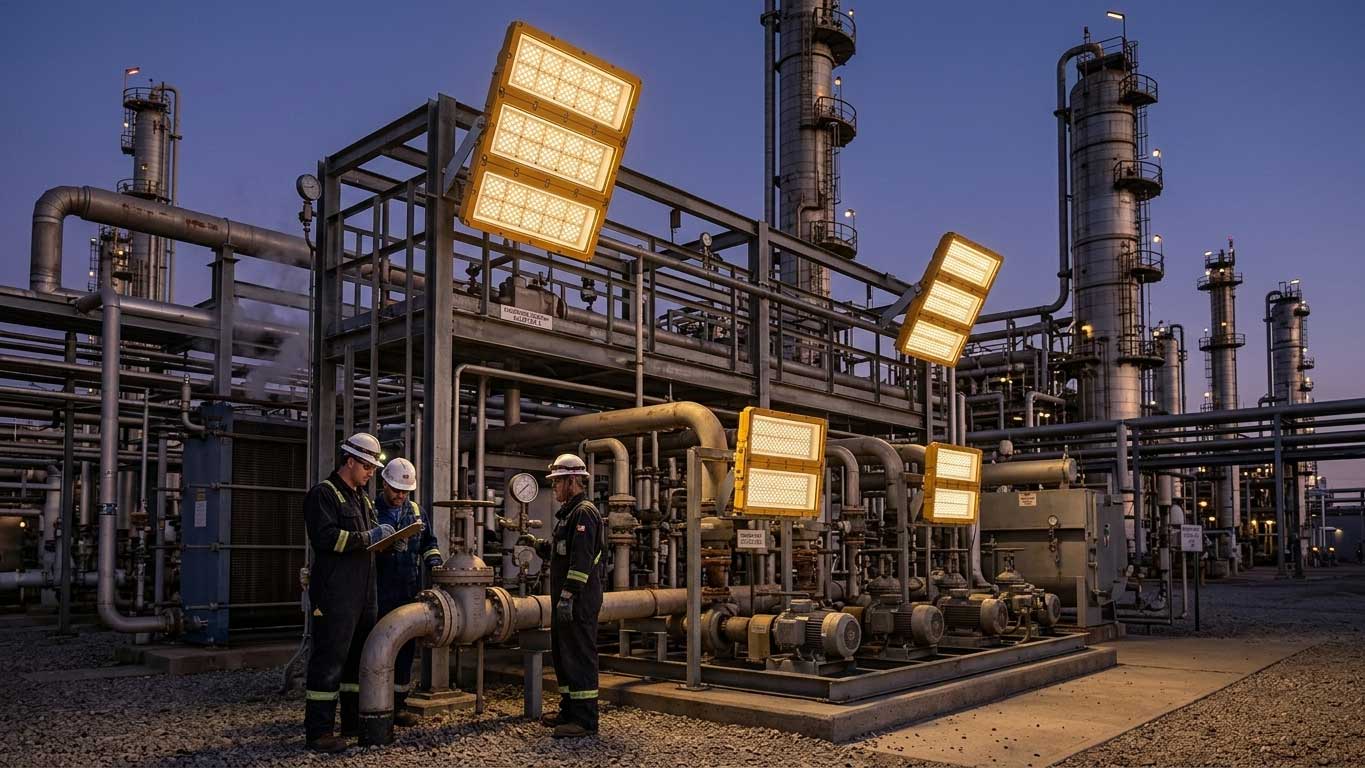
Many people hear the phrase hazardous area and immediately think about offshore oil platforms.
The reality is much broader.
Hazardous locations exist whenever combustible substances can mix with air in sufficient concentrations.
| Industry | Hazard Source |
|---|---|
| Oil & Gas | Hydrocarbon gases |
| Chemical Processing | Solvent vapors |
| Pharmaceutical Manufacturing | Alcohol vapors |
| Grain Storage | Grain dust |
| Food Processing | Sugar dust |
| Mining | Methane and coal dust |
| Paint Manufacturing | Flammable solvents |
| Marine Fuel Terminals | Petroleum vapors |
A surprisingly overlooked example is food manufacturing.
The U.S. Chemical Safety Board investigated multiple dust explosions involving sugar facilities.
One of the most widely cited incidents occurred at the Imperial Sugar refinery where combustible sugar dust fueled a catastrophic explosion.
Source: U.S. Chemical Safety and Hazard Investigation Board (CSB)
Website: CSB
URL: https://www.csb.gov
The lesson was clear.
Explosive atmospheres are not limited to refineries.
Years ago, during a maintenance audit at a fuel blending facility, an electrician opened an aging junction box near a transfer pump.
Nothing dramatic happened.
But inside, evidence of minor electrical arcing was visible around a terminal connection.
In a normal warehouse, that defect might simply require maintenance.
In a Zone 1 or Class I Division 1 environment, it becomes a serious concern.
Electrical arcs can exceed temperatures required to ignite many flammable gases.
A light fixture does not need to produce a spark to create danger.
Heat alone can be enough.
Different gases have different ignition temperatures.
For example:
| Substance | Approximate Auto-Ignition Temperature |
|---|---|
| Hydrogen | 500°C |
| Propane | 470°C |
| Ethylene | 425°C |
| Gasoline Vapor | 280°C–470°C |
Source: National Fire Protection Association (NFPA) and IEC 60079 references
Website: NFPA
URL: https://www.nfpa.org
This is why hazardous lighting certifications include temperature classifications.
The fixture surface must remain below ignition thresholds.
The engineering approach is fascinating.
Instead of assuming failures never occur, hazardous area lighting assumes failures eventually will occur.
The fixture is designed around that reality.
Explosion-proof fixtures contain any internal ignition event.
If a spark ignites gas inside the enclosure:
This principle has been used for decades in petroleum facilities.
Some ATEX and IECEx designs reduce ignition risk by:
Rather than containing explosions, these fixtures prevent them from occurring.
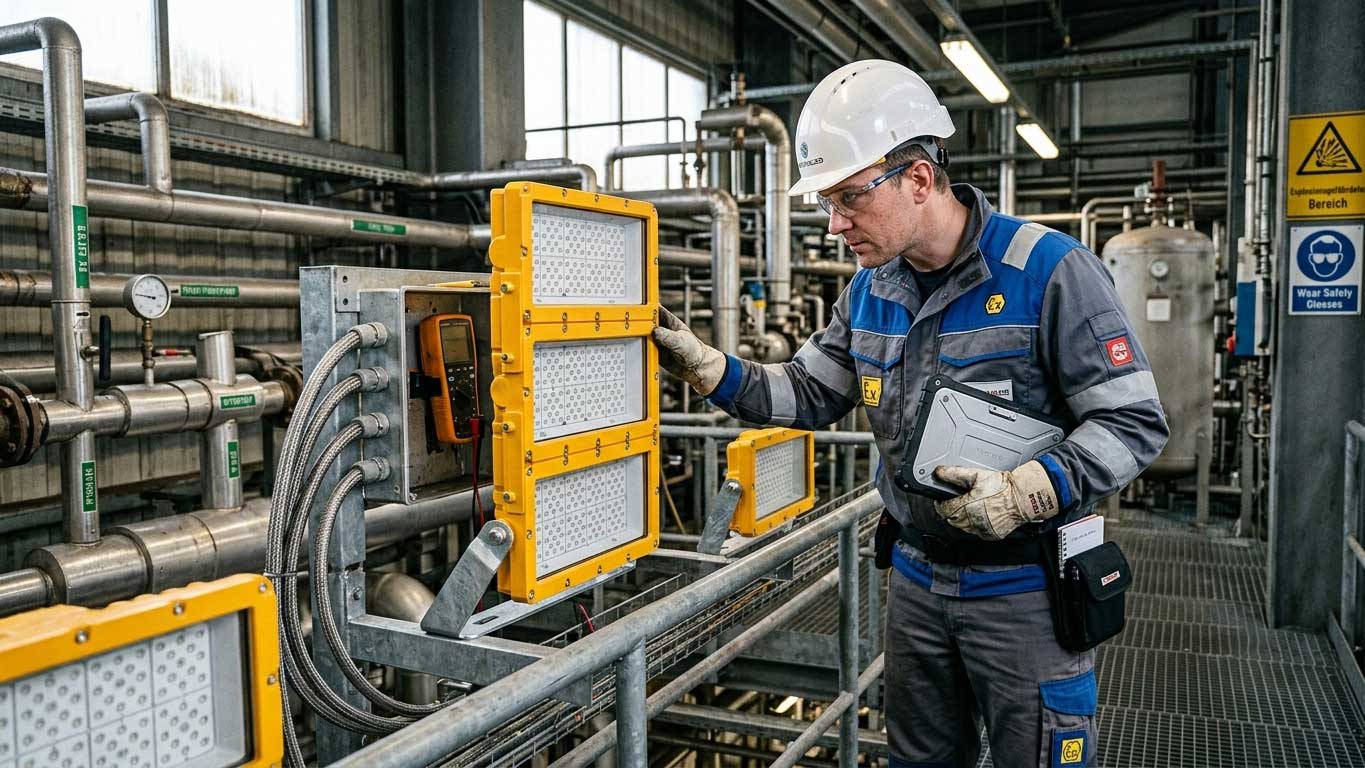
The development of hazardous area lighting is not driven solely by manufacturers.
It is driven by international safety standards.
ATEX applies across the European Union.
It establishes requirements for equipment used in explosive atmospheres.
Source: European Commission ATEX Guidelines
Website: European Commission
URL: https://single-market-economy.ec.europa.eu
IECEx creates a globally recognized certification framework.
Many multinational operators rely on IECEx certification to simplify equipment approval across multiple countries.
Source: IECEx Official System
Website: IECEx
URL: https://www.iecex.com
In North America, hazardous locations are commonly classified according to:
Equipment is frequently evaluated under UL and NEC requirements.
Source: National Fire Protection Association (NFPA 70 NEC)
Website: NFPA
URL: https://www.nfpa.org
Twenty years ago, hazardous lighting often meant heavy fixtures with limited efficiency.
LED technology changed the equation.
Benefits include:
The U.S. Department of Energy reports that LEDs can consume significantly less energy than traditional lighting technologies while providing comparable illumination.
Source: U.S. Department of Energy – LED Lighting Facts
Website: Energy.gov
URL: https://www.energy.gov
For operators managing thousands of fixtures across large facilities, these savings become substantial.
No. Food processing, pharmaceuticals, mining, grain handling, chemical manufacturing, and marine terminals all use hazardous area lighting.
No. Standard LED fixtures are not certified to prevent ignition risks in explosive atmospheres.
No. It significantly reduces ignition risk but must be combined with proper installation, maintenance, ventilation, and operational safety procedures.
Not exactly. Both address explosive atmosphere safety, but they are different certification systems used in different regulatory frameworks.
Direct access to product page:Hazardous Areas Explosion proof light
The answer to Why Lighting for Hazardous Areas Exists becomes obvious once you’ve spent time inside facilities where combustible gases, vapors, or dust are part of daily operations. Lighting is no longer just about visibility. It becomes part of the site’s ignition control strategy.
That is why operators worldwide continue investing in certified hazardous area lighting solutions such as those developed by SEEKINGLED. When explosive atmospheres are possible, the right fixture is not merely a lighting choice—it is a safety decision.
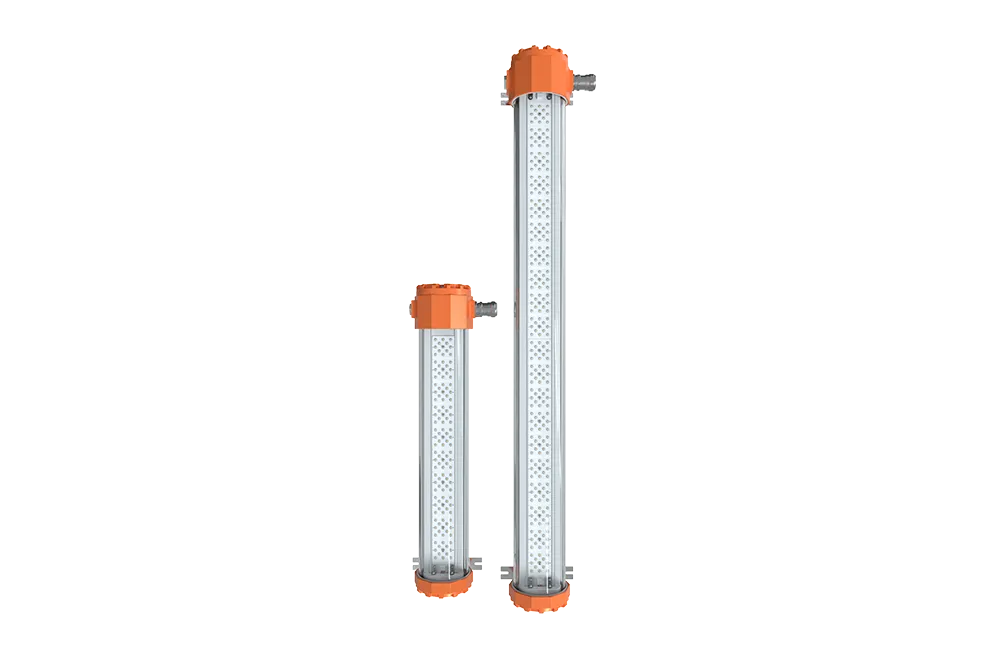
SEEKINGLED LED Linear Explosion Proof Light and Explosion Proof lighting is ATEX and IECEx certified for Zone 1, Zone 2, Zone 21 and Zone 22 hazardous locations, built for long-term industrial use.
View details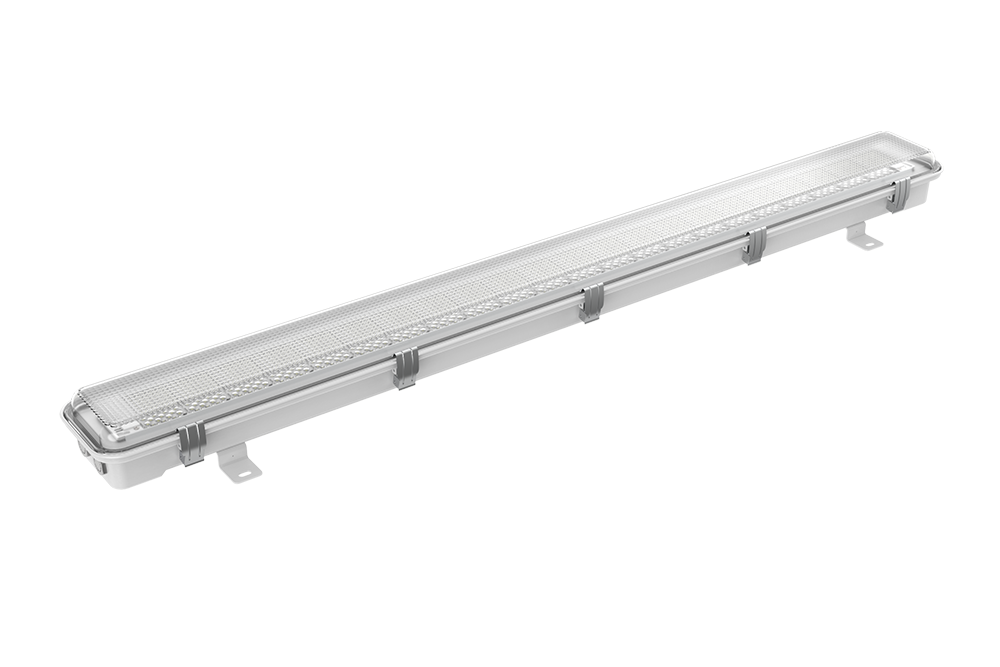
LED Linear Explosion Proof Lights and EX Proof lights for Zone 1, Zone 2, Zone 21 and Zone 22 hazardous areas. ATEX & IECEx certified explosion proof LED linear lighting with emergency function, adjustable power and IP67 protection by SEEKINGLED.
View details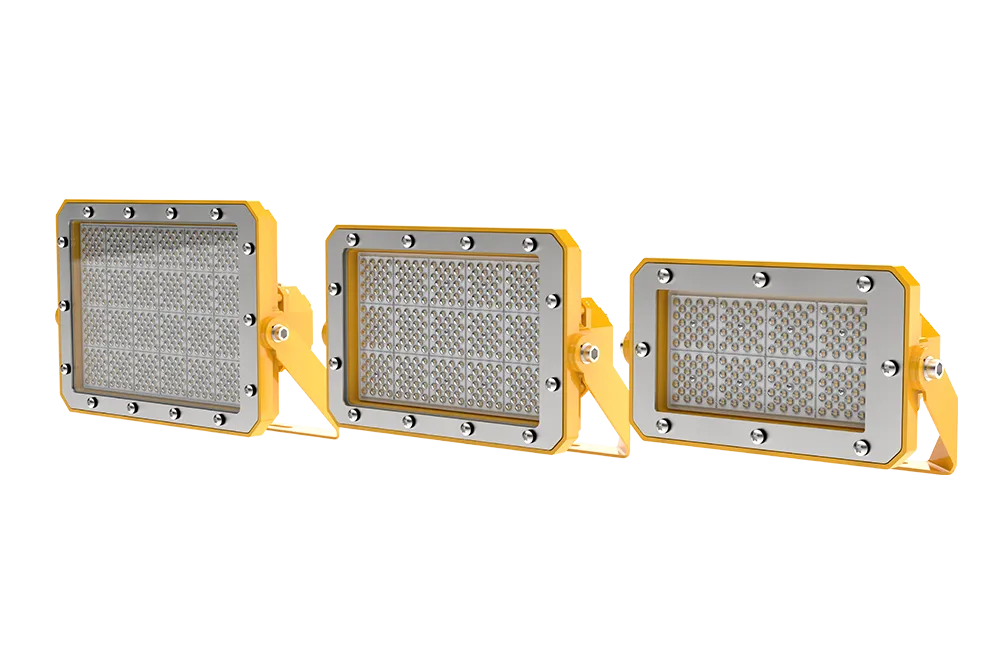
SEEKINGLED LED Explosion Proof Flood Lights are ATEX certified for Zone 2 and Zone 22 hazardous areas, offering high efficiency, adjustable power and integrated junction box.
View details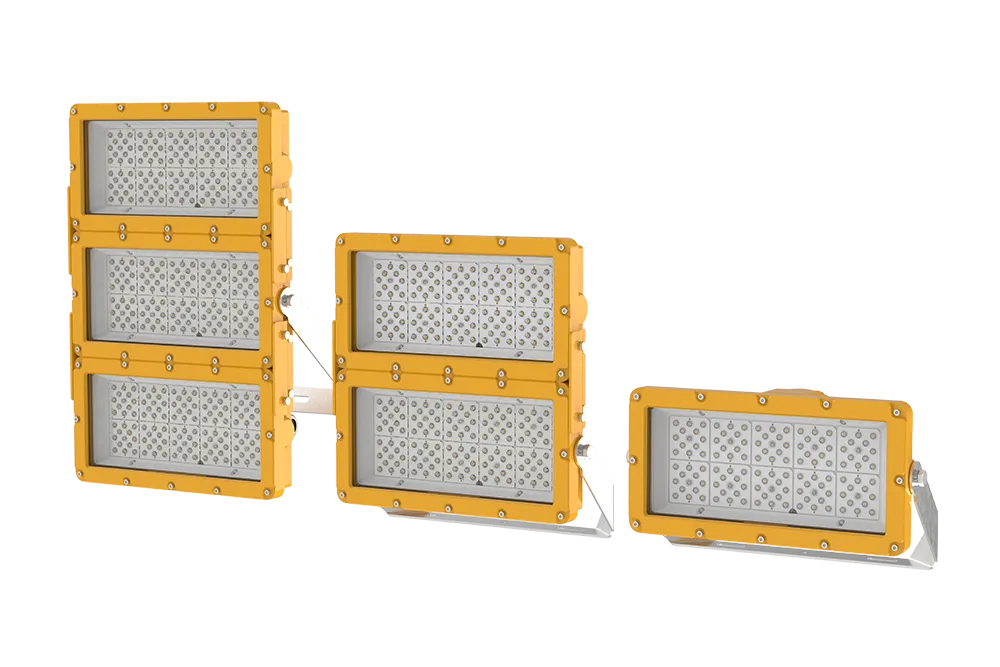
SEEKINGLED LED Explosion Proof Flood Lights are flameproof ATEX and IECEx certified for Zone 1 and Zone 2 hazardous areas, offering high power, adjustable output and long service life.
View details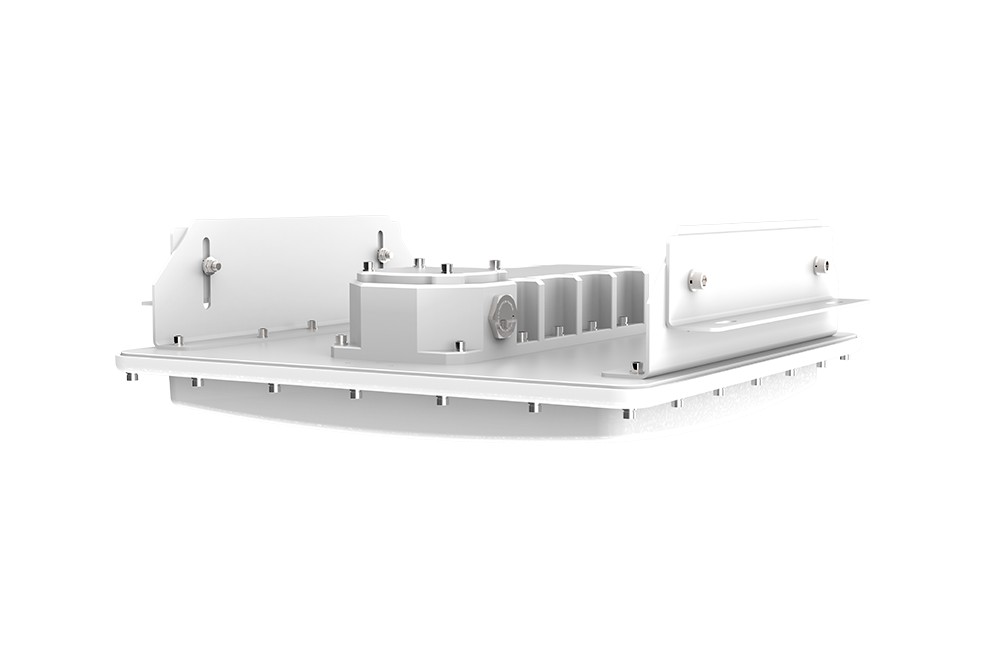
SEEKINGLED LED Gas Station Canopy Lights are ATEX certified for Zone 2 and Zone 22 hazardous areas, featuring adjustable power and built-in explosion-proof junction box.
View details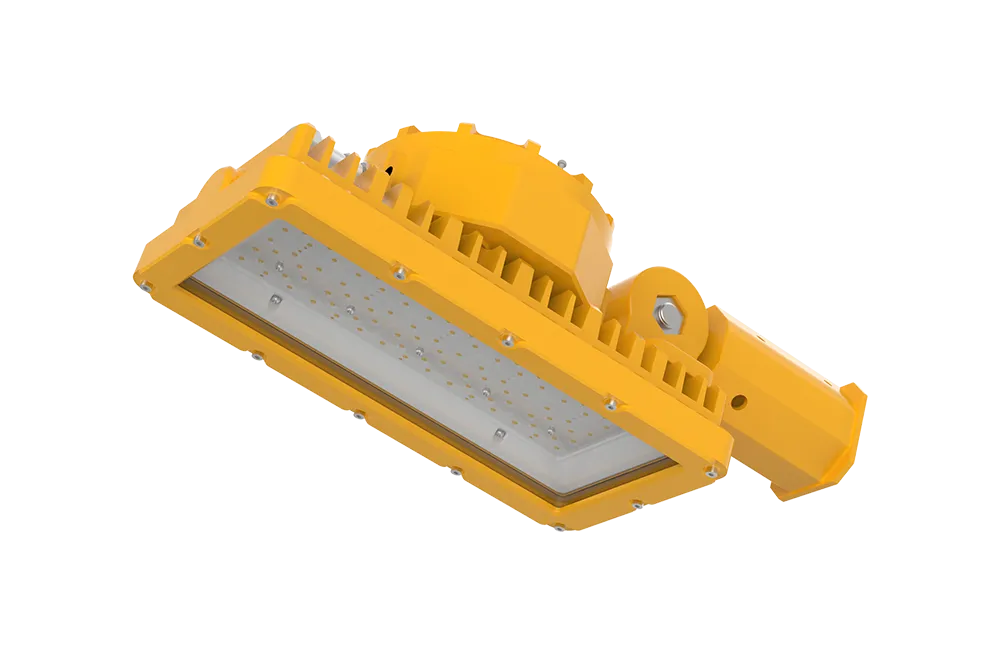
ATEX: Ex II 2G Ex db IIB T6/T5 GbEx II 2D Ex tb IIIC T80°C/ T95°C Db IECEx Ex db IIB T6 Gb;Ex tb IIIC T80°C Db Feature: ● For Zone 1,2 and Zone 21,22● Flameproof type, the strongest● 100W can replace 250W HID,energy saving● Power:60W,80W,100W Application: Oil and gas, marine, Chemical, pharmaceutical, semiconductor,mining,military industr…
View details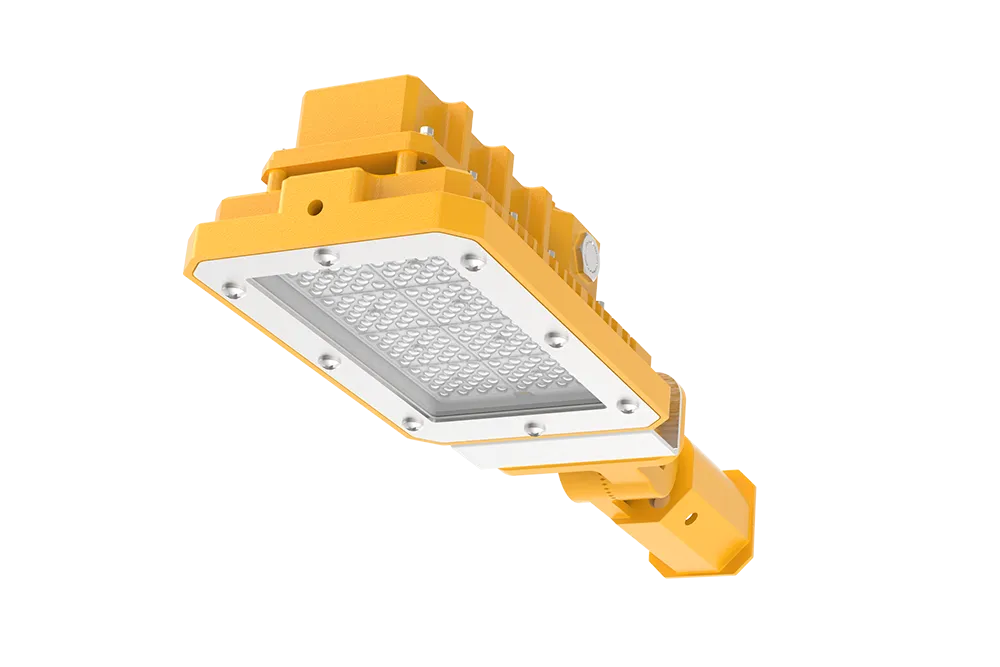
ATEX: II 3G Ex nR ⅡC T5/T6 GcII 3D Ex tc ⅢC T80℃/T95℃Dc ATEX Certificate NO: TÜV CY 26 ATEX 0207611 X Feature: ● For Zone 2 and Zone 22● 150W can replace 250W HID lamps,Energy saving● Power:50W,75W,100W,150W,200W Application: Oil and gas, marine, Chemical, pharmaceutical, semiconductor,mining,military industry, paint booth,power plant ETC…
View details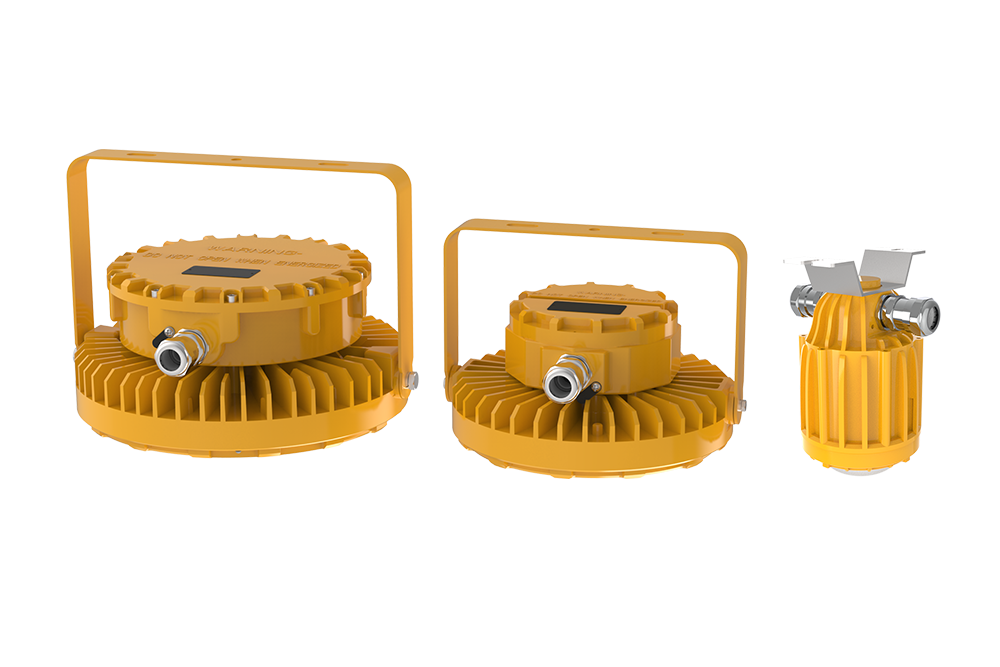
LED explosion proof high bay lights are designed for Zone 1, Zone 2, Zone 21 and Zone 22 hazardous areas. This page introduces the HB21 Series from SEEKING, including certifications, power options and real application considerations.
View details
LED Linear Explosion Proof Lights from SEEKINGLED. LU Series Flame Proof lights ATEX-certified explosion proof LED linear lighting for Zone 2 gas and Zone 22 dust areas, IP69K, IK10, long lifetime and flexible power options.
View details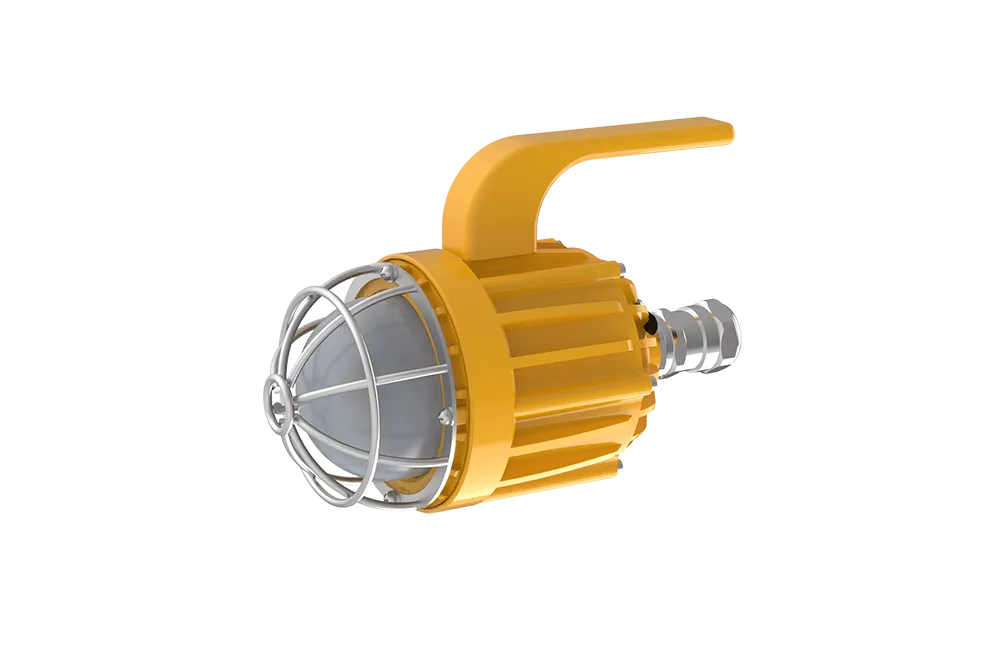
Certified explosion proof work lights for Zone 1 & 21 hazardous areas. Portable, ATEX & IECEx approved, built for oil, gas and chemical plants by SEEKINGLED.
View details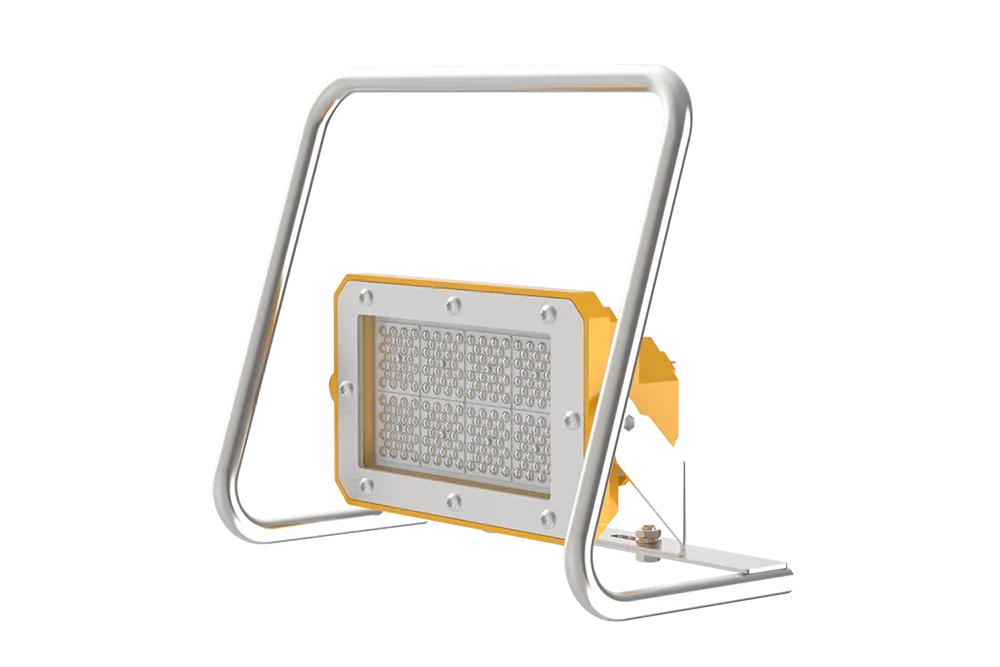
ATEX: II 3G Ex nR ⅡC T6 GcII 3D Ex tc ⅢC T80℃ Dc ATEX Certificate NO: TÜV CY 26 ATEX 0207611 X Feature: ● For Zone 2 and Zone 22● Accepts battery-powered supply● indestructible● Power:AC input:50W,75W,100WDC input:15W,25W,35W Application: Oil and gas, marine, Chemical, pharmaceutical, semiconductor,mining,military industry, paint booth,po…
View details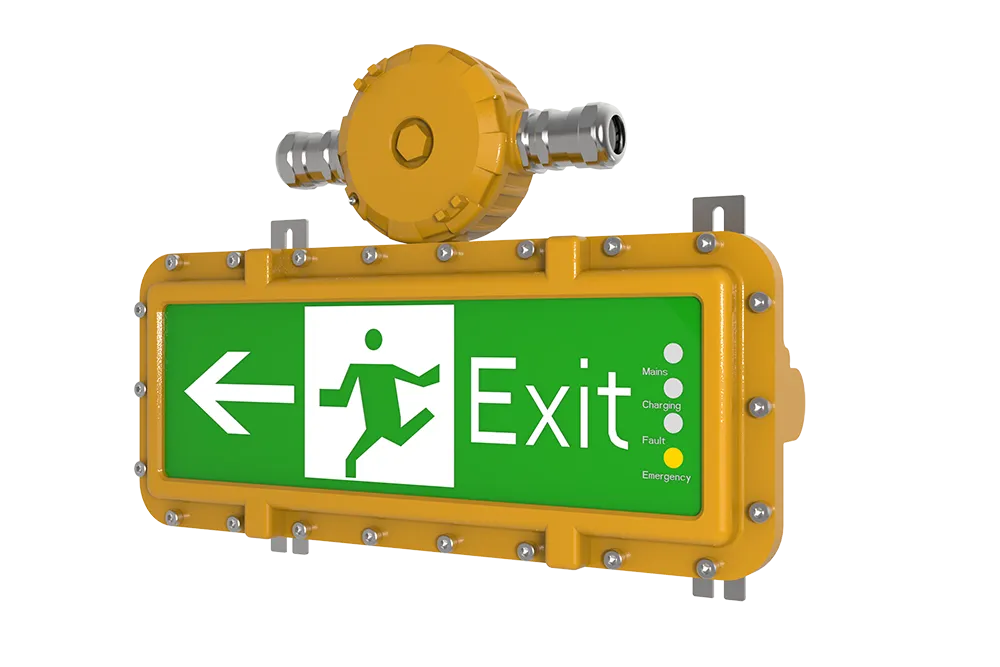
ATEX: Ex II 2G Ex db IIB T6 GbEx II 2D Ex tb IIIC T80°C Db IECEx Ex db IIB T6 Gb;Ex tb IIIC T80°C Db Feature: ● For Zone 1,2 and Zone 21,22● Flameproof type, the strongest Application: Oil and gas, marine, Chemical, pharmaceutical, semiconductor,mining,military industry, paint booth,power plant ETC hazardous area. Technical Specifications:…
View details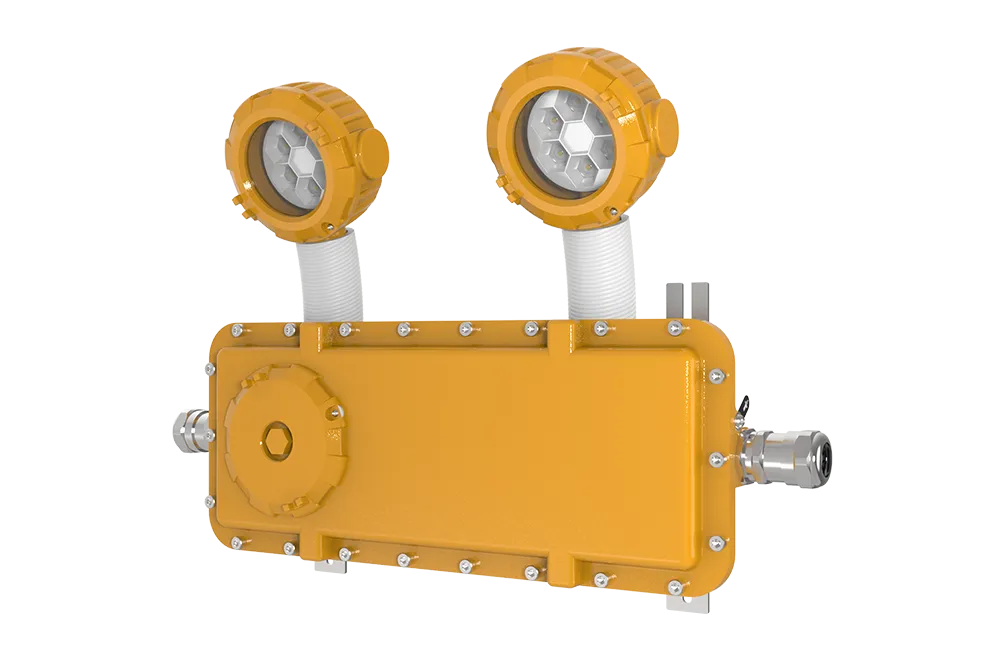
ATEX: Ex II 2G Ex db IIB T6 GbEx II 2D Ex tb IIIC T80°C Db IECEx Ex db IIB T6 Gb;Ex tb IIIC T80°C Db Feature: ● For Zone 1,2 and Zone 21,22● Flameproof type, the strongest Application: Oil and gas, marine, Chemical, pharmaceutical, semiconductor,mining,military industry, paint booth,power plant ETC hazardous area. Technical Specifications:…
View details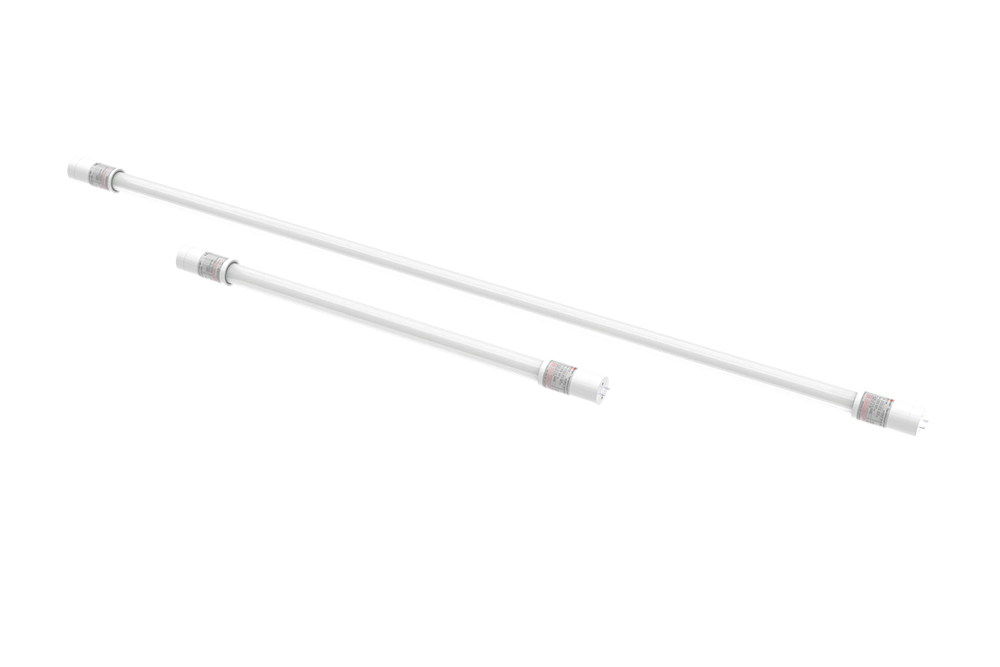
ATEX: Ex II 2G Ex d e IIB T6 Gb ATEX: Ex d e IIB T6 Gb; Feature: ● For Zone 1,2● 9W can replace 18W fluorescent lamps,50% Energy saving Application: Oil and gas, marine, Chemical, pharmaceutical, semiconductor,mining,military industry, paint booth,power plant ETC hazardous area. Technical Specifications: Standards:60079-0, 60079-1, 60079…
View details
How long does LED lights last in real conditions? Discover true lifespan, key factors, and why SEEKINGLED lighting delivers longer, stable performance.
View details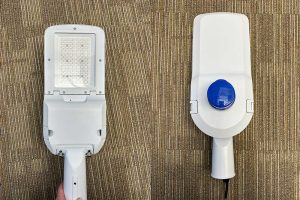
Intelligent LED Street Light engineered to European road lighting standards. D4i driver, smart control, precise optics and 7-year warranty for urban streets and highways.
View details
Can LED flood lights be used outdoors safely and reliably? This guide explains outdoor LED flood light requirements, weather protection, and real use cases with SEEKINGLED FLD Series high-power fixtures.
View details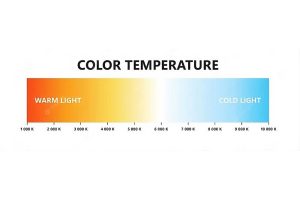
Sports stadium lighting color temperature design explained by engineers. Learn how Kelvin selection affects visibility, comfort and atmosphere using Sports Stadium LED Lighting from SEEKINGLED.
View details