 Seeking LED
Hazardous Area Floodlights for Industrial Hazardous Locations
0Hazardous area floodlights provide certified illumination for explosive industrial environments with lower maintenance, reliable performance, and safer operation.
View detailsSearch the whole station
Hazardous location LED lights are specially certified lighting fixtures designed to operate safely in environments containing flammable gases, vapors, combustible dust, or ignitable fibers. Unlike ordinary industrial lighting, they are engineered to prevent sparks, excessive surface temperatures, or electrical faults from becoming ignition sources in hazardous areas.
The difference sounds technical until you stand beneath a loading rack at 2:00 a.m. during a refinery turnaround.
I’ve spent years working alongside engineers specifying hazardous-area lighting projects. One thing becomes obvious very quickly: when visibility disappears in a hazardous location, productivity suffers. When the wrong fixture fails, safety becomes the issue.
The best hazardous location LED lights don’t attract attention. They simply keep working through heat, vibration, corrosive atmospheres, and years of continuous operation.
Industrial facilities generate risk in ways most people never see.
A petrochemical plant may release hydrocarbons during routine operation.
A grain elevator may generate explosive dust clouds.
A hydrogen production facility can contain gases requiring extremely low ignition energy.
Under these conditions, a conventional lighting fixture can become dangerous.
The U.S. Occupational Safety and Health Administration (OSHA) identifies combustible dust and flammable atmospheres as major industrial hazards capable of causing fires and explosions when ignition sources are present.
Source:
OSHA Combustible Dust Safety and Health Topics
https://www.osha.gov/combustible-dust
This is where hazardous location LED lights become essential.
Instead of merely producing illumination, they are engineered to contain potential ignition sources and maintain safe operating temperatures under demanding industrial conditions.
Several years ago, during a refinery lighting upgrade project, a maintenance supervisor pointed toward a corroded metal halide fixture mounted above a process area.
“It still works,” he said.
Then he paused.
“For now.”
That distinction mattered.
The fixture wasn’t technically broken.
But corrosion had compromised the enclosure, the seals had hardened, and moisture ingress had already started affecting internal components.
The lesson stayed with me.
In hazardous environments, equipment failure is rarely dramatic.
Most failures happen quietly.
A gasket ages.
A cable gland loosens.
A driver overheats.
Months later, the fixture becomes a maintenance problem.
Years later, it becomes a safety problem.
Good hazardous location LED lights are designed to delay that chain of events as long as possible.
One of the most common mistakes buyers make is focusing on wattage before understanding classification.
Classification always comes first.
The National Electrical Code (NEC) uses the Class and Division system.
| Classification | Description |
|---|---|
| Class I | Flammable gases or vapors |
| Class II | Combustible dust |
| Class III | Ignitable fibers or flyings |
| Division 1 | Hazard present during normal operation |
| Division 2 | Hazard present only under abnormal conditions |
Examples include:
Most international projects use ATEX and IECEx classifications.
| Zone | Hazard Frequency |
|---|---|
| Zone 0 | Continuously present |
| Zone 1 | Likely during normal operation |
| Zone 2 | Unlikely, short duration |
| Zone 20 | Continuous combustible dust |
| Zone 21 | Dust likely during operation |
| Zone 22 | Dust occasionally present |
Understanding these zones is critical because the wrong certification may result in compliance issues, failed inspections, or expensive replacement projects.
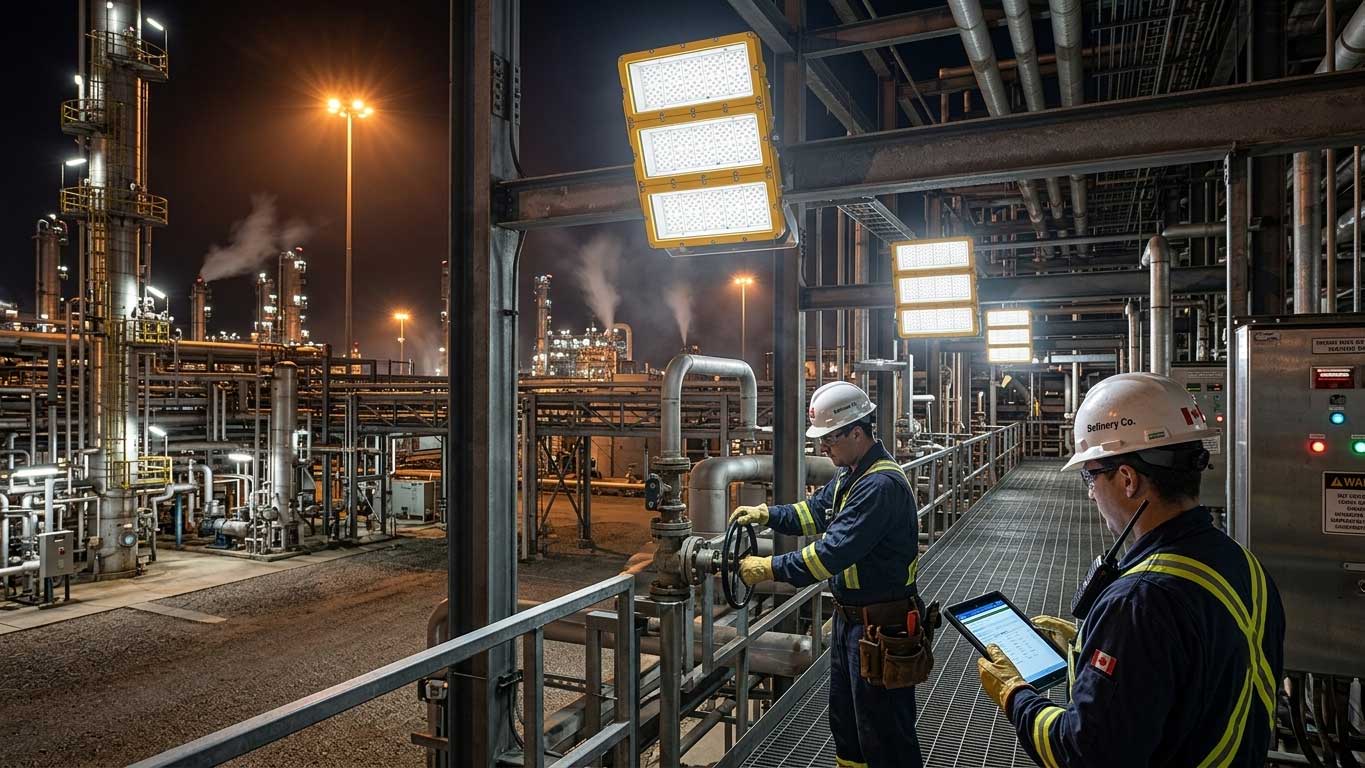
Many buyers assume hazardous location fixtures are simply rugged industrial lights.
Not quite.
The engineering goes much deeper.
Certain fixtures use heavy-duty enclosures capable of containing internal explosions.
If a spark ignites gas inside the fixture:
This principle has protected hazardous installations for decades.
Heat is often underestimated.
A lighting fixture doesn’t need a visible spark to create risk.
Excessive surface temperature alone may ignite certain gases.
That’s why certified hazardous location LED lights must comply with temperature classifications such as:
| T-Class | Maximum Surface Temperature |
|---|---|
| T1 | 450°C |
| T2 | 300°C |
| T3 | 200°C |
| T4 | 135°C |
| T5 | 100°C |
| T6 | 85°C |
The lower the temperature class number, the hotter the allowable surface temperature.
Selecting the wrong temperature class can create serious compliance issues.
In offshore and chemical facilities, corrosion often destroys fixtures before LEDs reach the end of their rated life.
Quality hazardous location LED lights typically include:
I’ve inspected offshore installations where the LEDs remained healthy after years of operation while cheaper housing materials had already deteriorated.
The enclosure matters as much as the LED.
Twenty years ago, hazardous facilities largely depended on:
Those technologies worked.
But they came with challenges.
Traditional lamps fail relatively quickly.
In hazardous locations, replacing a lamp is rarely simple.
A routine replacement may require:
Maintenance becomes expensive very quickly.
According to the U.S. Department of Energy, LED technology can significantly reduce lighting energy consumption compared with legacy lighting technologies while improving operational efficiency.
Source:
U.S. Department of Energy
https://www.energy.gov
Across large industrial facilities, energy savings become substantial.
A refinery operating hundreds of fixtures can reduce annual energy costs dramatically after transitioning to LED systems.
Modern hazardous location LED lights frequently achieve:
For facilities operating continuously, that can represent more than a decade of service.
And unlike traditional lamps, LEDs do not suddenly burn out.
Light output gradually declines over time, allowing maintenance planning instead of emergency replacement.
| Feature | Hazardous Location LED Lights | Standard Industrial Lights |
|---|---|---|
| Hazardous Area Certification | Yes | No |
| Ignition Protection | Yes | No |
| Explosion Containment | Yes (where applicable) | No |
| Temperature Classification | Yes | No |
| Corrosion Protection | High | Moderate |
| Regulatory Compliance | Required | Limited |
| Use in Classified Areas | Approved | Prohibited |
The distinction seems obvious on paper.
Yet many facilities still attempt to compare products based solely on wattage or price.
That approach usually becomes expensive later.
These fixtures appear in more industries than many buyers realize.
Common applications include:
Each environment presents different hazards.
The certification requirements often vary significantly even between facilities within the same industry.
One of the quickest ways to overspend—or worse, purchase the wrong fixture—is to focus on lumen output before checking certifications.
I’ve reviewed projects where engineers spent weeks comparing beam angles and wattages, only to discover the selected fixture wasn’t approved for the site’s gas group.
The paperwork mattered more than the optics.
ATEX originates from the European Union and governs equipment intended for explosive atmospheres.
A typical marking might look like:
II 2G Ex db IIC T5 Gb
To a newcomer, it resembles a random string of letters.
To a hazardous-area inspector, it tells an entire story:
| Marking | Meaning |
|---|---|
| II | Non-mining equipment |
| 2G | Suitable for Zone 1 gas areas |
| Ex | Explosion protected |
| db | Flameproof protection |
| IIC | Hydrogen and acetylene gas group |
| T5 | Max surface temperature 100°C |
| Gb | High protection level |
Source:
IECEx functions similarly but provides international recognition.
In reality, many multinational operators now request both:
Particularly for:
The benefit is consistency.
An engineer in Norway, Singapore, Australia, or the Middle East can evaluate equipment against the same technical framework.
Source:
North America follows a different path.
Instead of Zones, many facilities use:
UL844 remains one of the key standards governing hazardous-location luminaires in the United States.
Source:
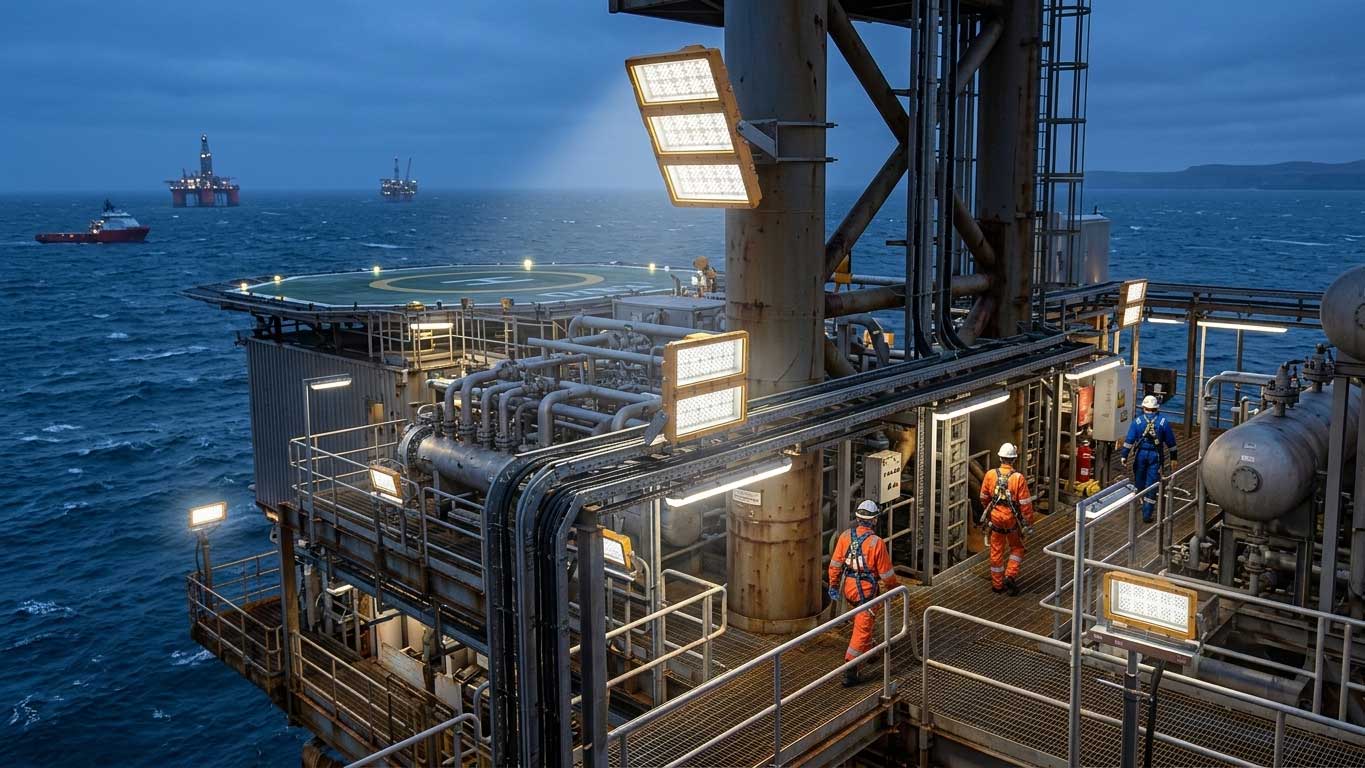
The most successful projects usually follow the same sequence.
Not because it’s complicated.
Because skipping one step tends to create expensive problems later.
Determine:
Everything starts here.
Not with wattage.
Not with price.
Not even with certification.
The classification dictates everything else.
Different work tasks require different visibility levels.
According to recommendations from the Illuminating Engineering Society (IES):
| Application | Recommended Lux |
|---|---|
| Walkways | 20–50 lux |
| Processing Areas | 100–200 lux |
| Equipment Inspection | 300 lux+ |
| Precision Tasks | 500 lux+ |
Source:
Too little light reduces productivity.
Too much light creates glare.
Both are common design mistakes.
A fixture installed in Texas may face:
A fixture installed offshore may encounter:
A fixture in Canada may experience:
The environment determines enclosure requirements just as much as hazardous classification.
One observation from years of site visits:
Many lighting problems aren’t caused by insufficient lumens.
They’re caused by poor light distribution.
A properly designed optic can often outperform a brighter fixture.
Evaluate:
These factors influence real-world visibility far more than marketing brochures suggest.
Procurement teams often focus heavily on fixture cost.
Operations teams usually focus on something else.
Access.
A fixture mounted 25 meters above a process unit may require:
Replacing a single failed fixture can cost far more than the fixture itself.
This is why lifecycle cost analysis has become increasingly important.
| Factor | Traditional HID | Hazardous LED |
|---|---|---|
| Lamp Life | 10,000–20,000 hrs | 60,000–100,000 hrs |
| Energy Use | High | Low |
| Maintenance Frequency | Frequent | Minimal |
| Relamping Cost | High | Low |
| Downtime Risk | Higher | Lower |
In many facilities, maintenance savings exceed energy savings over the life of the installation.
A 100W fixture from one manufacturer may outperform a 150W fixture from another.
Why?
Because efficiency varies.
Optics vary.
Thermal design varies.
Driver quality varies.
Wattage alone tells only part of the story.
Some buyers focus exclusively on hazardous certification.
Then they install the fixture in environments exceeding its thermal rating.
Heat remains one of the largest contributors to LED degradation.
According to the U.S. Department of Energy, elevated operating temperatures significantly affect LED performance and longevity.
Source:
This issue appears frequently in coastal facilities.
A fixture may possess excellent certification.
But inadequate corrosion protection.
Three years later:
Certification alone doesn’t guarantee durability.
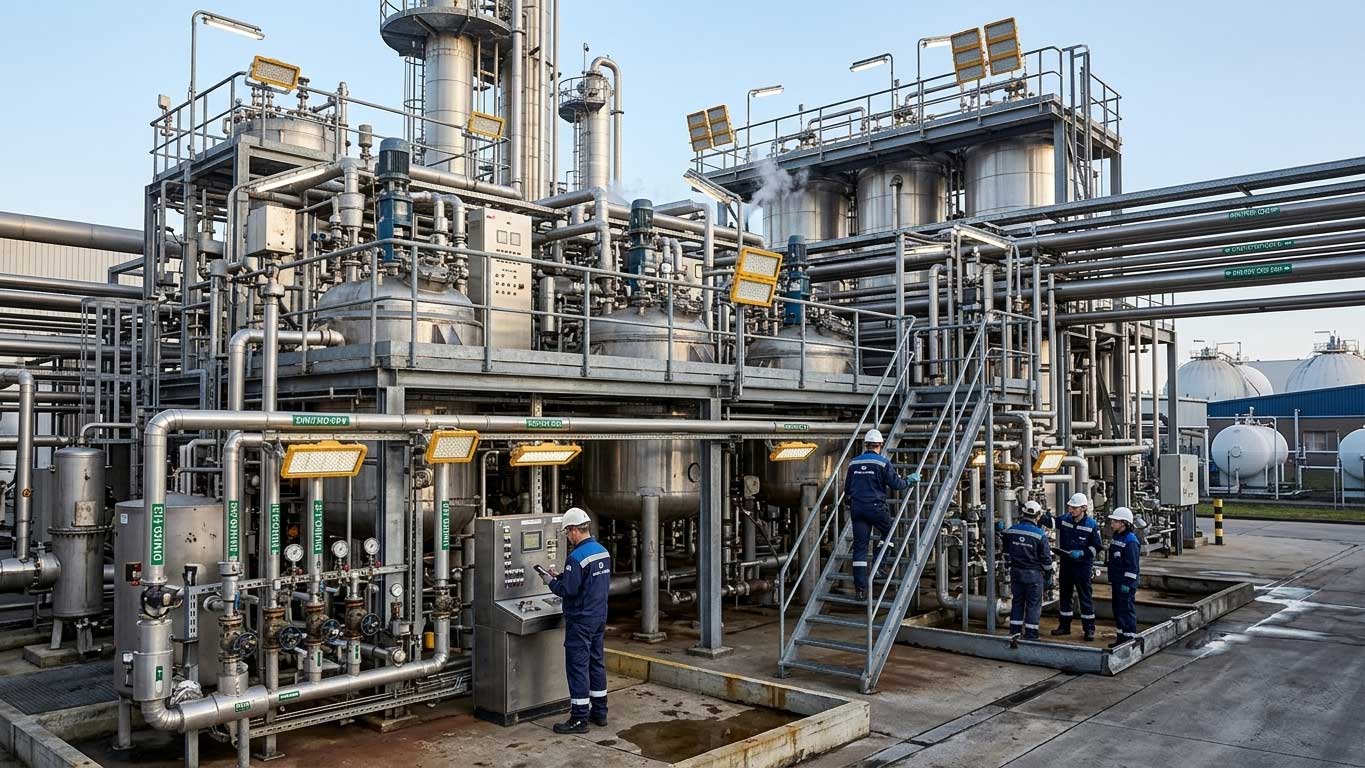
The industry continues to evolve.
Several trends are shaping future projects.
Premium fixtures increasingly exceed:
Higher efficiency reduces both energy use and thermal stress.
Large facilities now deploy:
Lighting is becoming part of broader digital infrastructure.
According to the International Energy Agency, improving lighting efficiency remains one of the most practical methods of reducing industrial electricity consumption.
Source:
For multinational operators pursuing sustainability goals, lighting upgrades often become low-risk, high-return projects.
Hazardous location LED lights are certified luminaires designed to operate safely in areas containing flammable gases, combustible dust, or ignitable fibers.
Many are, but not all.
Protection methods vary and may include:
Certification markings should always be reviewed.
Premium fixtures commonly achieve:
Actual lifespan depends on thermal management, operating conditions, and driver quality.
No.
Standard industrial fixtures generally lack the certification and protection methods required for hazardous environments.
Common certifications include:
Requirements vary by country and industry.
Direct access to product page:Hazardous Location Explosion proof light
The phrase hazardous location LED lights often appears in specifications, procurement documents, and engineering drawings. Yet after spending years around refineries, LNG terminals, chemical plants, and offshore facilities, I’ve come to view them differently.
They’re not simply lighting products.
They’re safety equipment that happens to produce light.
The most successful installations rarely focus on the lowest purchase price. They focus on compliance, reliability, corrosion resistance, optical performance, and lifecycle value.
That’s the philosophy behind SEEKINGLED hazardous location LED lights—designing solutions that continue operating long after the initial installation team has left the site, helping industrial facilities maintain safe visibility in some of the world’s most demanding environments.
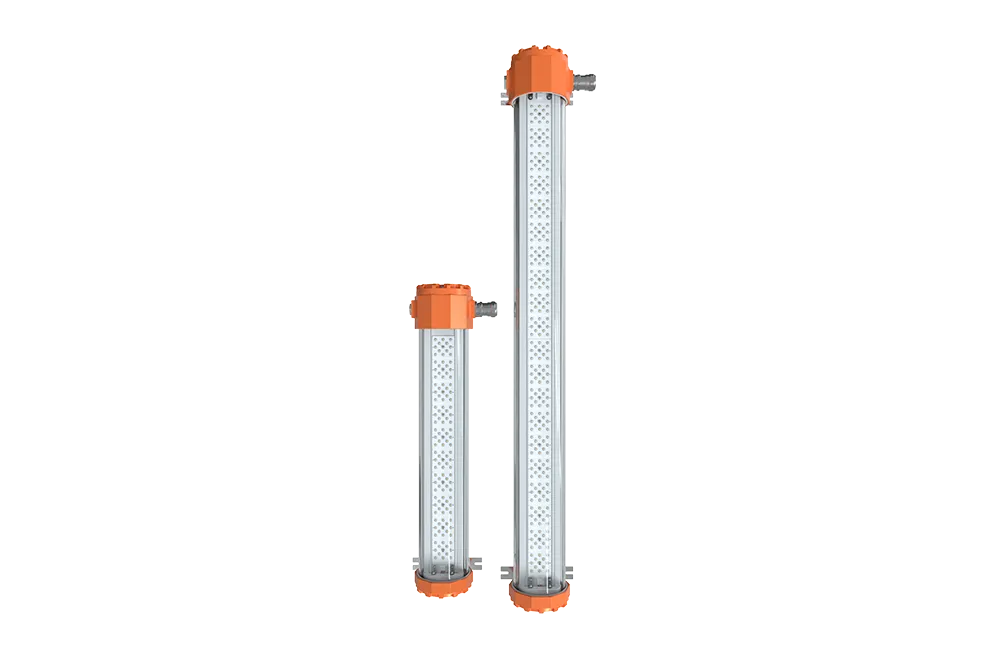
SEEKINGLED LED Linear Explosion Proof Light and Explosion Proof lighting is ATEX and IECEx certified for Zone 1, Zone 2, Zone 21 and Zone 22 hazardous locations, built for long-term industrial use.
View details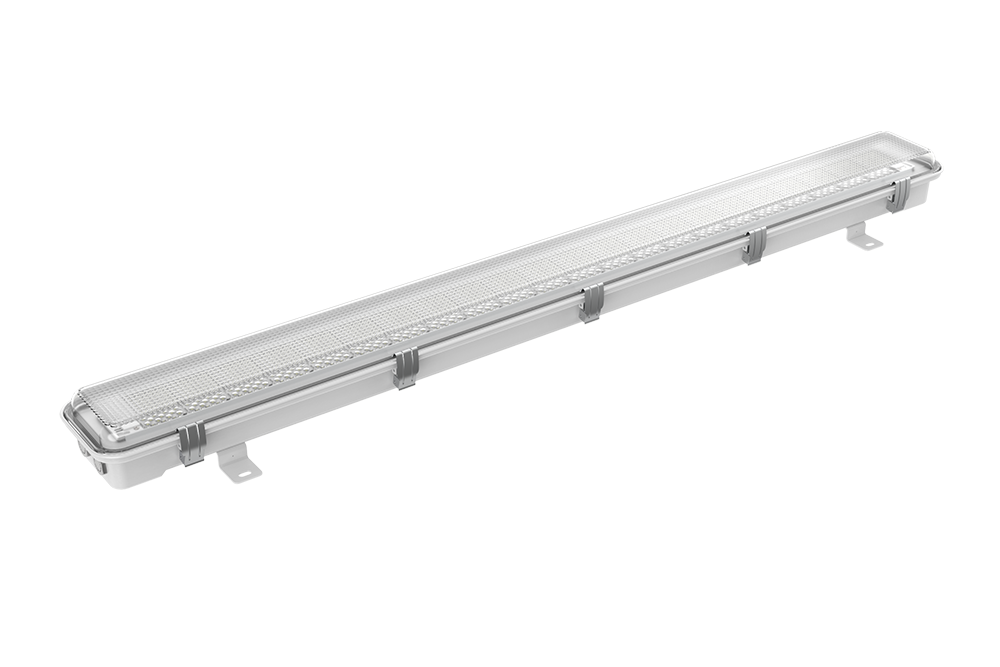
LED Linear Explosion Proof Lights and EX Proof lights for Zone 1, Zone 2, Zone 21 and Zone 22 hazardous areas. ATEX & IECEx certified explosion proof LED linear lighting with emergency function, adjustable power and IP67 protection by SEEKINGLED.
View details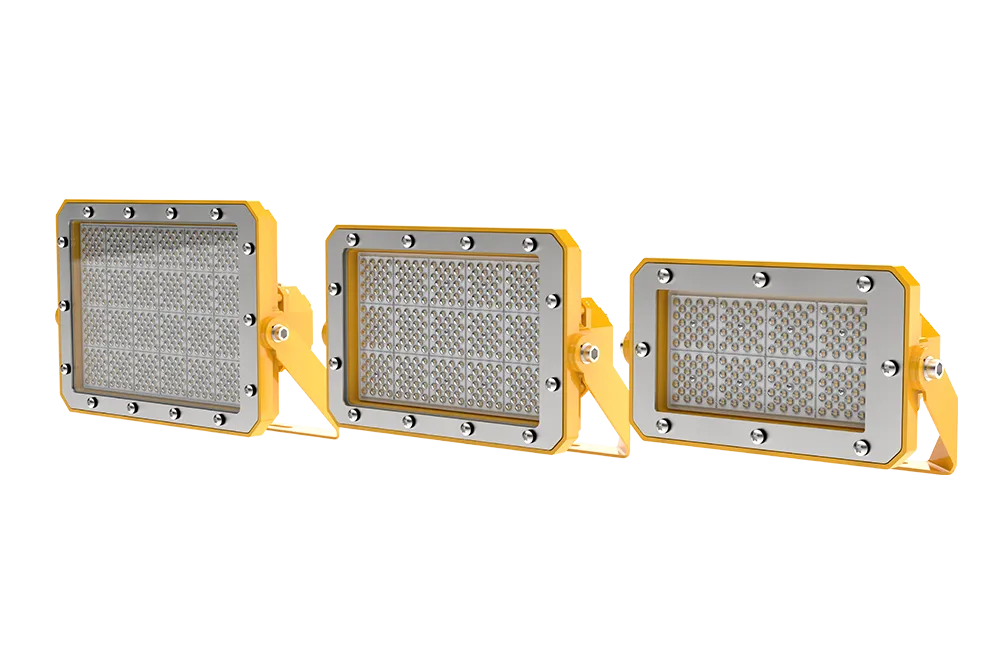
SEEKINGLED LED Explosion Proof Flood Lights are ATEX certified for Zone 2 and Zone 22 hazardous areas, offering high efficiency, adjustable power and integrated junction box.
View details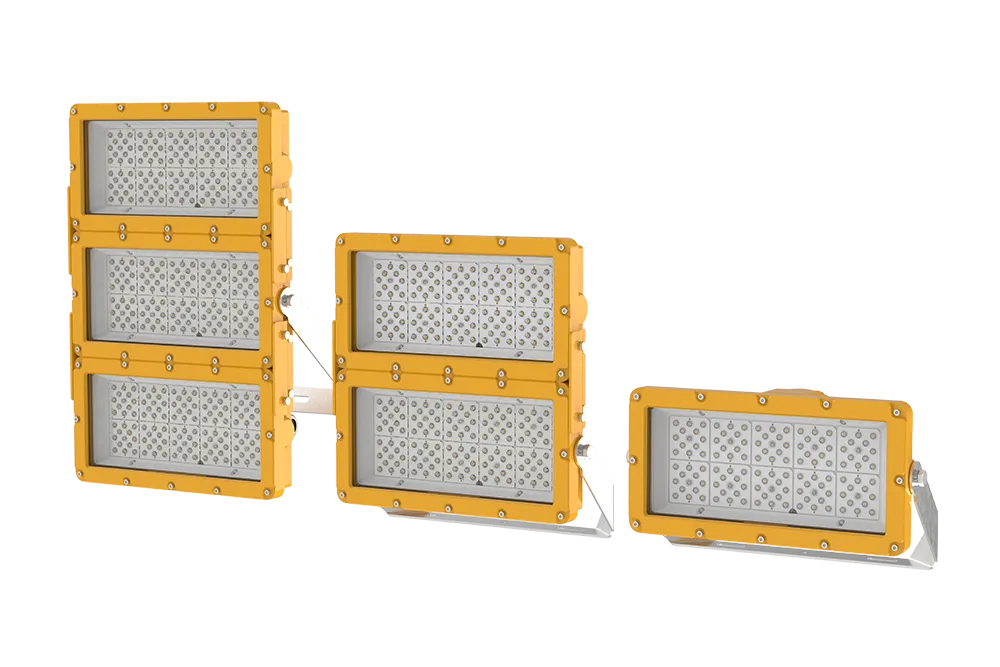
SEEKINGLED LED Explosion Proof Flood Lights are flameproof ATEX and IECEx certified for Zone 1 and Zone 2 hazardous areas, offering high power, adjustable output and long service life.
View details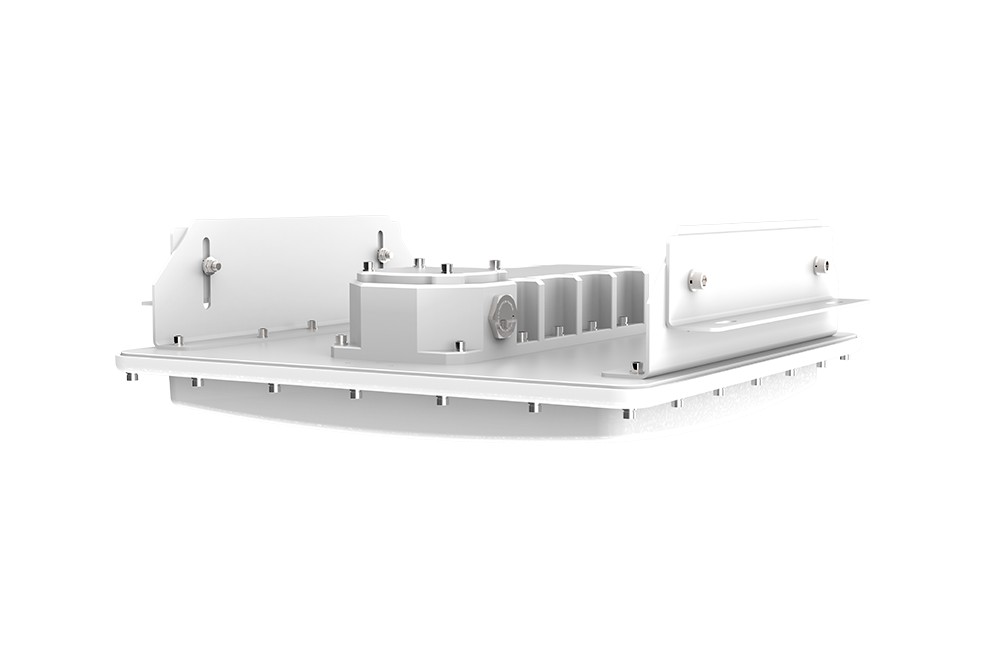
SEEKINGLED LED Gas Station Canopy Lights are ATEX certified for Zone 2 and Zone 22 hazardous areas, featuring adjustable power and built-in explosion-proof junction box.
View details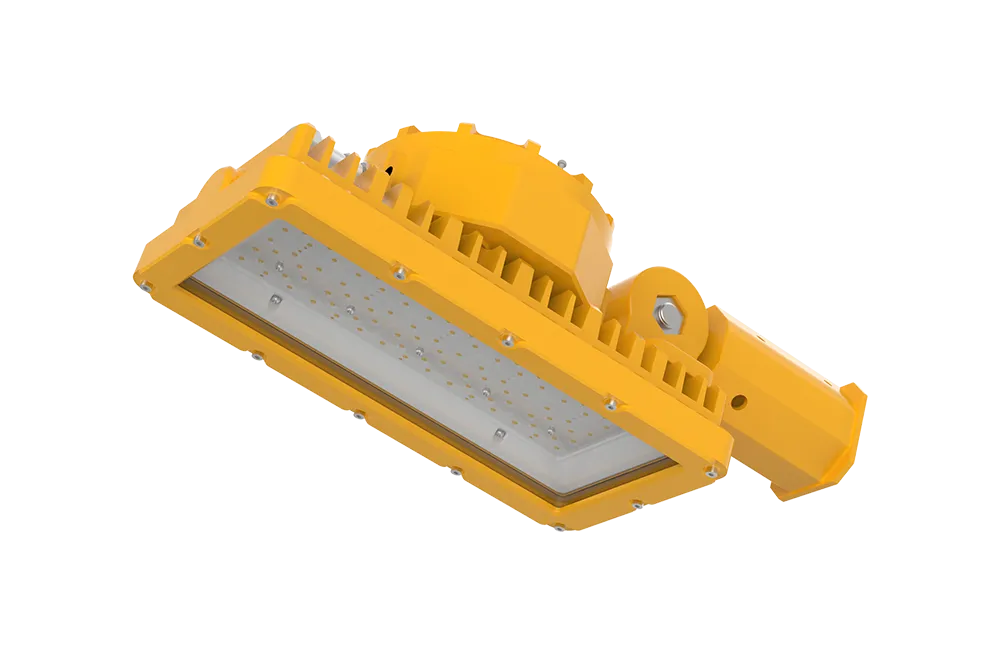
ATEX: Ex II 2G Ex db IIB T6/T5 GbEx II 2D Ex tb IIIC T80°C/ T95°C Db IECEx Ex db IIB T6 Gb;Ex tb IIIC T80°C Db Feature: ● For Zone 1,2 and Zone 21,22● Flameproof type, the strongest● 100W can replace 250W HID,energy saving● Power:60W,80W,100W Application: Oil and gas, marine, Chemical, pharmaceutical, semiconductor,mining,military industr…
View details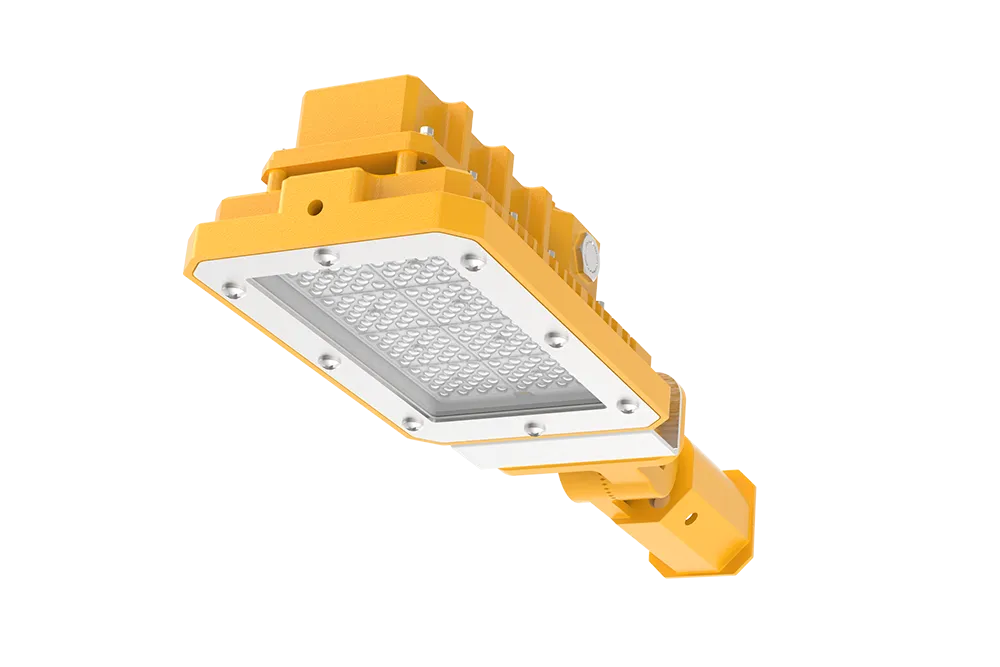
ATEX: II 3G Ex nR ⅡC T5/T6 GcII 3D Ex tc ⅢC T80℃/T95℃Dc ATEX Certificate NO: TÜV CY 26 ATEX 0207611 X Feature: ● For Zone 2 and Zone 22● 150W can replace 250W HID lamps,Energy saving● Power:50W,75W,100W,150W,200W Application: Oil and gas, marine, Chemical, pharmaceutical, semiconductor,mining,military industry, paint booth,power plant ETC…
View details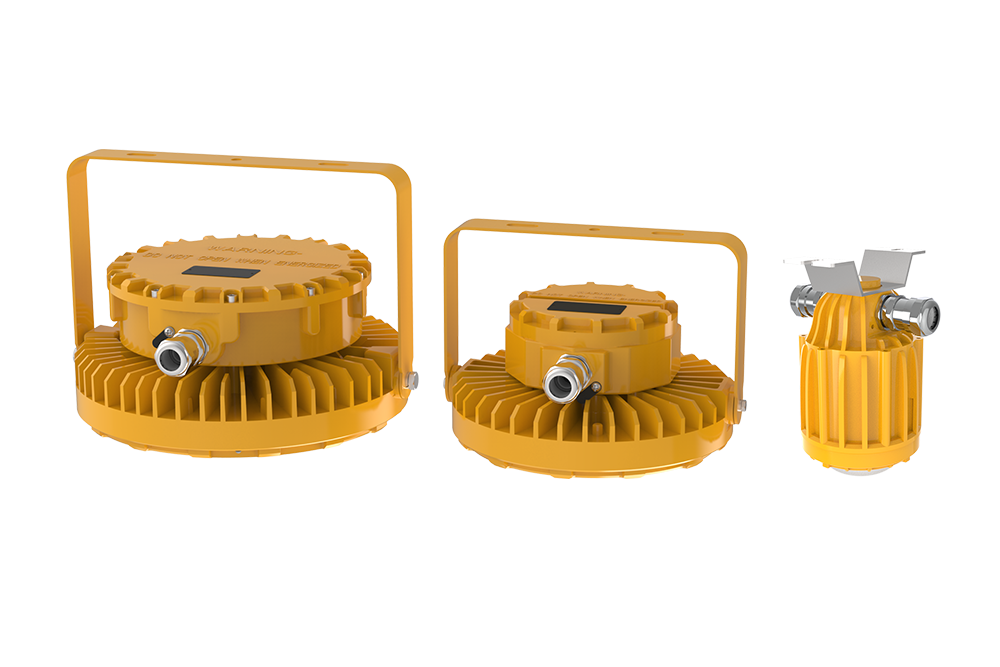
LED explosion proof high bay lights are designed for Zone 1, Zone 2, Zone 21 and Zone 22 hazardous areas. This page introduces the HB21 Series from SEEKING, including certifications, power options and real application considerations.
View details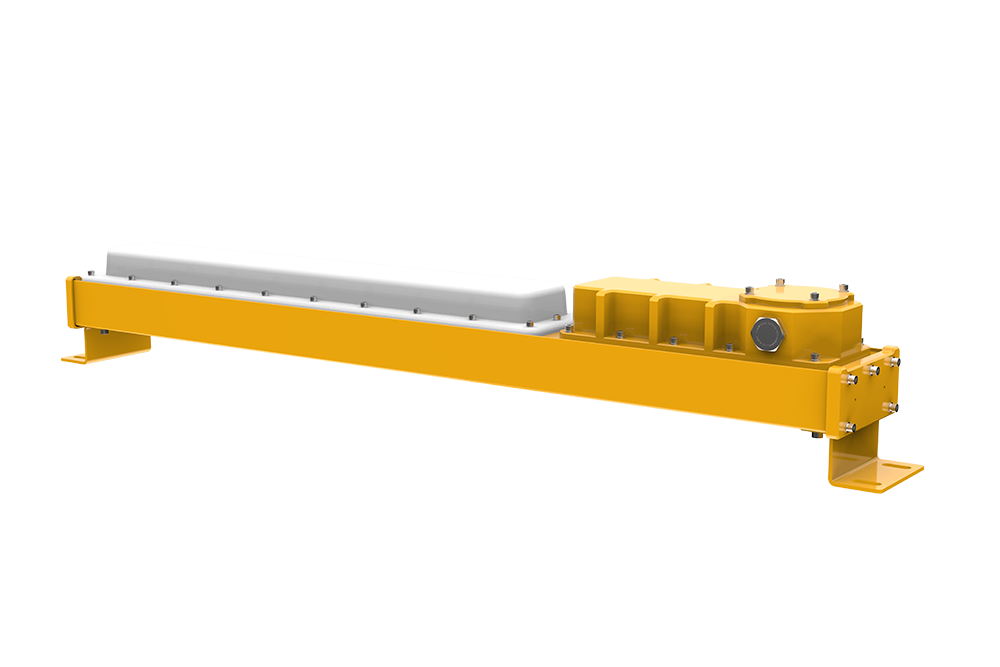
LED Linear Explosion Proof Lights from SEEKINGLED. LU Series Flame Proof lights ATEX-certified explosion proof LED linear lighting for Zone 2 gas and Zone 22 dust areas, IP69K, IK10, long lifetime and flexible power options.
View details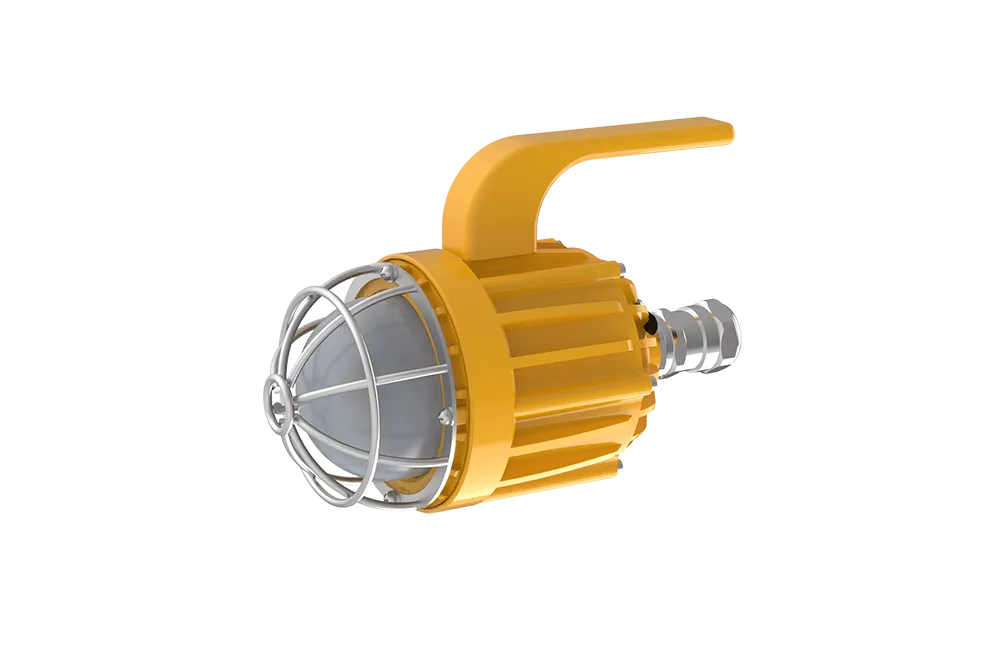
Certified explosion proof work lights for Zone 1 & 21 hazardous areas. Portable, ATEX & IECEx approved, built for oil, gas and chemical plants by SEEKINGLED.
View details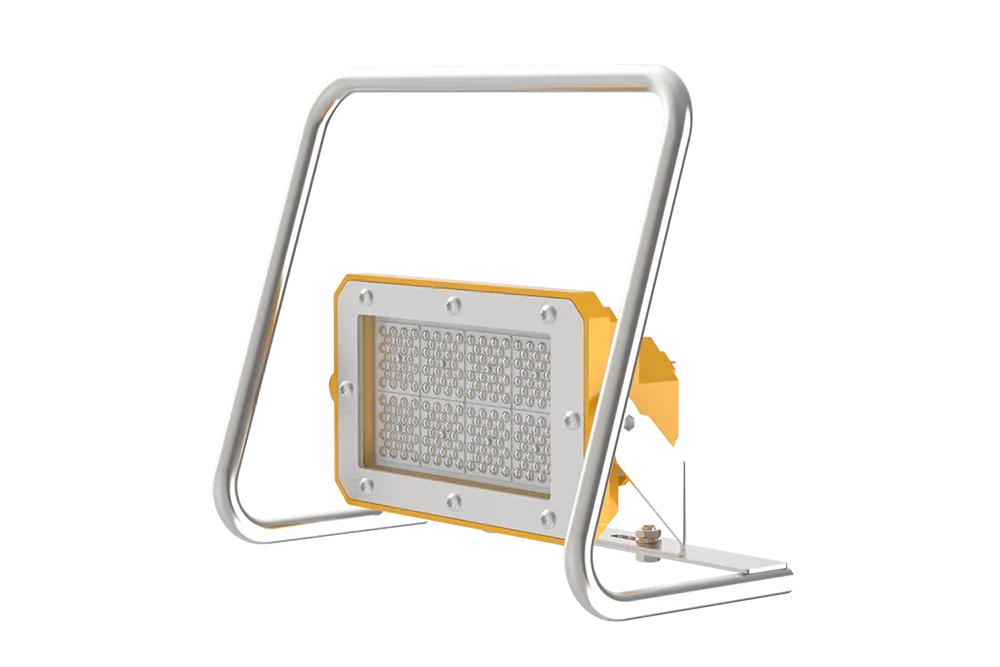
ATEX: II 3G Ex nR ⅡC T6 GcII 3D Ex tc ⅢC T80℃ Dc ATEX Certificate NO: TÜV CY 26 ATEX 0207611 X Feature: ● For Zone 2 and Zone 22● Accepts battery-powered supply● indestructible● Power:AC input:50W,75W,100WDC input:15W,25W,35W Application: Oil and gas, marine, Chemical, pharmaceutical, semiconductor,mining,military industry, paint booth,po…
View details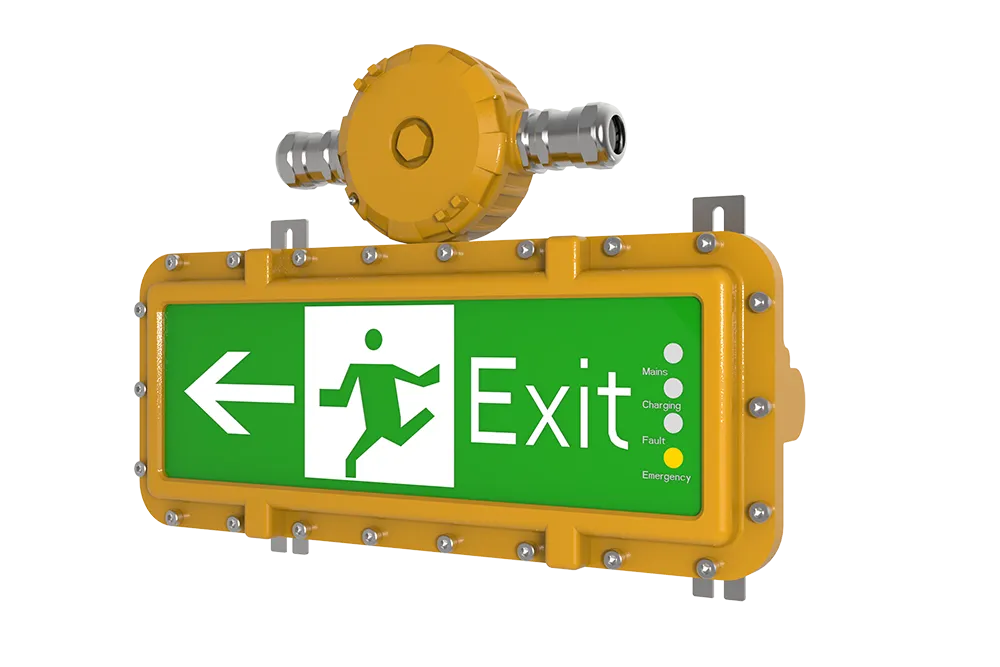
ATEX: Ex II 2G Ex db IIB T6 GbEx II 2D Ex tb IIIC T80°C Db IECEx Ex db IIB T6 Gb;Ex tb IIIC T80°C Db Feature: ● For Zone 1,2 and Zone 21,22● Flameproof type, the strongest Application: Oil and gas, marine, Chemical, pharmaceutical, semiconductor,mining,military industry, paint booth,power plant ETC hazardous area. Technical Specifications:…
View details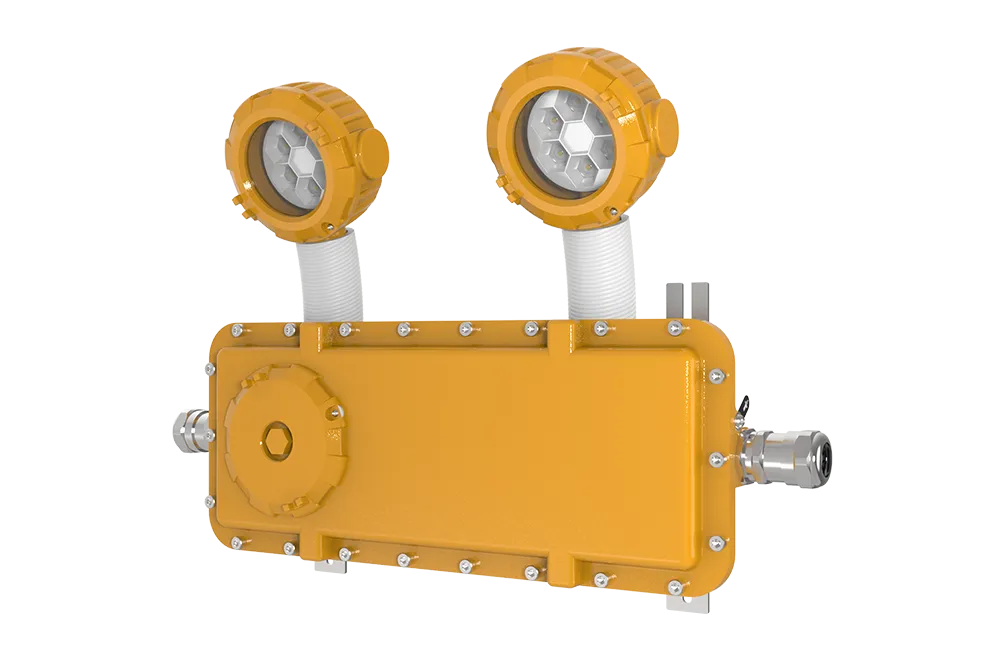
ATEX: Ex II 2G Ex db IIB T6 GbEx II 2D Ex tb IIIC T80°C Db IECEx Ex db IIB T6 Gb;Ex tb IIIC T80°C Db Feature: ● For Zone 1,2 and Zone 21,22● Flameproof type, the strongest Application: Oil and gas, marine, Chemical, pharmaceutical, semiconductor,mining,military industry, paint booth,power plant ETC hazardous area. Technical Specifications:…
View details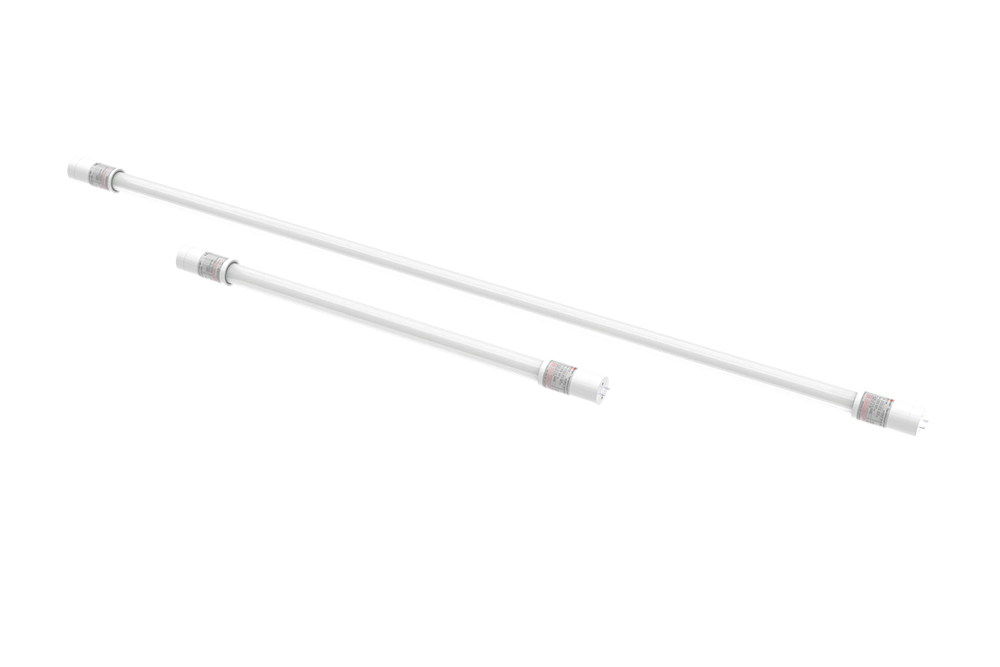
ATEX: Ex II 2G Ex d e IIB T6 Gb ATEX: Ex d e IIB T6 Gb; Feature: ● For Zone 1,2● 9W can replace 18W fluorescent lamps,50% Energy saving Application: Oil and gas, marine, Chemical, pharmaceutical, semiconductor,mining,military industry, paint booth,power plant ETC hazardous area. Technical Specifications: Standards:60079-0, 60079-1, 60079…
View details
Hazardous area floodlights provide certified illumination for explosive industrial environments with lower maintenance, reliable performance, and safer operation.
View details
Explosion proof LED linear lighting ensures safe, uniform illumination in hazardous areas. Learn certifications, design, and real-world applications with SEEKINGLED.
View details
Do high bay LED lights get hot during long operating hours? This FAQ explains where the heat comes from, how it is managed, and why thermal design matters for industrial high bay LED lights.
View details
What Is LED Lighting for Hazardous Areas? Learn how certified explosion-proof LED lighting ensures safety, compliance, and efficiency in hazardous industrial environments. Expert guide from SEEKINGLED.
View details