 Seeking LED
Lamp Explosion Proof: What It Means in Real Industrial Use
0Lamp explosion proof explained: real safety design, certifications, and industrial use cases. Learn how explosion proof lamps work from SEEKINGLED experts.
View detailsSearch the whole station
Do high bay LED lights get hot?
Yes, they do produce heat—but not in the same way traditional industrial lamps do, and not to the same degree when the fixture is properly designed.
From an engineering standpoint, heat is a normal byproduct of converting electrical power into light. The real question is not whether heat exists, but where it goes and how well it is controlled over long operating hours.
In high bay LED fixtures, most heat is generated at two points:
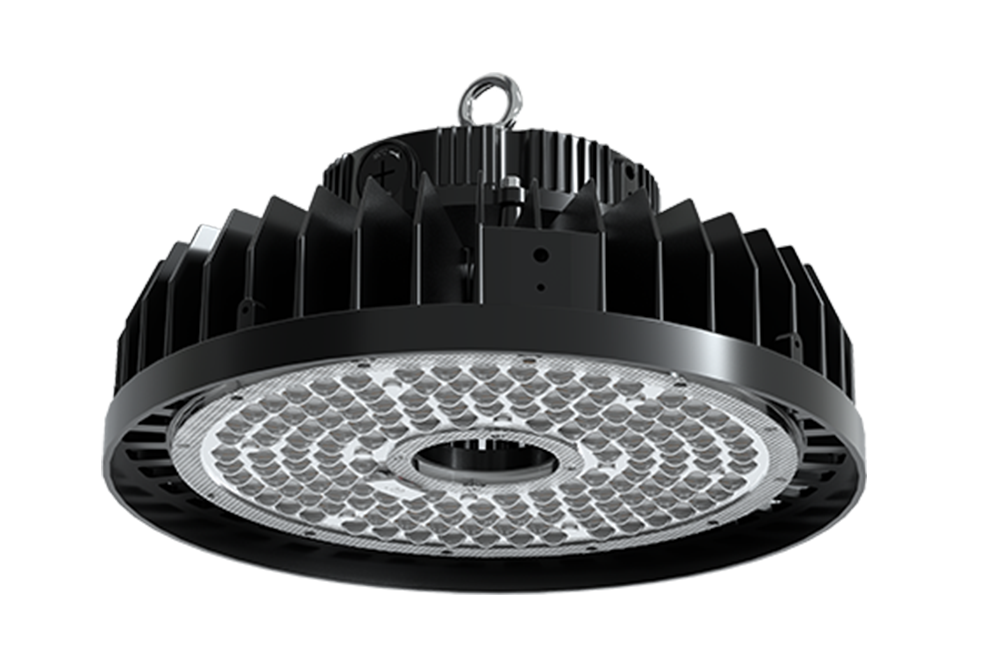
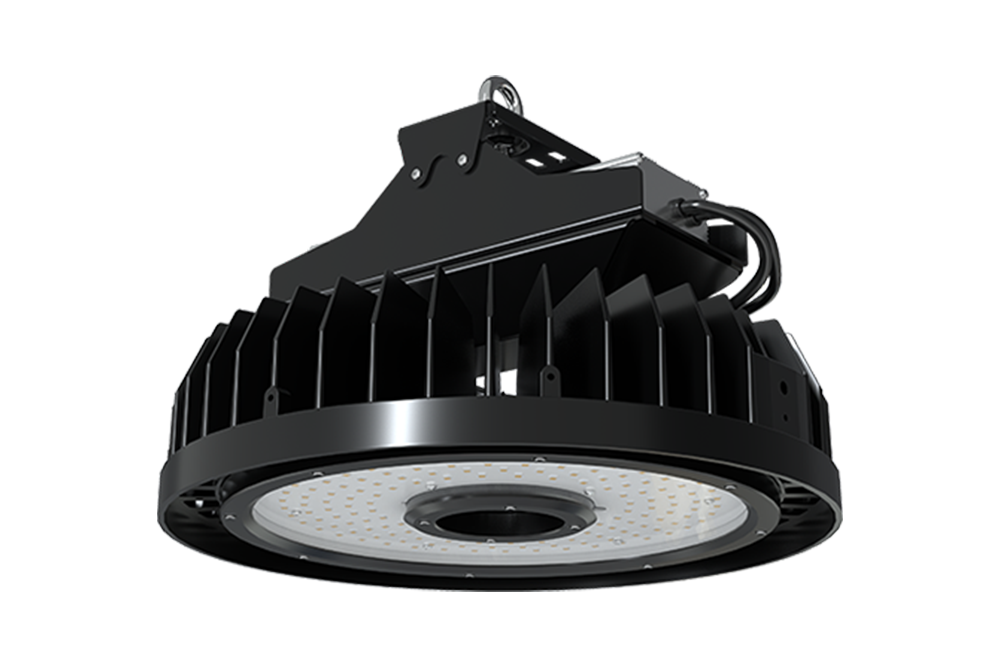
Unlike metal halide or mercury lamps, LEDs do not radiate heat forward as infrared. Instead, heat moves backward into the housing. This is why thermal design plays a bigger role in LED lighting than many users expect.
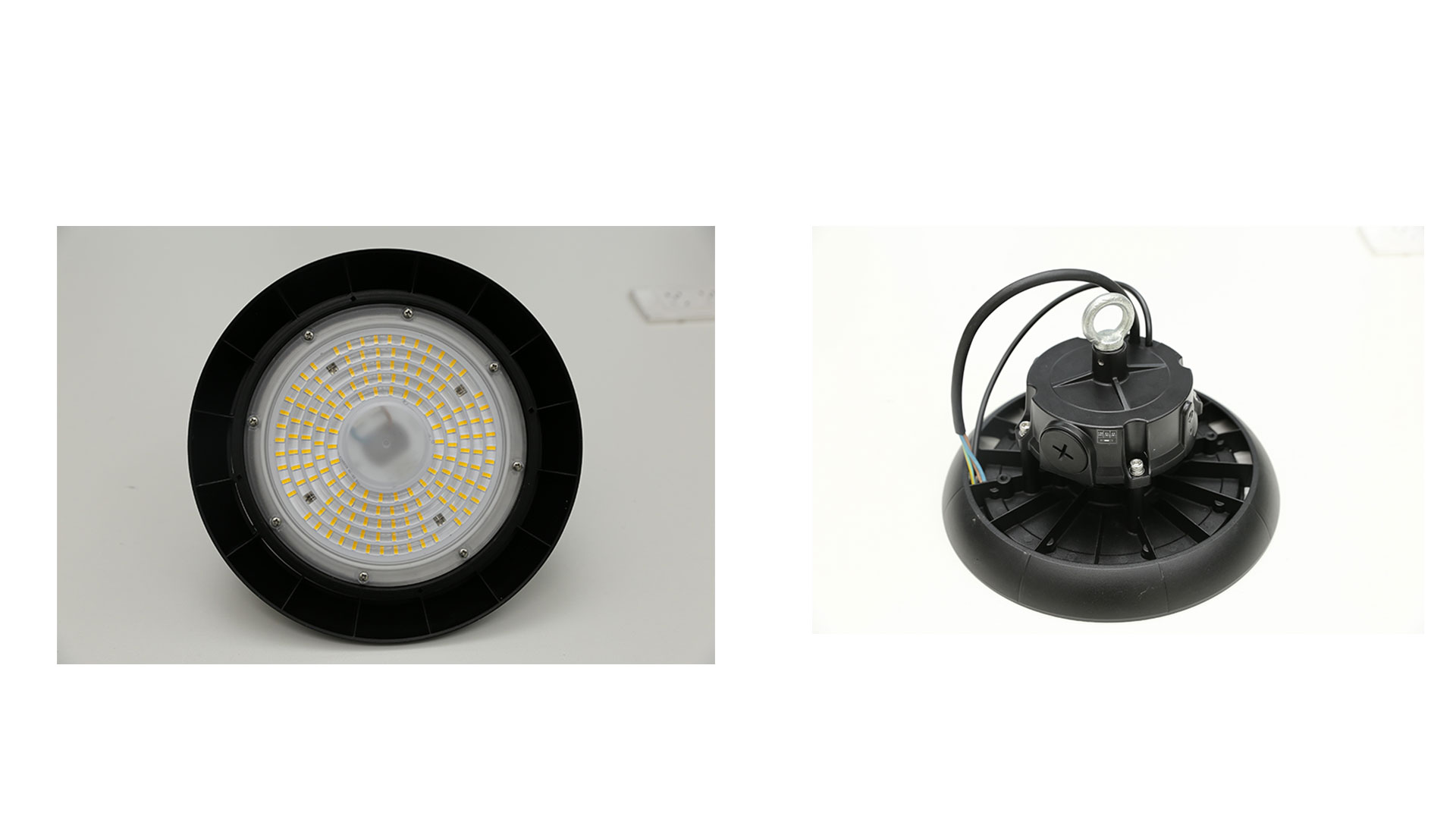
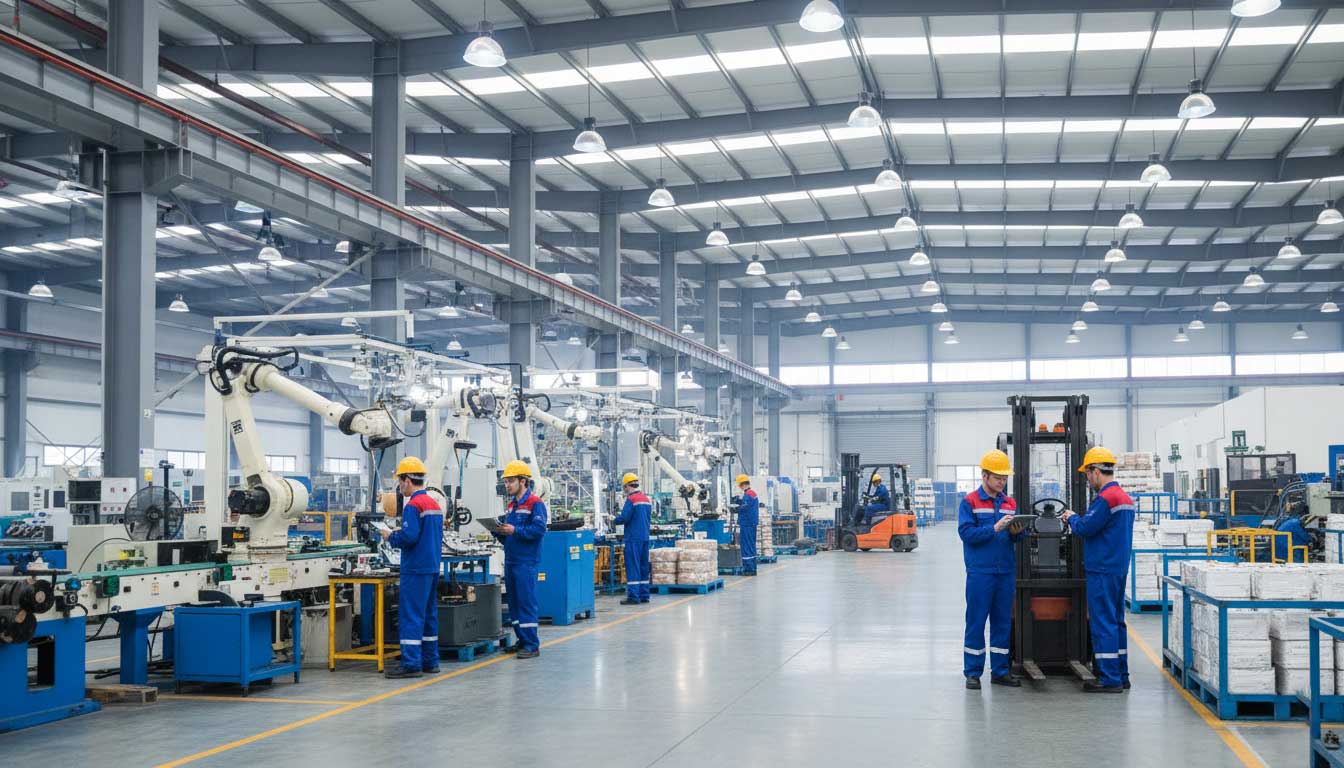
In real warehouse and factory environments, high bay LED lights do not overheat when proper heat dissipation is in place.
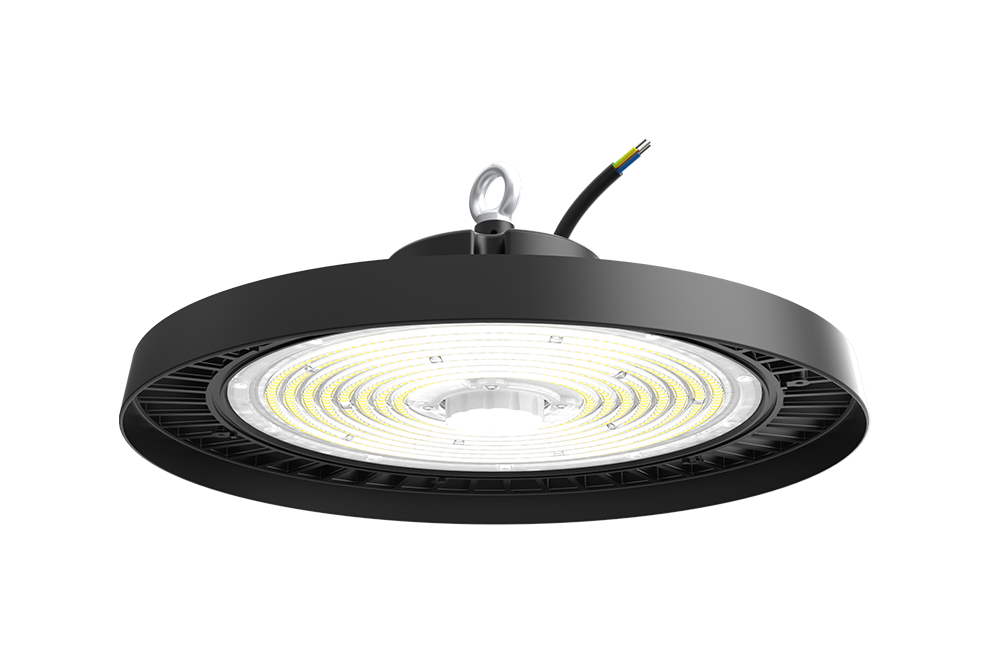
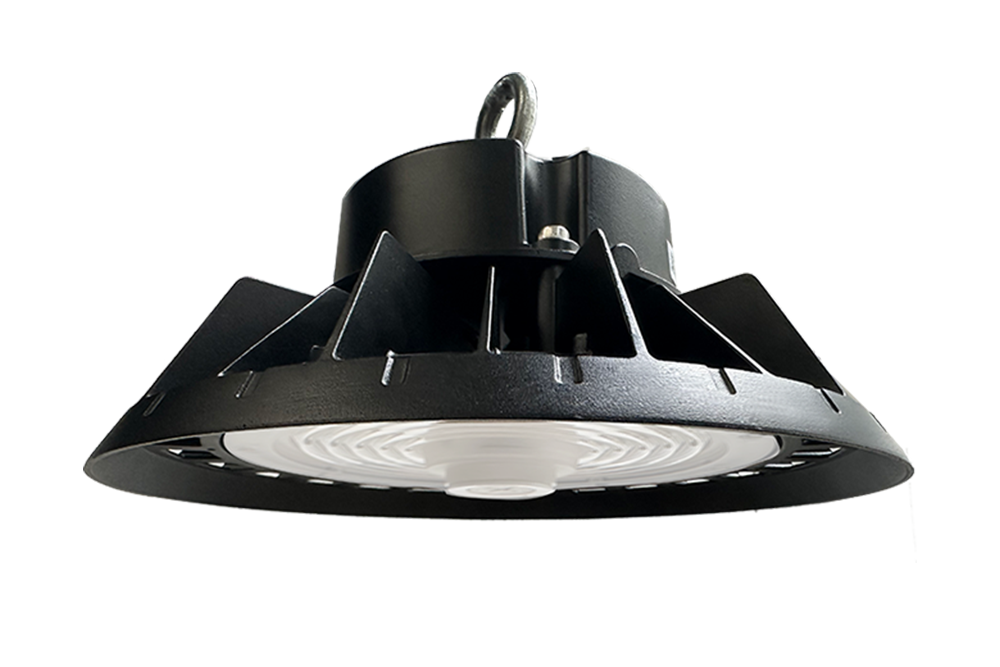
Fixtures with a solid aluminum heat sink, wide cooling fins, and stable current control keep internal temperatures within a safe operating range. Even when lights run 10–16 hours per day, controlled heat flow prevents early lumen depreciation or driver stress.
Problems usually appear only when low-cost fixtures sacrifice thermal mass or airflow to reduce price.
Heat does not usually cause instant failure. Instead, it works quietly:
That is why long-lifespan ratings such as L80B20 >100,000 hours are closely linked to how efficiently heat is moved away from sensitive components.
In practical terms, better heat management equals more stable lighting and fewer replacements.
Well-designed high bay LED lights use a few proven methods:
This approach allows the fixture to stay warm—but not dangerously hot—during continuous operation.
For warehouse operators and contractors, heat behavior matters more than surface temperature. A fixture that feels warm to the touch is normal. A fixture that loses brightness after a year is not.
High bay LED lights designed for industrial use focus on controlled heat, not heat elimination. That balance is what delivers stable output, predictable maintenance cycles, and reliable energy savings.
This is the design direction followed by SEEKINGLED in its industrial high bay lighting projects.
Lamp explosion proof explained: real safety design, certifications, and industrial use cases. Learn how explosion proof lamps work from SEEKINGLED experts.
View details
What Is a Hazardous Location Junction Box? Learn how explosion-proof electrical enclosures protect industrial wiring in hazardous areas with standards, applications, and expert insights.
View details
how many high bay lights do i need? Learn how to calculate high bay lighting quantity using ceiling height, lumens, spacing, and industrial lighting requirements.
View details
Yes. Flood lights are commonly used outdoors for yards, driveways, building facades, parking areas, entrances, warehouses, and commercial sites, but the fixt...
View details