 Seeking LED
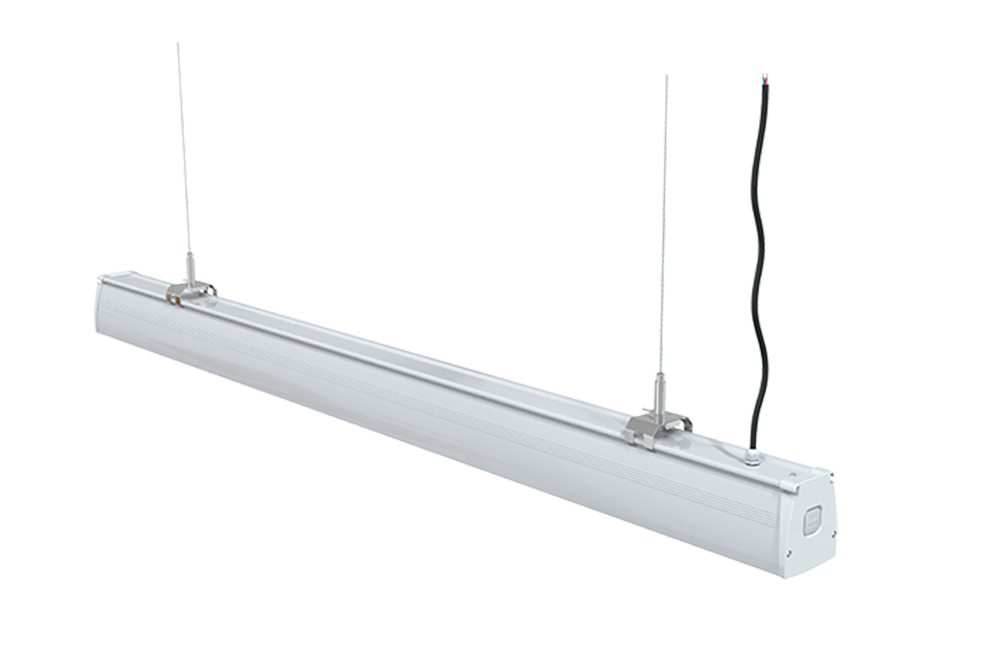
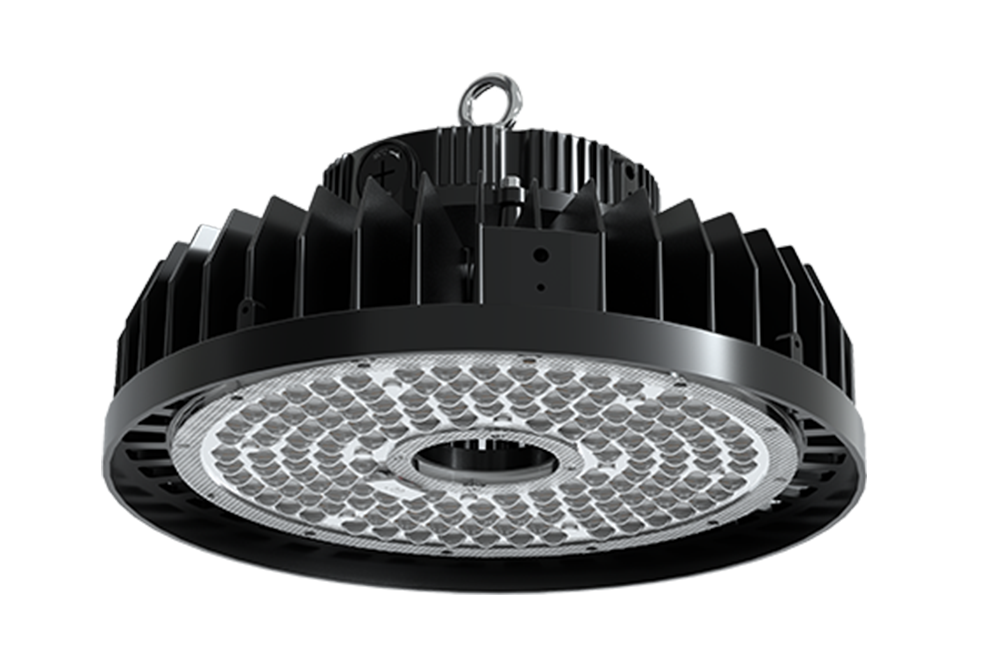
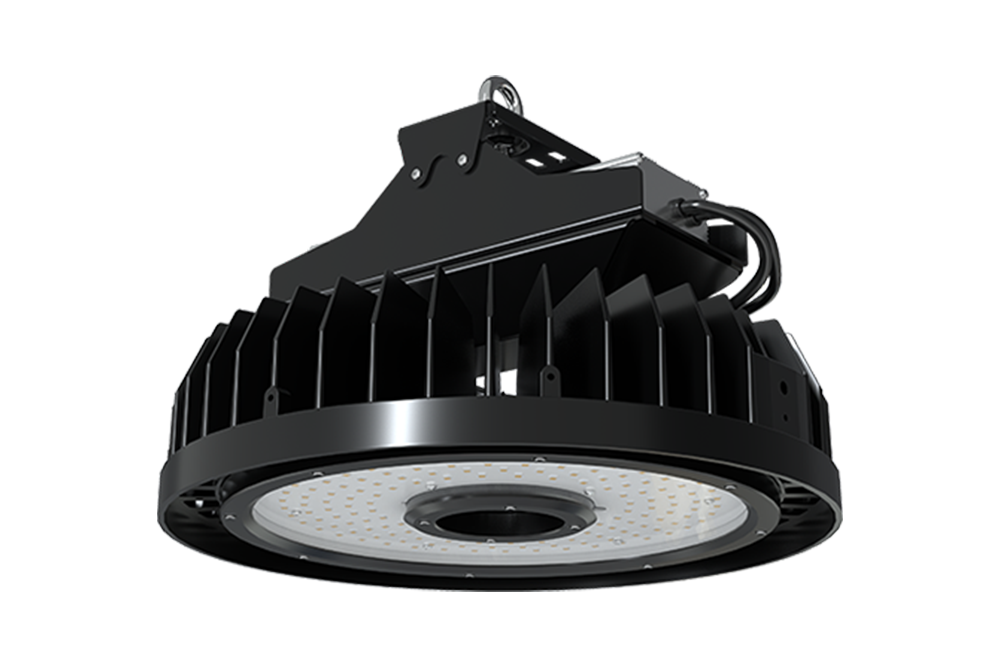
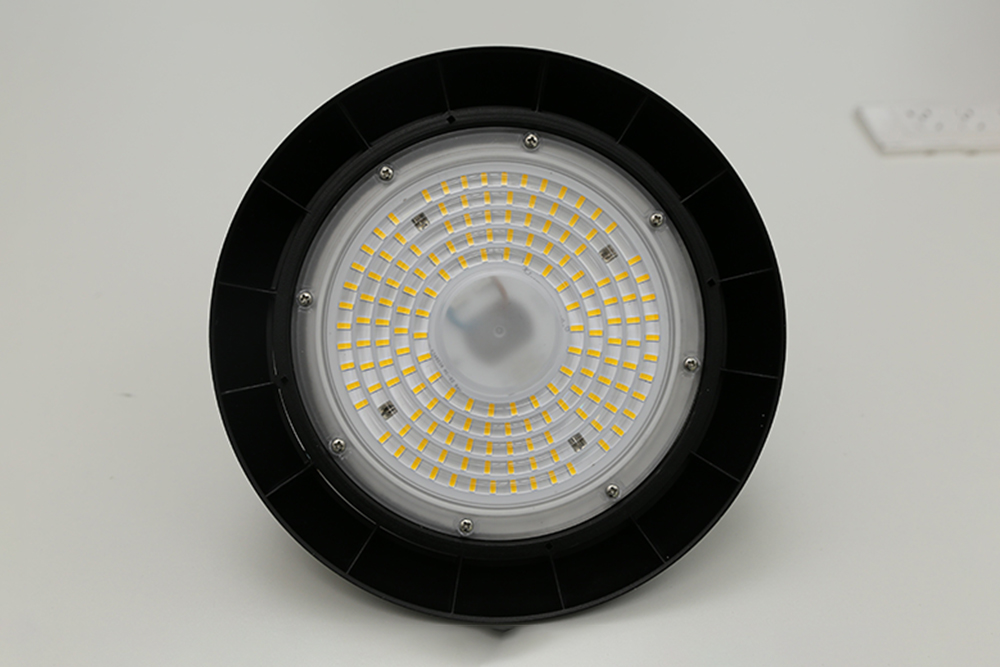
How to Dim LED High Bay Lights?
398How to dim LED high bay lights in warehouses and factories. Learn common dimming methods, control types, and what to check before installing dimmable high bay fixtures.
View detailsSearch the whole station
Designing lighting for large outdoor spaces is not only about brightness or fixture size. From an engineering standpoint, it is a process shaped by safety codes, energy targets, maintenance realities, and how people actually use the space at night. In recent years, large-scale outdoor lighting design trends have shifted noticeably, driven by both technology and real operational feedback from cities, stadiums, and industrial facilities.
At SEEKINGLED, many projects start with the same question: how to light a wide area reliably for years, while keeping energy use and maintenance under control.
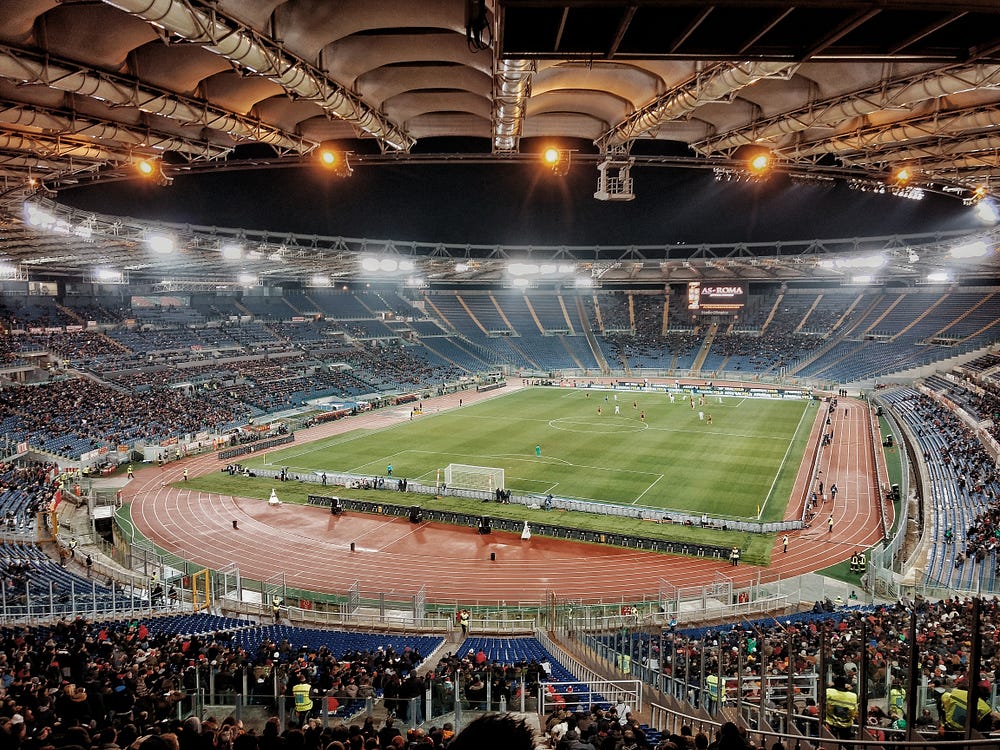
Traditional outdoor lighting relied on fixed-output systems designed for worst-case conditions. Today, engineers are moving toward lighting layouts that respond to function rather than excess. A sports venue, for example, does not need the same lighting behavior as a pedestrian plaza or an industrial yard.
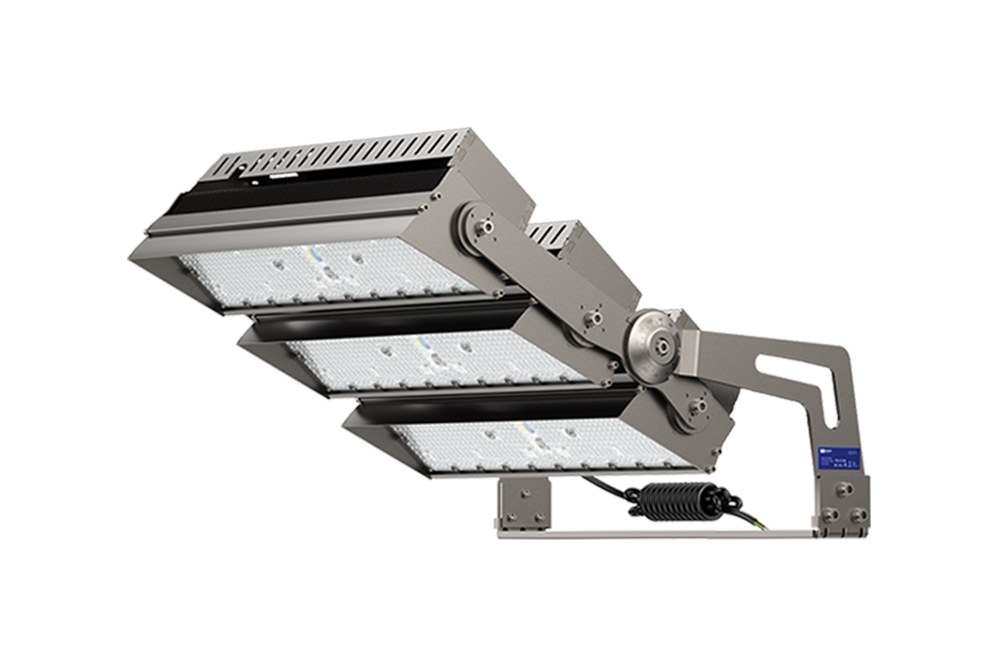
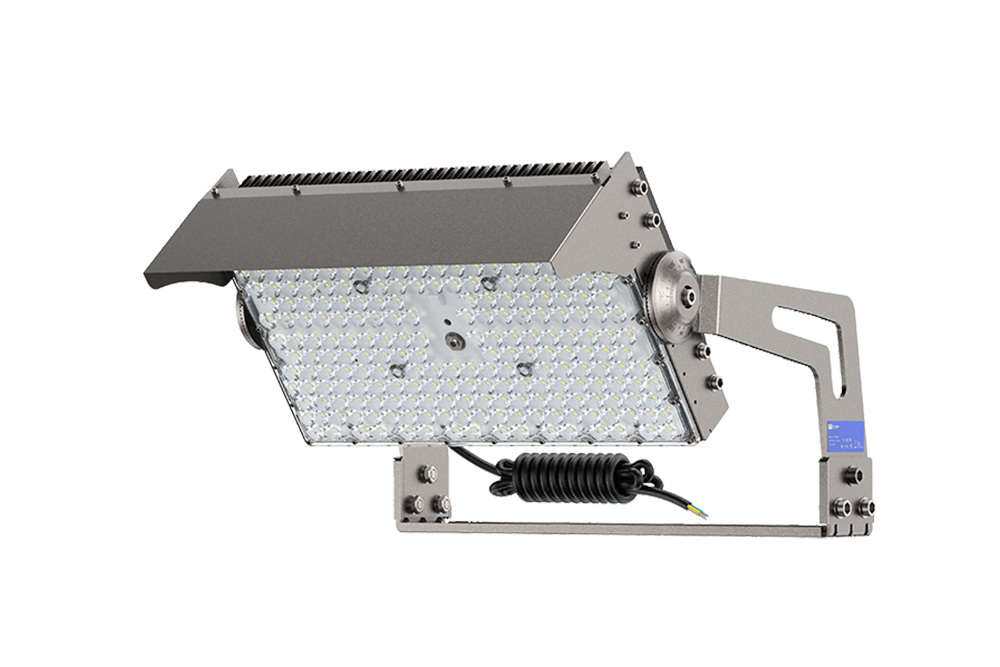
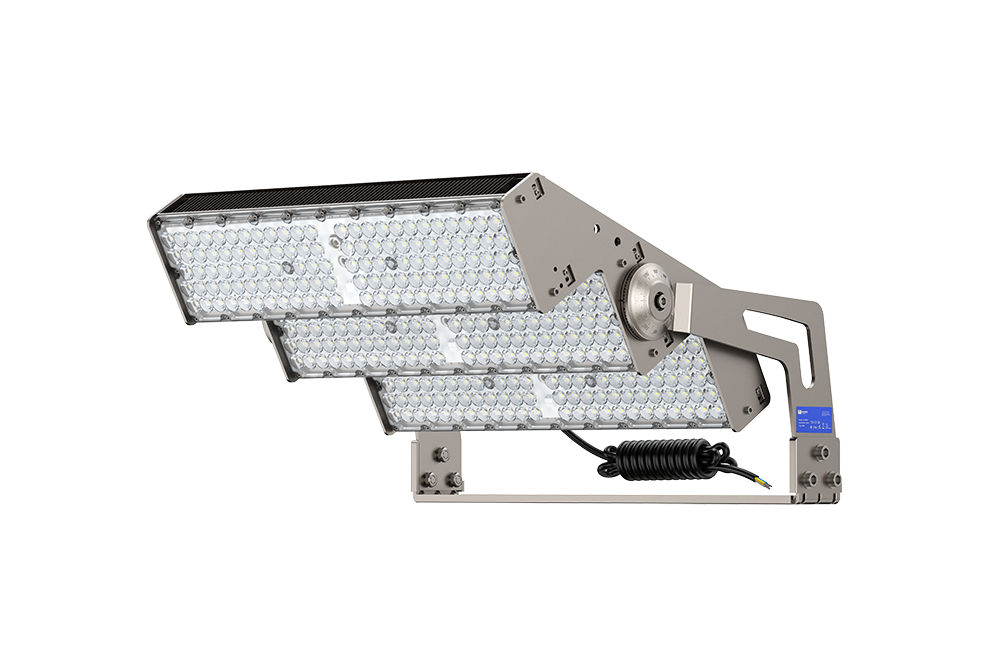
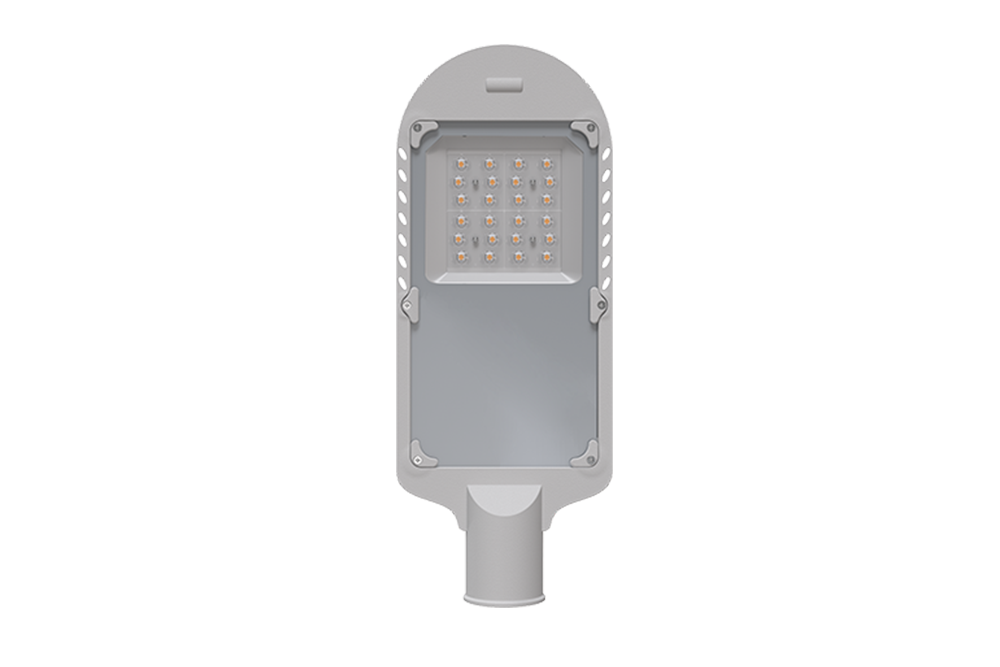
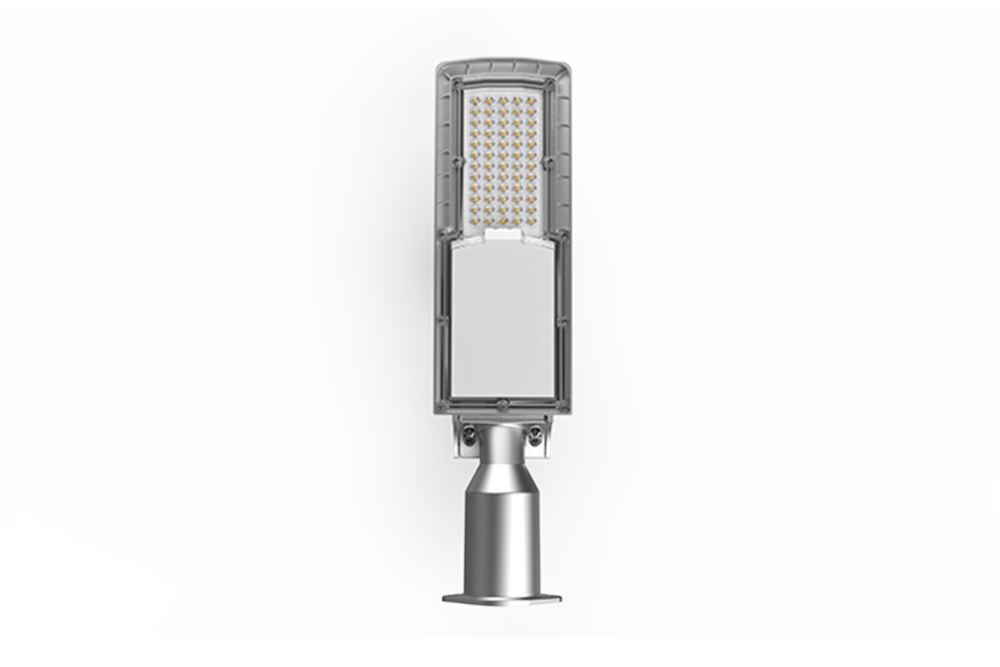
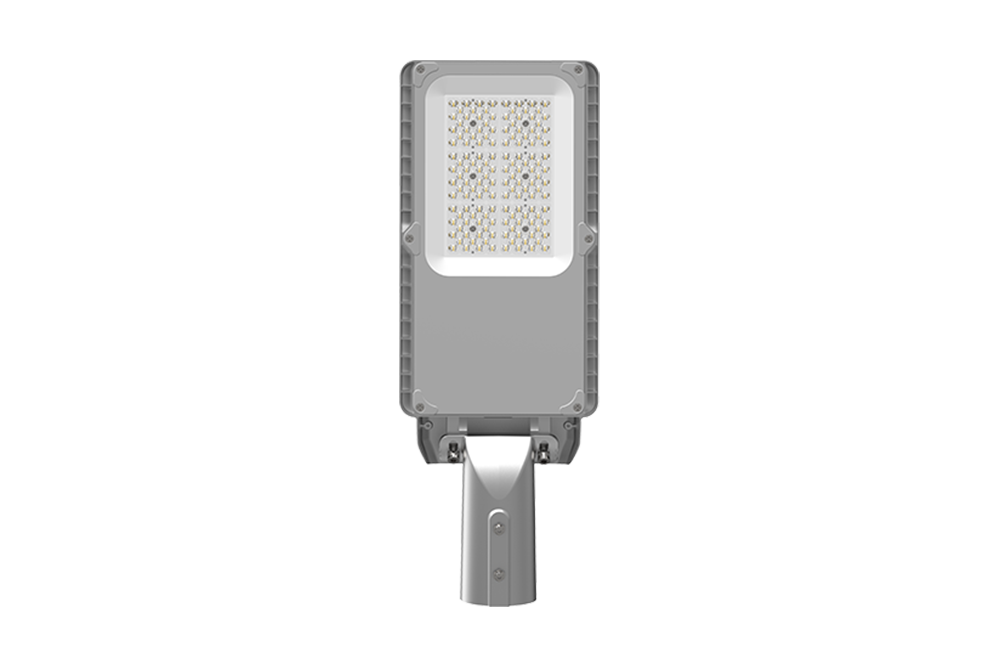
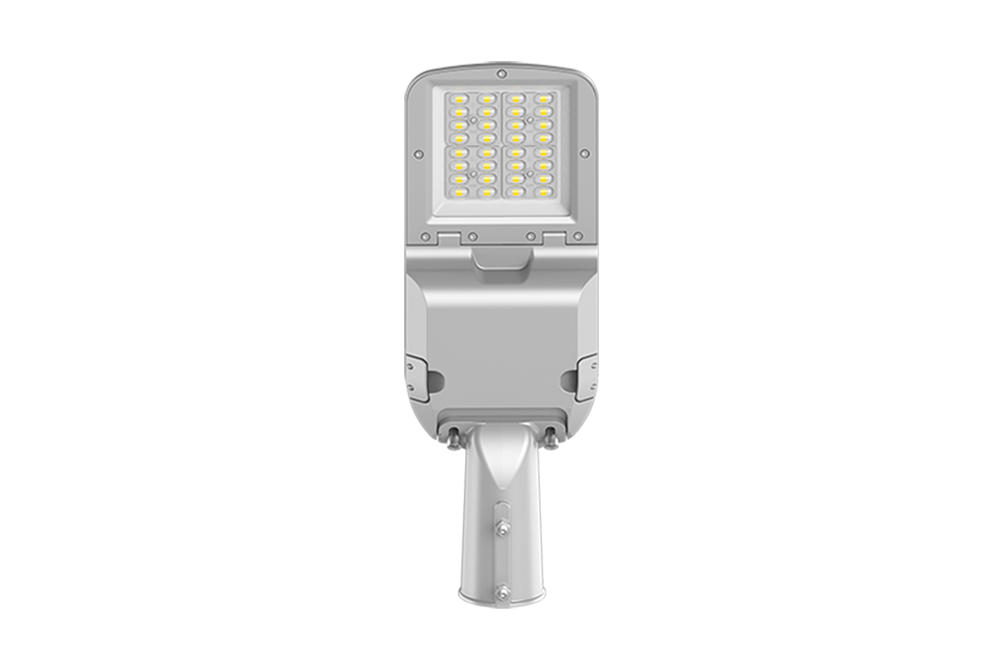
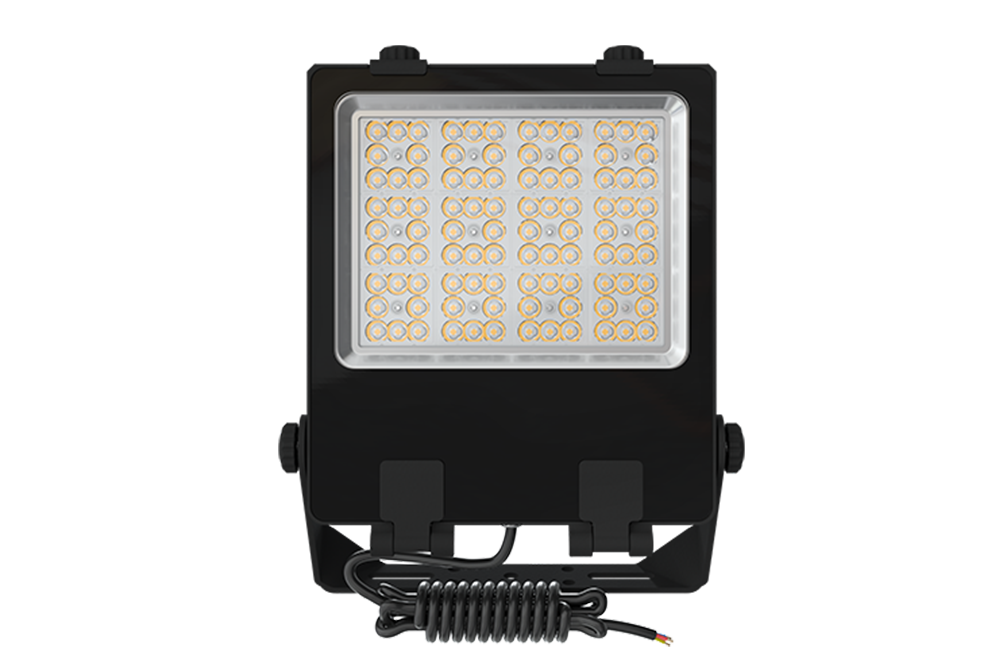
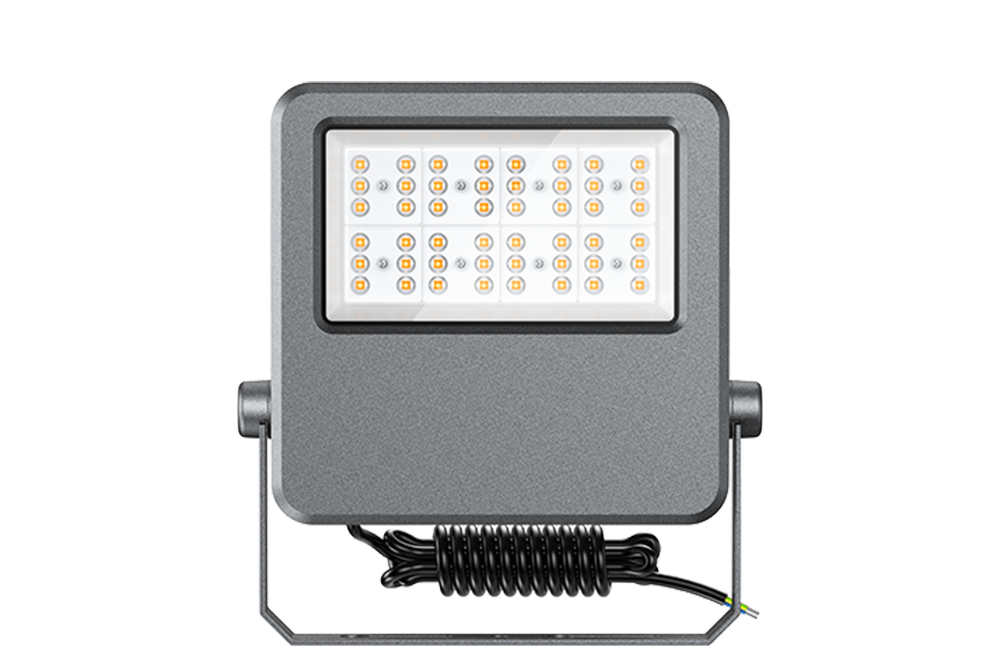
This shift is visible across different product categories. Sports Stadium LED Lighting now focuses on uniformity, glare control, and camera compatibility rather than raw lumen output. LED Flood Light systems are optimized for aiming precision to avoid light spill, while LED Street Light designs increasingly prioritize cut-off optics and pedestrian comfort.
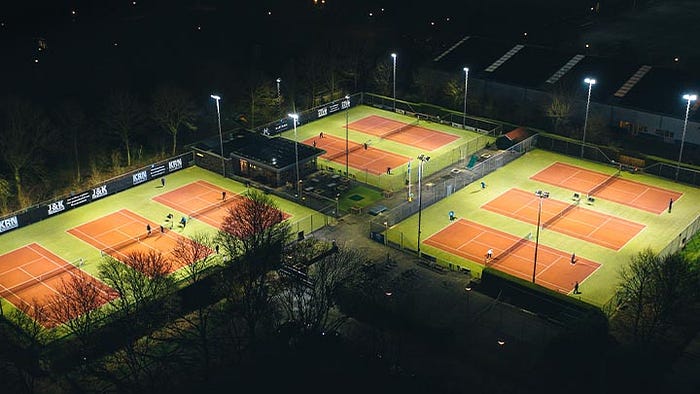
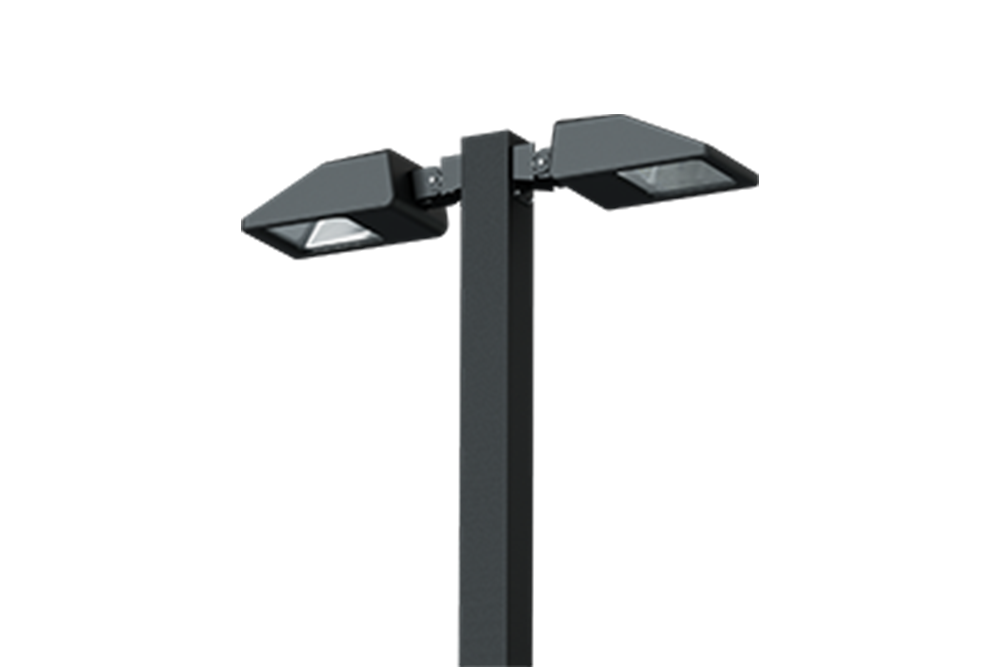
Large outdoor luminaires remain essential in open environments such as ports, logistics yards, stadiums, and public squares. The difference today lies in how they are selected and deployed.
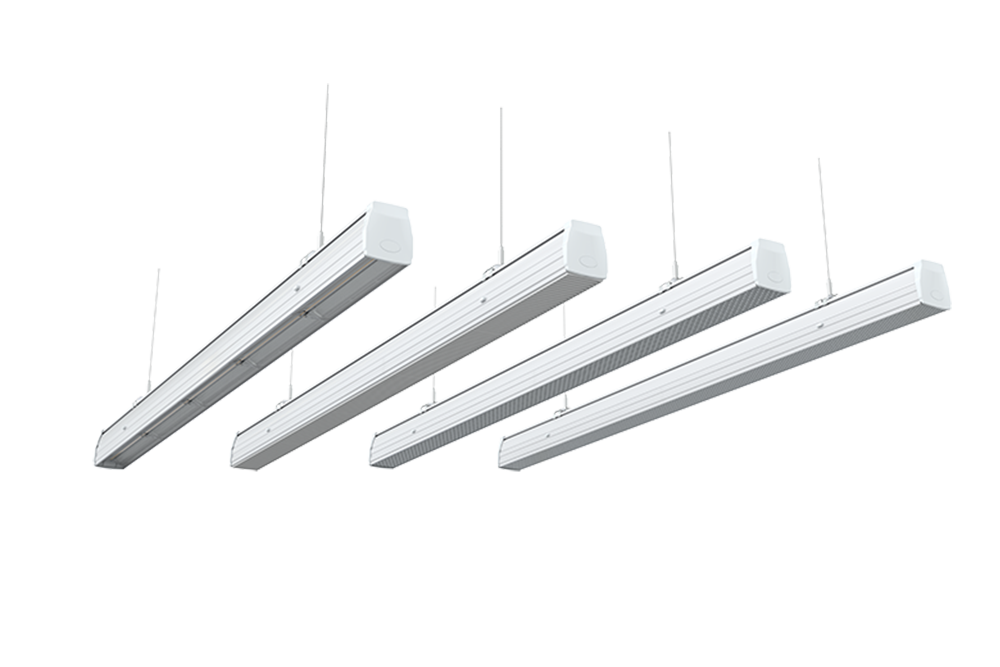
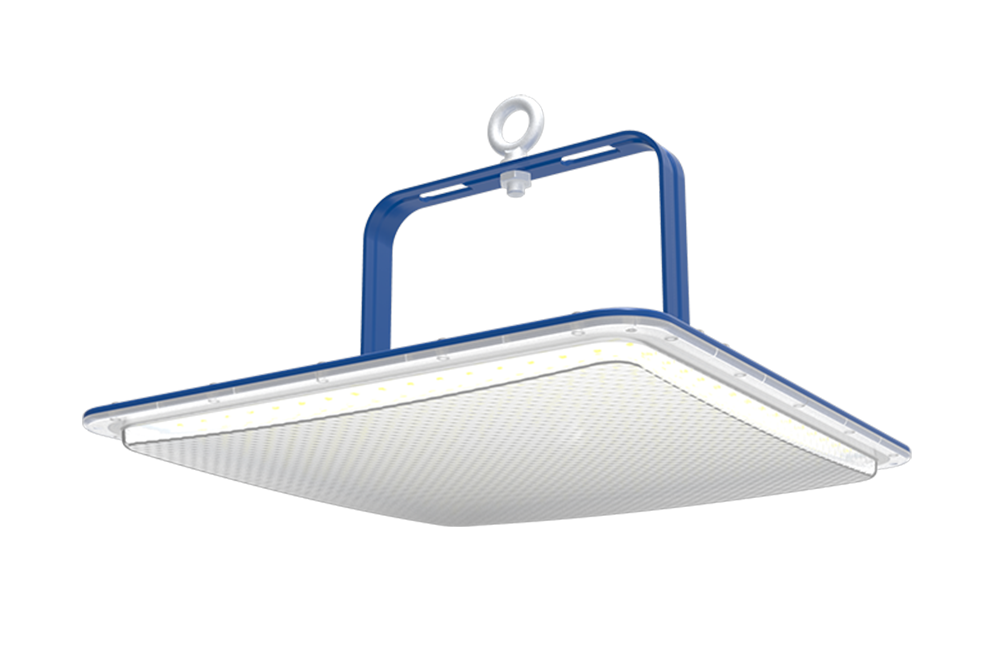
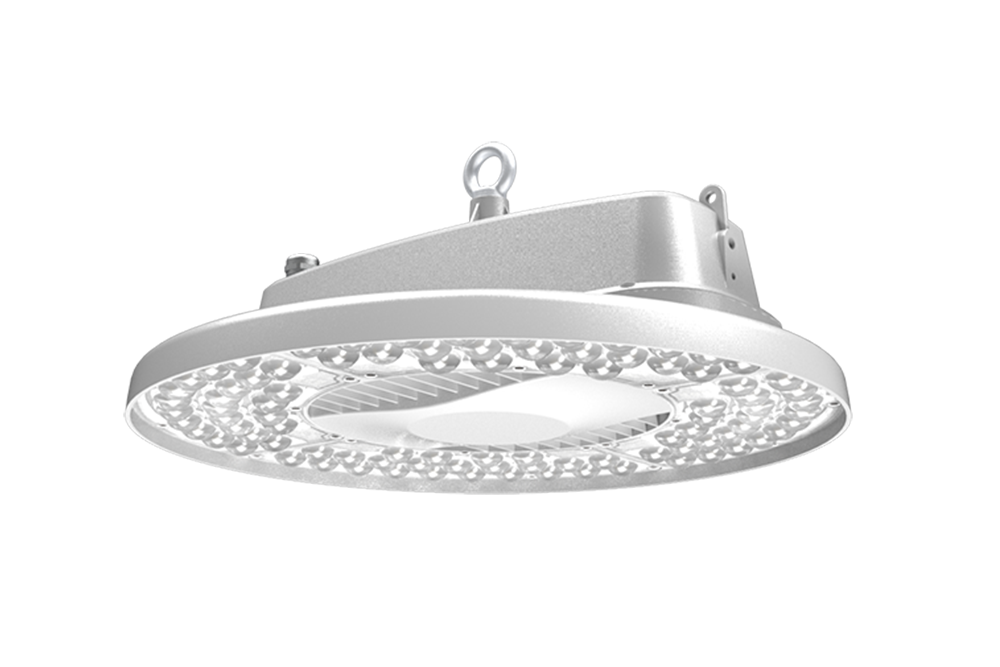
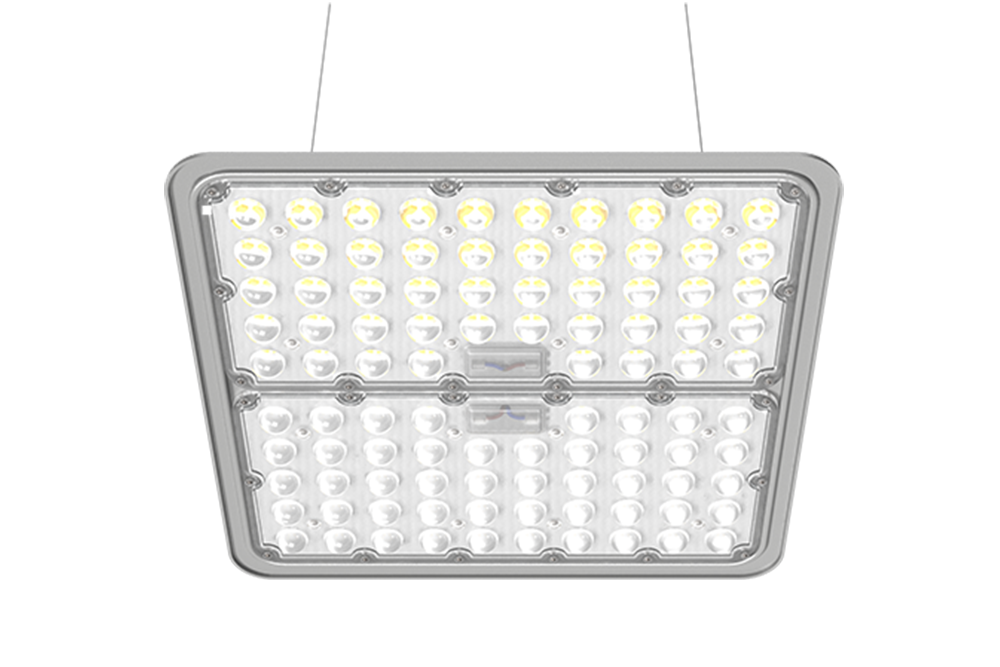
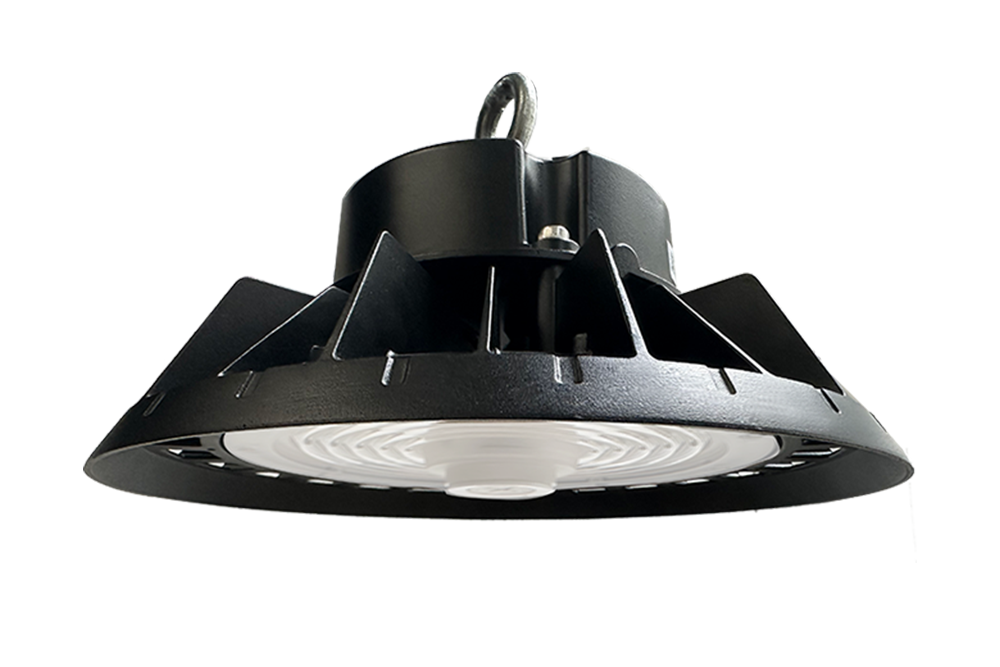
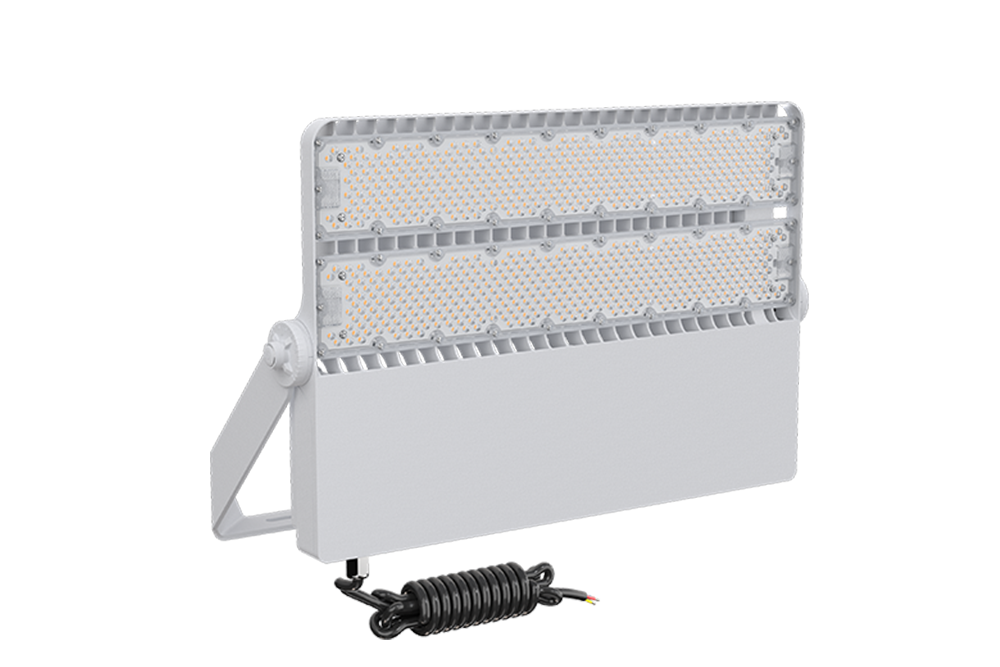
Instead of oversizing fixtures, engineers calculate mounting height, spacing, and beam distribution more carefully. LED High Bay Light solutions are commonly used in semi-outdoor structures, while Linear LED Light products help maintain visual continuity in walkways and architectural edges.
In hazardous or industrial zones, Explosion proof light and LED Tri-proof lamp products are selected not only for compliance, but also for durability under vibration, dust, moisture, and temperature variation.
LED technology has matured. Most design discussions now focus less on “whether to use LED” and more on system integration. Wireless controls, grouped dimming, and remote monitoring are increasingly standard in large projects.
These tools allow operators to reduce energy use during low-traffic hours without compromising safety. From an engineering view, the real benefit is operational stability: fewer manual adjustments, fewer failures going unnoticed.
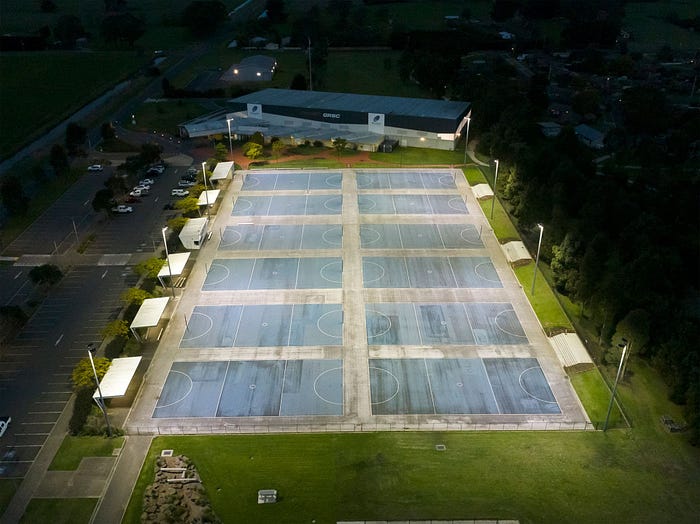
Sustainable lighting design is no longer limited to energy savings. Long service life, reduced maintenance access, and recyclable materials all play a role.
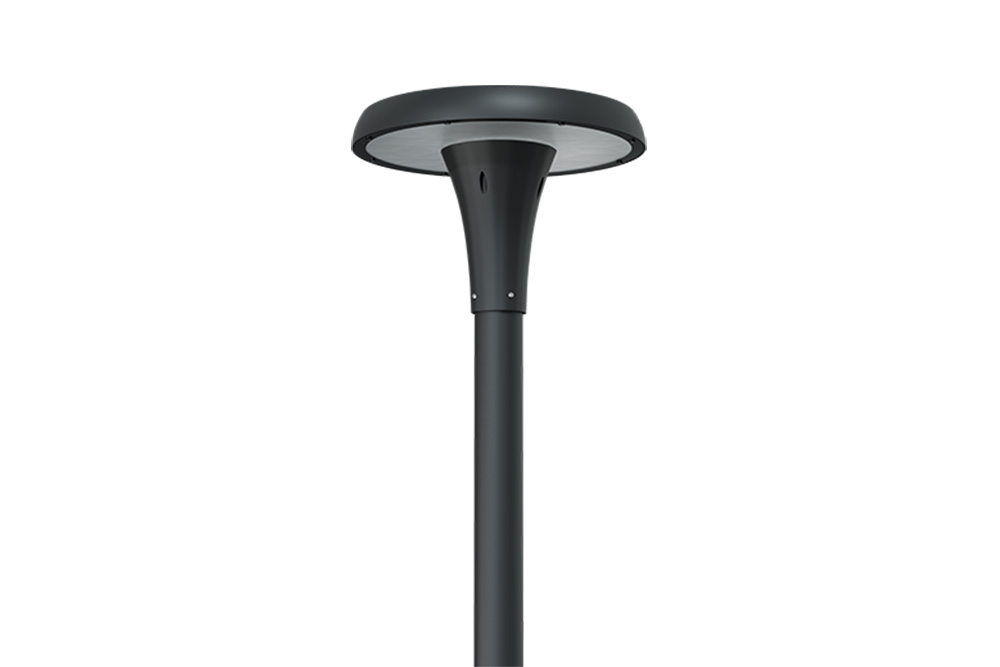
For outdoor environments such as parks or residential landscapes, Garden Lights LED products are designed to minimize glare and light pollution while maintaining adequate pathway illumination. In city-scale projects, reducing unnecessary brightness often improves both sustainability and visual comfort.
Across completed projects, one pattern is clear: the most successful large-scale lighting designs are not the most complex. They are the ones that balance light levels, fixture durability, and ease of maintenance.
A stadium retrofit using Sports Stadium LED Lighting showed that improved uniformity reduced shadow complaints even when total wattage dropped. In urban plazas, switching to better-distributed LED Flood Light systems improved visibility while lowering pole heights.
These outcomes are driven by engineering decisions, not trends alone.
Large-scale outdoor lighting design will continue to evolve, but its foundation remains practical. Technology provides tools, not answers. Engineers still need to understand space usage, environmental conditions, and long-term operation.
SEEKINGLED continues to approach outdoor lighting projects with this mindset: design for reality, not for specification sheets.
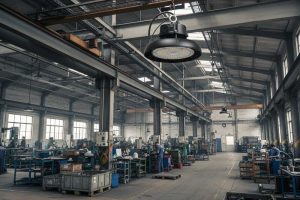
How to dim LED high bay lights in warehouses and factories. Learn common dimming methods, control types, and what to check before installing dimmable high bay fixtures.
View details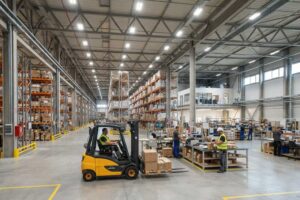
How do you calculate high bay lighting? Learn high bay lighting calculations using lumens, ceiling height, spacing, and industrial lighting factors for better results.
View details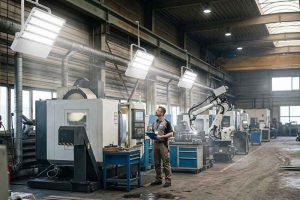
How long can LED lights last in real conditions? Discover true lifespan, key factors, and why SEEKINGLED lighting systems perform longer in demanding environments.
View details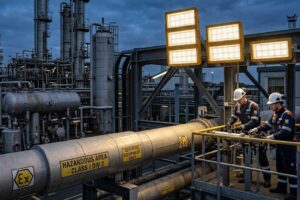
Why Lighting for Hazardous Areas Exists is a critical question for industrial safety. Learn how hazardous area lighting prevents ignition risks and protects workers.
View details