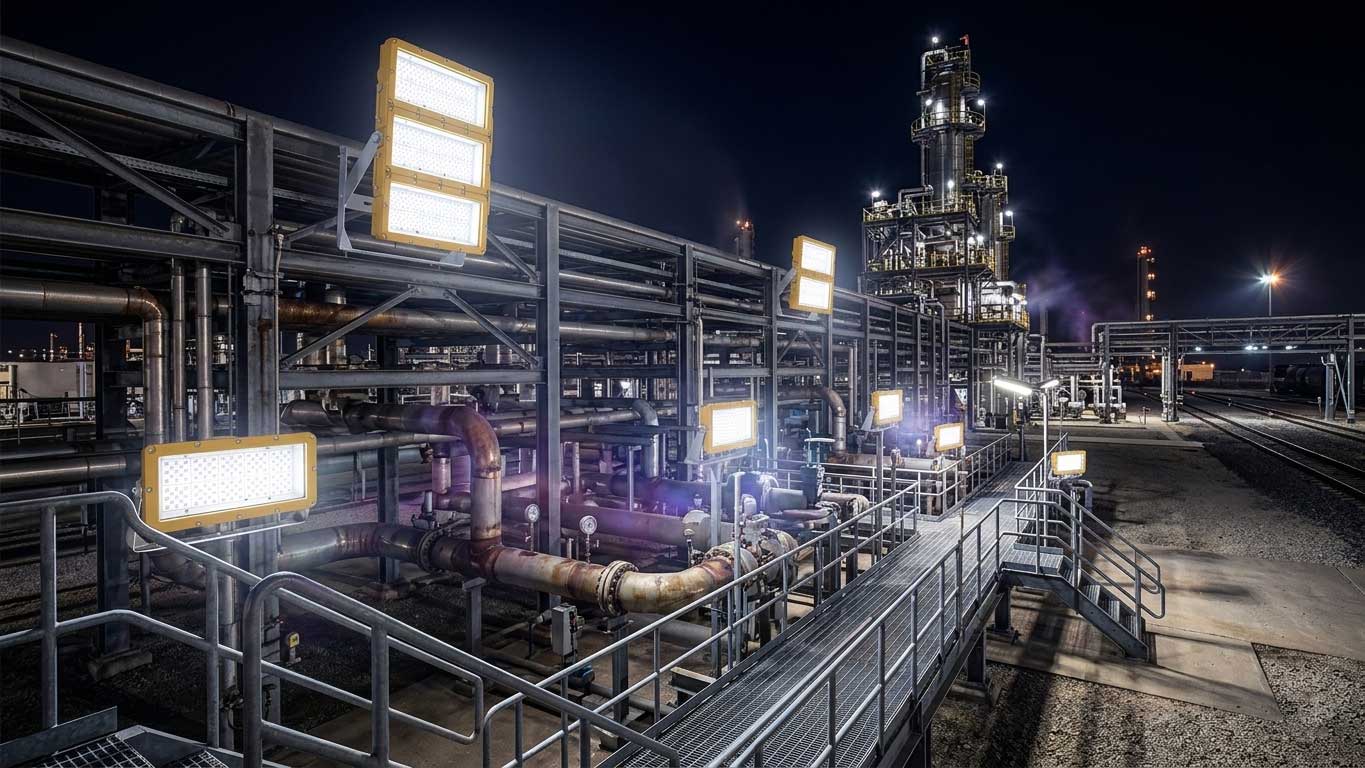
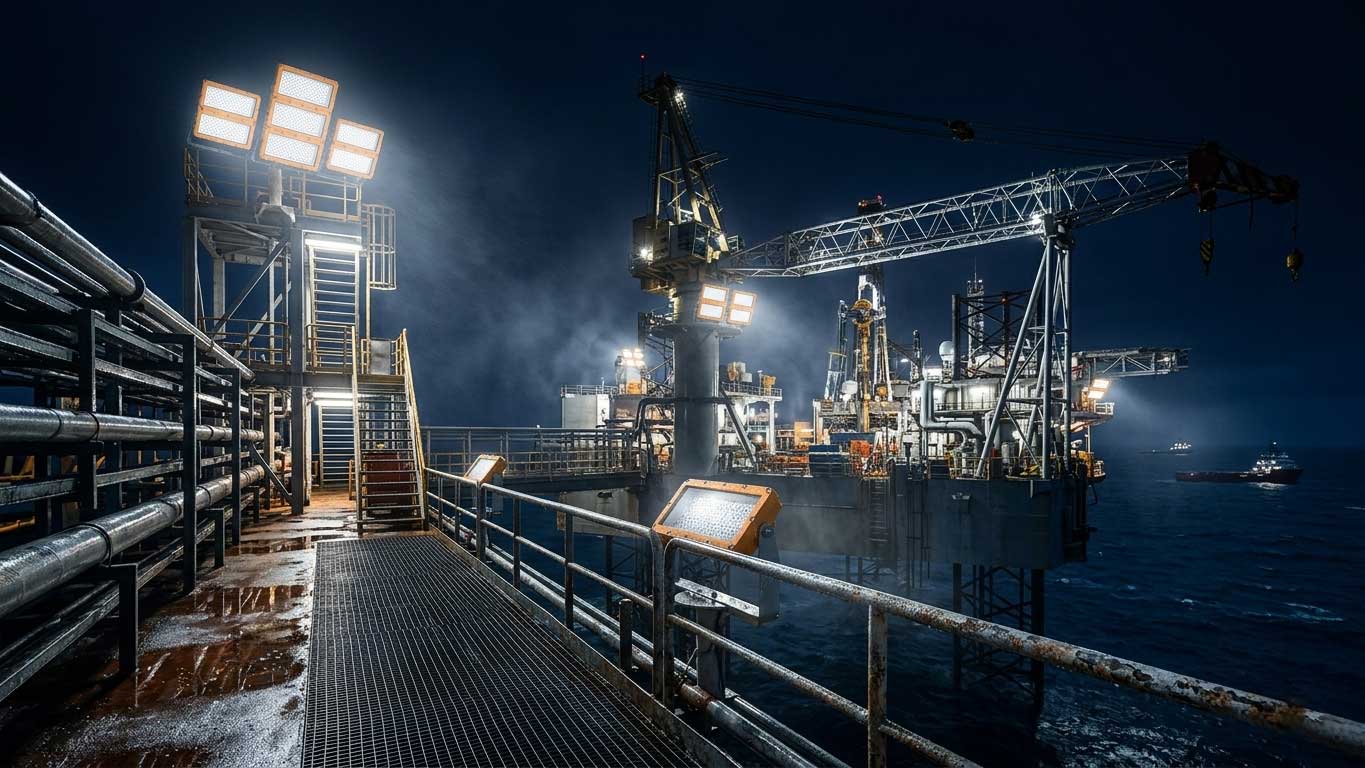
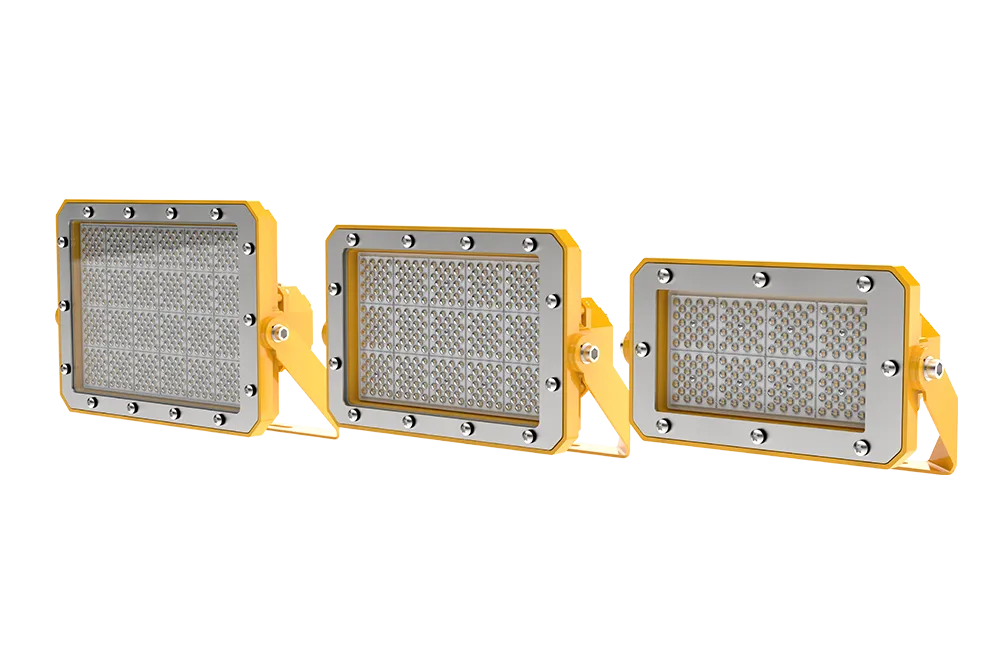
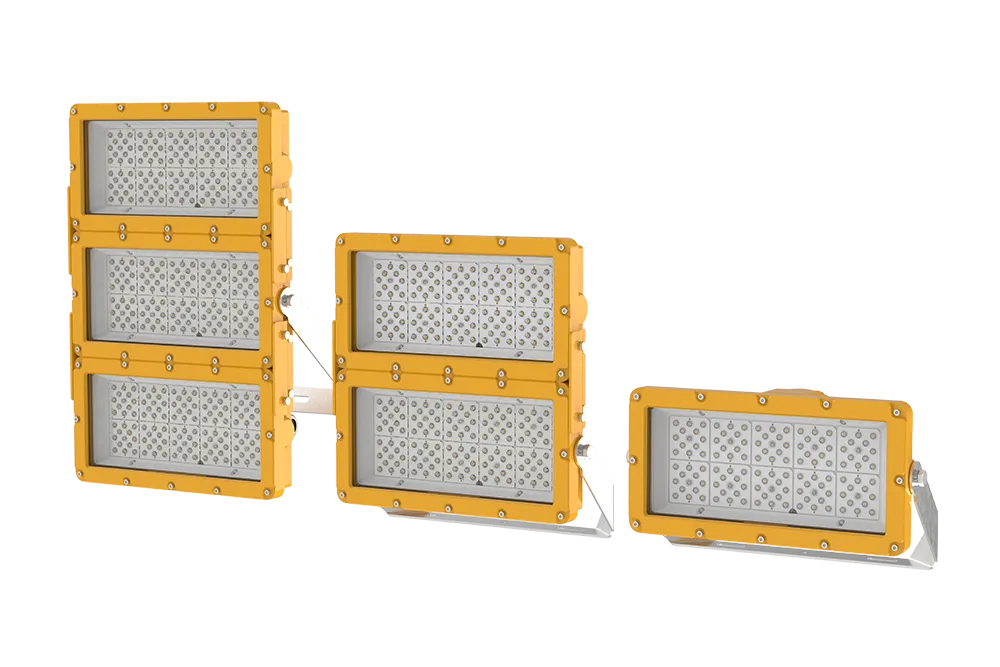
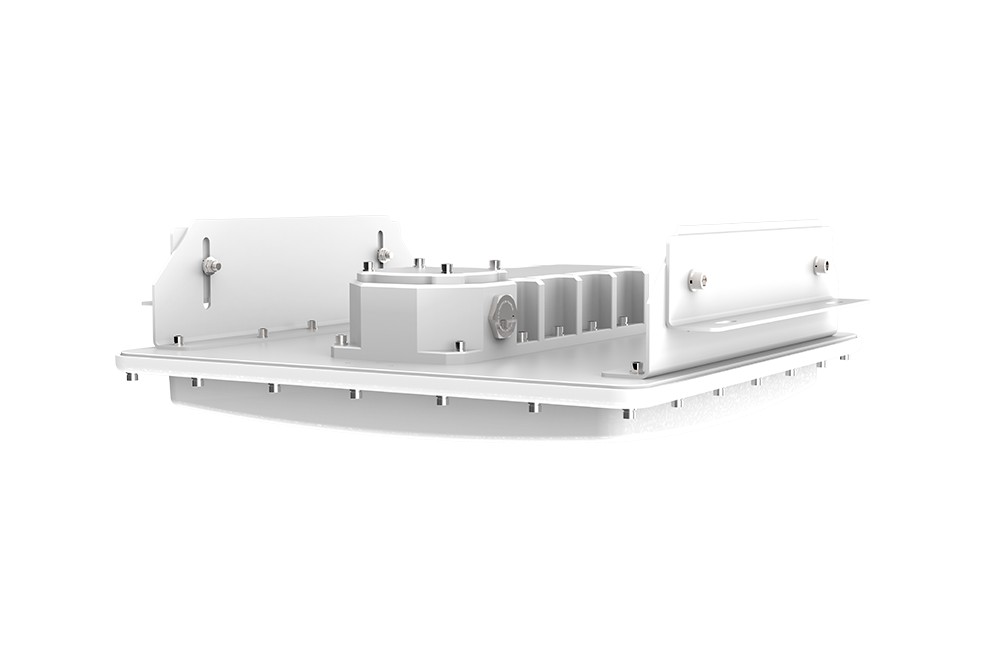
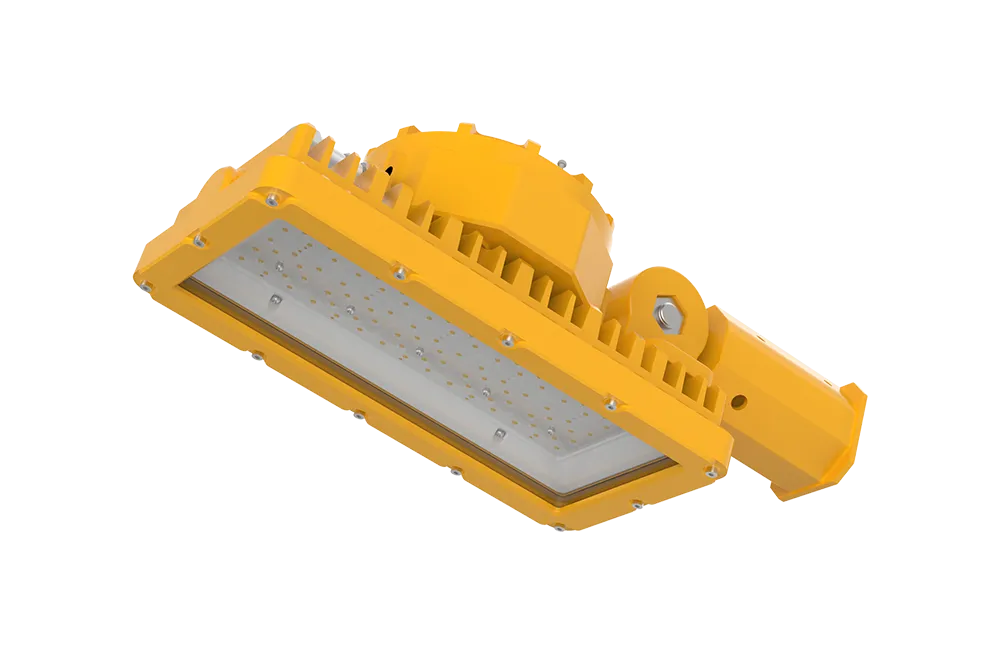
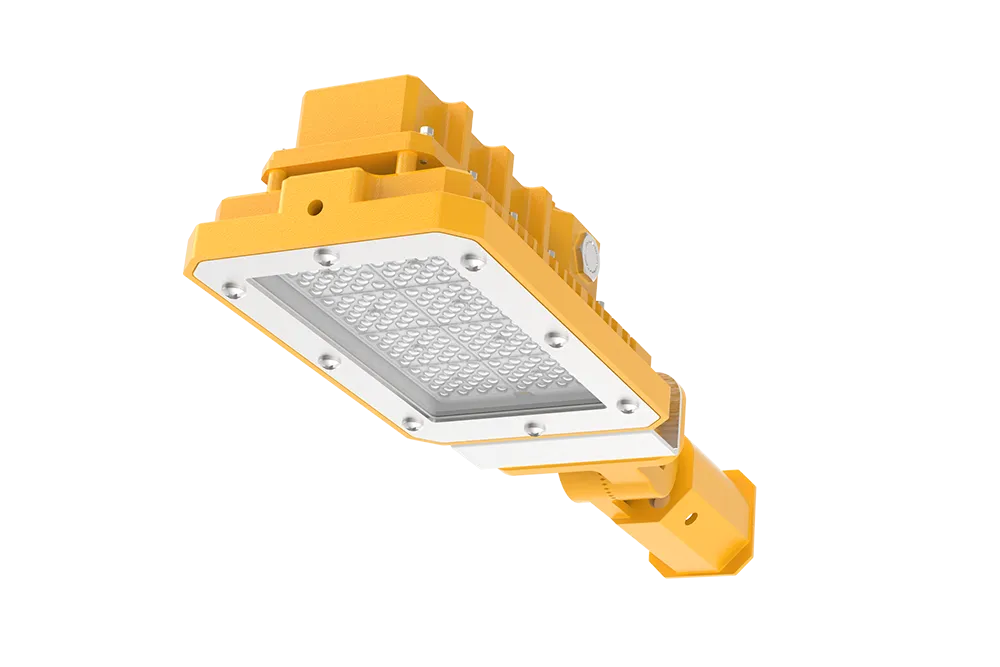
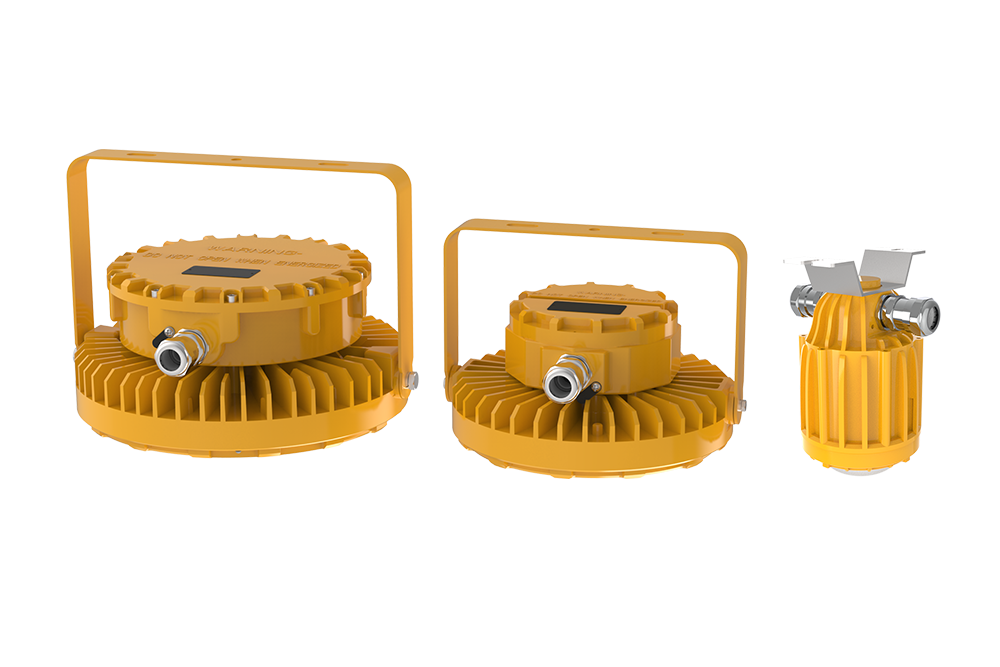
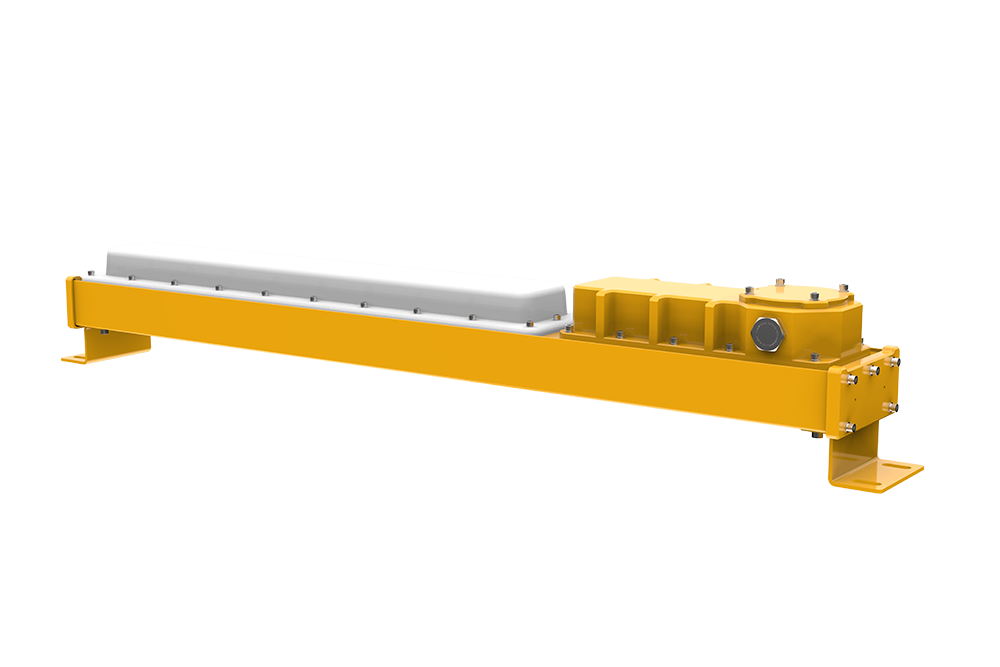
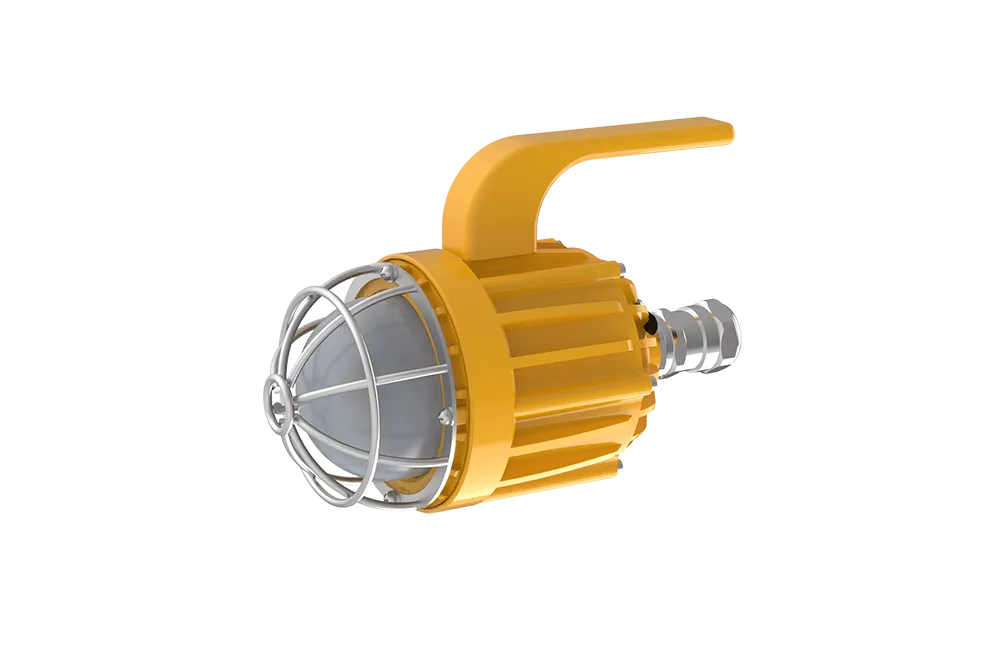
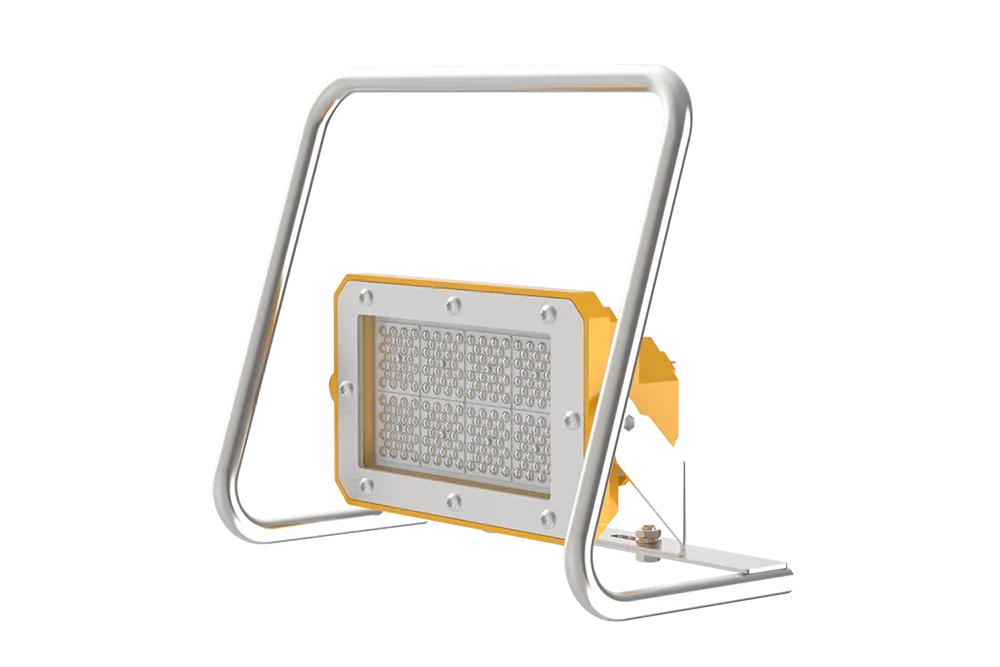
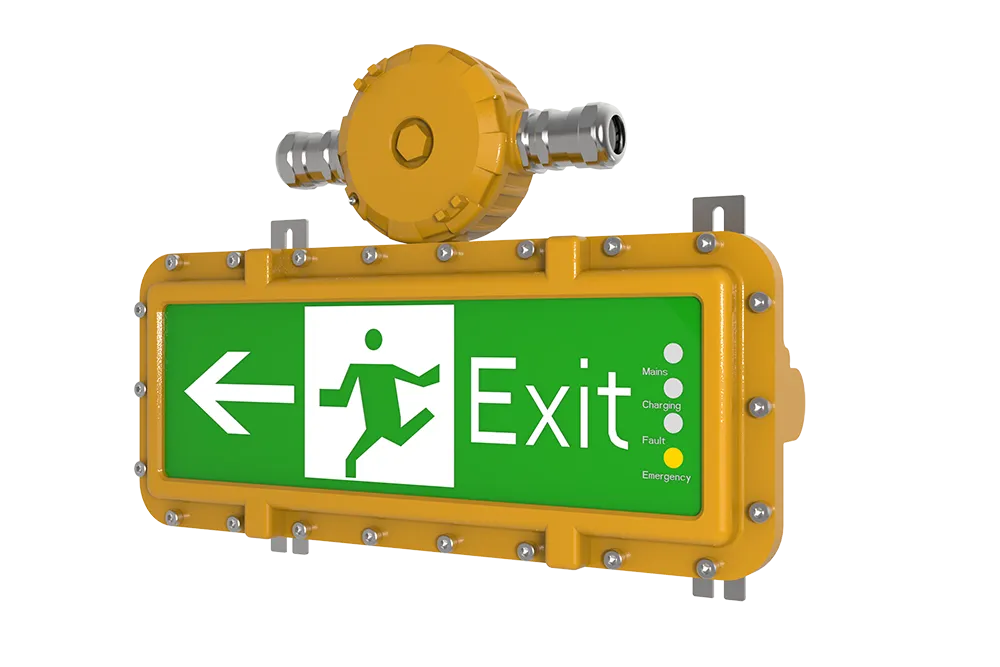
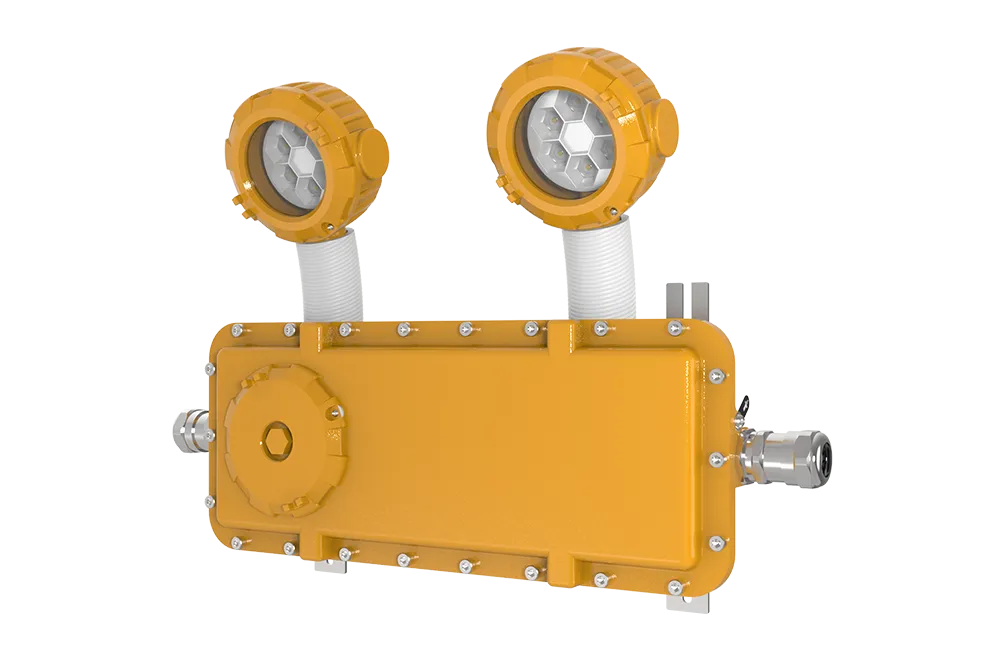
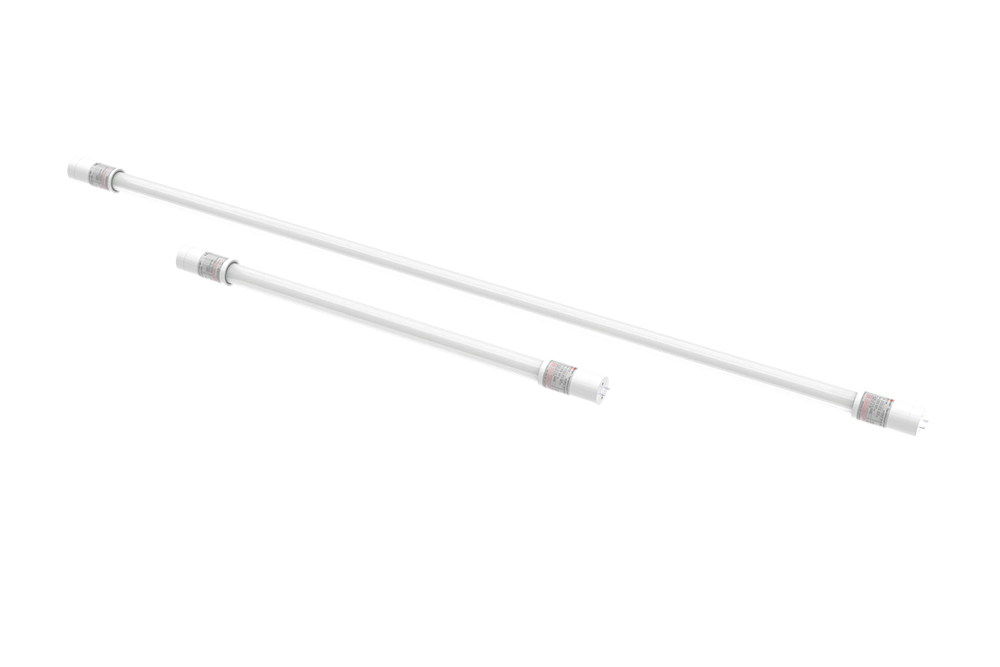
Explosion-proof flood lights exist because ordinary lighting fixtures can ignite flammable gases, vapors, dust, or fibers in hazardous industrial environments. These specialized fixtures are engineered to contain sparks, arcs, and heat internally, preventing catastrophic explosions in facilities such as oil refineries, chemical plants, grain silos, offshore platforms, and fuel storage terminals.
I understood the importance of this years ago during a refinery lighting inspection. Standing beside a loading rack at dusk, you could smell hydrocarbons in the air before seeing them on the monitoring equipment. The site engineer pointed toward an old corroded fixture and quietly said, “One failed seal here could shut this entire facility down.” That sentence stayed with me.
Explosion-proof lighting is not about brighter illumination. It exists because industrial environments sometimes become explosive without warning.
The Real Reason Hazardous Locations Need Explosion-Proof Flood Lights
Industrial facilities often release invisible combustible materials into the atmosphere.
That includes:
Flammable gases
Vapor clouds
Combustible dust
Chemical fumes
Fibers and airborne particles
When those materials mix with oxygen at the right concentration, even a tiny ignition source can trigger an explosion.
And lighting fixtures can absolutely become ignition sources.
Common Ignition Risks Inside Standard Lighting
Ordinary flood lights may generate:
Ignition Source
Why It Happens
Electrical arcs
Switch or driver failure
High surface temperatures
Overheating components
Internal sparks
Loose electrical contacts
Broken lamps
Mechanical impact or vibration
Hot ballast failures
Aging fluorescent systems
According to the U.S. Occupational Safety and Health Administration (OSHA), hazardous locations contain fire or explosion risks due to flammable gases, vapors, dusts, or ignitable fibers. Source: https://www.osha.gov/
That is exactly why explosion-proof flood lights exist.
Explosion-Proof Does Not Mean “Explosion Resistant”
This is one of the most misunderstood concepts in industrial lighting.
Explosion-proof flood lights are not designed to survive external explosions alone.
They are engineered to prevent the fixture itself from igniting the surrounding atmosphere.
How Explosion-Proof Fixtures Actually Work
A properly certified explosion-proof flood light is built to:
Contain internal explosions
Prevent flame propagation
Isolate sparks from hazardous atmospheres
Maintain controlled external temperatures
Resist corrosion and moisture intrusion
The enclosure is usually constructed from:
Marine-grade aluminum
Copper-free alloy
Tempered glass
Stainless steel hardware
High-temperature silicone seals
If an internal electrical fault occurs, the housing prevents the flame or hot gases from escaping into the hazardous environment outside.
Explosion-proof lighting standards were not invented theoretically.
They evolved after real industrial accidents.
Historical Industrial Explosion Risks
Industries with repeated ignition incidents included:
Oil refining
Underground mining
Grain processing
Paint manufacturing
Chemical storage
Offshore drilling
The U.S. Chemical Safety Board (CSB) has investigated numerous combustible dust and vapor explosions across industrial sectors. Source: https://www.csb.gov/
One of the most widely discussed hazards is combustible dust.
According to the National Fire Protection Association (NFPA), combustible dust explosions continue to cause serious industrial accidents worldwide. Source: https://www.nfpa.org/
In older grain facilities, dust accumulation can become astonishingly dense. I once walked through an aging conveyor corridor where dust coated nearly every surface above shoulder height. Even static discharge becomes dangerous in environments like that.
Lighting there is not a decorative choice. It is part of the facility’s safety infrastructure.
Why Flood Lights Specifically Matter in Hazardous Areas
Flood lights are different from standard linear or area fixtures because they illuminate:
Large open work zones
Tank farms
Offshore decks
Vehicle loading areas
Crane operations
Perimeter security zones
These areas often require:
High lumen output
Wide beam distribution
Outdoor durability
Long-distance visibility
And unfortunately, many are also high-risk hazardous environments.
Different regions use different hazardous-area certification systems.
Common Explosion-Proof Standards
Certification
Region
Purpose
ATEX
Europe
Hazardous atmosphere compliance
IECEx
International
Global explosion protection
Class 1 Div 2
North America
Hazardous gas/vapor classification
Class 2
North America
Combustible dust environments
These certifications verify that fixtures meet strict safety requirements for explosive environments.
According to the European Commission, ATEX directives regulate equipment intended for potentially explosive atmospheres. Source: https://single-market-economy.ec.europa.eu/
LED Technology Changed Hazardous Lighting
Older hazardous-area flood lights consumed enormous amounts of power.
Metal halide systems especially generated excessive heat.
LED technology changed that.
Why Modern LED Explosion-Proof Flood Lights Are Better
Modern industrial LED flood lights provide:
Lower energy consumption
Reduced maintenance
Longer lifespan
Lower operating temperatures
Instant startup
Better vibration resistance
The U.S. Department of Energy states that LEDs use significantly less energy and last far longer than conventional lighting technologies. Source: https://www.energy.gov/energysaver/led-lighting
In offshore environments, maintenance reduction alone can justify the upgrade cost.
Sending technicians offshore simply to replace failed fixtures is expensive, slow, and operationally disruptive.
Where Explosion-Proof Flood Lights Are Commonly Used
In many of these locations, standard commercial lighting is prohibited entirely.
Common Misconceptions About Explosion-Proof Flood Lights
“Waterproof Means Explosion-Proof”
False.
Waterproofing alone does not provide hazardous-area protection.
A fixture may survive rain but still ignite flammable vapors.
“LED Fixtures Never Get Hot”
Also false.
LEDs generate less heat than HID lamps, but thermal management remains critical.
Cheap hazardous fixtures often fail because internal heat dissipation is poorly designed.
“Only Oil Refineries Need Explosion-Proof Lighting”
Not true anymore.
Food processing plants, battery factories, and even wood processing facilities increasingly require hazardous-area lighting due to combustible dust risks.
FAQ:Why Explosion-Proof Flood Lights Exist?
Why do explosion-proof flood lights exist?
They exist to prevent lighting equipment from igniting explosive gases, vapors, or combustible dust in hazardous industrial environments.
Are explosion-proof flood lights required by law?
In many hazardous locations, yes. Industrial safety regulations and electrical codes often require certified hazardous-area lighting.
Can normal LED flood lights be used in hazardous locations?
No. Standard fixtures are not designed or certified to safely operate in explosive atmospheres.
What industries rely most on explosion-proof flood lights?
Oil & gas, chemical processing, offshore drilling, mining, grain handling, and manufacturing industries use them extensively.
Are LED explosion-proof flood lights energy efficient?
Yes. Modern LED hazardous fixtures typically consume far less energy while lasting significantly longer than traditional HID or fluorescent systems.
Final Thoughts
So, why do explosion-proof flood lights exist?
Because industrial environments can become dangerous in seconds — sometimes invisibly, sometimes silently.
The purpose of these fixtures is not simply compliance paperwork or technical certification labels. Their real role is preventing ignition before catastrophe happens.
In hazardous facilities, lighting becomes part of the site’s protective system. When properly engineered, explosion-proof flood lights quietly do their job for years without attracting attention. And honestly, in these environments, unnoticed safety is usually the best outcome possible.
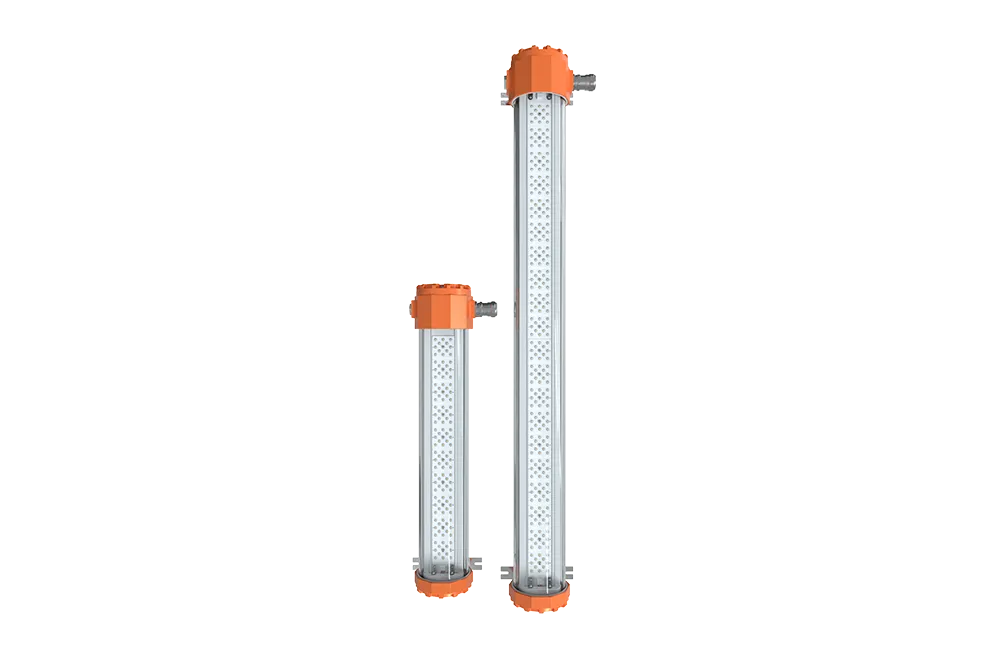
SEEKINGLED LED Linear Explosion Proof Light and Explosion Proof lighting is ATEX and IECEx certified for Zone 1, Zone 2, Zone 21 and Zone 22 hazardous locations, built for long-term industrial use.
LED Linear Explosion Proof Lights and EX Proof lights for Zone 1, Zone 2, Zone 21 and Zone 22 hazardous areas. ATEX & IECEx certified explosion proof LED linear lighting with emergency function, adjustable power and IP67 protection by SEEKINGLED.
SEEKINGLED LED Explosion Proof Flood Lights are ATEX certified for Zone 2 and Zone 22 hazardous areas, offering high efficiency, adjustable power and integrated junction box.
SEEKINGLED LED Explosion Proof Flood Lights are flameproof ATEX and IECEx certified for Zone 1 and Zone 2 hazardous areas, offering high power, adjustable output and long service life.
SEEKINGLED LED Gas Station Canopy Lights are ATEX certified for Zone 2 and Zone 22 hazardous areas, featuring adjustable power and built-in explosion-proof junction box.
ATEX: Ex II 2G Ex db IIB T6/T5 GbEx II 2D Ex tb IIIC T80°C/ T95°C Db IECEx Ex db IIB T6 Gb;Ex tb IIIC T80°C Db Feature: ● For Zone 1,2 and Zone 21,22● Flameproof type, the strongest● 100W can replace 250W HID,energy saving● Power:60W,80W,100W Application: Oil and gas, marine, Chemical, pharmaceutical, semiconductor,mining,military industr…
ATEX: II 3G Ex nR ⅡC T5/T6 GcII 3D Ex tc ⅢC T80℃/T95℃Dc ATEX Certificate NO: TÜV CY 26 ATEX 0207611 X Feature: ● For Zone 2 and Zone 22● 150W can replace 250W HID lamps,Energy saving● Power:50W,75W,100W,150W,200W Application: Oil and gas, marine, Chemical, pharmaceutical, semiconductor,mining,military industry, paint booth,power plant ETC…
LED explosion proof high bay lights are designed for Zone 1, Zone 2, Zone 21 and Zone 22 hazardous areas. This page introduces the HB21 Series from SEEKING, including certifications, power options and real application considerations.
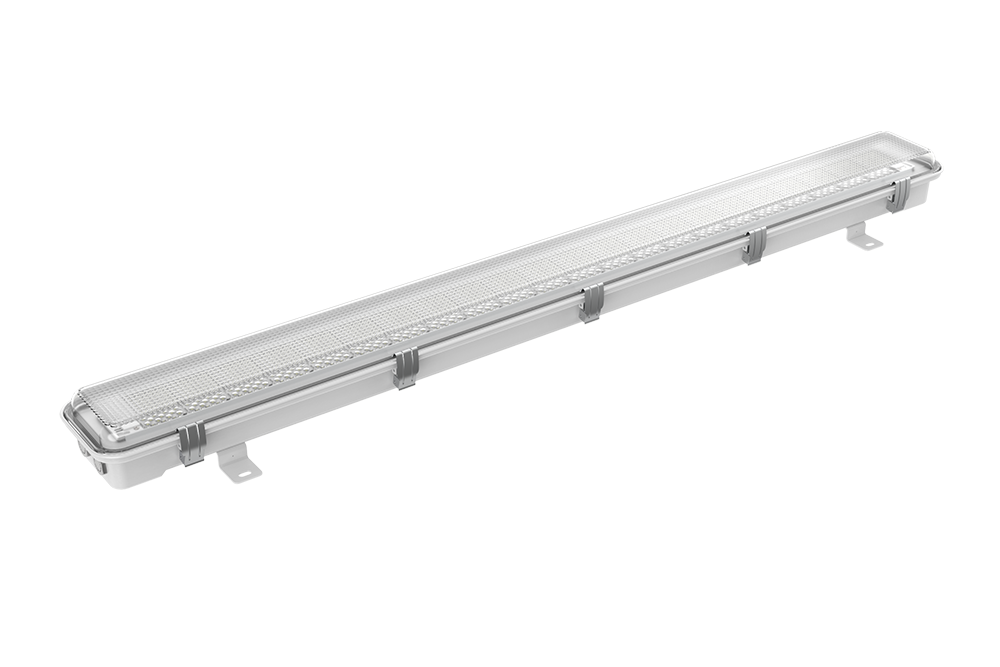
LED Linear Explosion Proof Lights from SEEKINGLED. LU Series Flame Proof lights ATEX-certified explosion proof LED linear lighting for Zone 2 gas and Zone 22 dust areas, IP69K, IK10, long lifetime and flexible power options.
Certified explosion proof work lights for Zone 1 & 21 hazardous areas. Portable, ATEX & IECEx approved, built for oil, gas and chemical plants by SEEKINGLED.
ATEX: II 3G Ex nR ⅡC T6 GcII 3D Ex tc ⅢC T80℃ Dc ATEX Certificate NO: TÜV CY 26 ATEX 0207611 X Feature: ● For Zone 2 and Zone 22● Accepts battery-powered supply● indestructible● Power:AC input:50W,75W,100WDC input:15W,25W,35W Application: Oil and gas, marine, Chemical, pharmaceutical, semiconductor,mining,military industry, paint booth,po…
ATEX: Ex II 2G Ex db IIB T6 GbEx II 2D Ex tb IIIC T80°C Db IECEx Ex db IIB T6 Gb;Ex tb IIIC T80°C Db Feature: ● For Zone 1,2 and Zone 21,22● Flameproof type, the strongest Application: Oil and gas, marine, Chemical, pharmaceutical, semiconductor,mining,military industry, paint booth,power plant ETC hazardous area. Technical Specifications:…
ATEX: Ex II 2G Ex db IIB T6 GbEx II 2D Ex tb IIIC T80°C Db IECEx Ex db IIB T6 Gb;Ex tb IIIC T80°C Db Feature: ● For Zone 1,2 and Zone 21,22● Flameproof type, the strongest Application: Oil and gas, marine, Chemical, pharmaceutical, semiconductor,mining,military industry, paint booth,power plant ETC hazardous area. Technical Specifications:…
ATEX: Ex II 2G Ex d e IIB T6 Gb ATEX: Ex d e IIB T6 Gb; Feature: ● For Zone 1,2● 9W can replace 18W fluorescent lamps,50% Energy saving Application: Oil and gas, marine, Chemical, pharmaceutical, semiconductor,mining,military industry, paint booth,power plant ETC hazardous area. Technical Specifications: Standards:60079-0, 60079-1, 60079…
led flood light with lens delivers precise beam control, higher lux efficiency, and reduced glare—ideal for sports fields, industrial yards, and outdoor projects.
How high is high bay for lighting? Learn the recommended LED high bay mounting heights, ceiling requirements, beam angles, and industrial lighting design tips.
how many amps does a 150 watt led light use in real installations? Learn the current draw at 120V and 240V, practical load calculations, and electrical tips from SEEKINGLED.
 Seeking LED