 Seeking LED
atex lighting solutions for Reliable Hazardous Area Illumination
0Explore atex lighting solutions for hazardous industries. Learn certification, applications, selection methods, and safety advantages from SEEKINGLED experts.
View detailsSearch the whole station
Explosion proof LED light fixtures are specially engineered luminaires designed for hazardous locations where flammable gases, vapors, dust, or fibers may be present. Properly certified fixtures contain potential ignition sources and help prevent catastrophic explosions while delivering reliable, energy-efficient illumination.
I’ve spent more than a decade working with hazardous-area lighting projects involving refineries, chemical processing facilities, offshore platforms, paint manufacturing plants, grain terminals, and gas compression stations. One lesson becomes obvious very quickly:
The lighting fixture itself is rarely the most expensive item on site.
The consequences of choosing the wrong fixture are.
A maintenance supervisor at a petrochemical terminal once pointed toward a loading rack illuminated by aging metal-halide fixtures and said:
“Those lights cost a few hundred dollars each. Shutting this rack down costs tens of thousands per hour.”
That statement perfectly captures why explosion proof LED light fixtures matter.
Explosion proof LED light fixtures are lighting systems specifically designed to prevent internal electrical sparks, arcs, or hot surfaces from igniting hazardous atmospheres surrounding the fixture.
Contrary to what many buyers initially assume, explosion proof does not mean the fixture is impossible to explode.
Instead, the enclosure is designed so that if ignition occurs inside the fixture, the housing safely contains the explosion and prevents flame propagation into the surrounding atmosphere.
Typical certifications include:
These certifications verify that the fixture has passed extensive testing under recognized hazardous-location standards.
According to the U.S. Occupational Safety and Health Administration (OSHA), industries handling flammable gases, combustible dust, and ignitable fibers face significant fire and explosion hazards.
Source:
OSHA Hazardous Locations
https://www.osha.gov
The U.S. Chemical Safety Board (CSB) has investigated dozens of major industrial explosions involving combustible dust and flammable vapor releases.
Source:
U.S. Chemical Safety and Hazard Investigation Board
https://www.csb.gov
Lighting equipment may seem insignificant compared with reactors, pumps, or compressors.
Yet every energized electrical device can become an ignition source.
Potential ignition sources include:
This is precisely why explosion proof LED light fixtures exist.
Examples include:
Hydrocarbon vapors can create explosive atmospheres during both normal and abnormal operating conditions.
Chemical plants routinely process:
Many of these substances have low ignition energies.
Even a minor electrical fault can become critical.
Paint booths frequently contain:
This is one reason explosion proof LED light fixtures have become standard in modern paint finishing operations.
Dust explosions remain a major concern.
Facilities include:
The U.S. National Fire Protection Association (NFPA) identifies combustible dust as a significant industrial explosion hazard.
Source:
NFPA Combustible Dust Resources
https://www.nfpa.org
One of the most confusing topics for first-time buyers is classification.
Different regions use different systems.
| Classification | Description |
|---|---|
| Class I | Flammable gases and vapors |
| Class II | Combustible dust |
| Class III | Ignitable fibers |
| Division 1 | Hazard normally present |
| Division 2 | Hazard present under abnormal conditions |
A Class I Division 1 environment requires the highest level of protection.
| Zone | Risk Level |
|---|---|
| Zone 0 | Hazard continuously present |
| Zone 1 | Hazard likely during normal operation |
| Zone 2 | Hazard unlikely and short duration |
ATEX and IECEx primarily use the Zone system.
Not all products marketed as industrial LEDs are truly hazardous-location luminaires.
Certified products typically include:
Common materials:
These materials resist:
Modern LEDs often achieve:
According to the U.S. Department of Energy, LED technology significantly reduces maintenance and energy consumption compared with traditional HID lighting.
Source:
U.S. Department of Energy
https://www.energy.gov
Certified cable glands help maintain enclosure integrity.
Improper cable entries are among the most common causes of failed inspections.
Heat management is critical.
LEDs do not generate flames, but they still produce heat.
Poor thermal design often shortens driver life long before LED chips fail.
Twenty years ago, hazardous-area lighting largely relied on:
Today, LEDs dominate.
The reasons are practical rather than fashionable.
The Department of Energy estimates LED systems can reduce lighting energy consumption dramatically compared with legacy technologies.
Source:
U.S. Department of Energy Lighting Facts
https://www.energy.gov
A refinery may have hundreds—or thousands—of fixtures mounted:
Replacing failed lamps is expensive.
Access equipment alone can cost more than the replacement fixture.
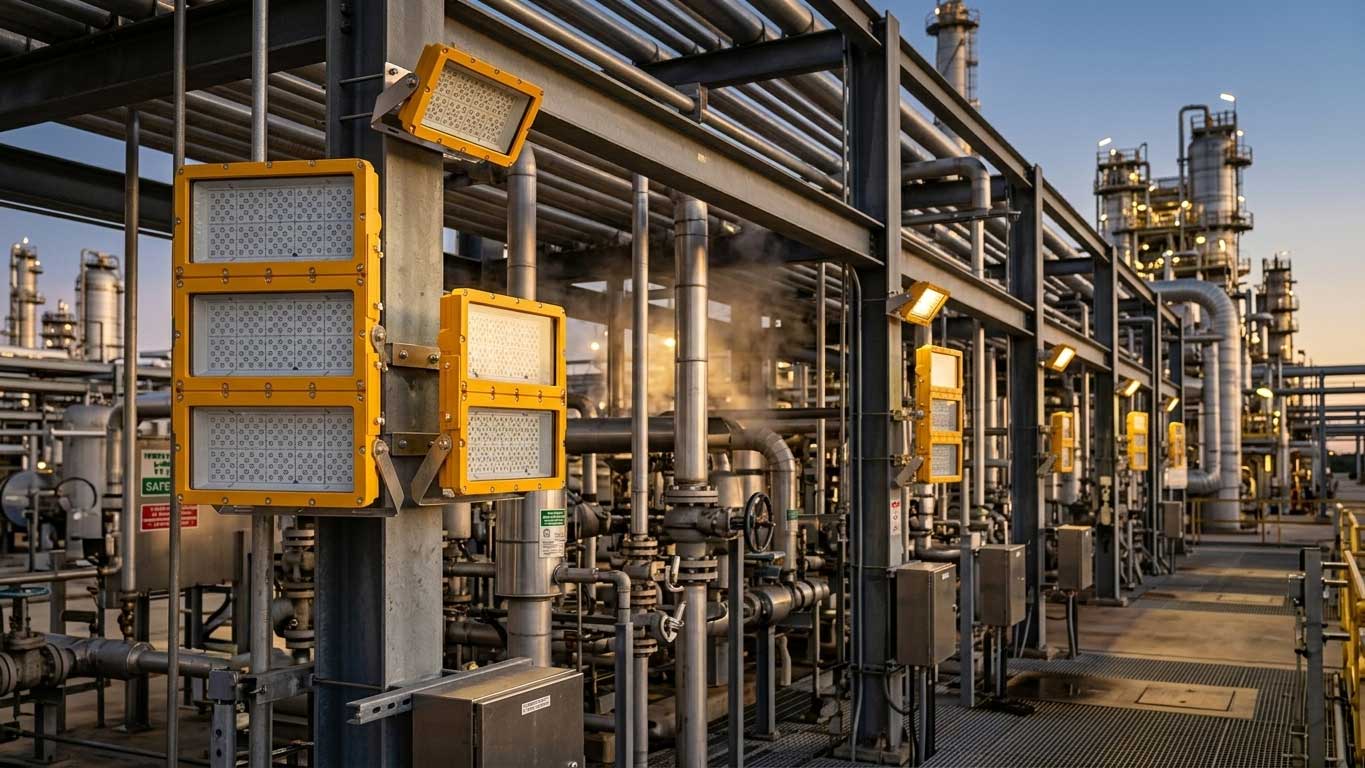
Manufacturers often advertise:
Those numbers sound impressive.
What matters on site is whether the fixture survives:
In offshore projects I’ve reviewed, driver failures consistently caused more downtime than LED failures.
That observation aligns with broader industry experience.
A well-designed power supply frequently determines fixture lifespan more than the LED chips themselves.
Never begin with wattage.
Begin with:
The classification determines every other decision.
Request:
A legitimate manufacturer should provide documentation quickly.
Consider:
A fertilizer plant and offshore platform may require entirely different housing materials despite using similar wattages.
One mistake appears repeatedly during lighting upgrades.
People try to replace old fixtures by matching wattage.
That approach usually produces poor results.
Light output matters far more than power consumption.
A 100W explosion proof LED fixture today can often replace a 250W metal halide fixture. In some applications, a 150W LED may replace a 400W HID fitting depending on optics and mounting height.
| Traditional Fixture | Typical LED Replacement |
|---|---|
| 150W HPS | 50W–80W LED |
| 250W Metal Halide | 80W–120W LED |
| 400W Metal Halide | 120W–200W LED |
| 1000W Metal Halide | 300W–600W LED |
The exact replacement depends on:
In a gas compressor station project I reviewed, operators initially requested 200W fixtures. After a lighting simulation, 120W luminaires delivered the required illuminance, reducing both capital cost and long-term energy consumption.
Temperature classification is often ignored until inspection day.
Then it becomes a major problem.
Every hazardous gas has an ignition temperature.
The fixture surface temperature must remain below that threshold.
| Temperature Class | Maximum Surface Temperature |
|---|---|
| T1 | 450°C |
| T2 | 300°C |
| T3 | 200°C |
| T4 | 135°C |
| T5 | 100°C |
| T6 | 85°C |
For example:
Selecting the wrong temperature class can invalidate an installation even if the fixture is otherwise certified.
Buyers frequently ask:
“Which certification is better?”
The reality is that each serves different markets.
| Standard | Region |
|---|---|
| ATEX | European Union |
| IECEx | International |
| UL844 | United States |
| CSA | Canada |
| EAC Ex | Eurasian Markets |
| INMETRO | Brazil |
An offshore platform operating internationally often prefers IECEx because it simplifies project approvals across multiple jurisdictions.
A refinery in Texas typically prioritizes UL844 compliance.
A petrochemical facility in Germany may require ATEX certification.
The best certification is the one accepted by local regulations and project specifications.
Source:
IECEx Official Program
https://www.iecex.com
Source:
European Commission ATEX Guidance
https://single-market-economy.ec.europa.eu
Source:
UL Solutions Hazardous Locations
https://www.ul.com
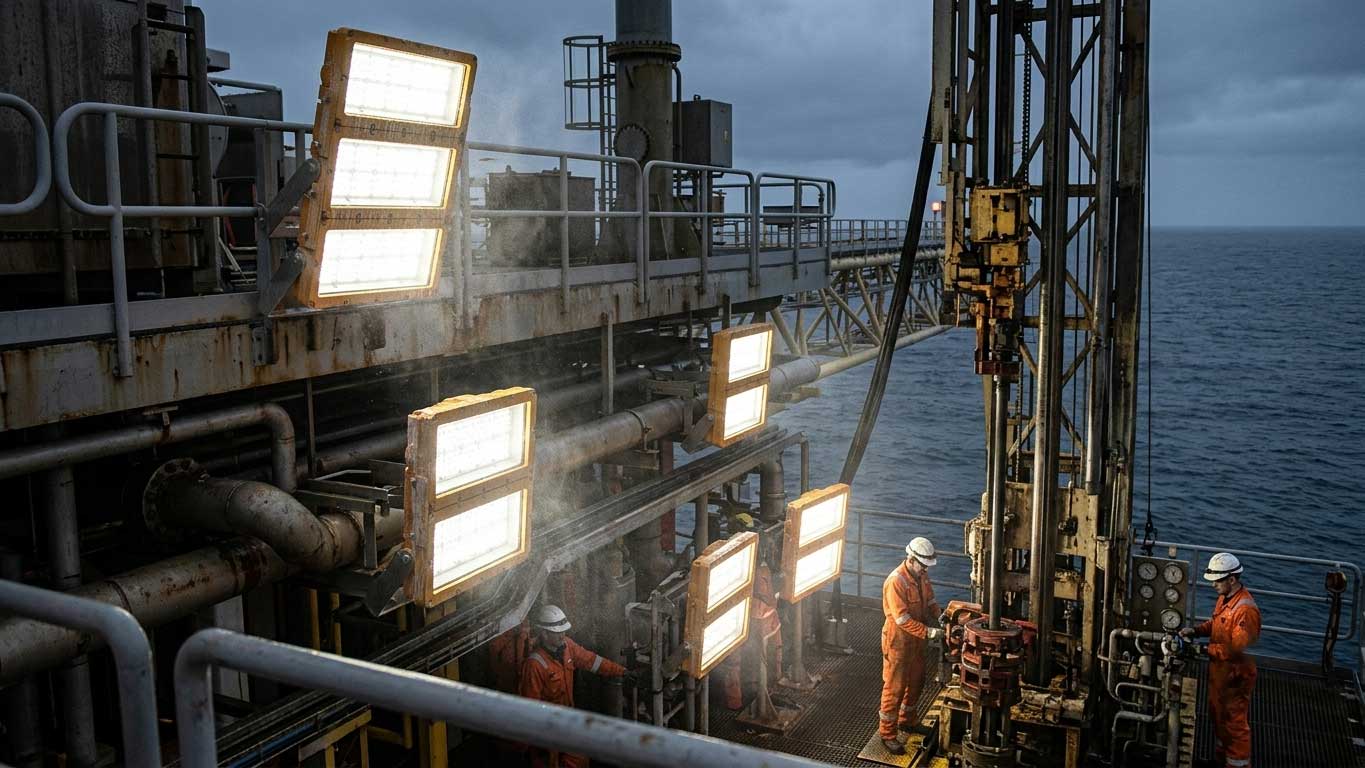
Hazardous locations onshore are demanding.
Offshore environments are worse.
Salt spray attacks metal surfaces continuously.
Wind-driven moisture enters every possible gap.
Vibration never completely disappears.
Then there is the issue of maintenance access.
A technician can usually reach a refinery fixture with a lift truck.
An offshore platform often requires significantly more planning.
According to the International Association of Oil & Gas Producers (IOGP), corrosion management remains one of the major maintenance challenges in offshore facilities.
Source:
International Association of Oil & Gas Producers
https://www.iogp.org
Over the years, I have seen expensive certified fixtures fail inspections for surprisingly simple reasons.
The issue was not the product.
The issue was installation.
Certified luminaires require certified cable entries.
Using a standard industrial gland can compromise the entire protection concept.
Explosion proof housings rely on precision-machined flame paths.
Scratches, corrosion, or unauthorized machining may invalidate certification.
A fixture rated for +55°C may struggle inside an enclosure where temperatures regularly exceed that limit.
Drilling additional holes is surprisingly common.
It is also one of the fastest ways to void compliance.
A certified fixture still requires inspection.
The goal is not merely keeping lights on.
The goal is maintaining safety integrity.
Monthly:
Quarterly:
Annually:
According to NFPA 70 (National Electrical Code), hazardous location electrical installations require ongoing maintenance and inspection procedures to ensure continued compliance.
Source:
National Fire Protection Association
https://www.nfpa.org
The cheapest fixture on a quotation sheet is rarely the cheapest fixture to own.
Consider:
In one petrochemical facility, maintenance managers estimated that accessing a failed luminaire mounted above process piping cost more than the replacement fixture itself.
That is why many operators prioritize long-life LED systems rather than focusing solely on purchase price.
As a manufacturer serving hazardous-area projects worldwide, SEEKINGLED engineers routinely evaluate installations across:
One pattern consistently emerges.
Successful projects begin with area classification and compliance requirements.
Unsuccessful projects begin with wattage and price.
The difference may seem small during procurement.
It becomes enormous during operation.
Most industrial models are rated IP66 or IP67, providing protection against dust ingress and powerful water exposure. Certification documents should always be reviewed for exact ratings.
Yes. They are commonly installed in refineries, offshore platforms, chemical terminals, loading racks, and marine facilities.
Premium products often achieve L70 lifetimes exceeding 100,000 hours under appropriate operating conditions. Actual lifespan depends heavily on driver quality, ambient temperature, and maintenance practices.
LED technology generally operates at lower temperatures and eliminates lamp failures associated with HID technologies, making it highly suitable for hazardous-area applications.
The answer depends on location:
Selecting explosion proof LED light fixtures is ultimately a risk-management decision.
A hazardous-area luminaire does far more than illuminate equipment. It becomes part of the facility’s safety infrastructure.
The strongest projects rarely focus on brightness alone.
They evaluate certification, corrosion resistance, thermal performance, maintenance access, and long-term operating costs together.
That is why modern operators increasingly choose certified LED solutions for refineries, offshore platforms, chemical plants, marine terminals, and other demanding industrial environments.
For facilities where safety, compliance, and reliability cannot be compromised, properly certified explosion proof LED light fixtures remain one of the most important investments in hazardous-area infrastructure.
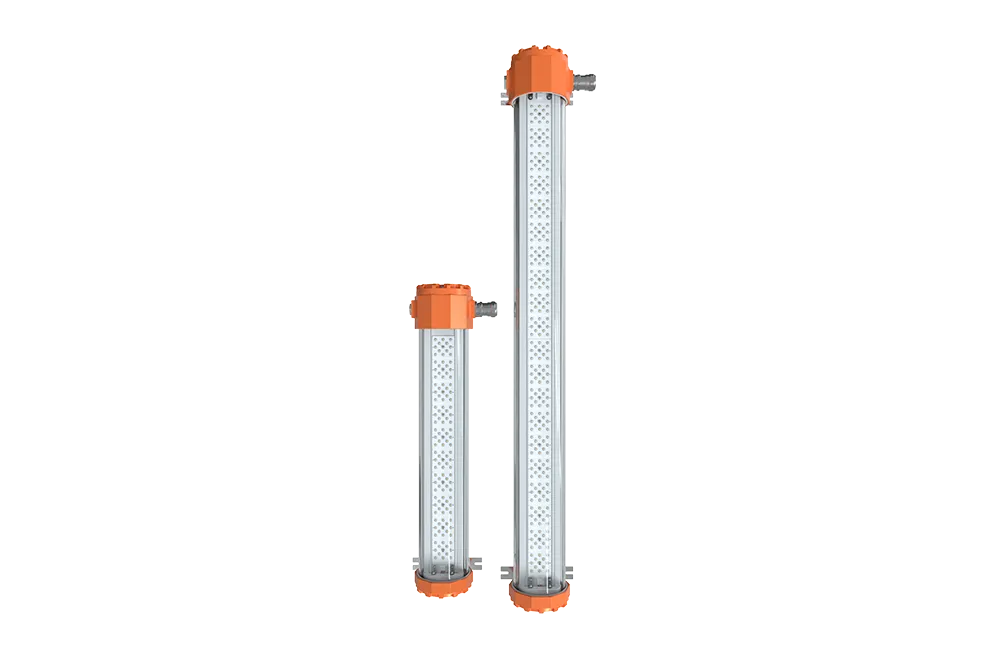
SEEKINGLED LED Linear Explosion Proof Light and Explosion Proof lighting is ATEX and IECEx certified for Zone 1, Zone 2, Zone 21 and Zone 22 hazardous locations, built for long-term industrial use.
View details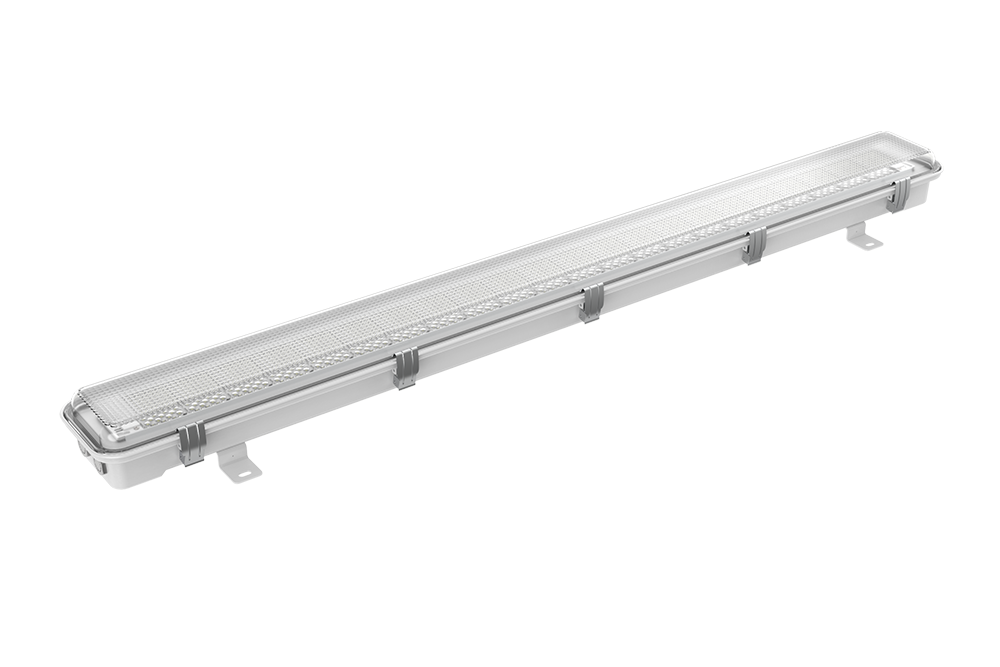
LED Linear Explosion Proof Lights and EX Proof lights for Zone 1, Zone 2, Zone 21 and Zone 22 hazardous areas. ATEX & IECEx certified explosion proof LED linear lighting with emergency function, adjustable power and IP67 protection by SEEKINGLED.
View details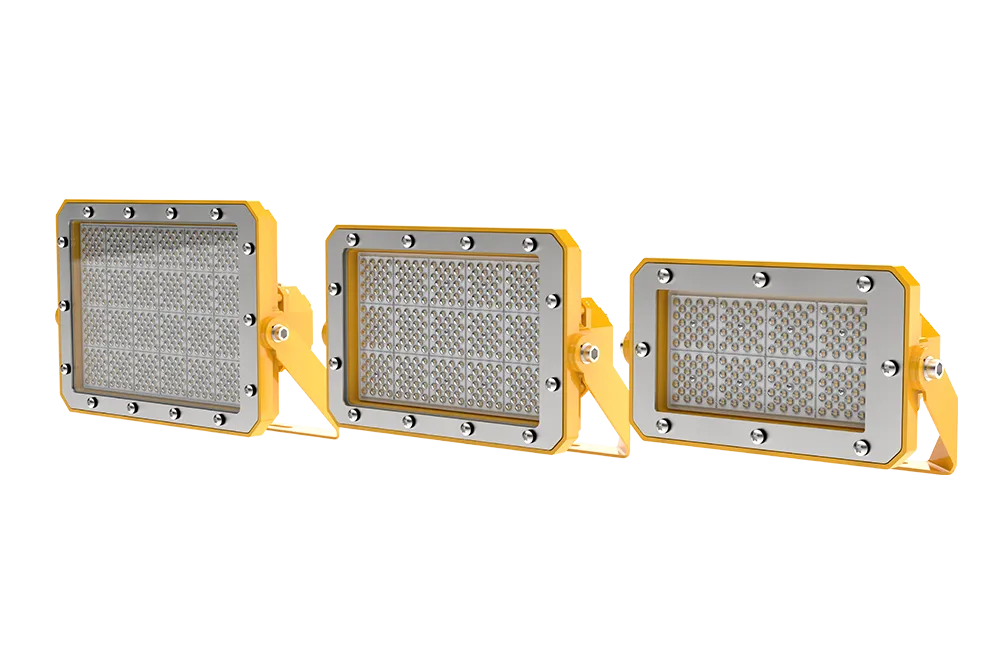
SEEKINGLED LED Explosion Proof Flood Lights are ATEX certified for Zone 2 and Zone 22 hazardous areas, offering high efficiency, adjustable power and integrated junction box.
View details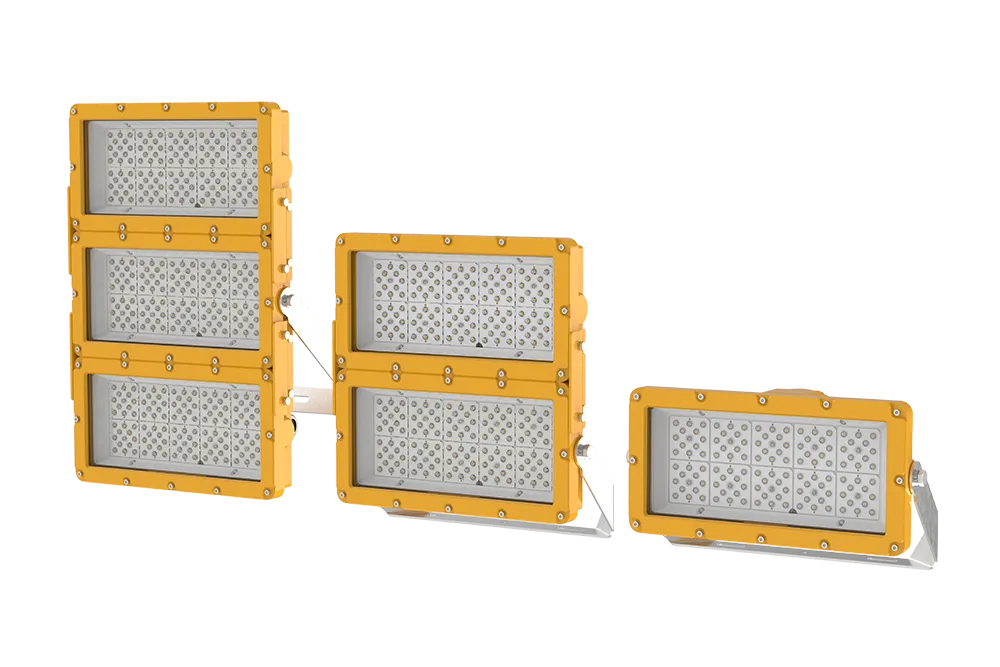
SEEKINGLED LED Explosion Proof Flood Lights are flameproof ATEX and IECEx certified for Zone 1 and Zone 2 hazardous areas, offering high power, adjustable output and long service life.
View details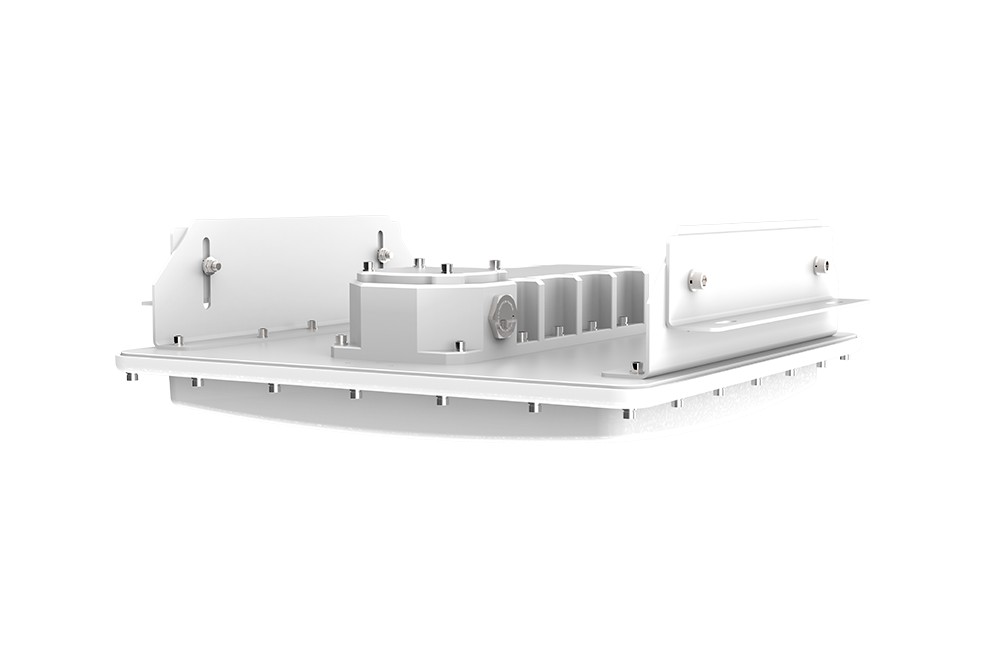
SEEKINGLED LED Gas Station Canopy Lights are ATEX certified for Zone 2 and Zone 22 hazardous areas, featuring adjustable power and built-in explosion-proof junction box.
View details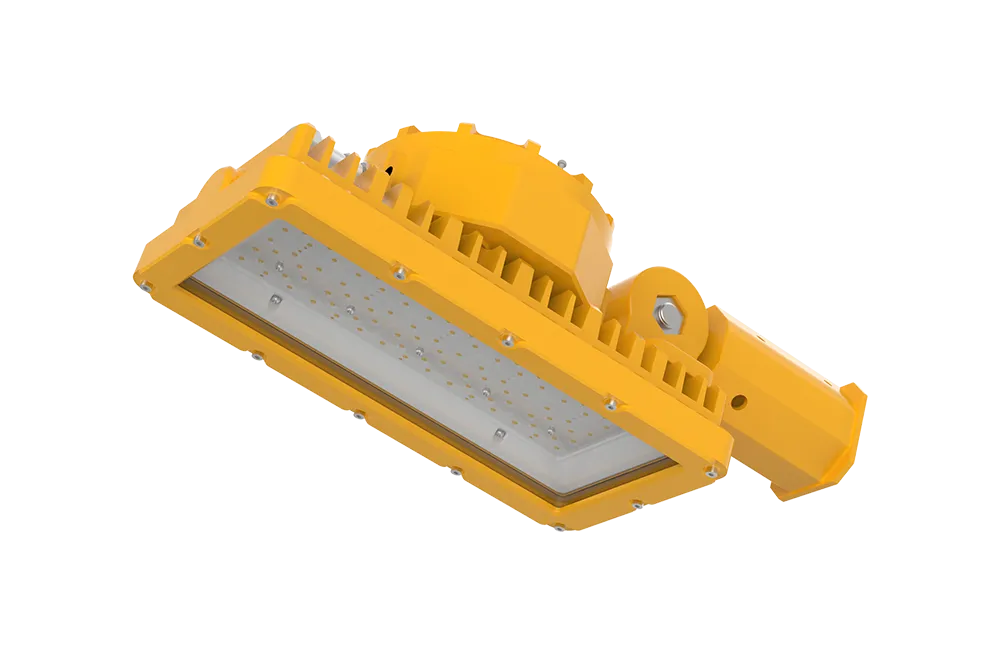
ATEX: Ex II 2G Ex db IIB T6/T5 GbEx II 2D Ex tb IIIC T80°C/ T95°C Db IECEx Ex db IIB T6 Gb;Ex tb IIIC T80°C Db Feature: ● For Zone 1,2 and Zone 21,22● Flameproof type, the strongest● 100W can replace 250W HID,energy saving● Power:60W,80W,100W Application: Oil and gas, marine, Chemical, pharmaceutical, semiconductor,mining,military industr…
View details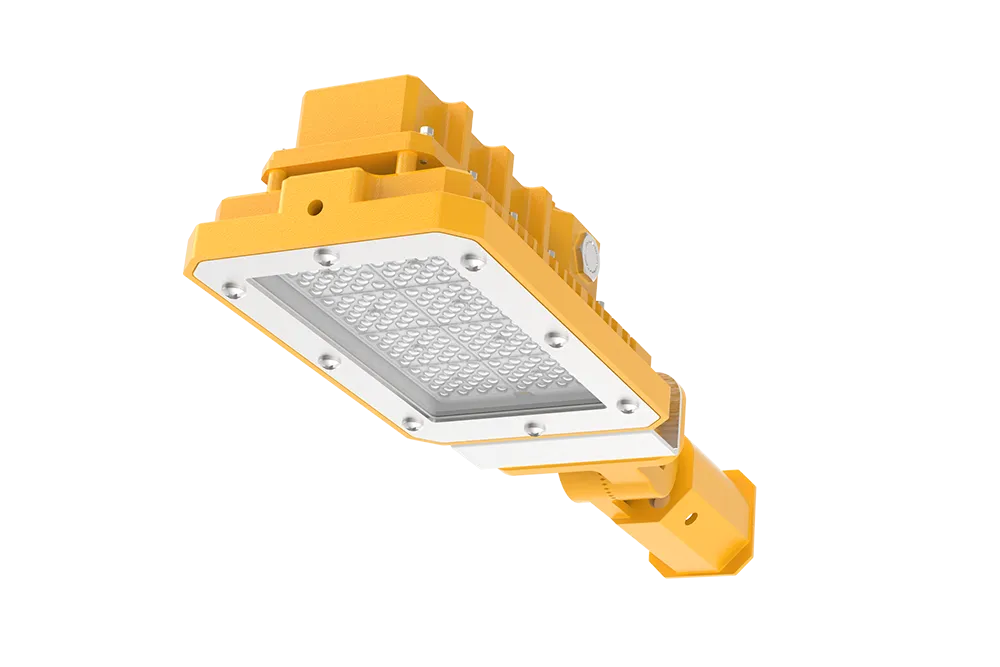
ATEX: II 3G Ex nR ⅡC T5/T6 GcII 3D Ex tc ⅢC T80℃/T95℃Dc ATEX Certificate NO: TÜV CY 26 ATEX 0207611 X Feature: ● For Zone 2 and Zone 22● 150W can replace 250W HID lamps,Energy saving● Power:50W,75W,100W,150W,200W Application: Oil and gas, marine, Chemical, pharmaceutical, semiconductor,mining,military industry, paint booth,power plant ETC…
View details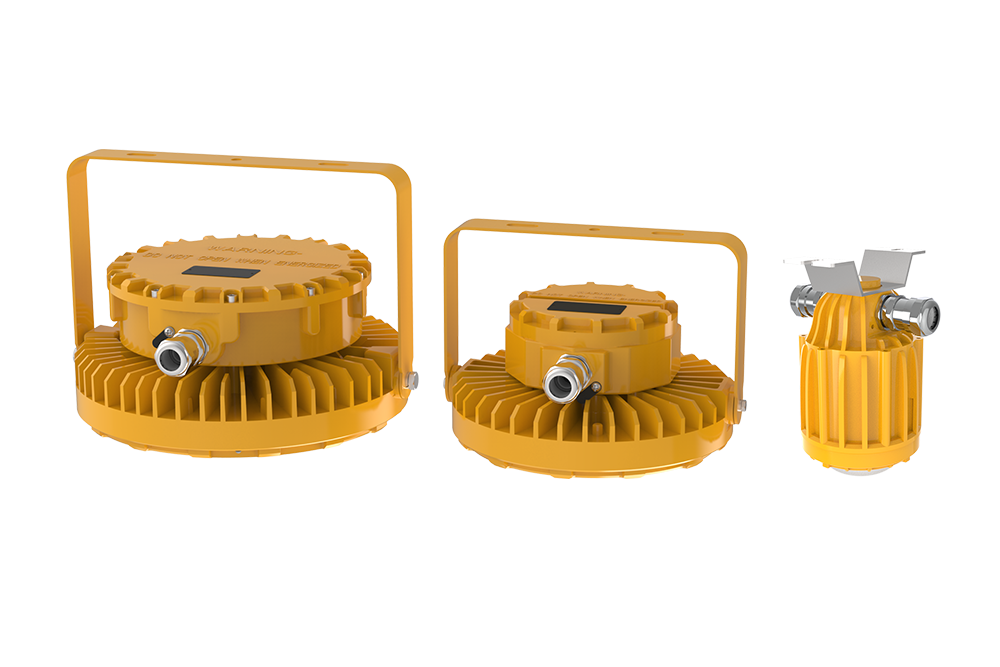
LED explosion proof high bay lights are designed for Zone 1, Zone 2, Zone 21 and Zone 22 hazardous areas. This page introduces the HB21 Series from SEEKING, including certifications, power options and real application considerations.
View details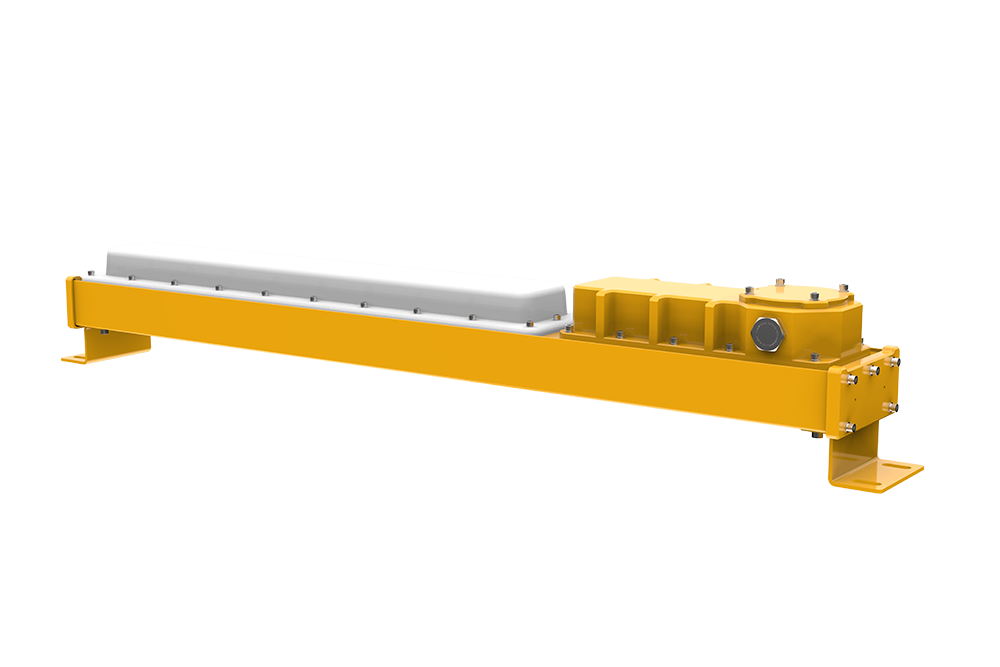
LED Linear Explosion Proof Lights from SEEKINGLED. LU Series Flame Proof lights ATEX-certified explosion proof LED linear lighting for Zone 2 gas and Zone 22 dust areas, IP69K, IK10, long lifetime and flexible power options.
View details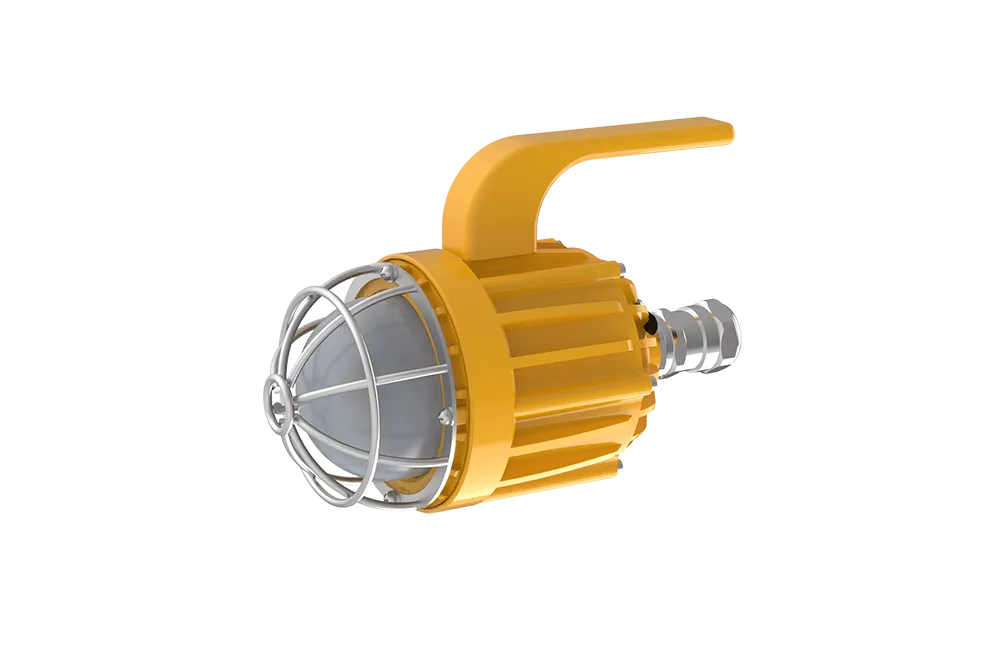
Certified explosion proof work lights for Zone 1 & 21 hazardous areas. Portable, ATEX & IECEx approved, built for oil, gas and chemical plants by SEEKINGLED.
View details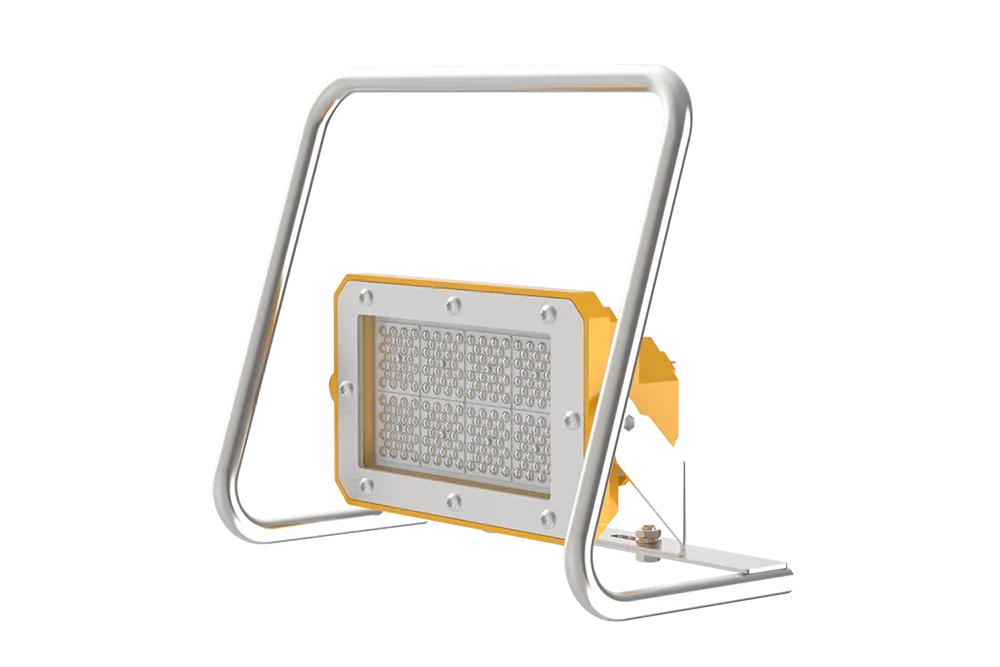
ATEX: II 3G Ex nR ⅡC T6 GcII 3D Ex tc ⅢC T80℃ Dc ATEX Certificate NO: TÜV CY 26 ATEX 0207611 X Feature: ● For Zone 2 and Zone 22● Accepts battery-powered supply● indestructible● Power:AC input:50W,75W,100WDC input:15W,25W,35W Application: Oil and gas, marine, Chemical, pharmaceutical, semiconductor,mining,military industry, paint booth,po…
View details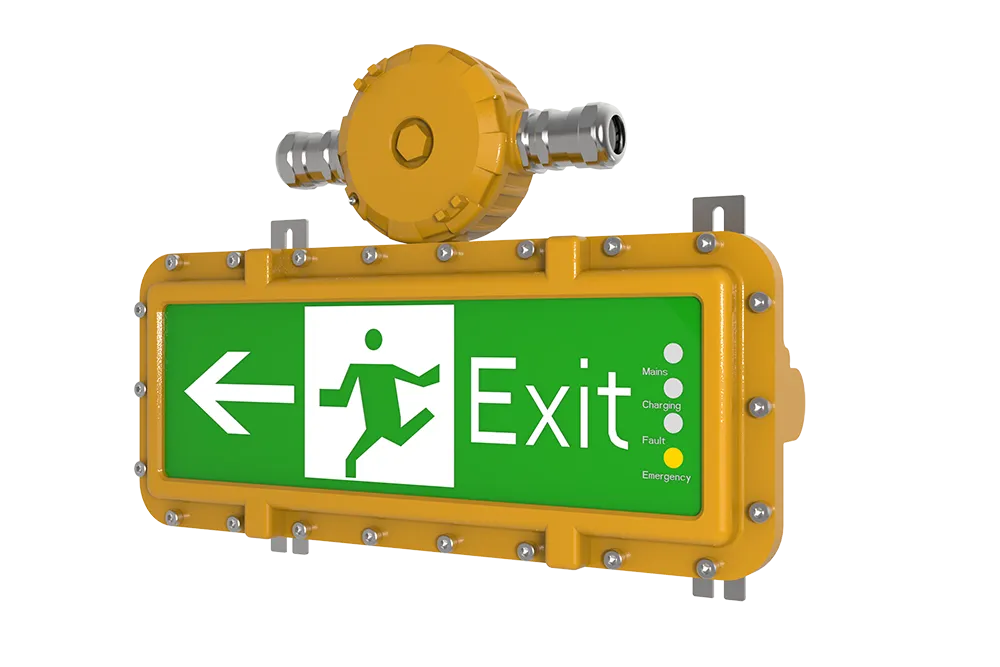
ATEX: Ex II 2G Ex db IIB T6 GbEx II 2D Ex tb IIIC T80°C Db IECEx Ex db IIB T6 Gb;Ex tb IIIC T80°C Db Feature: ● For Zone 1,2 and Zone 21,22● Flameproof type, the strongest Application: Oil and gas, marine, Chemical, pharmaceutical, semiconductor,mining,military industry, paint booth,power plant ETC hazardous area. Technical Specifications:…
View details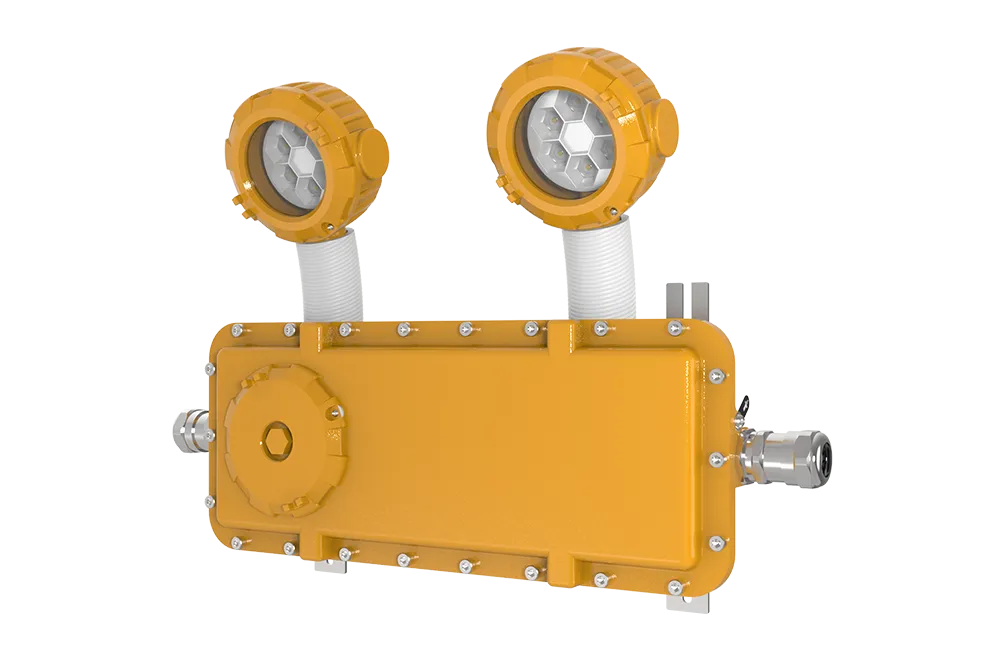
ATEX: Ex II 2G Ex db IIB T6 GbEx II 2D Ex tb IIIC T80°C Db IECEx Ex db IIB T6 Gb;Ex tb IIIC T80°C Db Feature: ● For Zone 1,2 and Zone 21,22● Flameproof type, the strongest Application: Oil and gas, marine, Chemical, pharmaceutical, semiconductor,mining,military industry, paint booth,power plant ETC hazardous area. Technical Specifications:…
View details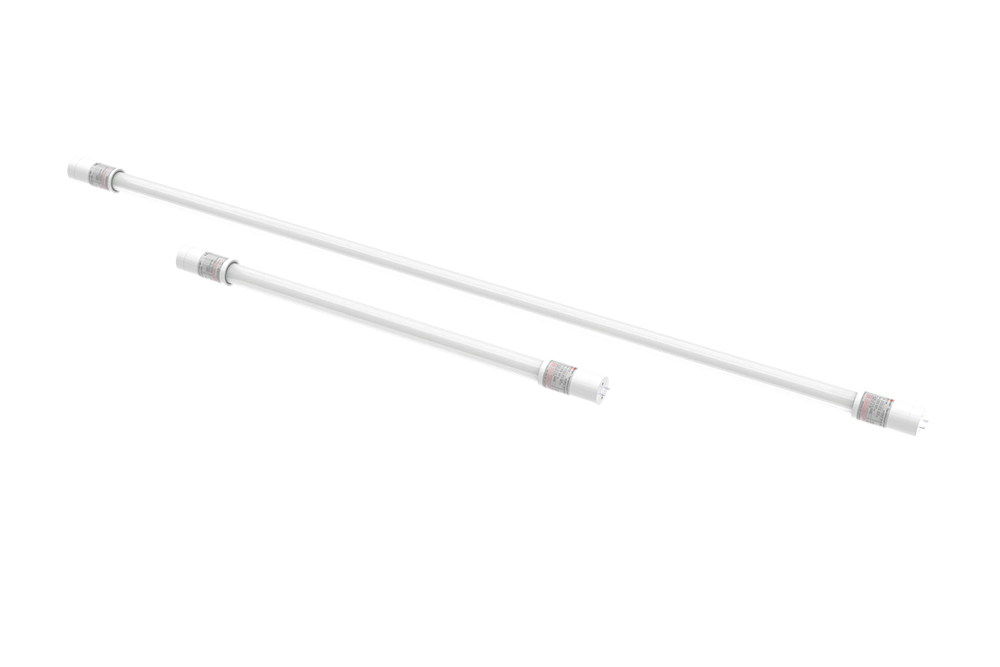
ATEX: Ex II 2G Ex d e IIB T6 Gb ATEX: Ex d e IIB T6 Gb; Feature: ● For Zone 1,2● 9W can replace 18W fluorescent lamps,50% Energy saving Application: Oil and gas, marine, Chemical, pharmaceutical, semiconductor,mining,military industry, paint booth,power plant ETC hazardous area. Technical Specifications: Standards:60079-0, 60079-1, 60079…
View details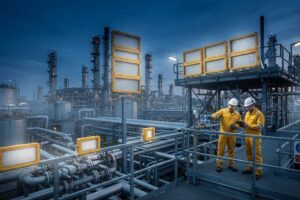
Explore atex lighting solutions for hazardous industries. Learn certification, applications, selection methods, and safety advantages from SEEKINGLED experts.
View details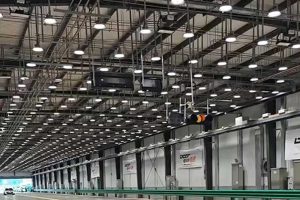
LED High Bay Light project using XJ-HBF150W in an automotive testing facility. 400 units installed to meet camera-based testing requirements with stable illuminance.
View details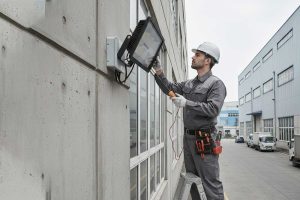
How to fix LED flood light issues like no power, flickering, or dim output? This practical guide explains common causes and repair steps based on real LED flood light projects by SEEKINGLED.
View details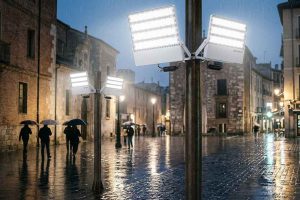
waterproof outdoor led flood lights deliver reliable illumination in harsh weather, with IP65+ protection, energy efficiency, and long lifespan for outdoor use.
View details