Today, let’s break this down from three different perspectives.
1. Technical Engineer’s Perspective — Core Principles and Structural Differences
What is an explosion-proof light, and what really sets it apart from regular industrial lighting?
An explosion-proof light (also called Ex Light) is a specialized lighting fixture designed for hazardous environments where flammable gases, vapors, dust, or fibers are present. Its main job is to prevent any sparks, hot surfaces, or electrical faults inside the lamp from igniting the surrounding explosive atmosphere.
How it works: Explosion-proof lights use protection methods such as flameproof (Ex d), increased safety (Ex e), intrinsic safety (Ex i), or encapsulation (Ex m). The most common is the flameproof enclosure. Even if an explosion happens inside the lamp, the flame and pressure cannot escape through the precisely machined joints, threads, or gaps. At the same time, the outer surface temperature is strictly limited to a safe T-rating (T1 to T6) so it can never become an ignition source.
Modern LED explosion-proof lights perform especially well in this area. Their surface temperatures are typically controlled between 85°C and 135°C (T4–T6), which is far safer than traditional HID explosion-proof lights that can easily reach 300°C or even 450°C on the surface.
Key differences from ordinary industrial lights:
- Housing & Sealing: Regular industrial lights usually use standard die-cast aluminum with PC or glass covers and reach about IP65. In contrast, SEEKINGLED’s explosion-proof lights use high-strength aluminum alloy or stainless steel. The flameproof joints are precision-machined to a roughness of ≤6.3μm, achieving IP66, IP67, or even IP68. In simple terms, they can stay sealed even 200 meters underwater without leaking pressure.
- Electrical Components: Ordinary lights may have exposed terminals or switches. Explosion-proof lights enclose all electrical connections in protected chambers or use potting compounds. Intrinsic safety circuits strictly limit energy so that even in the event of a short circuit or open circuit, no sparks are generated.
- Heat Dissipation & Materials: Regular lights focus on being lightweight and cheap. Explosion-proof lights need thicker walls and specially engineered cooling structures to release heat without letting the surface get too hot.
- Optics: They typically use borosilicate glass or heavy-duty impact-resistant PC lenses that can handle extreme temperatures.
- Testing & Certification: Ordinary lights are tested to IEC 60598 standards (EMC, EMI, electrical safety, etc.) for normal environments. Explosion-proof lights must pass much tougher tests: explosion pressure testing, flame transmission testing, thermal aging, high/low temperature cycling, and strict surface temperature control.
Bottom line: Ordinary industrial lights just need to “turn on and shine.” Explosion-proof lights must never become an ignition source—even in the most dangerous environments.
2. Safety Compliance & Regulatory Perspective — Why You Must Use Explosion-Proof Lights
Explosion-proof lights: Your “life insurance” in hazardous areas
In petrochemical plants, gas facilities, pharmaceutical factories, mines, grain silos, paint booths, and similar high-risk zones, flammable gases or dust can be present at any time. One unsuitable light fixture can trigger a disaster. That’s exactly why explosion-proof lights exist.
Main international standards:
- IECEx / ATEX (Europe & International): Zone 0/1/2 (gases), Zone 20/21/22 (dust)
- NEC/UL (North America): Class I Div 1/Div 2, Class II/III
- China: GB/T 3836 Explosive Atmospheres Standard
The biggest difference from ordinary lights is certification and legal responsibility. Even if a regular industrial light claims IP65, using it in a hazardous area is a serious violation. If an accident happens, the owner, buyer, and installer can all be held legally accountable. A proper explosion-proof light must carry clear markings (e.g., Ex d IIC T6 Gb) and come with full certification documents and QAN quality system audit reports.
Other critical differences:
- Ordinary lights only need to be safe for normal use and can be repaired freely. Explosion-proof lights must be re-certified by an approved body after any repair, or the certification becomes invalid.
- A regular light may cost only 1/3 to 1/5 the price of an explosion-proof model, but the cost of a single accident can be thousands of times higher.
Conclusion: Choosing explosion-proof lighting isn’t about spending more money—it’s about turning a possible disaster into an impossibility.
3. End-User / Buyer Perspective — What Really Matters in Real-World Use
Should you buy explosion-proof lights or ordinary industrial lights? Here’s how actual users decide.
As a plant maintenance manager or EPC project buyer, you care about three things: Will it work safely? Will it last? Is it worth the money?
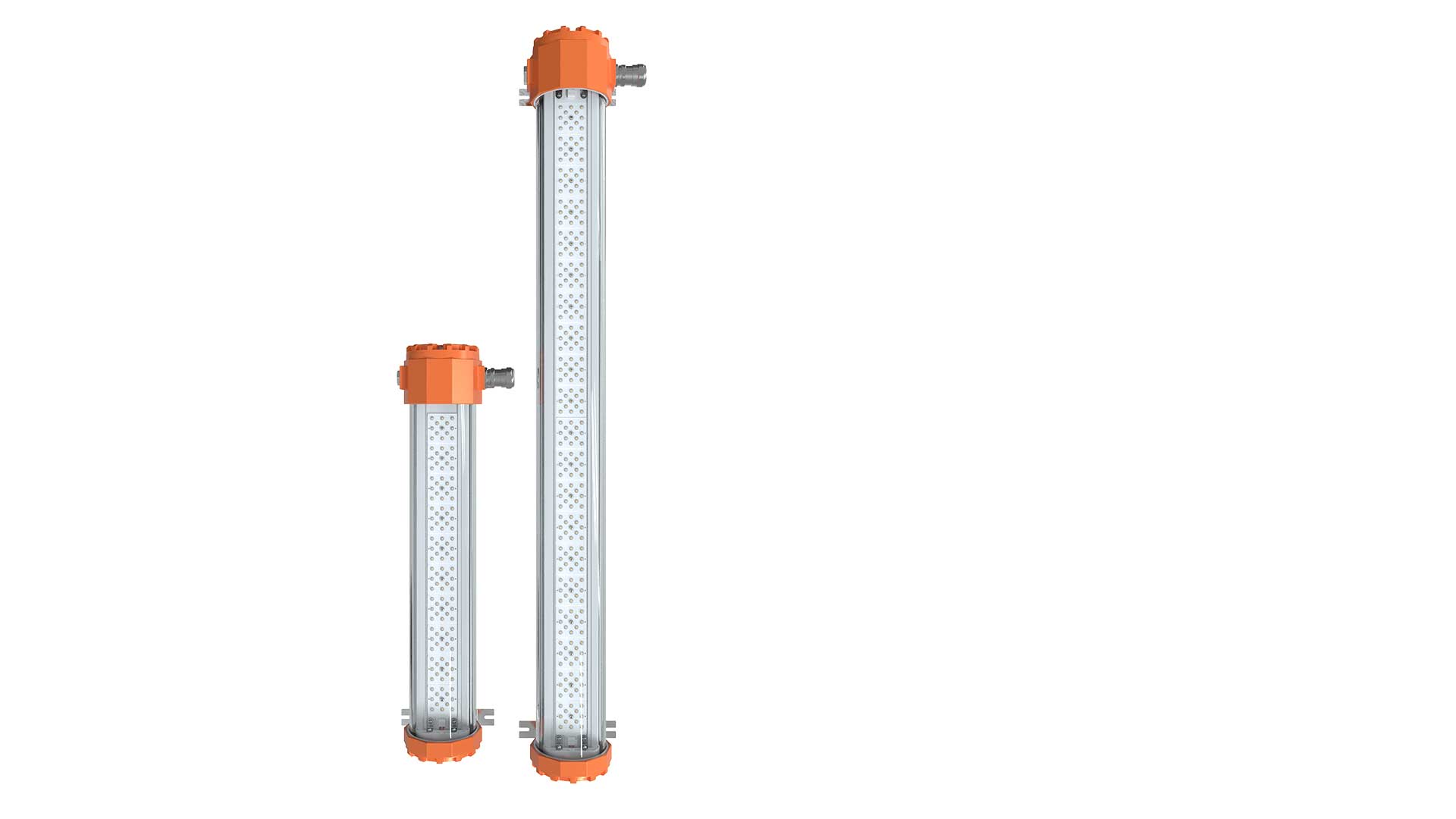
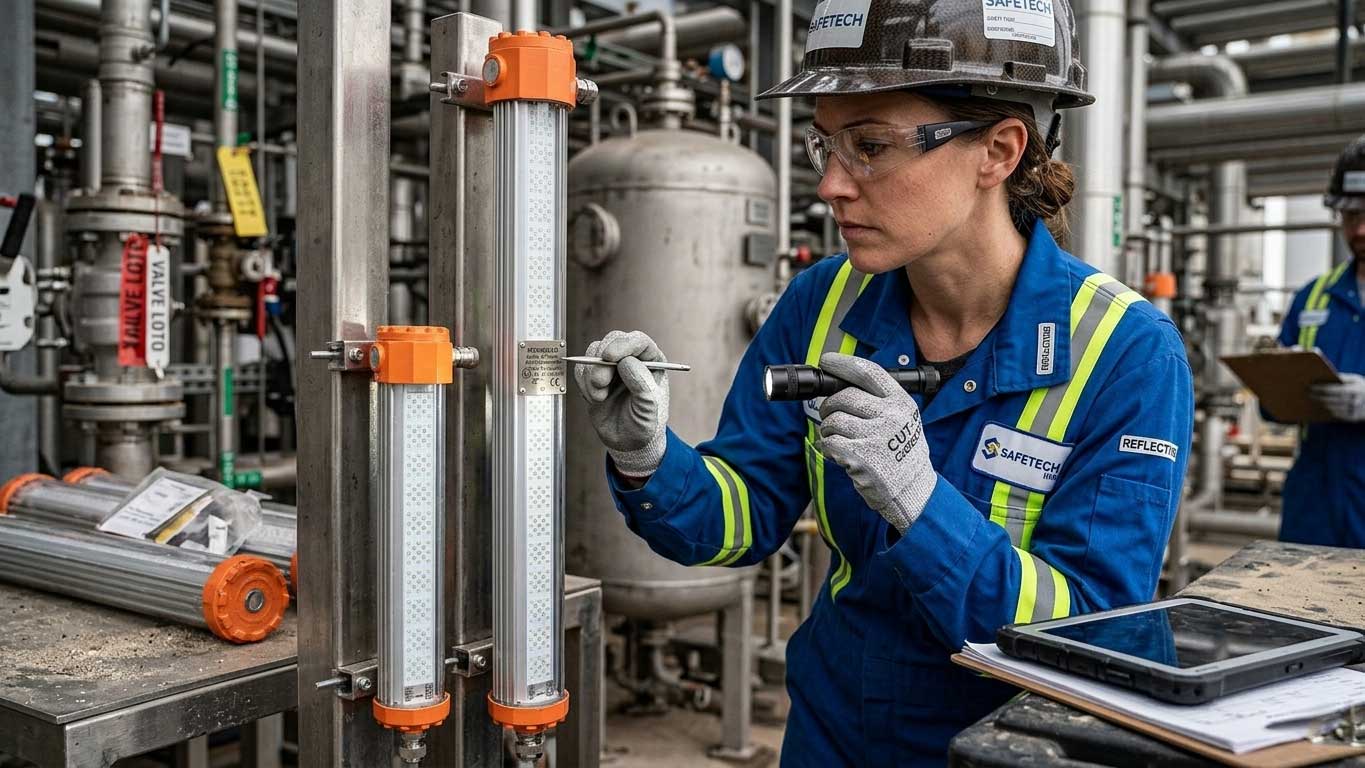
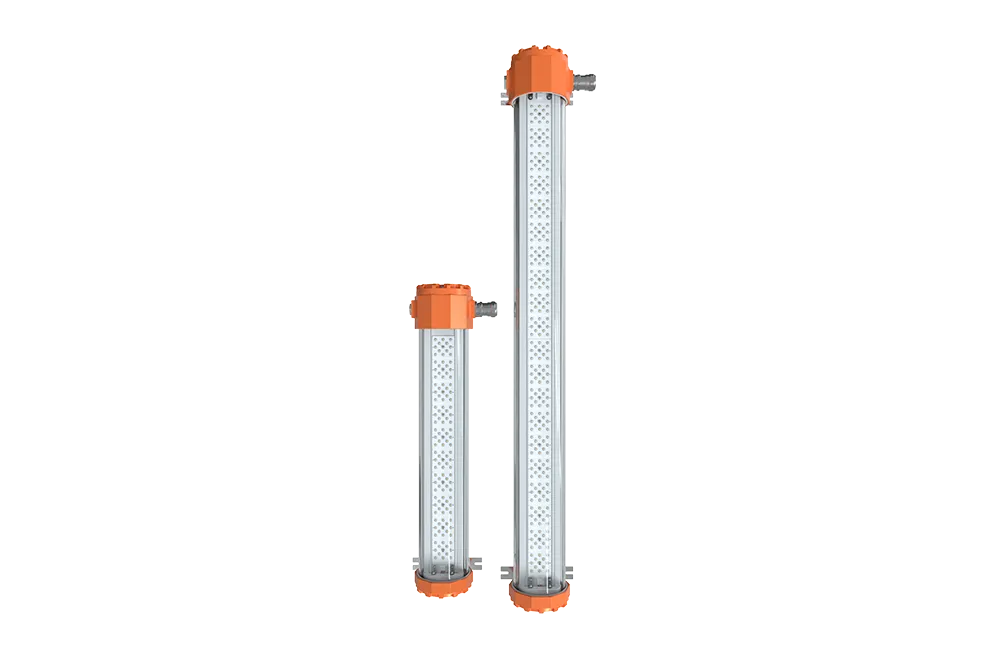
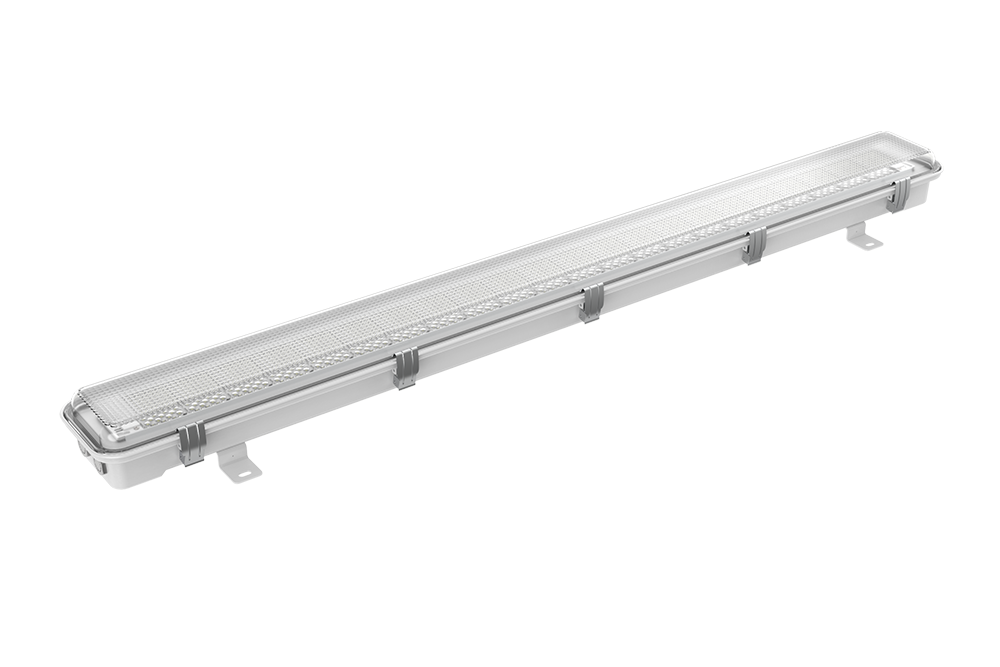
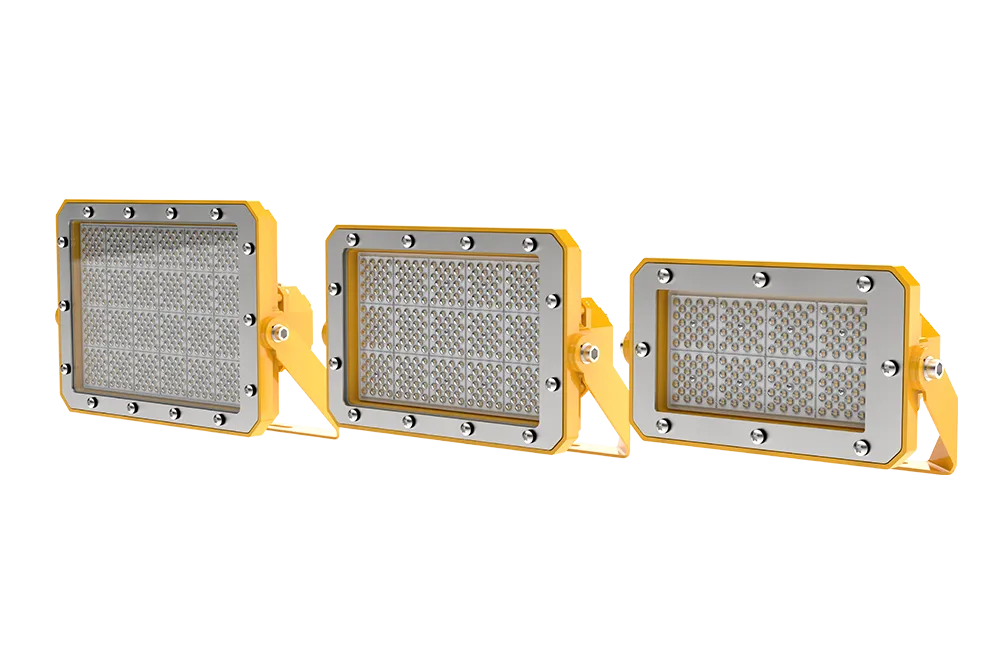
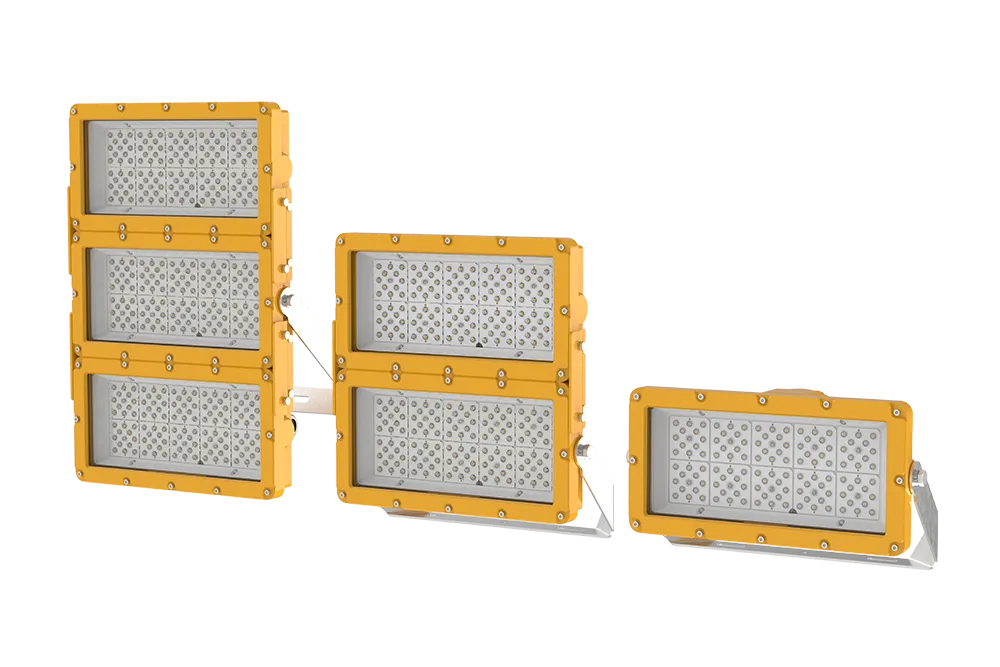
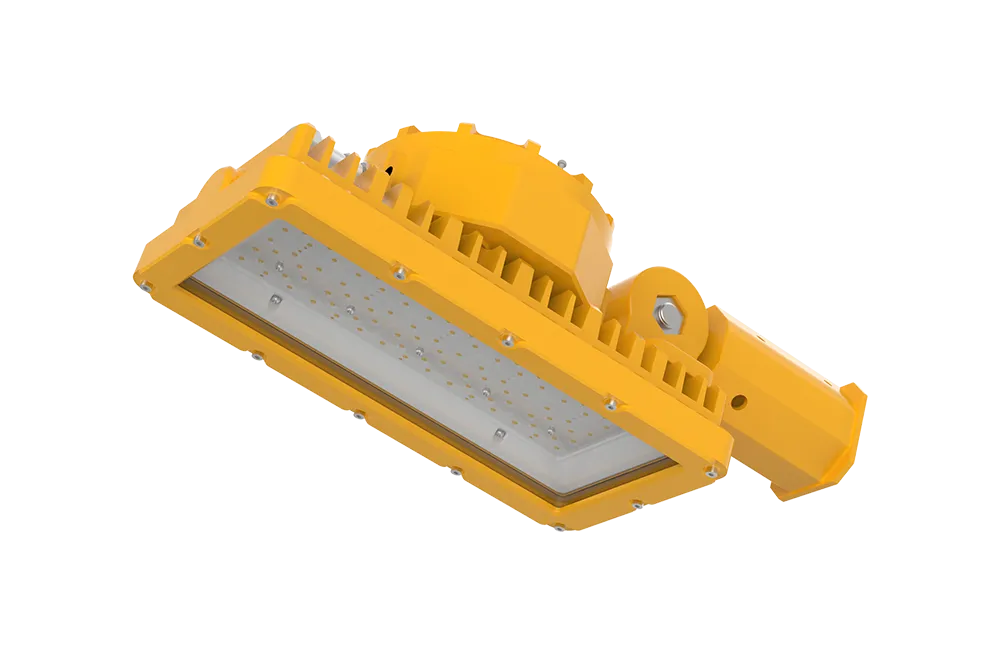
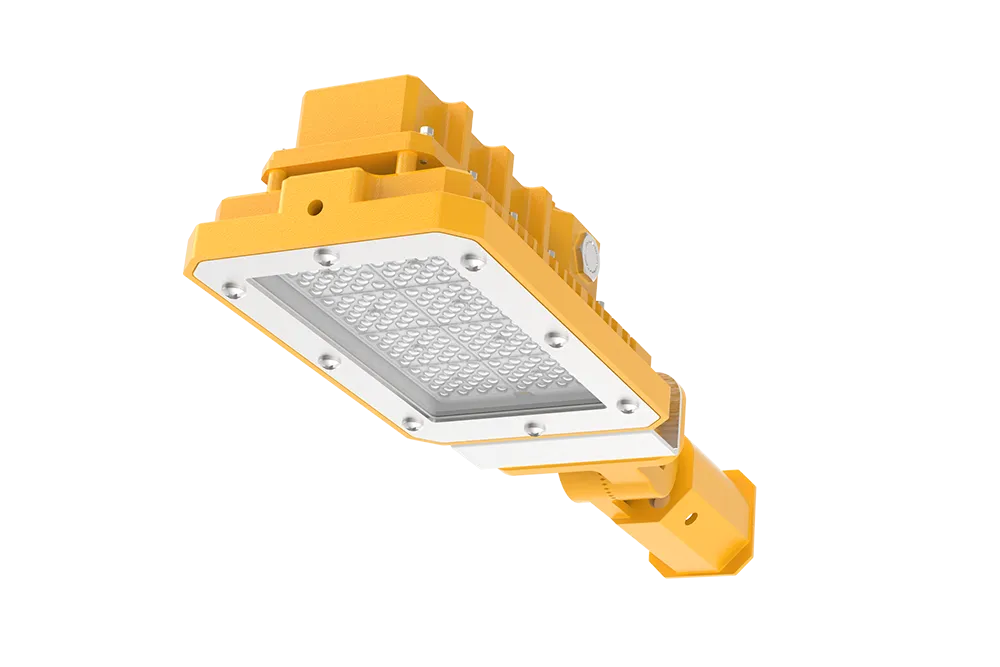
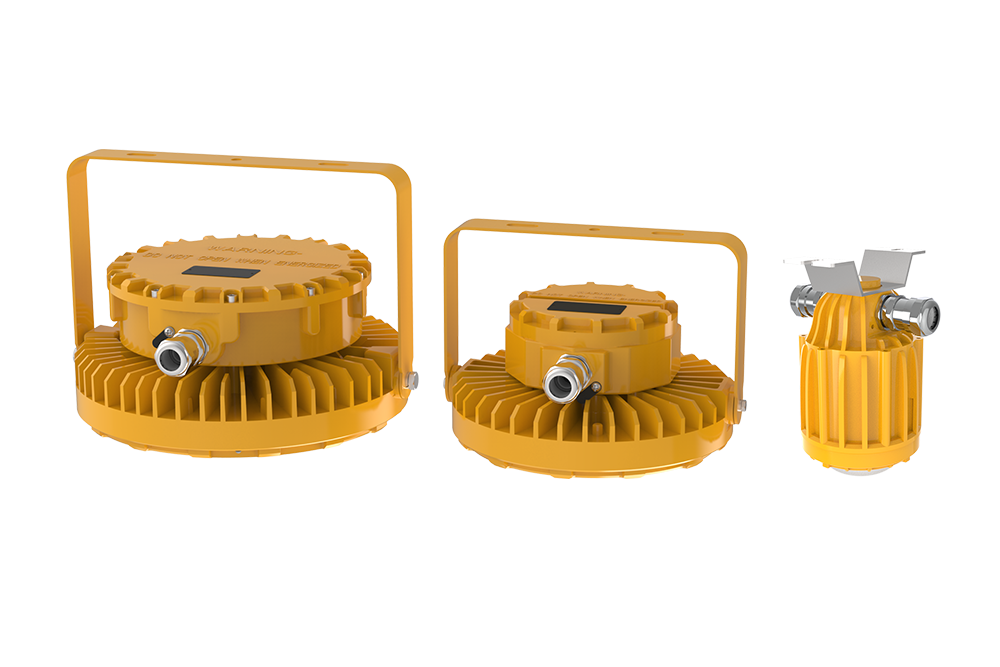
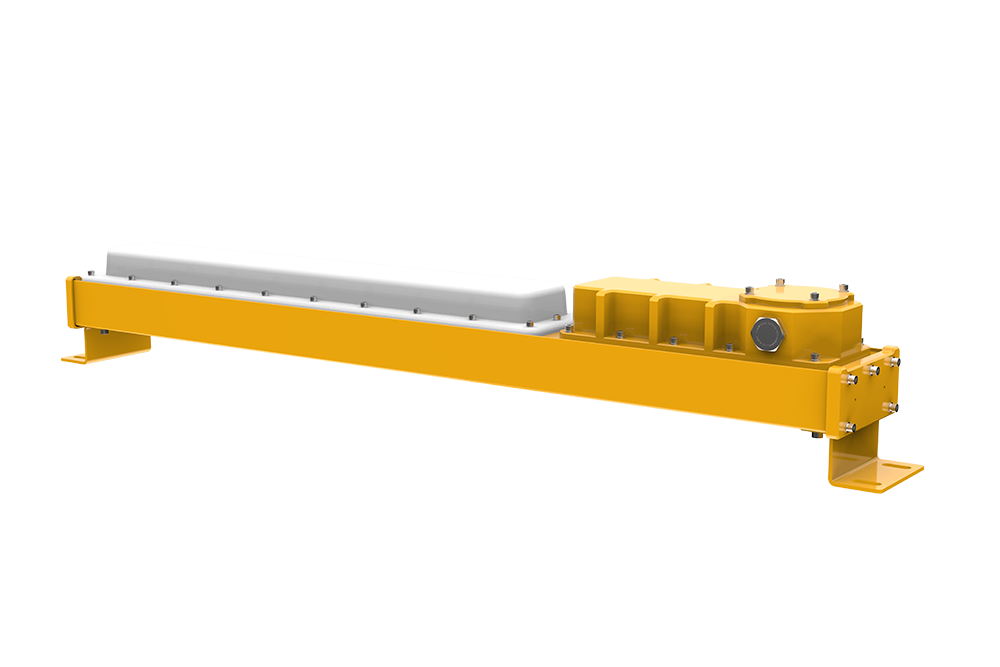
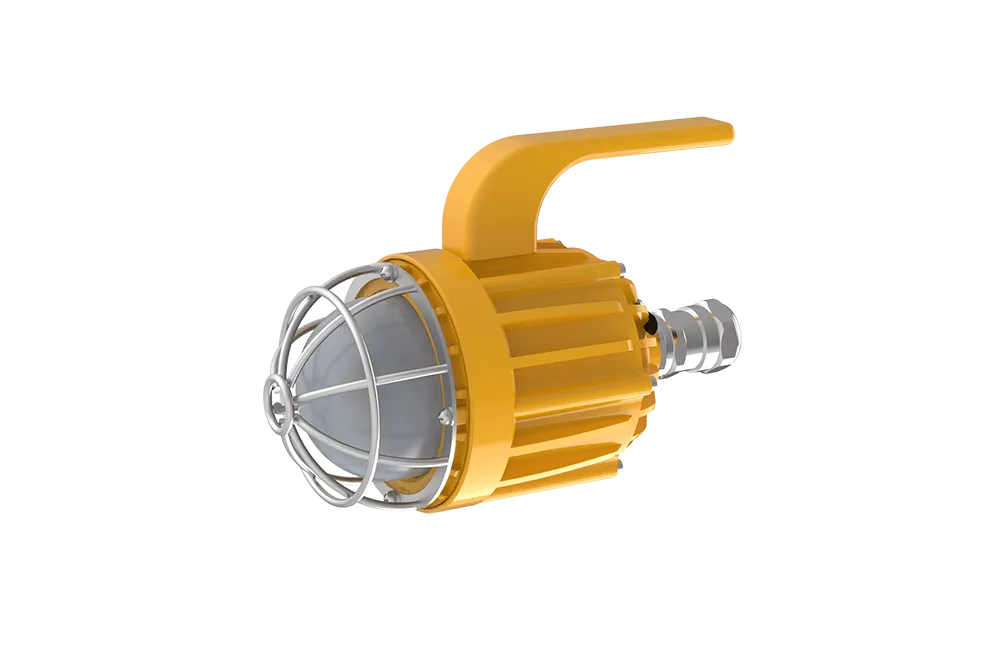
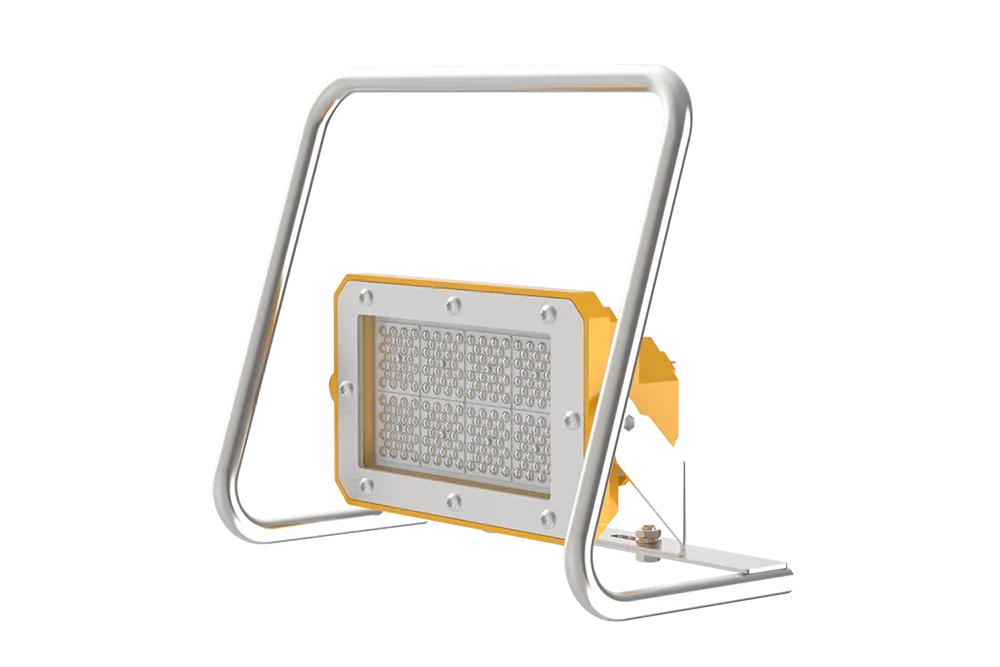
What does an explosion-proof light actually look like? It’s built tough and looks “heavy-duty”—thick aluminum housing, reinforced glass, and special explosion-proof cable glands. It feels more like a tank than a regular light fixture. Ordinary industrial lights are lighter, sleeker, and easier to install.
10 practical differences you’ll notice in daily use:
- Safety: Explosion-proof lights can operate safely even when surrounded by flammable gas or dust. Regular lights can become an ignition source (“light the fuse”).
- Lifespan & Maintenance: Good LED explosion-proof lights last 50,000–100,000 hours, and the glass lenses resist yellowing and corrosion. Ordinary lights in oily or corrosive environments often need replacing every 1–2 years.
- Total Cost of Ownership (TCO): They cost 30–100% more upfront, but over five years they usually save money on electricity, maintenance, and downtime.
- Installation: You must follow strict wiring rules according to the certification—you can’t just modify the wiring on site.
- Weight: Explosion-proof lights are typically 100–200% heavier, so you need to check that brackets and structures can support them.
- Light Efficiency: Modern explosion-proof LEDs commonly reach 140–150 lm/W, matching or even beating high-end industrial lights.
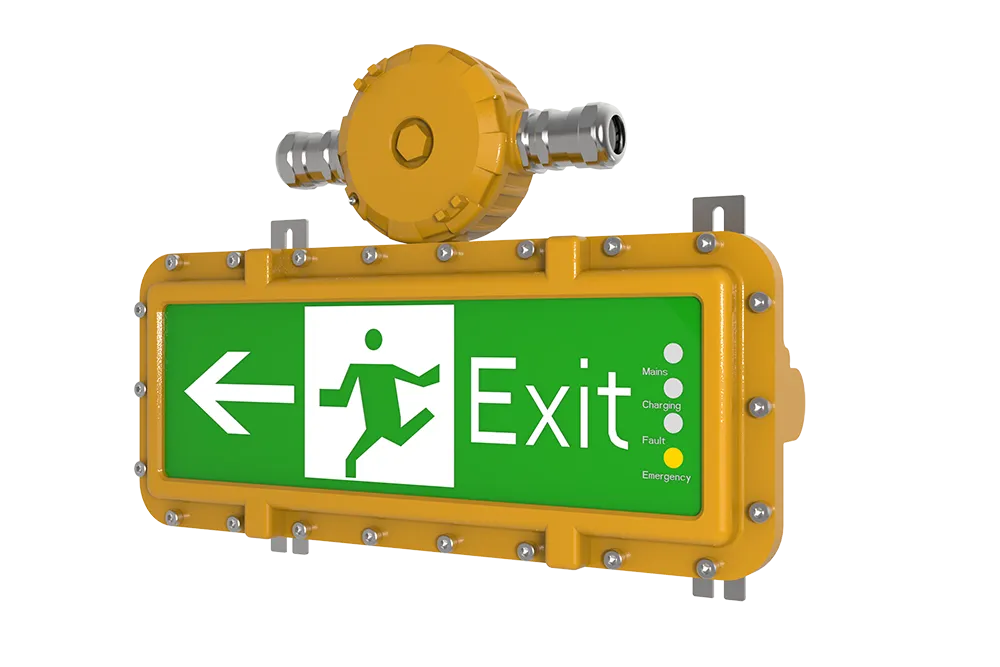
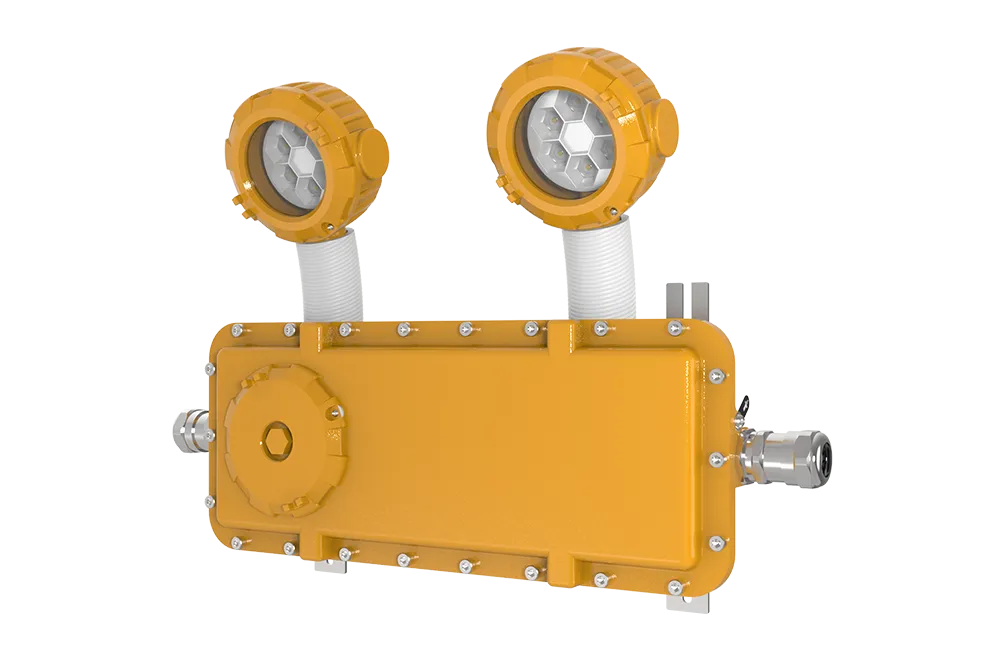
- Emergency Function: Many models can include built-in battery backup. This option is rare on standard lights.
- Corrosion Resistance: Exposed screws and brackets on explosion-proof lights are usually stainless steel. Regular lights often use regular iron that rusts quickly.
- Certification Traceability: With IECEx-certified lights (like SEEKINGLED’s), you can verify the certificate yourself on the official www.iecex.com website.
- Warranty & Support: Reputable brands usually offer 3–5 years warranty plus dedicated service for hazardous-area projects.
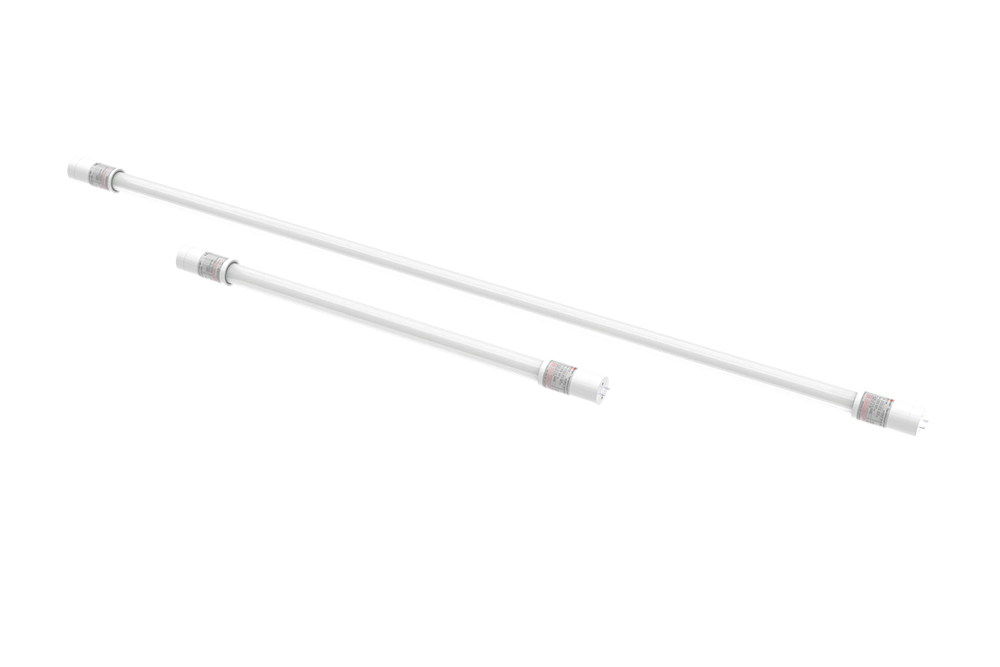
SEEKINGLED LO Series Recommendation Our LO series explosion-proof lights come in 20W, 40W, 60W, and 80W options with up to 150 lm/W efficiency. They support built-in emergency power, carry CSA, ATEX, and IECEx certifications, and are suitable for Zone 1/2 and Zone 21/22. They’re ideal for offshore platforms, oil & gas, paint booths, military sites, and more—and all come with a full 5-year warranty.
About the Author
Original Author: Daweiboss from SEEKINGLED
For more information, feel free to visit:
Website: https://seekingled.com/lo-series-led-linear-explosion-proof-lights
Facebook: https://www.facebook.com/daweiboss
Instagram: https://www.instagram.com/dawei3088/
LinkedIn: https://www.linkedin.com/in/daweiboss/
YouTube: https://www.youtube.com/@daweiboss

SEEKINGLED LED Linear Explosion Proof Light and Explosion Proof lighting is ATEX and IECEx certified for Zone 1, Zone 2, Zone 21 and Zone 22 hazardous locations, built for long-term industrial use.
View detailsLED Linear Explosion Proof Lights and EX Proof lights for Zone 1, Zone 2, Zone 21 and Zone 22 hazardous areas. ATEX & IECEx certified explosion proof LED linear lighting with emergency function, adjustable power and IP67 protection by SEEKINGLED.
View detailsSEEKINGLED LED Explosion Proof Flood Lights are ATEX certified for Zone 2 and Zone 22 hazardous areas, offering high efficiency, adjustable power and integrated junction box.
View detailsSEEKINGLED LED Explosion Proof Flood Lights are flameproof ATEX and IECEx certified for Zone 1 and Zone 2 hazardous areas, offering high power, adjustable output and long service life.
View detailsSEEKINGLED LED Gas Station Canopy Lights are ATEX certified for Zone 2 and Zone 22 hazardous areas, featuring adjustable power and built-in explosion-proof junction box.
View detailsATEX: Ex II 2G Ex db IIB T6/T5 GbEx II 2D Ex tb IIIC T80°C/ T95°C Db IECEx Ex db IIB T6 Gb;Ex tb IIIC T80°C Db Feature: ● For Zone 1,2 and Zone 21,22● Flameproof type, the strongest● 100W can replace 250W HID,energy saving● Power:60W,80W,100W Application: Oil and gas, marine, Chemical, pharmaceutical, semiconductor,mining,military industr…
View detailsATEX: II 3G Ex nR ⅡC T5/T6 GcII 3D Ex tc ⅢC T80℃/T95℃Dc ATEX Certificate NO: TÜV CY 26 ATEX 0207611 X Feature: ● For Zone 2 and Zone 22● 150W can replace 250W HID lamps,Energy saving● Power:50W,75W,100W,150W,200W Application: Oil and gas, marine, Chemical, pharmaceutical, semiconductor,mining,military industry, paint booth,power plant ETC…
View detailsLED explosion proof high bay lights are designed for Zone 1, Zone 2, Zone 21 and Zone 22 hazardous areas. This page introduces the HB21 Series from SEEKING, including certifications, power options and real application considerations.
View detailsLED Linear Explosion Proof Lights from SEEKINGLED. LU Series Flame Proof lights ATEX-certified explosion proof LED linear lighting for Zone 2 gas and Zone 22 dust areas, IP69K, IK10, long lifetime and flexible power options.
View detailsCertified explosion proof work lights for Zone 1 & 21 hazardous areas. Portable, ATEX & IECEx approved, built for oil, gas and chemical plants by SEEKINGLED.
View detailsATEX: II 3G Ex nR ⅡC T6 GcII 3D Ex tc ⅢC T80℃ Dc ATEX Certificate NO: TÜV CY 26 ATEX 0207611 X Feature: ● For Zone 2 and Zone 22● Accepts battery-powered supply● indestructible● Power:AC input:50W,75W,100WDC input:15W,25W,35W Application: Oil and gas, marine, Chemical, pharmaceutical, semiconductor,mining,military industry, paint booth,po…
View detailsATEX: Ex II 2G Ex db IIB T6 GbEx II 2D Ex tb IIIC T80°C Db IECEx Ex db IIB T6 Gb;Ex tb IIIC T80°C Db Feature: ● For Zone 1,2 and Zone 21,22● Flameproof type, the strongest Application: Oil and gas, marine, Chemical, pharmaceutical, semiconductor,mining,military industry, paint booth,power plant ETC hazardous area. Technical Specifications:…
View detailsATEX: Ex II 2G Ex db IIB T6 GbEx II 2D Ex tb IIIC T80°C Db IECEx Ex db IIB T6 Gb;Ex tb IIIC T80°C Db Feature: ● For Zone 1,2 and Zone 21,22● Flameproof type, the strongest Application: Oil and gas, marine, Chemical, pharmaceutical, semiconductor,mining,military industry, paint booth,power plant ETC hazardous area. Technical Specifications:…
View detailsATEX: Ex II 2G Ex d e IIB T6 Gb ATEX: Ex d e IIB T6 Gb; Feature: ● For Zone 1,2● 9W can replace 18W fluorescent lamps,50% Energy saving Application: Oil and gas, marine, Chemical, pharmaceutical, semiconductor,mining,military industry, paint booth,power plant ETC hazardous area. Technical Specifications: Standards:60079-0, 60079-1, 60079…
View details
 Seeking LED