 Seeking LED
What Makes Explosion Proof Paint Booth Lighting Different?
0What Makes Explosion Proof Paint Booth Lighting Different? Learn how certified hazardous-area lighting protects paint booths, improves visibility, and reduces ignition risks.
View detailsSearch the whole station
Explosion proof LED work lights are portable, sealed lighting devices designed to prevent ignition in hazardous environments by containing sparks, limiting surface temperature, and ensuring safe operation in explosive gas or dust atmospheres.
In industry terminology, these are also referred to as explosion proof work light systems, portable explosion proof lights, or transportable explosion proof lighting, especially when used in mobile or temporary applications.
That’s the definition. In the field, though, these lights are less about theory—and more about whether a technician can trust them in a confined, volatile space at 2 a.m.
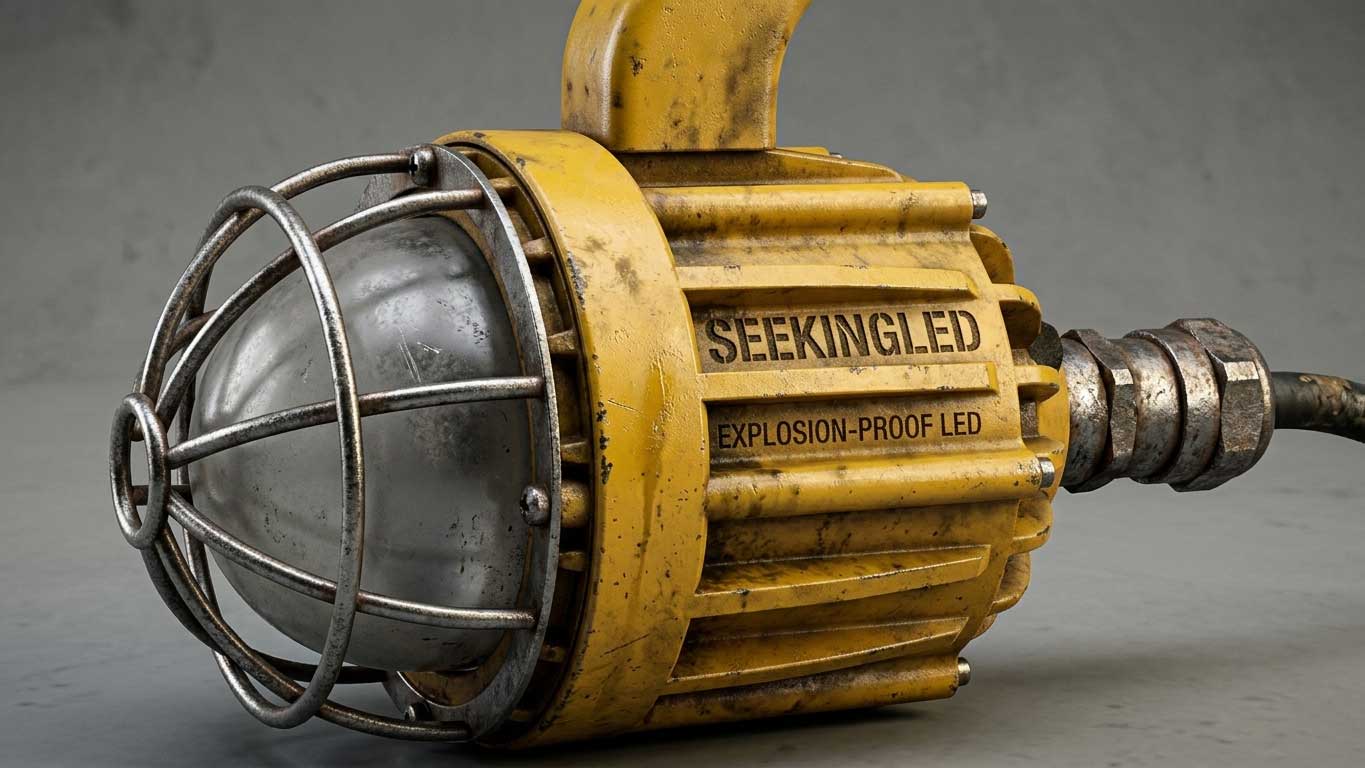
Unlike standard portable lamps, explosion proof LED work lights are built around certified protection concepts:
According to IEC 60079 standards, equipment used in hazardous areas must prevent ignition even under fault conditions.
This changes everything—from housing thickness to driver design.
This is why explosion proof portable lighting is treated as safety equipment—not accessories. In many projects, these lights are categorized alongside explosive atmosphere work lights, meaning their failure is considered a system-level risk, not just a lighting issue.
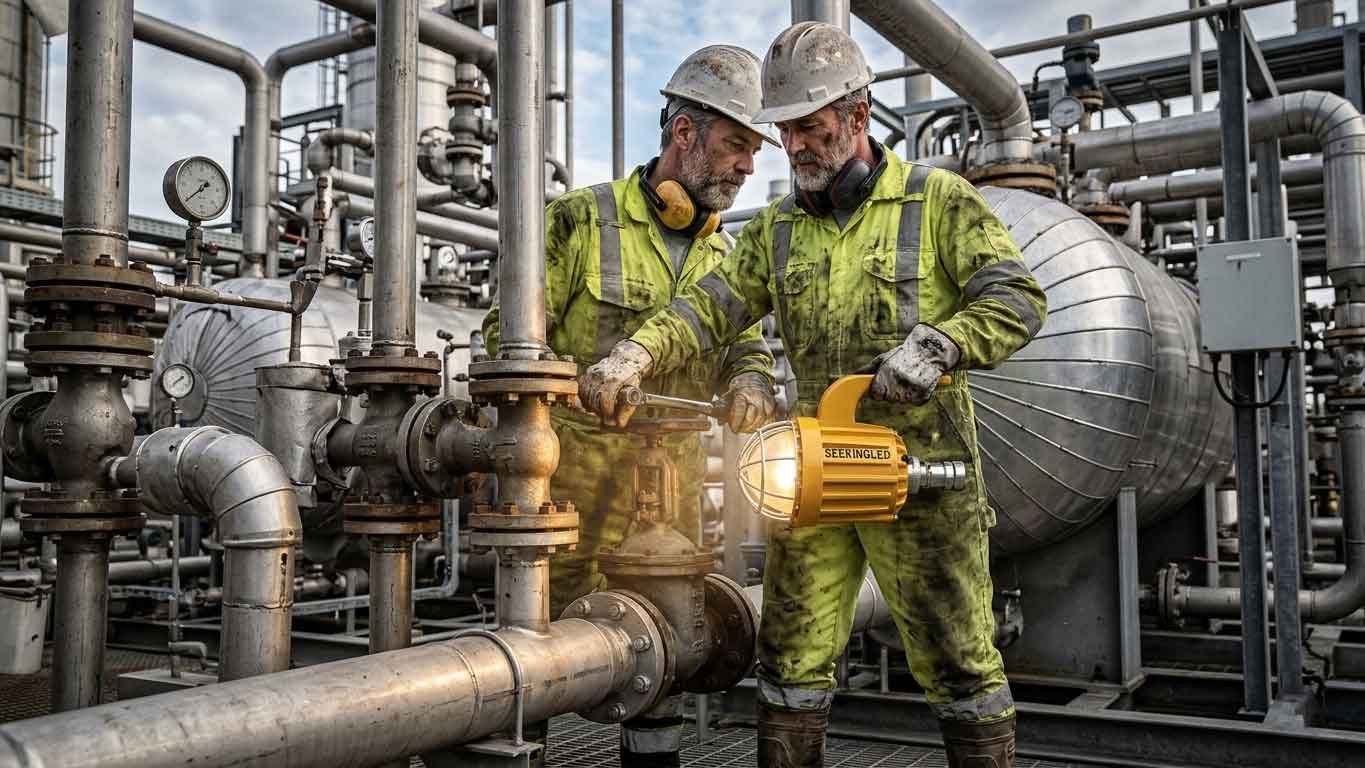
From my projects, these lights show up in places where fixed lighting doesn’t reach:
These are not clean environments.
You’re dealing with:
And visibility is often poor.
In these situations, lighting is often classified as explosion proof temporary lighting or temporary lighting hazardous, especially during shutdown maintenance where permanent systems are offline.
During a shutdown in a petrochemical plant, we replaced standard portable lights with explosion proof units.
Result:
More importantly—no safety flags during inspection.
What stood out wasn’t just brightness—it was consistency. Unlike standard lamps, transportable explosion proof lighting maintained stable output even as ambient temperature fluctuated.
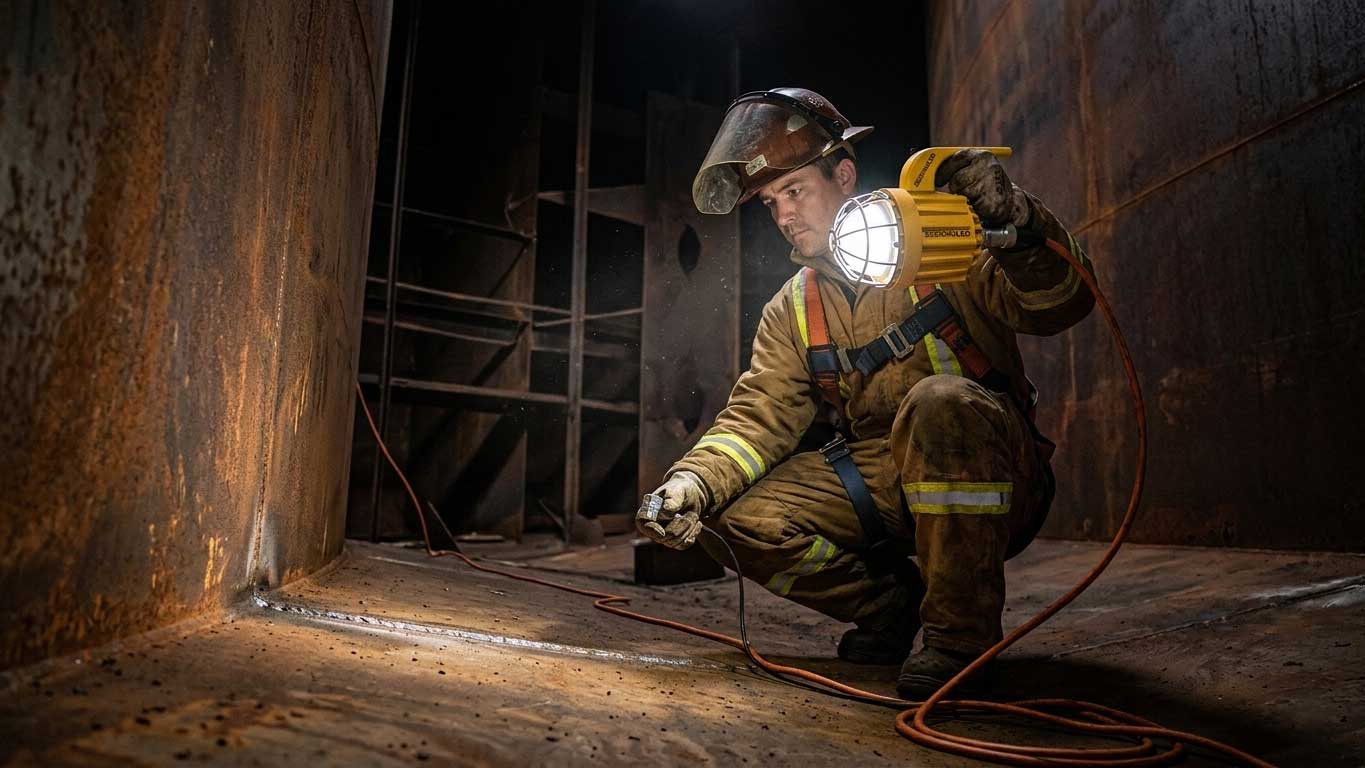
Look for:
These confirm suitability for Zone 1 or equivalent environments.
Many professionals specifically search for IECEx work lights because IECEx certification is widely accepted across international oil & gas and offshore projects.
LEDs generate heat.
If surface temperature exceeds ignition point, risk increases.
Typical requirements:
This is essential in solvent-rich environments.
This is where many LED lighting for hazardous areas products fail in real use—not in certification labs, but under continuous operation.
Portable units often rely on batteries.
Key considerations:
According to NFPA 70 (NEC), portable electrical equipment in hazardous areas must prevent ignition during operation and fault conditions.
Battery design becomes even more critical in portable explosion proof lights, where charging cycles and handling introduce additional failure risks.
| Feature | Standard Work Light | Explosion Proof LED Work Light |
|---|---|---|
| Safety | No protection | Certified explosion-proof |
| Use Area | General use | Hazardous zones (Zone 1/2) |
| Housing | Plastic/metal | Reinforced sealed enclosure |
| Risk Level | High in gas areas | Extremely low |
| Compliance | None | ATEX / IECEx / NEC compliant |
In shutdown projects, this distinction defines whether lighting is approved as temporary lighting hazardous or rejected during inspection.
From my experience working with SEEKINGLED portable systems, the focus is not just passing certification—but durability in real environments:
In one offshore project, SEEKINGLED units ran continuously for over 10 hours per shift, with stable output and no thermal shutdown.
This is especially critical for explosion proof portable lighting, where repeated transport, vibration, and handling can degrade weaker designs over time.
High lumen output means nothing if:
Poor design leads to:
Good work lights must balance:
In practice, many so-called explosive atmosphere work lights fail not during operation—but during transport or improper handling.
Yes. In hazardous areas, standard lights can ignite gases. Certified explosion-proof lights eliminate this risk.
Yes, but only if the battery system is certified and sealed for hazardous environments.
Minimal—but regular inspection of seals, housing, and connectors is essential.
This article is based on hands-on experience from a SEEKINGLED industrial lighting engineer, with:
Most issues I’ve seen weren’t about brightness.
They were about heat, sealing, and misuse.
Explosion proof LED work lights are not optional tools.
They are mobile safety systems.
And in hazardous environments,
what you carry into the space
matters just as much as what’s already installed.
Whether referred to as explosion proof work light, portable explosion proof lights, or transportable explosion proof lighting, the principle stays the same:
If it enters a hazardous zone,
it must be engineered not to become the ignition source.
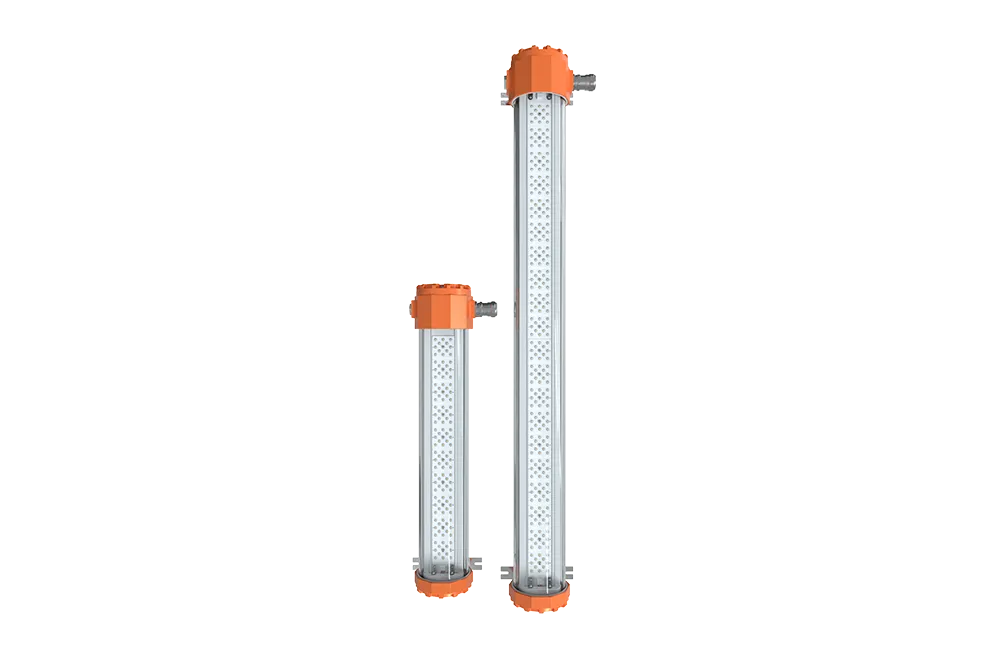
SEEKINGLED LED Linear Explosion Proof Light and Explosion Proof lighting is ATEX and IECEx certified for Zone 1, Zone 2, Zone 21 and Zone 22 hazardous locations, built for long-term industrial use.
View details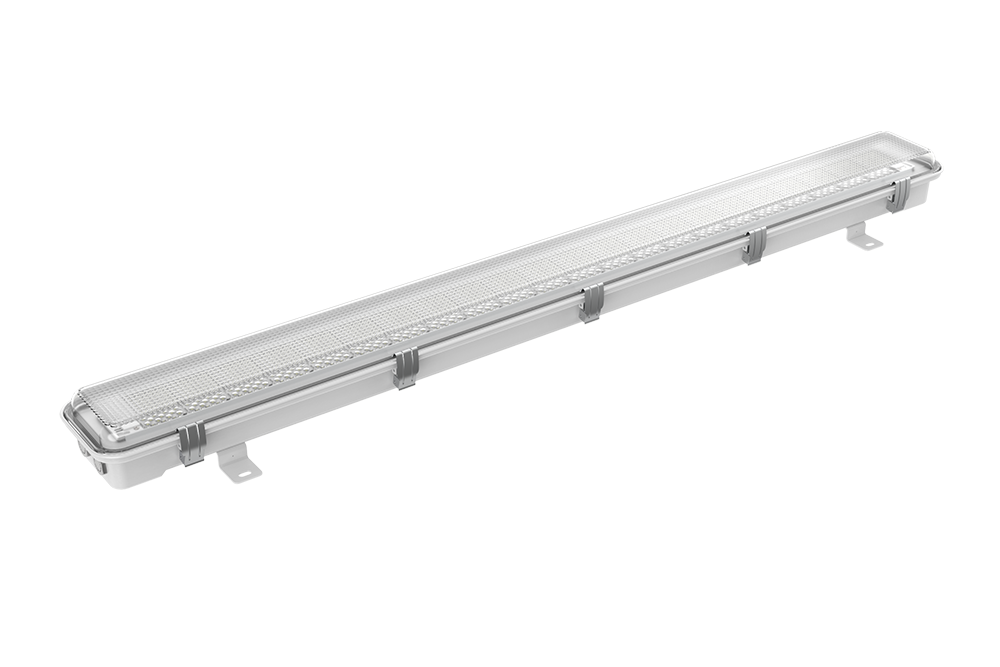
LED Linear Explosion Proof Lights and EX Proof lights for Zone 1, Zone 2, Zone 21 and Zone 22 hazardous areas. ATEX & IECEx certified explosion proof LED linear lighting with emergency function, adjustable power and IP67 protection by SEEKINGLED.
View details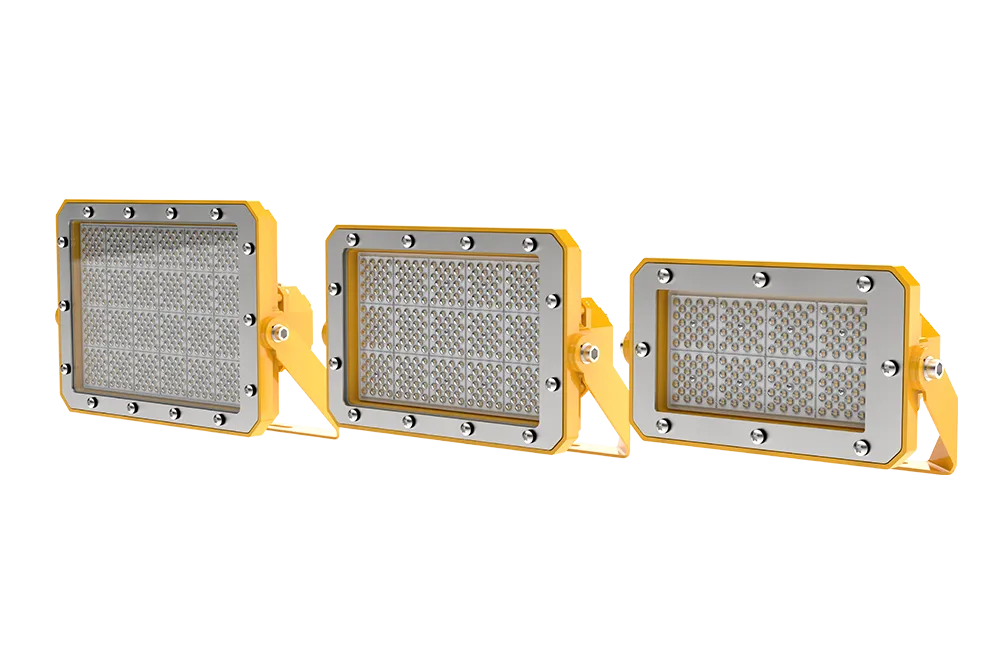
SEEKINGLED LED Explosion Proof Flood Lights are ATEX certified for Zone 2 and Zone 22 hazardous areas, offering high efficiency, adjustable power and integrated junction box.
View details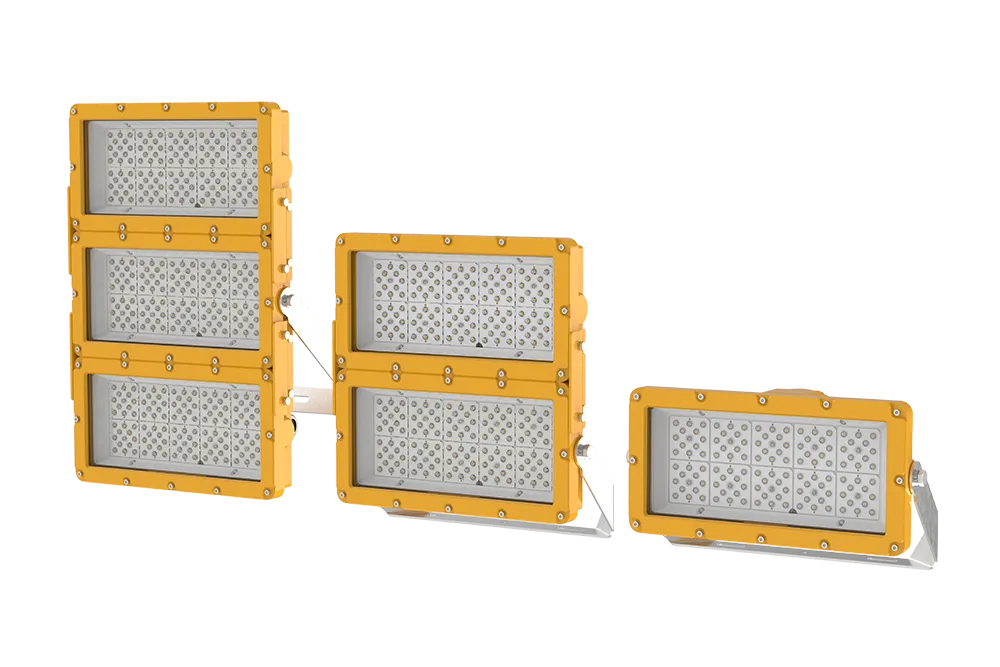
SEEKINGLED LED Explosion Proof Flood Lights are flameproof ATEX and IECEx certified for Zone 1 and Zone 2 hazardous areas, offering high power, adjustable output and long service life.
View details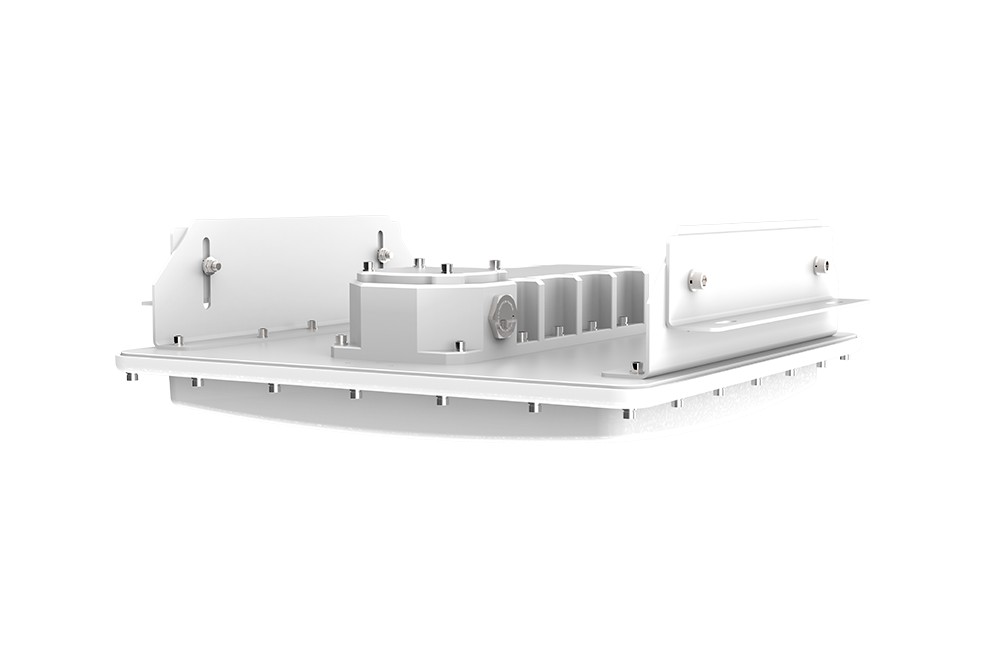
SEEKINGLED LED Gas Station Canopy Lights are ATEX certified for Zone 2 and Zone 22 hazardous areas, featuring adjustable power and built-in explosion-proof junction box.
View details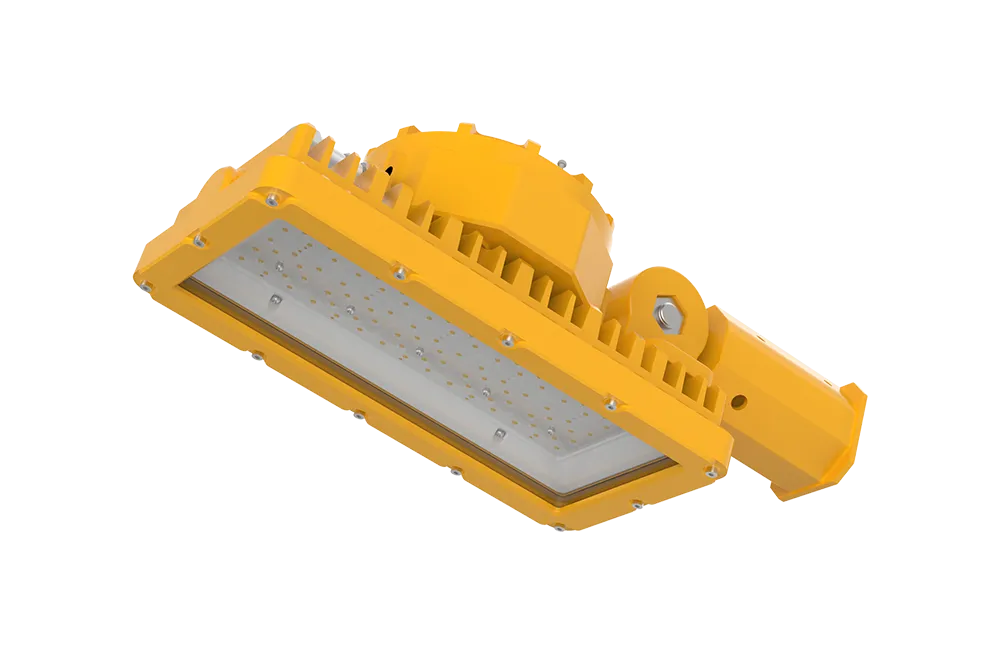
ATEX: Ex II 2G Ex db IIB T6/T5 GbEx II 2D Ex tb IIIC T80°C/ T95°C Db IECEx Ex db IIB T6 Gb;Ex tb IIIC T80°C Db Feature: ● For Zone 1,2 and Zone 21,22● Flameproof type, the strongest● 100W can replace 250W HID,energy saving● Power:60W,80W,100W Application: Oil and gas, marine, Chemical, pharmaceutical, semiconductor,mining,military industr…
View details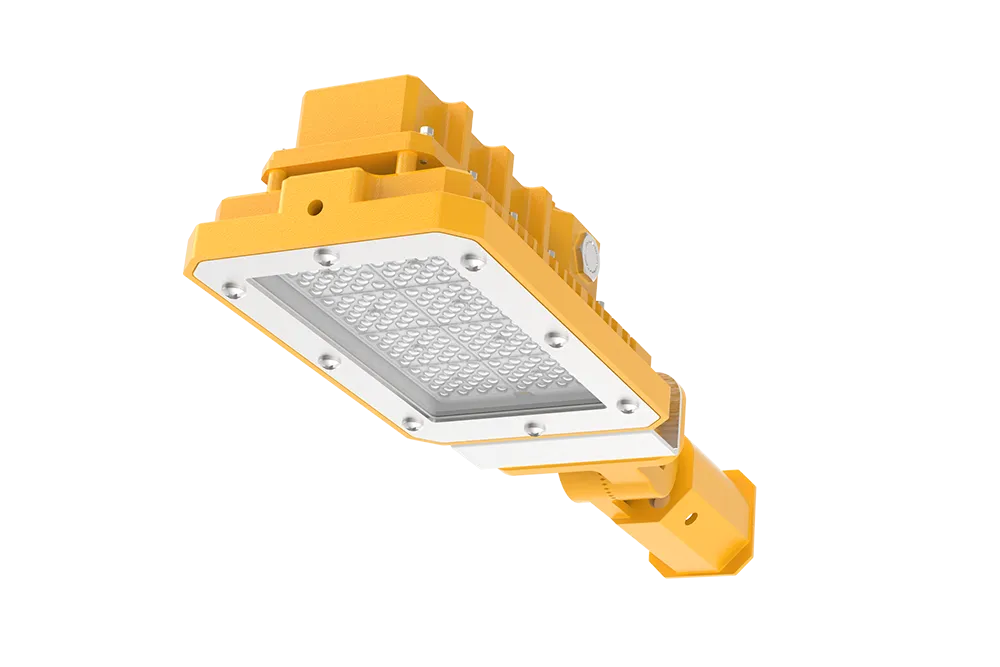
ATEX: II 3G Ex nR ⅡC T5/T6 GcII 3D Ex tc ⅢC T80℃/T95℃Dc ATEX Certificate NO: TÜV CY 26 ATEX 0207611 X Feature: ● For Zone 2 and Zone 22● 150W can replace 250W HID lamps,Energy saving● Power:50W,75W,100W,150W,200W Application: Oil and gas, marine, Chemical, pharmaceutical, semiconductor,mining,military industry, paint booth,power plant ETC…
View details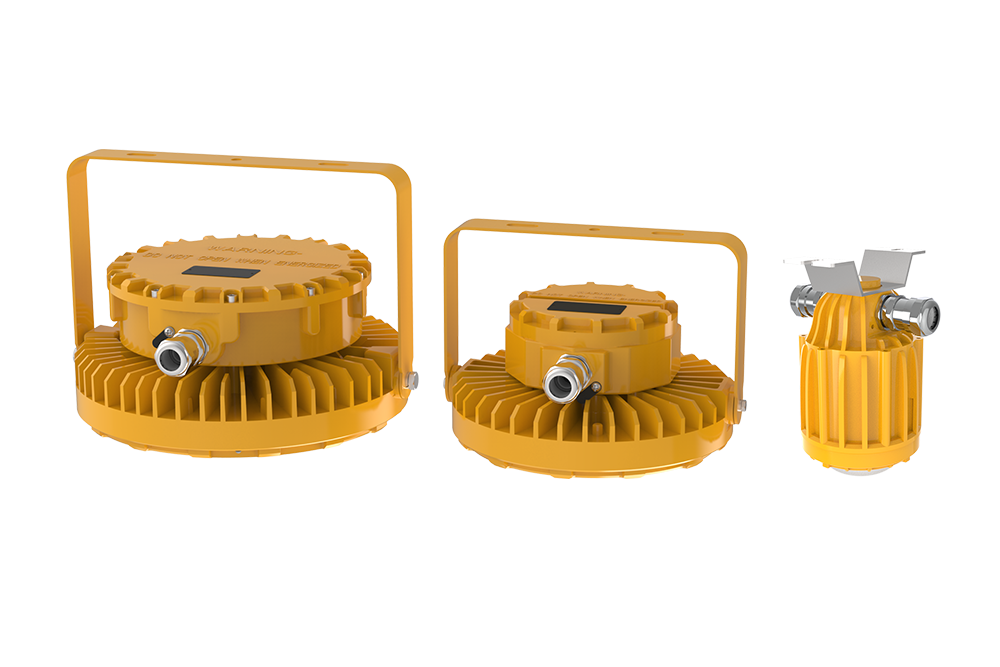
LED explosion proof high bay lights are designed for Zone 1, Zone 2, Zone 21 and Zone 22 hazardous areas. This page introduces the HB21 Series from SEEKING, including certifications, power options and real application considerations.
View details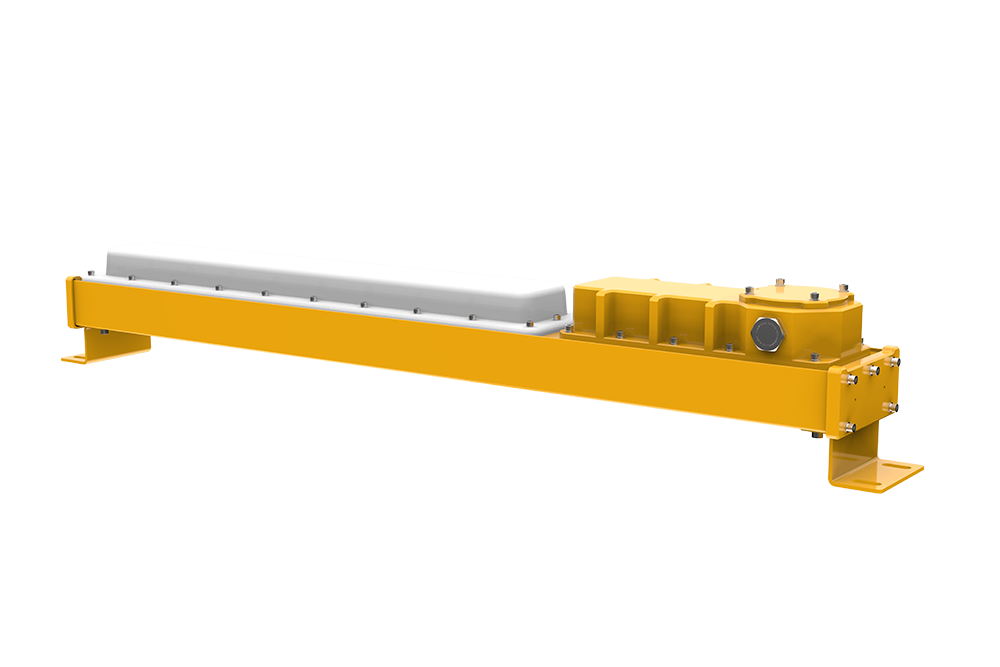
LED Linear Explosion Proof Lights from SEEKINGLED. LU Series Flame Proof lights ATEX-certified explosion proof LED linear lighting for Zone 2 gas and Zone 22 dust areas, IP69K, IK10, long lifetime and flexible power options.
View details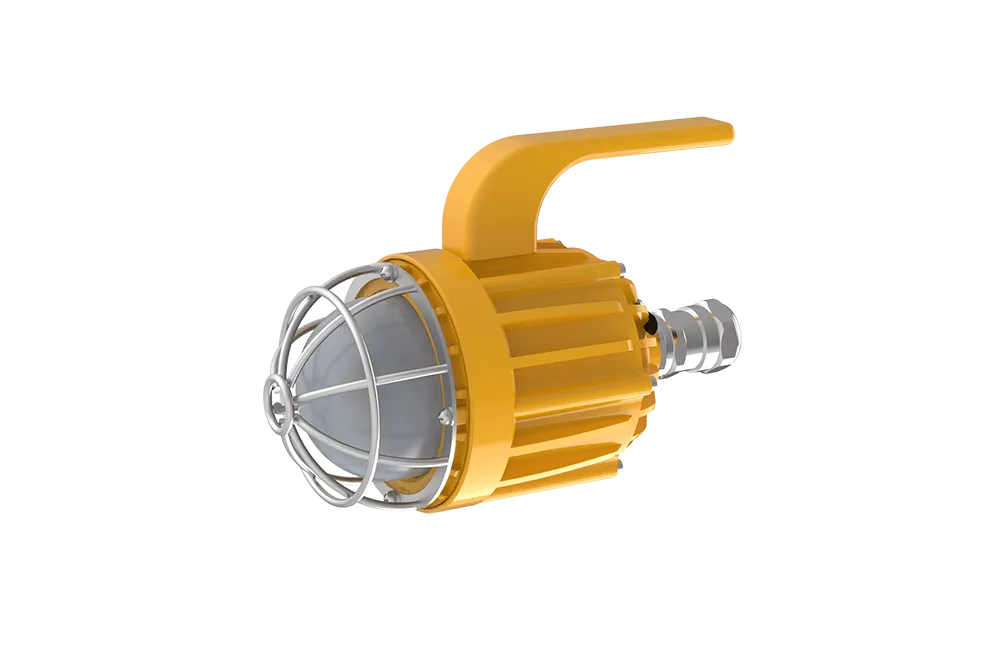
Certified explosion proof work lights for Zone 1 & 21 hazardous areas. Portable, ATEX & IECEx approved, built for oil, gas and chemical plants by SEEKINGLED.
View details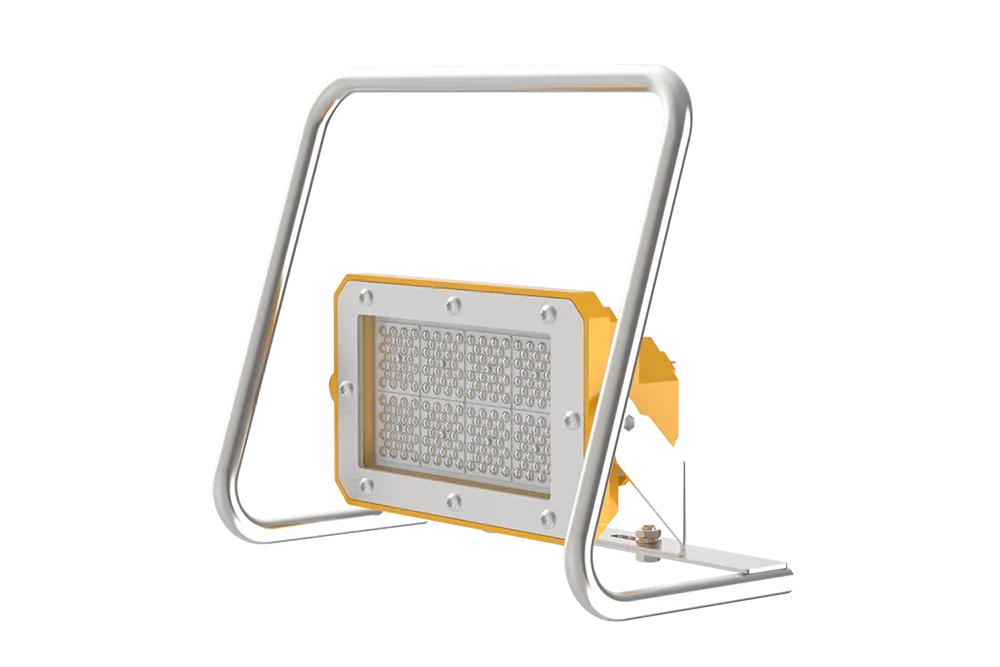
ATEX: II 3G Ex nR ⅡC T6 GcII 3D Ex tc ⅢC T80℃ Dc ATEX Certificate NO: TÜV CY 26 ATEX 0207611 X Feature: ● For Zone 2 and Zone 22● Accepts battery-powered supply● indestructible● Power:AC input:50W,75W,100WDC input:15W,25W,35W Application: Oil and gas, marine, Chemical, pharmaceutical, semiconductor,mining,military industry, paint booth,po…
View details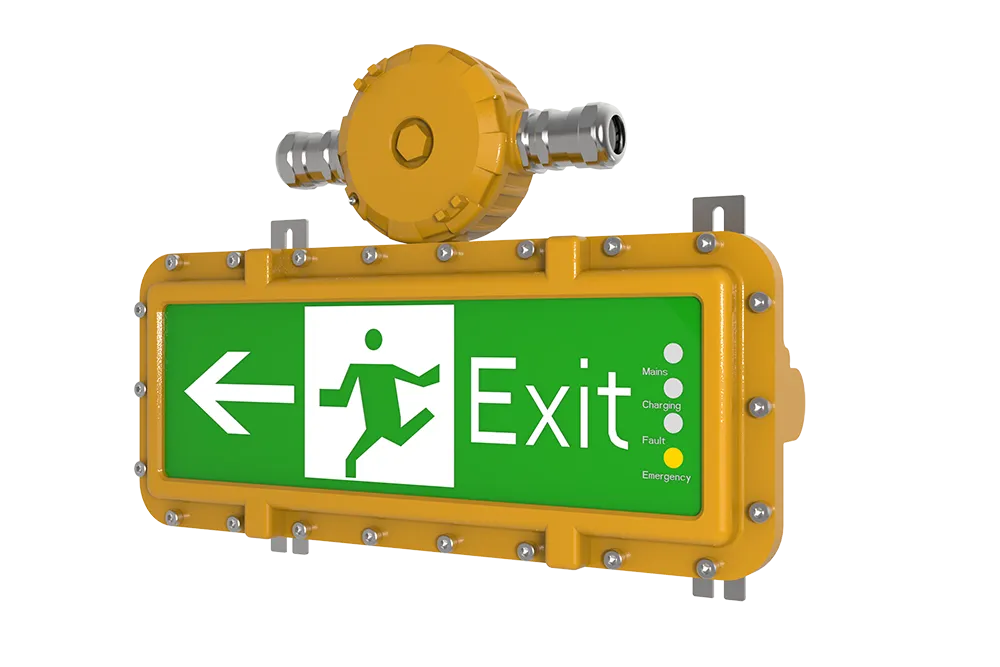
ATEX: Ex II 2G Ex db IIB T6 GbEx II 2D Ex tb IIIC T80°C Db IECEx Ex db IIB T6 Gb;Ex tb IIIC T80°C Db Feature: ● For Zone 1,2 and Zone 21,22● Flameproof type, the strongest Application: Oil and gas, marine, Chemical, pharmaceutical, semiconductor,mining,military industry, paint booth,power plant ETC hazardous area. Technical Specifications:…
View details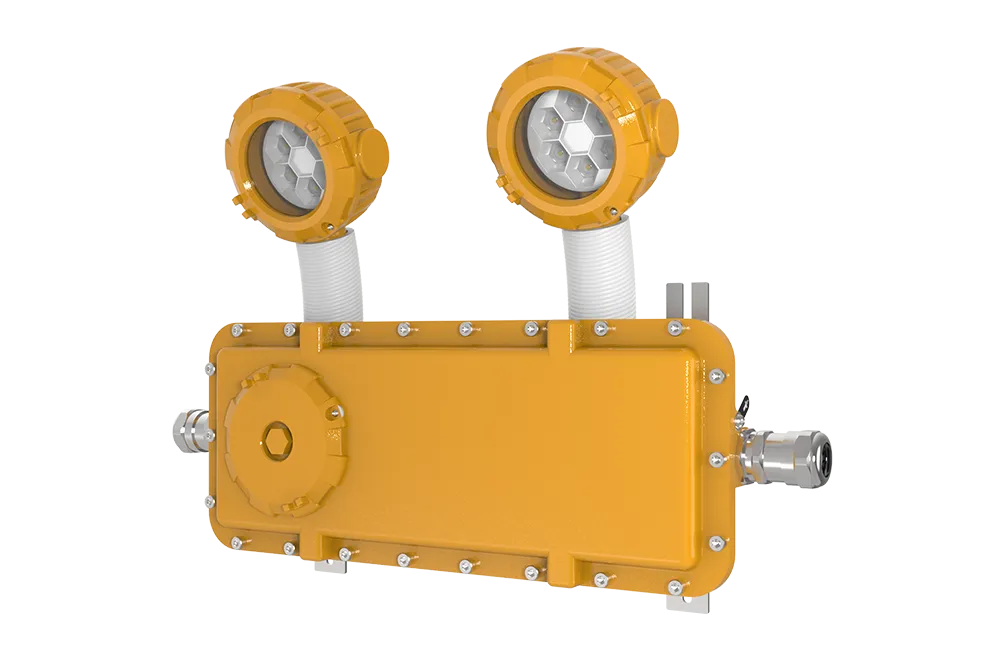
ATEX: Ex II 2G Ex db IIB T6 GbEx II 2D Ex tb IIIC T80°C Db IECEx Ex db IIB T6 Gb;Ex tb IIIC T80°C Db Feature: ● For Zone 1,2 and Zone 21,22● Flameproof type, the strongest Application: Oil and gas, marine, Chemical, pharmaceutical, semiconductor,mining,military industry, paint booth,power plant ETC hazardous area. Technical Specifications:…
View details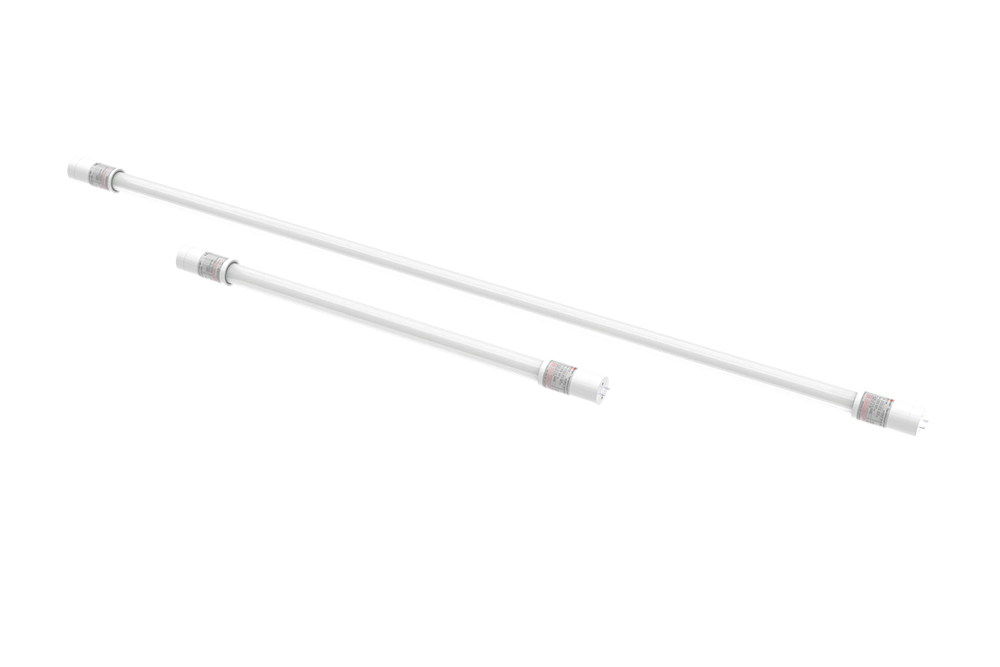
ATEX: Ex II 2G Ex d e IIB T6 Gb ATEX: Ex d e IIB T6 Gb; Feature: ● For Zone 1,2● 9W can replace 18W fluorescent lamps,50% Energy saving Application: Oil and gas, marine, Chemical, pharmaceutical, semiconductor,mining,military industry, paint booth,power plant ETC hazardous area. Technical Specifications: Standards:60079-0, 60079-1, 60079…
View details
What Makes Explosion Proof Paint Booth Lighting Different? Learn how certified hazardous-area lighting protects paint booths, improves visibility, and reduces ignition risks.
View details
Discover reliable zone 1 atex lighting solutions for explosive environments. Learn certification requirements, installation experience, and LED safety advantages from SEEKINGLED experts.
View details
Can explosion proof LED lights be used outdoors? Learn how ATEX and Class I Div 2 LED fixtures resist rain, dust, corrosion, and harsh industrial weather.
View details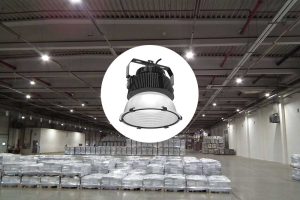
LED High Bay Lighting for Warehouse Retrofit often starts from maintenance pressure rather than brightness demand. This project records how 100W LED high bay lights replaced 250W HPS lamps in a Denmark warehouse using SEEKINGLED HBS Series fixtures.
View details