 Seeking LED
how to choose flood lights?
0Choose flood lights by matching lumen output, beam angle, mounting height, environment, color temperature, controls, and efficiency to the actual application.
View detailsSearch the whole station
Explosion proof temporary lighting is certified portable or semi-fixed lighting designed for short-term use in hazardous areas where flammable gas, vapor, or combustible dust may be present. It ensures safe illumination during maintenance, shutdowns, inspections, and emergency operations without creating ignition risks.
That’s the clean definition. In reality, temporary lighting is where many safety gaps actually appear.
I’ve worked on shutdown projects where permanent lighting was excellent—until scaffolding blocked half the fixtures. Crews brought in standard work lights “just for the night.” That decision quietly bypassed every hazardous-area rule in the book.
After a decade across refineries, chemical plants, offshore terminals, and bulk storage facilities, one pattern stands out: permanent systems are engineered carefully. Temporary ones are often improvised. That’s exactly where explosion proof temporary lighting becomes critical.
Explosion proof temporary lighting refers to lighting systems specifically designed for short-term deployment in hazardous environments, with full certification to prevent ignition.
These systems typically include:
Depending on region, certification may include:
Typical use environments:
This is not backup lighting. In many cases, it becomes primary task lighting.
Permanent lighting systems go through engineering design, layout planning, and compliance checks.
Temporary lighting often does not.
From field observations:
According to OSHA guidance on temporary work environments, improper temporary electrical equipment is a major contributor to workplace hazards.
The risk is not theoretical. It’s procedural.
Do not assume “portable” means safe.
Check:
If documentation is unclear, do not deploy.
Temporary systems rely heavily on cables.
Weak points include:
In one shutdown project, over 60% of lighting issues came from cable faults—not the light itself.
Choose systems with:
Temporary lighting must adapt to changing layouts.
Useful mounting options include:
I’ve seen crews waste hours repositioning lights simply because mounting options were limited.
For battery units:
For wired systems:
Field reality: lighting failures often happen at the worst possible moment—mid-task.
| Scenario | Lighting Need | Why Temporary Is Critical |
|---|---|---|
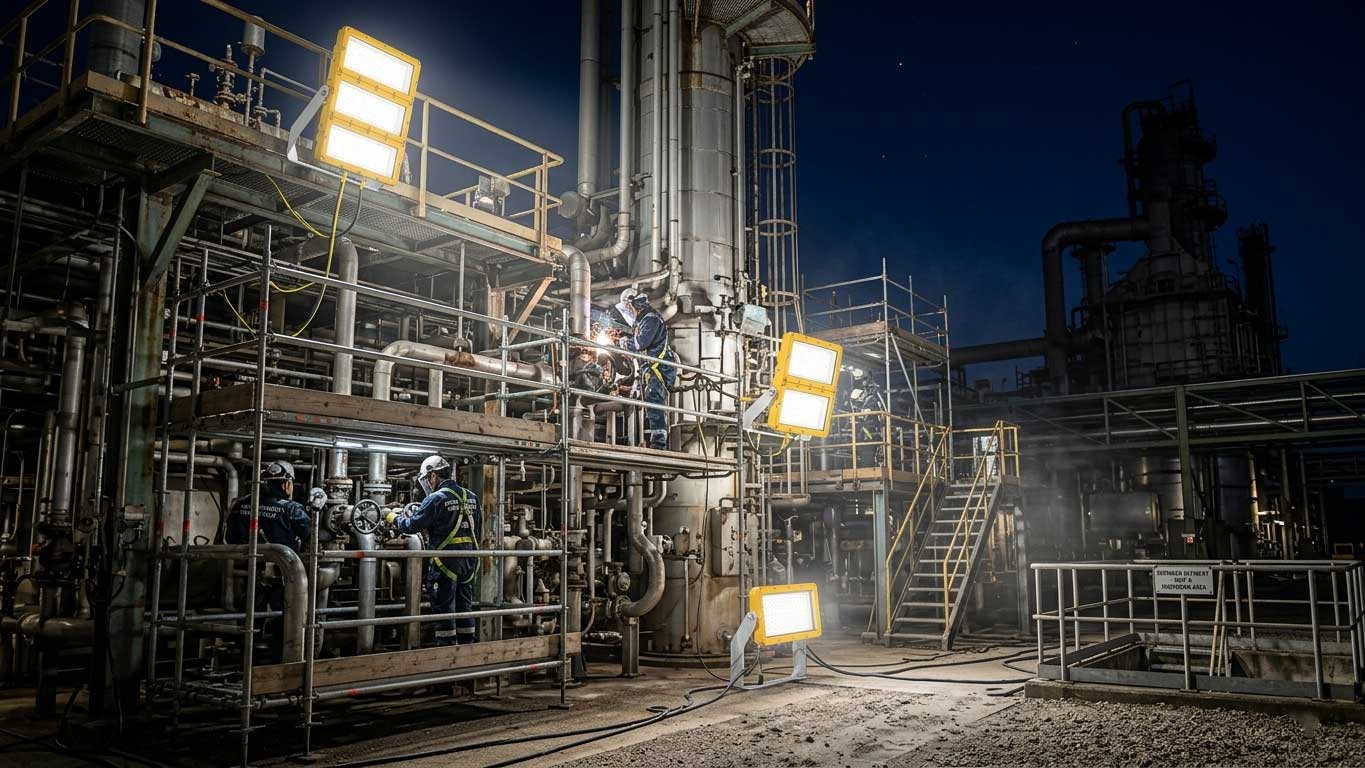
| Plant Shutdown | Maintenance zones | Permanent lights blocked |
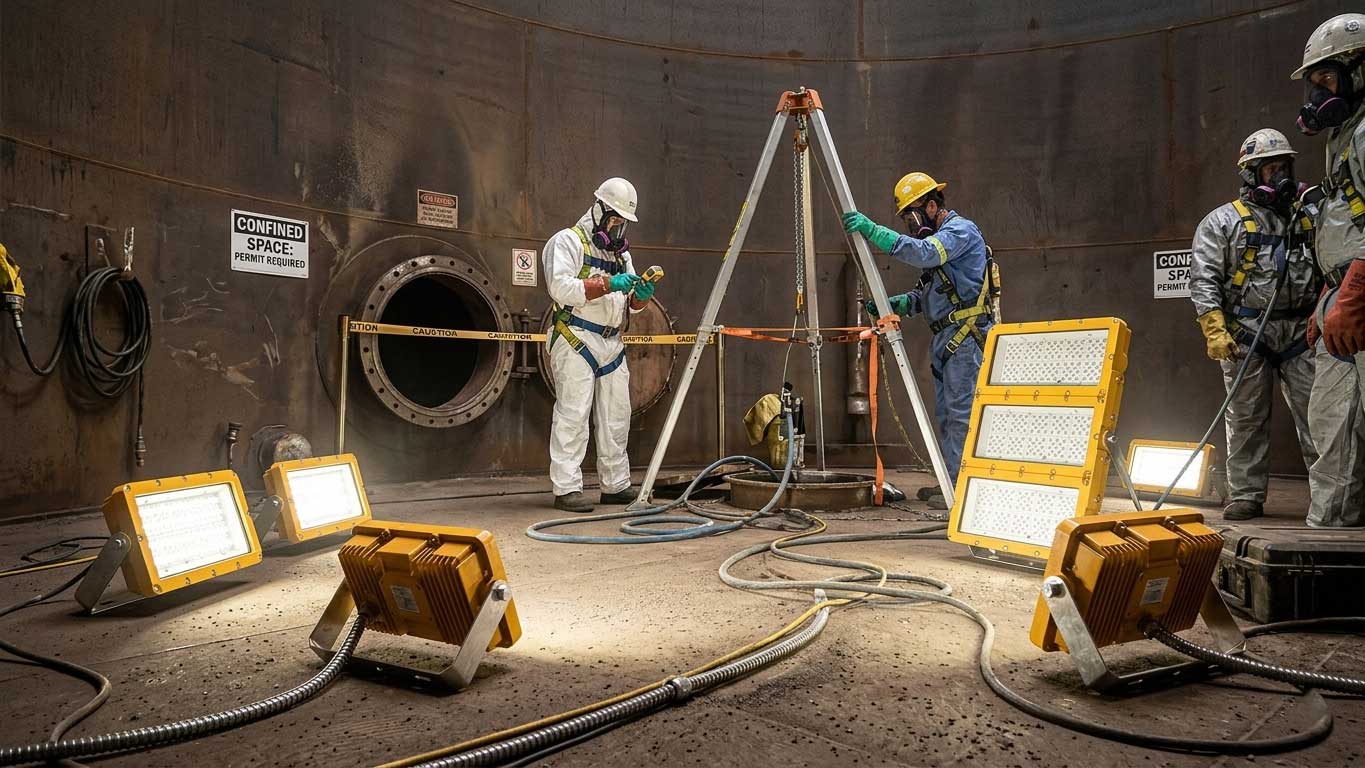
| Tank Inspection | Confined spaces | No fixed lighting inside |
| Emergency Repair | Rapid deployment | Immediate visibility needed |
| Scaffolding Work | Elevated platforms | Changing structure |
| Marine Maintenance | Fuel-risk areas | Portable safe lighting |
| Feature | Temporary Lighting | Permanent Lighting |
|---|---|---|
| Installation | Quick deployment | Fixed installation |
| Flexibility | High | Low |
| Power Source | Battery / plug-in | Hardwired |
| Use Duration | Short-term | Continuous |
| Maintenance | Frequent handling | Scheduled servicing |
Both are essential. They serve different phases of operation.
In one offshore project, multiple portable lights failed within weeks.
Not due to LED failure.
Issues included:
Temporary equipment faces physical stress daily.
That changes how you evaluate quality.
SEEKINGLED focuses on industrial lighting where real-world handling matters.
Customers often choose SEEKINGLED for:
Because in temporary setups, speed and reliability are equally important.
Temporary does not mean low importance.
If used in classified hazardous areas, yes—certified equipment is typically required.
For shutdowns, 6–12 hours continuous operation is a practical requirement.
Yes, if they are properly certified for hazardous environments.
From field experience: cables and connectors, not LEDs.
When teams ask me what to look for in explosion proof temporary lighting, I ask one question:
Can this system survive real handling?
Dropped. Dragged. Repositioned. Exposed to oil. Used in rain. Powered on and off repeatedly.
That is the real test.
Not brochure specs.
Not lab conditions.
Not ideal installation scenarios.
Temporary lighting lives in imperfect conditions.
Choose the system that performs there.
Because the right explosion proof temporary lighting doesn’t just light the job—it keeps the job moving safely.
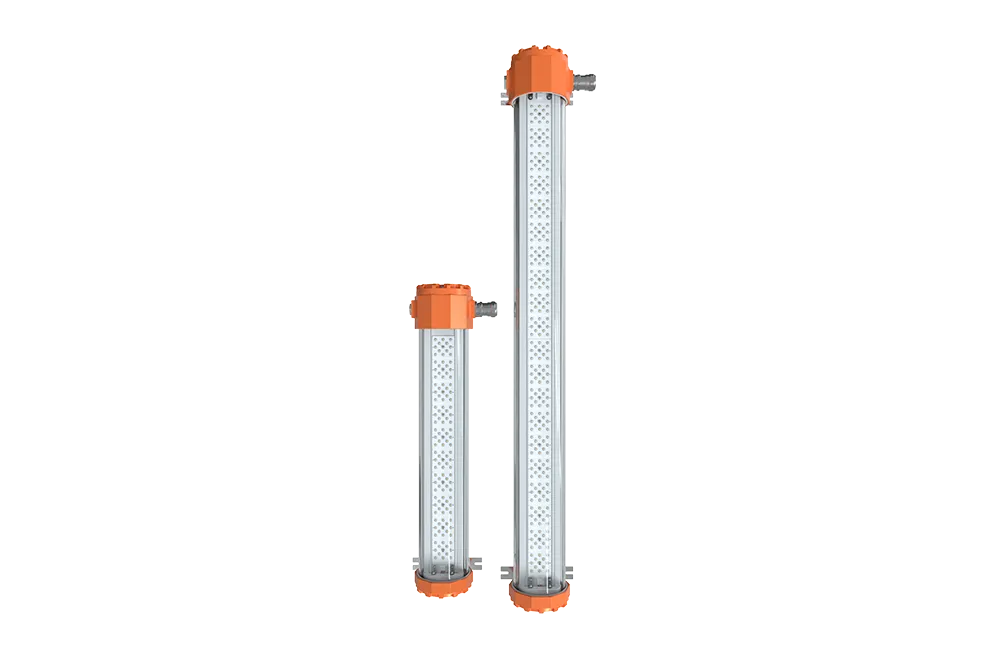
SEEKINGLED LED Linear Explosion Proof Light and Explosion Proof lighting is ATEX and IECEx certified for Zone 1, Zone 2, Zone 21 and Zone 22 hazardous locations, built for long-term industrial use.
View details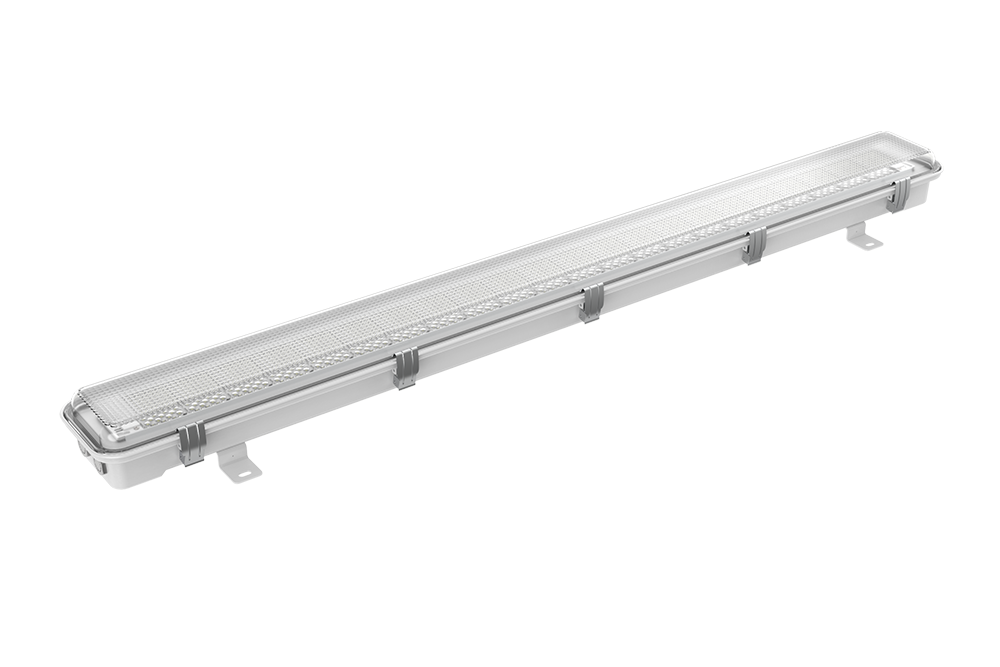
LED Linear Explosion Proof Lights and EX Proof lights for Zone 1, Zone 2, Zone 21 and Zone 22 hazardous areas. ATEX & IECEx certified explosion proof LED linear lighting with emergency function, adjustable power and IP67 protection by SEEKINGLED.
View details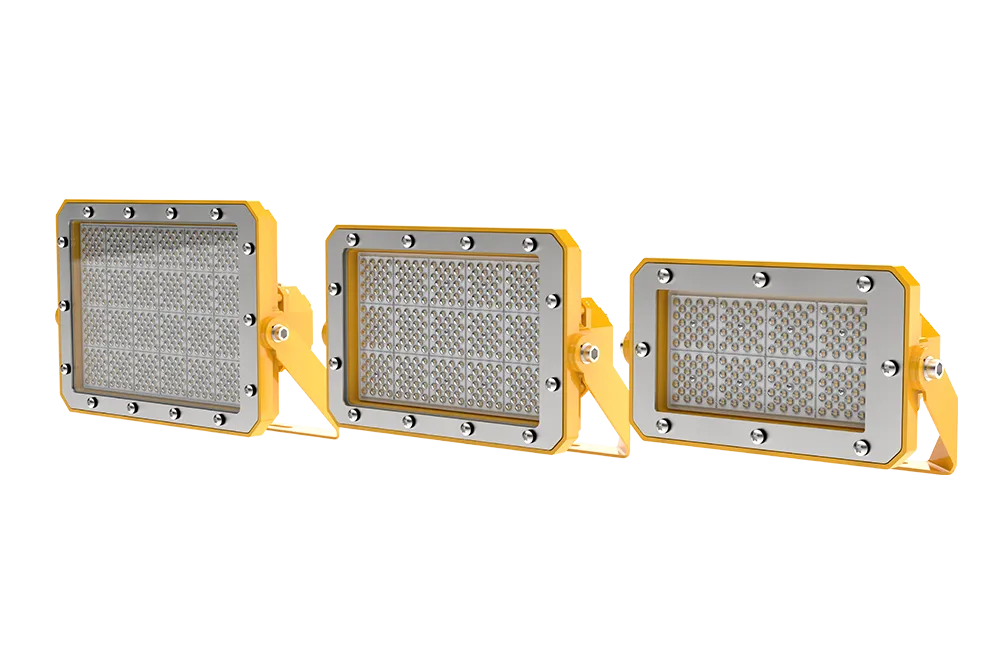
SEEKINGLED LED Explosion Proof Flood Lights are ATEX certified for Zone 2 and Zone 22 hazardous areas, offering high efficiency, adjustable power and integrated junction box.
View details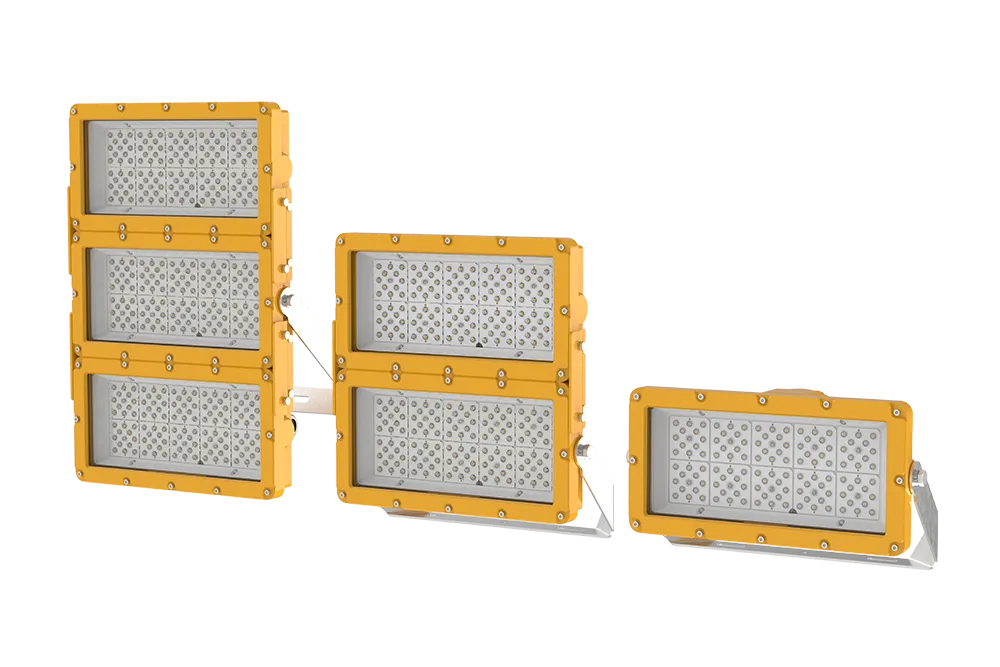
SEEKINGLED LED Explosion Proof Flood Lights are flameproof ATEX and IECEx certified for Zone 1 and Zone 2 hazardous areas, offering high power, adjustable output and long service life.
View details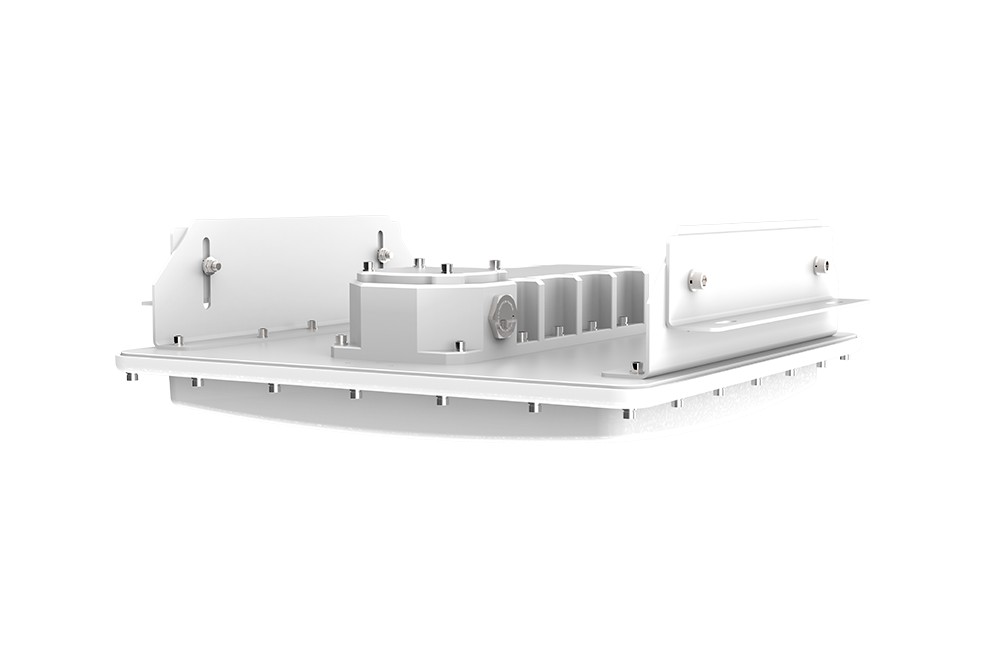
SEEKINGLED LED Gas Station Canopy Lights are ATEX certified for Zone 2 and Zone 22 hazardous areas, featuring adjustable power and built-in explosion-proof junction box.
View details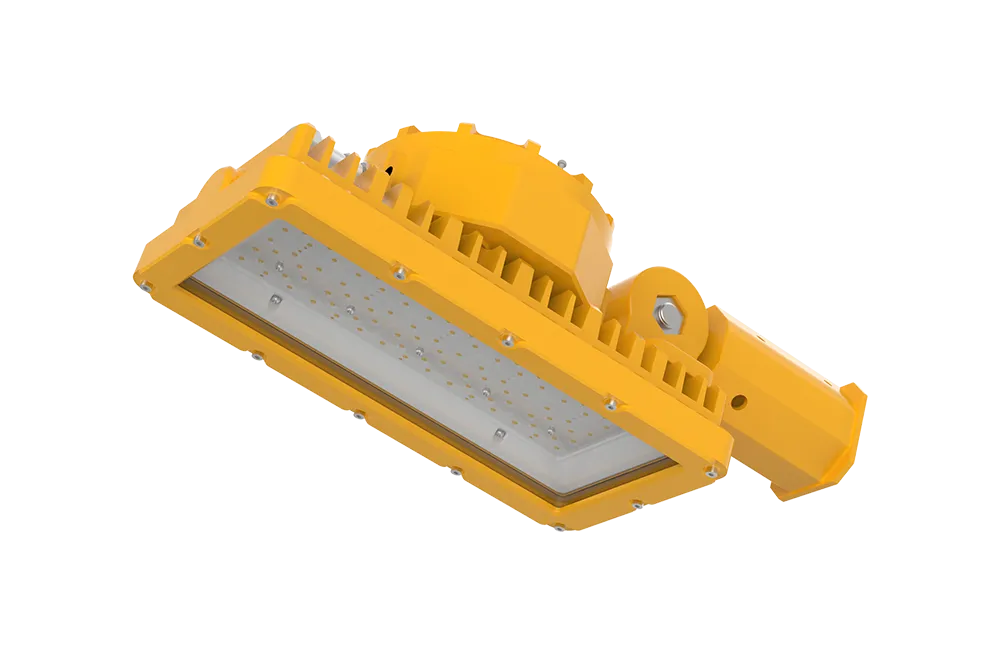
ATEX: Ex II 2G Ex db IIB T6/T5 GbEx II 2D Ex tb IIIC T80°C/ T95°C Db IECEx Ex db IIB T6 Gb;Ex tb IIIC T80°C Db Feature: ● For Zone 1,2 and Zone 21,22● Flameproof type, the strongest● 100W can replace 250W HID,energy saving● Power:60W,80W,100W Application: Oil and gas, marine, Chemical, pharmaceutical, semiconductor,mining,military industr…
View details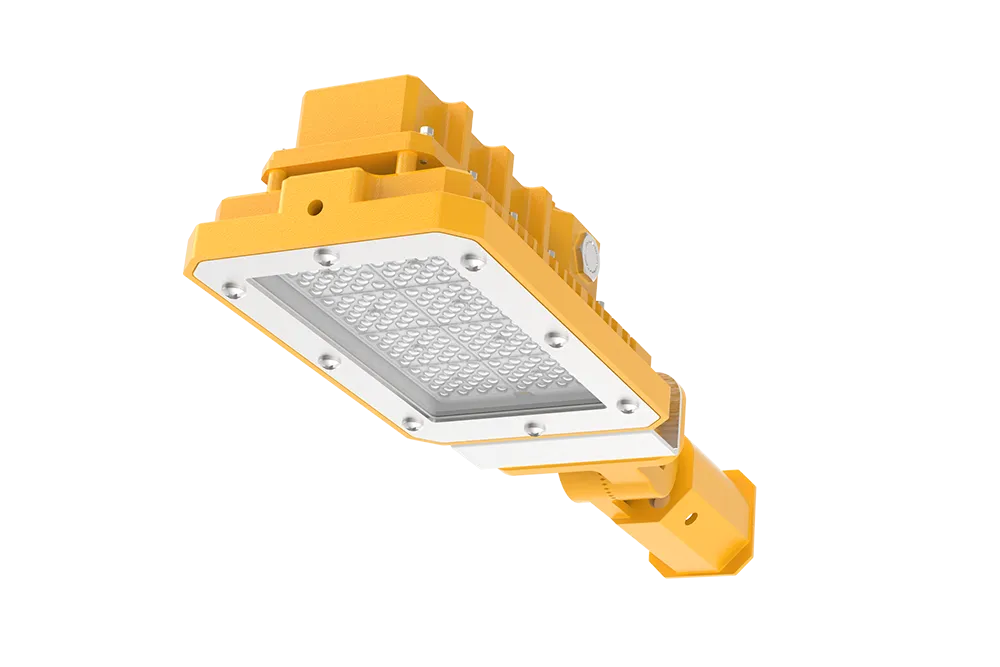
ATEX: II 3G Ex nR ⅡC T5/T6 GcII 3D Ex tc ⅢC T80℃/T95℃Dc ATEX Certificate NO: TÜV CY 26 ATEX 0207611 X Feature: ● For Zone 2 and Zone 22● 150W can replace 250W HID lamps,Energy saving● Power:50W,75W,100W,150W,200W Application: Oil and gas, marine, Chemical, pharmaceutical, semiconductor,mining,military industry, paint booth,power plant ETC…
View details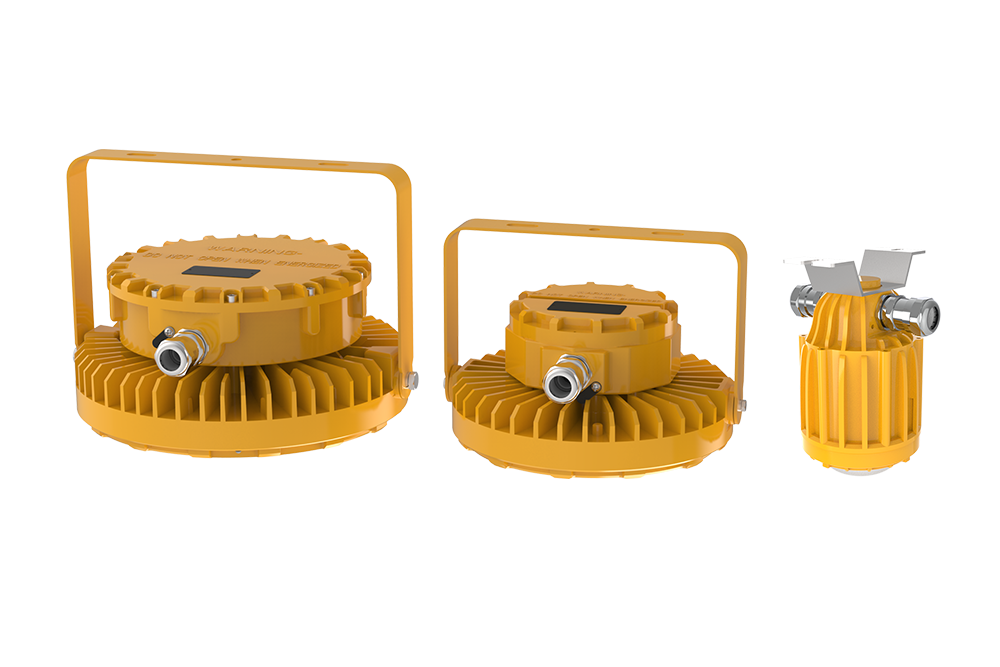
LED explosion proof high bay lights are designed for Zone 1, Zone 2, Zone 21 and Zone 22 hazardous areas. This page introduces the HB21 Series from SEEKING, including certifications, power options and real application considerations.
View details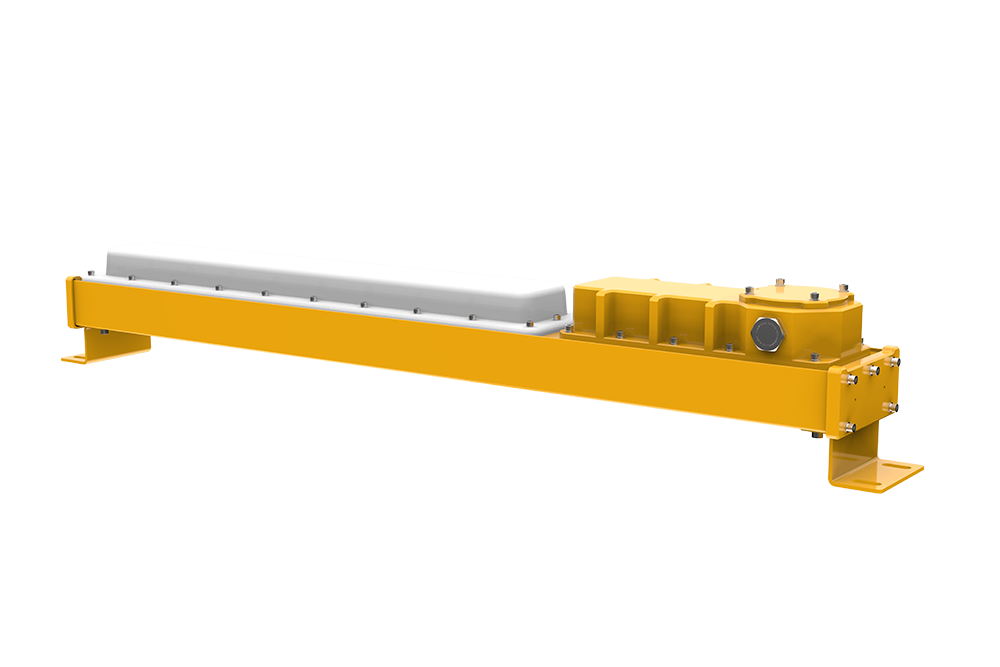
LED Linear Explosion Proof Lights from SEEKINGLED. LU Series Flame Proof lights ATEX-certified explosion proof LED linear lighting for Zone 2 gas and Zone 22 dust areas, IP69K, IK10, long lifetime and flexible power options.
View details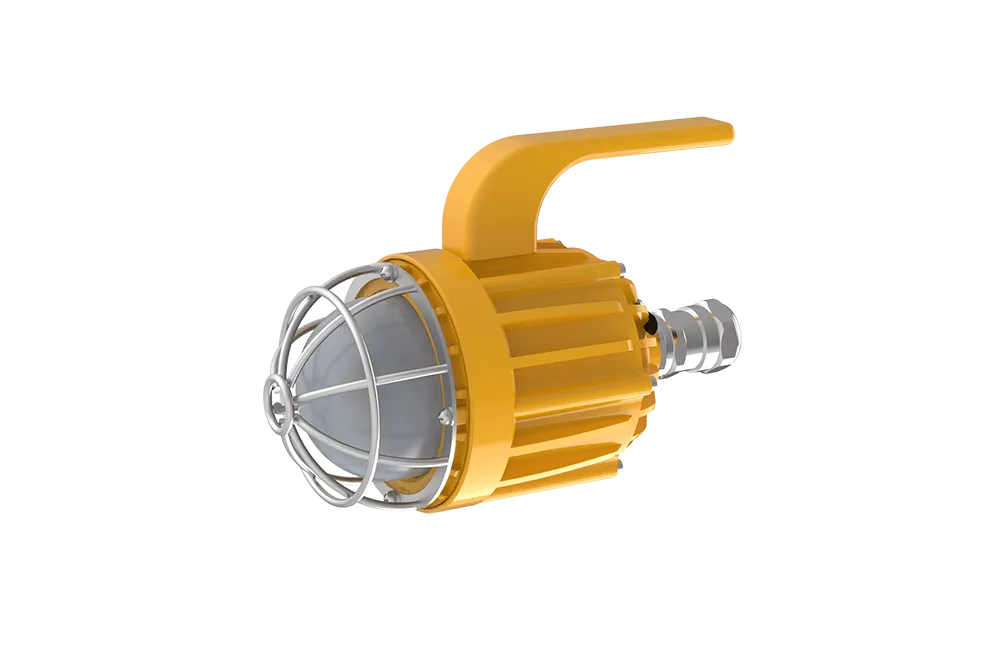
Certified explosion proof work lights for Zone 1 & 21 hazardous areas. Portable, ATEX & IECEx approved, built for oil, gas and chemical plants by SEEKINGLED.
View details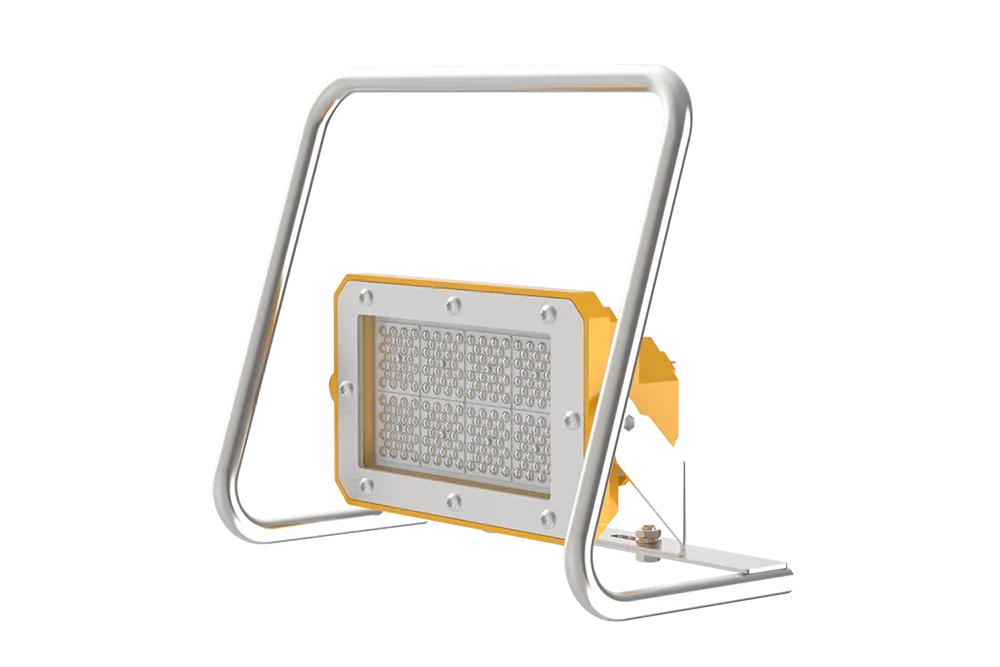
ATEX: II 3G Ex nR ⅡC T6 GcII 3D Ex tc ⅢC T80℃ Dc ATEX Certificate NO: TÜV CY 26 ATEX 0207611 X Feature: ● For Zone 2 and Zone 22● Accepts battery-powered supply● indestructible● Power:AC input:50W,75W,100WDC input:15W,25W,35W Application: Oil and gas, marine, Chemical, pharmaceutical, semiconductor,mining,military industry, paint booth,po…
View details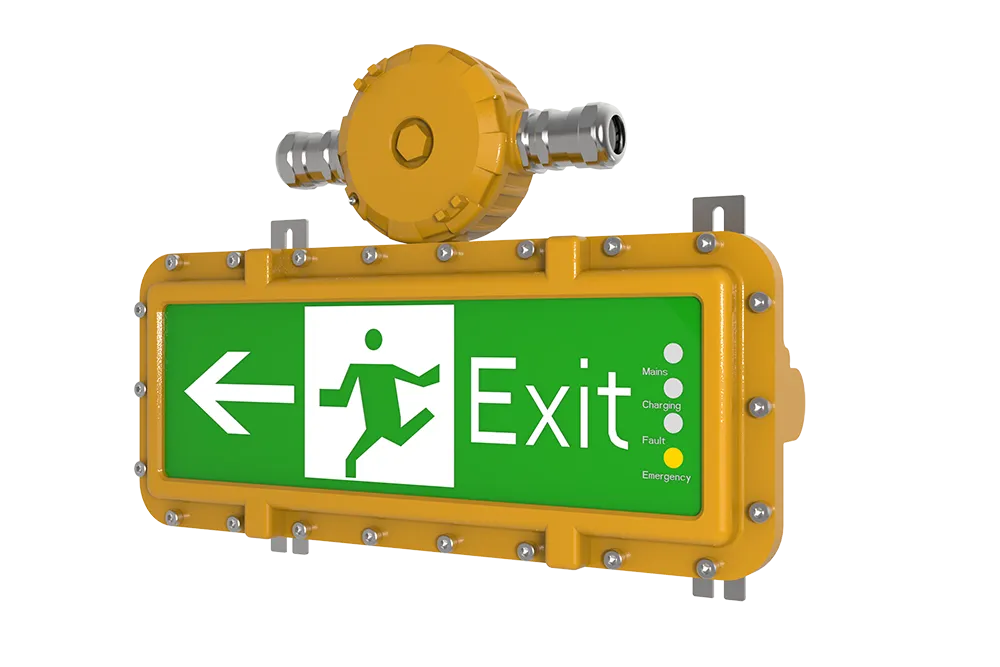
ATEX: Ex II 2G Ex db IIB T6 GbEx II 2D Ex tb IIIC T80°C Db IECEx Ex db IIB T6 Gb;Ex tb IIIC T80°C Db Feature: ● For Zone 1,2 and Zone 21,22● Flameproof type, the strongest Application: Oil and gas, marine, Chemical, pharmaceutical, semiconductor,mining,military industry, paint booth,power plant ETC hazardous area. Technical Specifications:…
View details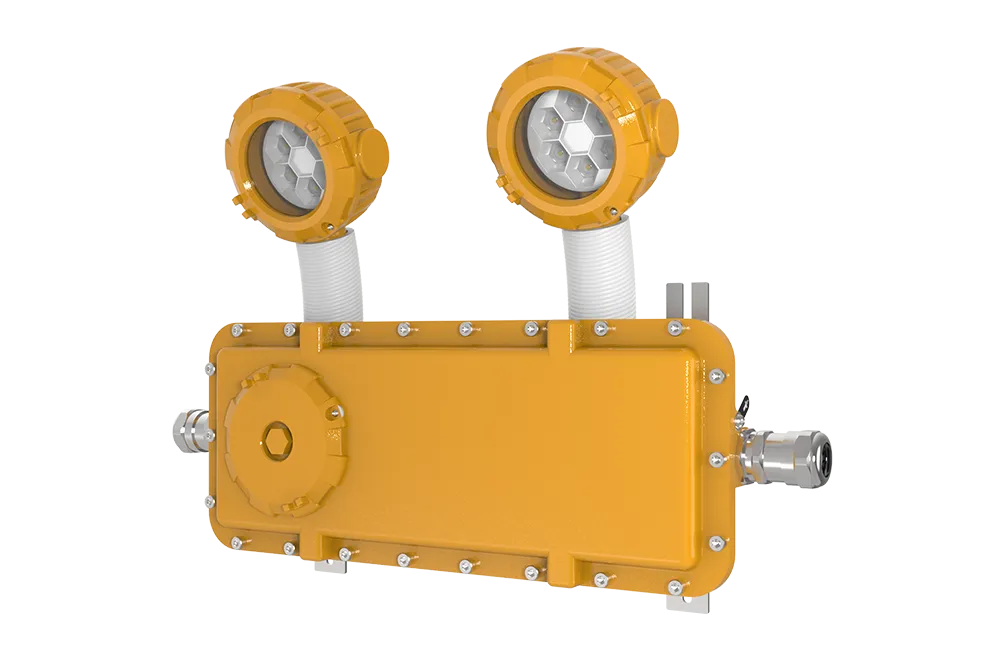
ATEX: Ex II 2G Ex db IIB T6 GbEx II 2D Ex tb IIIC T80°C Db IECEx Ex db IIB T6 Gb;Ex tb IIIC T80°C Db Feature: ● For Zone 1,2 and Zone 21,22● Flameproof type, the strongest Application: Oil and gas, marine, Chemical, pharmaceutical, semiconductor,mining,military industry, paint booth,power plant ETC hazardous area. Technical Specifications:…
View details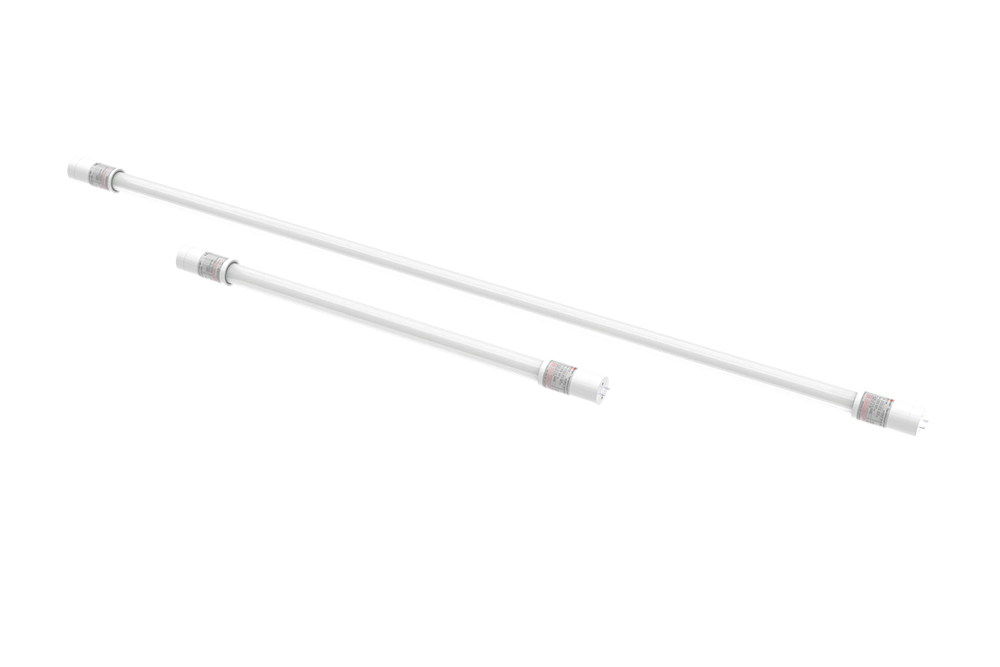
ATEX: Ex II 2G Ex d e IIB T6 Gb ATEX: Ex d e IIB T6 Gb; Feature: ● For Zone 1,2● 9W can replace 18W fluorescent lamps,50% Energy saving Application: Oil and gas, marine, Chemical, pharmaceutical, semiconductor,mining,military industry, paint booth,power plant ETC hazardous area. Technical Specifications: Standards:60079-0, 60079-1, 60079…
View details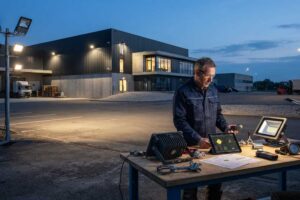
Choose flood lights by matching lumen output, beam angle, mounting height, environment, color temperature, controls, and efficiency to the actual application.
View details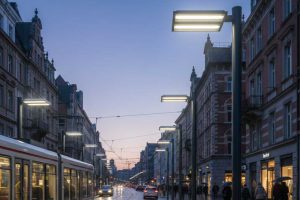
How much do LED street lights cost for roads, parking areas, and municipal projects? This guide explains price ranges, cost factors, and real-world LED street lighting choices from SEEKINGLED.
View details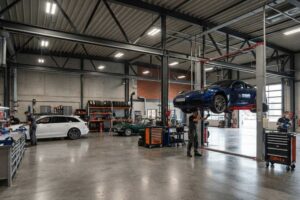
Can you use high bay lights in a garage? Learn when high bays make sense, how to choose wattage, beam angle, mounting height, and glare control for garages.
View details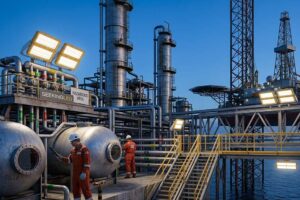
Explore explosion proof LED light fixtures for hazardous locations. Learn certifications, performance data, installation practices, and industry applications.
View details