 Seeking LED
Are LED High Bay Lights Good as Outdoor Security Lights?
181Are LED high bay lights good as outdoor security lights? This Q&A explains when they work, limitations, mounting height, and real outdoor applications.
View detailsSearch the whole station
What is hazardous area – zone 1 & 2 atex lighting?
Hazardous area – zone 1 & 2 atex lighting refers to lighting fixtures specifically certified for locations where flammable gases, vapors, or explosive atmospheres may be present. These luminaires are engineered to prevent ignition sources and comply with ATEX safety requirements for hazardous industrial environments.
That is the technical definition.
In reality, the importance of hazardous-area lighting becomes much clearer when standing inside a refinery, LNG terminal, or chemical processing plant. The atmosphere may appear calm. Pipes quietly transport hydrocarbons. Pumps hum in the background. Workers move through their routines.
Yet everyone on site understands the same thing.
Under the right conditions, a single ignition source can be enough.
This is why hazardous area – zone 1 & 2 atex lighting exists.
Not because facilities need brighter illumination.
Because they need safer illumination.
Before discussing lighting, it helps to understand what a hazardous area actually is.
A hazardous area is any location where an explosive atmosphere may form due to the presence of:
When these materials mix with oxygen in the right concentration, even a small spark or excessive surface temperature can become dangerous.
The challenge is that many industrial operations cannot eliminate these substances.
Oil and gas facilities need hydrocarbons.
Chemical plants need solvents.
LNG terminals handle natural gas.
The hazardous atmosphere is often part of normal operations.
Therefore, equipment installed in these locations must be designed differently.
Lighting included.
ATEX originates from the French phrase:
“ATmosphères EXplosibles”
It refers to the European regulatory framework governing equipment used in explosive atmospheres.
The current foundation is the ATEX Directive 2014/34/EU.
According to the European Commission, equipment intended for explosive environments must satisfy essential health and safety requirements before being placed on the market.
Source:
European Commission
https://single-market-economy.ec.europa.eu
For lighting manufacturers, this means products undergo specialized testing and certification processes that standard industrial luminaires do not require.
Certification is not merely a label.
It reflects design, testing, documentation, and compliance.
One of the first things engineers determine during a hazardous-area project is the zone classification.
Zone classification is based on the likelihood of explosive atmospheres occurring.
Zone 1 refers to locations where explosive gas atmospheres are likely to occur occasionally during normal operation.
Typical examples include:
The key phrase is “during normal operation.”
The possibility of gas release is anticipated.
That is why protection requirements are more demanding.
Zone 2 areas represent a lower level of risk.
Explosive atmospheres are not expected during normal operation.
If they occur, they typically exist only for a short duration.
Examples include:
Lower risk does not mean no risk.
Appropriate certification is still required.
| Feature | Zone 1 | Zone 2 |
|---|---|---|
| Explosive Atmosphere Presence | Occasional During Normal Operation | Unlikely During Normal Operation |
| Risk Level | Higher | Moderate |
| Equipment Category | Category 2G | Category 3G |
| Certification Requirement | More Stringent | Less Stringent |
| Typical Locations | Process Areas | Adjacent Areas |
The distinction may appear small.
In practice, selecting the wrong classification can delay project approvals and require costly replacements.
A common misconception is that all LED fixtures are equally safe.
They are not.
A conventional industrial luminaire focuses primarily on:
An ATEX luminaire must accomplish those objectives while also controlling ignition risks.
This requirement influences:
The engineering effort is significantly greater.
That is why ATEX-certified fixtures typically cost more than standard industrial lighting products.
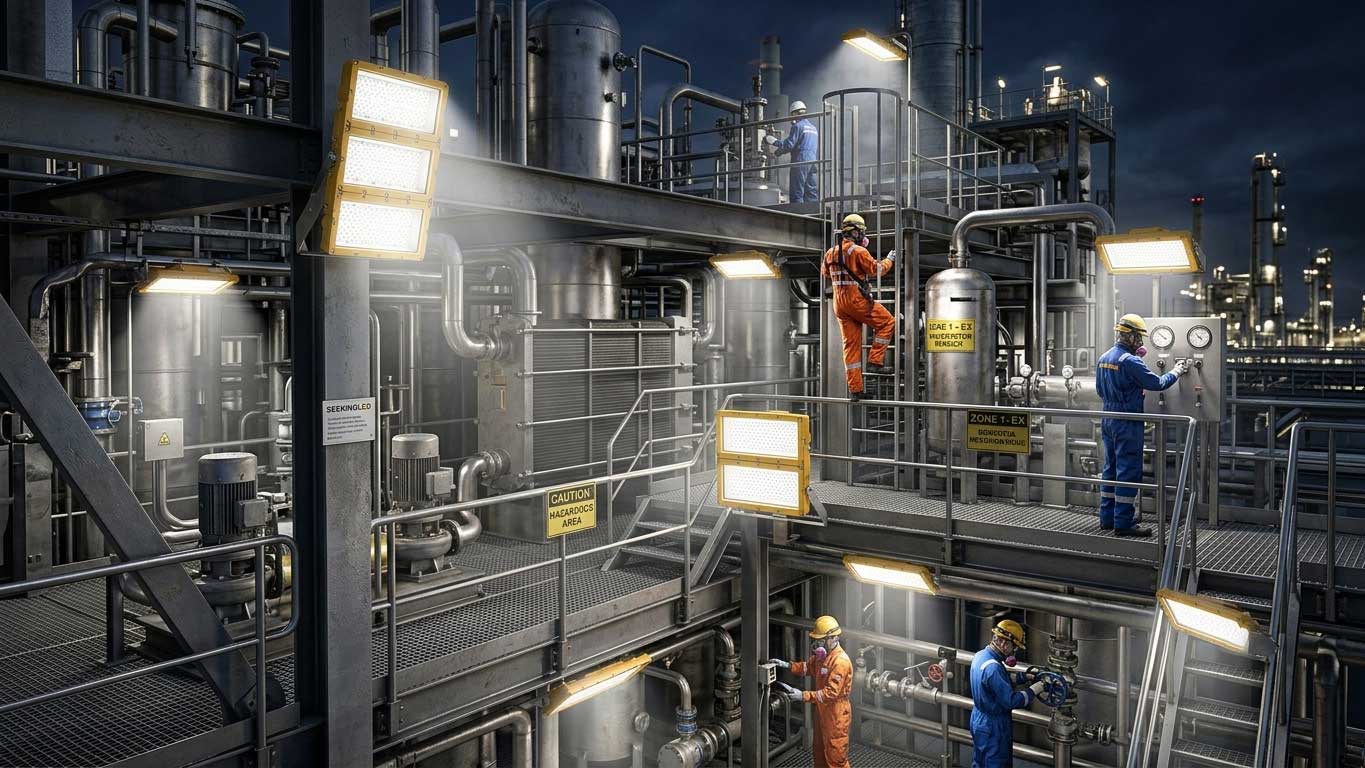
The purpose of ATEX lighting is simple.
Prevent the fixture from becoming an ignition source.
The methods used to achieve this are highly engineered.
Many gases can ignite when exposed to sufficiently hot surfaces.
ATEX-certified luminaires are designed to maintain controlled operating temperatures.
Temperature classifications include:
| Temperature Class | Maximum Surface Temperature |
|---|---|
| T1 | 450°C |
| T2 | 300°C |
| T3 | 200°C |
| T4 | 135°C |
| T5 | 100°C |
| T6 | 85°C |
Facilities handling sensitive gases frequently specify T4, T5, or T6 equipment.
Certain protection concepts use reinforced housings capable of containing internal ignition events.
Instead of allowing an ignition source to spread outside the fixture, the enclosure controls and cools escaping gases.
Cable glands and sealing systems are engineered to maintain enclosure integrity.
This detail often receives less attention than lumen output but has a major impact on safety performance.
Fifteen years ago, hazardous facilities commonly relied on:
Today, LED technology dominates new installations.
According to the International Energy Agency (IEA), LEDs are the most energy-efficient mainstream lighting technology currently available and continue to reduce electricity consumption worldwide.
Source:
International Energy Agency (IEA)
https://www.iea.org
The advantages are particularly valuable in hazardous locations because maintenance interventions often require:
Longer fixture life directly reduces operational disruption.
Many people associate ATEX lighting exclusively with oil refineries.
The reality is much broader.
Common applications include:
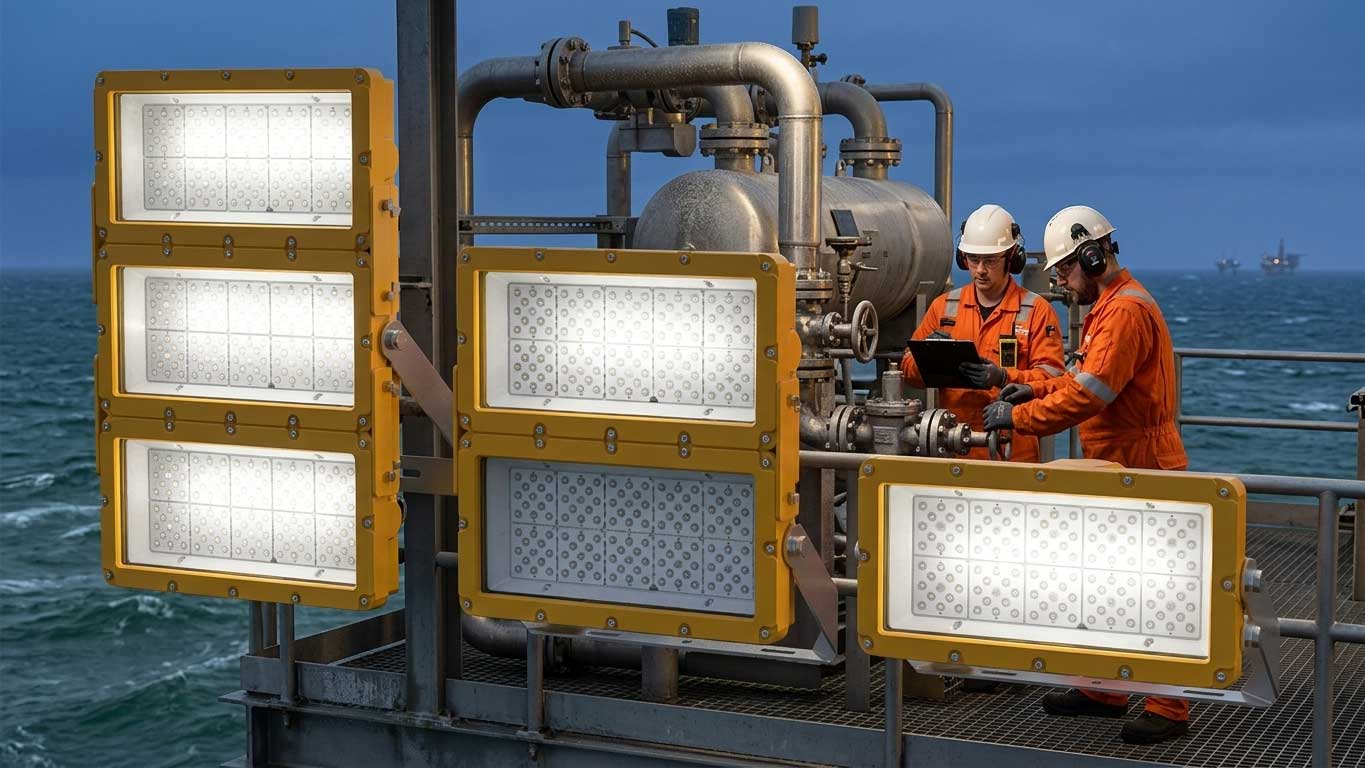
After reviewing numerous industrial lighting projects, I have noticed that experienced engineers rarely begin with lumen output.
Instead, they evaluate:
Brightness matters.
Reliability matters more.
A slightly less powerful fixture that operates reliably for ten years often creates greater value than a brighter product requiring frequent maintenance.
That perspective usually comes from experience rather than specifications.
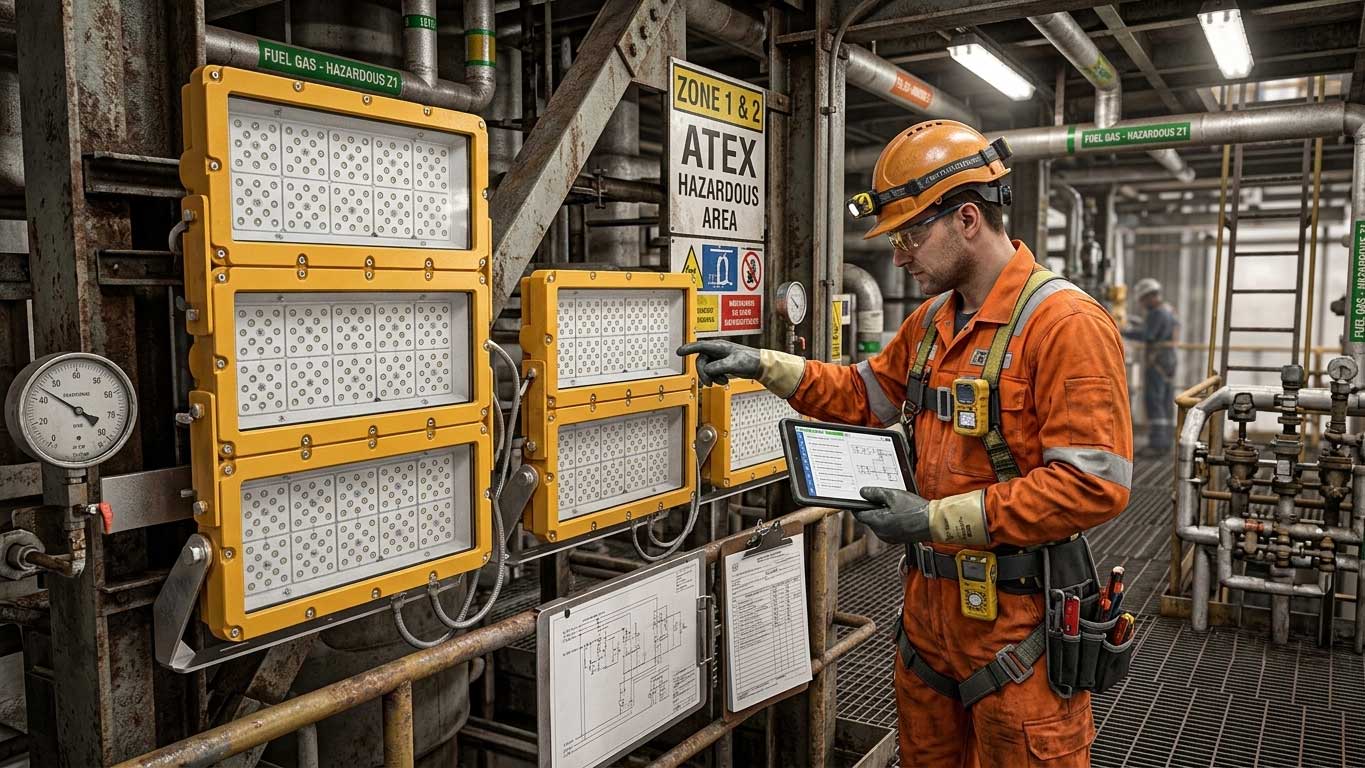
It is lighting equipment specifically certified for locations where explosive gas atmospheres may occur and designed to prevent ignition risks.
Zone 1 areas may experience explosive atmospheres during normal operation, while Zone 2 areas only encounter them under abnormal conditions.
For equipment used in explosive atmospheres within the European Union, ATEX compliance is generally required.
No. Standard LED fixtures are not designed or certified for explosive atmospheres.
Premium ATEX luminaires commonly achieve operating lifetimes between 50,000 and 100,000 hours depending on conditions.
Visit product page:Hazardous Area – Zone 1 & 2 ATEX Lighting
So, What is hazardous area – zone 1 & 2 atex lighting?
It is far more than a lighting fixture. It is a safety-critical component engineered to operate reliably in environments where flammable gases and explosive atmospheres may be present. Through specialized design, strict certification, and advanced thermal management, these luminaires help protect facilities, personnel, and operations every day.
At SEEKINGLED, we understand that selecting the right What is hazardous area – zone 1 & 2 atex lighting solution is not simply about illumination—it is about maintaining safety, compliance, and long-term operational reliability in some of the world’s most demanding industrial environments.
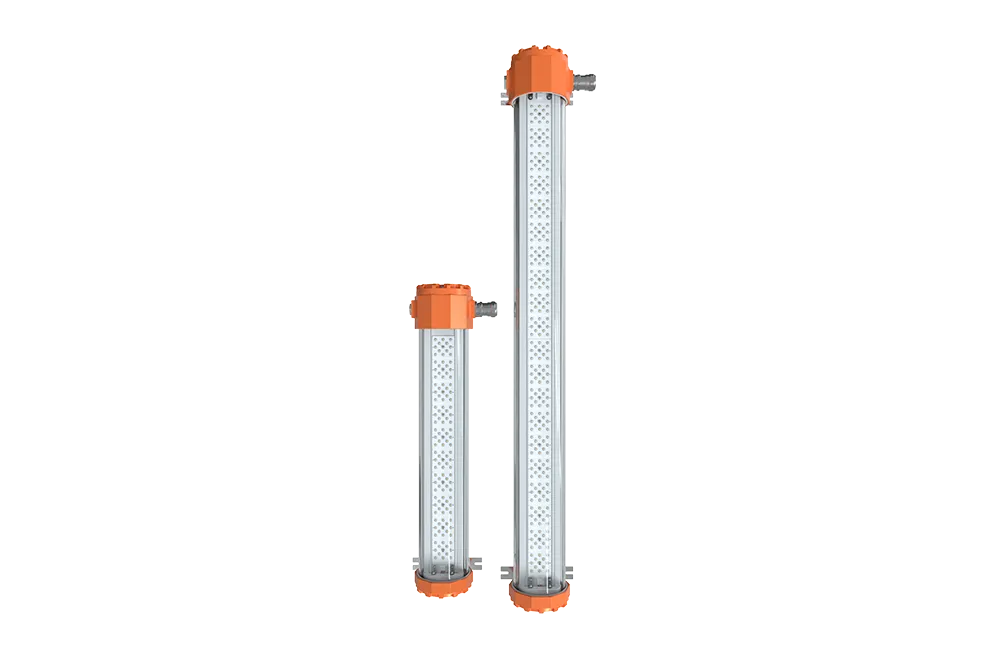
SEEKINGLED LED Linear Explosion Proof Light and Explosion Proof lighting is ATEX and IECEx certified for Zone 1, Zone 2, Zone 21 and Zone 22 hazardous locations, built for long-term industrial use.
View details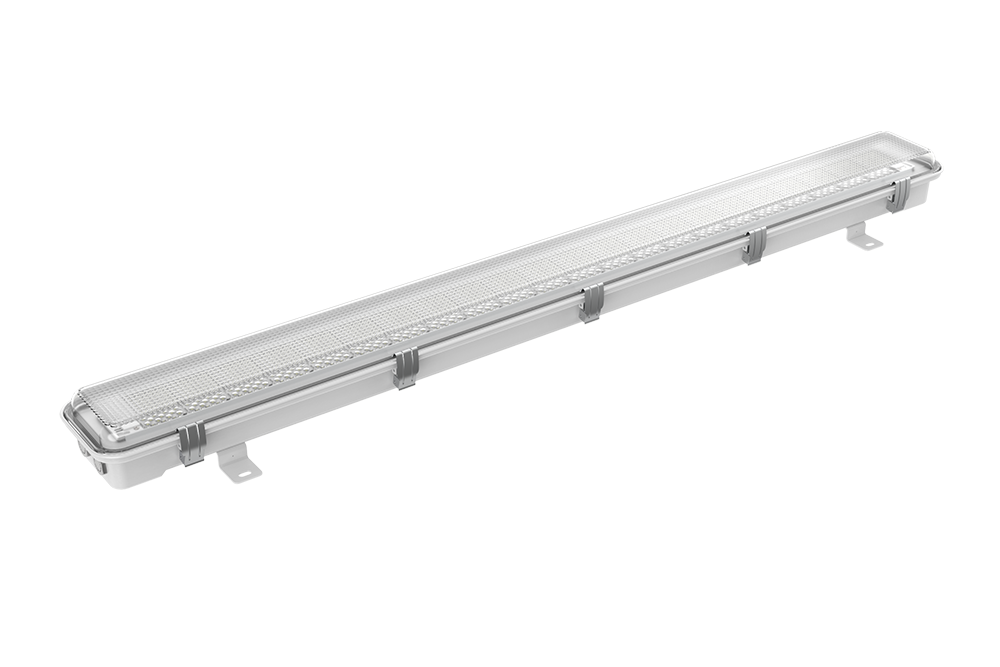
LED Linear Explosion Proof Lights and EX Proof lights for Zone 1, Zone 2, Zone 21 and Zone 22 hazardous areas. ATEX & IECEx certified explosion proof LED linear lighting with emergency function, adjustable power and IP67 protection by SEEKINGLED.
View details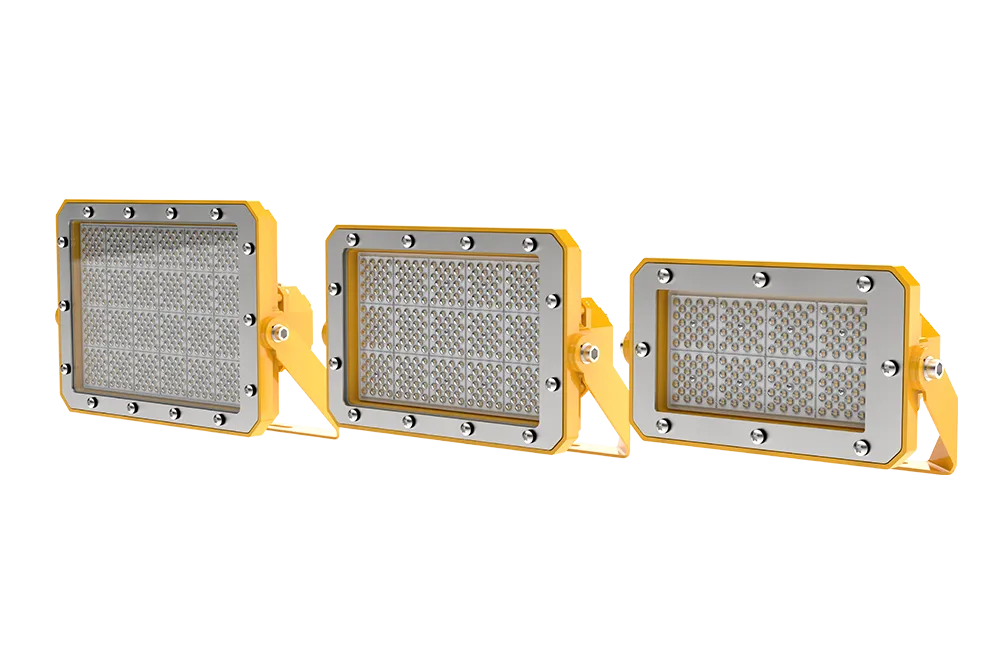
SEEKINGLED LED Explosion Proof Flood Lights are ATEX certified for Zone 2 and Zone 22 hazardous areas, offering high efficiency, adjustable power and integrated junction box.
View details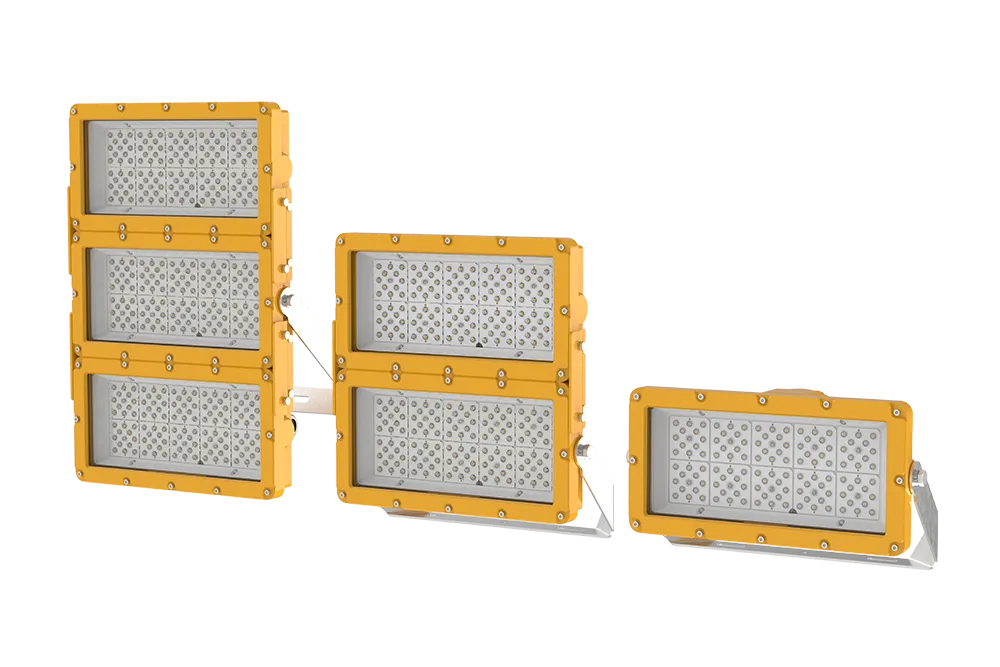
SEEKINGLED LED Explosion Proof Flood Lights are flameproof ATEX and IECEx certified for Zone 1 and Zone 2 hazardous areas, offering high power, adjustable output and long service life.
View details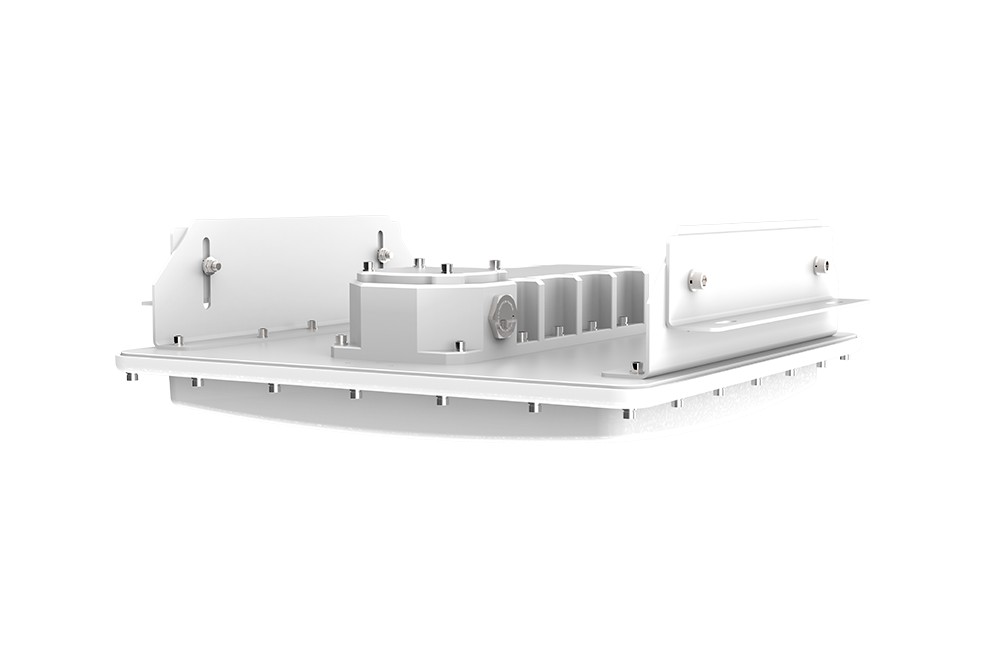
SEEKINGLED LED Gas Station Canopy Lights are ATEX certified for Zone 2 and Zone 22 hazardous areas, featuring adjustable power and built-in explosion-proof junction box.
View details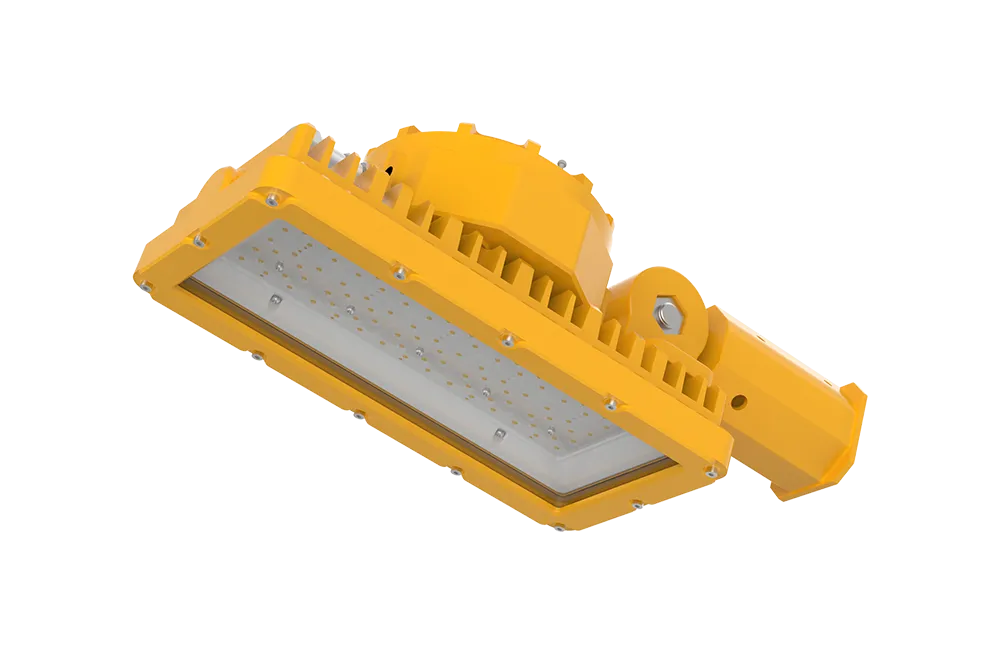
ATEX: Ex II 2G Ex db IIB T6/T5 GbEx II 2D Ex tb IIIC T80°C/ T95°C Db IECEx Ex db IIB T6 Gb;Ex tb IIIC T80°C Db Feature: ● For Zone 1,2 and Zone 21,22● Flameproof type, the strongest● 100W can replace 250W HID,energy saving● Power:60W,80W,100W Application: Oil and gas, marine, Chemical, pharmaceutical, semiconductor,mining,military industr…
View details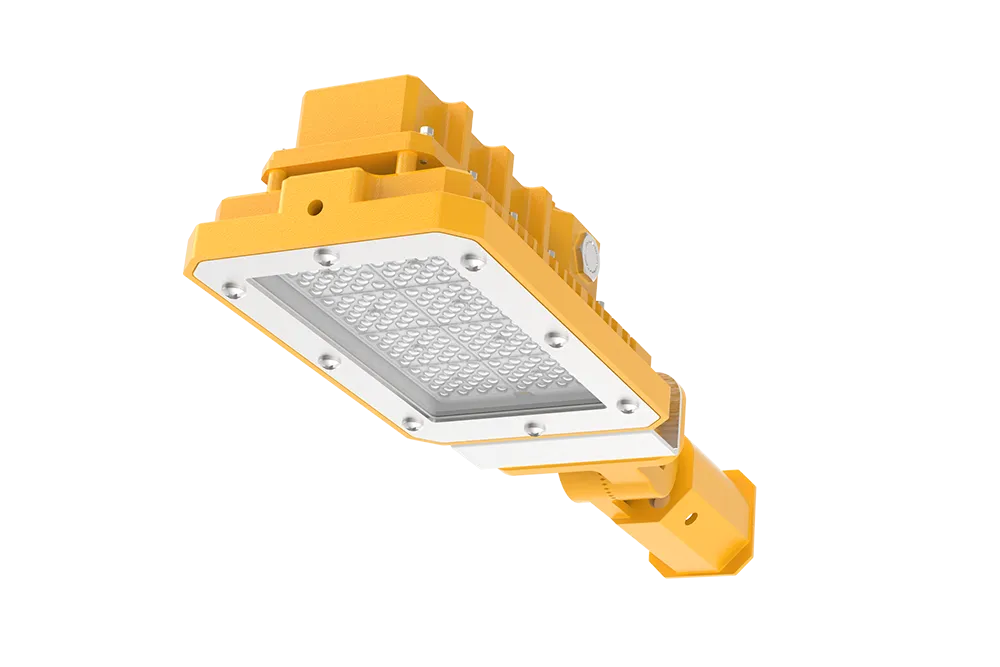
ATEX: II 3G Ex nR ⅡC T5/T6 GcII 3D Ex tc ⅢC T80℃/T95℃Dc ATEX Certificate NO: TÜV CY 26 ATEX 0207611 X Feature: ● For Zone 2 and Zone 22● 150W can replace 250W HID lamps,Energy saving● Power:50W,75W,100W,150W,200W Application: Oil and gas, marine, Chemical, pharmaceutical, semiconductor,mining,military industry, paint booth,power plant ETC…
View details
LED explosion proof high bay lights are designed for Zone 1, Zone 2, Zone 21 and Zone 22 hazardous areas. This page introduces the HB21 Series from SEEKING, including certifications, power options and real application considerations.
View details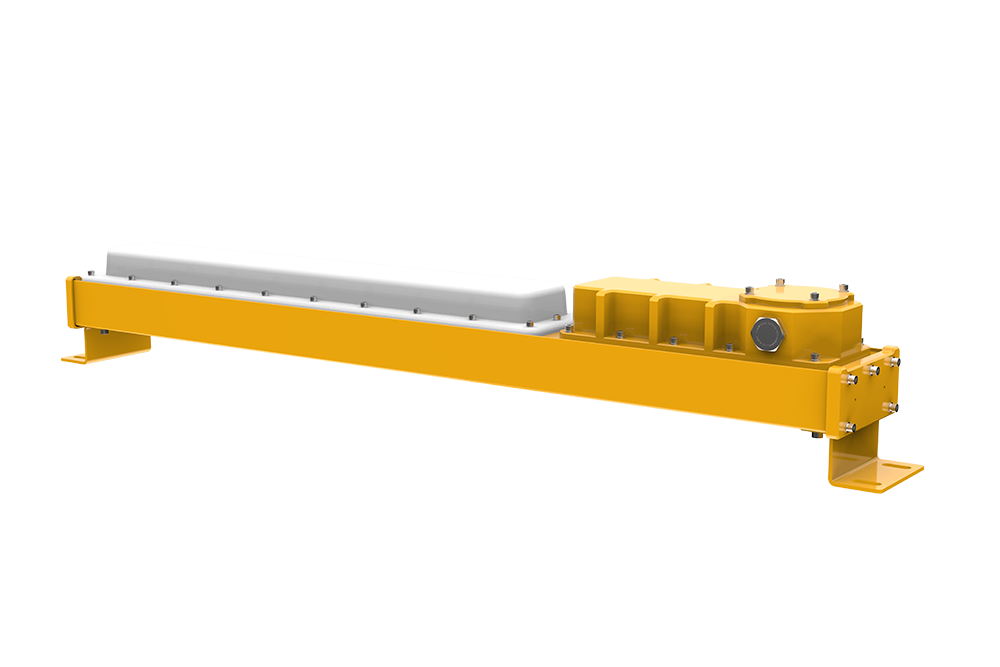
LED Linear Explosion Proof Lights from SEEKINGLED. LU Series Flame Proof lights ATEX-certified explosion proof LED linear lighting for Zone 2 gas and Zone 22 dust areas, IP69K, IK10, long lifetime and flexible power options.
View details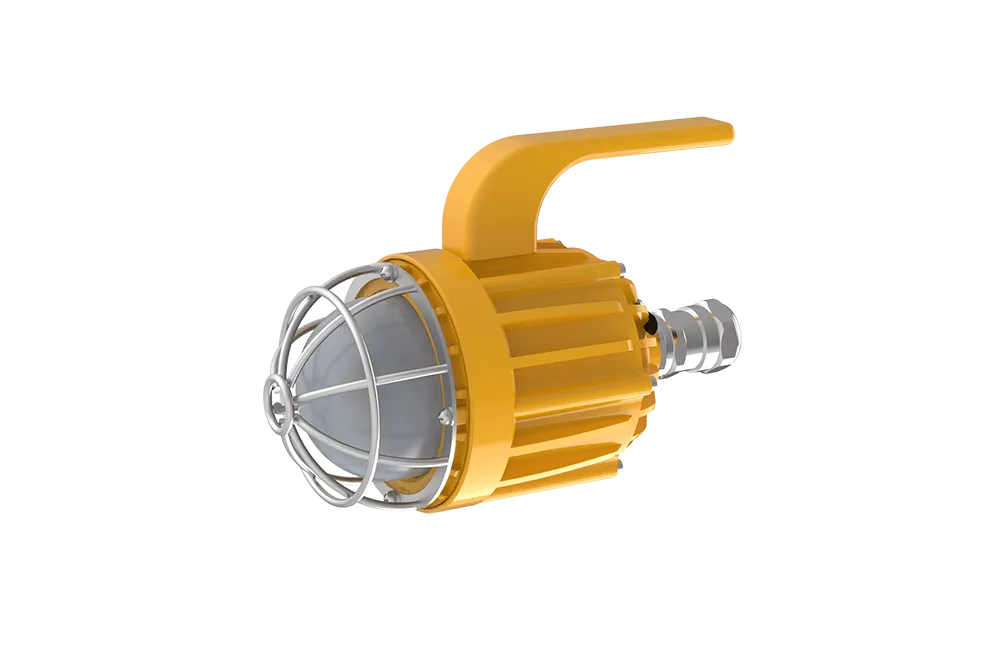
Certified explosion proof work lights for Zone 1 & 21 hazardous areas. Portable, ATEX & IECEx approved, built for oil, gas and chemical plants by SEEKINGLED.
View details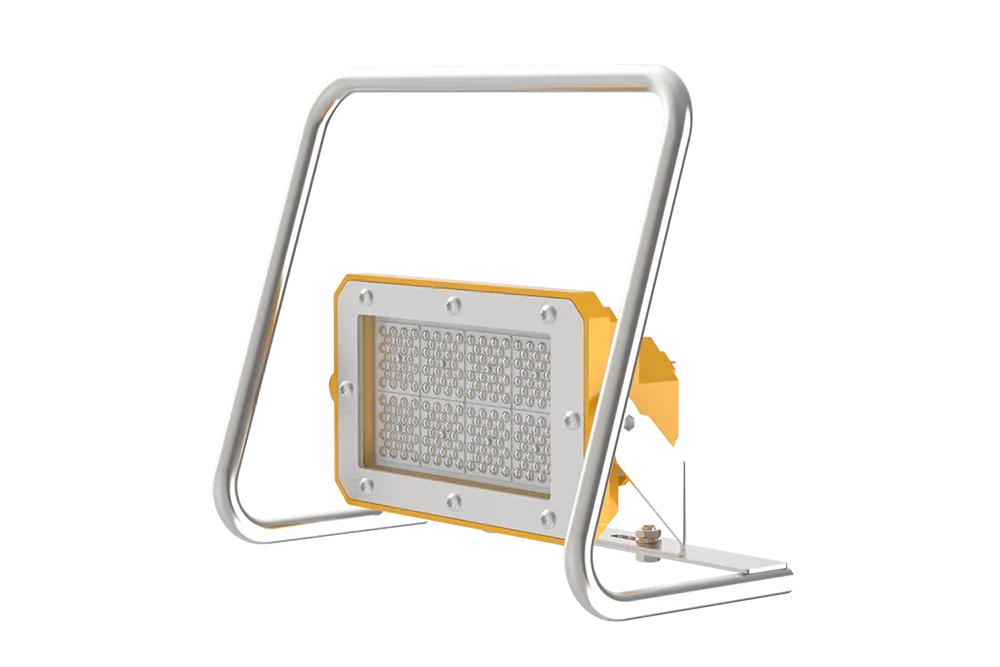
ATEX: II 3G Ex nR ⅡC T6 GcII 3D Ex tc ⅢC T80℃ Dc ATEX Certificate NO: TÜV CY 26 ATEX 0207611 X Feature: ● For Zone 2 and Zone 22● Accepts battery-powered supply● indestructible● Power:AC input:50W,75W,100WDC input:15W,25W,35W Application: Oil and gas, marine, Chemical, pharmaceutical, semiconductor,mining,military industry, paint booth,po…
View details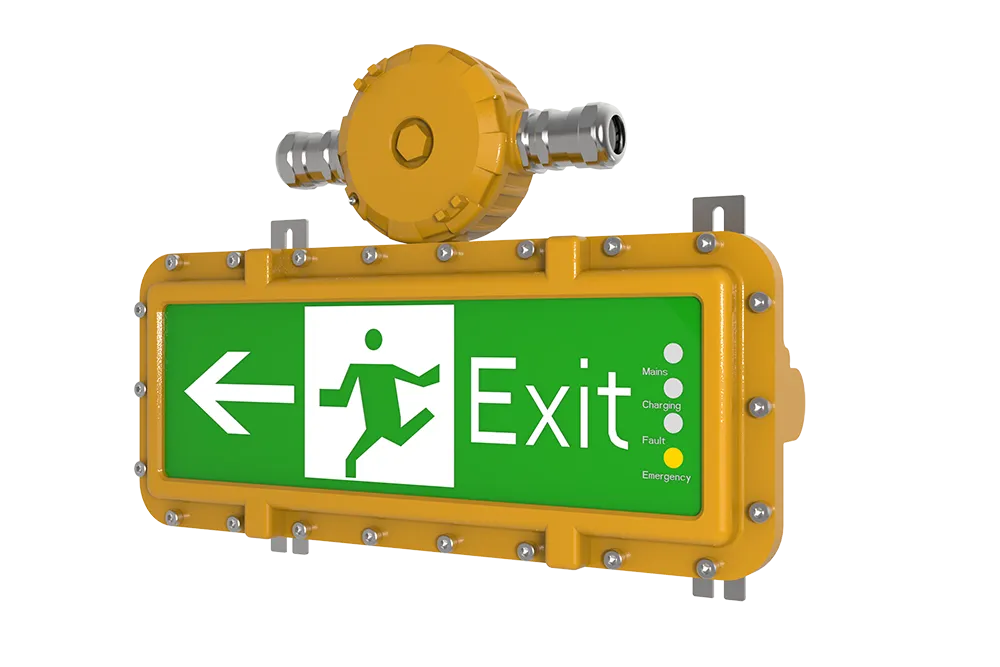
ATEX: Ex II 2G Ex db IIB T6 GbEx II 2D Ex tb IIIC T80°C Db IECEx Ex db IIB T6 Gb;Ex tb IIIC T80°C Db Feature: ● For Zone 1,2 and Zone 21,22● Flameproof type, the strongest Application: Oil and gas, marine, Chemical, pharmaceutical, semiconductor,mining,military industry, paint booth,power plant ETC hazardous area. Technical Specifications:…
View details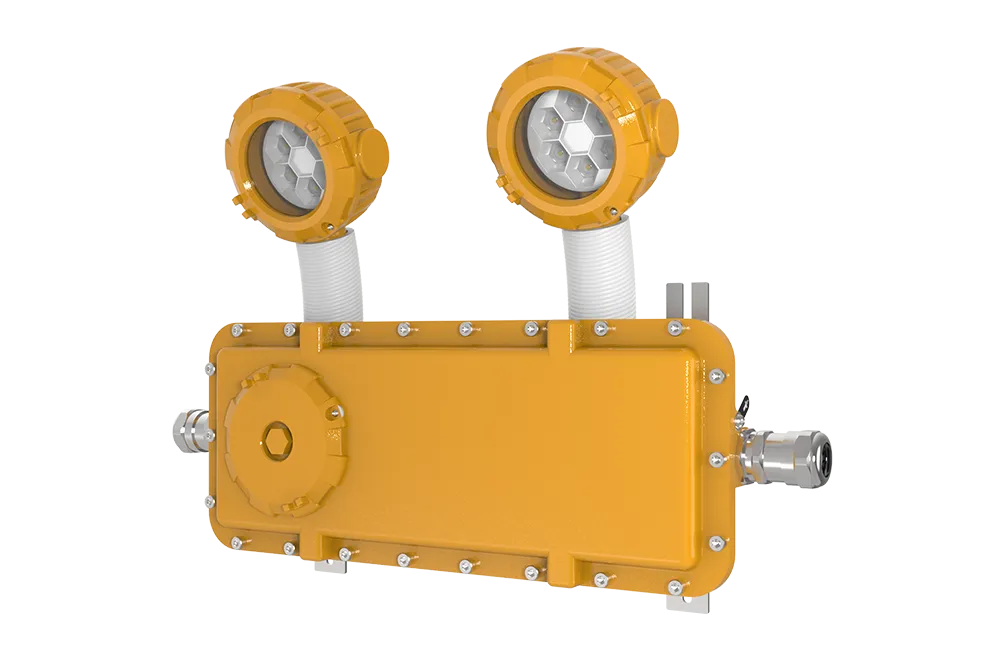
ATEX: Ex II 2G Ex db IIB T6 GbEx II 2D Ex tb IIIC T80°C Db IECEx Ex db IIB T6 Gb;Ex tb IIIC T80°C Db Feature: ● For Zone 1,2 and Zone 21,22● Flameproof type, the strongest Application: Oil and gas, marine, Chemical, pharmaceutical, semiconductor,mining,military industry, paint booth,power plant ETC hazardous area. Technical Specifications:…
View details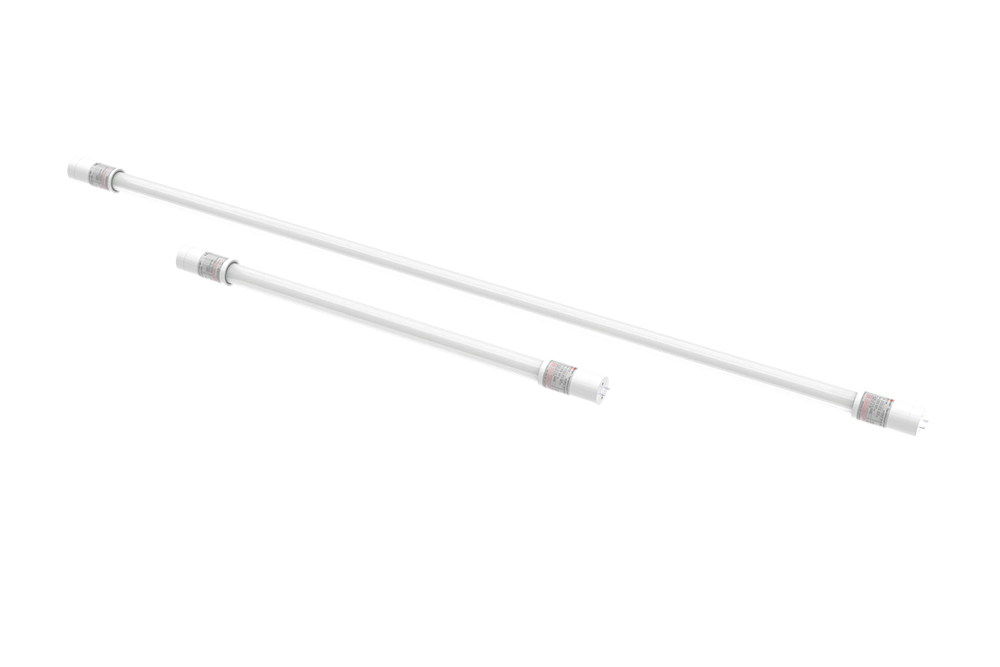
ATEX: Ex II 2G Ex d e IIB T6 Gb ATEX: Ex d e IIB T6 Gb; Feature: ● For Zone 1,2● 9W can replace 18W fluorescent lamps,50% Energy saving Application: Oil and gas, marine, Chemical, pharmaceutical, semiconductor,mining,military industry, paint booth,power plant ETC hazardous area. Technical Specifications: Standards:60079-0, 60079-1, 60079…
View details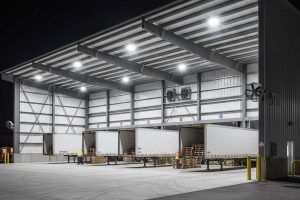
Are LED high bay lights good as outdoor security lights? This Q&A explains when they work, limitations, mounting height, and real outdoor applications.
View details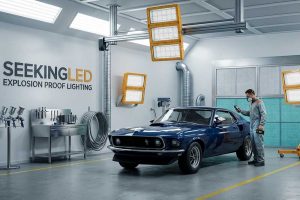
Explosion proof lights for paint booth ensure safe, uniform illumination in flammable spray zones. Learn standards, layout tips, and expert insights.
View details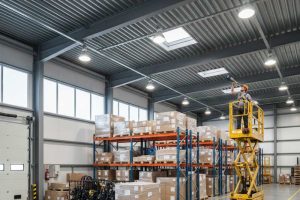
How to stop LED high bay lights from flickering, ghosting, or turning off unexpectedly. Practical causes and fixes used in real industrial sites.
View details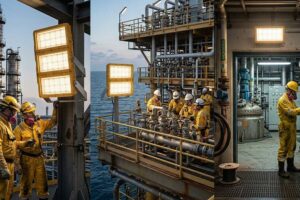
Where is hazardous area LED lighting used? Discover how explosion-proof LED lighting protects oil, gas, marine, mining, and chemical facilities safely.
View details