 Seeking LED
Why Lighting for Hazardous Areas Exists?
0Why Lighting for Hazardous Areas Exists is a critical question for industrial safety. Learn how hazardous area lighting prevents ignition risks and protects workers.
View detailsSearch the whole station
Ex lighting refers to lighting equipment specifically engineered and certified for hazardous locations where flammable gases, vapors, dust, or explosive atmospheres may be present. Properly certified Ex lighting prevents ignition sources and provides safe illumination in industrial environments.
Most people first encounter the term “Ex lighting” while reading a specification sheet.
Engineers see it.
Procurement teams see it.
Inspectors certainly see it.
But very few people encounter Ex lighting where it actually matters.
Inside a refinery at 3 a.m.
Along a loading rack during winter rain.
On an offshore platform where salt spray reaches everything.
The fixture hanging overhead may look ordinary.
It isn’t.
Because ordinary lights are designed to produce illumination.
Ex lighting is designed to avoid becoming an ignition source.
That difference changes everything.
The “Ex” marking originates from equipment intended for explosive atmospheres.
The symbol appears throughout hazardous-area equipment:
The marking indicates that the equipment has been designed and certified for operation where explosive atmospheres may exist.
According to the European ATEX Directive 2014/34/EU, equipment intended for explosive atmospheres must meet essential health and safety requirements before being placed on the market.
Source:
European Commission
https://single-market-economy.ec.europa.eu
The word itself is short.
The engineering behind it is not.
Three elements create an explosion.
This is often called the fire triangle.
Industrial facilities cannot always remove fuel.
Oil refineries process hydrocarbons.
Chemical plants use solvents.
Gas terminals handle methane.
The fuel remains present.
The equipment therefore must eliminate the ignition source.
Lighting fixtures can potentially create:
Ex lighting is engineered specifically to control these risks.
Not every industrial building requires Ex lighting.
Warehouses generally do not.
Office buildings certainly do not.
Hazardous locations often include:
One refinery engineer once described hazardous locations perfectly:
“The air looks normal until it isn’t.”
That statement has stayed with me for years.
Ex lighting selection begins with area classification.
Without knowing the zone, selecting the fixture becomes guesswork.
| Zone | Description |
|---|---|
| Zone 0 | Explosive atmosphere continuously present |
| Zone 1 | Explosive atmosphere likely during normal operation |
| Zone 2 | Explosive atmosphere unlikely and temporary |
Zone 1 and Zone 2 account for the majority of industrial Ex lighting installations.
Zone classification directly affects equipment requirements.
Examples include:
Gas release may occur during normal operations.
Protection requirements are therefore more demanding.
Examples include:
Risk remains.
Probability decreases.
This distinction determines certification requirements.
Many engineers encounter markings such as:
Ex db IIC T6 Gb
To newcomers, these codes can seem overwhelming.
They are actually very practical.
| Marking | Meaning |
|---|---|
| Ex | Explosion Protected Equipment |
| db | Flameproof Protection |
| IIC | Hydrogen and Acetylene Group |
| T6 | Maximum Surface Temperature 85°C |
| Gb | Equipment Protection Level |
Understanding these markings prevents specification mistakes.
A fixture may appear suitable while carrying the wrong certification.
That mistake often becomes expensive.
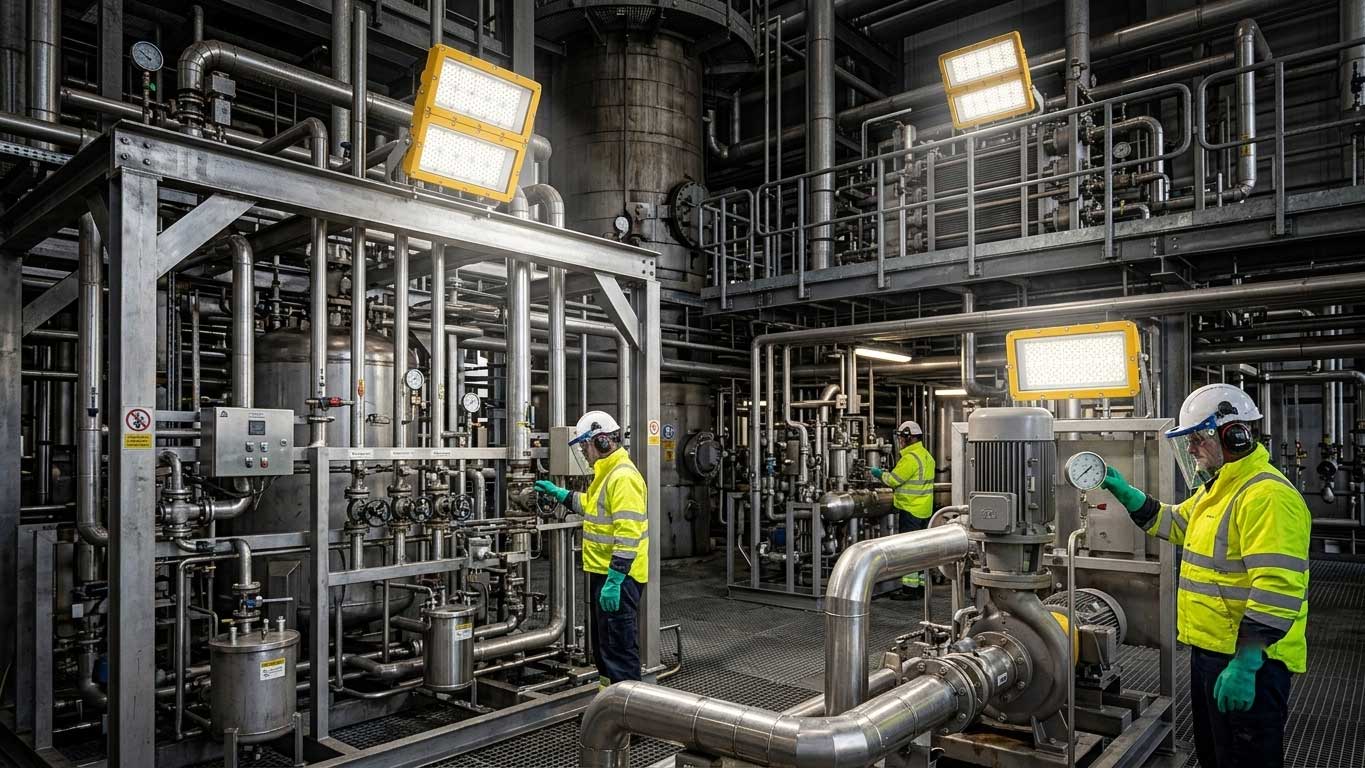
The objective sounds simple.
Prevent ignition.
The engineering required is not.
Surface temperature matters.
Many gases ignite at relatively low temperatures.
ATEX temperature classes control allowable surface temperatures.
| Class | Maximum Temperature |
|---|---|
| T1 | 450°C |
| T2 | 300°C |
| T3 | 200°C |
| T4 | 135°C |
| T5 | 100°C |
| T6 | 85°C |
Many petrochemical facilities specify T4 or T6 equipment.
Certain Ex protection methods contain internal explosions.
If ignition occurs inside the enclosure, it cannot ignite the surrounding atmosphere.
This principle has protected hazardous industries for decades.
Cable glands often receive little attention.
Inspectors pay close attention.
Improper cable entries can compromise the entire protection system.
Fifteen years ago, many hazardous facilities used:
Today, LED dominates new installations.
According to the International Energy Agency, LED lighting continues to be the world’s most efficient mainstream lighting technology.
Source:
International Energy Agency (IEA)
https://www.iea.org
The advantages are significant.
For offshore facilities requiring helicopters and maintenance crews, avoiding one relamping campaign can save substantial operational costs.
Ex lighting serves many industries.
Some applications include:
These environments have different processes.
They share one requirement.
Safe equipment.
Surprisingly, lumen output often appears late in the discussion.
Experienced engineers usually evaluate:
I have reviewed facilities where a lower-output luminaire outperformed brighter competitors simply because it survived harsh conditions longer.
Reliability wins.
Especially when maintenance access is difficult.
Several errors appear repeatedly.
The least expensive fixture often becomes the most expensive later.
Marine environments destroy unsuitable fixtures quickly.
Certification alone is insufficient.
Temperature matters.
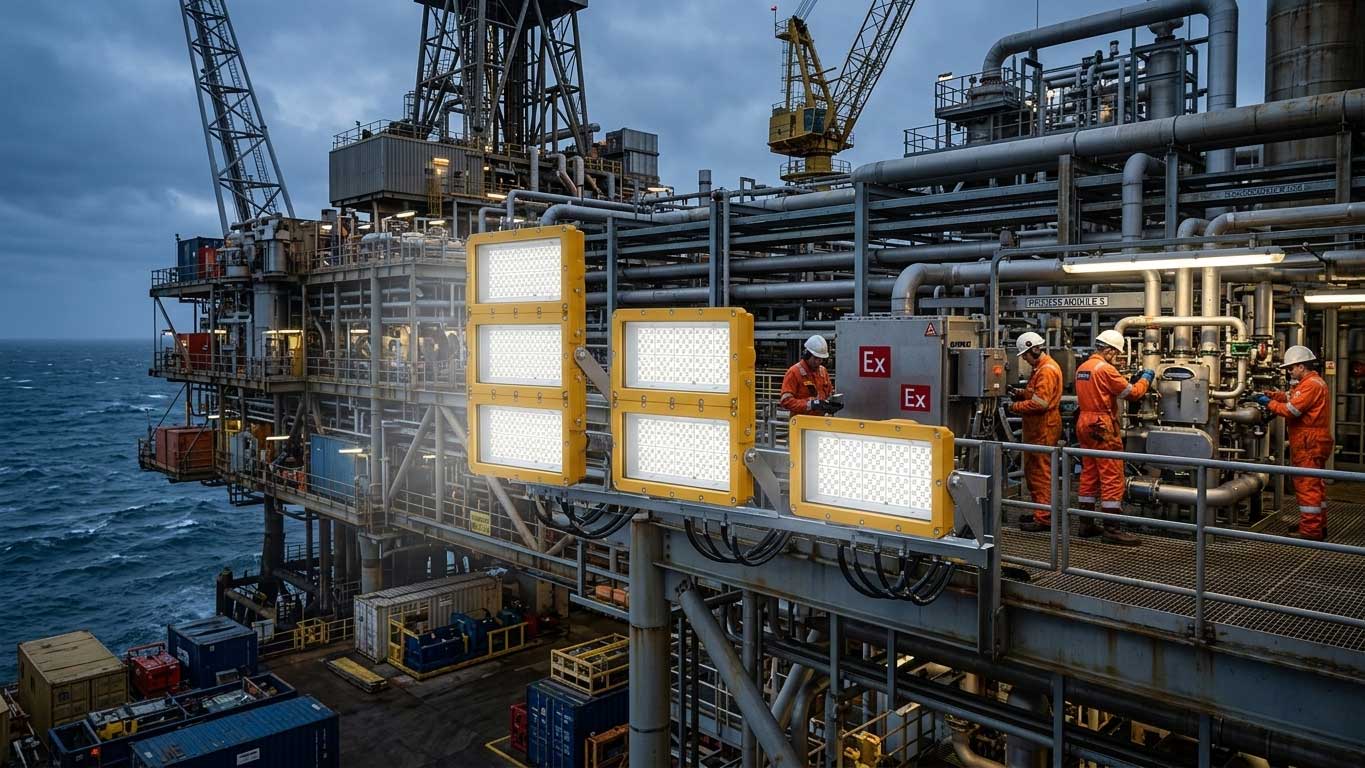
Always request:
Inspectors frequently ask for paperwork before looking at the fixture itself.
The letters following the Ex marking often create confusion for first-time buyers.
A specification may read:
The fixture looks identical from the outside, yet the protection concept is completely different.
Understanding these protection methods helps avoid one of the most expensive mistakes in hazardous-area projects: selecting the wrong protection type.
Ex d, sometimes written as Ex db, is among the most widely used protection methods for hazardous-area lighting.
The principle is straightforward.
If an ignition occurs inside the luminaire, the enclosure contains the explosion and prevents flames from reaching the surrounding atmosphere.
Applications include:
These fixtures generally feature:
Many Zone 1 luminaires use Ex d protection.
Ex e protection reduces the possibility of sparks or excessive temperatures during normal operation.
Rather than containing an explosion, it prevents one from occurring.
Typical applications include:
The design focuses heavily on:
Ex m protection surrounds electrical components with resin or similar materials.
Potential ignition sources become isolated from the hazardous atmosphere.
This protection method is common in:
Historically common in Zone 2 applications, Ex n equipment provides protection by limiting ignition sources under normal operation.
Many modern products have transitioned toward newer IECEx and ATEX approaches, but Ex n terminology still appears in industrial specifications.
Certification protects against explosive atmospheres.
IP ratings protect against the environment.
Both matter.
An ATEX-certified luminaire installed outdoors still faces:
The most common ratings include:
| IP Rating | Protection |
|---|---|
| IP65 | Dust-tight and water jets |
| IP66 | Heavy water jets |
| IP67 | Temporary immersion |
| IP68 | Extended immersion |
Most industrial Ex lighting projects specify:
Offshore facilities often prefer IP66 or IP67 combined with corrosion-resistant construction.
One lesson I learned early in industrial lighting projects is this:
The LED rarely fails first.
Everything around it does.
Bolts corrode.
Coatings deteriorate.
Cable entries weaken.
Gaskets age.
I remember walking through a coastal fuel terminal where several luminaires still produced light perfectly. The drivers were functional. The LEDs remained bright.
But the mounting hardware had deteriorated so badly that replacement became necessary anyway.
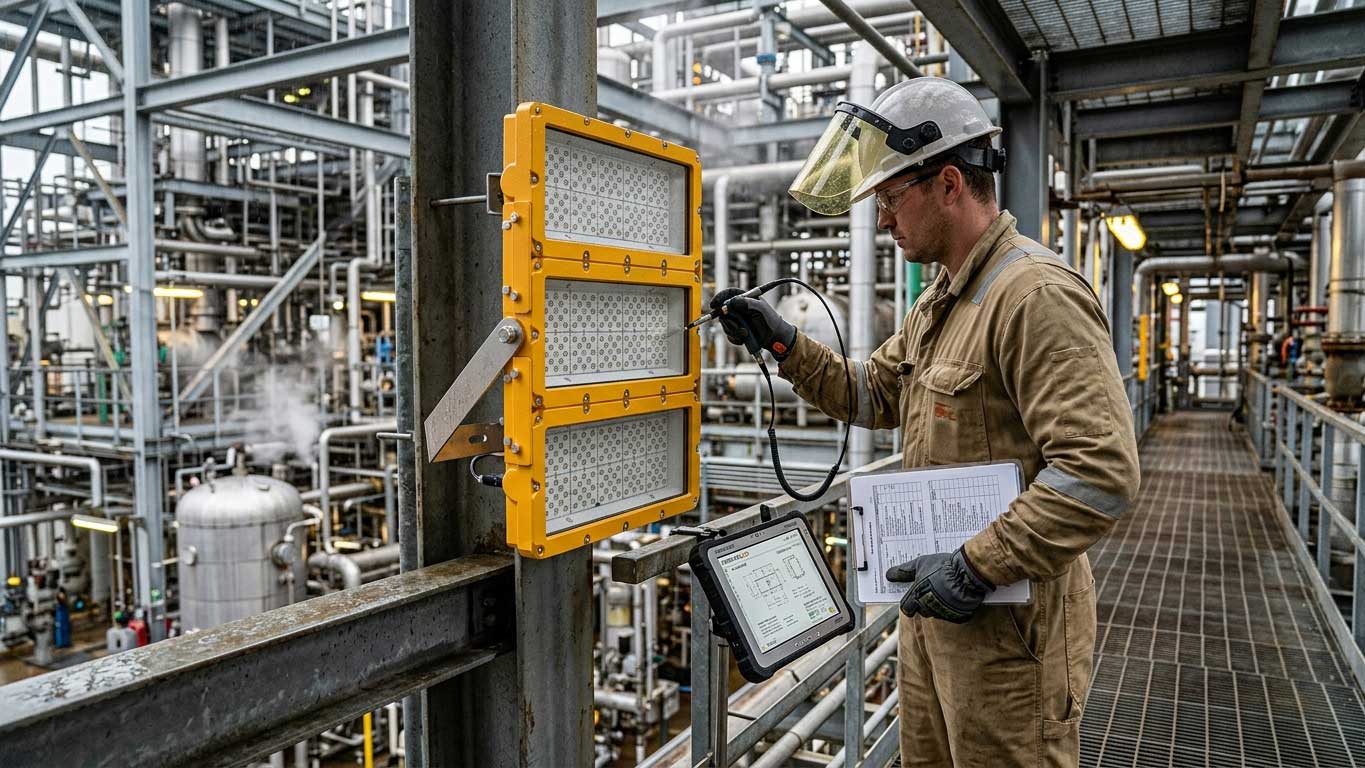
When evaluating Ex lighting, pay attention to:
These details rarely appear in marketing headlines.
Maintenance teams care deeply about them.
One advantage of modern Ex LED lighting is longevity.
Premium industrial fixtures commonly achieve:
Actual performance depends heavily on:
According to the International Energy Agency (IEA), LED technology remains the most energy-efficient mainstream lighting technology available globally.
Source:
International Energy Agency (IEA)
https://www.iea.org
In hazardous locations, maintenance savings often exceed energy savings.
Every maintenance visit may require:
Reducing maintenance frequency reduces risk.
Before purchasing Ex lighting, experienced engineers usually review the following items.
✓ Hazardous zone classification
✓ Gas group
✓ Temperature class
✓ IP rating
✓ Corrosion resistance
✓ Certification documents
✓ Ambient temperature
✓ Mounting method
✓ Maintenance access
✓ Warranty support
Surprisingly, wattage often appears near the bottom of the list.
Brightness matters.
Reliability matters more.
Ex indicates equipment designed and certified for explosive atmospheres where flammable gases, vapors, or dust may be present.View more about:What does Ex mean in Ex lighting
In many industrial applications the terms are used interchangeably, although certification requirements may differ depending on regional standards.
Typical applications include:
No.
Standard industrial luminaires generally lack the required certification and safety protection.
Zone 1 locations may experience explosive atmospheres during normal operations.
Zone 2 locations experience explosive atmospheres only under abnormal conditions.
Additional costs come from:
Premium industrial Ex luminaires often achieve operating lifetimes ranging from 50,000 to 100,000 hours depending on environmental conditions.
Visit the product page:Explosion Proof Lighting
At SEEKINGLED, hazardous-area lighting projects are approached as safety-critical systems rather than ordinary luminaires.
Our engineering experience covers:
Over the years, one observation remains consistent.
The most successful lighting projects are rarely remembered because of brightness.
They are remembered because nobody needed to think about the lighting again.
The fixture worked.
The inspections passed.
Maintenance remained minimal.
Operations continued.
That is ultimately the purpose of Ex lighting.
Ex lighting exists because ordinary industrial lighting cannot safely operate in explosive atmospheres. Through specialized engineering, controlled temperatures, certified protection methods, and rigorous testing, Ex lighting protects personnel, facilities, and operations in hazardous environments.
Whether installed in an offshore platform, a chemical processing plant, or an LNG terminal, properly specified ex lighting provides far more than illumination. It delivers compliance, reliability, and long-term operational safety.
For industrial operators seeking dependable hazardous-area lighting solutions, SEEKINGLED continues to develop ex lighting products designed for demanding environments where safety and reliability remain the highest priorities.
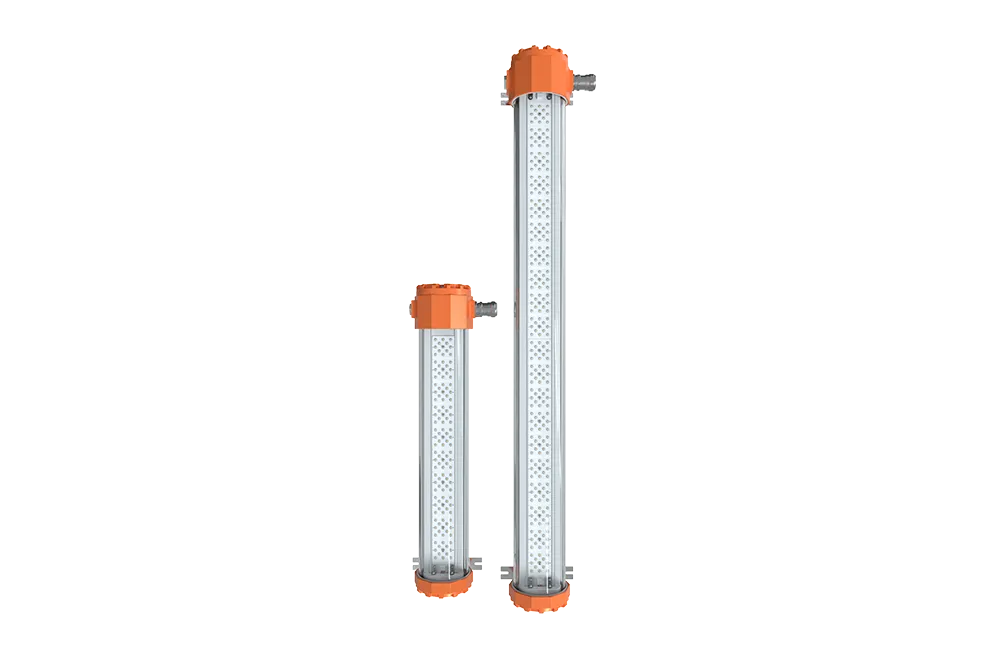
SEEKINGLED LED Linear Explosion Proof Light and Explosion Proof lighting is ATEX and IECEx certified for Zone 1, Zone 2, Zone 21 and Zone 22 hazardous locations, built for long-term industrial use.
View details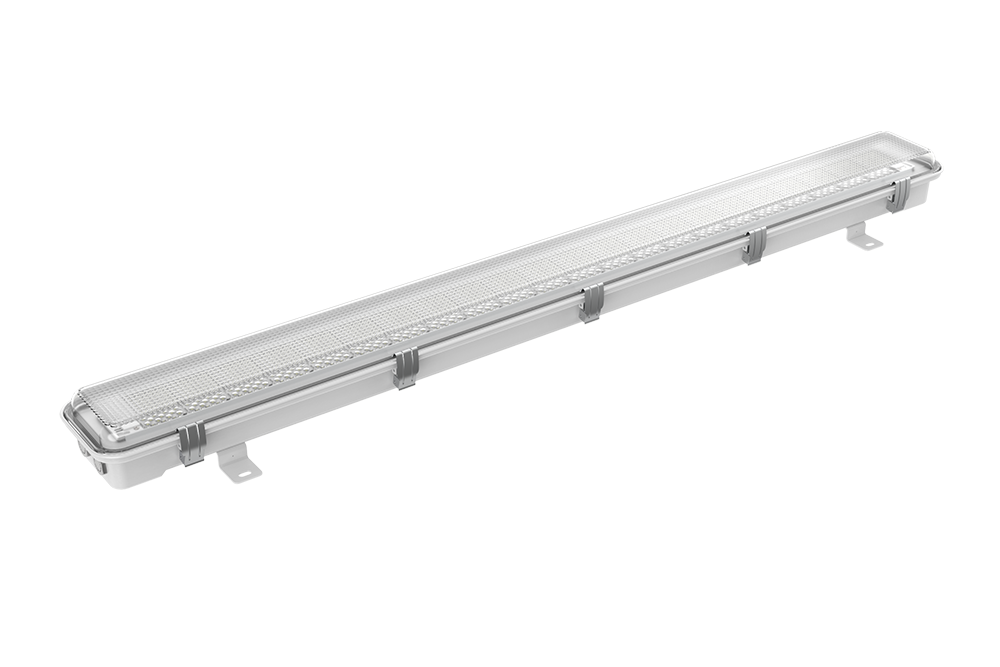
LED Linear Explosion Proof Lights and EX Proof lights for Zone 1, Zone 2, Zone 21 and Zone 22 hazardous areas. ATEX & IECEx certified explosion proof LED linear lighting with emergency function, adjustable power and IP67 protection by SEEKINGLED.
View details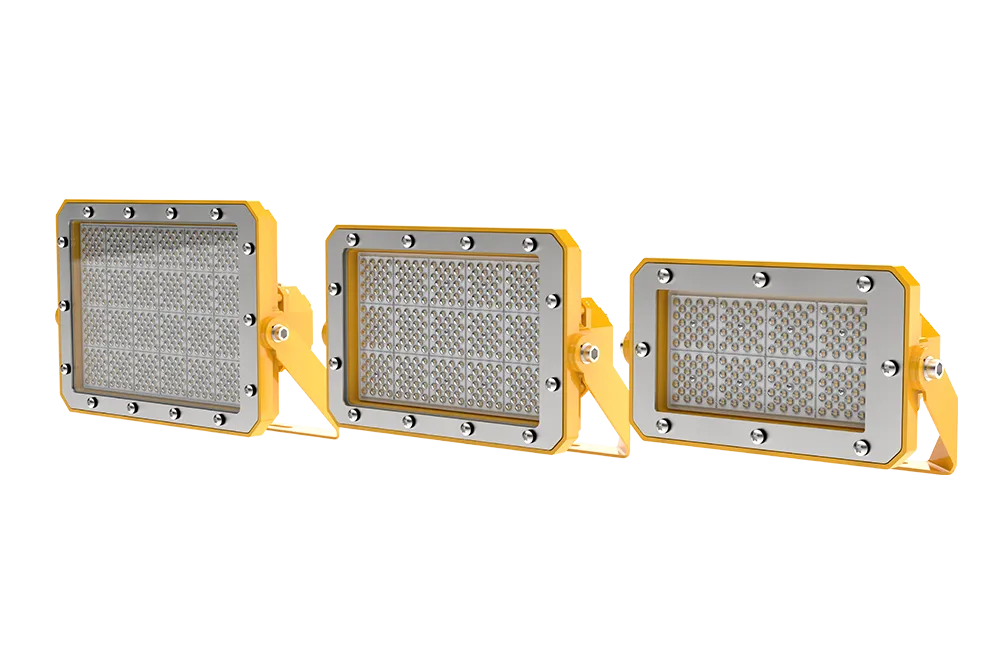
SEEKINGLED LED Explosion Proof Flood Lights are ATEX certified for Zone 2 and Zone 22 hazardous areas, offering high efficiency, adjustable power and integrated junction box.
View details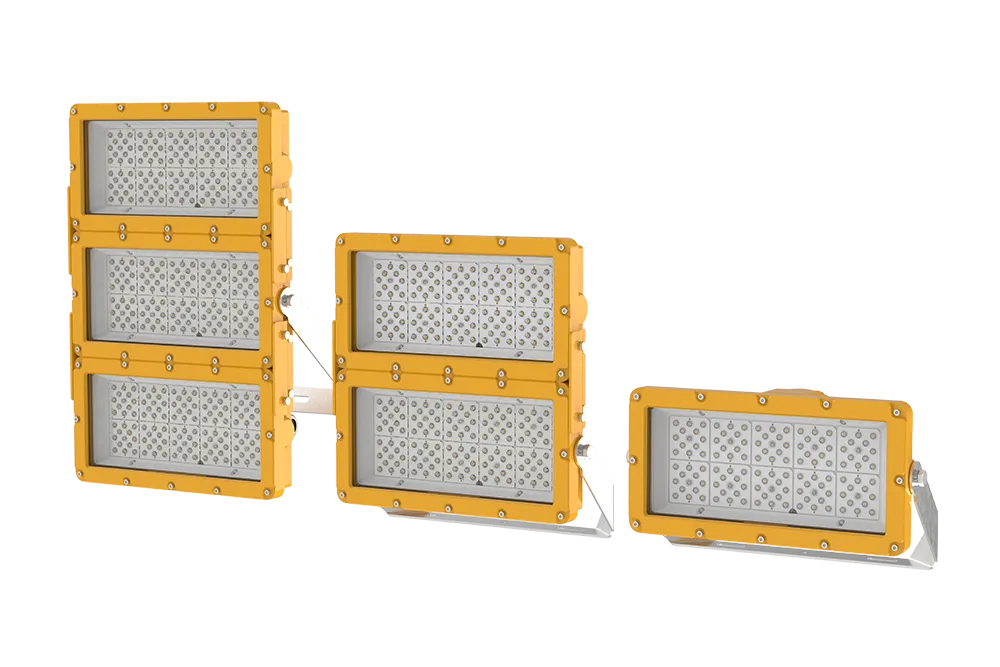
SEEKINGLED LED Explosion Proof Flood Lights are flameproof ATEX and IECEx certified for Zone 1 and Zone 2 hazardous areas, offering high power, adjustable output and long service life.
View details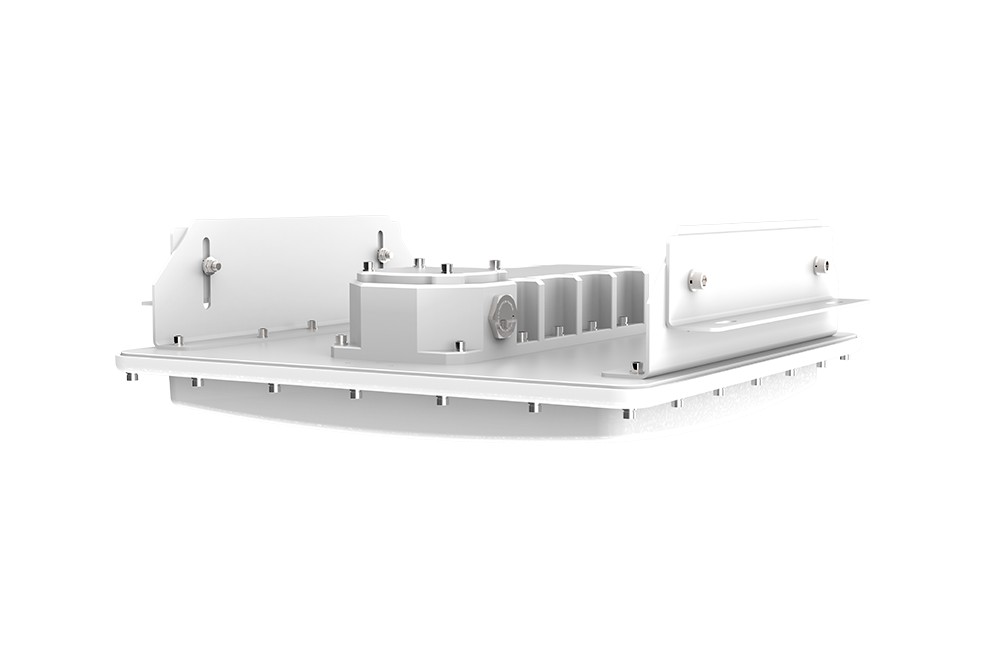
SEEKINGLED LED Gas Station Canopy Lights are ATEX certified for Zone 2 and Zone 22 hazardous areas, featuring adjustable power and built-in explosion-proof junction box.
View details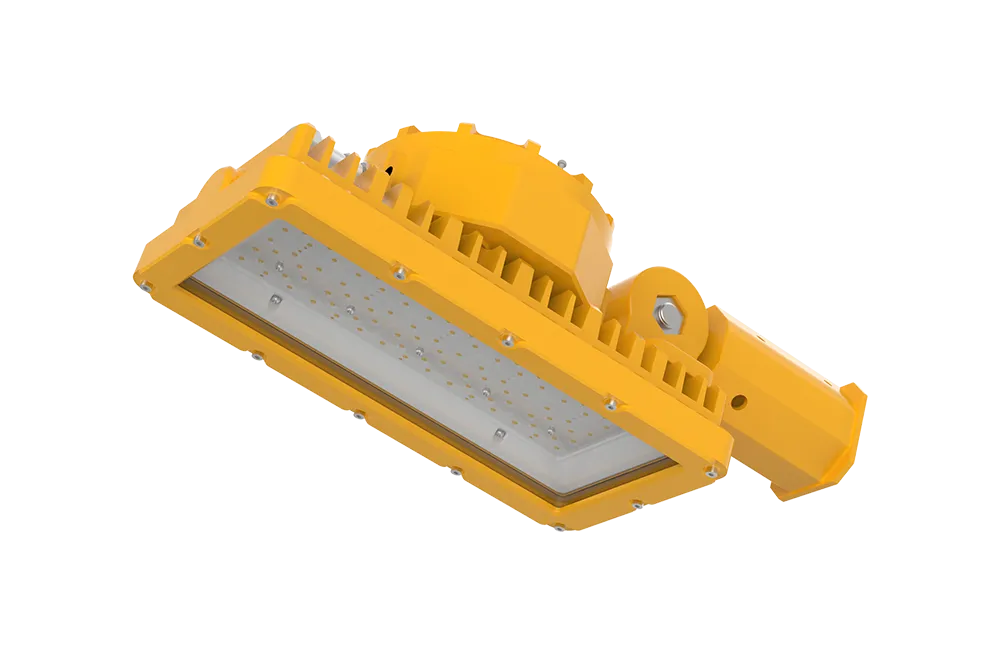
ATEX: Ex II 2G Ex db IIB T6/T5 GbEx II 2D Ex tb IIIC T80°C/ T95°C Db IECEx Ex db IIB T6 Gb;Ex tb IIIC T80°C Db Feature: ● For Zone 1,2 and Zone 21,22● Flameproof type, the strongest● 100W can replace 250W HID,energy saving● Power:60W,80W,100W Application: Oil and gas, marine, Chemical, pharmaceutical, semiconductor,mining,military industr…
View details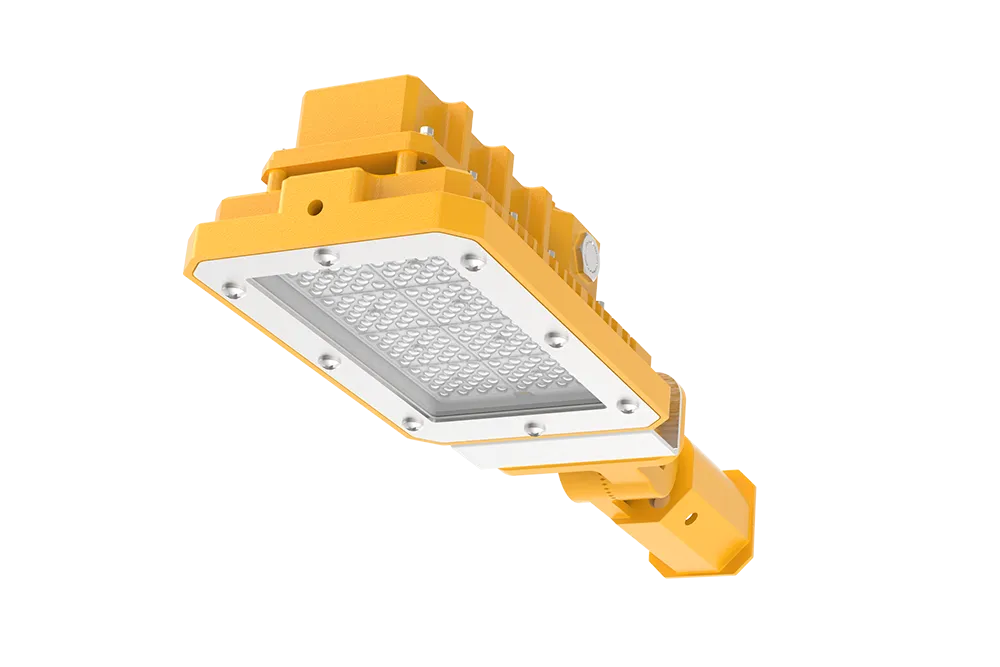
ATEX: II 3G Ex nR ⅡC T5/T6 GcII 3D Ex tc ⅢC T80℃/T95℃Dc ATEX Certificate NO: TÜV CY 26 ATEX 0207611 X Feature: ● For Zone 2 and Zone 22● 150W can replace 250W HID lamps,Energy saving● Power:50W,75W,100W,150W,200W Application: Oil and gas, marine, Chemical, pharmaceutical, semiconductor,mining,military industry, paint booth,power plant ETC…
View details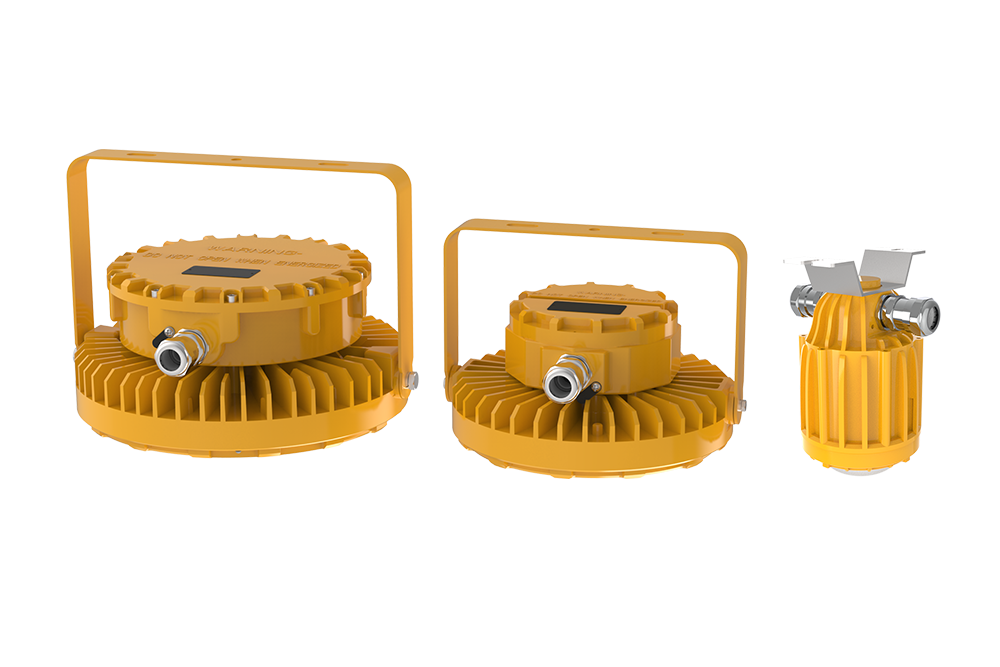
LED explosion proof high bay lights are designed for Zone 1, Zone 2, Zone 21 and Zone 22 hazardous areas. This page introduces the HB21 Series from SEEKING, including certifications, power options and real application considerations.
View details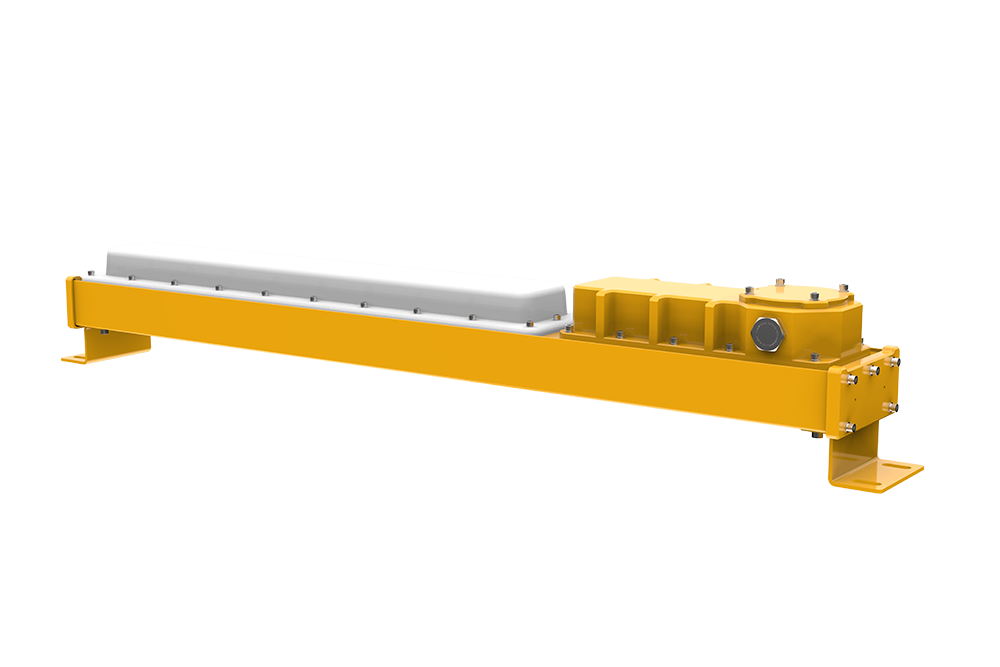
LED Linear Explosion Proof Lights from SEEKINGLED. LU Series Flame Proof lights ATEX-certified explosion proof LED linear lighting for Zone 2 gas and Zone 22 dust areas, IP69K, IK10, long lifetime and flexible power options.
View details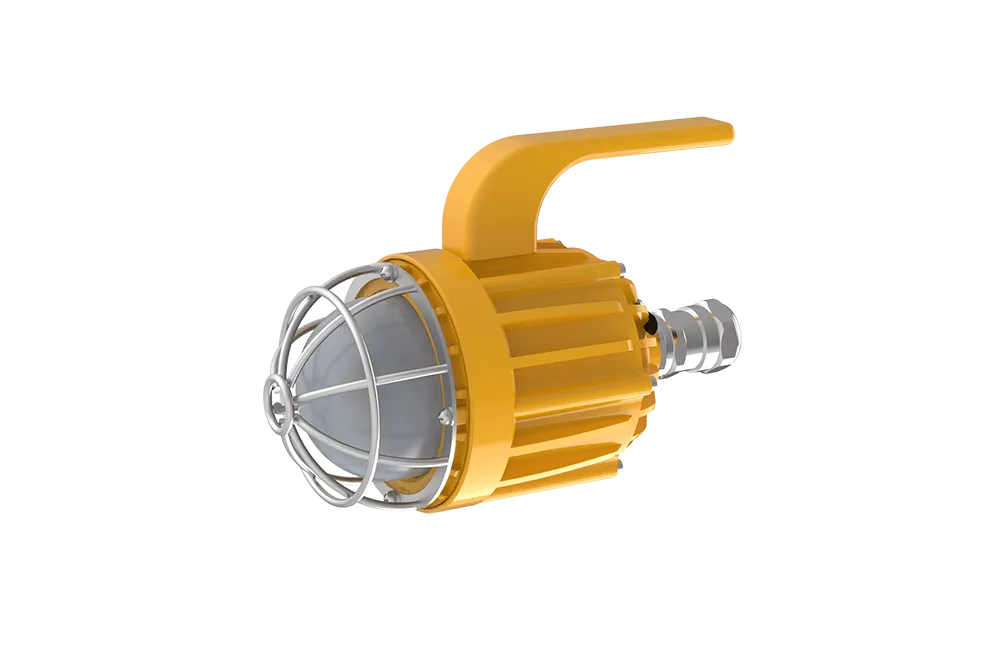
Certified explosion proof work lights for Zone 1 & 21 hazardous areas. Portable, ATEX & IECEx approved, built for oil, gas and chemical plants by SEEKINGLED.
View details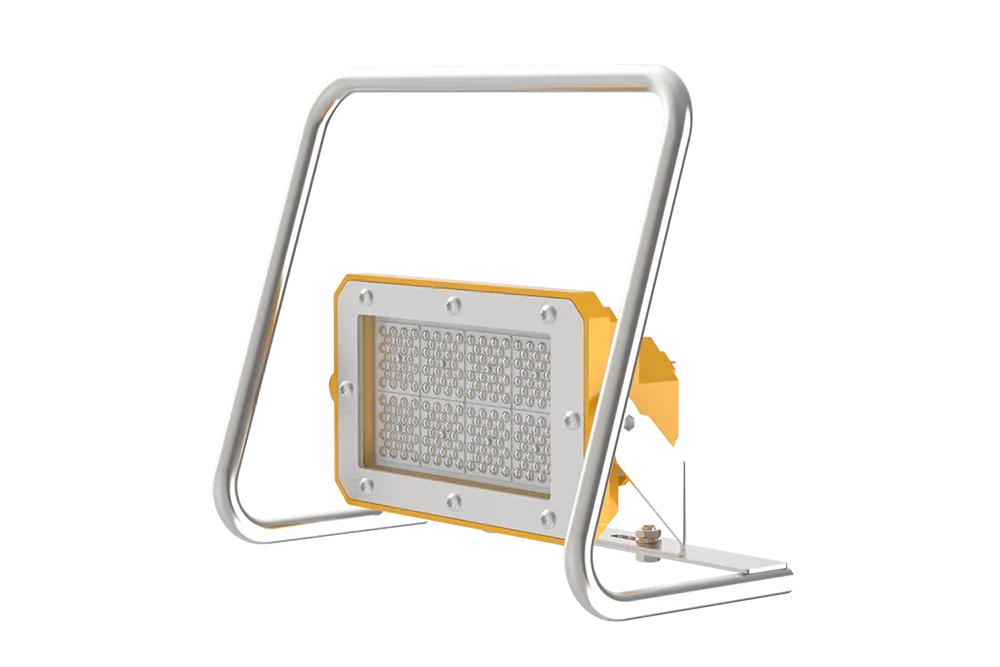
ATEX: II 3G Ex nR ⅡC T6 GcII 3D Ex tc ⅢC T80℃ Dc ATEX Certificate NO: TÜV CY 26 ATEX 0207611 X Feature: ● For Zone 2 and Zone 22● Accepts battery-powered supply● indestructible● Power:AC input:50W,75W,100WDC input:15W,25W,35W Application: Oil and gas, marine, Chemical, pharmaceutical, semiconductor,mining,military industry, paint booth,po…
View details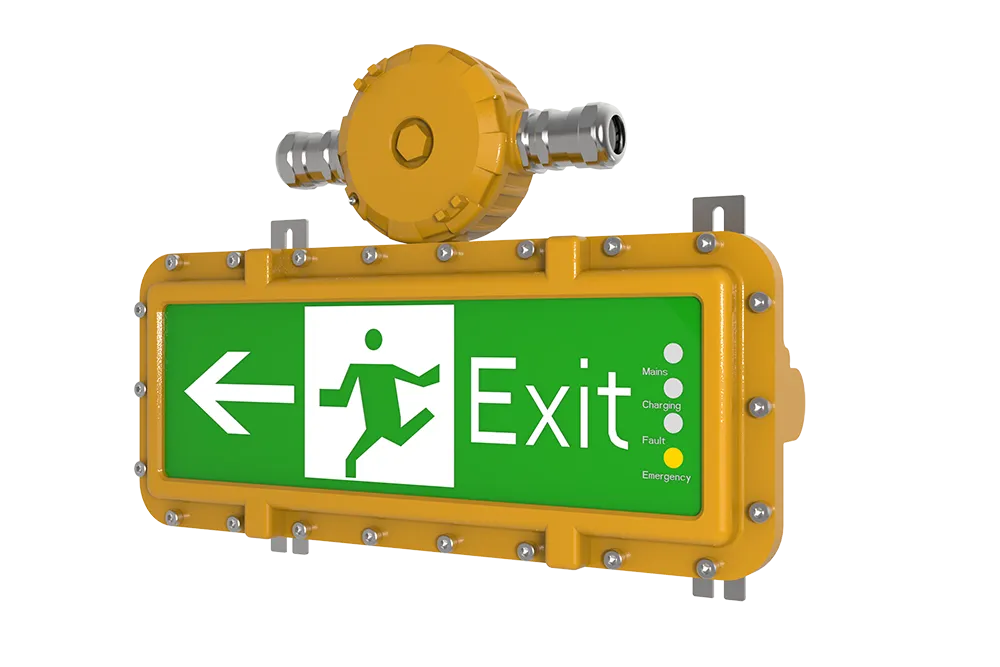
ATEX: Ex II 2G Ex db IIB T6 GbEx II 2D Ex tb IIIC T80°C Db IECEx Ex db IIB T6 Gb;Ex tb IIIC T80°C Db Feature: ● For Zone 1,2 and Zone 21,22● Flameproof type, the strongest Application: Oil and gas, marine, Chemical, pharmaceutical, semiconductor,mining,military industry, paint booth,power plant ETC hazardous area. Technical Specifications:…
View details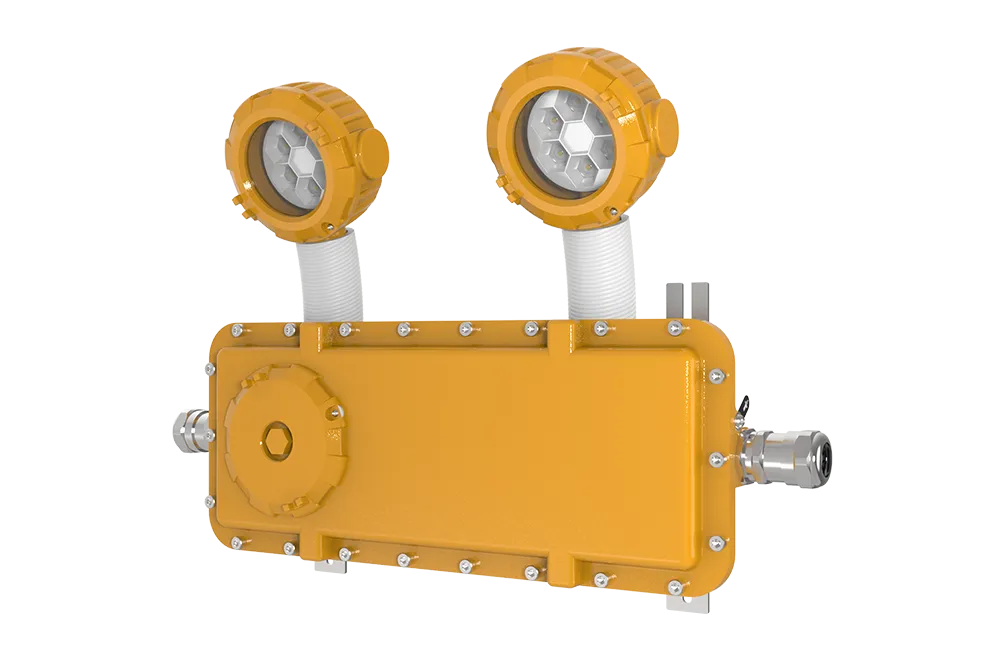
ATEX: Ex II 2G Ex db IIB T6 GbEx II 2D Ex tb IIIC T80°C Db IECEx Ex db IIB T6 Gb;Ex tb IIIC T80°C Db Feature: ● For Zone 1,2 and Zone 21,22● Flameproof type, the strongest Application: Oil and gas, marine, Chemical, pharmaceutical, semiconductor,mining,military industry, paint booth,power plant ETC hazardous area. Technical Specifications:…
View details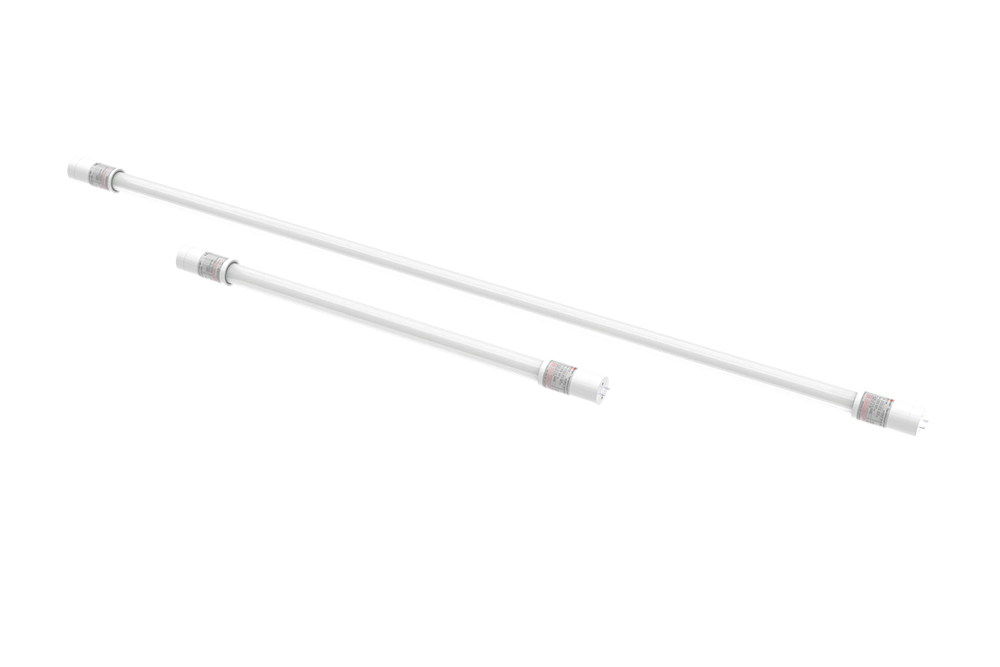
ATEX: Ex II 2G Ex d e IIB T6 Gb ATEX: Ex d e IIB T6 Gb; Feature: ● For Zone 1,2● 9W can replace 18W fluorescent lamps,50% Energy saving Application: Oil and gas, marine, Chemical, pharmaceutical, semiconductor,mining,military industry, paint booth,power plant ETC hazardous area. Technical Specifications: Standards:60079-0, 60079-1, 60079…
View details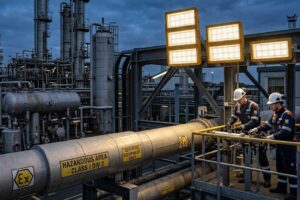
Why Lighting for Hazardous Areas Exists is a critical question for industrial safety. Learn how hazardous area lighting prevents ignition risks and protects workers.
View details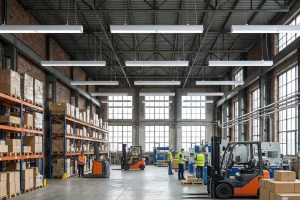
4 ft linear LED high bay lights designed for aisles and corridors. Flexible beam angles, high efficacy, and long lifetime for real industrial use.
View details
27th-30th,October,2017 Booth: 5B-E25GSL series low bay light include 80W, 100W, 150W, 200W, 240W, square appearance, IP65 protection grade. PC cover, ultrathin design, suspension, recessed, surface mounting and other installation...
View details
How long does a LED light last in real use? See actual lifespan, key failure factors, and why SEEKINGLED lighting keeps performance stable over time.
View details