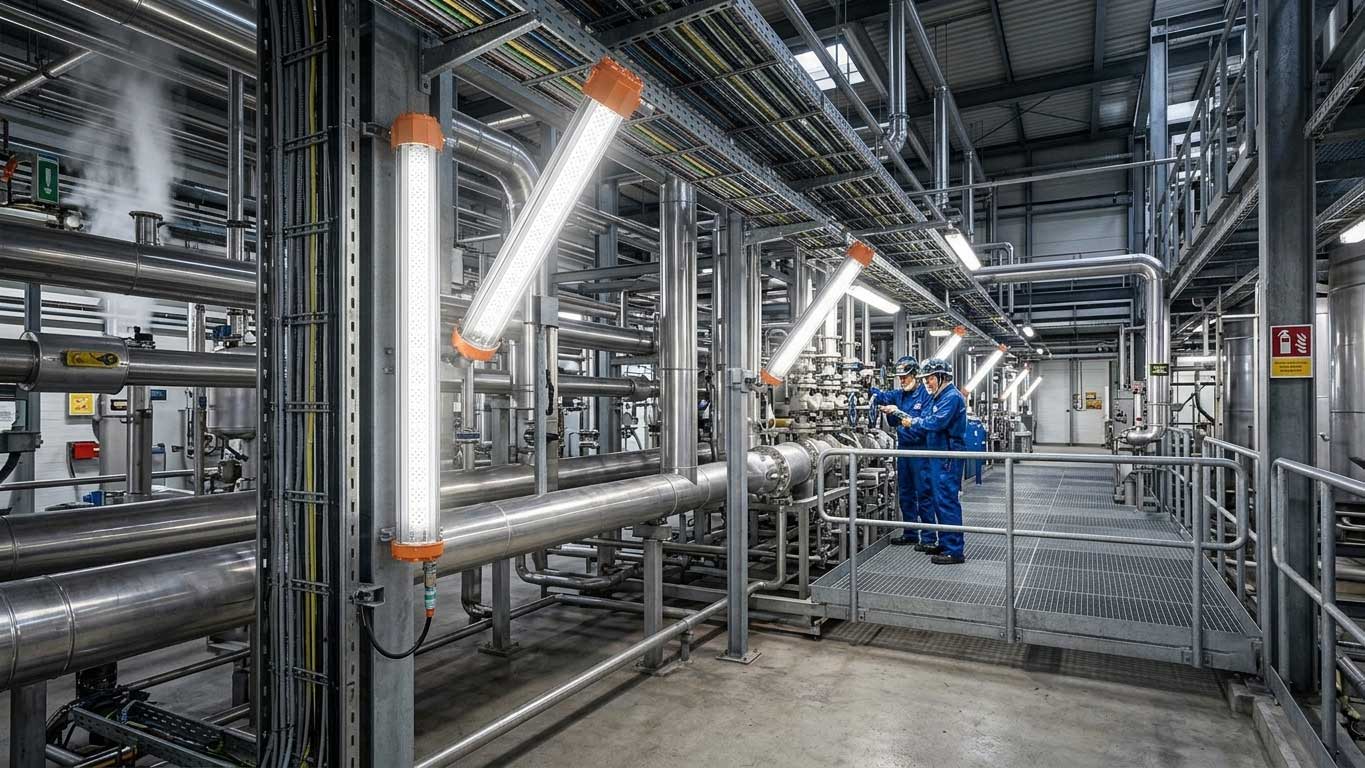
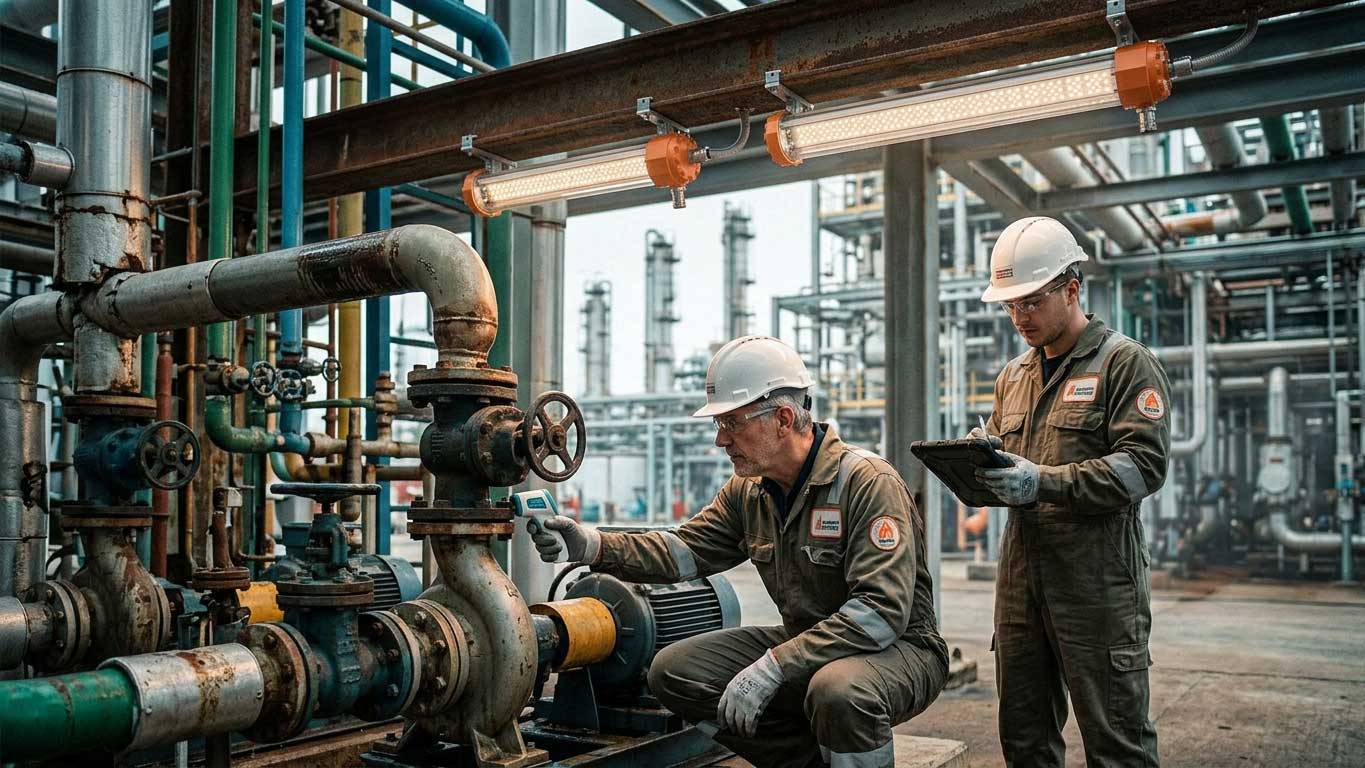
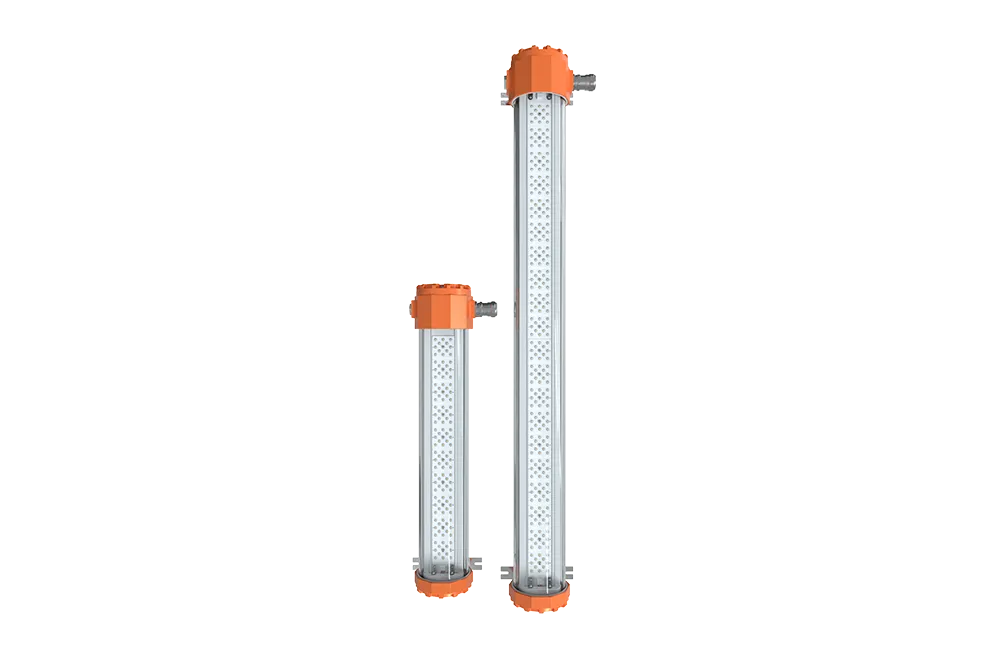
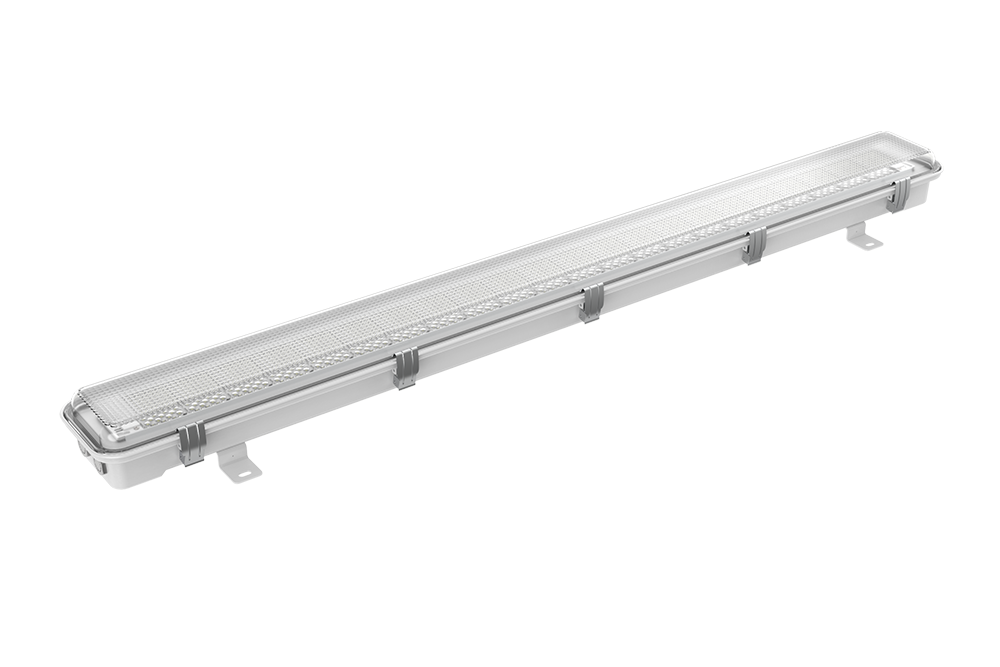
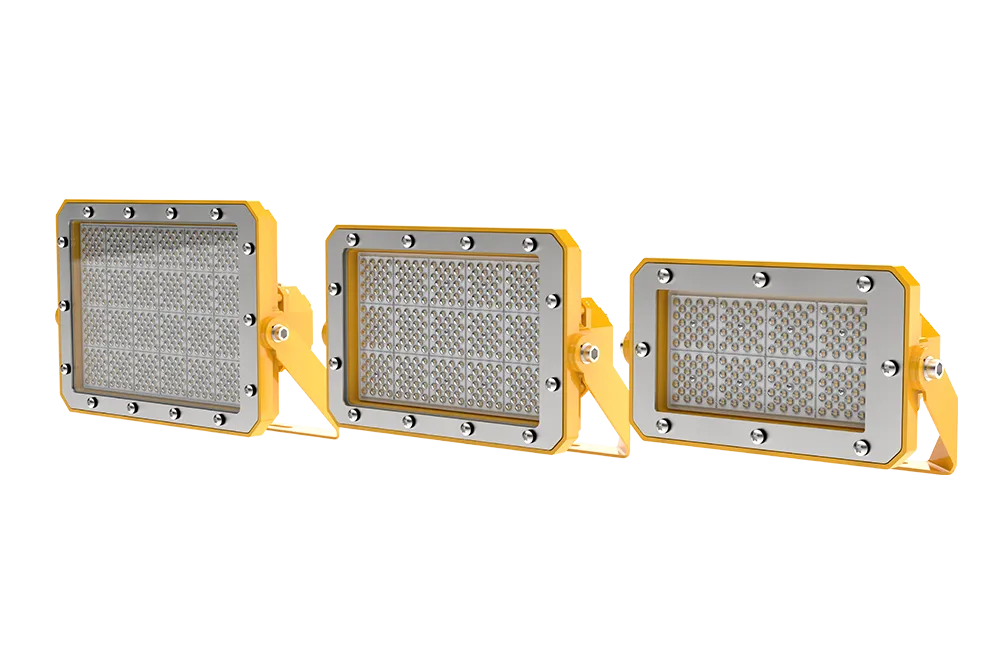
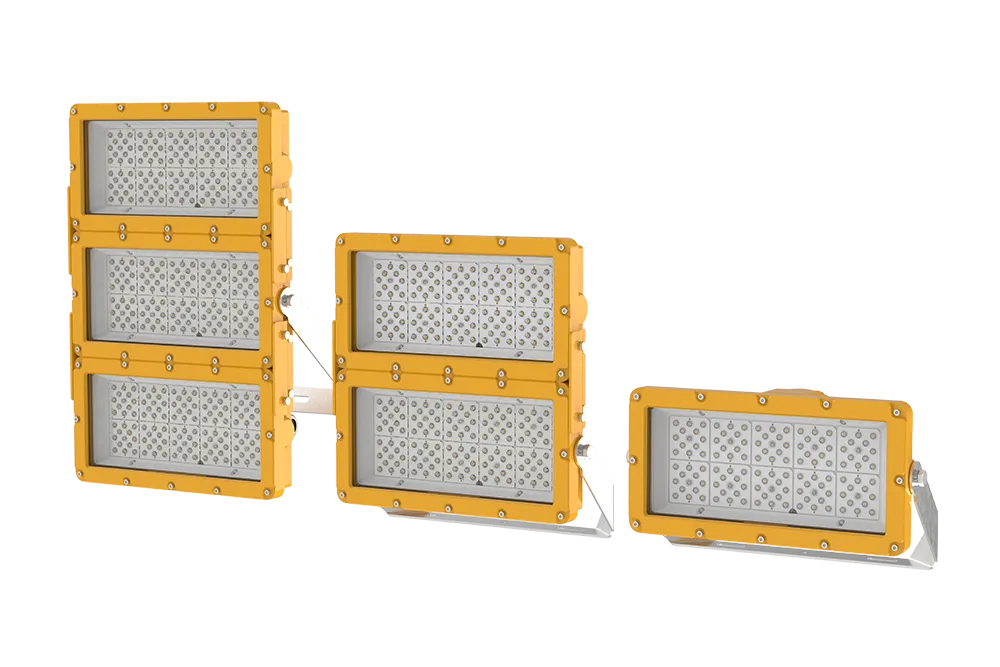
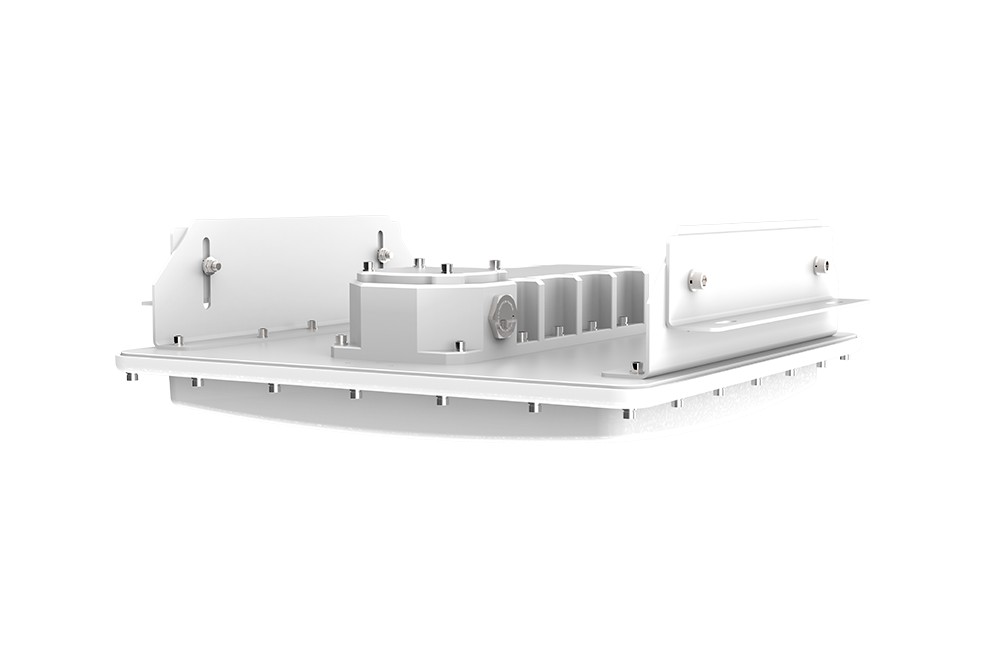
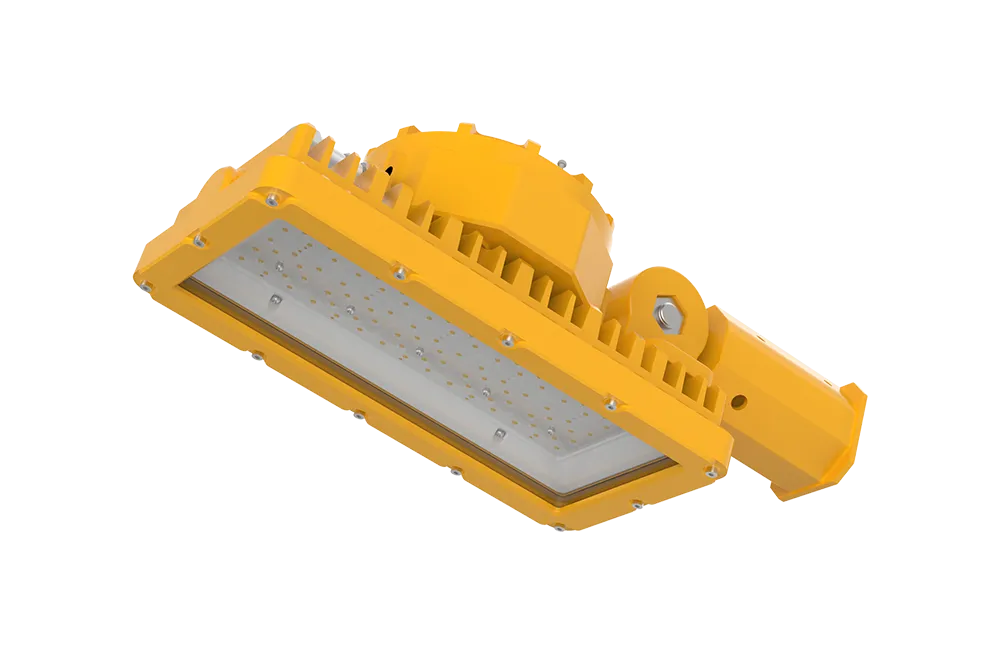
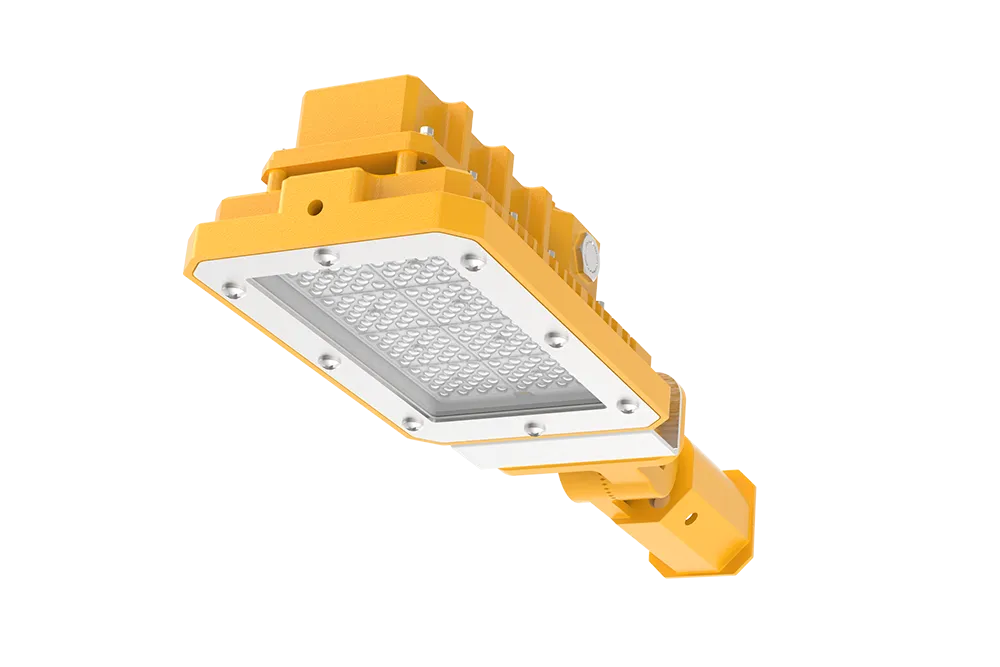
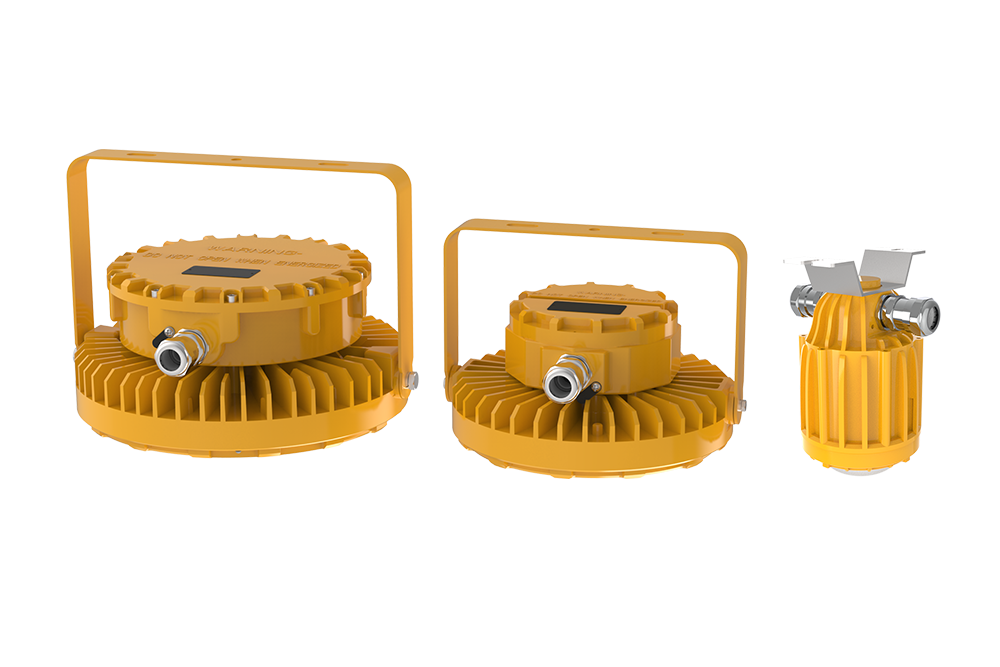
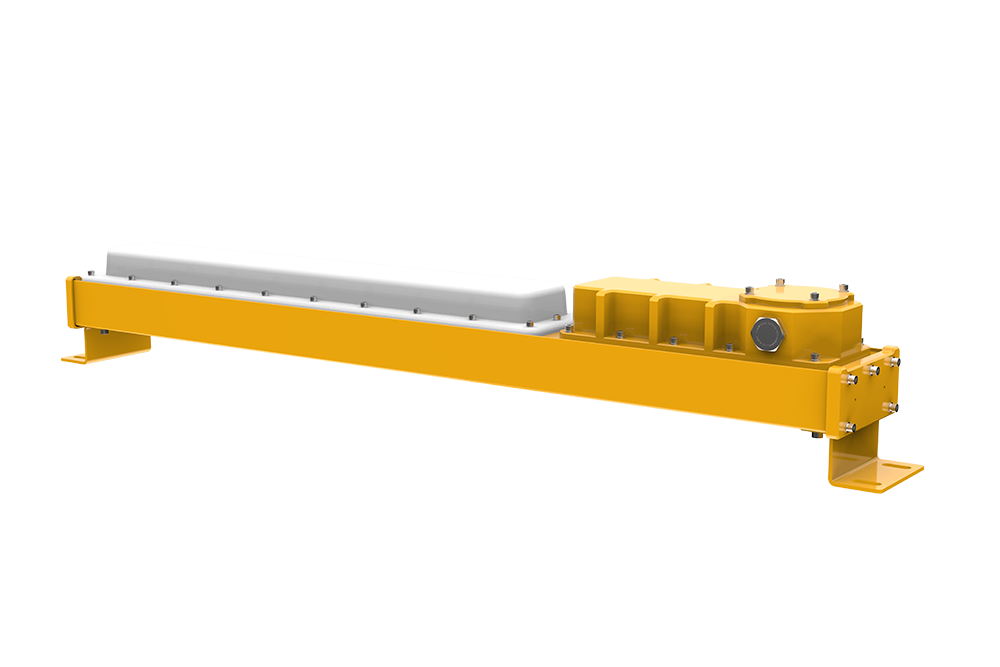
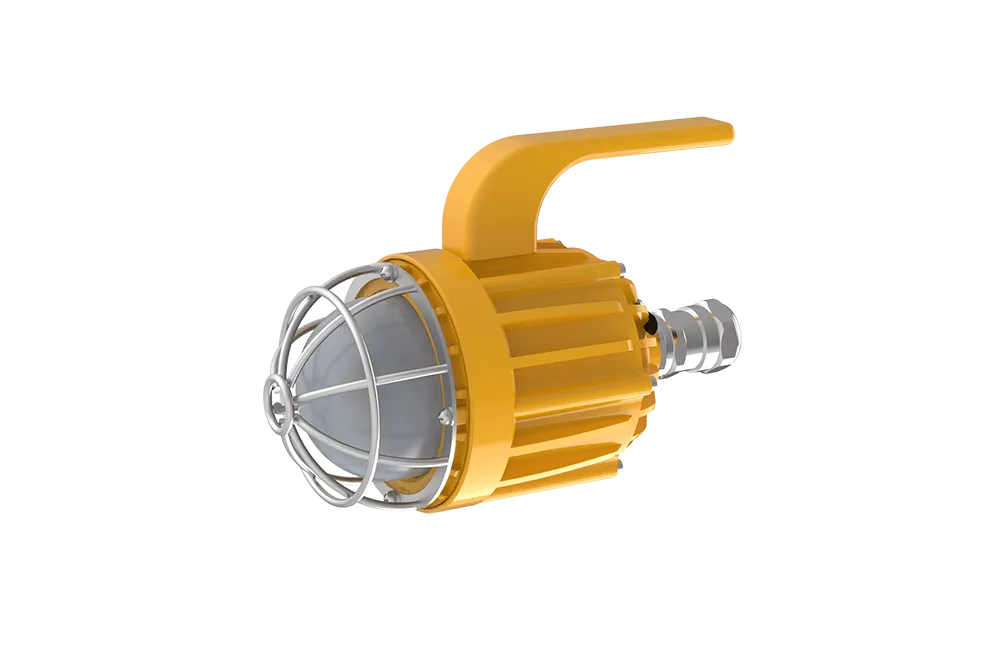
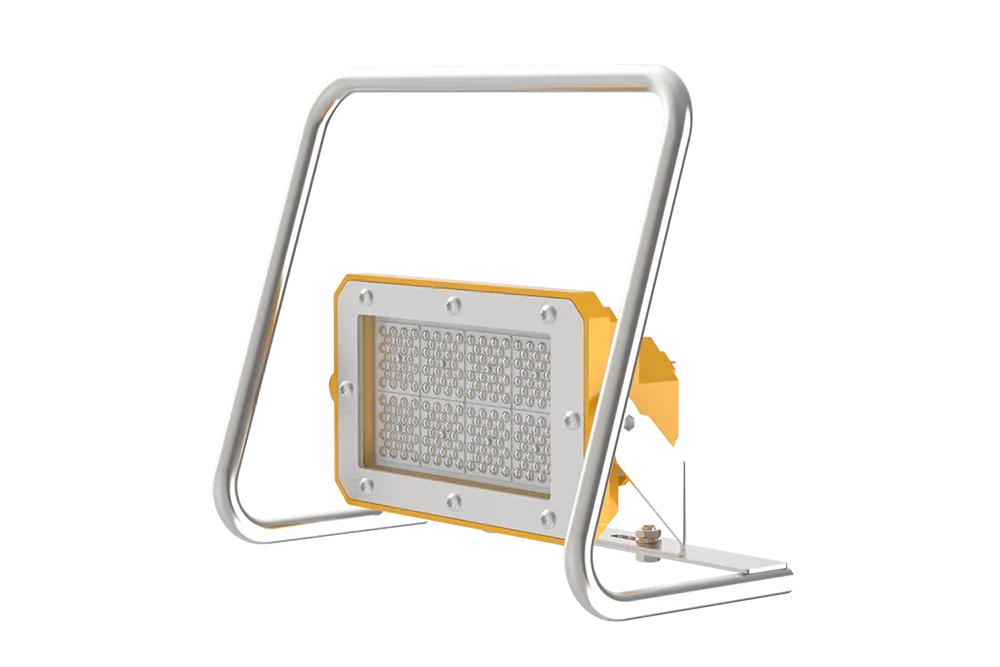
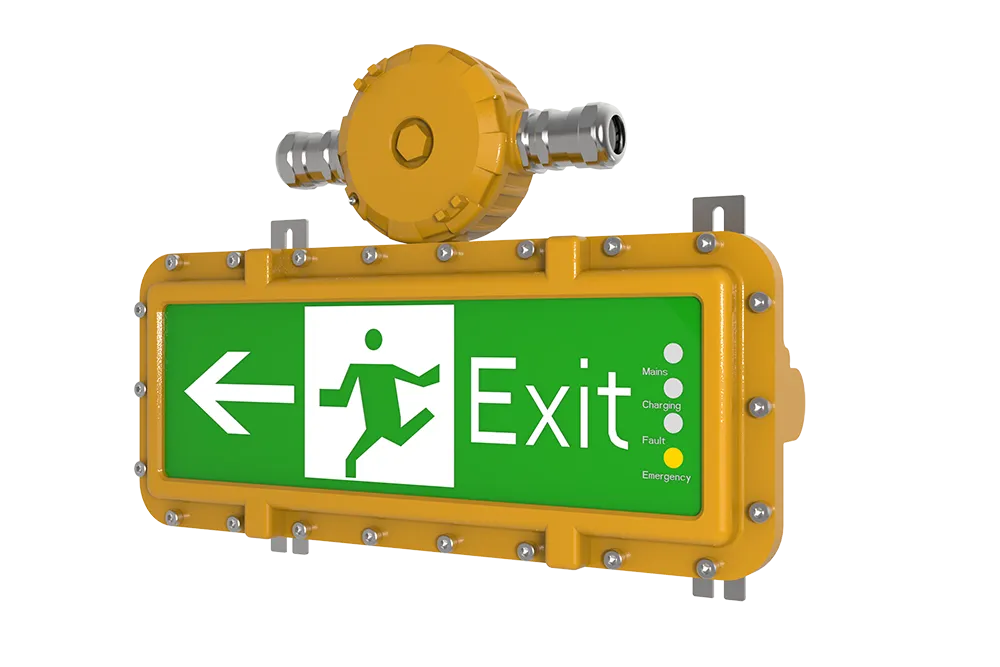
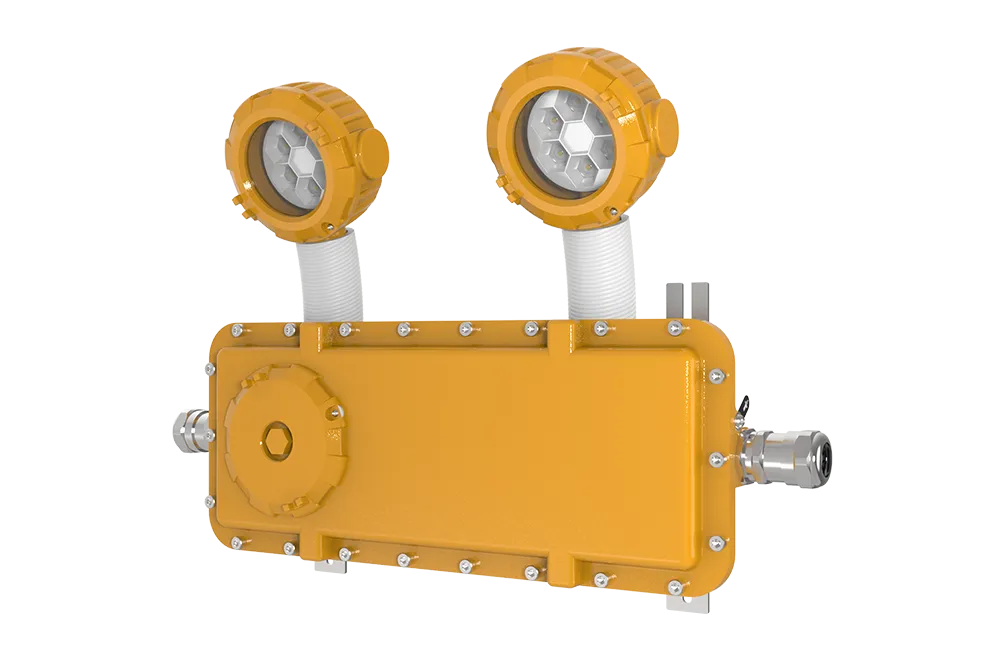
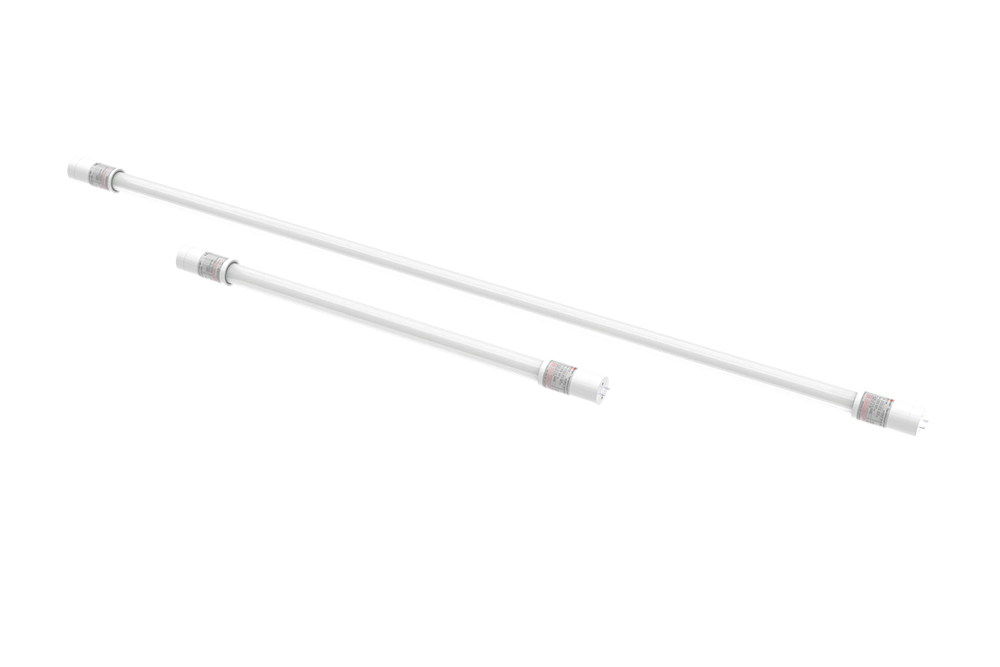
What Is HLL Linear LED Lighting Hazardous Area? It is a certified linear LED luminaire engineered for locations where explosive gases, vapors, or combustible dust may be present. These fixtures combine explosion protection, long service life, and high-efficiency illumination while meeting internationally recognized hazardous-area safety standards.
When people first hear the phrase HLL linear LED lighting hazardous area, many assume it simply means a waterproof industrial light. After spending years helping EPC contractors and maintenance teams specify lighting for chemical plants and offshore facilities, I can say that’s one of the most common misunderstandings.
A hazardous-area luminaire is not defined by brightness or appearance. It is defined by how safely it behaves when everything around it becomes potentially dangerous.
Inside a refinery, a pharmaceutical solvent room, or an LNG loading station, lighting cannot become an ignition source—not during normal operation, and not when unexpected faults occur. That single requirement influences every engineering decision, from enclosure strength to driver temperature management.
At SEEKINGLED, we’ve worked with customers replacing aging fluorescent explosion-proof fixtures across petrochemical sites, marine terminals, and manufacturing plants. One lesson repeats itself project after project: selecting lighting based only on lumen output usually leads to expensive corrections later.Visit the product page: Explosion proof lights
Why Does Hazardous Area Lighting Require Special Design?
Unlike conventional industrial lighting, hazardous-area luminaires are developed around explosion protection principles.
Their purpose is not only to illuminate a workspace but also to prevent electrical equipment from igniting surrounding explosive atmospheres.
Internationally, hazardous environments are classified according to the likelihood that flammable gases or combustible dusts are present.
The International Electrotechnical Commission (IEC) defines these requirements through the IEC 60079 series, which forms the basis of hazardous-area standards used across much of the world.
One specification that experienced buyers pay close attention to is surface temperature.
Even an efficient LED driver generates heat.
If that heat is not properly managed, the luminaire could exceed the maximum permitted temperature for a classified area.
That’s why hazardous-area products undergo thermal verification as part of the certification process rather than relying solely on laboratory performance claims.
Where Is HLL Linear LED Lighting Hazardous Area Commonly Used?
In practice, these luminaires are installed wherever explosive atmospheres may occur during normal operation or abnormal operating conditions.
Typical industries include:
Oil and gas production
Petrochemical processing
LNG facilities
Pharmaceutical manufacturing
Paint production
Grain handling plants
Wastewater treatment stations
Offshore platforms
Marine engine rooms
Although each project looks different, the engineering priorities rarely change.
Operators want reliable visibility.
Maintenance managers want fewer service interruptions.
Safety officers want certified compliance.
The lighting system has to satisfy all three.
According to the U.S. Occupational Safety and Health Administration (OSHA), electrical equipment installed in hazardous (classified) locations must be approved for the specific environment in which it operates.
That requirement isn’t merely administrative paperwork—it directly affects personnel safety and legal compliance during inspections.
Why More Industrial Facilities Are Switching to LED
Several years ago, fluorescent explosion-proof luminaires were still common across older industrial facilities.
Today, the replacement trend is accelerating.
One reason is energy efficiency.
Another is maintenance.
The U.S. Department of Energy notes that LED technology provides significantly longer operating life and lower maintenance requirements than conventional lighting technologies, making lifecycle cost substantially lower in many industrial applications.
From our own project experience, maintenance savings often outweigh electricity savings.
Replacing a fixture inside a hazardous processing area is rarely a simple task. Production permits, gas testing, elevated access equipment, and safety supervision all increase the true cost of routine lamp replacement. When those interventions become less frequent, the operational impact is immediately noticeable.
How to Choose the Right HLL Linear LED Lighting Hazardous Area Fixture
Choosing a hazardous-area luminaire should begin with the site—not with the product catalogue.
When our engineering team receives an inquiry, the first discussion is rarely about wattage. Instead, we ask for process drawings, hazardous-area classifications, installation height, and ambient temperature. Those details determine whether a fixture will perform reliably over the next ten years or become a maintenance issue within two.
Before specifying a luminaire, confirm the following:
Selection Item
Why It Matters
Hazardous area classification
Determines whether the fixture is suitable for Zone 1, Zone 2, Zone 21, or Zone 22.
Gas group or dust group
Ensures compatibility with the site’s explosion protection requirements.
Temperature class
Confirms the fixture’s maximum surface temperature remains below the ignition temperature of the hazardous atmosphere.
Mounting height
Influences beam distribution and lighting uniformity.
Ambient temperature
Affects driver performance and LED lifespan.
Corrosion exposure
Determines whether marine-grade or chemically resistant materials are required.
Power supply
Confirms voltage compatibility and emergency lighting requirements.
One mistake we occasionally see is selecting a fixture solely because another facility uses the same model. While that sounds practical, hazardous locations are classified individually. A luminaire that is suitable for one processing area may not be appropriate for another located only a few metres away.
HLL Linear LED Lighting vs Traditional Explosion-Proof Fluorescent Lighting
Although fluorescent explosion-proof fixtures remain in service at many older facilities, most new industrial projects now specify LED technology because it offers measurable advantages over its operating life.
Comparison
HLL Linear LED Lighting Hazardous Area
Traditional Explosion-Proof Fluorescent
Energy efficiency
High
Moderate
Lamp replacement
Not normally required for many years
Regular tube replacement
Warm-up time
Instant full output
Slower, especially in cold environments
Vibration resistance
Excellent
Moderate
Optical consistency
Stable over time
Declines as lamps age
Maintenance frequency
Low
Higher
Lifecycle operating cost
Lower
Higher
This comparison becomes even more meaningful in hazardous environments. Replacing a fluorescent tube is rarely just a five-minute task. It often requires work permits, production coordination, gas monitoring, and additional safety procedures.
In other words, maintenance costs are multiplied long before a replacement lamp is installed.
Practical Advice From Real Industrial Projects
Every hazardous-area project teaches something different.
On one offshore maintenance project, the client initially requested higher lumen output because operators felt certain walkways appeared dim. After reviewing the installation, we discovered the issue was not brightness—it was optical distribution. The existing fixtures created bright hotspots directly beneath the luminaires while leaving shadows between structural beams.
By changing the beam distribution instead of simply increasing power consumption, the working surface became noticeably more uniform. Operators reported better visibility around cable trays and pipe supports without increasing installed wattage.
Experiences like this reinforce an important point:
More lumens do not automatically mean better lighting.
Proper optical design often delivers greater improvements than increasing electrical power.
That is one reason SEEKINGLED works with customers during the planning stage rather than recommending products based only on datasheets.
Why Industrial Customers Choose SEEKINGLED
At SEEKINGLED, hazardous-area lighting is developed with long-term field performance in mind.
Our engineering priorities include:
Certified explosion protection for hazardous environments
Stable thermal management to protect LED drivers
High-quality optical systems that reduce glare
Corrosion-resistant housing materials for demanding industrial sites
Consistent manufacturing quality and inspection before shipment
Technical support throughout project specification and installation
Rather than offering a one-size-fits-all solution, we help customers select fixtures according to actual operating conditions, environmental exposure, and maintenance objectives.
That engineering-first approach has supported projects across chemical processing, offshore energy, pharmaceutical production, marine engineering, and heavy industry.
FAQ About What Is HLL Linear LED Lighting Hazardous Area?
Is HLL linear LED lighting hazardous area suitable for Zone 1 applications?
Yes. Models carrying the appropriate certification are specifically designed for Zone 1 locations, where explosive gas atmospheres may occur during normal operation. Always verify that the certification matches your site’s hazardous-area classification before installation.
Does every industrial LED fixture qualify for hazardous areas?
No. Ordinary industrial LED luminaires are not certified for explosive atmospheres. Hazardous-area fixtures must undergo dedicated testing and certification before they can be installed in classified locations.
Why is certification more important than lumen output?
Higher brightness improves visibility, but certification confirms that the luminaire will not become an ignition source. In hazardous environments, safety certification always takes priority over lighting performance.
How long can an HLL linear LED lighting hazardous area fixture last?
Actual service life depends on operating temperature and installation conditions, but high-quality industrial LED luminaires are commonly designed for 50,000 to 100,000 operating hours under rated conditions.
What IP rating is recommended?
For most industrial hazardous-area installations, fixtures with IP66 or higher are commonly specified to provide strong protection against dust and water ingress.
Which industries most commonly use HLL linear LED lighting hazardous area?
Typical applications include:
Oil and gas
Petrochemical plants
LNG terminals
Pharmaceutical manufacturing
Marine engineering
Mining
Food processing
Wastewater treatment
Chemical production
Final Thoughts
So, What Is HLL Linear LED Lighting Hazardous Area?
It is far more than a linear LED fixture with a rugged housing. It is a certified safety device engineered to deliver dependable illumination while preventing potential ignition in locations where explosive gases or combustible dust may be present.
From years of supporting industrial lighting projects, we’ve found that successful installations rarely depend on selecting the highest lumen output. They depend on understanding the hazardous environment, choosing the correct certification, and matching optical performance to the working conditions.
At SEEKINGLED, that philosophy guides every project we support. By combining certified explosion protection, efficient LED technology, and application-focused engineering, we help industrial facilities build lighting systems that remain reliable long after installation.
If you’re evaluating lighting for a refinery, chemical plant, offshore platform, or other classified location, investing in the right What Is HLL Linear LED Lighting Hazardous Area solution today can reduce maintenance, improve operational safety, and provide dependable performance for years to come.
SEEKINGLED LED Linear Explosion Proof Light and Explosion Proof lighting is ATEX and IECEx certified for Zone 1, Zone 2, Zone 21 and Zone 22 hazardous locations, built for long-term industrial use.
LED Linear Explosion Proof Lights and EX Proof lights for Zone 1, Zone 2, Zone 21 and Zone 22 hazardous areas. ATEX & IECEx certified explosion proof LED linear lighting with emergency function, adjustable power and IP67 protection by SEEKINGLED.
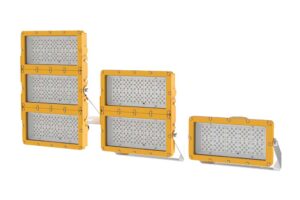
SEEKINGLED LED Explosion Proof Flood Lights are ATEX certified for Zone 2 and Zone 22 hazardous areas, offering high efficiency, adjustable power and integrated junction box.
SEEKINGLED LED Explosion Proof Flood Lights are flameproof ATEX and IECEx certified for Zone 1 and Zone 2 hazardous areas, offering high power, adjustable output and long service life.
SEEKINGLED LED Gas Station Canopy Lights are ATEX certified for Zone 2 and Zone 22 hazardous areas, featuring adjustable power and built-in explosion-proof junction box.
ATEX: Ex II 2G Ex db IIB T6/T5 GbEx II 2D Ex tb IIIC T80°C/ T95°C Db IECEx Ex db IIB T6 Gb;Ex tb IIIC T80°C Db Feature: ● For Zone 1,2 and Zone 21,22● Flameproof type, the strongest● 100W can replace 250W HID,energy saving● Power:60W,80W,100W Application: Oil and gas, marine, Chemical, pharmaceutical, semiconductor,mining,military industr…
ATEX: II 3G Ex nR ⅡC T5/T6 GcII 3D Ex tc ⅢC T80℃/T95℃Dc ATEX Certificate NO: TÜV CY 26 ATEX 0207611 X Feature: ● For Zone 2 and Zone 22● 150W can replace 250W HID lamps,Energy saving● Power:50W,75W,100W,150W,200W Application: Oil and gas, marine, Chemical, pharmaceutical, semiconductor,mining,military industry, paint booth,power plant ETC…
LED explosion proof high bay lights are designed for Zone 1, Zone 2, Zone 21 and Zone 22 hazardous areas. This page introduces the HB21 Series from SEEKING, including certifications, power options and real application considerations.
LED Linear Explosion Proof Lights from SEEKINGLED. LU Series Flame Proof lights ATEX-certified explosion proof LED linear lighting for Zone 2 gas and Zone 22 dust areas, IP69K, IK10, long lifetime and flexible power options.
Certified explosion proof work lights for Zone 1 & 21 hazardous areas. Portable, ATEX & IECEx approved, built for oil, gas and chemical plants by SEEKINGLED.
ATEX: II 3G Ex nR ⅡC T6 GcII 3D Ex tc ⅢC T80℃ Dc ATEX Certificate NO: TÜV CY 26 ATEX 0207611 X Feature: ● For Zone 2 and Zone 22● Accepts battery-powered supply● indestructible● Power:AC input:50W,75W,100WDC input:15W,25W,35W Application: Oil and gas, marine, Chemical, pharmaceutical, semiconductor,mining,military industry, paint booth,po…
ATEX: Ex II 2G Ex db IIB T6 GbEx II 2D Ex tb IIIC T80°C Db IECEx Ex db IIB T6 Gb;Ex tb IIIC T80°C Db Feature: ● For Zone 1,2 and Zone 21,22● Flameproof type, the strongest Application: Oil and gas, marine, Chemical, pharmaceutical, semiconductor,mining,military industry, paint booth,power plant ETC hazardous area. Technical Specifications:…
ATEX: Ex II 2G Ex db IIB T6 GbEx II 2D Ex tb IIIC T80°C Db IECEx Ex db IIB T6 Gb;Ex tb IIIC T80°C Db Feature: ● For Zone 1,2 and Zone 21,22● Flameproof type, the strongest Application: Oil and gas, marine, Chemical, pharmaceutical, semiconductor,mining,military industry, paint booth,power plant ETC hazardous area. Technical Specifications:…
ATEX: Ex II 2G Ex d e IIB T6 Gb ATEX: Ex d e IIB T6 Gb; Feature: ● For Zone 1,2● 9W can replace 18W fluorescent lamps,50% Energy saving Application: Oil and gas, marine, Chemical, pharmaceutical, semiconductor,mining,military industry, paint booth,power plant ETC hazardous area. Technical Specifications: Standards:60079-0, 60079-1, 60079…
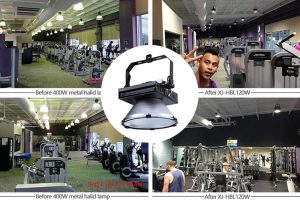
LED High Bay Replacement for Gym Lighting was required after 400W metal halide lamps degraded in an Australian gym. This record documents how XJ-HBL120W was selected after on-site lux testing and adjustment.
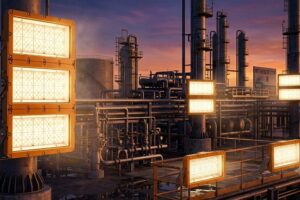
LED explosion proof flood lights for high-risk outdoor oil & gas sites. SEEKINGLED FL7 Series offers Zone 1 ATEX/IECEx certification, IP66, IK10, and up to 52,000 lumens.
Upgrade outdoor roads with a 150W LED street light delivering 170 lm/W efficiency, long lifespan, and stable performance. Trusted by SEEKINGLED projects.
What Are Hazardous Area Batten Lights? Discover how certified hazardous area batten lights improve safety, reduce maintenance, and protect industrial facilities.
 Seeking LED