Q: flood vs spot light — what’s the difference?
It sounds simple. Wide beam vs narrow beam.
That’s the textbook answer.
But on-site, it’s not that clean.
Because choosing between flood vs spot light isn’t just about beam angle—it’s about what you’re trying to see, and what you’re trying to avoid.
The moment you realize it matters
I remember a small outdoor project—nothing complex. Just lighting a building facade.
First setup used flood lights. Plenty of brightness. No complaints… at first.
Then we stepped back.
The whole wall was lit, yes. But the architectural details? Flat. Washed out. No depth.
We swapped a few fixtures to spot lights.
Suddenly, lines appeared. Texture showed up. Shadows did their job.
Same building. Completely different result.
That’s when flood vs spot light stops being theory.
What a flood light actually does
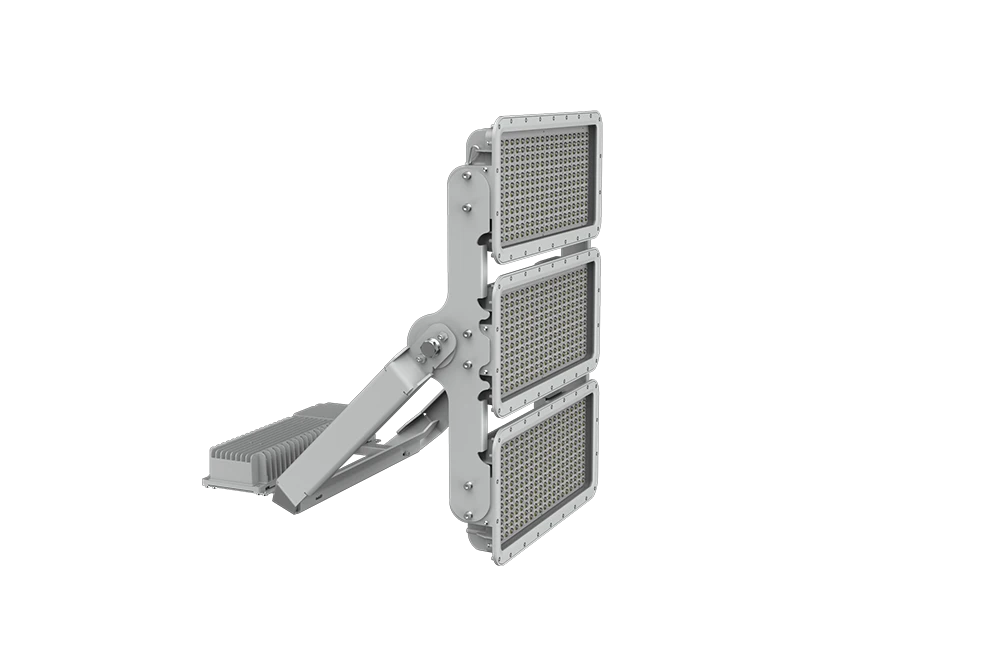
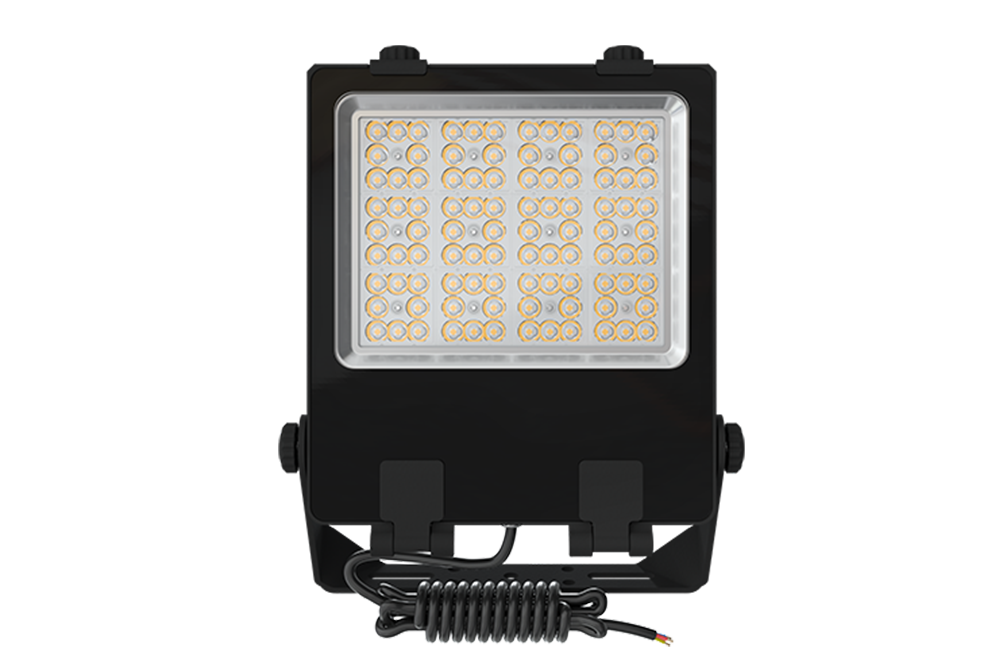
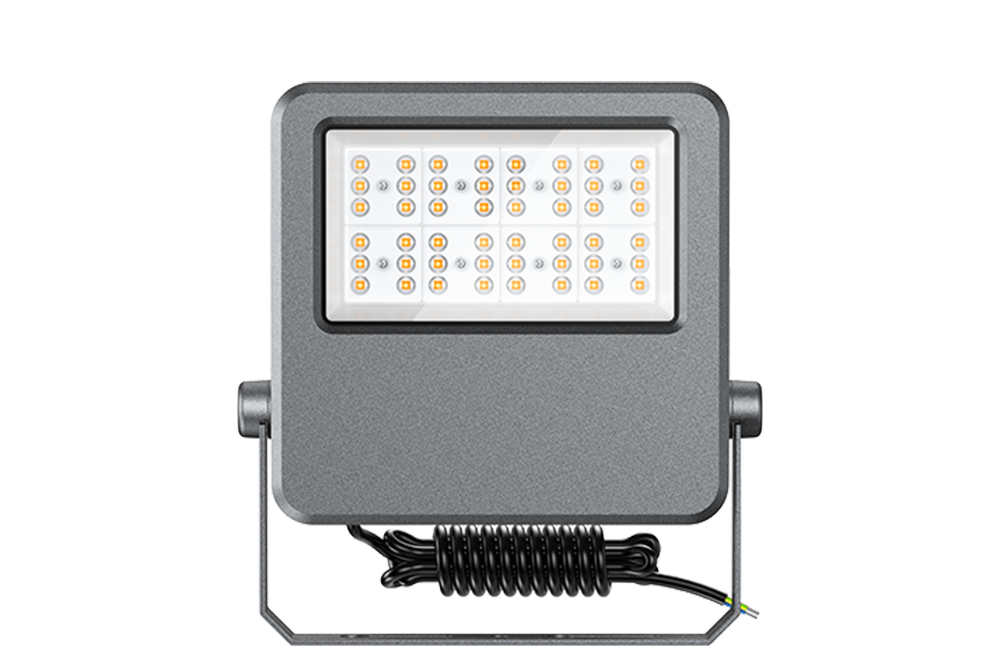
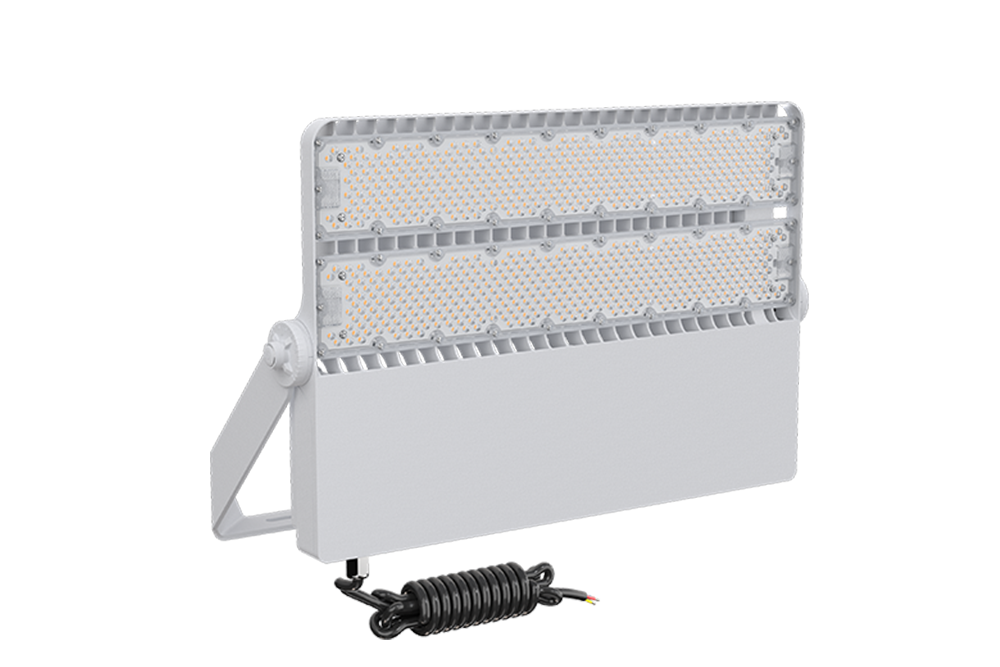
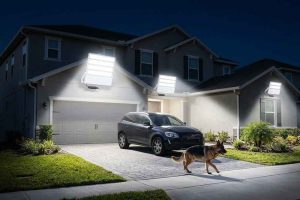
Flood lights spread light over a wide area.
Typically:
- beam angle: 60° to 120° (sometimes wider)
- purpose: coverage, visibility, general illumination
They don’t focus. They cover.
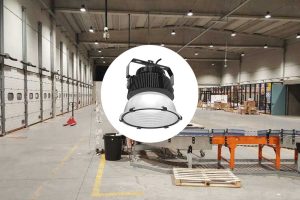
Parking lots. Warehouses. Outdoor yards. These are classic flood light environments.
You don’t need precision. You need consistency.
And a spot light?
Spot lights are focused.
- beam angle: usually 10° to 40°
- purpose: highlight, accent, directional lighting
They create contrast.
Instead of lighting everything, they pick something—and make it stand out.
That’s the key difference in the flood vs spot light discussion.
Why people get it wrong
Because they choose based on brightness.
Not distribution.
A high-lumen flood light can still fail if the light goes everywhere except where you need it.
I’ve seen installations where the ground was bright, but the actual working surface remained underlit.
Wrong beam. Not wrong power.
Beam angle is not just a number
On paper, it looks straightforward.
In practice, small changes matter.
A 30° spot light and a 60° flood light don’t just differ slightly—they behave completely differently at height.
At 5 meters, that difference becomes very visible.
Spot light: concentrated intensity.
Flood light: spread-out coverage.
And if you install the wrong one, you’ll notice it immediately.
Real use cases (not generic)
When flood lights make sense
- large open areas
- general safety lighting
- uniform brightness requirements
Think warehouses, loading zones, outdoor perimeters.
In these cases, spot lights would create uneven patches. Not ideal.
When spot lights are the better choice
- highlighting equipment or structures
- architectural lighting
- focused task areas
You want direction. You want control.
Flood lights here would flatten everything.
Mixing both — what actually works
This is where most well-designed projects land.
Not one or the other.
Both.
Flood lights handle the base layer — general visibility.
Spot lights add focus — detail, contrast, direction.
I’ve rarely seen a good lighting design rely entirely on one type.
Efficiency isn’t just lumens
According to the U.S. Department of Energy, LED lighting already improves energy efficiency significantly compared to traditional systems.
But efficiency isn’t just about output.
It’s about placing light correctly.
A poorly aimed flood light wastes energy.
A correctly placed spot light can do more with less.
That’s something numbers alone don’t show.
Where SEEKINGLED fits in
At SEEKINGLED, beam control is treated as a practical decision—not just a spec sheet option.
Different applications need different distributions.
That’s why product designs include:
- multiple beam angle options
- stable optical performance
- consistent output across applications
Because in real installations, flexibility matters more than a single “perfect” beam.
A quick mistake to avoid
Don’t assume wider is better.
It’s a common instinct—more coverage feels safer.
But too wide, and you lose intensity where it matters.
Too narrow, and you create harsh contrasts.
There’s a balance. And it depends on the space.
More answers
Final thought
So, flood vs spot light?
It’s not a competition.
It’s a decision based on purpose.
Flood lights give you coverage.
Spot lights give you control.
And in most real-world projects, you’ll need both—just not in equal amounts.
LED flood light Recommendations
 Seeking LED